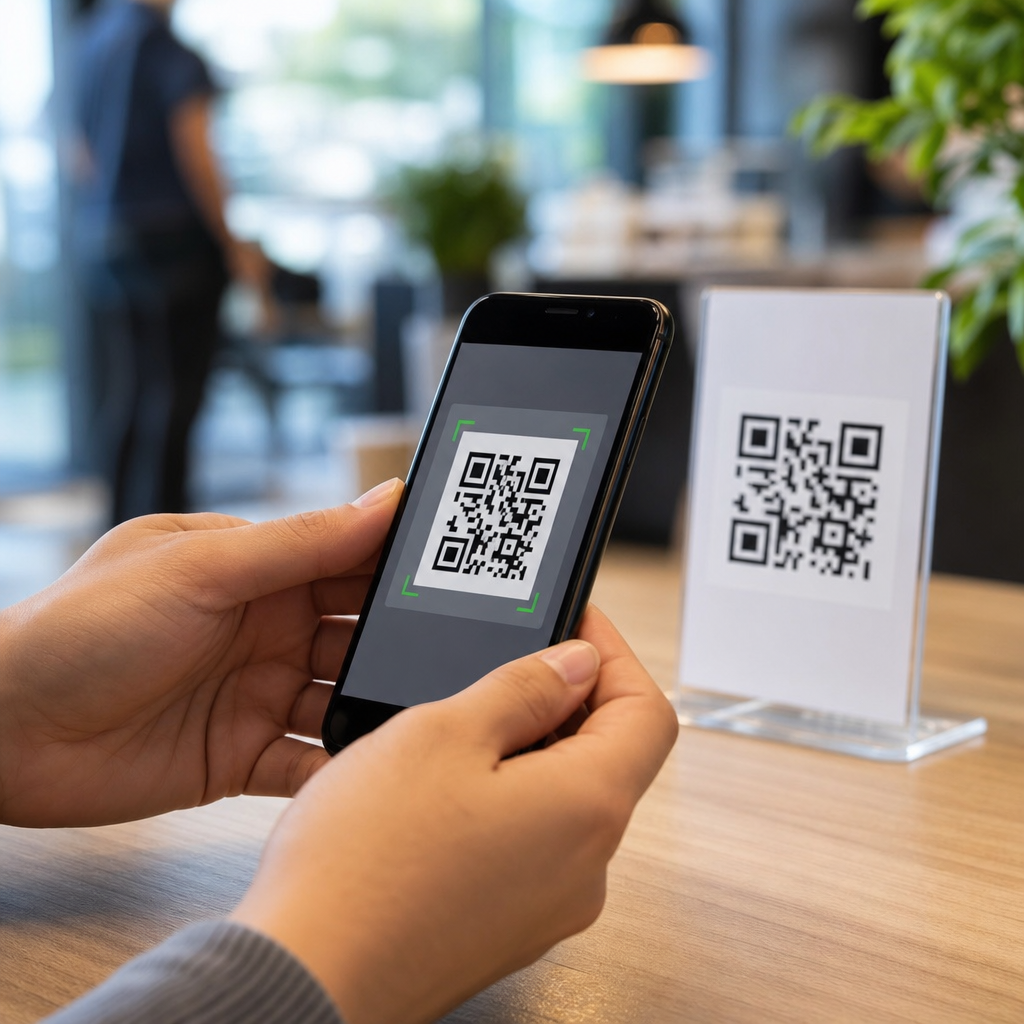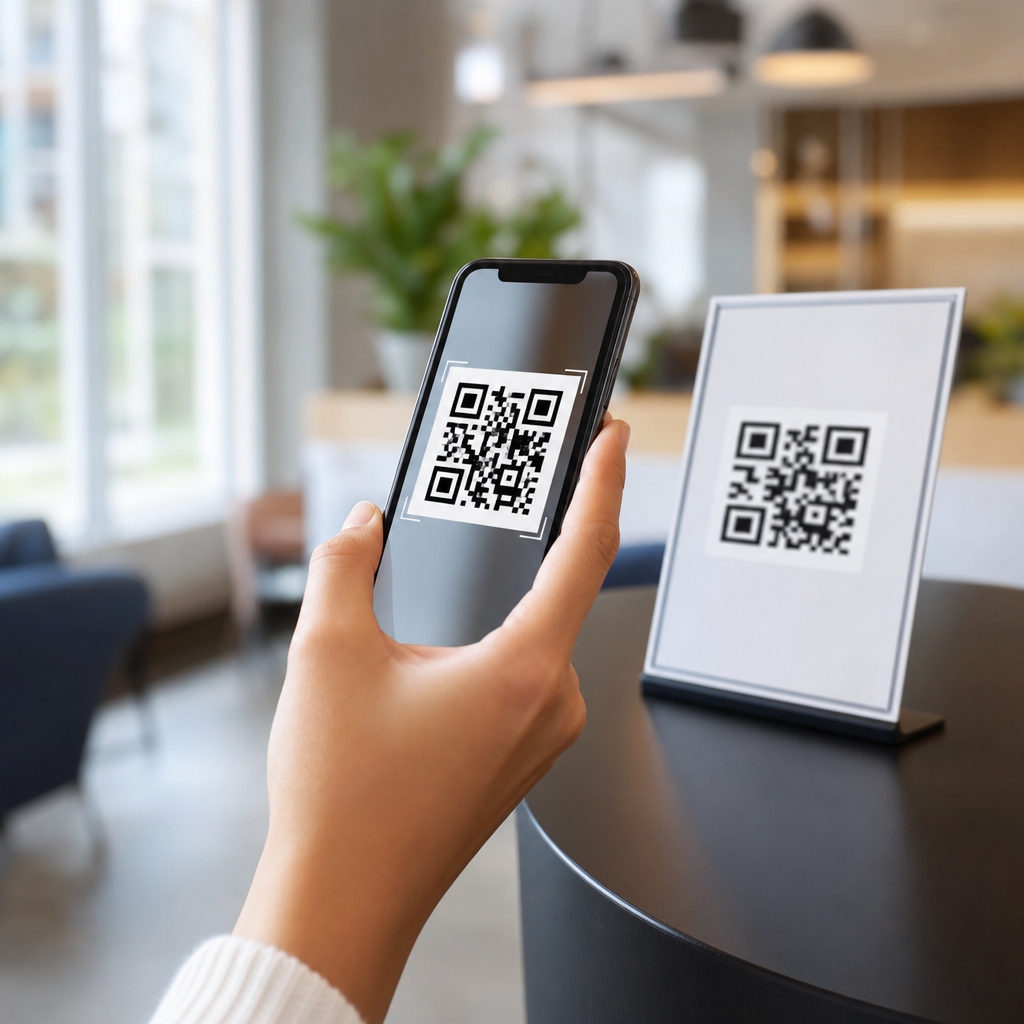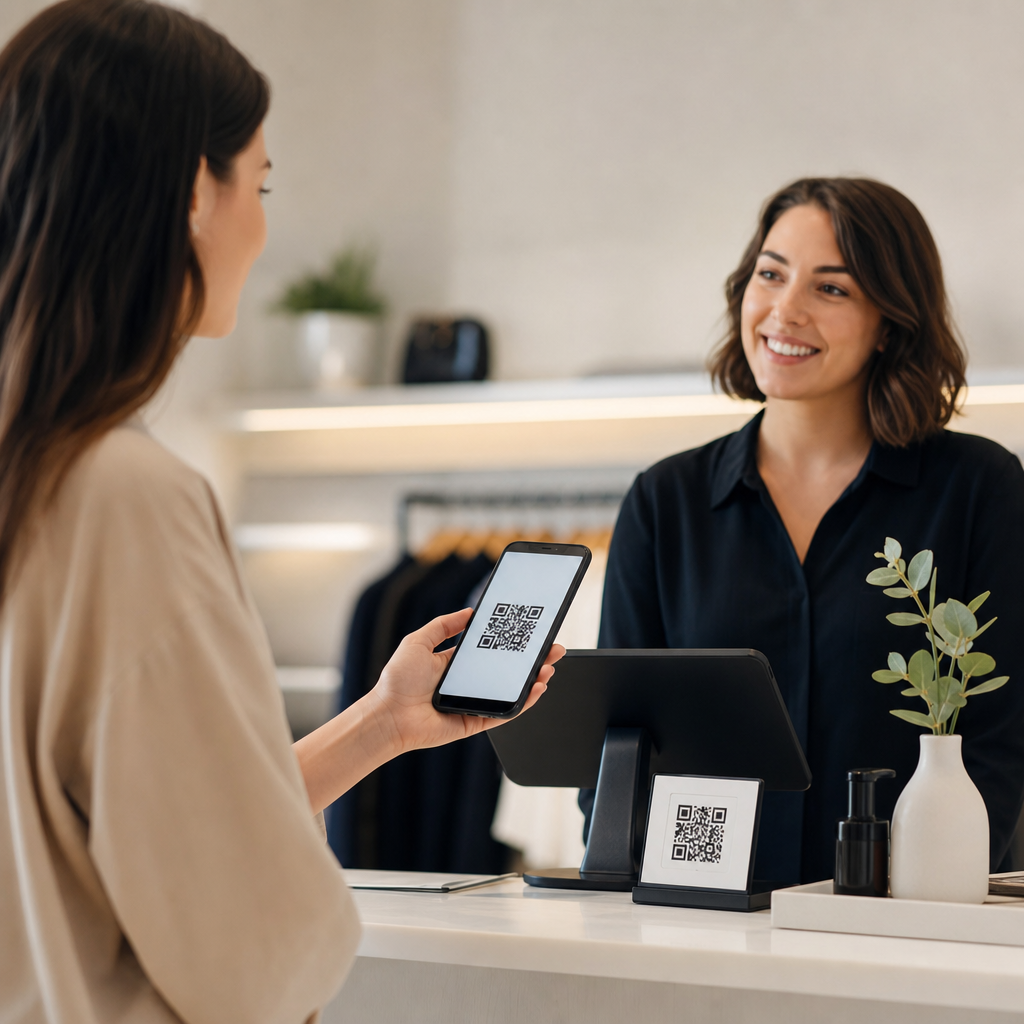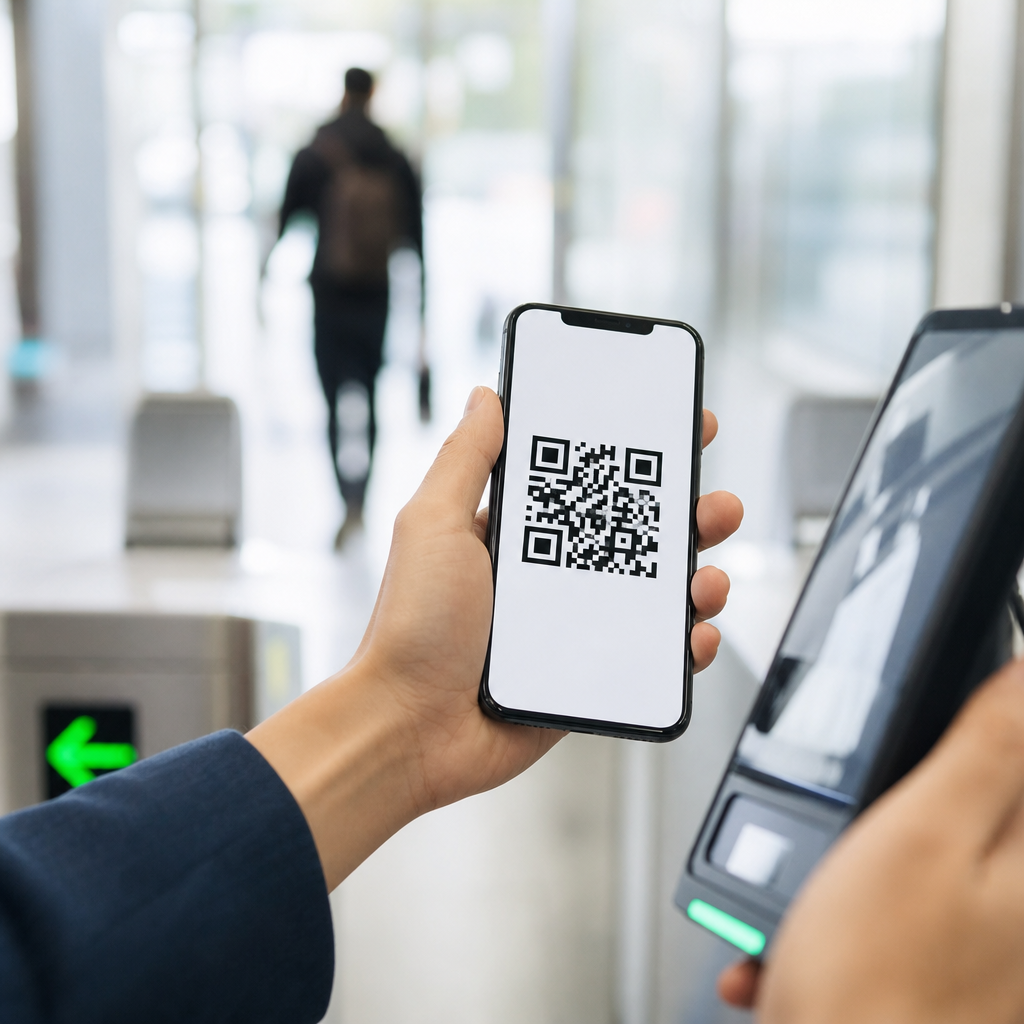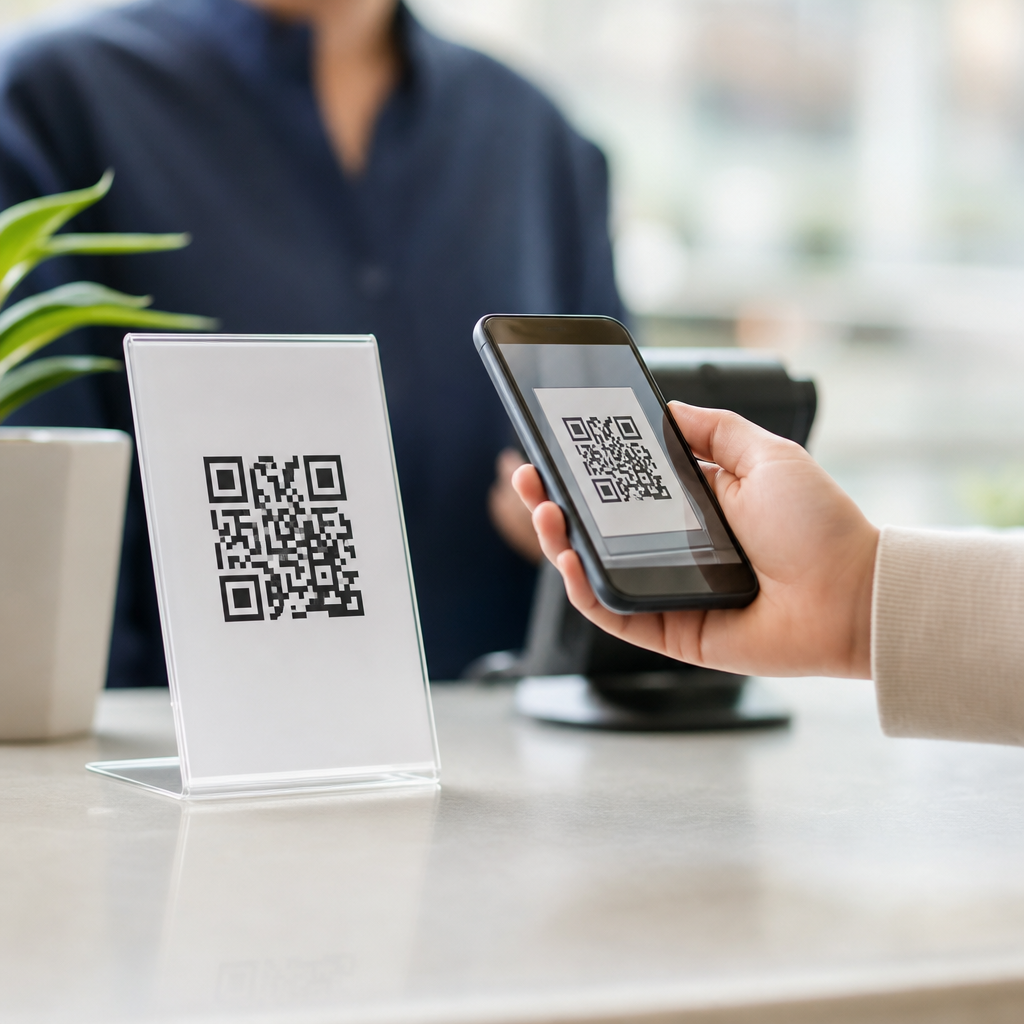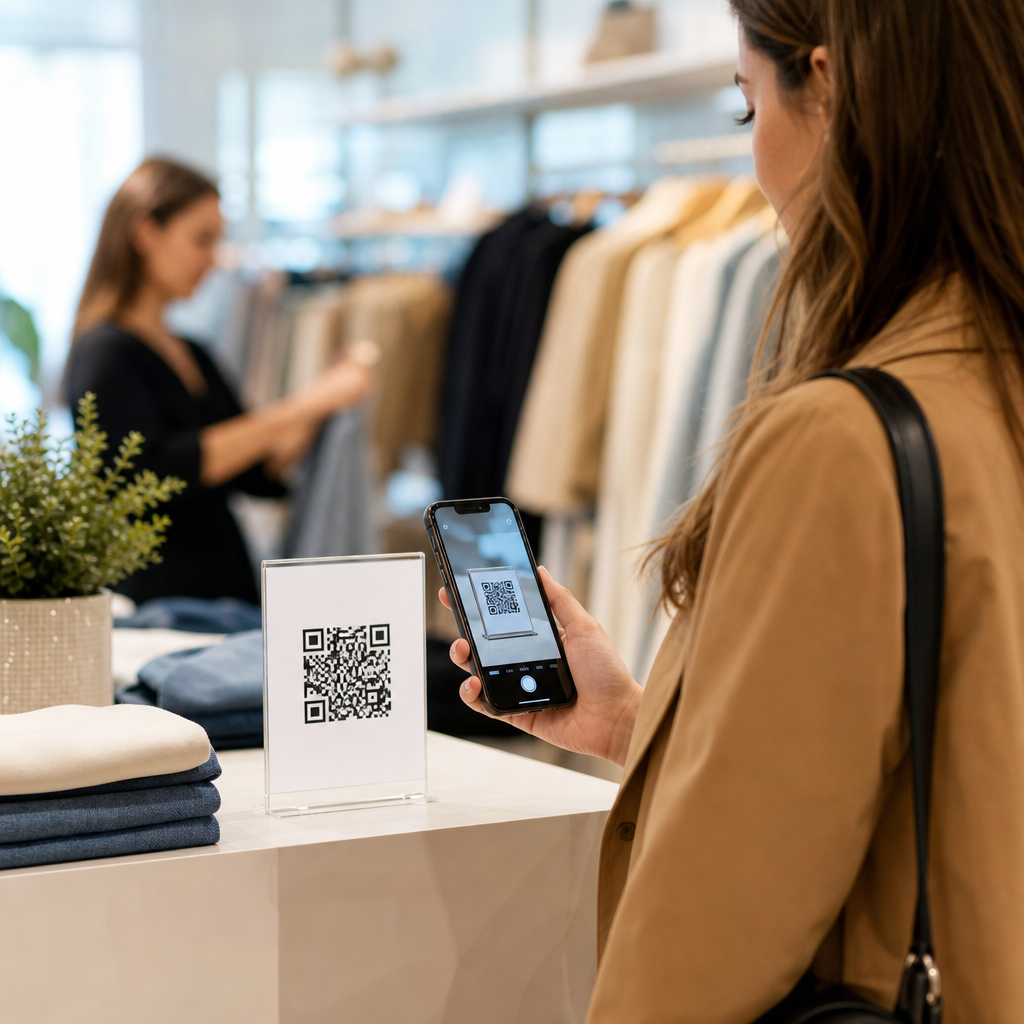
QR codes in retail have moved far beyond novelty, becoming a practical bridge between physical stores, mobile devices, and digital commerce. A QR code is a two-dimensional barcode that a smartphone camera can scan to open a webpage, launch an app, reveal product details, apply a coupon, start a payment flow, or connect a shopper to post-purchase support. In retail, that simple scan solves a persistent problem: customers want more information, more convenience, and less friction than shelves, packaging, and printed signage can provide on their own.
I have worked with store teams that used QR deployments for everything from seasonal endcap promotions to warranty registration, and the pattern is consistent. When the code leads to a useful, mobile-friendly destination, shoppers engage. When it points to a generic homepage or a cluttered app download page, scan rates collapse. That makes retail QR strategy less about the symbol itself and more about the shopping task it is meant to complete. Good retail QR codes reduce effort, answer questions at the moment of intent, and connect in-store behavior with measurable digital outcomes.
This matters because modern shopping is hybrid by default. A customer may discover a product on social media, inspect it in a store, compare prices on a phone, buy through curbside pickup, and later scan packaging for assembly instructions or loyalty rewards. QR codes support that journey at every step. They are inexpensive to produce, easy to place on packaging, shelf talkers, receipts, displays, and storefront windows, and compatible with both iOS and Android camera apps. Retailers also gain first-party behavioral data such as scans by location, time, campaign, and device type, especially when dynamic codes are used through platforms like Bitly, QR Code Generator Pro, Scanova, or Beaconstac.
Product information, reviews, and inventory visibility
One of the most valuable retail QR code use cases is extending product information beyond what fits on a label. A shopper scanning a code on a shelf tag or package can immediately view ingredient lists, sizing charts, comparison guides, user manuals, care instructions, compatibility data, and frequently asked questions. This is especially useful in categories with complex buying decisions, including electronics, cosmetics, home improvement, supplements, and appliances. In my experience, the best implementations keep the landing page tightly focused on the exact SKU, not a broad category page, so the scan answers the customer’s question within seconds.
Reviews are another major conversion driver. A code beside a private-label blender, for example, can open verified customer ratings, demonstration videos, and common troubleshooting tips. That reduces uncertainty without requiring a sales associate to be present. For apparel, codes can lead to fit guidance, model measurements, and alternative colors available online if the desired size is out of stock. Retailers using real-time product feeds can also surface local inventory status, nearby store availability, and buy-online-pick-up-in-store options, helping save the sale when the shelf is empty. This is where QR codes become more than informational signage; they turn physical browsing into a searchable, updatable digital experience.
Promotions, coupons, and loyalty enrollment
QR codes are highly effective for promotional offers because they remove the need to type URLs, text shortcodes, or search an app store while standing in an aisle. A code on a display can unlock a limited-time discount, a bundled offer, or a rebate form tied to a specific campaign. Dynamic QR codes are particularly important here because the destination can change without reprinting the sign. A back-to-school display might route scans to one offer in August and to a clearance page in September, all while preserving historical analytics. For chains operating hundreds of stores, that flexibility reduces print waste and speeds campaign execution.
Loyalty programs also benefit from QR-based enrollment and engagement. Instead of asking customers to fill out a lengthy paper form or navigate a complex mobile app for the first time, retailers can use a scan-to-join page with prefilled store identifiers and a short signup flow. After enrollment, QR codes can direct members to personalized coupons, points balances, birthday rewards, or member-only event pages. Grocery, pharmacy, and beauty retailers use this approach frequently because repeat visits make incremental engagement valuable. The practical rule is simple: if the reward is immediate and clearly stated on the sign, shoppers scan; if they must complete multiple steps before seeing any benefit, participation drops sharply.
Payments, self-service, and contactless convenience
Retail payment behavior changed significantly during the pandemic, but the demand for low-friction checkout remains. QR codes support contactless payment flows by connecting shoppers to digital wallets, retailer apps, or account-based payment pages. In some markets, especially across Asia, QR payments are mainstream through systems such as Alipay and WeChat Pay. In the United States and Europe, adoption is more fragmented, but QR-based payment is still useful for pop-up shops, kiosks, unattended displays, and small-format retailers that want a low-cost alternative to more complex hardware setups.
Self-service is the broader opportunity. A code on a restaurant table can open ordering and payment. A code in a fitting room can request another size. A code near a locked electronics cabinet can summon assistance. Garden centers use scans to provide plant care guides and available inventory, while furniture stores link room displays to financing options and delivery scheduling. These examples work because the code shortens the path to action. It does not ask shoppers to change behavior dramatically; it simply replaces waiting, searching, or flagging down staff with a direct mobile interaction.
| Retail QR code use case | Customer benefit | Operational benefit |
|---|---|---|
| Product detail pages | Gets specifications, reviews, and instructions instantly | Reduces repetitive staff questions and supports informed purchases |
| Digital coupons | Accesses immediate savings without typing codes | Improves campaign tracking by store, display, and date |
| Contactless payment | Speeds checkout with fewer touchpoints | Lowers hardware complexity in some environments |
| Loyalty signup | Joins rewards programs in minutes | Grows first-party customer data |
| Post-purchase support | Finds setup help, warranties, and returns information fast | Reduces service friction and increases satisfaction |
Omnichannel shopping and endless aisle experiences
Retailers often lose sales when a product is unavailable in the exact size, color, or configuration a shopper wants. QR codes help create an endless aisle by linking in-store displays to online assortments that are broader than what a location can physically stock. A customer shopping for running shoes might scan a code on a shelf to see all widths, compare cushioning technologies, and place an order for home delivery. A home goods retailer can use codes on floor models to let shoppers customize fabrics, finishes, and dimensions before buying. This is especially powerful in categories where carrying every variation on the floor is unrealistic.
What makes omnichannel QR programs effective is integration. The landing experience should reflect local store context, display accurate fulfillment options, and preserve the promotional terms a customer saw in store. If an item was advertised with a same-day pickup benefit, the scan destination should verify pickup eligibility by ZIP code or store ID. If financing is available on the floor sign, the mobile page should carry it through to checkout. Retailers using Shopify, Adobe Commerce, Salesforce Commerce Cloud, or custom product information systems can connect QR destinations to inventory, promotions, and customer accounts. When these systems are synchronized, the store becomes a discovery environment and the phone becomes the transaction layer.
Packaging, post-purchase support, and retention
Some of the highest-value QR interactions happen after the sale. Packaging QR codes can lead customers to assembly videos, quick-start guides, safety information, how-to articles, warranty registration, and replenishment pages. For consumables, a code can direct buyers to subscription reorder options or reminders timed to typical usage cycles. For beauty products, brands often use package scans to show tutorials, shade matching advice, and ingredient sourcing details. For electronics, the post-purchase scan may surface firmware updates, setup walkthroughs, and accessory recommendations. These journeys improve ownership experience while also creating repeat engagement opportunities.
Returns and support are equally important retail use cases. A receipt or package insert with a QR code can open the return policy, start an exchange, provide a prepaid label, or connect to live chat. This reduces customer frustration and service center volume. It also gives retailers a chance to retain revenue by steering a customer toward troubleshooting help or an exchange instead of a refund. In practice, the best post-purchase QR experiences are concise and role-based: owners need setup help, gift recipients need instructions, and repeat buyers may want replenishment or accessories. A single generic landing page serves none of them well.
Implementation best practices and common mistakes
Successful retail QR codes follow a few nonnegotiable rules. First, the destination must be mobile optimized, fast loading, and secure over HTTPS. Google’s Core Web Vitals matter because hesitation after a scan feels worse on a shop floor than on a desktop browser. Second, the code needs a clear call to action, such as “Scan for reviews,” “Scan for 15% off,” or “Scan to see sizes in stock.” Customers should never have to guess why they are scanning. Third, placement and testing are critical. Codes need adequate contrast, enough quiet zone around the edges, and print sizes appropriate for scan distance. A shelf tag viewed from two feet away has different requirements than a window decal scanned from the sidewalk.
The most common mistakes are avoidable. Retailers often link every code to the homepage, fail to tag campaigns with UTM parameters, or ignore store-level analytics that would reveal which placements actually perform. Others overlook accessibility by using tiny print, weak color contrast, or instructions that exclude less tech-savvy shoppers. Security also deserves attention. Customers are increasingly aware of malicious QR code swapping, so brands should use trusted domains, branded links, tamper checks, and staff inspection routines. The strongest programs treat QR codes as part of a broader customer experience system, not as a one-off graphic added at the end of a campaign.
QR codes in retail enhance the shopping experience by making stores more informative, responsive, and connected to digital commerce. They help customers answer product questions, access reviews, claim offers, join loyalty programs, complete payments, find out-of-stock items, and get support after purchase. For retailers, they create measurable touchpoints across the customer journey, from initial consideration to repeat orders. The common use cases are broad, but the principle behind them is consistent: every scan should remove friction and deliver immediate value tied to shopper intent.
If you are building a mobile-first retail strategy, QR codes are one of the simplest tools to deploy and one of the easiest to misuse. Start with a high-intent use case such as product information, coupons, or post-purchase support. Use dynamic codes, connect them to accurate data sources, and track performance by location and campaign. Then expand based on what customers actually scan and complete. Done well, retail QR codes do not just add convenience; they turn physical shopping into a faster, richer, and more effective experience. Review your current signage, packaging, and receipts, and identify one scan opportunity you can improve this quarter.
Frequently Asked Questions
How are QR codes used in retail stores today?
QR codes are now used across nearly every stage of the retail journey, from product discovery to post-purchase support. In-store, retailers place them on shelf tags, product packaging, signage, end caps, fitting rooms, and checkout counters to give shoppers instant access to information that would never fit on a physical label. A quick scan can open detailed product specifications, ingredient lists, size guides, care instructions, how-to videos, customer reviews, styling ideas, and stock availability for other colors or sizes. This helps customers make faster, more confident decisions without needing to search manually or wait for assistance.
Retailers also use QR codes to unlock convenience-driven experiences. Shoppers may scan to apply digital coupons, join loyalty programs, save products to a wishlist, receive personalized offers, start a mobile payment flow, or access buy-online-pickup-in-store options. After the sale, QR codes can link customers to setup guides, warranty registration, return instructions, reorder pages, or customer support. The biggest advantage is flexibility: one small code can connect a physical item or location to a dynamic digital experience, allowing retailers to keep information current and useful while reducing friction in the shopping process.
What are the main benefits of QR codes for shoppers?
For shoppers, the biggest benefit of QR codes is immediate access to useful information at the exact moment they need it. Rather than relying only on packaging or shelf displays, customers can scan and instantly see richer product content such as reviews, comparisons, tutorials, sustainability details, nutritional information, compatibility notes, and usage tips. That level of detail is especially valuable in categories where buying decisions depend on trust and clarity, including electronics, beauty, grocery, apparel, and home goods. It gives shoppers more confidence and reduces uncertainty before purchase.
QR codes also improve convenience and speed. Customers can use them to claim promotions, unlock app-exclusive offers, pay without standing in a traditional checkout line, and connect digital and in-store experiences more smoothly. In many cases, the scan removes extra steps: no typing long URLs, no searching through an app, and no guessing whether a product is in stock elsewhere. When implemented well, QR codes make the shopping experience feel more self-directed, efficient, and personalized. Instead of adding complexity, they simplify decision-making and give shoppers control over how much information they want and when they want it.
Can QR codes help retailers increase sales and improve customer engagement?
Yes, QR codes can directly support both conversion and engagement when they are used strategically. On the sales side, they help remove barriers that often stop a purchase. If a customer wants to know whether an item comes in another size, whether it is compatible with a device they own, or whether there is a current promotion available, a QR code can answer those questions instantly. That reduces hesitation and lowers the chance that the shopper abandons the purchase. Retailers can also use scans to route customers to product bundles, recommendations, limited-time offers, and related items, which can increase average order value.
From an engagement perspective, QR codes create measurable touchpoints between the physical store and digital channels. A scan can lead to loyalty enrollment, app downloads, email signups, social engagement, product education, or post-purchase content. Because those interactions are trackable, retailers gain insight into which products, displays, and offers attract interest. That data can inform merchandising, campaign optimization, and content improvements. The key is relevance: QR codes are most effective when they deliver something genuinely useful, such as exclusive information, a practical tool, or a meaningful incentive. When the destination experience is strong, the code becomes much more than a link—it becomes a driver of customer action.
What makes a retail QR code experience effective instead of frustrating?
An effective retail QR code experience starts with clear purpose and strong execution. Shoppers should immediately understand why they should scan and what they will get in return. A code placed on a shelf with no explanation is easy to ignore, but a code paired with a message like “Scan for reviews,” “See available sizes,” or “Get 10% off today” gives customers a clear incentive. Placement also matters. Codes should be easy to spot, easy to scan, and positioned where customers naturally pause to evaluate products, compare options, or complete a transaction.
The digital destination is equally important. After scanning, the page or app experience should load quickly, work well on mobile, and deliver the promised value without unnecessary steps. If customers land on a generic homepage, face multiple login screens, or struggle to find the relevant information, the QR code becomes a source of friction rather than convenience. Retailers should also keep content current, test codes regularly, and make sure links are secure and trustworthy. In practice, the best QR experiences are simple, fast, and specific. They respect the shopper’s time and solve a real need in the moment.
Are QR codes likely to remain important in the future of retail?
QR codes are very likely to remain an important part of retail because they solve a lasting problem: how to connect physical shopping environments with flexible digital experiences at low cost and high speed. Retailers constantly need ways to update information, personalize engagement, and reduce friction without redesigning entire stores or packaging systems. QR codes are well suited to that role because they are inexpensive to deploy, familiar to consumers, and adaptable to many use cases. A single code can support product education today, promotional campaigns next month, and post-purchase service later on, all without changing the physical item itself if dynamic links are used.
Their long-term value also comes from how well they fit omnichannel retail. As shoppers move between store visits, mobile browsing, online ordering, curbside pickup, and loyalty ecosystems, QR codes provide a simple bridge across those touchpoints. They can support everything from contactless payments and digital receipts to interactive product storytelling and customer support. While the format itself is simple, the strategic possibilities are broad. Retailers that use QR codes thoughtfully are not adopting a passing trend; they are strengthening the connection between in-person shopping and digital convenience, which is increasingly central to modern retail expectations.