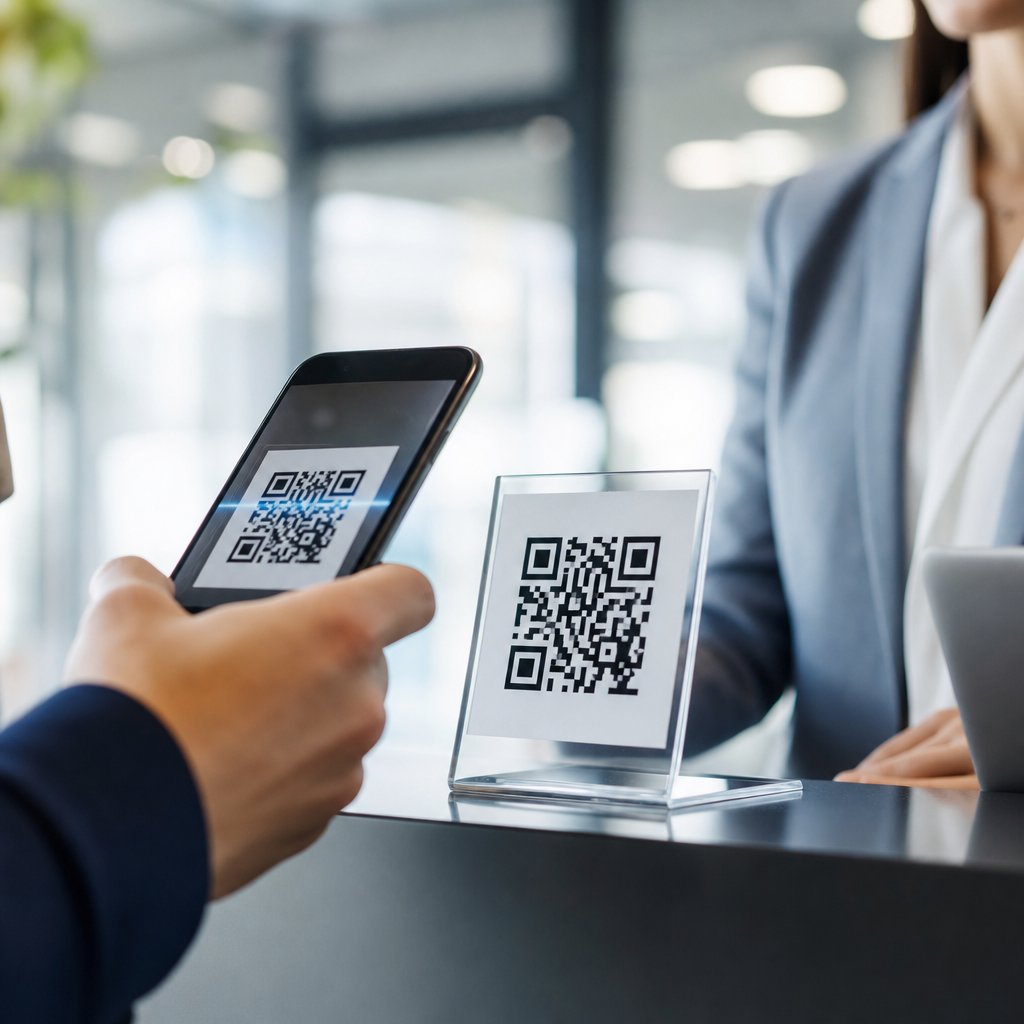
QR codes have moved from a niche labeling tool to a core bridge between physical touchpoints and digital systems, making them central to modern digital transformation. In practical terms, a QR code is a two-dimensional barcode that stores information such as a URL, product identifier, payment token, or authentication prompt, which a smartphone camera can read instantly. Digital transformation, by contrast, is the broader process of redesigning operations, customer journeys, and data flows around digital tools. When these ideas meet, mobile QR codes become a low-cost interface that connects packaging, posters, receipts, equipment, and storefronts to apps, websites, payments, support portals, and analytics platforms.
I have seen this shift firsthand across retail, field service, events, and healthcare settings. Ten years ago, many QR campaigns failed because scanning required separate apps and poor landing pages. Today, native smartphone cameras, fast mobile networks, and better user experience design have changed the equation. A customer can scan a code on a table tent to open a menu, pay without touching a terminal, join a loyalty program, and trigger a follow-up email sequence within minutes. For operations teams, the same technology can identify assets, launch maintenance records, and capture proof of service in the field.
This matters because digital transformation often stalls at the point where offline behavior meets online systems. Companies invest in CRM platforms, marketing automation, cloud inventory, and self-service support, yet still struggle to move a person from a printed sign to a measurable digital action. Mobile QR codes solve that adoption gap elegantly. They reduce friction, shorten paths to conversion, and create structured data from physical interactions. As a hub topic within mobile QR code basics, the most important question is simple: what benefits do mobile QR codes deliver, and why do those benefits keep expanding as more business processes become mobile-first?
How Mobile QR Codes Reduce Friction in Customer Journeys
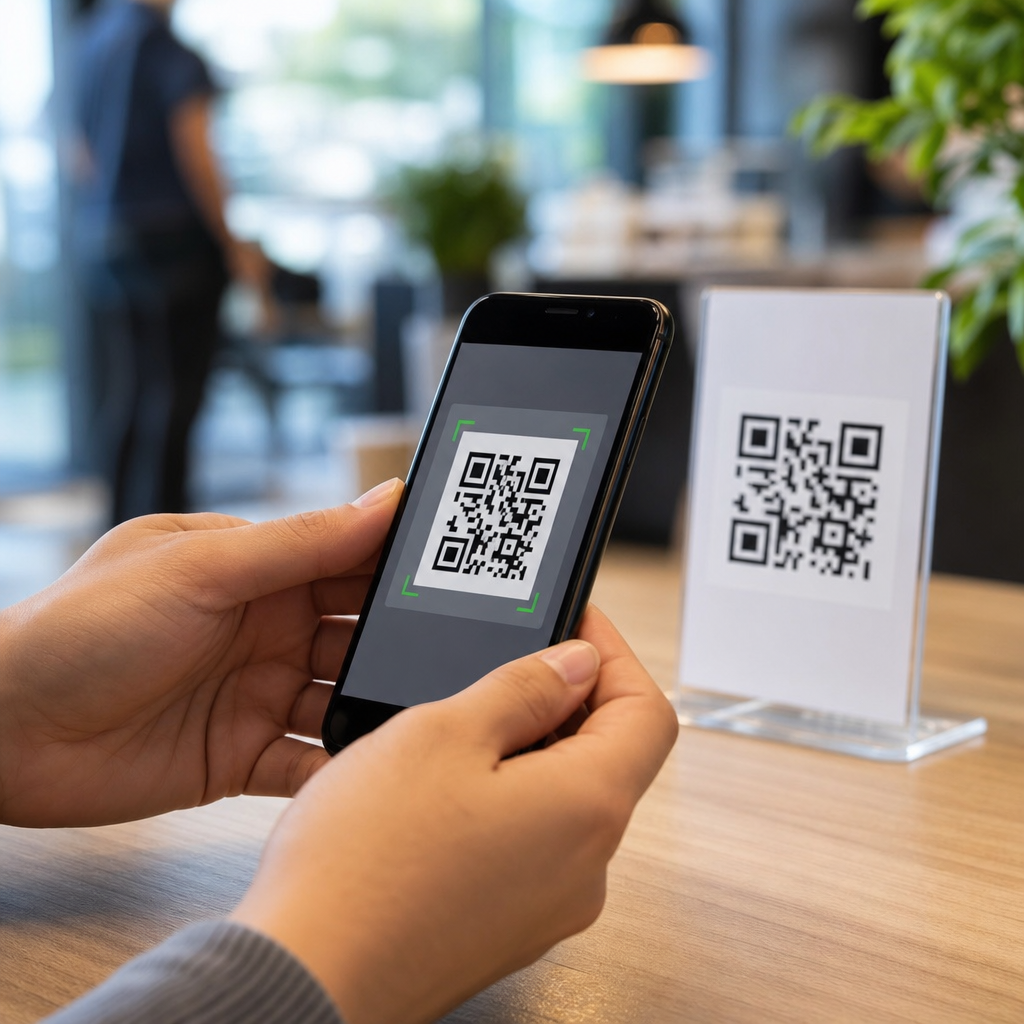
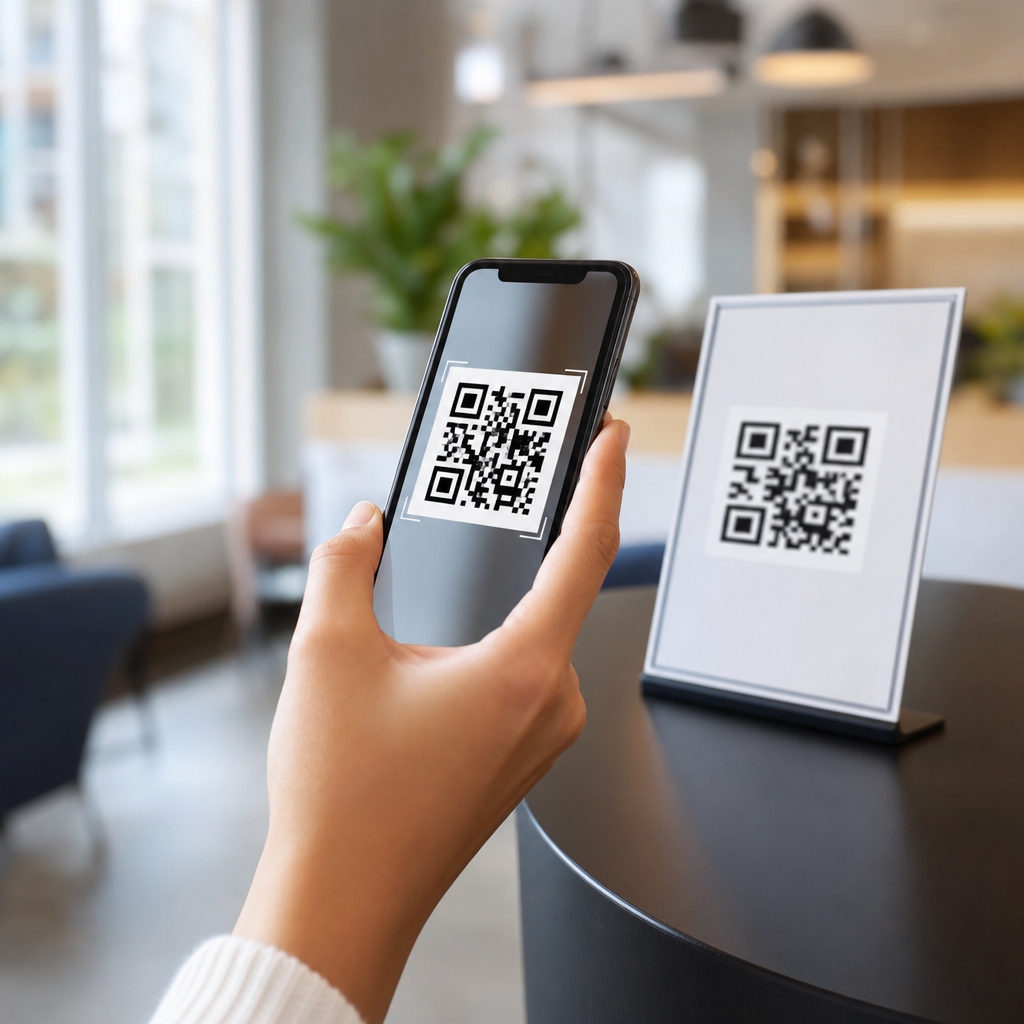
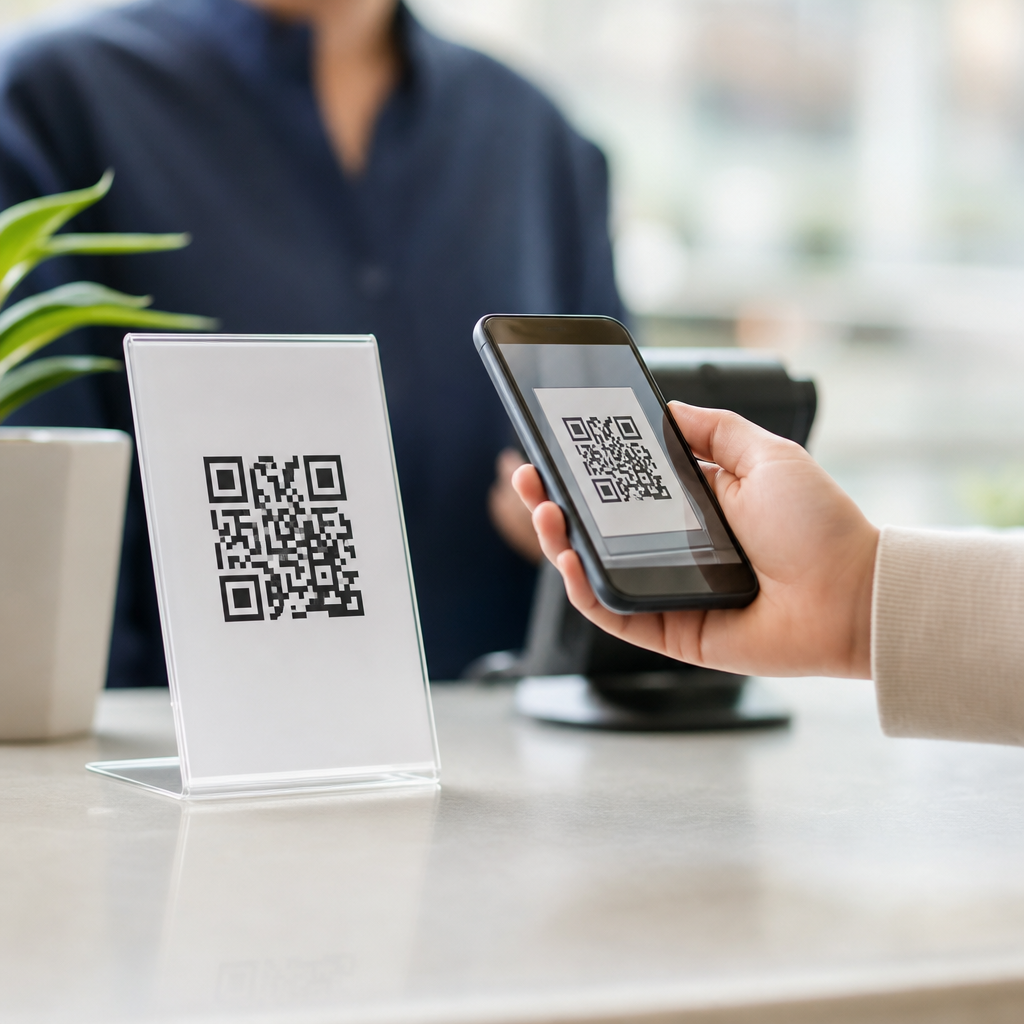
The clearest benefit of mobile QR codes is friction reduction. Every additional step between interest and action lowers completion rates. Typing a long URL, searching for an app, or filling a paper form creates avoidable resistance. A QR code compresses that path into a single scan. In restaurants, scan-to-menu systems replaced printed menus not just for hygiene during the pandemic, but because they made updates instantaneous. Operators could change prices, remove out-of-stock items, and highlight promotions without reprinting materials. Customers received faster access, and businesses gained a direct channel to ordering, upselling, and reviews.
The same principle applies in retail. A code on shelf signage can open product specifications, compatibility information, or customer reviews at the moment of decision. For higher-consideration purchases like appliances or electronics, this matters because the buyer wants reassurance without waiting for an associate. In property management, codes posted in lobbies can guide visitors to tenant directories, booking forms, or maintenance reporting. In each case, the code removes the need to remember web addresses or download brochures. Convenience is not a soft benefit; it directly improves task completion, customer satisfaction, and measurable conversion rates.
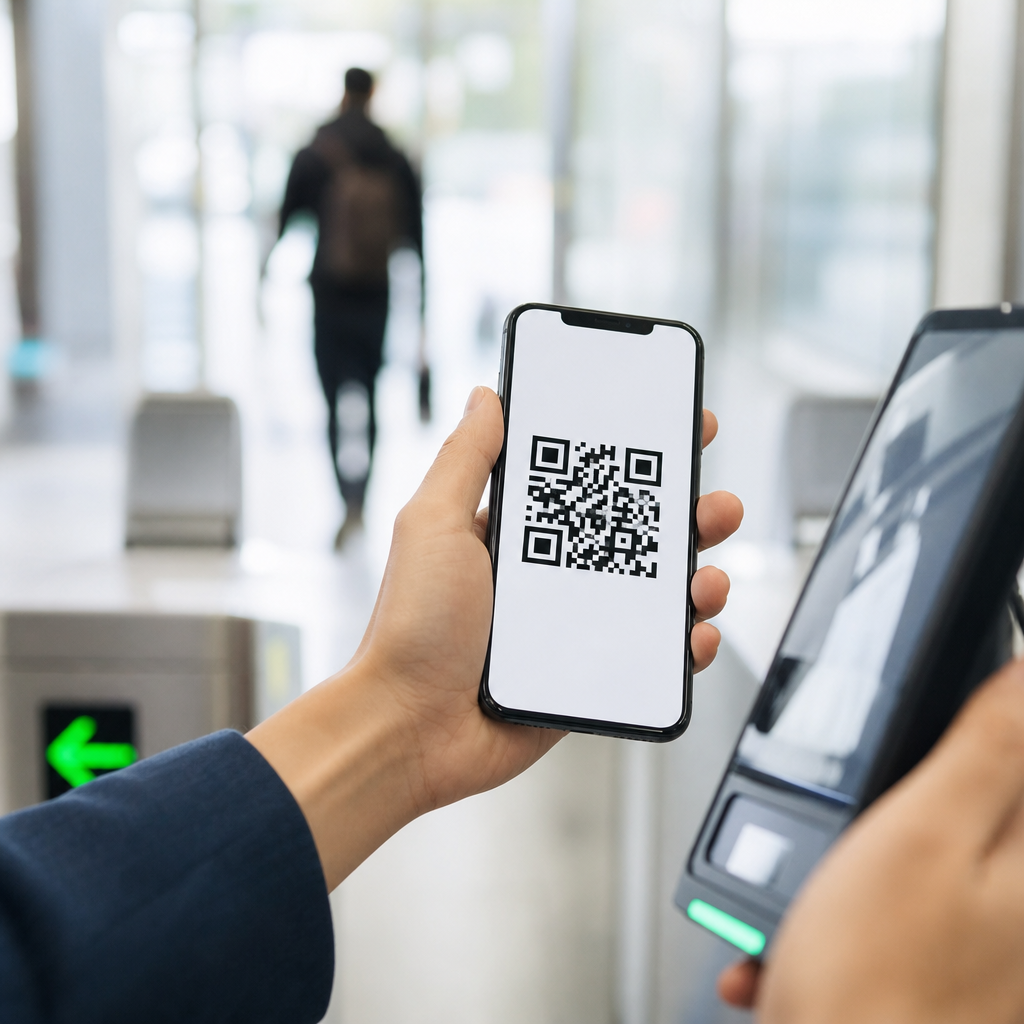
Mobile QR codes also support accessibility and language flexibility. A printed poster has fixed space, but the destination behind a QR code can detect device language, present larger text, play audio, or route to an accessible mobile page. Museums use this model to deliver multilingual exhibit content without cluttering walls. Transit systems use it to connect riders to live schedules and service alerts instead of static timetables. The benefit is broader reach with less physical complexity. When digital transformation aims to make services easier to use, QR codes provide one of the simplest and most scalable entry points.
Why QR Codes Strengthen Data Collection and Operational Visibility
Another major benefit of mobile QR codes is better data capture from physical environments. Traditional offline materials such as flyers, packaging inserts, and point-of-sale displays are notoriously difficult to measure. A dynamic QR code changes that. Marketers can track scans by time, location, device type, campaign source, and destination performance through tools such as Google Analytics 4, Adobe Analytics, Bitly, or enterprise QR management platforms. That turns a poster or package into a measurable digital asset. Instead of guessing whether signage worked, teams can compare scan-through rates, bounce rates, and downstream conversions.
Operational teams gain similar visibility. In warehouses, a worker can scan a code on a pallet, rack, or bin to retrieve handling instructions, update status, or log movement. In field service, technicians scan equipment labels to open service histories in a mobile work order system such as ServiceNow, Salesforce Field Service, or IBM Maximo. I have helped teams implement this pattern because it reduces errors caused by manual entry and disconnected spreadsheets. When every scan creates a timestamped record, managers can see cycle times, bottlenecks, repeat maintenance issues, and compliance gaps much more clearly.
Dynamic codes are especially valuable because the destination can change without reprinting the code itself. That supports campaign iteration, A/B testing, seasonal promotions, and incident response. If a product recall occurs, the code on packaging can route customers to updated safety instructions. If an event session changes rooms, printed signage can still direct attendees correctly through a revised landing page. This flexibility is one reason QR codes fit digital transformation so well: they preserve the durability of print while adding the adaptability of software.
| Use Case | Primary Benefit | Common Tools or Systems |
|---|---|---|
| Restaurant menu | Faster updates and lower printing costs | Mobile web CMS, ordering platform |
| Retail packaging | Product education and post-purchase support | Landing pages, CRM, analytics |
| Field service asset tag | Accurate maintenance records | ServiceNow, Maximo, mobile work orders |
| Event badge or sign | Check-in speed and lead capture | Registration app, CRM, automation |
| Payments | Contactless transactions | UPI, wallets, payment gateways |
Business Benefits: Cost Efficiency, Agility, and Better Mobile Engagement
Cost reduction is often underestimated when discussing the benefits of mobile QR codes. Printing is not just a design expense; it includes version control, distribution, waste, and replacement. Static materials become obsolete quickly when prices, policies, or inventory change. By shifting detail-heavy information behind a scannable code, organizations print less and update more. Hospitality groups save on menu reprints. Manufacturers reduce the need for bulky manuals by linking to digital instructions, warranty registration, and troubleshooting videos. Educational institutions use codes on campus signage to connect students to live maps, forms, and orientation resources.
Agility is the companion benefit. Digital transformation requires faster iteration than traditional operations allow. Mobile QR codes make physical assets programmable. A code in a branch office can point to a survey one week, a campaign landing page the next, and a service outage notice during an incident. Because the interface is familiar and camera-based, user adoption is typically higher than with proprietary hardware. This is especially important for small and midsize businesses that need practical wins without replacing entire infrastructure stacks.
Mobile engagement improves because the scan begins on a device the user already trusts and carries constantly. That creates opportunities for deeper journeys: adding a product to cart, joining SMS updates, downloading a pass to Apple Wallet or Google Wallet, starting a WhatsApp chat, or opening a map pin. The best implementations respect context. A code on packaging should not drop users on a generic homepage; it should land on a page tailored to that exact SKU, region, and stage in the lifecycle. Relevance is what turns a scan into value.
Security, Trust, and Implementation Best Practices
QR code benefits are substantial, but good implementation matters. Security is the main concern because malicious codes can direct users to phishing pages or unsafe downloads. The practical response is not to avoid QR codes; it is to govern them properly. Use branded domains, HTTPS everywhere, mobile-friendly pages, and clear labeling that tells users what will happen after the scan. In enterprise settings, maintain a registry of approved codes and destinations. For customer-facing campaigns, display brand cues near the code so people know it is legitimate. Payment environments should follow established standards from trusted processors and regional systems.
There are also design rules that affect performance. Codes need sufficient contrast, quiet space around the edges, and sizes appropriate to scanning distance. A code on a highway billboard is different from one on a product label. Test across iPhone and Android devices, multiple lighting conditions, and weak network scenarios. Use dynamic QR codes when campaigns may change, but reserve static codes for permanent destinations with low governance needs. If the destination page is slow, intrusive, or not optimized for mobile, the scan experience fails even when the code itself works perfectly.
Finally, success depends on integration. The strongest mobile QR code programs connect scans to CRM records, inventory systems, support knowledge bases, consent management, and analytics dashboards. That is where digital transformation becomes real rather than cosmetic. A hospital can use bedside codes for patient education, but the deeper value appears when scans reveal which materials patients actually reviewed before discharge. A manufacturer can place codes on equipment, but the bigger gain comes when every scan contributes to predictive maintenance and parts planning. QR codes are powerful because they are simple on the surface and deeply integrable underneath.
Conclusion: Why Mobile QR Codes Belong in Every Digital Transformation Plan
The role of QR codes in digital transformation is straightforward: they connect physical moments to digital outcomes with very little friction. That single capability creates multiple benefits of mobile QR codes, including faster customer journeys, measurable offline engagement, lower printing costs, stronger operational visibility, contactless interactions, and more agile campaign management. They work across industries because the underlying problem is universal. Businesses need a simple way to move people from objects, locations, and printed materials into digital systems that can inform, transact, support, and measure.
Used well, mobile QR codes are not a gimmick or a pandemic-era workaround. They are a durable interface layer for a mobile-first world. The best results come from treating them as part of a broader system: clear user intent, strong landing pages, secure governance, analytics, and integration with business workflows. If you are building a modern customer experience or digitizing frontline operations, this is one of the fastest, lowest-cost tools available. Review your key physical touchpoints, identify where users still face friction, and start deploying QR codes where a single scan can remove it.
Frequently Asked Questions
What role do QR codes play in digital transformation?
QR codes play a practical and increasingly strategic role in digital transformation because they connect physical objects, spaces, and printed materials directly to digital systems. At the most basic level, a QR code gives a user an instant way to move from an offline interaction to an online action without typing a web address, downloading a file manually, or searching for the right page. That reduction in friction is important because digital transformation depends on making digital experiences easier, faster, and more measurable than traditional processes.
In real business environments, QR codes act as a bridge between customer touchpoints and operational platforms. A code on packaging can open product information, warranty registration, or reorder pages. A code on a poster can launch a campaign landing page. A code at a restaurant table can open menus, payments, and loyalty programs. A code on industrial equipment can link technicians to service histories, parts databases, and maintenance checklists. In each case, the QR code is not the transformation by itself, but it enables the transformation by connecting the physical world to digital workflows.
They also support one of the most valuable goals of digital transformation: better data flow. When organizations use dynamic QR codes tied to analytics platforms, CRM systems, inventory tools, payment systems, or support portals, they can measure scans, track engagement, identify process bottlenecks, and refine experiences over time. That means QR codes do more than deliver information. They help organizations modernize customer journeys, automate routine interactions, and create a more connected digital ecosystem across marketing, operations, service, and commerce.
Why have QR codes become so important for modern customer experiences?
QR codes have become important because they match how people already behave with smartphones. Most customers expect instant access to information, fast checkout options, touchless interactions, and convenient self-service. QR codes satisfy those expectations by turning a camera scan into an immediate digital action. This makes them especially valuable in environments where speed, convenience, and clarity matter, such as retail stores, events, healthcare settings, transportation hubs, hotels, and restaurants.
From a customer experience perspective, QR codes remove several common points of friction. Instead of asking someone to manually enter a URL, search for product details, wait for an employee, or fill out paper forms, the code can take them directly to the exact resource they need. That might be a digital manual, a mobile ordering page, a product comparison tool, a sign-up form, or a support chatbot. The experience feels smoother because the transition from physical interaction to digital service is almost immediate.
They are also highly adaptable. Businesses can use QR codes to personalize journeys based on location, campaign, language, or product line. A code placed on different assets can direct users to targeted content while still being managed from one centralized system. This flexibility helps brands deliver more relevant interactions without redesigning every touchpoint from scratch. In digital transformation terms, that matters because strong customer experiences are built on simplicity, speed, and integration, and QR codes support all three at once.
How do QR codes improve business operations and internal processes?
QR codes improve operations by making information retrieval and workflow execution much faster and more reliable. In many organizations, employees still lose time searching for records, entering data manually, confirming asset details, or navigating disconnected systems. A QR code can streamline those steps by attaching a scannable digital gateway to equipment, products, documents, workstations, or inventory locations. With one scan, employees can access the exact record or action tied to that asset.
For example, in manufacturing and field service, QR codes can be placed on machines so technicians can instantly open maintenance logs, operating instructions, repair histories, and replacement part information. In warehousing and logistics, codes can support receiving, picking, packing, shipment verification, and stock tracking. In offices or shared facilities, they can be used for visitor check-ins, room reservations, IT support requests, and asset management. These use cases reduce manual errors, speed up training, and create more consistent execution across teams.
Another major advantage is integration with enterprise systems. When QR codes are connected to ERP, CRM, CMMS, POS, or document management platforms, scanning becomes part of a larger digital workflow rather than a standalone action. That means each scan can trigger updates, create records, confirm task completion, or move a process to the next stage automatically. This is where QR codes contribute meaningfully to digital transformation: they help convert routine, physical, paper-heavy processes into connected, trackable, and automated digital operations.
Are QR codes secure enough for payments, authentication, and sensitive business use cases?
QR codes can absolutely be used for payments, authentication, and other sensitive processes, but their security depends on how they are implemented and governed. The code itself is simply a carrier of encoded information. The real security comes from the systems behind it, including encrypted connections, tokenization, access controls, domain validation, identity verification, and monitoring. When organizations deploy QR-based workflows correctly, they can support secure mobile payments, account logins, ticket validation, document access, and multifactor authentication.
That said, businesses should be aware of risks such as malicious code replacement, phishing links, or unauthorized redirects. These threats are manageable with good security practices. Organizations should use trusted QR code generation platforms, favor dynamic codes when updates or revocations may be needed, route scans through secure HTTPS destinations, and clearly brand customer-facing experiences so users know they are interacting with an official source. Physical environments should also be monitored to prevent tampering with printed codes.
For stronger protection, companies can pair QR codes with short-lived tokens, user authentication layers, device checks, or backend verification rules. In payment scenarios, for example, the QR code may contain a tokenized payment request rather than exposed financial details. In access scenarios, the code may initiate a secure login flow instead of granting direct entry on its own. So the short answer is yes: QR codes are secure enough for serious business use when they are treated as one element within a broader security architecture, not as a security solution by themselves.
What are the best practices for using QR codes effectively in a digital transformation strategy?
The best place to start is with a clear business objective. QR codes work best when they solve a defined problem, such as reducing service delays, increasing self-service adoption, improving traceability, digitizing forms, or connecting offline campaigns to measurable online outcomes. Without that clarity, organizations often deploy QR codes in ways that feel gimmicky or disconnected from broader transformation goals. The most effective programs treat each code as an entry point into a meaningful digital journey.
It is also important to focus on destination quality. Scanning should lead to a mobile-friendly, fast-loading, and relevant experience. If the linked page is slow, confusing, or poorly designed, the convenience of the QR code is lost. The call to action around the code should also be specific. Users are much more likely to scan when they understand what they will get, whether that is “view installation guide,” “pay securely,” “track your order,” or “register your product.” Clear value drives adoption.
From an operational standpoint, businesses should use dynamic QR codes whenever possible, connect them to analytics, and integrate them with existing digital platforms. Dynamic codes allow destinations to be updated without reprinting materials, which is especially useful in campaigns, product support, and ongoing operations. Analytics help teams measure scans, locations, device trends, conversion rates, and user behavior. Integration ensures the scan leads to action, not just information. Finally, organizations should establish governance around design, security, testing, ownership, and performance measurement. That combination of usability, integration, and oversight is what turns QR codes from a simple convenience tool into a scalable asset for digital transformation.