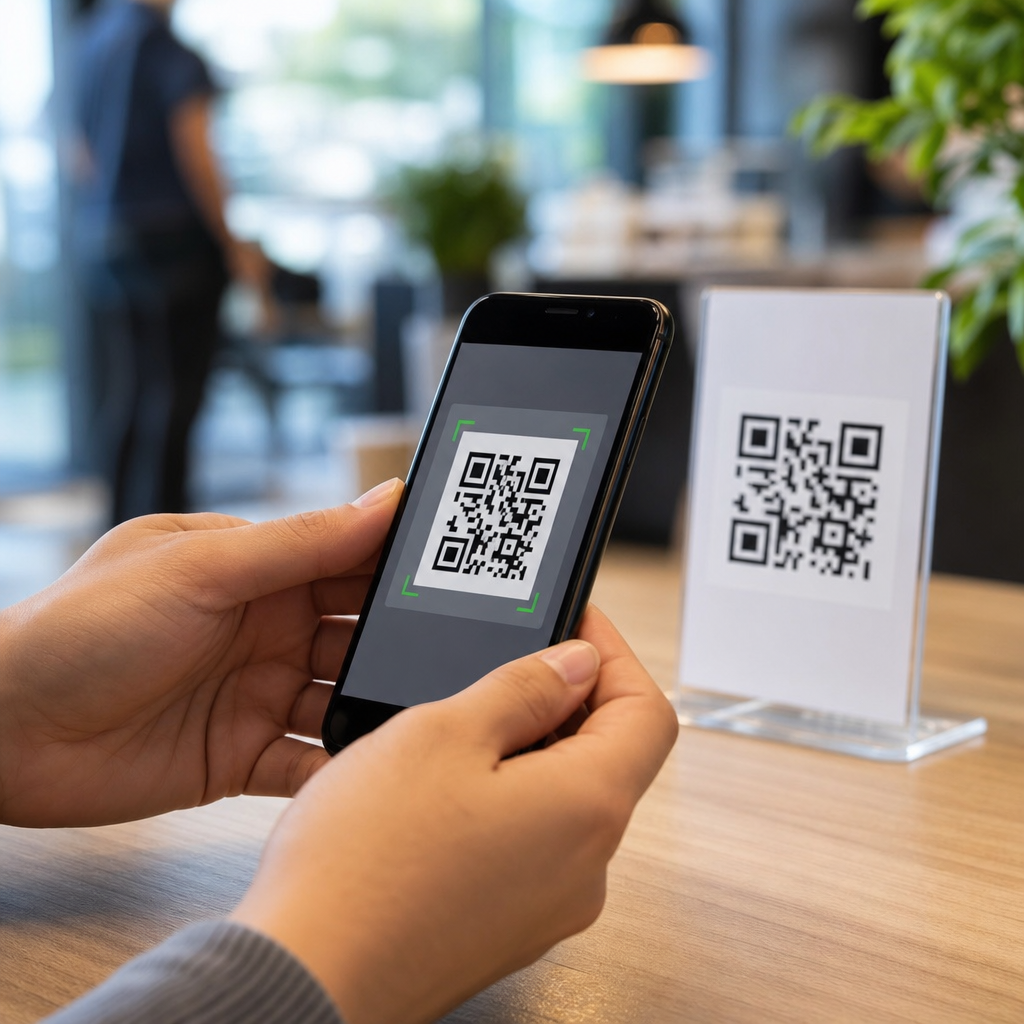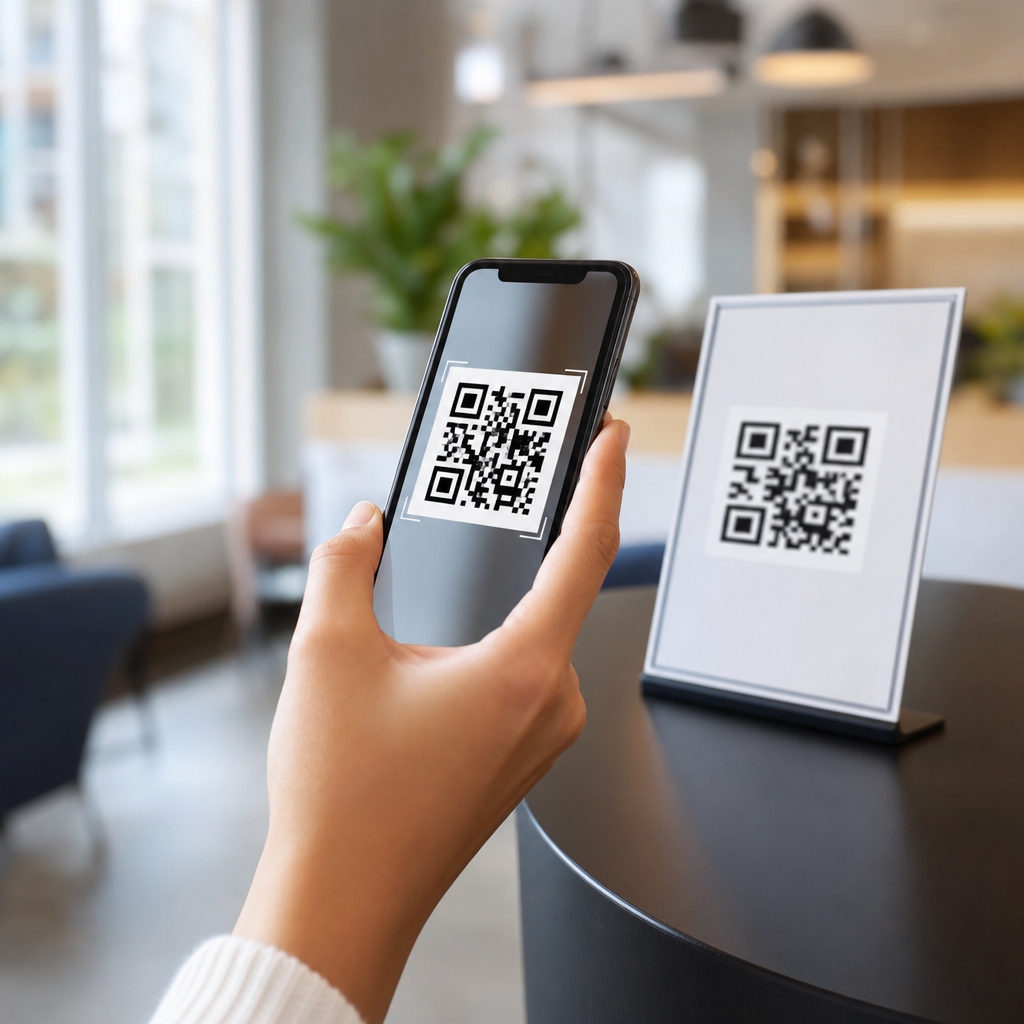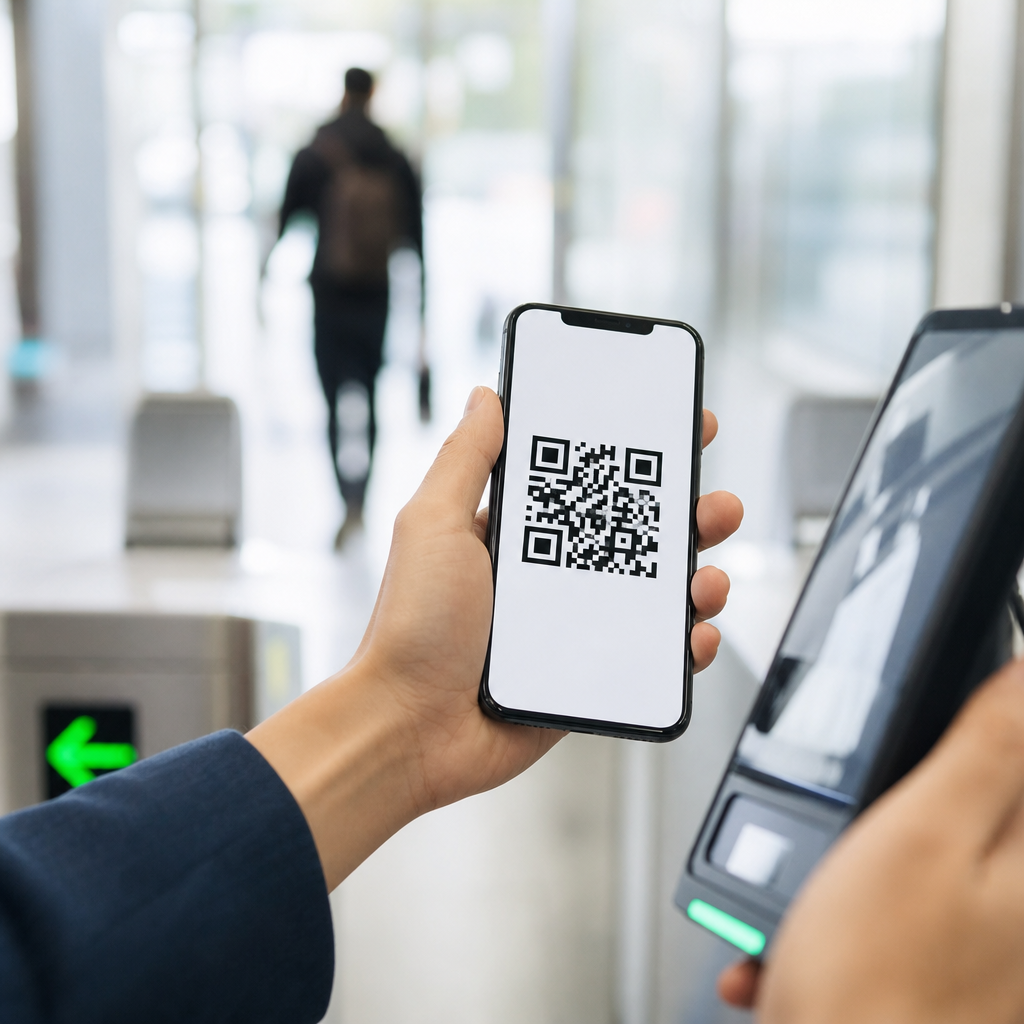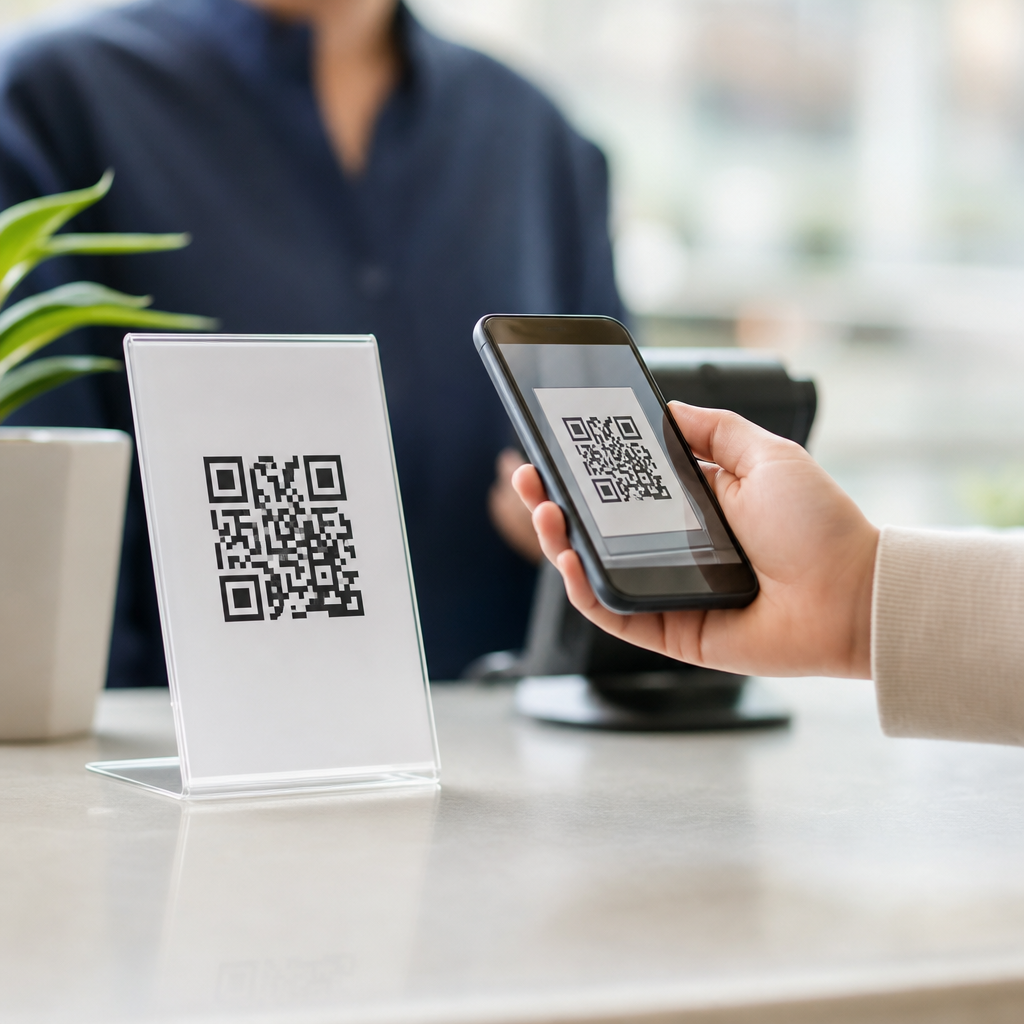
Mobile QR codes have moved from novelty to infrastructure, and their staying power comes from one simple fact: they solve real problems faster than most alternatives. A mobile QR code is a scannable two-dimensional barcode designed to be read by a smartphone camera, linking people to digital content such as websites, menus, app downloads, payment pages, tickets, support forms, or authentication prompts. When I started deploying QR campaigns for retail and event clients, adoption was uneven because users needed a separate scanning app. That friction is largely gone. Apple and Android camera apps now recognize QR codes natively, mobile wallets support them, and consumers have been trained by restaurants, transit systems, healthcare offices, and payment providers to expect them.
The reason this matters is broader than convenience. Mobile QR codes reduce typing, shorten offline-to-online journeys, and create measurable touchpoints between physical spaces and digital actions. For businesses, they can lower print costs, improve attribution, and make customer interactions easier to track. For users, they can deliver instant access without remembering a URL or downloading a brochure. For operations teams, they can update destinations dynamically, localize content by device or geography, and connect scans to analytics platforms such as Google Analytics 4, Adobe Analytics, or CRM workflows. In practical terms, QR codes are now part of the mobile web stack, alongside SMS, email, push notifications, and near-field payment methods. They remain useful because they bridge attention and action with almost no learning curve.
This article explains the benefits of mobile QR codes as a central guide for the broader Mobile QR Code Basics topic. It covers why they are resilient, where they work best, what advantages they deliver to users and organizations, and what limits teams should understand before rolling them out at scale.
Frictionless access is the core benefit
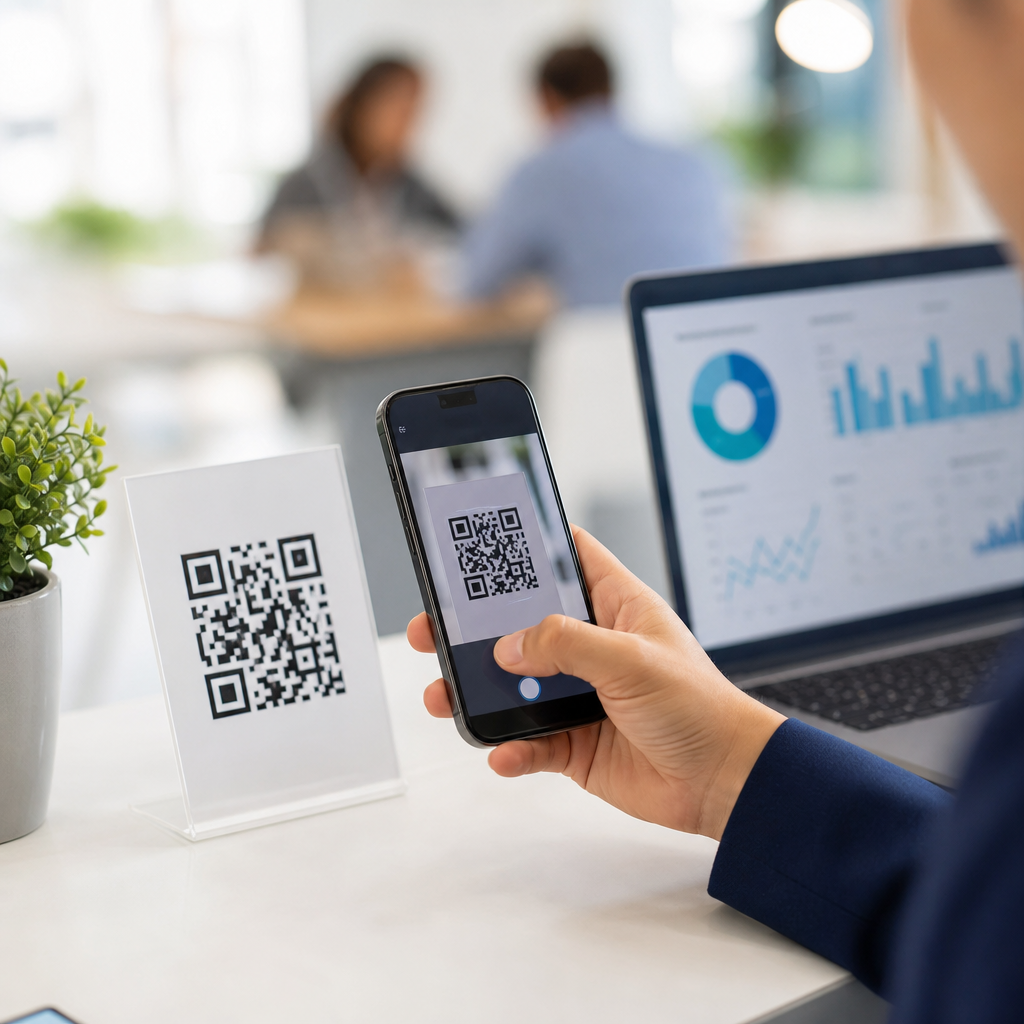
The biggest advantage of mobile QR codes is speed. A person sees a code, opens the camera, taps the prompt, and reaches the destination in seconds. That is meaningfully faster than typing a long URL, searching for a business, or navigating a mobile site menu. In conversion work, shaving even one step from a journey improves completion rates. A restaurant table code replaces waiting for a server to bring a menu. A product box can open setup instructions instantly. A conference badge can launch networking details without exchanging printed cards. In each case, the code reduces what usability professionals call interaction cost.
This benefit is strongest when the context is physical and the next action is digital. QR codes on posters, packaging, receipts, kiosks, direct mail, point-of-sale displays, and storefront windows turn idle attention into measurable engagement. They also work across customer intent levels. Someone casually browsing can open a landing page, while a motivated buyer can jump directly to checkout. Because the mobile device is already in hand, the transition feels natural. That is why QR codes outperform manual entry in environments where speed matters, such as transit ticketing, curbside pickup, field service check-ins, and hospital intake forms.
They connect offline media to measurable digital outcomes
Marketers and operations teams keep mobile QR codes because they make physical channels measurable. A printed flyer normally has weak attribution. Add a dynamic QR code with UTM parameters, and the same flyer becomes a trackable acquisition source. Teams can measure scans by date, campaign, geography, device type, and downstream events such as purchases, sign-ups, or form completions. In my own campaign reporting, QR scans often reveal behavior that vanity metrics miss. A billboard may not generate many direct website visits by typed URL, but a QR code can show exactly how many people acted at the moment they saw it.
Dynamic QR platforms such as Bitly, QR Code Generator, Beaconstac, and Uniqode also allow destination changes without reprinting the code. That matters operationally. If a retailer changes inventory, the packaging insert can point to a different product page. If an event room changes, the same sign can redirect attendees to a revised schedule. If a campaign underperforms, the landing page can be optimized while the printed asset stays in market. This combination of persistence and flexibility is a major reason QR codes remain valuable long after the initial scan novelty faded.
Use cases prove QR codes are durable, not trendy
Technologies that survive do so because they fit many workflows. Mobile QR codes now span commerce, service, education, logistics, and security. Their durability comes from versatility combined with low deployment cost.
| Use case | How the mobile QR code helps | Practical benefit |
|---|---|---|
| Restaurant menus | Links diners to current digital menus | Updates items and prices without reprinting |
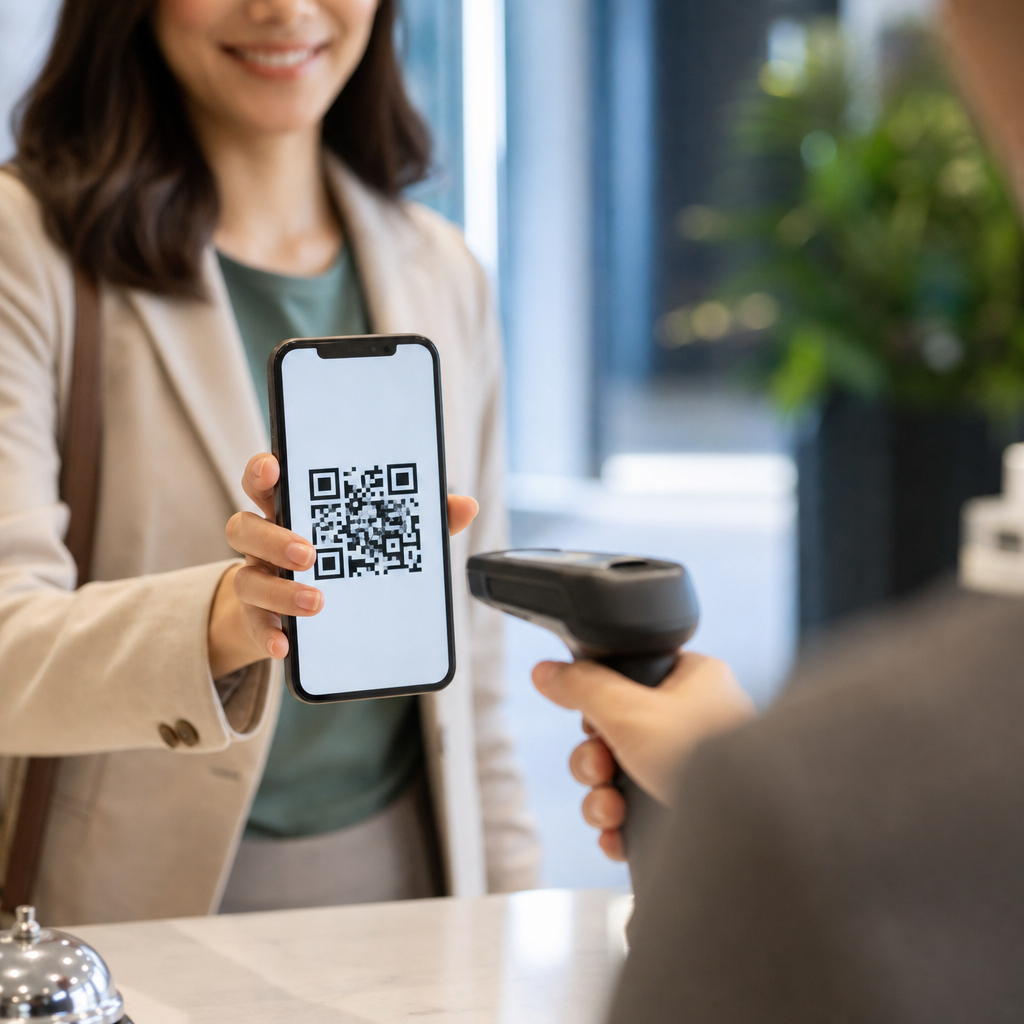
| Payments | Opens wallet or bank payment flow | Faster checkout and less hardware dependence |
| Packaging | Connects buyers to setup, warranty, or support | Reduces support volume and improves onboarding |
| Events | Supports ticketing, schedules, maps, and lead capture | Shorter lines and better attendee data |
| Healthcare | Provides intake, forms, directions, and patient education | Less paperwork and clearer instructions |
| Logistics | Enables asset tracking, proof of delivery, and audits | Better accuracy in field operations |
Each example shows a repeatable pattern: a physical moment creates a digital need, and the QR code closes the gap quickly. That pattern is not tied to one industry cycle, which is why adoption keeps broadening.
User experience benefits go beyond convenience
Convenience is only the starting point. Mobile QR codes can improve accessibility, localization, and continuity. A printed sign has fixed space, but a QR destination can offer multiple languages, larger text, screen-reader friendly structure, and video instructions. A museum label can open a plain-language version for general visitors and a deeper scholarly version for enthusiasts. A product shelf talker can send iPhone users to the App Store and Android users to Google Play through smart routing. A hotel lobby code can direct guests to property-specific Wi-Fi steps, local maps, and late checkout options based on the exact location.
They also support continuity across channels. A user who scans a code on packaging can land on a mobile page that remembers the product, offers support articles, and later triggers a follow-up email if the user opts in. That continuity is difficult with disconnected offline materials. Importantly, the best QR experiences are not generic homepage links. They are purpose-built landing pages with concise copy, fast load times, clear consent language, and one primary action. In mobile testing, relevance at the moment of scan consistently beats broad navigation.
Cost, speed, and scalability make them practical
Another reason mobile QR codes are here to stay is economics. Creating a static QR code costs almost nothing, and even enterprise dynamic platforms are inexpensive compared with custom hardware or native app development. A small business can place codes on window decals, table tents, inserts, and receipts in a single afternoon. A global brand can manage thousands of codes with naming conventions, redirect rules, role permissions, and analytics exports. Few technologies work at both ends of that spectrum without major retraining.
Scalability improves further when teams apply governance. I recommend standards for error correction level, quiet zone spacing, contrast ratio, minimum print size, destination ownership, and expiration policies. For print viewed at arm’s length, around 1 x 1 inch is a common minimum, though larger sizes are safer at distance. High contrast, usually black on white, scans most reliably. ISO/IEC 18004 governs QR code symbology, and following recognized print and testing practices reduces failure rates. These details matter because the business case collapses if codes are hard to scan or point to slow, irrelevant pages.
Trust, security, and limitations deserve attention
QR codes are not perfect, and honest adoption requires acknowledging limits. Users cannot visually verify a destination before scanning, which creates phishing risk. Bad actors can place sticker overlays on public codes or circulate malicious images digitally. The fix is not to avoid QR codes; it is to implement safeguards. Use branded domains, HTTPS everywhere, and landing pages that clearly identify the organization. In controlled environments, print tamper-evident materials or inspect signage routinely. Train staff and customers to preview links and to distrust codes placed haphazardly in public spaces. Payment flows should rely on established providers with clear confirmation screens.
There are also usability constraints. Weak lighting, damaged print, reflective surfaces, poor contrast, or overdesigned code styling can reduce scan success. Some audiences still prefer a short URL as backup, and that option should remain visible on critical materials. QR codes also do little if the destination page is slow or not mobile optimized. In other words, the code is only the bridge; the landing experience still determines success. Teams that treat QR as a shortcut to mediocre mobile pages usually see mediocre results.
Mobile QR codes are here to stay because they deliver a rare combination of simplicity, reach, and measurable value. They remove friction for users, turn physical media into trackable digital touchpoints, and fit a wide range of workflows from menus and payments to onboarding and field operations. They are inexpensive to deploy, easy to scale, and flexible enough to update after print. Just as important, they match current behavior: people already carry smartphones, expect camera-based interactions, and want immediate access instead of manual entry.
The lasting lesson is that QR codes succeed when they are designed around context. Put the code where intent is high, send scanners to a fast mobile page built for that exact moment, and measure what happens next. Add governance, security checks, and a fallback link, and the technology becomes dependable rather than gimmicky. If you are building out your Mobile QR Code Basics content hub, start by auditing every place customers move from physical to digital. Those moments are where the benefits of mobile QR codes compound fastest, and where smart implementation will keep paying off.
Frequently Asked Questions
What is a mobile QR code, and why has it become so common?
A mobile QR code is a two-dimensional barcode built to be scanned by a smartphone camera, instantly sending the user to a digital destination such as a website, restaurant menu, payment screen, ticket, app download, support form, login prompt, or product page. What has made mobile QR codes so common is not just familiarity, but utility. They remove friction from everyday interactions by letting people go from offline to online in seconds without typing URLs, searching for pages, or downloading special tools first. Once smartphone operating systems added native QR scanning to camera apps, the barrier to use dropped dramatically. That shift turned QR codes from a niche marketing add-on into a practical access layer for commerce, events, healthcare, transportation, hospitality, and customer service. In short, they became common because they solve real-world problems quickly, reliably, and at scale.
Why are mobile QR codes considered more than a temporary trend?
Mobile QR codes are no longer treated as a novelty because they now function as infrastructure. A trend usually depends on hype, but infrastructure survives because people and businesses rely on it to complete important tasks. QR codes support contactless payments, digital check-ins, mobile ticketing, product authentication, menu access, customer feedback, device setup, and secure sign-in workflows. Those are not one-time experiments; they are recurring operational needs. Businesses also value QR codes because they are inexpensive to deploy, easy to update when dynamic, and flexible enough to work across printed materials, packaging, signage, receipts, and screens. Consumers keep using them because the experience is fast and familiar. When a technology becomes both operationally efficient for organizations and effortless for users, it tends to stay. That is exactly where mobile QR codes are today.
What real problems do mobile QR codes solve better than other options?
Mobile QR codes excel when speed, convenience, and accuracy matter. They eliminate the need for manual entry, which reduces errors and abandonment. Instead of asking someone to type a long web address, search for an app, fill in a product code, or navigate several clicks to reach the right page, a QR code gets them there in one scan. In retail, that can mean instant access to product details, reviews, promotions, loyalty signups, or self-checkout steps. At events, it can mean faster ticket validation and smoother attendee flow. In restaurants, it can simplify menu access and ordering. In payments, it can reduce hardware dependency and speed up transactions. In support and service settings, it can connect users directly to troubleshooting guides, chat options, or warranty forms. Compared with many alternatives, QR codes work well because they bridge the physical and digital worlds with very little effort from the user. That combination of simplicity and versatility is difficult to replace.
Are mobile QR codes secure, and what should businesses do to use them safely?
Mobile QR codes can be secure, but like any access method, they need thoughtful implementation. The code itself is simply a carrier of information, usually a link or action prompt. The real security question is where that code leads and how the destination is managed. Reputable businesses should use trusted domains, HTTPS-secured pages, and clear branding so users know they are scanning something legitimate. Dynamic QR codes are often preferable because they allow destination updates without reprinting assets, which is useful if a link needs to be changed or disabled quickly. For higher-risk use cases such as authentication, payments, or account access, businesses should pair QR codes with secure backend systems, session controls, expiration rules, and user verification where appropriate. It is also smart to place QR codes in tamper-resistant contexts and monitor scan analytics for suspicious patterns. For users, the best practice is straightforward: scan codes from trusted sources and confirm the destination before entering personal information. Used properly, QR codes are not inherently unsafe; they are simply part of a broader digital security workflow.
How can businesses use mobile QR codes effectively without frustrating customers?
The most effective QR code experiences are useful, immediate, and clearly explained. A code should lead to something that saves time or adds value, not create extra steps. That means linking directly to a mobile-optimized destination, avoiding generic homepages when a specific page is better, and making the purpose obvious with a short call to action such as “Scan to pay,” “Scan for menu,” “Scan for setup guide,” or “Scan to view warranty details.” Placement matters too. Codes should be easy to find, large enough to scan comfortably, and displayed with enough contrast and lighting for reliable recognition. It also helps to provide context and a backup option, especially in environments where connectivity may vary or users may prefer another path. Businesses that treat QR codes as a convenience tool rather than a gimmick tend to get the best results. When the scan experience is fast, relevant, and friction-free, customers adopt it naturally, and that is a big reason mobile QR codes continue to prove their staying power.