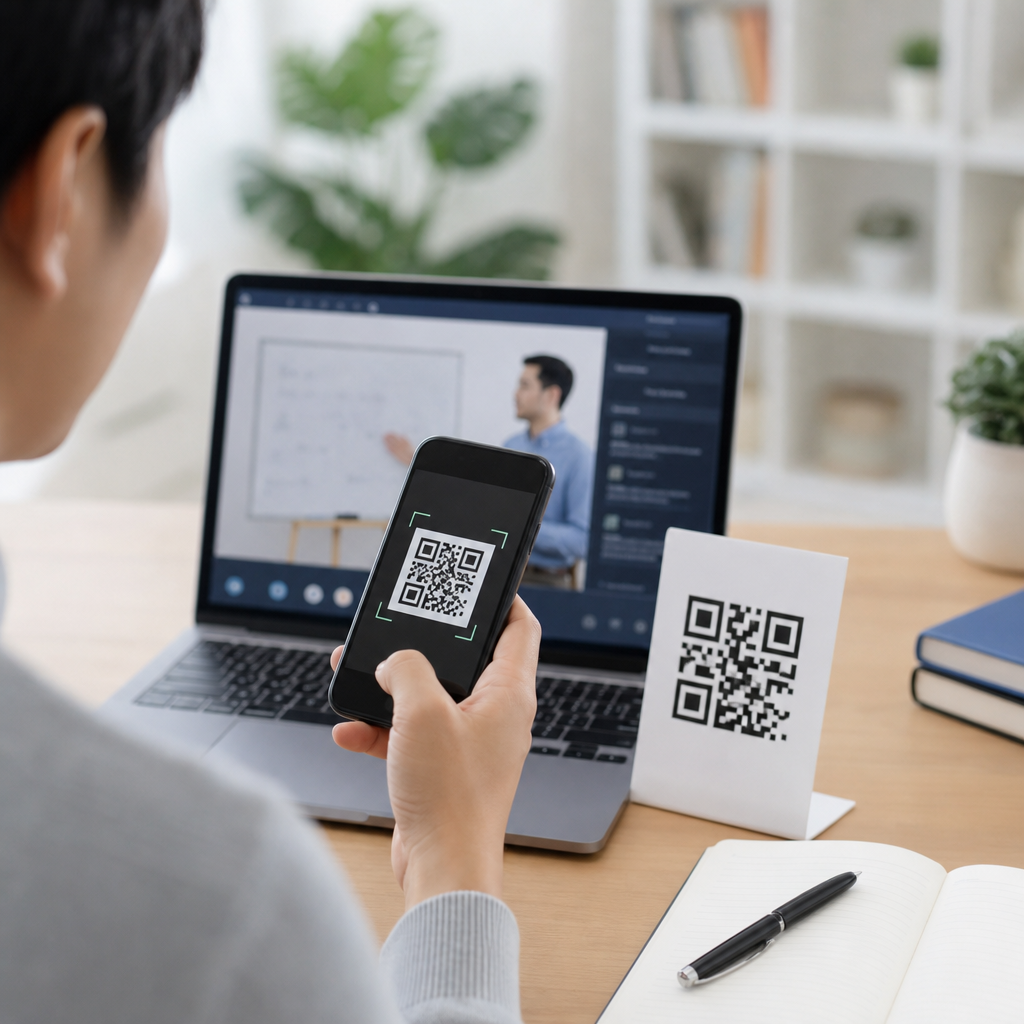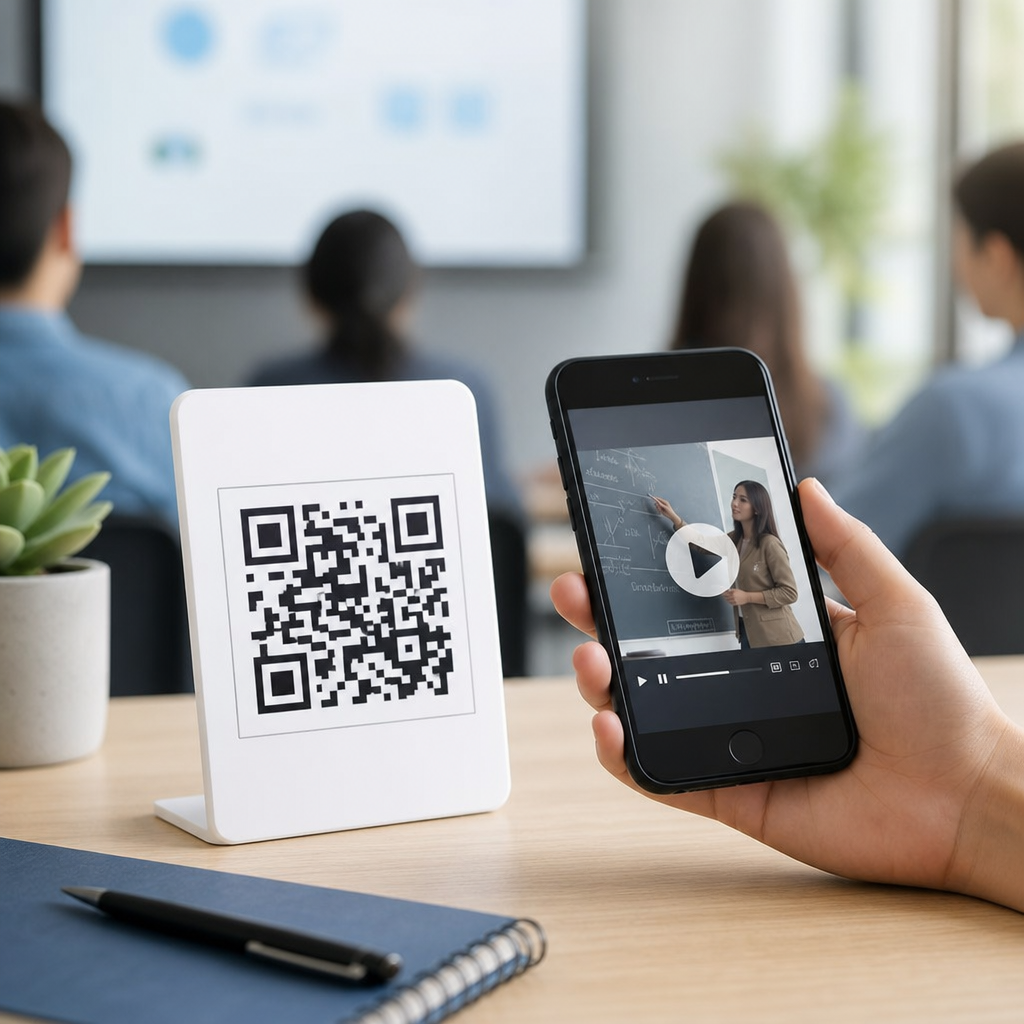
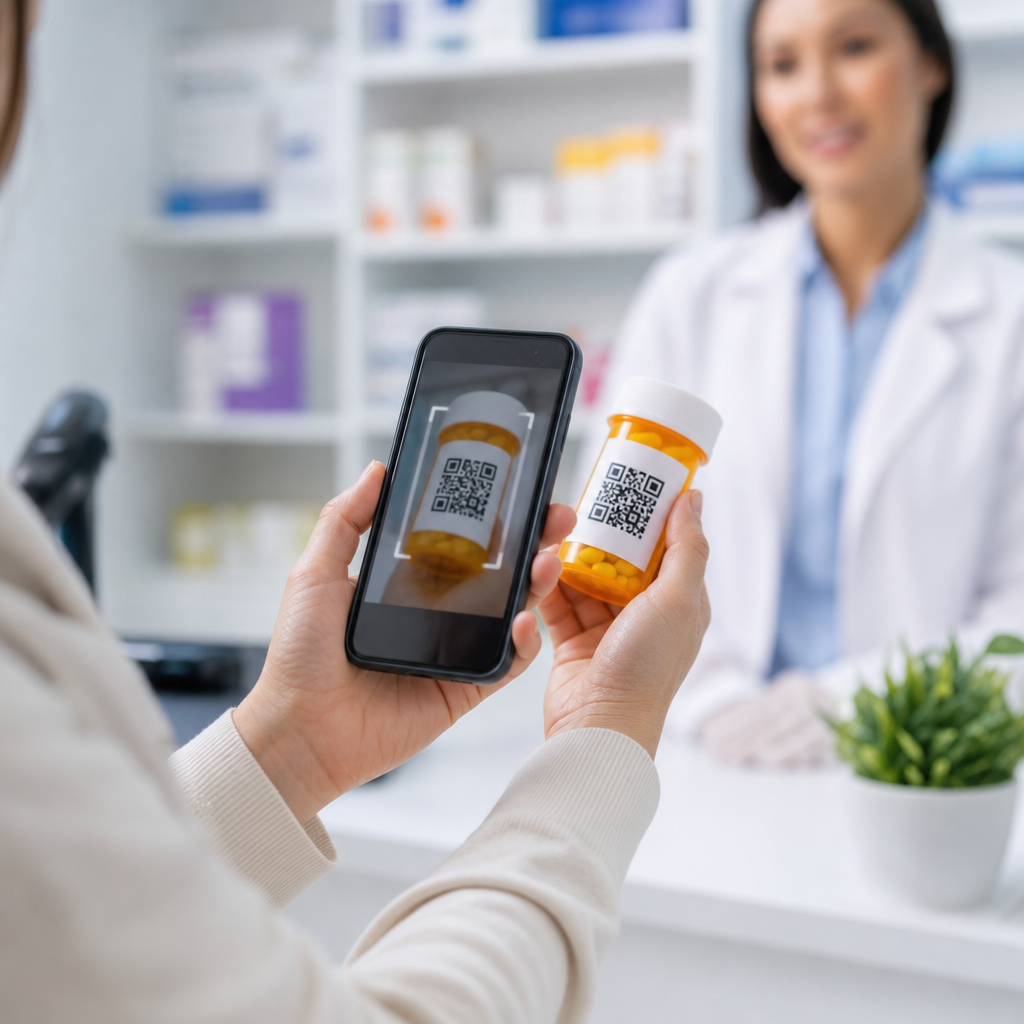
QR codes for prescription information are becoming a practical bridge between printed medication labels and the digital details patients, pharmacists, and caregivers need to use medicines safely. In healthcare, a QR code is a scannable two-dimensional barcode that can open instructions, refill links, language-specific guidance, videos, formularies, adherence tools, or verified drug data on a phone or clinical device. Prescription information includes the drug name, strength, dosing schedule, warnings, storage rules, prescriber details, and refill status, but it can also extend to side-effect education, interaction checks, and patient assistance resources. This matters because medication errors remain a major patient-safety issue, and paper labels alone often fail people with low vision, limited health literacy, or changing treatment plans. I have worked with healthcare organizations implementing patient-facing codes, and the strongest results came when QR codes were treated as part of a medication communication system, not a novelty. Used well, they reduce friction, improve comprehension, support accessibility, and create a cleaner path from prescription pickup to correct daily use across retail pharmacy, hospitals, specialty care, and telehealth.
How QR codes improve prescription communication
The main advantage of QR codes for prescription information is that they turn a small package surface into a doorway to complete, current guidance. A standard bottle label cannot realistically hold step-by-step inhaler instructions, a dosing calendar, a drug interaction explainer, and translations in multiple languages. A QR code can. When scanned, the code can direct a patient to a secure landing page with the exact prescription details tied to that medication event. In practice, I have seen this reduce the common “I forgot what the pharmacist said” problem because the guidance remains available after the patient leaves the counter.
Healthcare providers also benefit from consistency. Instead of handing out different paper leaflets from different manufacturers, a pharmacy system can route every scan to a controlled source of truth. That source can reflect formulary changes, shortage substitutions, updated boxed warnings, or revised manufacturer instructions without redesigning the physical label. For high-risk drugs such as warfarin, insulin, methotrexate, or opioids, that ability to present current counseling content is particularly valuable. It helps standardize patient education across locations and shifts while preserving a documented workflow.
Another key improvement is readability and accessibility. Patients with limited English proficiency can scan a code and choose their preferred language. People with visual impairments can use screen readers or audio instructions. Caregivers managing complex regimens for children or older adults can access administration videos and timing reminders. These are not marginal benefits. They directly address barriers that contribute to missed doses, duplicate dosing, and avoidable calls to clinics and pharmacies.
Core healthcare use cases across the medication journey
QR codes are most effective when mapped to specific points in the medication journey. At prescribing, a clinic can place a code on the after-visit summary linking to medication start instructions and prior authorization status. At dispensing, the retail or hospital pharmacy can print a patient-specific code on the label or bag, sending the patient to a verified page that explains indication, timing, food requirements, storage, and refill options. For discharge medications, hospitals can use one code per patient medication list, reducing confusion during care transitions when multiple new drugs begin at once.
Specialty pharmacy has especially strong use cases. Patients starting biologics, oncology supportive medications, or hepatitis C therapies often need training, financial support information, and close adherence follow-up. A QR code can connect them to injection technique videos, temperature-handling rules, co-pay assistance forms, and nurse educator contact details. In telehealth, where the patient may never have an in-person counseling session, the code becomes part of the digital handoff between prescriber and pharmacy.
Pharmaceutical manufacturers also use QR codes on packaging to support patient education, anti-counterfeiting efforts, and product authentication. Health systems can use them internally for medication room workflows, but patient-facing prescription information remains the highest-value application because it addresses an immediate safety need. The best implementations are intentional about what the user wants in that moment: how to take the medication, what to avoid, what side effects require urgent help, and how to get the next fill on time.
What information a prescription QR code should include
A useful prescription QR code should not simply open a generic homepage. It should lead directly to medication-specific, patient-relevant content structured in plain language. At minimum, that includes the medication name and common brand names, dose, route, frequency, exact timing instructions, missed-dose guidance, major warnings, storage conditions, and refill instructions. It should also explain why the medication was prescribed when that is appropriate and privacy-safe, because patients often remember the condition more easily than the drug name.
Beyond the basics, include interaction advice about alcohol, over-the-counter products, herbal supplements, and food restrictions where relevant. Add common side effects, serious adverse effects that require immediate medical attention, and criteria for contacting the prescriber. For devices such as inhalers, pens, or auto-injectors, video demonstration is highly effective. If the medication requires laboratory monitoring, the content should tell the patient what tests matter and why. This is especially important for anticoagulants, thyroid replacement, anticonvulsants, and immunosuppressants.
| Medication context | Information patients need most | Best QR-linked format |
|---|---|---|
| Antibiotics | Finish the course, missed doses, food effects, common side effects | Short checklist and FAQ |
| Insulin | Injection timing, storage, hypoglycemia response, dose changes | Video plus emergency guidance |
| Opioids | Driving warnings, constipation prevention, naloxone education, disposal | Risk summary and refill policy page |
| Inhalers | Technique steps, cleaning, spacer use, controller versus rescue role | Illustrated tutorial video |
| Specialty biologics | Refrigeration, shipment handling, financial support, training | Resource hub with contact options |
Each destination should load fast on mobile devices, avoid clutter, and present the most important instructions above the fold. If a patient must scroll through marketing copy to find “take with food,” the code has failed its purpose.
Privacy, security, and regulatory considerations
Healthcare QR code programs must be designed around privacy and data governance. A patient-specific code can expose protected health information if it directly embeds identifiers or diagnosis details in the visible code string. The safer approach is to use a tokenized URL that resolves on a secure server after appropriate authentication or with tightly scoped session controls. If the content includes refill status, patient name, prescriber information, or condition-specific counseling, review the workflow against HIPAA requirements and internal security policies.
Accuracy controls matter just as much as privacy. Prescription instructions should come from the dispensing or prescribing system of record, with version control and pharmacist review where required. If linking to educational drug content from a third party, validate clinical quality and update frequency. Recognized drug knowledge vendors, EHR-integrated patient education libraries, and pharmacy management platforms are preferable to uncontrolled public pages. For device instructions, use manufacturer-approved materials when possible, especially for products with risk evaluation and mitigation requirements or complex administration steps.
There are also practical safety concerns. Not every patient has a smartphone, reliable data service, or comfort with scanning codes. For that reason, QR codes should supplement, not replace, legally required labeling and verbal counseling. Printed critical warnings still matter. In my experience, the safest posture is redundancy: concise label instructions, pharmacist counseling, and QR-linked detail working together. That approach respects both digital convenience and the realities of care access.
Implementation best practices for pharmacies and health systems
Successful deployment starts with workflow design, not artwork. Decide which prescriptions qualify, what content source will be used, how the code will be printed, and who owns updates. In retail pharmacy, the easiest path is integrating QR generation into the dispensing software so each label can point to medication-specific content automatically. In hospitals, discharge medication lists often work better than separate codes for every container, because transition-of-care patients need one coherent medication plan.
Test with real users before scaling. Observe whether patients understand what the code does, whether they trust scanning it, and whether they can find urgent warnings within seconds. Use plain labels such as “Scan for dosage, side effects, and refill help” rather than just placing a square symbol with no explanation. Track metrics that reflect patient value: scan rate, time on page, refill completion, adherence program enrollment, reduced call volume for routine questions, and documented understanding for high-risk therapies.
Accessibility should be built in from the start. Use WCAG-aligned mobile pages, readable typography, high contrast, multilingual options, and captions for videos. Include offline alternatives, such as a short printed URL or phone number. Finally, connect the QR code strategy to broader healthcare communication. Link it with patient portals, refill reminders, medication synchronization, and care management outreach. When the code sits inside that larger ecosystem, it becomes a durable hub for healthcare education rather than an isolated feature.
QR codes for prescription information work best when they solve concrete medication problems: confusion after pickup, inaccessible instructions, inconsistent counseling, and difficulty finding trusted answers at home. They give pharmacies, clinics, hospitals, and manufacturers a scalable way to connect printed prescriptions with current digital guidance, video education, refill tools, and multilingual support. The strongest healthcare programs keep the content specific, mobile friendly, secure, and clinically governed, while preserving standard labels and pharmacist counseling for safety. As a hub topic within healthcare, this area touches retail pharmacy, hospital discharge, specialty medication onboarding, telehealth prescribing, patient adherence, and packaging innovation. That breadth is exactly why QR codes deserve serious attention from healthcare leaders. If you are building medication communication for any healthcare setting, start by auditing one high-risk prescription workflow and designing a QR experience that answers the patient’s next question immediately, clearly, and accurately every time.
Frequently Asked Questions
What information can a QR code for prescription information provide?
A QR code linked to prescription information can give patients, pharmacists, and caregivers fast access to far more detail than what fits on a standard medication label. Depending on how it is set up, the code may open the drug name, strength, dosage instructions, timing guidance, refill status, storage requirements, expiration details, warnings, side effects, drug interaction information, allergy alerts, and instructions for missed doses. It can also connect to patient education materials, manufacturer inserts, formulary details, medication guides required by regulators, and language-specific versions of the same instructions.
In practical use, this means a small printed code on a prescription bottle or package can serve as a gateway to verified digital information. A patient might scan it to watch a short demonstration video for using an inhaler, review whether to take the medicine with food, or read a simplified version of administration instructions in their preferred language. Caregivers may use it to confirm dosing schedules, while pharmacists may use it to validate product data or direct patients to adherence tools and refill links. When implemented well, QR codes expand access to clear, accurate, and current prescription information without crowding the physical label.
How do QR codes improve medication safety for patients and caregivers?
QR codes can improve medication safety by making important prescription details easier to reach, easier to understand, and easier to keep current. Traditional printed labels have limited space, which often forces critical instructions into small text or abbreviated wording. A QR code helps solve that problem by linking to expanded content such as full warnings, administration steps, contraindications, interaction checks, and guidance for special populations like children, older adults, or patients with kidney or liver concerns. This can reduce confusion and support safer medicine use at home.
They are especially helpful when patients manage multiple prescriptions or need more than the basic label provides. For example, a caregiver can scan a code to verify whether a medication should be crushed, refrigerated, taken at bedtime, or separated from another drug by several hours. A patient can use a linked refill page, medication reminder tool, or trusted counseling resource instead of relying on memory alone. In multilingual settings, QR codes can also improve safety by offering instructions in the patient’s preferred language. While a QR code does not replace professional counseling from a pharmacist or prescriber, it can reinforce instructions and make reliable prescription information more accessible at the moment it is needed.
Are QR codes on prescription labels secure and private?
QR codes themselves are simply a method for directing a device to digital content, so their security depends on how the linked system is designed. In healthcare settings, secure QR code implementations should direct users to trusted, encrypted websites or apps and avoid exposing sensitive personal health information unless the user is properly authenticated. For example, a code may safely open general medication education without requiring a login, while refill history, patient-specific instructions, or protected prescription records should typically be placed behind secure access controls.
Patients should scan prescription QR codes only when they come from a trusted source such as a pharmacy, hospital, clinic, or verified medication package. It is also wise to check that the link opens an official web address and does not request unnecessary information. Organizations using QR codes for prescription information should follow healthcare privacy and security standards, maintain current links, and clearly distinguish between general drug information and patient-specific data. In short, QR codes can be a safe and practical tool, but privacy protection depends on thoughtful implementation, secure platforms, and user awareness.
Can QR codes help patients who need multilingual, accessible, or easier-to-understand prescription instructions?
Yes, this is one of the most valuable uses of QR codes for prescription information. Many patients need support beyond the standard printed label, whether because of language preferences, visual limitations, low health literacy, hearing differences, or the complexity of the medication itself. A QR code can link directly to translated instructions, large-text content, audio guidance, captioned videos, pictograms, or simplified medication summaries written in plain language. This makes prescription information more inclusive and more usable across a wide range of patient needs.
For example, a patient who is not fluent in English may scan the code and immediately read dosing instructions and warnings in Spanish, Mandarin, Arabic, or another supported language. Someone with low vision may use a phone’s accessibility features to enlarge the linked text or have it read aloud. A caregiver helping an older adult can review a step-by-step administration guide instead of trying to interpret limited space on the label. These features do not just improve convenience; they can directly support adherence, comprehension, and safety by reducing the risk that essential prescription information is misunderstood or overlooked.
Do QR codes replace pharmacists, printed labels, or official prescription instructions?
No, QR codes are best understood as an enhancement, not a replacement. Printed prescription labels, pharmacist counseling, and official prescribing information remain essential parts of safe medication use. The label on the bottle or package still provides the core directions needed immediately, such as the patient name, medication name, dosage, and basic administration instructions. Pharmacists and prescribers still play the central role in answering clinical questions, identifying interactions, and making sure the patient understands how to use the medicine correctly.
What QR codes add is convenience, depth, and flexibility. They can extend the label by connecting users to updated digital resources, medication videos, refill portals, reminders, storage instructions, side effect guidance, and verified educational content. They can also support patients after they leave the pharmacy, when questions often arise during real-world use. However, patients should not rely on a QR code alone for urgent or individualized medical decisions. If directions conflict, if a side effect seems serious, or if there is uncertainty about how to take a medication, the pharmacist, prescriber, or another qualified healthcare professional should be contacted right away. Used properly, QR codes strengthen the prescription information experience by making trusted guidance easier to access while keeping professional care at the center.