Dynamic QR codes turn a static printed square into a flexible marketing asset, which is why they are especially effective for seasonal campaigns. A dynamic QR code is a scannable code whose destination can be changed after printing, usually through a QR management platform. That single capability matters because seasonal marketing moves fast: offers change, inventory shifts, landing pages expire, and regional promotions rarely stay fixed for long. In my own campaign work, the biggest advantage has been preserving print value. Instead of reprinting packaging, shelf talkers, event signage, or direct mail, teams can update the linked content in minutes and keep the campaign live.
For brands building advanced QR code strategies, dynamic QR codes deserve a hub-level role because they connect creative, media, analytics, and operations. They support holiday promotions, back-to-school launches, summer travel campaigns, year-end donations, restaurant limited-time menus, and retail clearance events. They also improve measurement. Unlike static QR codes, dynamic systems usually provide scan data such as time, device type, rough location, and total versus unique scans. That makes them useful not only for engagement but also for attribution and optimization. Seasonal campaigns often involve multiple channels at once, including print, in-store displays, email, paid social, packaging, and outdoor media. Dynamic QR codes help unify those touchpoints around a single editable destination and a measurable user journey.
This article explains how to use dynamic QR codes for seasonal campaigns as the central guide within a broader advanced QR code strategy. It covers planning, audience targeting, landing page design, tracking, governance, and common mistakes. It also clarifies an important distinction: dynamic does not mean endlessly changing without structure. The best results come from disciplined campaign architecture, clear naming conventions, short redirection chains, fast mobile pages, and a firm review process. When used well, dynamic QR codes let marketers extend campaign life, reduce waste, personalize by season or location, and learn from each scan in a way static codes cannot match.
Why Dynamic QR Codes Fit Seasonal Marketing
Seasonal campaigns have three operational realities: short windows, frequent revisions, and uneven demand across channels or regions. Dynamic QR codes address all three. Because the destination URL can be edited after deployment, a code printed for a winter promotion can start by leading to a gift guide, then shift to a last-shipping-deadline page, and finally redirect to post-holiday clearance. The printed code remains the same while the experience evolves with the calendar. That flexibility lowers production costs and helps teams avoid dead links after a seasonal page is retired.
They also support channel continuity. A retailer might place the same code on window clings, bag inserts, and checkout signage for a spring sale, while routing users to one campaign landing page that can be updated daily. A tourism brand can use a code on airport posters for summer travel and swap the destination based on package availability. In restaurants, dynamic QR codes are often used for limited-time menus, coupon redemption, and loyalty sign-ups during holiday periods. The practical benefit is straightforward: the campaign can adapt without replacing every physical asset already in the field.
From a strategic standpoint, dynamic QR codes improve the quality of learning. If scans spike on weekends, the landing page can emphasize store hours or reservations. If one city underperforms, marketers can localize the destination for that region. In my experience, the strongest seasonal programs treat each code as both a conversion path and a feedback instrument. The code is not just a shortcut; it is a source of evidence about audience behavior.
Core Dynamic QR Code Strategies That Scale
The most effective dynamic QR code strategies begin with structure, not design. Start by assigning one code to one campaign objective. If the goal is email capture for a Black Friday early-access list, the code should lead to that experience alone. If the goal is in-store redemption, use a separate code. Mixing objectives muddies analytics and weakens optimization. Next, define your routing rules. Some platforms support destination changes by date, geography, language, or device type. Those features are useful, but only if planned around a content calendar and approval workflow.
Campaign naming conventions are another overlooked success factor. I recommend including season, year, market, channel, asset type, and objective in every code name. For example, “Holiday-2026-US-StorePoster-GiftGuide” is immediately understandable in analytics. Teams managing dozens of codes across multiple regions need that clarity to avoid routing errors. Established platforms such as Bitly, QR Code Generator PRO, Scanova, Beaconstac, Flowcode, and Uniqode all support dynamic management at different levels, but whichever tool you choose, governance matters more than visual customization.
Destination quality is equally important. A dynamic QR code should usually point to a mobile-first landing page rather than a generic homepage. Seasonal visitors need immediate relevance. If the poster says “Scan for Valentine’s menu,” the first screen should show that menu, booking details, price range, and location information without forcing another search. Keep redirects minimal, compress images, and test on slower mobile networks. Google’s page experience principles still matter here because scan intent is high but patience is low.
| Seasonal use case | Best dynamic QR strategy | Why it works |
|---|---|---|
| Holiday retail sale | Date-based redirects from gift guide to shipping cutoff to clearance page | Keeps printed assets relevant across the full promotion window |
| Restaurant seasonal menu | Single code linked to a mobile menu page updated weekly | Avoids reprinting table tents and reflects inventory changes fast |
| Event series | Location-specific redirects for each venue using the same master creative | Maintains brand consistency while localizing details |
| Back-to-school campaign | Separate codes by channel for signage, mailers, and packaging | Improves attribution and shows which placements drive scans |
Building Seasonal Landing Pages and Offers
A dynamic QR code performs only as well as the destination it unlocks. For seasonal campaigns, landing pages should answer five questions immediately: what is the offer, who it is for, how long it lasts, what action to take, and what happens next. This is where many campaigns lose momentum. The printed creative creates urgency, but the page opens with a vague hero image and no deadline, inventory note, or redemption instructions. A strong seasonal page puts the value proposition above the fold, uses a prominent call to action, and states timing clearly, such as “Offer ends December 24” or “Available while supplies last.”
Personalization increases conversion when handled carefully. A clothing retailer can route cold-weather markets to outerwear content and warm-weather markets to gift accessories using geotargeted redirects. A nonprofit can shift a year-end giving QR code from donation appeal to impact summary after the campaign deadline, preserving trust instead of sending visitors to an expired ask. For multilingual audiences, language-based routing is one of the highest-value dynamic features because it reduces friction immediately after the scan.
Operational detail matters too. Coordinate landing pages with inventory and fulfillment teams. I have seen successful holiday campaigns fail because the QR destination promoted items already out of stock in key regions. Build a fallback path for unavailable offers, such as store locator pages, waitlists, digital gift cards, or adjacent seasonal bundles. Dynamic QR codes give marketers flexibility, but that flexibility only produces results when content, inventory, and customer service are aligned.
Tracking Performance and Optimizing in Real Time
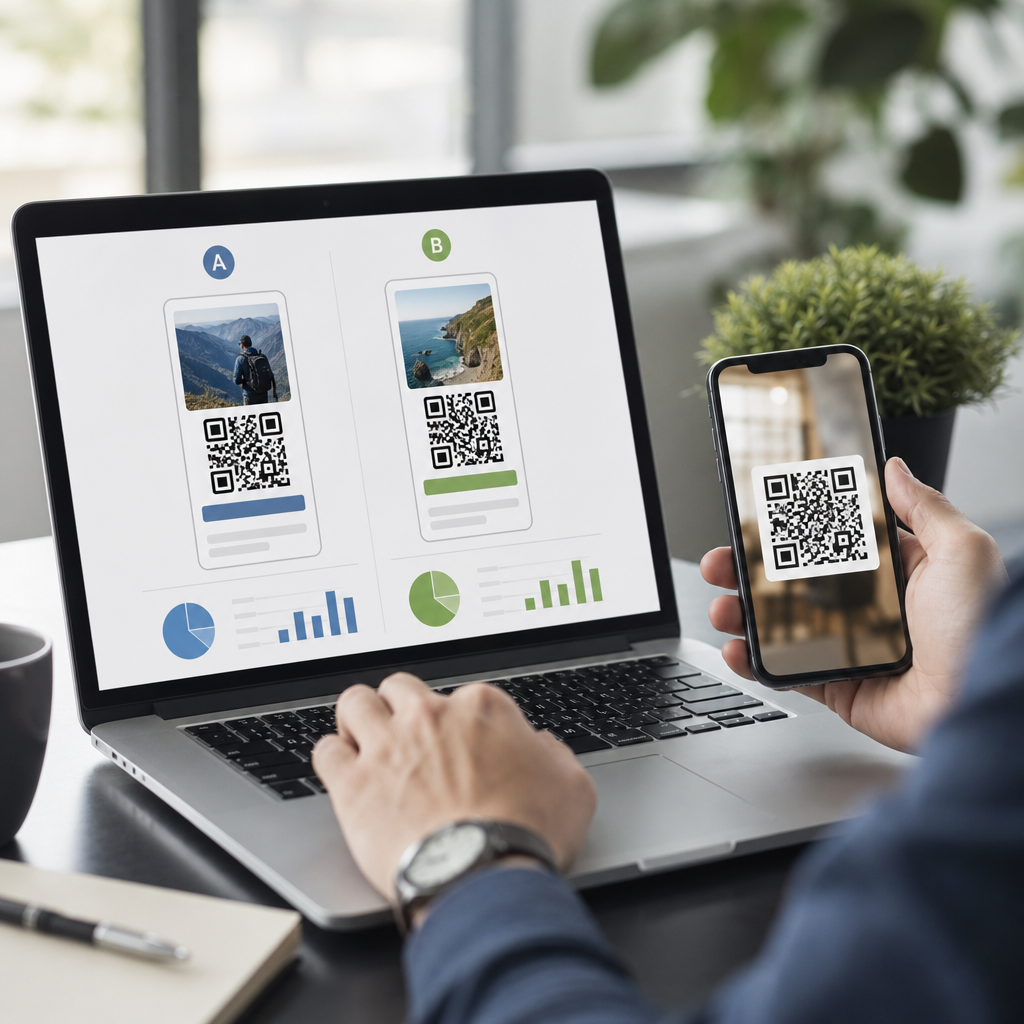
Measurement is where dynamic QR codes become a serious growth tool. At minimum, track total scans, unique scans, scan time, geography, operating system, and conversion events on the landing page. Use UTM parameters consistently so web analytics platforms such as Google Analytics 4 can connect scans to downstream behavior like purchases, sign-ups, bookings, or coupon redemptions. If your campaign spans physical placements, assign distinct dynamic codes to each placement rather than reusing one code everywhere. That is the cleanest way to understand which posters, inserts, or displays actually moved people.
Benchmarking should reflect seasonality. A code on a busy November endcap will behave differently from one on a January receipt insert. Compare performance against similar placements, similar traffic levels, and similar offer types. Scan rate alone is not enough; watch completion rate on the destination page. If scans are high but conversions are weak, the issue is usually message mismatch, slow load speed, poor mobile layout, or an offer that lacks urgency. Dynamic QR programs are ideal for iterative testing because landing page headlines, imagery, incentive framing, and redirect destinations can be adjusted without replacing the code itself.
Security and trust are part of optimization as well. Use branded domains when possible, maintain HTTPS, and avoid suspicious-looking redirect strings. Consumers are more likely to scan when the surrounding creative explains the destination clearly, for example “Scan to view today’s holiday menu” rather than simply “Scan here.” Internally, protect access to QR management platforms with role-based permissions and change logs. Seasonal campaigns often involve agencies, franchisees, and local teams; without governance, one mistaken redirect can break a high-traffic promotion.
Common Mistakes and How to Avoid Them
The most common mistake is treating a dynamic QR code as a tactical add-on instead of a managed campaign asset. That leads to weak naming, poor ownership, and expired destinations. Assign a clear owner for each code, document the live URL, set review dates, and archive or repurpose codes after the season ends. Another mistake is over-customizing the code visually until scan reliability drops. Brand styling is useful, but contrast, quiet zone spacing, and print quality matter more. Always test across multiple phones, lighting conditions, distances, and material surfaces before distribution.
Another avoidable problem is sending all seasonal traffic to a homepage. That wastes intent. People scan because they expect immediate relevance. If your destination makes them search again, many will leave. Finally, do not ignore post-season value. One of the smartest uses of dynamic QR codes is redirecting retired seasonal assets to evergreen content, such as loyalty programs, store locators, subscription offers, or next-season preview pages. That approach extends asset life and captures traffic that would otherwise be lost.
Dynamic QR codes give seasonal campaigns speed, control, and measurable insight that static codes cannot offer. They let marketers update destinations without reprinting assets, tailor experiences by date or location, and learn which placements and messages produce real business outcomes. The strongest programs pair that flexibility with disciplined structure: one code per objective, mobile-first landing pages, clean analytics, secure redirects, and clear ownership. Seasonal marketing is unpredictable, but your QR infrastructure should not be.
If you are building an advanced QR code strategy, start by auditing your next seasonal campaign for assets that need flexibility, attribution, or localization. Then deploy dynamic QR codes with a documented naming system, dedicated landing pages, and weekly performance reviews. Done well, they reduce waste, improve relevance, and turn every scan into both a customer opportunity and a source of actionable data.
Frequently Asked Questions
What makes dynamic QR codes better than static QR codes for seasonal campaigns?
Dynamic QR codes are especially useful for seasonal campaigns because they let you change the destination URL or linked content after the code has already been printed and distributed. That is a major advantage during time-sensitive promotions when offers, product availability, event dates, or landing pages may shift quickly. With a static QR code, any change usually means reprinting signage, packaging, flyers, table tents, direct mail pieces, or in-store displays. With a dynamic QR code, the printed code stays the same while the campaign behind it can evolve in real time.
That flexibility makes seasonal marketing much more efficient. A single QR code can support a holiday teaser campaign in early November, redirect to a Black Friday landing page later in the month, and then point to a last-minute gift guide in December. The same concept works for spring sales, summer events, back-to-school promotions, and regional seasonal campaigns that need localized messaging. Instead of treating printed materials as fixed assets, dynamic QR codes turn them into adaptable campaign touchpoints.
They also add measurement and control. Most dynamic QR platforms provide scan analytics such as total scans, unique scans, device type, location data, and time-based performance trends. That means marketers can see which placements are working, compare response across stores or regions, and optimize campaigns while they are still active. For seasonal promotions where timing matters and windows are short, that combination of editability and data is what makes dynamic QR codes significantly more effective than static ones.
How can I use dynamic QR codes across different phases of a seasonal marketing campaign?
The most effective way to use dynamic QR codes in seasonal campaigns is to think of them as a single access point that supports multiple campaign stages. Early in the season, the code might lead to a preview page, an email sign-up form, a waitlist, or a “coming soon” collection. As the campaign launches, you can update that same code to point to the primary offer page, featured products, booking page, or event registration experience. Near the end of the season, the code can be redirected again to clearance items, extended offers, or a related evergreen page so the printed materials continue to generate value rather than becoming outdated.
This phased approach works well across both physical and digital environments. A QR code on window displays, shelf talkers, packaging inserts, postcards, catalogs, menus, or event signage can remain visible throughout the campaign while the destination changes behind the scenes. For example, a retail brand can keep one code on in-store holiday signage but update the linked landing page weekly based on best-selling gifts, shipping cutoff dates, and inventory availability. A restaurant can use one code across table displays during a seasonal menu launch, first linking to a preview, then to reservations, then to a limited-time loyalty offer.
You can also segment by audience or geography. If weather, local inventory, or regional holidays affect your promotion, dynamic QR management tools often let you swap destinations based on campaign needs without replacing the printed asset. This makes campaign operations cleaner and more responsive. Instead of printing new materials every time something changes, you build one reusable code into your creative and manage the customer journey from the platform. That is one of the biggest practical advantages for marketers working in fast-moving seasonal windows.
What should a dynamic QR code link to during a seasonal promotion?
The best destination depends on the campaign goal, but in most cases a dynamic QR code should link to a mobile-friendly page that matches the exact context in which the code is scanned. If someone scans from a holiday store display, they should land on a page that immediately reflects that holiday promotion, not on a generic homepage. Relevance matters because seasonal campaigns usually rely on urgency and intent. The more directly the landing experience aligns with the printed message, the more likely the scan is to convert.
Common destinations include limited-time offer pages, seasonal product collections, gift guides, countdown promotions, event registration pages, coupon claims, loyalty sign-up forms, reservation pages, app download flows, and store locator experiences. In some cases, the best destination is not a sales page at all. It could be a curated content hub with holiday recipes, styling ideas, travel checklists, or seasonal how-to content that supports a broader campaign objective. The key is to keep the experience simple, fast, and clearly connected to the message that prompted the scan.
It is also smart to plan for what happens when the seasonal offer ends. One of the strengths of dynamic QR codes is that expired campaigns do not have to lead to dead links or outdated pages. Once a promotion closes, you can redirect users to an evergreen category page, a new seasonal campaign, a signup form for future alerts, or a “promotion ended” page that still offers useful next steps. This protects the user experience, preserves the value of printed assets, and helps you continue capturing traffic from codes that remain in circulation after the core campaign window has passed.
How do I measure the success of a dynamic QR code in a seasonal campaign?
Start by defining what success means before the campaign launches. In some seasonal campaigns, the primary goal is sales. In others, it may be foot traffic, reservations, app installs, email sign-ups, coupon redemptions, or event attendance. Once that goal is clear, connect the dynamic QR code to trackable landing pages and analytics systems so you can measure both scan activity and downstream conversions. Scan volume is useful, but by itself it does not tell the whole story. You want to know what people did after they scanned.
Most dynamic QR platforms provide baseline performance metrics such as total scans, unique scans, scan timestamps, approximate location, and device type. Those insights help you compare placements and identify when engagement peaks. For example, if one in-store poster generates far more scans than a direct mail insert, that tells you something about audience behavior and channel effectiveness. If scans rise sharply after you update the destination page or change the call to action near the code, that can reveal which messaging performs best during the seasonal window.
For a fuller picture, pair QR analytics with web analytics, UTM parameters, conversion tracking, coupon codes, CRM tagging, or platform-specific event measurement. This lets you see whether scans lead to purchases, bookings, form completions, or repeat visits. Seasonal campaigns often move quickly, so review performance frequently rather than waiting until the end. Dynamic QR codes are valuable not just because they can be tracked, but because they allow you to act on the data while the campaign is still live. If one destination underperforms, you can change it immediately. If one regional offer converts better than another, you can lean into that insight before the season ends.
What are the best practices for creating dynamic QR codes that actually get scanned during seasonal campaigns?
The first best practice is to give people a clear reason to scan. A QR code without context often gets ignored, especially in busy seasonal environments where consumers are flooded with promotions. The call to action should be specific and benefit-driven. Instead of simply saying “Scan here,” say something like “Scan for holiday exclusives,” “Scan to unlock this weekend’s offer,” or “Scan to view the seasonal menu.” The message should make the value obvious and connect directly to the moment and placement.
Design and usability matter just as much. Make sure the code is large enough to scan easily, placed where people can access it without awkward positioning, and printed with enough contrast to work under real-world conditions. Test it on multiple devices and in the actual environment where it will appear, including low light, glare, outdoor settings, packaging curves, or window reflections. If you customize the QR code with brand colors or a logo, keep it within scannability guidelines so visual styling does not interfere with performance.
Just as important, send users to a fast, mobile-optimized destination that fulfills the promise of the scan immediately. Seasonal campaigns depend on momentum. If the landing page is slow, confusing, or disconnected from the printed message, conversions drop quickly. It also helps to build a contingency plan. Since seasonal promotions can end abruptly due to inventory or timeline changes, use the dynamic functionality to update links proactively rather than letting customers hit expired pages. When you combine a strong call to action, reliable design, relevant destination content, and active campaign management, dynamic QR codes become one of the most practical and effective tools for seasonal marketing.