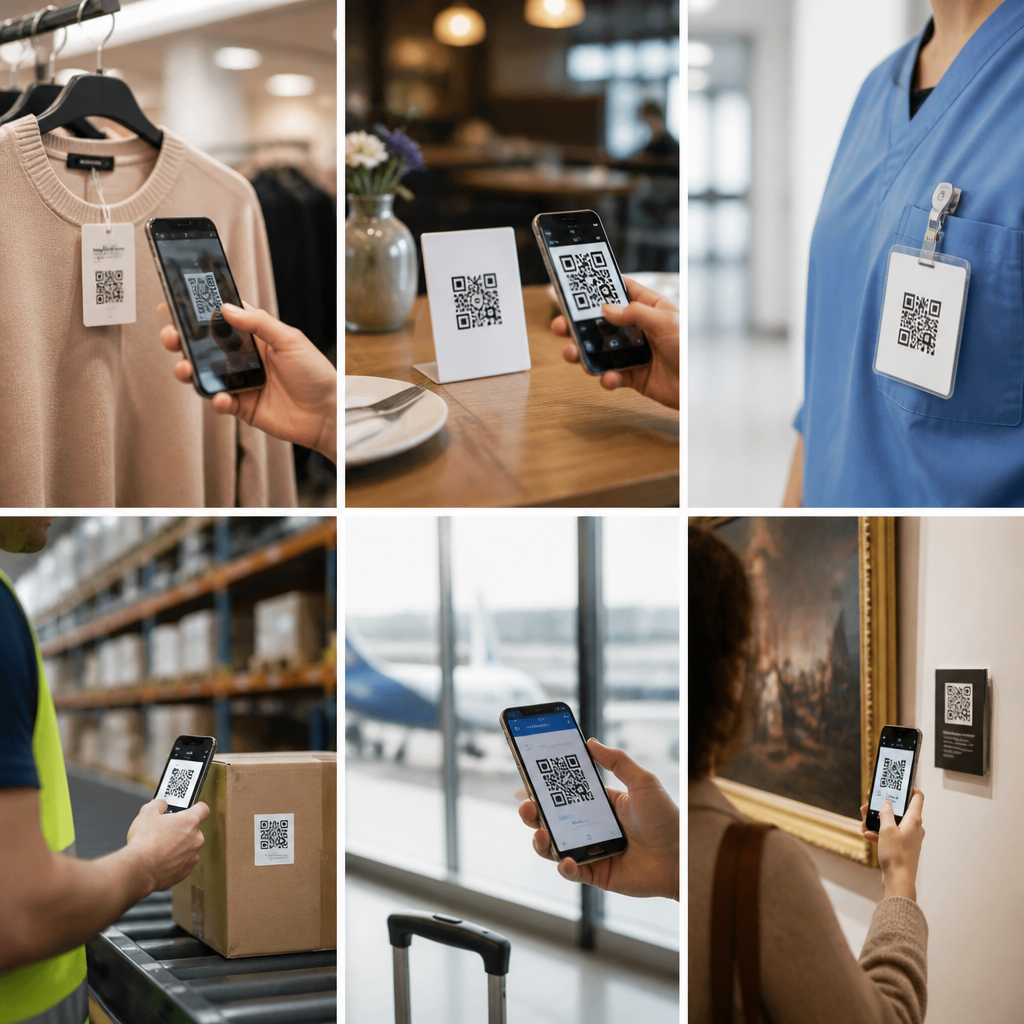
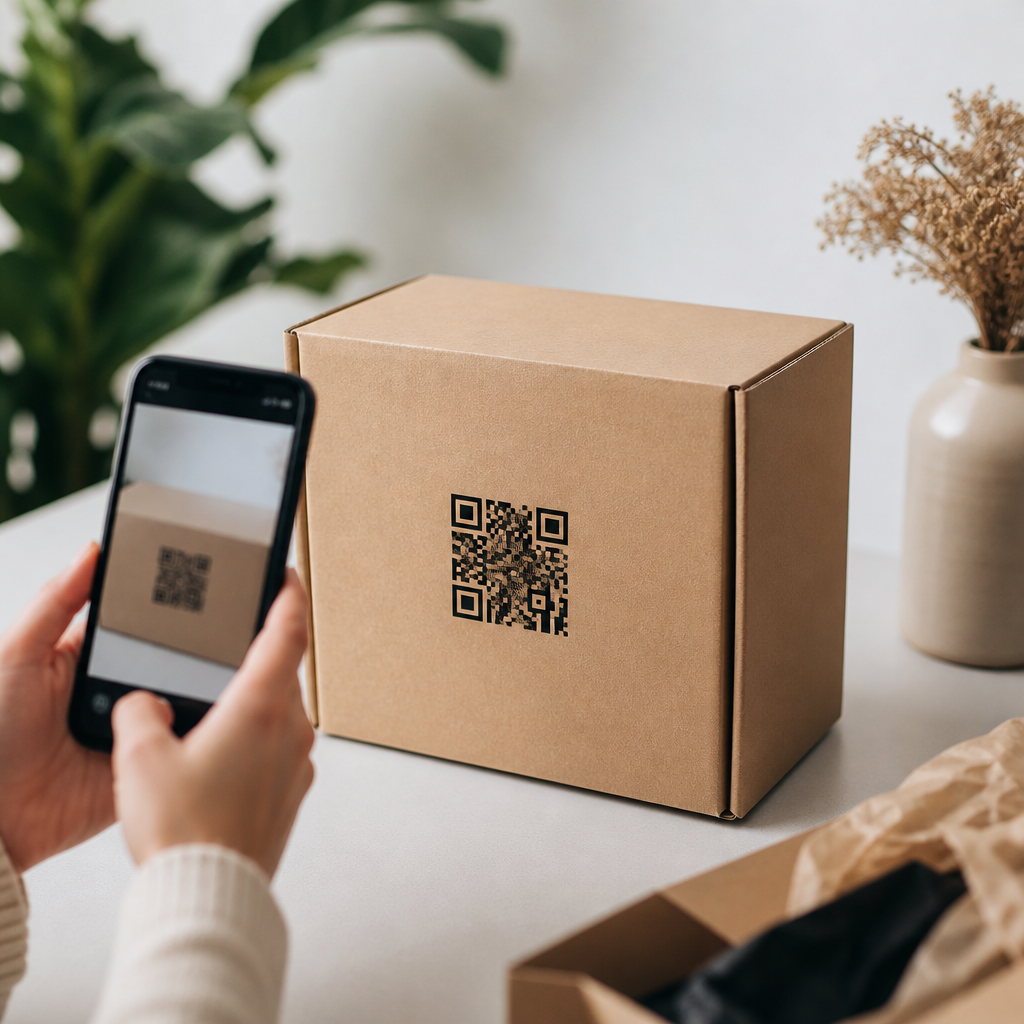
QR codes have become a practical bridge between physical packaging and digital commerce, and nowhere is that more visible than in eCommerce packaging campaigns. In this case study hub, QR codes in eCommerce packaging campaigns refers to scannable codes printed on boxes, inserts, labels, or product wraps that send buyers to a landing page, loyalty flow, review form, reorder page, tutorial, or support experience. The value is straightforward: packaging reaches customers at the moment of unboxing, when attention is high and intent is strongest. I have worked on packaging programs where a single post-purchase scan flow lifted repeat purchase rates, reduced support tickets, and generated cleaner first-party data than paid social retargeting. That is why this topic matters. Rising acquisition costs, privacy restrictions, and the decline of third-party cookies have pushed brands to treat packaging not as a shipping expense but as a media channel. A well-designed QR packaging campaign can strengthen retention, increase average order value, and create measurable customer journeys from delivery to reorder.
This article serves as the central resource for case studies and success stories within the broader QR code trends and future landscape. It explains what high-performing campaigns look like, which metrics matter, why some programs fail, and how leading brands connect packaging scans to customer relationship management systems, analytics tools, and lifecycle marketing. It also covers the tradeoffs. Not every customer scans. Not every code placement works. Campaigns need clear incentives, mobile-first destination pages, and reliable attribution. Still, the evidence is now strong: dynamic QR codes, when paired with thoughtful packaging design and post-purchase strategy, can turn every delivered order into an owned marketing touchpoint.
What successful eCommerce packaging QR campaigns actually do
The most effective campaigns solve a specific customer need immediately after delivery. In practice, that usually means one of five jobs: product education, warranty or registration capture, review generation, loyalty enrollment, or replenishment. Brands that try to make one QR code do everything often underperform because the customer has to choose from too many paths. In campaigns I have audited, the best scan rates came from single-purpose calls to action such as “Scan for setup in 60 seconds” or “Scan to reorder when you are running low.” Clarity consistently beats creativity.
Packaging QR codes work especially well for products that have either setup friction or natural reorder cycles. Consumer electronics brands use them to deliver onboarding videos and reduce return rates caused by confusion, not product defects. Beauty and supplements brands use them to support replenishment reminders, ingredient education, and subscription conversion. Apparel brands often place codes on thank-you cards or garment tags to encourage outfit inspiration, reviews, or loyalty sign-ups. In each case, the packaging acts as the trigger, but the destination page determines whether the campaign creates revenue or simply curiosity.
A successful campaign also uses dynamic codes rather than static ones. Dynamic QR codes route through a managed URL, allowing marketers to change the destination without reprinting packaging and to track scans by date, device, geography, and sometimes campaign variant. Platforms such as Bitly, QR Code Generator Pro, Flowcode, and Beaconstac support this structure, while analytics can be passed into Google Analytics 4, Shopify, Klaviyo, HubSpot, or Segment. This matters because packaging inventory lasts. If a landing page changes, a static code can break the customer journey. Dynamic infrastructure keeps the experience current and measurable.
Case study patterns across major eCommerce categories
Across category reviews, repeatable success patterns emerge. Direct-to-consumer skincare brands often include a QR code inside the box linking to a skin routine quiz, tutorial, or subscription reorder page. The best performers align the destination with the customer’s stage. First-order customers are sent to education and usage guidance; returning customers are sent to replenishment or rewards. Home goods brands use packaging QR codes to access assembly instructions, care guides, and replacement part ordering. Pet product companies pair QR destinations with feeding calculators, breed-specific guides, and autoship enrollment. These are not gimmicks. They address real post-purchase tasks that customers already need to complete.
One pattern stands out in success stories: campaigns that improve customer experience usually outperform campaigns built only for promotion. A code that says “Scan for 10% off your next order” can work, but a code that says “Scan for setup help and member-only reorder pricing” often performs better over time because it combines utility with an offer. This aligns with what I have seen in retention analysis. When the first scan is triggered by need, customers stay longer than when the first scan is triggered only by discounting. Utility builds trust; discounts alone can train price sensitivity.
| eCommerce category | Common packaging QR destination | Primary business goal | Typical success metric |
|---|---|---|---|
| Beauty and skincare | Routine tutorial, ingredient guide, subscription reorder page | Repeat purchase and subscription growth | Reorder conversion rate |
| Consumer electronics | Setup video, troubleshooting guide, registration form | Lower returns and support demand | Support ticket reduction |
| Food, beverage, supplements | Usage guidance, replenishment reminder, loyalty enrollment | Retention and first-party data capture | Email or SMS opt-in rate |
| Apparel and accessories | Style content, review request, rewards sign-up | UGC, reviews, and loyalty participation | Review submission rate |
| Home goods | Assembly instructions, care guide, replacement parts | Customer satisfaction and reduced returns | Return rate improvement |
How leading brands measure impact from scan to revenue
Measurement is the difference between a packaging idea and a packaging channel. Serious brands define the event chain before launch: delivered order, package opened, QR scanned, landing page viewed, form submitted, product registered, review left, reorder completed, or support article consumed. Those actions are then tied to business outcomes such as retention, net revenue retention, average order value, subscription take rate, customer lifetime value, and customer support cost. Without this chain, scan counts become vanity metrics.
In most implementations, I recommend treating QR scans as the top-of-funnel event for post-purchase lifecycle analysis. Use UTM parameters on the dynamic destination, connect scans to GA4 events, and sync known customer identifiers into a CRM or customer data platform when consent exists. For Shopify brands, this usually means combining the QR platform, Shopify customer records, Klaviyo flows, and GA4 attribution. For larger retailers, Adobe Analytics, Salesforce Marketing Cloud, and Segment are common. The point is consistency. If scan events cannot be linked to downstream actions, teams will struggle to prove incrementality and secure budget.
A strong case study usually reports four layers of results. First is engagement: scan rate per delivered package and unique scan rate per recipient. Second is experience: video completion, guide usage, support deflection, or registration completion. Third is conversion: email capture, loyalty enrollment, review submission, reorder, or subscription sign-up. Fourth is financial impact: revenue per scan, repeat purchase lift, reduced return expense, or lower cost to serve. These layers help explain why a campaign worked. A 12 percent scan rate means little alone; a 12 percent scan rate that produced a 4 percent lift in 90-day repeat purchase is meaningful.
Common failure points and how better campaigns avoid them
Most underperforming packaging QR campaigns fail for ordinary reasons. The code is too small, printed on curved surfaces, placed under tape seams, or buried among legal copy. The call to action is vague. The landing page is slow, not mobile optimized, or asks for too much information too early. Some brands route every customer to the homepage, which wastes intent because homepages are built for broad navigation, not post-purchase tasks. Others forget that packaging is handled in kitchens, entryways, and living rooms on variable connections, so pages must load quickly and be easy to use with one hand.
Trust is another common issue. Customers scan when they believe the destination is safe and useful. Adding a short branded URL near the code, clear benefit text, and design consistency with the brand reduces hesitation. So does explaining what happens next: “Scan to watch a 45-second setup video” is stronger than “Scan me.” Security also matters operationally. QR codes should point to HTTPS destinations, and brands should monitor redirects to prevent broken paths or compromised links. Packaging stays in circulation long after a campaign launch, so governance is part of performance.
There is also a segmentation mistake that appears often in case studies with weak results: one code for every buyer regardless of order history, product type, or region. Better programs personalize the destination. The printed code can remain the same if the redirect logic changes based on SKU, batch, market, or known customer profile. For example, first-time buyers can be routed to education, while repeat customers land on replenishment. This kind of orchestration is now practical and should be considered standard for brands running serious post-purchase programs.
What this hub covers next and how to apply the lessons
As the hub for case studies and success stories under QR code trends, statistics, and future, this page points to the questions decision-makers actually ask. Which industries get the highest packaging scan rates? How do dynamic QR codes compare with NFC tags in post-purchase journeys? What landing page formats drive the most reorders? How do subscription brands use packaging to cut churn? Which review-request flows generate authentic user-generated content without harming satisfaction? Each of those topics deserves a dedicated article, but the core lessons stay consistent across them.
First, start with a single job to be done. Choose setup help, registration, review capture, loyalty enrollment, or reorder, and build the packaging around that goal. Second, use dynamic QR infrastructure so campaigns remain editable and measurable. Third, design for mobile speed and immediate value. Fourth, connect scans to CRM and analytics systems so you can measure repeat purchase, support deflection, and revenue impact. Fifth, test placement, wording, and destination pages continuously. In my experience, simple changes in call-to-action language or insert placement can materially change scan behavior.
The main benefit of QR codes in eCommerce packaging campaigns is not novelty. It is control. Brands gain a direct, measurable, post-purchase touchpoint inside an owned asset they already pay to ship. When packaging moves from passive container to active channel, customer experience improves and retention becomes easier to influence. Use this hub as your starting point, then map your own packaging journey from scan to business outcome and launch one tightly measured campaign.
Frequently Asked Questions
What are QR codes in eCommerce packaging campaigns, and why are brands using them?
QR codes in eCommerce packaging campaigns are scannable codes printed directly on shipping boxes, product packaging, inserts, thank-you cards, labels, or wraps that connect customers from a physical unboxing moment to a digital experience. In practice, that experience might be a product tutorial, reorder page, loyalty enrollment, review request, support portal, personalized landing page, or cross-sell offer. Brands are using them because packaging is one of the few owned touchpoints guaranteed to reach the buyer after purchase, and it appears at a highly engaged moment when attention is already focused on the product.
From a strategy standpoint, QR codes turn packaging from a static cost center into an active conversion channel. Instead of simply protecting the product in transit, the package can help drive second purchases, reduce support friction, collect feedback, and strengthen customer retention. This is especially valuable in eCommerce, where brands often have limited in-person interaction with buyers. A well-placed QR code helps bridge that gap by extending the relationship beyond delivery and into post-purchase engagement. That is why so many case studies around eCommerce packaging campaigns focus not just on scans, but on downstream outcomes such as repeat orders, review volume, loyalty sign-ups, and customer satisfaction.
Where should a QR code be placed on eCommerce packaging for the best results?
The best placement depends on the campaign goal, but in most successful eCommerce packaging campaigns, QR codes are positioned where they are easy to notice during unboxing and simple to scan without effort. Common high-performing placements include the outside of the shipping box, the inside lid, packing inserts, product sleeves, bottle labels, and instruction cards. Each location serves a different purpose. A code on the exterior can prompt immediate engagement before the package is opened, while a code inside the box often feels more intentional and can guide the customer into a next step such as setup, registration, or a reorder journey.
Placement works best when paired with clear context. A QR code by itself may be ignored, but a short call to action such as “Scan for setup,” “Scan to reorder in seconds,” or “Unlock your reward” gives the customer a reason to act. Visibility, contrast, and physical usability matter as well. The code should be large enough to scan easily, printed cleanly, and placed on a relatively flat surface. Brands should also think about timing within the unboxing flow. For example, if the goal is reducing returns or support tickets, placing the QR code near the product instructions makes sense. If the goal is gathering reviews after product use, an insert card may be more effective. The strongest case studies usually show that QR performance improves when placement matches customer intent at a specific stage of the unboxing experience.
What campaign goals can QR codes support in eCommerce packaging?
QR codes can support a wide range of post-purchase objectives, which is one reason they are so effective in packaging campaigns. One common goal is repeat purchase behavior. A code can send buyers directly to a fast reorder page, subscription signup, or replenishment reminder flow, reducing friction for products that need regular replacement. Another major use case is customer education. Brands often link packaging QR codes to tutorials, setup guides, care instructions, or product demos, helping customers get value faster and lowering the chance of confusion or dissatisfaction.
They are also useful for reputation and retention efforts. Packaging QR codes can guide customers to a review form, customer community, warranty registration page, or loyalty program. In support-focused campaigns, brands use them to route buyers to FAQs, troubleshooting tools, live chat, or contact forms, which can reduce pressure on support teams while improving the customer experience. Some campaigns also use QR codes to promote complementary products, limited-time offers, referrals, or social engagement. The most effective packaging strategies are tightly aligned to one primary business goal rather than trying to do everything at once. A code intended to increase reviews should lead to a simple review experience, while a code intended to drive repurchase should take the customer directly to a purchase-ready destination. Clear alignment between intent, destination, and customer timing is what makes these campaigns measurable and scalable.
How do you measure the success of a QR code packaging campaign?
Success should be measured beyond raw scan count. While scan volume is a useful starting metric, it only shows initial engagement, not business impact. Strong measurement frameworks look at the full customer journey after the scan. Key metrics may include landing page conversion rate, reorder rate, loyalty enrollments, review submissions, support deflection, average order value, time to second purchase, and revenue attributed to scans. If the QR code links to a tutorial or onboarding flow, brands may also track video completion, activation milestones, or reductions in return and complaint rates.
Using dynamic QR codes is especially important because they allow brands to update destinations and track performance without reprinting packaging. This makes it possible to compare results across product lines, packaging versions, geographies, or seasonal campaigns. UTM parameters, analytics dashboards, and campaign-specific landing pages help create a more precise attribution model. In many case studies, the real value becomes clear when scan data is connected to customer-level outcomes, such as whether people who scanned were more likely to leave a review, join a loyalty program, or buy again within a set time frame. A successful campaign is not just one that gets attention at unboxing, but one that moves customers into meaningful actions that improve retention, satisfaction, or revenue.
What are the most common mistakes brands make with QR codes in packaging campaigns?
One of the most common mistakes is treating the QR code as a novelty instead of a purposeful conversion tool. When there is no clear call to action, no obvious customer benefit, or no relevant landing page, scan rates and outcomes tend to disappoint. Another frequent issue is sending customers to a generic homepage instead of a specific, mobile-optimized destination tailored to the packaging message. Since most scans happen on a phone, the landing experience needs to be fast, simple, and directly connected to what the customer expected after scanning.
Brands also run into avoidable execution problems such as poor print quality, small code size, low contrast, awkward placement, or packaging folds that interfere with scanning. Some campaigns fail because they ask for too much too soon, such as requiring long forms or multiple clicks before delivering value. Others make the mistake of not testing enough. It is important to test the code across devices, lighting conditions, and packaging materials before launch. Finally, many brands underperform because they do not define a primary KPI or they fail to connect packaging scans to downstream business results. The best eCommerce packaging campaigns are simple, useful, easy to scan, and tightly measured. When the QR code offers an immediate benefit and fits naturally into the unboxing experience, it becomes far more than a printed square—it becomes a practical bridge between packaging and digital commerce.