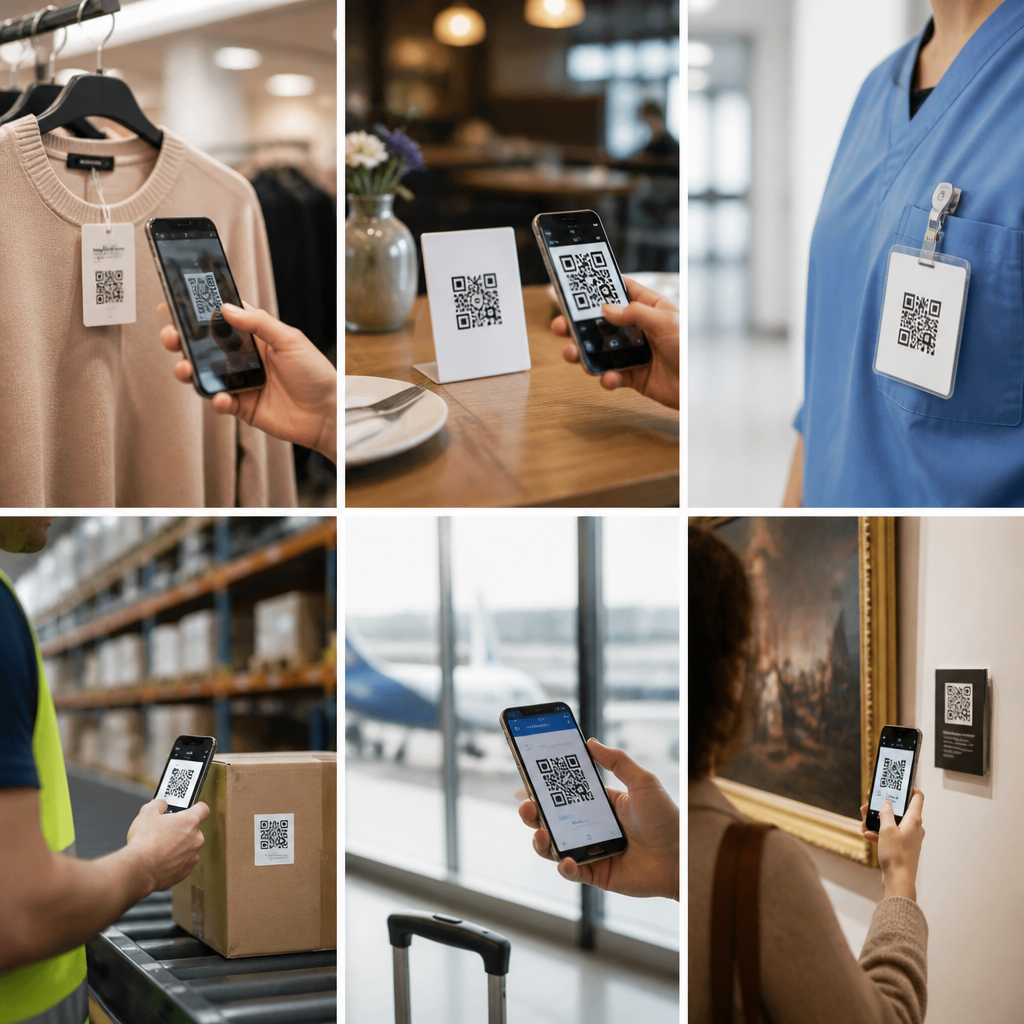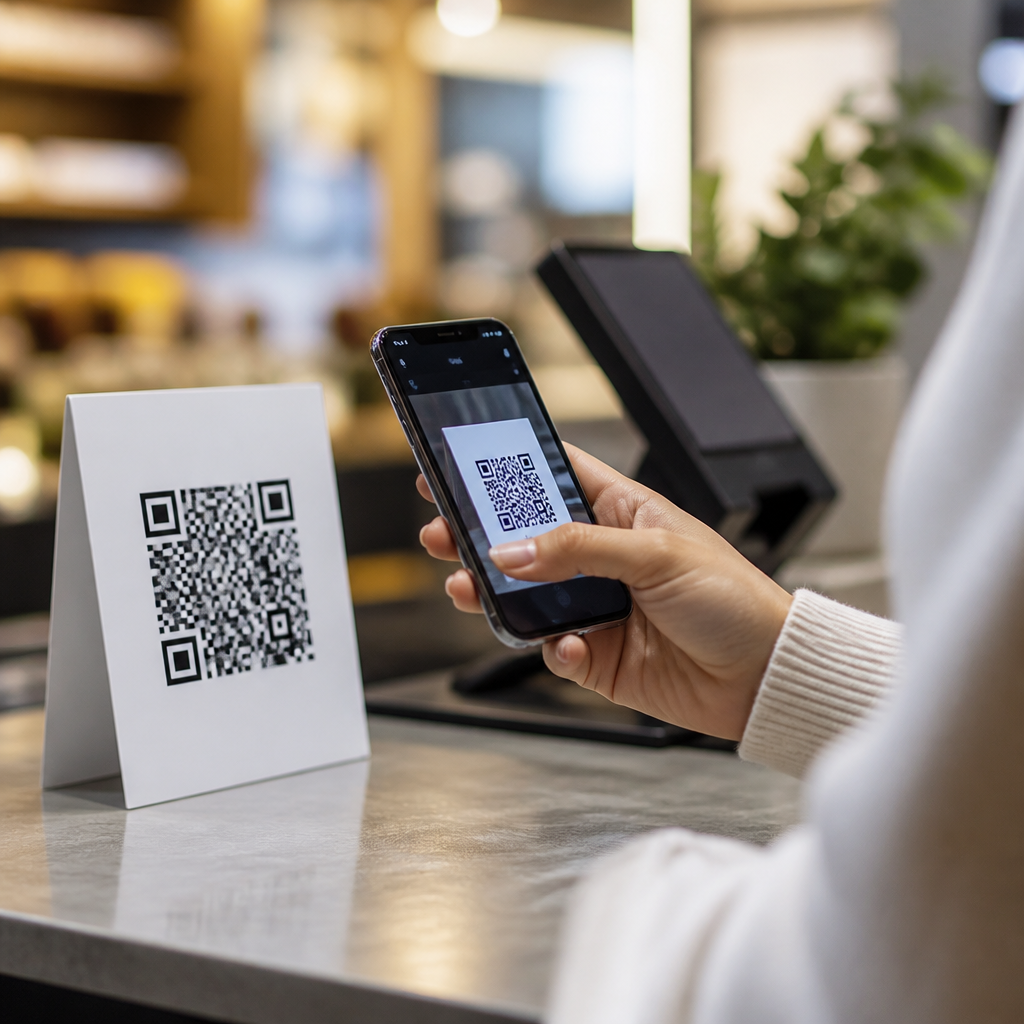
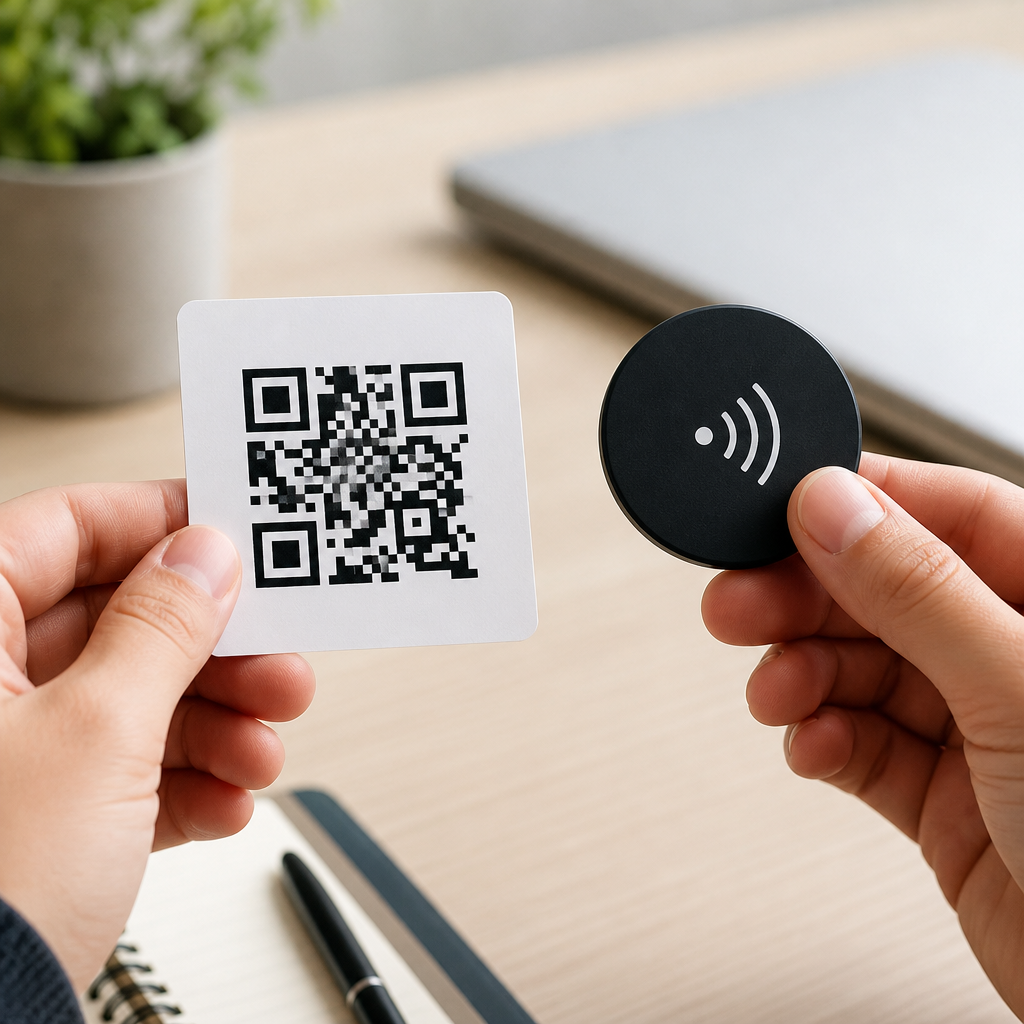
QR codes and near field communication solve the same core problem—connecting a physical object to digital information—but they do it in very different ways, and those differences matter when you choose technology for payments, product packaging, events, retail, healthcare, or industrial workflows. A QR code is a two-dimensional barcode that a camera can read, usually through a smartphone. NFC is a short-range wireless standard that lets a phone or reader exchange data with an embedded chip when devices are held close together. I have implemented both in customer journeys, and the right choice rarely comes down to novelty. It comes down to cost, user behavior, environment, security, and how much control you need after deployment.
This comparison matters because businesses increasingly need physical-to-digital tools that are measurable, scalable, and easy for ordinary users. A restaurant deciding between table QR codes and tap-to-order tags has different constraints than a hospital labeling equipment or a brand building smart packaging. The decision also affects analytics, maintenance, accessibility, and future campaigns. QR codes are visually obvious, inexpensive, and editable when paired with dynamic redirects. NFC feels faster and more seamless, but it needs hardware, tighter proximity, and often a higher unit cost. Other technologies, including Bluetooth Low Energy beacons, RFID, and short links, also compete in specific use cases. Understanding the pros and cons of QR codes compared to NFC helps organizations avoid expensive pilots that look impressive but underperform in the field.
How QR Codes and NFC Work in Practice
A QR code stores data in a machine-readable square pattern of modules. In most business deployments, the code resolves to a URL, app deep link, vCard, menu, document, coupon, or authentication endpoint. Static QR codes encode the final destination directly, while dynamic QR codes point to a redirect service that can be updated later without changing the printed symbol. That distinction is operationally important. Dynamic codes support campaign changes, scan tracking, device segmentation, and A/B testing. Smartphones made QR mainstream because native camera apps now recognize codes without requiring a separate scanner app.
NFC works differently. It uses radio frequency communication at 13.56 MHz and typically operates within about four centimeters. An NFC tag contains a chip and antenna that can store a small payload or trigger an action such as opening a URL, launching an app intent, or sharing an identifier. In payments, NFC supports tokenized transactions through wallets like Apple Pay and Google Wallet using secure elements and standardized protocols under EMV contactless frameworks. In simpler marketing uses, NFC stickers can trigger a landing page or loyalty action with a tap. The interaction feels elegant because users do not need to frame a code or wait for focus, but they do need a compatible device with NFC enabled.
From implementation experience, the biggest misconception is that both technologies are interchangeable. They are not. QR codes are better understood by the public in signage and packaging. NFC is stronger when speed, premium feel, or secure device-to-tag interaction matters. Friction appears in different places: QR depends on camera visibility and user aiming, while NFC depends on chip placement, phone support, and tap awareness.
Advantages of QR Codes Over NFC
The clearest advantage of QR codes is cost. Printing a QR code on paper, labels, packaging, posters, receipts, manuals, or screens costs almost nothing beyond design and ink. NFC requires a physical tag with a chip and antenna, and the price rises with memory, durability, tamper resistance, and material constraints. At scale, that unit economics gap is decisive. A consumer packaged goods brand can place QR codes on millions of boxes with minimal incremental cost, while NFC on every item may be hard to justify unless the product margin is high or the value of anti-counterfeit and engagement features is substantial.
QR codes also win on compatibility and visibility. Nearly every smartphone with a camera can scan one, regardless of platform. The code is visible, so users understand that interaction is available. That visual cue matters in public environments where you want to invite action, such as “scan to pay,” “scan for ingredients,” or “scan for assembly instructions.” NFC is invisible unless marked, which can reduce discovery. Many failed tap campaigns were not technical failures; people simply did not realize a tag was present or where to tap.
Another major strength is flexibility after printing. Dynamic QR platforms allow destination changes, analytics by location, and campaign governance without replacing the asset. I have seen retailers reuse the same shelf labels across seasonal promotions by changing the redirect layer in minutes. That is harder with NFC when the tag payload itself needs updating, especially once tags are embedded or widely distributed. QR also supports easier quality control. Teams can visually inspect whether a code exists, whether contrast is sufficient, and whether placement follows print standards.
For broad distribution and offline-to-online acquisition, QR codes are the more practical default. They perform well on packaging, out-of-home ads, invoices, museum labels, classroom materials, and temporary event signage. They can be generated in bulk, localized by market, and tested with ordinary phones. Because the code can be printed large, it supports distance scanning in some settings, something NFC cannot do by design.
Advantages of NFC Over QR Codes
NFC’s biggest advantage is friction reduction at the moment of interaction. Tapping can be faster than opening a camera, aligning the code, and waiting for recognition. In high-throughput or repeat-use situations, those seconds matter. Transit gates, access control, contactless payments, and staff identification benefit from immediate close-range interaction. NFC also feels more premium in branded experiences. Luxury retail, smart business cards, and hospitality check-in flows often use tap interactions because they signal convenience and modernity.
NFC can also support stronger security models in specific contexts. A printed QR code can be copied, photographed, or overlaid with a malicious sticker. NFC tags can still be cloned in some circumstances, but secure implementations can use unique identifiers, cryptographic challenge-response, password protection, lock bits, and app-level verification. This is why NFC is central to contactless payment ecosystems and some authentication workflows, whereas QR payments often rely more heavily on the security of the linked backend process than on the code itself.
Another practical benefit is performance in poor visual conditions. QR codes require line of sight, adequate contrast, and enough light for camera capture. Scratches, glare, curved surfaces, or low-resolution printing can reduce scan success. NFC does not care about darkness or visual clutter, and tags can be hidden under materials such as paper or plastic, depending on antenna design and nearby metal interference. That makes NFC useful in wearables, equipment check-in, and reusable assets where aesthetics or environmental exposure matter.
Tradeoffs, Limits, and Real-World Use Cases
The strongest deployments usually start with the use case, not the technology. For restaurant menus, QR codes remain the pragmatic choice because they are cheap, obvious, and easy to replace. For tap-to-pay at checkout, NFC is better because customers expect contactless wallet support and transaction speed. For event badges, a printed QR may be enough for check-in, but NFC often improves staff workflows when repeated taps happen all day. In healthcare, QR labels can expose manuals and maintenance logs, while NFC tags on equipment can streamline audit trails in low-light environments.
| Technology | Best strengths | Main limits | Typical uses |
|---|---|---|---|
| QR codes | Lowest cost, visible call to action, dynamic redirects, broad phone compatibility | Needs camera, lighting, line of sight, vulnerable to code replacement | Packaging, menus, posters, onboarding, payments by link |
| NFC | Fast tap experience, close-range intent, secure frameworks available, works without visual scan | Higher unit cost, requires tag hardware, shorter range, lower discoverability | Contactless payments, access control, smart cards, premium packaging |
| BLE beacons | Continuous proximity awareness, room-level presence, app-based triggers | App dependency, privacy concerns, battery management | Indoor navigation, asset tracking, venue experiences |
| RFID | Bulk reading, logistics efficiency, non-line-of-sight inventory | Reader infrastructure cost, limited direct consumer interaction | Warehousing, supply chain, apparel inventory |
Other technologies matter because “QR codes vs NFC” is often really a broader systems decision. Bluetooth Low Energy beacons are useful when you need ambient proximity rather than deliberate scans or taps, but they usually depend on an installed app and tighter consent management. RFID excels in warehousing and inventory because readers can capture many tags quickly without consumer phones involved. Plain short URLs still work when users can type them safely, but they lack the speed and reliability of scan or tap interactions. In practice, QR and NFC often complement each other. I routinely recommend dual deployments on packaging or displays: a visible QR code for universal access and an NFC tap point for users who prefer a faster interaction.
Measurement should also shape the decision. Dynamic QR systems generally provide straightforward analytics: scans, timestamps, approximate location, device type, and conversion path when integrated with analytics platforms. NFC analytics can be strong too, but they depend more on the software stack and tag orchestration. Neither technology automatically proves business value unless linked to outcomes such as completed payments, redeemed offers, registrations, or support deflection.
Which Technology Should You Choose?
If your priority is low cost, mass distribution, high visibility, and simple deployment, choose QR codes first. They are the best fit for packaging, print marketing, self-service information, and broad consumer access. If your priority is speed, repeat interactions, secure tap experiences, or a premium physical touchpoint, choose NFC. If you operate in logistics or large-scale asset environments, evaluate RFID. If you need passive proximity triggers in venues, consider BLE. The smartest strategy is often layered, not exclusive.
The practical takeaway is simple: QR codes are more scalable and accessible for most public-facing campaigns, while NFC is stronger where immediacy, controlled proximity, or secure hardware-backed interaction creates measurable value. Before launching, test with real users, different phone models, varied lighting, and clear signage. Then connect the interaction to analytics and conversion goals. Choose the technology that fits the behavior you need, not the one that sounds most advanced.
Frequently Asked Questions
What is the main difference between QR codes and NFC?
The main difference is how each technology connects a physical object to digital content. A QR code is a printed, visual marker that a smartphone or scanner reads with a camera. NFC, or near field communication, uses a tiny embedded chip and short-range radio communication to exchange data when a compatible phone or reader is brought very close to it. In simple terms, QR is optical and visible, while NFC is wireless and embedded.
That technical distinction leads to meaningful practical differences. QR codes are inexpensive, easy to print, and simple to deploy at scale on packaging, posters, menus, labels, tickets, and signs. Because they are visible, users instantly know where to point their camera. NFC is more seamless from a user experience standpoint because people can often just tap rather than open a camera app and align a code. However, NFC requires a physical tag or chip, which increases cost and adds manufacturing and deployment considerations.
Range also matters. QR codes can be scanned from a distance if they are large enough and well lit, making them useful for displays, storefronts, and event signage. NFC works only at very close range, which can be an advantage when intentional interaction is important, such as access control, payments, or secure handoffs. So while both technologies solve the same general problem, they are optimized for different environments, budgets, and user interactions.
Are QR codes cheaper and easier to deploy than NFC?
Yes, in most cases QR codes are significantly cheaper and easier to deploy than NFC. A QR code can be generated digitally in seconds and printed on almost any surface without special materials or electronics. That makes it attractive for businesses that need a low-cost bridge between physical items and digital destinations, especially at high volume. If you are labeling products, printing promotional materials, adding links to receipts, or placing codes in public spaces, QR usually has the lowest barrier to entry.
NFC deployment is more involved because it depends on physical chips, tags, cards, stickers, or embedded inlays. Those components must be purchased, encoded, attached, and sometimes integrated into packaging or devices. That raises both unit cost and operational complexity. In a campaign involving thousands or millions of items, the cost difference between printing a QR code and installing an NFC tag can become substantial.
That said, “easier” depends on the use case. If the goal is a polished tap interaction, anti-tampering features, or a reusable smart object, NFC can justify the extra investment. It may also reduce friction in settings where scanning is inconvenient, such as quick check-ins, secure access points, or environments where speed matters. But strictly from a cost and deployment perspective, QR codes are generally the simpler and more economical option.
Which is better for user experience: scanning a QR code or tapping NFC?
It depends on the context, but NFC often delivers the smoother interaction when supported properly. Tapping a phone to a tag can feel almost effortless because users do not need to frame an image, manage glare, or hold the device steady. In fast-paced workflows such as payments, employee checkpoints, hotel access, or device pairing, that speed and simplicity can be a major advantage.
QR codes, however, have their own user experience strengths. They are highly visible, familiar, and platform-independent in the sense that almost every smartphone camera can read them. People can also scan a QR code without being physically close, which is useful for displays, restaurant ordering, event boards, and product shelves. In situations where many people need to interact from a distance or where users benefit from seeing an obvious call to action, QR can actually feel more intuitive than NFC.
The downside is that QR performance depends on environmental conditions. Poor lighting, reflective surfaces, damaged printing, awkward placement, or small code size can create friction. NFC avoids many of those issues but introduces others, such as uncertainty about where to tap, whether the user’s device supports the interaction, or whether the tag is placed correctly inside an object. So the better experience is not universal. NFC often wins for close-range convenience, while QR often wins for visibility, accessibility, and broad discoverability.
How do QR codes and NFC compare in security and reliability?
Neither technology should be treated as inherently “secure” on its own; security depends heavily on implementation. QR codes are easy to reproduce, copy, replace, or redirect if no safeguards are in place. For example, a malicious actor can cover a legitimate code with a fake one that points to a phishing site. That risk is one reason organizations should use trusted domains, monitor destinations, and clearly brand QR experiences so users can better recognize authentic interactions.
NFC can provide stronger control in some scenarios because the tag is embedded and requires close proximity, making casual tampering less obvious in certain environments. Some NFC implementations can also support more advanced security features depending on the chip, reader, and application architecture. This is one reason NFC is common in payments, secure access systems, identity workflows, and controlled industrial processes. However, NFC is not automatically secure either. Poorly configured tags, weak backend security, or insecure apps can still create vulnerabilities.
In terms of reliability, QR codes are durable in their simplicity. If the printed code remains visible and undamaged, it can work indefinitely without power or electronics. NFC tags can also be reliable, but they can fail if physically damaged, poorly embedded, exposed to unsuitable materials, or deployed in environments that interfere with radio performance. For harsh industrial settings, outdoor installations, or long-lived labels, reliability depends on material quality and environmental design as much as the technology itself. In practice, QR is often easier to inspect visually, while NFC can offer a more controlled interaction when implemented well.
When should a business choose QR codes over NFC, and when is NFC the better option?
A business should usually choose QR codes when cost, scale, speed of deployment, and broad device compatibility are top priorities. QR is ideal for marketing campaigns, product packaging, restaurant menus, printed instructions, event signage, customer education, and retail shelf engagement. It is especially effective when the interaction needs to be obvious, visible from a distance, or easy to add to existing printed materials with minimal operational change.
NFC is often the better option when the experience should feel more seamless, intentional, or controlled. It works well for tap-to-pay, secure entry, identity verification, asset tracking checkpoints, healthcare workflows, smart posters, connected products, and environments where repeated close-range interactions happen quickly. Because the chip is embedded, NFC can also support cleaner industrial or product experiences where visible codes would be undesirable or where a premium interaction matters.
Many organizations ultimately use both. For example, a product package might include a QR code for universal access and an NFC tag for a faster premium tap experience. An event badge could use NFC for check-in and access control while also including a QR code for backup scanning. The best choice is not just about technology capability; it is about matching the user journey, environment, budget, security expectations, and operational realities. If visibility and affordability lead the decision, QR is usually the winner. If speed, close-range convenience, and a more integrated tap experience matter more, NFC often comes out ahead.