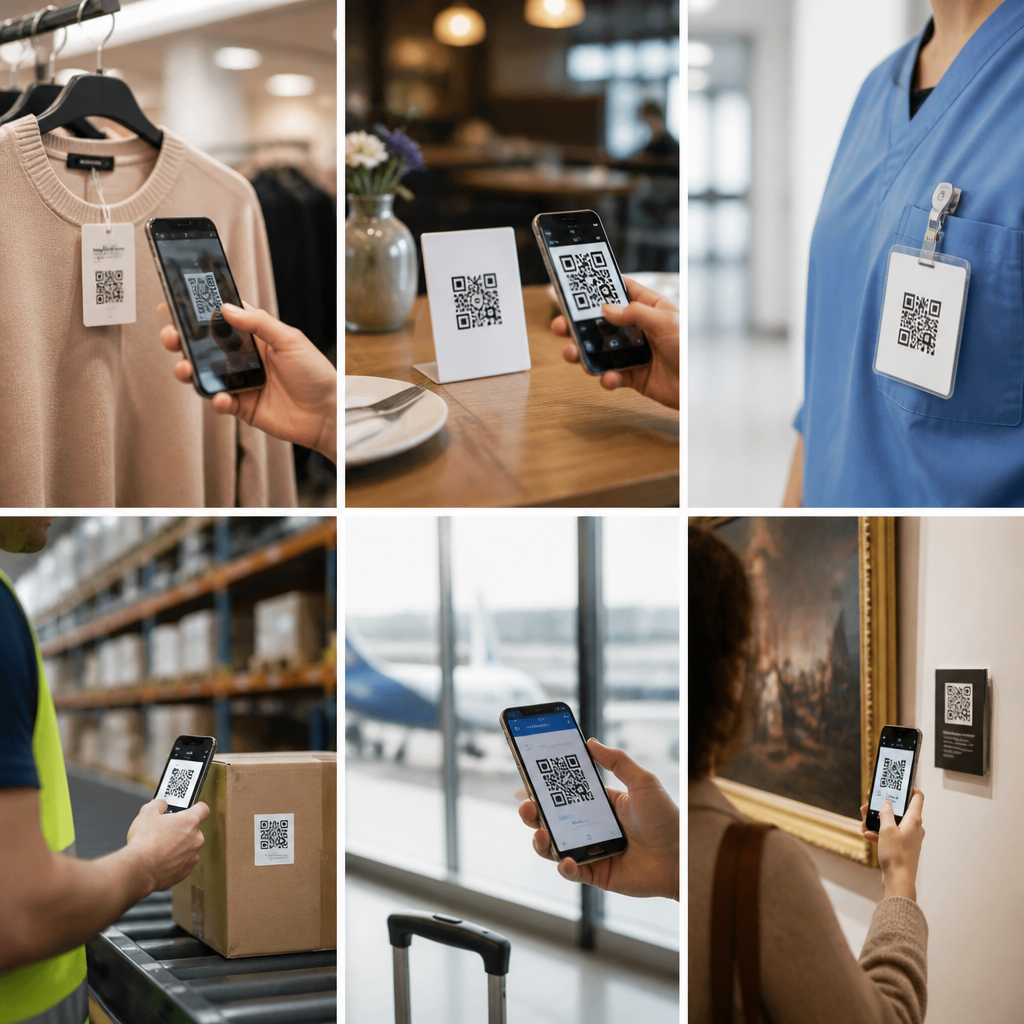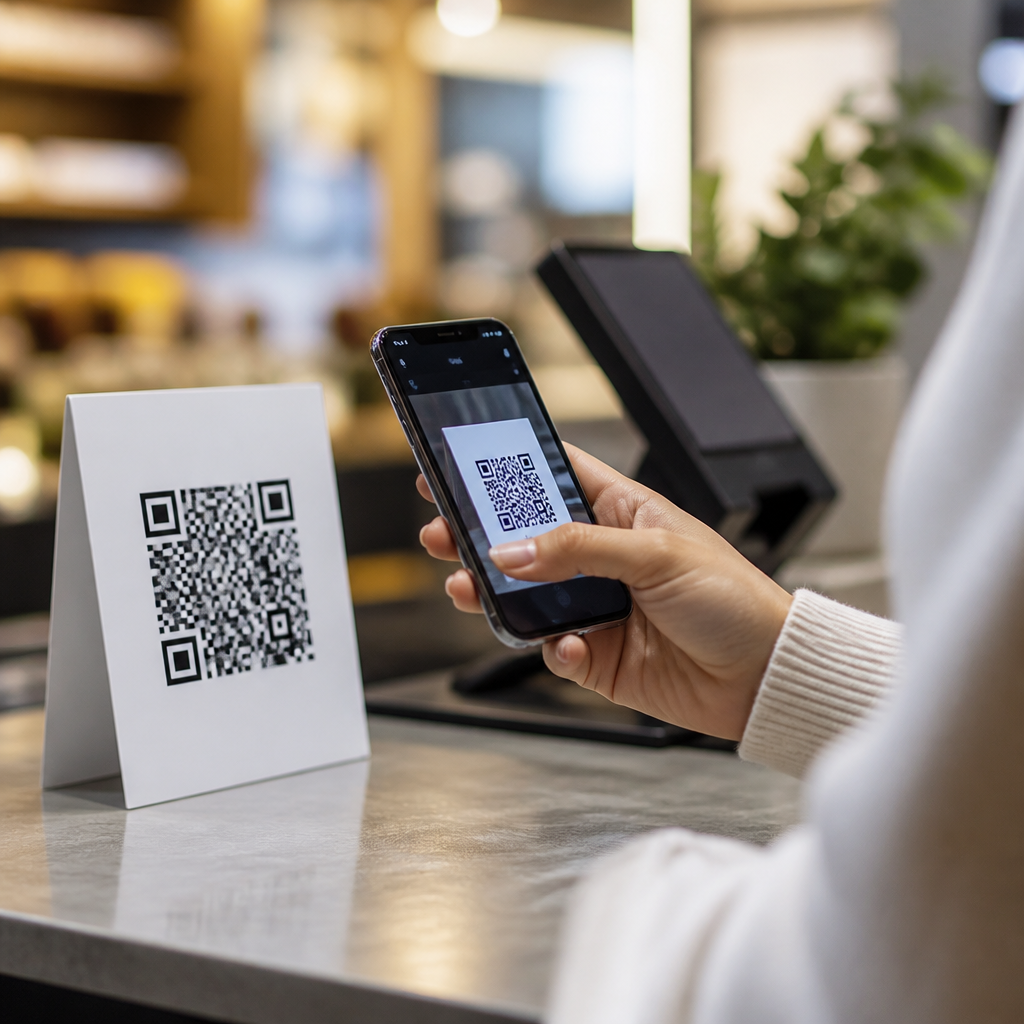
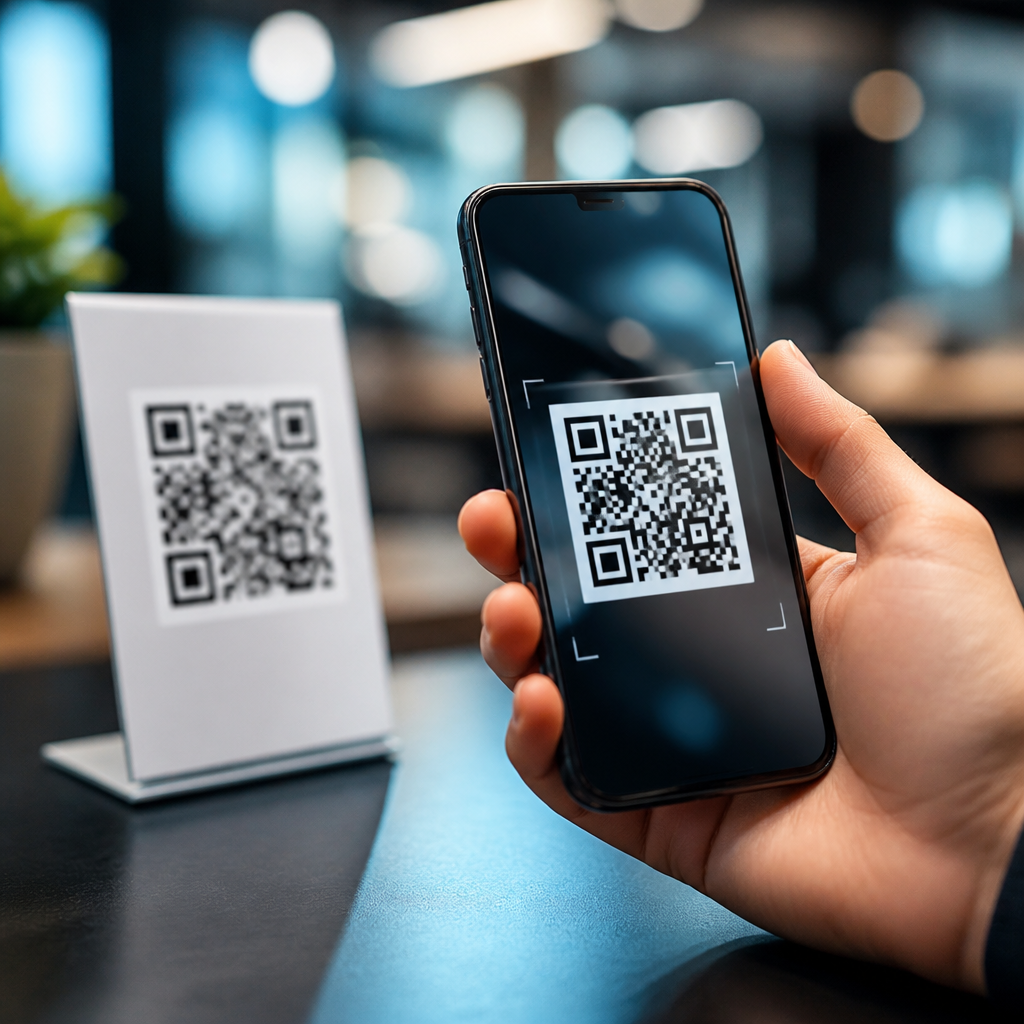
QR codes are moving from a simple scan-to-open shortcut into a core layer of mobile interaction, and the next five years will redefine how businesses, apps, and consumers use them. A QR code, or Quick Response code, is a two-dimensional matrix barcode that stores data such as URLs, payment credentials, login tokens, product identifiers, or device instructions. Mobile QR codes are the practical endpoint most people experience: a smartphone camera reads the code and triggers an action without manual typing. That friction reduction is why the format matters. In my work with mobile campaigns, retail packaging, and event systems, I have watched QR performance improve whenever the code solved a real task faster than search, forms, or app navigation.
The future of mobile QR codes matters because the supporting environment has changed. Native camera scanning is now standard on iPhone and Android devices, 5G and Wi-Fi 6 make destination pages load faster, and digital wallets, passkeys, and mobile payment rails have matured. At the same time, brands want measurable offline-to-online attribution, and consumers expect touchless, immediate access to information. These forces make QR codes more useful than they were during earlier adoption waves. The next stage is not about whether people know how to scan. It is about what happens after the scan: identity verification, secure transactions, personalized content, device pairing, and richer analytics.
Several terms define this shift. Static QR codes contain fixed data and cannot be edited after printing. Dynamic QR codes point to a redirect service, allowing the destination, tracking parameters, language rules, and device logic to change over time. Deep linking opens specific screens inside mobile apps. Tokenization replaces sensitive account details with temporary values. Error correction, based on Reed-Solomon coding, helps a damaged code remain scannable. These details matter because the future of mobile QR codes will depend less on the black-and-white square itself and more on the infrastructure behind it.
Smarter QR Codes Will Power Contextual Mobile Experiences
Over the next five years, QR codes will become more context aware even when the printed symbol stays visually identical. Dynamic routing already lets one code direct users to different destinations by device type, time, language, or location. That capability will expand. A restaurant table code may send a first-time visitor to a menu, a loyalty member to rewards redemption, and a delivery driver to pickup instructions. The best mobile QR experiences will feel personalized without requiring the user to think about the technology.
App Clips on iOS and Android App Links have shown how a scan can launch lightweight, task-specific mobile experiences without a full app install. Expect broader use of instant flows for parking payments, venue entry, warranty registration, and healthcare check-in. I have seen completion rates rise when the scan opens a prefilled, mobile-optimized screen instead of a generic homepage. That pattern will become standard. QR codes will increasingly act as compact entry points into modular mobile journeys rather than blunt links to websites.
Packaging will also become more intelligent. Brands are under pressure to place traceability, ingredient, recycling, and compliance information on limited label space. In Europe, the Digital Product Passport initiative is accelerating interest in machine-readable product data. A single mobile QR code on packaging can connect shoppers to batch information, authenticity checks, usage videos, and post-purchase support. In practical terms, this means the same code may serve marketing, customer service, and regulatory functions at once.
Payments, Identity, and Access Will Drive Mainstream Adoption
The strongest growth area for the future of mobile QR codes is transaction-based use. Consumers already scan codes to pay in markets shaped by Alipay, WeChat Pay, PayPay, and UPI. That behavior is spreading because QR payments are inexpensive to deploy compared with dedicated card terminals, especially for small merchants, pop-up shops, and service businesses. When the code links to a wallet, bank app, or tokenized checkout, the phone becomes both the scanner and the payment instrument.
Identity is the next major layer. Mobile QR codes are increasingly used for event tickets, airline boarding passes, visitor management, age verification, and secure login. The important change is that these scans will tie more closely to cryptographic trust. A future-facing login flow may present a rotating QR code on a desktop screen, then ask the user to confirm on a phone with biometrics and a passkey. That is faster and safer than passwords because the code initiates the session while the credential never leaves the secure enclave or device key store.
Access control will benefit as well. Offices, hotels, campuses, and gyms can issue time-limited mobile QR credentials that expire automatically. This reduces plastic badge overhead and limits misuse. The tradeoff is obvious: if systems are poorly configured, screenshots or reused codes can create fraud risk. The solution is not abandoning QR access. It is using signed payloads, short validity windows, server-side validation, and device binding where appropriate.
Security Standards Will Separate Reliable QR Programs From Risky Ones
As mobile QR use expands, security will become the dividing line between trusted and ignored implementations. QR phishing, sometimes called quishing, works because users cannot visually inspect a destination URL before tapping. Over the next five years, the most successful QR deployments will add trust signals before and after the scan. Branded domains, HTTPS, HSTS, certificate transparency monitoring, and mobile landing pages that clearly state the expected action will reduce confusion.
Organizations will also improve governance. In my experience, QR failures often come from operational shortcuts: expired redirects, unmanaged third-party generators, or codes printed without ownership records. Mature programs maintain an inventory of codes, destination rules, campaign dates, and test logs. Security teams will increasingly require redirect allowlists, malware scanning of destinations, and analytics anomaly detection to flag suspicious spikes. These controls are standard digital hygiene, but they matter more when a physical code can remain in the field for years.
Consumers will get better platform-level protection too. Mobile operating systems and browser vendors are already labeling risky sites and limiting abusive redirects. Expect cameras and wallets to surface clearer preview information, especially for payment and identity actions. The net result is not that QR codes become risk free. Rather, they become safer when managed through the same disciplined controls used for authentication, commerce, and mobile web experiences.
Analytics and Omnichannel Measurement Will Become More Precise
Marketers adopted dynamic QR codes because they make offline activity measurable, but the next stage of analytics will go much deeper than scan counts. Businesses will connect scans to session quality, conversion rate, repeat visits, store traffic, assisted revenue, and customer lifetime value. A code on direct mail can be compared against paid social using consistent UTM structures, first-party analytics, and CRM attribution. A code on shelf signage can be tied to inventory availability and regional sales lift.
The operational difference between basic and advanced programs is shown below.
| Capability | Basic QR Deployment | Advanced Mobile QR Deployment |
|---|---|---|
| Destination | Single fixed URL | Dynamic routing by device, location, language, and audience |
| Measurement | Scan totals only | Scans, sessions, conversions, assisted revenue, retention |
| Security | Unmanaged redirects | Branded domain, HTTPS, signed flows, monitoring |
| Mobile UX | Generic webpage | Deep links, wallet passes, instant actions, prefilled forms |
| Governance | Ad hoc creation | Inventory, ownership, expiration rules, QA process |
Tools such as Google Analytics 4, Adobe Analytics, Branch, AppsFlyer, and major CRM platforms already support parts of this stack. What changes next is integration discipline. Teams will design QR programs with event schemas, consent handling, and reporting dashboards from the start. That shift matters because leaders increasingly expect offline media to prove digital outcomes with the same rigor as performance marketing.
Design, Accessibility, and Form Factors Will Expand Beyond Print
People often think of QR codes as printed squares on posters, packaging, or receipts, but mobile use cases are broadening across screens, wearables, vehicles, and connected devices. A smart TV can show a QR code to simplify account linking. A vehicle dashboard can display one for service history or EV charging setup. Smart appliances can use QR onboarding to pair with companion apps. These examples work because scanning with a phone is often easier than typing long IDs with a remote or tiny keypad.
Design standards will evolve alongside these uses. Contrast, quiet zone spacing, module density, and placement still determine scan reliability, especially under glare or at distance. Branded customization will continue, but practical limits remain. I have had to replace many overdesigned codes where logos, gradients, or low contrast hurt recognition. The future favors codes that balance visual identity with fast decoding on midrange phone cameras in imperfect lighting.
Accessibility will become a bigger requirement, not an afterthought. A QR code alone is insufficient if users need alternative paths, readable instructions, or support for assistive technology. Best practice is to pair the code with clear text, a short URL when feasible, and context that explains the outcome of the scan. As regulations and procurement standards tighten, accessible mobile QR implementation will move from recommended to expected.
What Businesses Should Do Now to Prepare
Companies that want to benefit from the future of mobile QR codes should start with infrastructure, not artwork. Use dynamic codes on owned domains. Build mobile landing pages that load quickly and match scan intent. Apply deep links where an app adds value, but do not force app installs for simple tasks. Establish naming conventions, campaign taxonomy, QA checklists, and expiration policies. If the code supports payment, access, or identity, involve security and legal teams early.
It is also smart to test real environments. A code that scans perfectly on a designer’s monitor may fail on reflective packaging, curved bottles, outdoor signage, or dim event lighting. Test with multiple devices, camera apps, and network conditions. Review analytics weekly, not just at launch. Broken redirects, slowed pages, or mismatched messaging can silently destroy performance. The teams that win with QR over the next five years will treat it as a mobile product surface, not a one-time print asset.
QR codes will evolve because mobile behavior keeps rewarding speed, trust, and convenience. In the next five years, the format will become more dynamic, more secure, and more deeply tied to payments, identity, analytics, and connected products. The black-and-white square will remain familiar, but the systems behind it will do far more work. For brands, the main benefit is simple: a well-designed QR program shortens the distance between physical attention and digital action. Audit your current mobile QR experience, fix weak points, and build for the next generation now.
Frequently Asked Questions
1. How will QR codes change over the next five years?
Over the next five years, QR codes will evolve from a basic “scan to open a link” tool into a much more intelligent and central part of mobile interaction. Today, many people think of QR codes as a shortcut to a website, menu, app download, or payment page. In the near future, they will increasingly function as flexible access points into personalized digital experiences, secure identity verification flows, connected devices, loyalty systems, retail journeys, and real-time product information.
One major shift will be deeper integration with smartphones, operating systems, and apps. Instead of simply opening a browser page, scanning a code may trigger contextual actions such as signing in, proving membership status, pairing a device, activating an offer, loading stored payment credentials, or launching a specific in-app function. In practice, that means QR codes will feel less like external labels and more like a native part of mobile behavior.
Another important change will be the growth of dynamic QR codes. These allow the destination or action behind a code to be updated without changing the printed graphic itself. Businesses will use this flexibility to support time-sensitive promotions, inventory-specific product pages, multilingual customer experiences, localized content, and campaign analytics. As more companies adopt dynamic code management, QR codes will become easier to maintain and far more strategic as a long-term business asset.
Design and trust will also improve. Consumers are becoming more aware of security risks, so brands and platforms will likely put more emphasis on branded, verified, and trackable QR experiences. Combined with stronger authentication layers, better app handoffs, and richer scan experiences, QR codes are expected to become a reliable interface layer between the physical world and digital systems.
2. What industries are most likely to benefit from the next generation of QR codes?
Several industries are especially well positioned to benefit, but retail, payments, healthcare, hospitality, logistics, manufacturing, education, and consumer electronics are likely to see some of the biggest gains. The reason is simple: these sectors all rely heavily on fast, mobile-friendly interactions between people, products, places, and systems. QR codes reduce friction at exactly those touchpoints.
In retail, QR codes will support product discovery, instant reviews, personalized offers, self-checkout flows, loyalty enrollment, and post-purchase engagement. A shopper might scan a code on packaging to verify authenticity, see sustainability data, watch setup instructions, or access replenishment options. In payments, QR codes will continue expanding as a low-friction method for peer-to-peer transfers, in-store purchases, invoice settlement, and cross-border commerce, especially in markets where contactless mobile payments are growing quickly.
Healthcare is another major area of growth. QR codes can streamline patient intake, prescription verification, appointment check-in, device instructions, telehealth access, and secure delivery of test results or educational materials. In hospitality, hotels, restaurants, and travel brands can use QR codes for room access, digital menus, multilingual service requests, guided check-in, venue navigation, and personalized upsell opportunities.
Logistics and manufacturing will benefit from better traceability and operational visibility. QR codes can carry product identifiers, maintenance records, batch data, handling instructions, and workflow triggers that connect physical goods to enterprise systems. Education and events will also see expanded use in attendance tracking, resource distribution, campus navigation, interactive exhibits, and credential verification. In short, any industry that needs to connect a physical object or location to a digital action can gain from the next phase of QR code adoption.
3. Will QR codes become more secure in the future?
Yes, security is likely to become one of the most important areas of QR code evolution. While QR codes themselves are simply data containers, the ecosystem around them is becoming more sophisticated. The next five years will likely bring stronger safeguards at the operating system, browser, app, and enterprise platform levels, helping users better understand what they are scanning and reducing the risk of malicious redirects, spoofed codes, and phishing attempts.
One likely development is broader use of verified or branded QR experiences. Businesses will increasingly want consumers to know that a scan leads to an authentic destination, not a tampered or fraudulent one. That may include clearer visual branding, trusted short domains, secure app deep links, tokenized actions, and scan validation layers that confirm the legitimacy of the code before a sensitive action takes place.
QR codes will also play a larger role in secure authentication. Instead of entering passwords manually, users may scan a code to approve a login, connect a trusted device, validate an account session, or authorize a transaction. In these cases, the QR code is not acting as a public web shortcut but as part of a time-sensitive, encrypted exchange. This approach can improve both convenience and security when implemented correctly.
That said, better technology does not eliminate the need for smart user behavior. Consumers will still need to be cautious when scanning codes in public spaces, especially if they appear altered, unbranded, or suspiciously placed. Businesses, for their part, will need to adopt secure generation, destination management, and monitoring practices. Overall, the future points to QR codes becoming safer not because the square itself changes, but because the surrounding systems become more intelligent, more transparent, and more secure.
4. How will businesses use QR codes differently than they do today?
Businesses will move from using QR codes as one-off marketing add-ons to treating them as a persistent digital infrastructure layer. Today, many companies still use QR codes in a fairly limited way, such as linking to a homepage, menu, or app store page. Over the next five years, that approach will become much more strategic. QR codes will increasingly support lifecycle engagement, operational efficiency, first-party data collection, customer service, and omnichannel commerce.
For example, a single QR code on product packaging could serve multiple roles over time. At the point of sale, it might provide product details and social proof. After purchase, it could guide setup, registration, or warranty activation. Later, it could support customer support, accessories, replenishment, upgrades, or recycling instructions. This kind of long-term utility makes QR codes far more valuable than a one-time campaign touchpoint.
Businesses will also rely more heavily on dynamic content, segmentation, and analytics. Rather than sending every user to the same destination, companies will tailor scan outcomes based on language, location, device type, time of day, referral source, or customer status. A returning customer might see loyalty rewards, while a first-time scanner sees introductory education. These personalized experiences can improve conversion rates and make QR codes a measurable performance channel instead of a passive convenience feature.
Internally, businesses will use QR codes to simplify workflows such as asset tracking, employee access, equipment setup, maintenance logging, inventory movement, and training delivery. In other words, QR codes will matter not only for customer-facing experiences but also for back-end operations. The companies that benefit most will be the ones that stop seeing QR codes as printed symbols and start seeing them as programmable connection points between physical environments and digital systems.
5. Could QR codes replace apps, websites, or other mobile technologies?
QR codes are unlikely to replace apps or websites outright, but they will increasingly act as a powerful bridge to them. Their real value is not that they compete with other technologies, but that they reduce friction between offline moments and digital actions. A QR code can instantly connect a person to the right app screen, the right mobile web experience, the right payment flow, or the right device command without requiring manual search or navigation.
In many cases, QR codes will make apps more useful rather than less important. For example, a user may scan a code to open a specific function inside a retailer’s app, pair smart hardware, redeem a membership benefit, or verify identity during login. In this sense, QR codes become an activation mechanism for app ecosystems. They also help businesses deliver mobile experiences to users who do not yet have an app installed, making them a practical entry point for wider engagement.
Websites will remain essential because most QR code experiences still need a digital destination or service layer behind them. What will change is how users arrive there. Instead of typing URLs, searching manually, or navigating through menus, more users will enter digital experiences through camera-based interactions. That shift may seem small, but it has big implications for usability, conversion, and customer behavior.
The most accurate way to think about the future is this: QR codes will not replace the mobile web, apps, payments, identity platforms, or connected devices. They will increasingly unify them. As camera scanning becomes more natural and mobile systems become better at interpreting encoded actions, QR codes will serve as a lightweight but powerful interface between the physical and digital worlds, making countless interactions faster, simpler, and more context-aware.