QR code usage trends in 2026 show a technology that has moved far beyond restaurant menus and contactless payments into a durable layer of customer communication, product identity, and operational efficiency. A QR code, or Quick Response code, is a two-dimensional matrix barcode that stores data such as a URL, payment request, product identifier, app deep link, or authentication token. When scanned through a smartphone camera or industrial scanner, the code resolves instantly, making it one of the lowest-friction bridges between offline objects and digital actions. That simple bridge explains why QR code usage statistics matter: they reveal how consumers discover products, how businesses track campaigns, and how industries modernize workflows without expensive hardware changes.
In my work with retail, events, and packaging teams, the biggest shift has not been whether QR codes work, but where they now fit in the customer journey. Five years ago, most clients asked whether users still needed a separate scanning app. In 2026, that question is largely gone because native smartphone camera support is standard across current iPhone and Android devices. The better questions are about scan rates, completion rates after the scan, dynamic code governance, fraud prevention, and how first-party analytics from QR campaigns compare with paid social or email attribution. Those are the metrics that separate novelty from measurable performance.
As a hub for QR code usage statistics, this article covers the core patterns businesses need to understand now: where scans are growing, which sectors are driving adoption, what user behavior looks like, how dynamic codes improve performance, and what limitations still apply. It also explains why 2026 is a pivotal year. Privacy restrictions have weakened some traditional digital tracking methods, while rising costs in advertising have increased the appeal of owned channels such as packaging, signage, receipts, direct mail, and in-store displays. QR codes convert those physical touchpoints into trackable digital entry points. For brands, publishers, healthcare systems, and logistics operators, that makes QR code usage data strategically important rather than merely interesting.
QR code adoption in 2026 is broad, routine, and measurable
QR code adoption in 2026 is best understood as mainstream behavior rather than emerging behavior. Consumer familiarity is high because scanning now happens across everyday settings: paying at a cafe, checking a train schedule, opening a warranty form, joining a Wi-Fi network, claiming a coupon, or verifying a medicine package. Industry research from sources such as Statista, GS1, and major QR platform providers consistently points to sustained year-over-year growth in scans, especially in retail, food service, events, and logistics. The exact totals vary by methodology, but the direction is clear: more businesses deploy codes, more consumers recognize them, and more campaigns are instrumented to measure outcomes after the scan.
One reason QR code usage statistics have become more reliable is that the market now distinguishes between static and dynamic codes. A static QR code points to a fixed destination and cannot be edited once printed. A dynamic QR code uses a short redirect URL, letting teams change the destination, add UTM parameters, pause campaigns, or segment traffic by location and time. In practical terms, dynamic codes create better statistics because they support scan logging, A/B testing, and lifecycle management. When I audit underperforming campaigns, static codes are often the problem: marketing teams can count prints, but they cannot accurately compare placements, update a broken landing page, or route mobile users to the right app store.
Adoption is also rising because QR implementation costs are low. A code can be generated in minutes, printed almost anywhere, and scanned without training. Compare that with NFC tags, dedicated kiosks, or custom app development, and the appeal becomes obvious. The barrier is no longer technology access; it is execution quality. Poor contrast, tiny print sizes, weak calls to action, or irrelevant landing pages still suppress results. Good QR code usage statistics always reflect both distribution and design discipline.
Which industries generate the strongest QR code usage statistics?
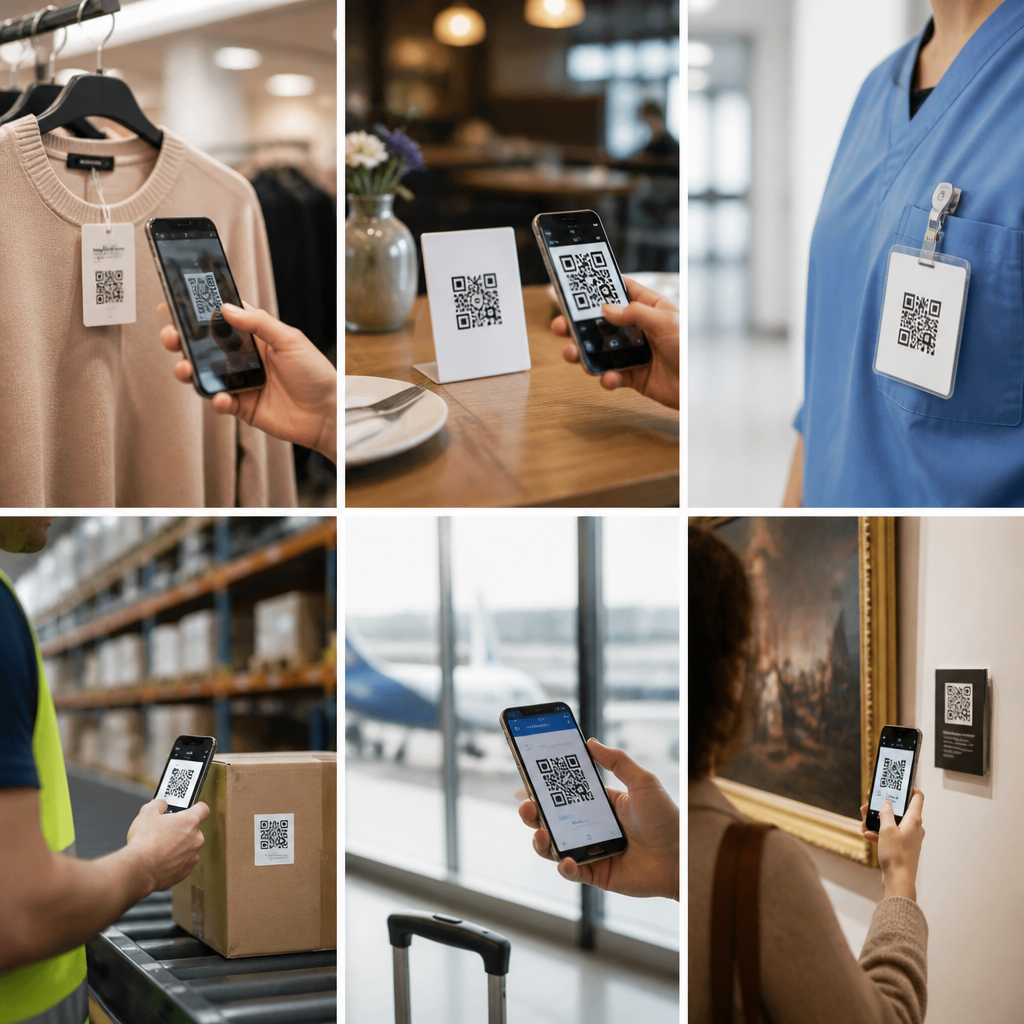
Retail remains the most visible driver of QR code usage statistics because codes appear on shelf talkers, packaging, receipts, and storefront windows. In-store, they commonly link to reviews, inventory details, coupons, and loyalty enrollment pages. On packaging, they connect buyers to recipes, how-to videos, recycling instructions, and reorder flows. Consumer packaged goods brands increasingly treat the package as media inventory, and QR codes are the gateway. This matters because packaging reaches buyers after the sale, when paid ads no longer control attention. A beverage brand, for example, can run one national print design and use dynamic routing to send users in different regions to localized promotions.
Healthcare is another major growth category. Hospitals and clinics use QR codes for digital intake, wayfinding, appointment check-in, patient education, and prescription support content. Pharmaceutical manufacturers use serialized or batch-linked codes to support authentication and traceability, especially where anti-counterfeit efforts are tied to regulatory expectations. The healthcare use case tends to produce strong completion rates because the user intent is immediate and practical. If a patient scans a code to confirm pre-procedure instructions, the content is directly useful, not promotional.
Events, travel, and transportation continue to depend on QR codes for ticketing, boarding, access control, and live engagement. Airlines, rail operators, and venue managers value QR codes because they reduce physical handling and support real-time validation. Logistics and manufacturing use them less visibly but at massive scale for asset tracking, inventory movement, workstation instructions, and maintenance logs. In these environments, QR code usage statistics are measured in scan accuracy, labor time saved, and error reduction rather than marketing clicks.
| Industry | Common QR code use | Primary metric tracked |
|---|---|---|
| Retail | Packaging, offers, product details | Scan-to-purchase rate |
| Healthcare | Check-in, education, verification | Form completion rate |
| Events and travel | Tickets, boarding, access | Validation speed |
| Logistics | Asset and inventory tracking | Error reduction |
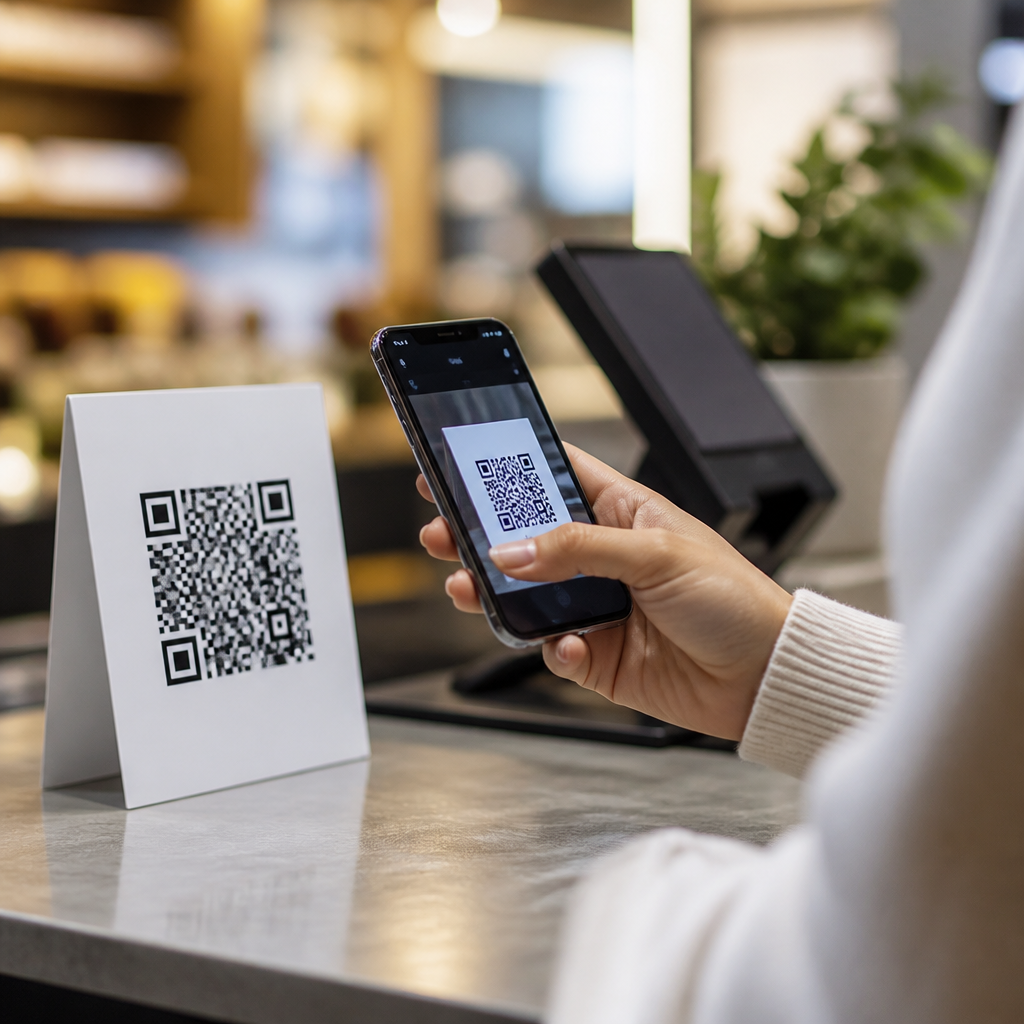
| Restaurants | Menus, payment, loyalty | Order conversion rate |
Consumer behavior data explains why some QR campaigns outperform others
The best QR code usage statistics are not raw scan totals; they are behavioral metrics tied to intent. A thousand scans mean little if bounce rates are high or if the destination loads slowly. In campaign reviews, I look first at scan-through rate by placement, then landing page load time, completion rate, and repeat scans. Repeat scans are especially revealing. On product packaging, they often indicate continuing utility, such as reordering supplies or checking assembly instructions. On event posters, repeat scans may suggest confusion, weak signage, or users returning because they did not finish the first time.
Consumer behavior in 2026 strongly favors convenience. Users scan when the reward is obvious: save money, get access, verify authenticity, or complete a task faster. They do not scan simply because a code exists. That is why the call to action remains crucial. “Scan for ingredients and allergy info” performs better than “Scan here.” “Scan to see live inventory” outperforms “Learn more.” Specificity lowers hesitation. Good campaigns also match context. A QR code on a moving bus shelter ad should lead to a fast mobile page with one clear action, while a QR code on a product box can support deeper content because the user has more time.
Trust also shapes usage statistics. Consumers have learned that QR codes can be abused in phishing schemes, so visible branding, secure domains, and recognizable destinations materially affect scan willingness. Many organizations now place the brand name next to the code, use short branded domains, and avoid covering original codes with stickers in public spaces. These small safeguards improve both user confidence and measurable scan volume.
Dynamic QR codes, analytics, and standards are shaping the next phase
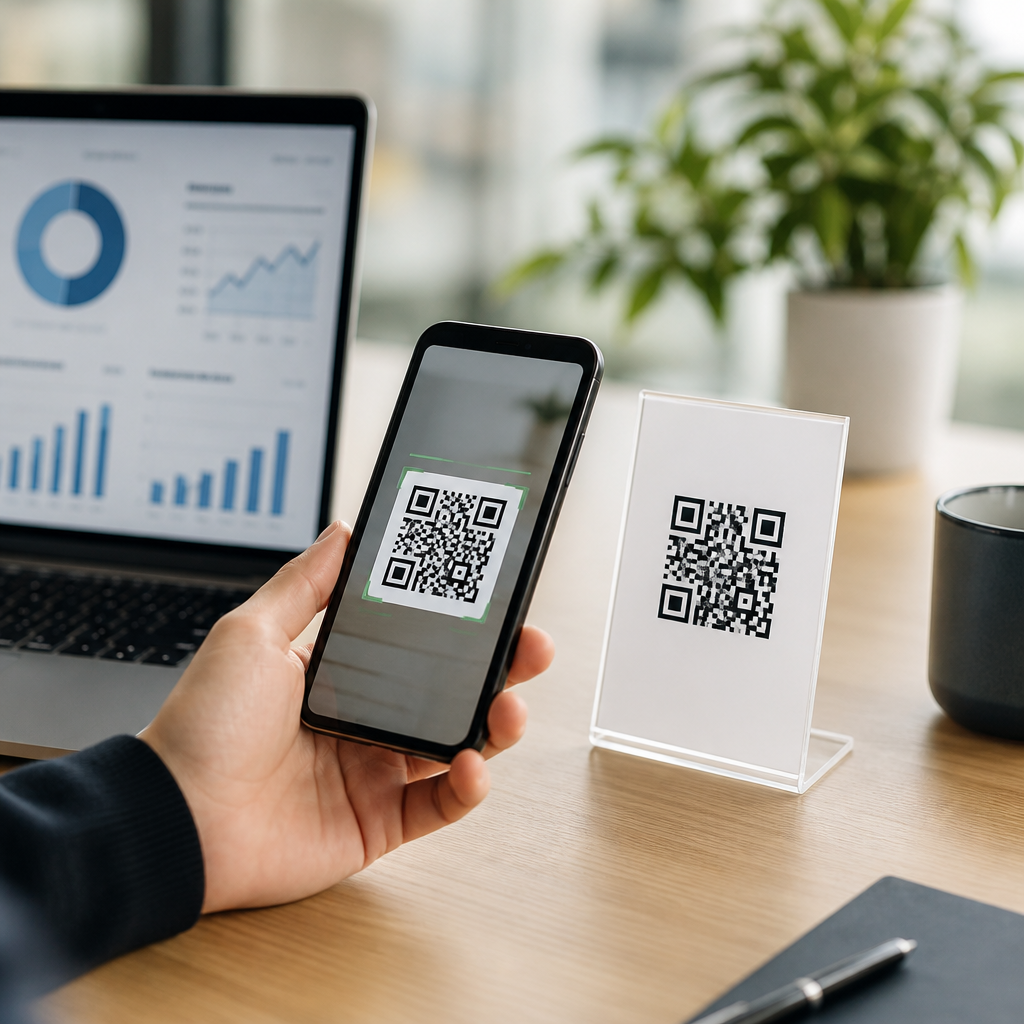
The next phase of QR code growth is not about inventing new symbols; it is about improving the data and standards behind them. Dynamic QR platforms such as Bitly, QR Code Generator PRO, Flowcode, Beaconstac, and Uniqode have pushed the market toward managed campaigns with dashboards, geolocation reporting, device segmentation, and editable destinations. For marketers, this creates a practical analytics stack. A printed code can carry UTM-tagged traffic into Google Analytics 4, a CRM, or a commerce platform, making offline media easier to compare with email, search, and paid social. That level of attribution is a major reason QR code usage statistics now matter to finance teams as well as marketers.
Standards work is equally important. GS1 Digital Link is one of the most significant developments because it enables product barcodes and QR-style product identifiers to resolve to richer web content while supporting supply chain and point-of-sale needs. As major retailers and manufacturers prepare for next-generation barcode environments, product-linked QR codes are becoming more than campaign tools. They are turning into persistent identifiers for ingredients, recalls, sustainability claims, manuals, and serialization. That shift will expand the volume and value of QR code usage data in consumer goods over the next several years.
There are still limitations. Not every audience wants to scan. Accessibility matters, including readable surrounding text, adequate code size, and alternatives for users with low vision or limited connectivity. Offline environments can reduce performance, and overusing QR codes where a simple URL would do can create friction. The most effective programs treat QR as one access method within a broader system, not a universal replacement for every interaction.
QR code usage trends in 2026 point to a mature, expanding channel that connects physical presence with measurable digital action. The strongest QR code usage statistics come from practical applications: retail packaging, healthcare workflows, event access, restaurant ordering, and logistics tracking. Across these sectors, the same pattern holds. Adoption rises when scanning is easy, the value exchange is immediate, and the destination is relevant and trustworthy. Performance improves further when teams use dynamic codes, clear calls to action, branded links, and analytics that connect scans to business outcomes rather than vanity metrics.
For companies building a QR strategy, the main benefit is straightforward: QR codes turn existing physical touchpoints into trackable, editable, lower-friction customer journeys. That makes them useful in both marketing and operations. The most successful organizations in 2026 are not treating QR codes as isolated graphics. They are governing them like digital assets, aligning them with standards, and measuring them with the same rigor applied to other channels. If you manage packaging, signage, print, customer experience, or product data, now is the time to audit every scan point, benchmark results, and expand the placements that consistently convert.
Frequently Asked Questions
1. What are the biggest QR code usage trends shaping 2026?
In 2026, QR code adoption is being driven by breadth, not novelty. What began as a convenient way to open a menu or complete a contactless payment has matured into a reliable interface between physical products, customer journeys, and digital systems. One of the biggest trends is the rise of dynamic QR codes, which allow businesses to change the destination or underlying content without replacing the printed code itself. That makes QR codes far more useful for packaging, signage, direct mail, in-store displays, and product labeling because companies can update offers, product data, regional content, or support information in real time.
Another major trend is the use of QR codes as a product identity and traceability layer. Brands are placing codes on individual items, cartons, labels, and components to connect customers, retailers, and internal teams to the same product record. A scan can reveal authenticity data, sourcing information, warranty registration, usage instructions, recall notices, or replenishment options. This is especially important in industries such as food, healthcare, manufacturing, cosmetics, and consumer electronics, where transparency and operational visibility are now expected.
QR codes are also increasingly tied to first-party data strategies. As privacy expectations evolve and businesses rely less on third-party tracking, QR codes offer a direct, measurable way to invite voluntary engagement. A customer can scan from packaging, print ads, event materials, receipts, or displays and land in a controlled digital experience where consent, personalization, and analytics are easier to manage. In short, the defining trend in 2026 is that QR codes are no longer treated as a temporary convenience. They are becoming a durable infrastructure layer for commerce, communication, authentication, and workflow automation.
2. Why are QR codes still growing in 2026 instead of fading after their earlier surge?
QR codes are still growing in 2026 because they solve a simple but persistent problem extremely well: they connect the physical world to digital action in one step. That utility has not gone away. In fact, it has become more valuable as businesses try to make packaging smarter, reduce friction in customer interactions, and improve operational efficiency without requiring expensive hardware changes. Nearly every modern smartphone can scan a QR code instantly, which means the barrier to use is now very low for consumers and workers alike.
Another reason for continued growth is that QR codes are flexible across industries and use cases. The same basic technology can support payments, app downloads, device pairing, customer support, loyalty enrollment, event check-in, product manuals, maintenance records, authentication flows, and inventory management. Few tools offer that kind of versatility while remaining inexpensive to print, easy to deploy, and familiar to the public. Businesses appreciate that a code can be placed on almost any surface, from a billboard to a shipping label, and can immediately create a measurable interaction.
Growth also continues because organizations are using QR codes more strategically than they did in earlier waves of adoption. Instead of simply linking to a homepage, companies are now building dedicated landing experiences, deep links, serialized product records, and scan-specific campaigns. That makes the scan more useful for the person holding the phone and more valuable for the business collecting insights. In other words, QR codes are not surviving on habit alone. They are expanding because they remain one of the cheapest, fastest, and most universal bridges between offline presence and digital engagement.
3. How are businesses using QR codes beyond payments and restaurant menus in 2026?
By 2026, businesses are using QR codes across the full customer lifecycle and throughout internal operations. On the customer side, QR codes commonly appear on product packaging to deliver setup instructions, ingredient or material details, sustainability disclosures, care guides, refill ordering, warranty activation, and personalized promotions. Retailers use them in stores for shelf-level product comparisons, out-of-stock alternatives, and loyalty engagement. Brands include them in direct mail, catalogs, and outdoor advertising to turn static media into trackable digital entry points.
Operationally, QR codes are being used for asset management, logistics, field service, employee training, and quality control. A technician can scan a code on a machine to pull up maintenance history, safety procedures, parts documentation, or a repair workflow. Warehouse teams can use QR codes to identify bins, shipments, or return items quickly and accurately. Manufacturers can attach codes to components to support traceability from production through distribution. In healthcare and regulated sectors, QR codes can also support chain-of-custody visibility, document access, and process verification.
There is also growing use in trust and authentication. Businesses are placing QR codes on products, certificates, packaging, and documentation so users can verify legitimacy, detect tampering, or confirm provenance. This matters in categories where counterfeiting, gray-market distribution, or compliance concerns are significant. What makes QR codes especially valuable here is that they can connect a physical object to a live database rather than a static printed claim. That shift transforms the code from a simple link into a current source of truth.
4. Are QR codes secure enough for customer communication and product authentication in 2026?
QR codes themselves are not inherently secure or insecure; their safety depends on how they are implemented, managed, and presented to users. A QR code is simply a machine-readable container for data such as a URL, token, identifier, or payment instruction. If a business points that code to a secure destination, validates scans properly, and manages the linked experience carefully, QR codes can support highly trustworthy interactions. In 2026, many organizations are combining QR codes with secure web infrastructure, authenticated product databases, encrypted tokens, short-lived session links, and anti-tamper packaging measures to make the scan experience safer and more reliable.
That said, businesses do need to account for common risks. Malicious actors can place fraudulent stickers over legitimate codes, direct users to phishing pages, or imitate branded scan experiences. The best response is not to avoid QR codes, but to deploy them with clear governance. Companies should use branded destinations, HTTPS, recognizable domain names, dynamic code management, scan monitoring, and tamper-evident packaging where appropriate. For high-value authentication use cases, codes are often paired with serialization, unique item-level identifiers, or backend verification rules so that a copied image alone is not enough to pass as genuine.
For customers, trust improves when the scan leads to an experience that is immediate, transparent, and consistent with the brand. A secure QR strategy in 2026 includes good user education as well: encouraging users to scan only from trusted materials, review the destination preview on their device, and avoid entering sensitive information on suspicious pages. When implemented thoughtfully, QR codes are absolutely viable for customer communication, support journeys, and product authentication. The important point is that security comes from the broader system around the code, not from the printed square by itself.
5. What should companies do to make QR code campaigns and experiences more effective in 2026?
To make QR code experiences effective in 2026, companies need to design for intent, context, and speed. The first rule is that every QR code should answer a specific user need. People are much more likely to scan when the benefit is obvious, whether that benefit is seeing product details, unlocking an offer, registering a purchase, verifying authenticity, making a payment, or getting instant support. Clear calls to action matter. A code placed on packaging or signage should not leave users guessing about what happens next. Businesses that label the outcome clearly tend to earn more scans and better downstream engagement.
Just as important is the destination experience. A QR code should lead to a mobile-optimized page, app deep link, or workflow that loads quickly and delivers immediate value. Sending users to a generic homepage is one of the biggest missed opportunities. In 2026, leading teams create context-aware landing pages tailored to the location, product, campaign, language, or audience associated with that scan. Dynamic QR code platforms make this easier by allowing marketers and operations teams to update content, test variations, and track performance without reprinting materials.
Measurement and lifecycle thinking also separate strong QR strategies from weak ones. Companies should track scan rate, unique users, geography, device type, conversion behavior, repeat scans, and post-scan outcomes such as purchases, sign-ups, support resolution, or registration completion. But effectiveness is not only about analytics. Placement, size, contrast, print quality, and accessibility all matter in the real world. A perfectly built landing page cannot compensate for a code that is hard to notice or difficult to scan. The most successful companies in 2026 treat QR codes not as decorative add-ons, but as purposeful touchpoints that deserve the same planning, testing, and optimization as any other digital channel.