Choosing the right QR code generator matters more than most buyers expect, because the tool you pick affects scan reliability, design flexibility, analytics quality, security, and the long-term cost of every printed or digital code you publish. A QR code generator is the software that creates scannable two-dimensional barcodes for URLs, files, menus, contact cards, app downloads, payments, and many other mobile actions. In practice, the best QR code generators do far more than draw a square pattern. They manage dynamic redirects, error correction, campaign tracking, access control, bulk creation, and brand customization. I have worked with restaurant menus, retail packaging, event signage, and field service labels, and the difference between a basic free generator and a professional platform shows up quickly: broken links, weak reporting, or poor print performance can turn a simple scan into a lost conversion. For teams building a mobile-first customer journey, this category sits at the center of usability, marketing measurement, and operational control. That is why evaluating QR code generator features systematically is essential before you commit to a platform.
Core Features Every QR Code Generator Should Have
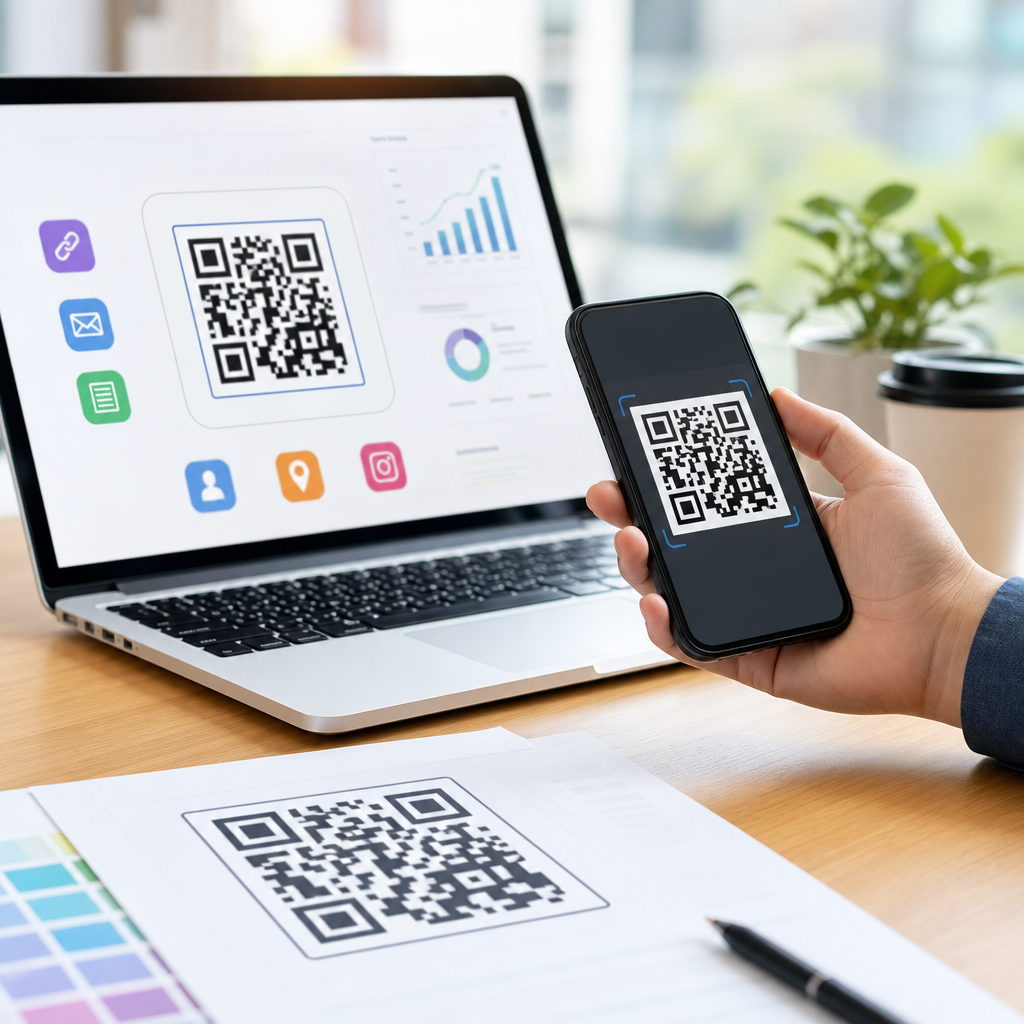
The first question to answer is simple: does the platform support both static and dynamic QR codes? Static codes permanently encode the destination, which makes them fine for fixed information such as Wi-Fi credentials or plain text, but risky for marketing because mistakes cannot be corrected after printing. Dynamic codes point to a short redirect URL managed by the provider, letting you change the final destination without replacing the code in the field. In every production rollout I have managed, dynamic capability has been the baseline requirement because campaigns change, landing pages move, and regional routing often becomes necessary later. A strong QR code generator should also support multiple payload types, including website links, PDF downloads, vCard contact sharing, SMS, email, app store destinations, and location links. File hosting matters too. Some platforms create the code but make you host assets elsewhere; others include managed file delivery with scan metrics. The best tools pair broad content support with dependable uptime, editable targets, and export formats such as PNG, SVG, EPS, and PDF so the same code works on packaging, posters, websites, and in-app screens.
Scan Performance, Error Correction, and Print Reliability
A QR code that looks attractive but scans poorly is a failed asset. The strongest generators make technical quality visible instead of hiding it behind templates. Look for support for standard error correction levels, usually labeled L, M, Q, and H. Higher error correction allows more visual damage or logo insertion, but it also increases pattern density, which can hurt readability at small sizes. Good platforms balance these tradeoffs by previewing code complexity and warning when custom styling may reduce scan success. Quiet zone protection is another overlooked factor. The blank margin around the code is not optional; trimming it too tightly often causes scan failures on packaging or crowded flyers. I always test codes across older Android phones, current iPhones, low light conditions, glossy print, and different scanning apps because device cameras vary significantly. Professional generators should let you download vector files for print, not just low-resolution raster images. They should also preserve ISO/IEC 18004 compliant structures, support high-contrast designs, and avoid excessive decorative distortion. If a vendor markets heavy customization without emphasizing scan validation, that is a warning sign. Reliability is the first feature, because no amount of design or analytics matters if users cannot open the destination quickly and consistently.
Analytics and Measurement Capabilities That Actually Help
If you plan to use QR codes for marketing, packaging, events, or support workflows, analytics determine whether the channel can be improved over time. A capable QR code generator should report total scans, unique scans, time trends, approximate location by IP, device or operating system, and referrer context when available. The better platforms also support UTM parameter management so scans flow cleanly into Google Analytics 4, Adobe Analytics, or your CRM dashboards. In my experience, the most useful metric is not just scan volume but scan-to-action performance: which code variant drove signups, purchases, downloads, or check-ins. That requires redirect flexibility and integration discipline. Some tools claim analytics but only show total hits, which is too shallow for campaign decisions. Others delay reporting or sample data heavily. Ask whether bot filtering is applied, whether duplicate scans are deduplicated sensibly, and how long historical data is retained. For teams running many assets, tags, folders, campaign naming conventions, and API access become essential. Good reporting turns QR codes from a novelty into a measurable acquisition and service channel.
Branding, Design Control, and User Experience
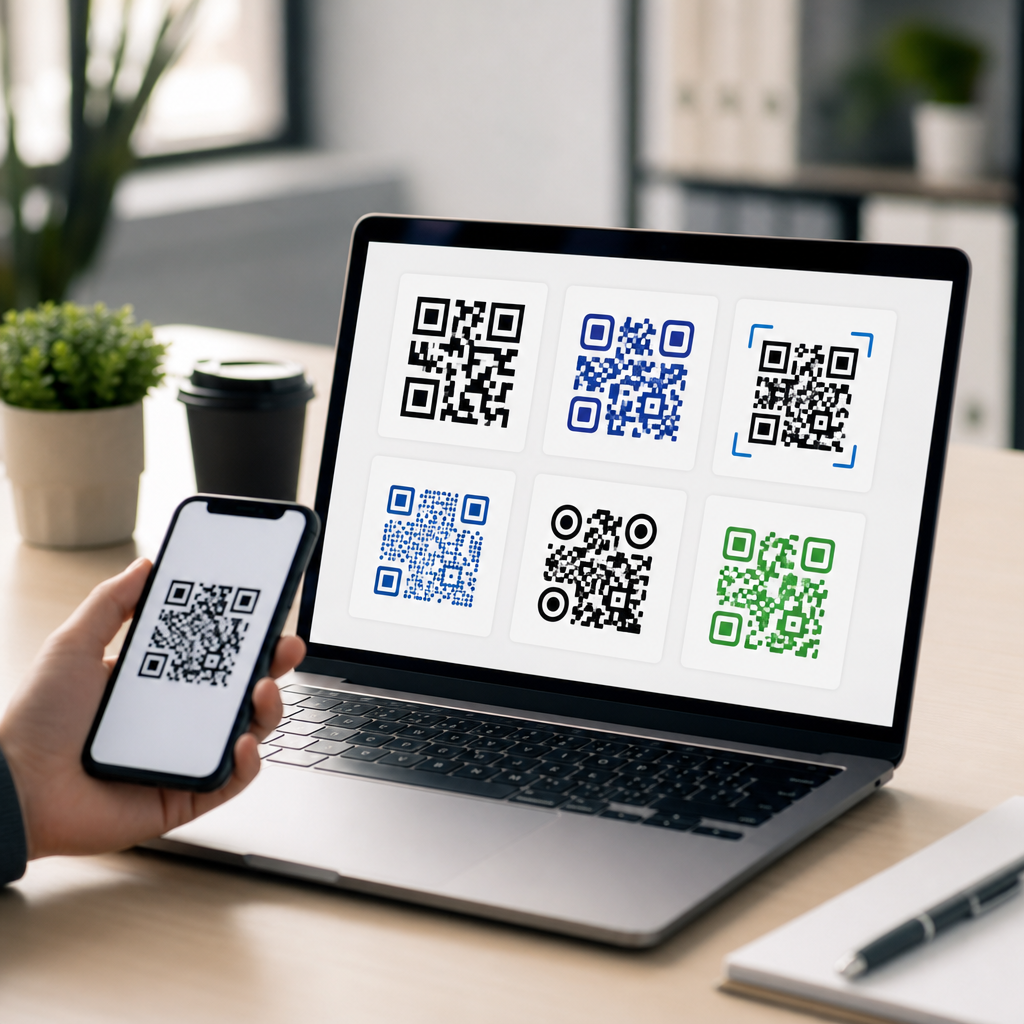
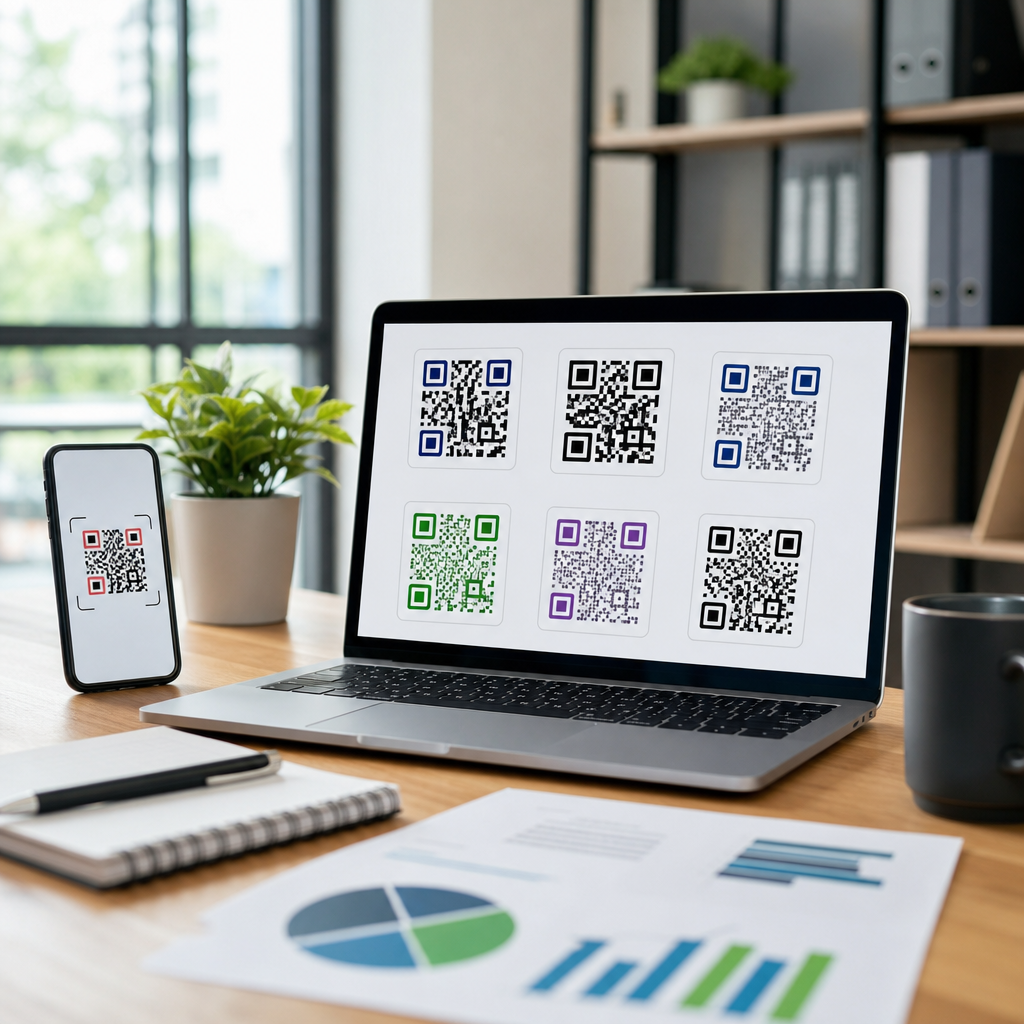
Brand customization matters because a well-designed QR code can lift trust and improve scan intent, especially on packaging, store displays, direct mail, and event materials. The best QR code generators let you adjust color, frame, call-to-action text, corner shapes, and logo placement while preserving readability. The practical rule I use is clear contrast first, branding second. Dark foreground on a light background remains the safest choice, and branded colors should be tested under indoor and outdoor lighting before mass printing. A frame with instructions such as “Scan to see ingredients” or “Scan for setup guide” often improves performance more than graphic embellishment alone because it explains the benefit immediately. Good tools also support mobile landing pages optimized for the scan context. For example, a restaurant menu code should open a fast, responsive menu page, not a desktop PDF that forces pinching and zooming. Likewise, an app install code should use smart routing to send iPhone users to the App Store and Android users to Google Play. Strong design controls are valuable only when they serve the user journey from scan to completion.
Security, Privacy, and Platform Governance
Security is one of the most important and least discussed criteria when comparing the best QR code generators. Dynamic QR codes rely on redirects, which means you are trusting the provider’s infrastructure and account controls. Enterprise-ready tools should offer HTTPS by default, password protection when needed, access roles for teams, audit logs, and options for custom domains. Custom domains are especially valuable because they reinforce brand trust and reduce the risk that a provider’s shared short domain is flagged or blocked. If the platform hosts downloadable files, confirm how those files are stored, whether links can expire, and what happens if you cancel the service. Privacy also matters. Location and device analytics may create compliance obligations depending on your market, so review data processing terms, retention policies, and consent implications. I advise clients to ask a direct question: if this vendor disappeared tomorrow, what would happen to every printed dynamic code in circulation? A credible answer includes export options, account recovery safeguards, and a clear statement about data ownership.
Comparing QR Code Generator Options by Use Case
There is no single best QR code generator for every team. The right choice depends on scale, governance, design needs, and budget. Small businesses often prioritize simplicity and affordable dynamic editing. Agencies need client separation, white labeling, and bulk management. Manufacturers care about durable print files and large-volume creation tied to inventory systems. Event teams need rapid changes and live scan monitoring. The comparison below highlights the criteria that usually matter most when selecting a platform.
| Use case | Must-have features | Common mistake |
|---|---|---|
| Local business marketing | Dynamic links, basic analytics, branded frames, easy editing | Choosing static codes for time-sensitive offers |
| Agency or multi-client work | Folders, roles, white label options, custom domains, API access | Using one account with no governance structure |
| Packaging and print | SVG/EPS export, scan testing, high error correction controls | Downloading only low-resolution PNG files |
| Enterprise operations | SSO, audit logs, bulk generation, integrations, SLA support | Buying a marketing tool without IT review |
When researching QR code generator reviews, pay attention to support quality, onboarding, and pricing structure. Many services advertise free creation but charge for dynamic functionality, analytics access, file hosting, custom domains, or scan volume beyond a low threshold. That pricing is not inherently bad, but it should be transparent. A free plan may be enough for a teacher handout or a one-time event poster, while a national campaign needs service guarantees and governance.
How to Evaluate a Generator Before You Commit
The best buying process is a controlled test, not a feature checklist alone. Create three to five real QR code scenarios from your business, such as a product page, a PDF guide, a contact card, and a location link. Generate each one, customize it lightly, and test scans across devices, lighting conditions, screen displays, and printed sizes. Review editability, reporting lag, export quality, and redirect speed. Check whether the platform supports bulk operations and whether naming conventions stay manageable when codes scale into the hundreds. For this Creating Mobile QR Codes hub, that is the central lesson: the best QR code generators combine reliable scanning, flexible management, useful analytics, and security strong enough for long-term deployment. Choose a platform that fits your actual use case, not just the prettiest demo, then run a pilot before rolling it out broadly. A few hours of testing now will prevent expensive reprints, broken journeys, and blind campaign reporting later. Start by listing your must-have features, trial two vendors, and validate every code in the environments where customers will actually scan.
Frequently Asked Questions
What features matter most when choosing a QR code generator?
The most important features are scan reliability, support for dynamic QR codes, customization options, analytics, security controls, and ease of management over time. Scan reliability should always come first. A QR code may look attractive on screen, but if it does not scan consistently across different phones, camera apps, lighting conditions, sizes, and print materials, it will fail in real-world use. A strong QR code generator should create clean, standards-compliant codes with proper error correction and export options that preserve scannability.
Dynamic QR code support is another major factor because it lets you change the destination after the code has been printed or published. That matters for campaigns, menus, product packaging, real estate signage, events, and any use case where links may need updating later. Good customization tools also matter, but they should never compromise performance. Look for generators that allow logo placement, color changes, frames, calls to action, and branded short links while still warning you if a design choice makes the code harder to scan.
Beyond the code itself, the platform should help you manage performance. Useful analytics can show scans by date, device type, location, or campaign, which helps measure engagement and return on investment. Security features are equally important, especially for business use. These may include password protection, access controls, domain verification, HTTPS redirects, and protection against unauthorized edits. Finally, usability matters more than many buyers expect. If your team needs to generate, organize, edit, and monitor large numbers of QR codes, a clean dashboard, folders, bulk creation, templates, and team permissions can save significant time and reduce errors.
Why are dynamic QR codes usually better than static QR codes?
Dynamic QR codes are usually the better choice because they give you flexibility long after the code is created. A static QR code directly contains the final destination data, such as a URL, phone number, or text string. Once that code has been printed on packaging, posters, menus, labels, brochures, or signage, the destination cannot be changed without replacing the code everywhere it appears. That can create expensive reprint costs, broken experiences for users, and wasted campaign materials if anything needs to be updated.
Dynamic QR codes work differently. They use a short redirect link that can be updated in the generator’s dashboard, allowing you to change the destination without changing the visible code. This is especially useful for marketing campaigns, restaurant menus, product instructions, seasonal promotions, app downloads, event registrations, and any business asset with a long lifespan. If a page moves, an offer expires, or you want to test a new landing page, you can make the change instantly.
Dynamic codes also unlock better analytics. Because scans pass through a managed redirect, the platform can track performance data such as scan volume, time, location, and device patterns. That makes dynamic QR codes much more useful for optimization and reporting. The main trade-off is that they often require a paid plan or subscription, so buyers should evaluate long-term cost carefully. Even so, for most professional use cases, the ability to update links, preserve printed materials, and measure engagement makes dynamic QR codes a smarter and more durable investment than static ones.
How important are QR code analytics, and what should buyers look for?
Analytics are extremely important if the QR code is tied to marketing, operations, customer experience, or any measurable business goal. Without analytics, you may know that a code exists, but you will not know whether people are using it, when they are scanning, what devices they are using, or which campaigns are performing best. For businesses investing in print materials, packaging, in-store displays, direct mail, or digital promotions, that lack of visibility can make it difficult to justify spend or improve results.
At a minimum, a good QR code generator should provide scan counts over time and basic device or location insights. More advanced platforms may offer campaign tagging, unique scans versus total scans, geolocation mapping, operating system breakdowns, and integrations with analytics or marketing tools. Those integrations can be especially valuable because they connect QR code performance to broader reporting on conversions, traffic quality, lead generation, or sales outcomes. If you are using QR codes at scale, filtering, exporting, and comparing performance across multiple codes becomes very useful.
That said, analytics quality matters just as much as analytics availability. Buyers should ask how data is collected, how accurate it is, how quickly it updates, and whether privacy controls are in place. A business operating in regulated industries or privacy-sensitive markets should also confirm how the provider handles data storage, consent, retention, and security. The best analytics setup gives you actionable insight without creating unnecessary compliance risks. In practical terms, good analytics help you improve landing pages, adjust placement, test offers, and understand whether your QR code strategy is actually delivering value.
Can a customized or branded QR code still be easy to scan?
Yes, a customized or branded QR code can still be easy to scan, but only when the design is handled carefully. Many businesses want QR codes that match their brand, include a logo, use custom colors, or feature a frame with a call to action. Those choices can improve trust and increase scan rates because users are more likely to engage with a code that looks intentional and clearly communicates what will happen after scanning. A well-designed branded code can feel more professional than a plain black-and-white square with no context.
However, customization should never come at the expense of scan performance. If contrast is too low, the logo is too large, the quiet zone is too small, or decorative elements interfere with the pattern, the code may become unreliable. This is why the best QR code generators balance design flexibility with guardrails. They should support brand-friendly customization while preserving technical standards like sufficient contrast, appropriate error correction, and clear spacing around the code. It is also helpful when the platform provides scan testing or warnings if a design is likely to fail.
Buyers should also think about where the code will appear. A code that scans well on a bright website may perform differently on matte packaging, curved labels, restaurant tables, outdoor signage, or low-quality print materials. File format options matter here too. Vector exports such as SVG, PDF, or EPS are often better for print because they stay sharp at different sizes. In short, branding is valuable, but reliability is non-negotiable. The right generator lets you customize confidently without turning design into a risk factor.
What security, pricing, and long-term support issues should you evaluate before committing to a QR code generator?
These issues are critical because a QR code generator is rarely a one-time purchase. Once your codes are printed on physical materials or embedded in digital campaigns, you may depend on that platform for months or years. Start with security. If the generator supports dynamic codes, landing pages, file hosting, or team access, you should evaluate whether it uses HTTPS, offers account protections such as two-factor authentication, supports role-based permissions, and maintains a clear process for preventing unauthorized changes. For companies managing customer-facing codes at scale, domain verification, audit logs, and secure redirect handling can be very important.
Pricing deserves equally close attention because the low advertised cost is not always the full cost of ownership. Some platforms charge more for dynamic codes, analytics, higher scan limits, extra users, custom domains, branded links, bulk creation, file hosting, or advanced reporting. Others may let you create a code for free but require an ongoing subscription to keep dynamic destinations active. Before committing, buyers should understand exactly what happens if a plan is downgraded, canceled, or exceeds usage limits. A QR code tied to packaging or signage can become a serious liability if it stops working because of a billing issue or plan restriction.
Long-term support is the final piece many buyers overlook. Look for a provider with reliable uptime, responsive customer support, clear documentation, and a stable reputation in the market. If QR codes are business-critical, it helps to choose a platform that offers bulk management, export options, organized asset libraries, and the ability to transfer ownership or collaborate across teams. The best choice is not just the tool that creates a code today, but the one that can support your campaigns, protect your brand, and keep your published codes functioning properly over time.