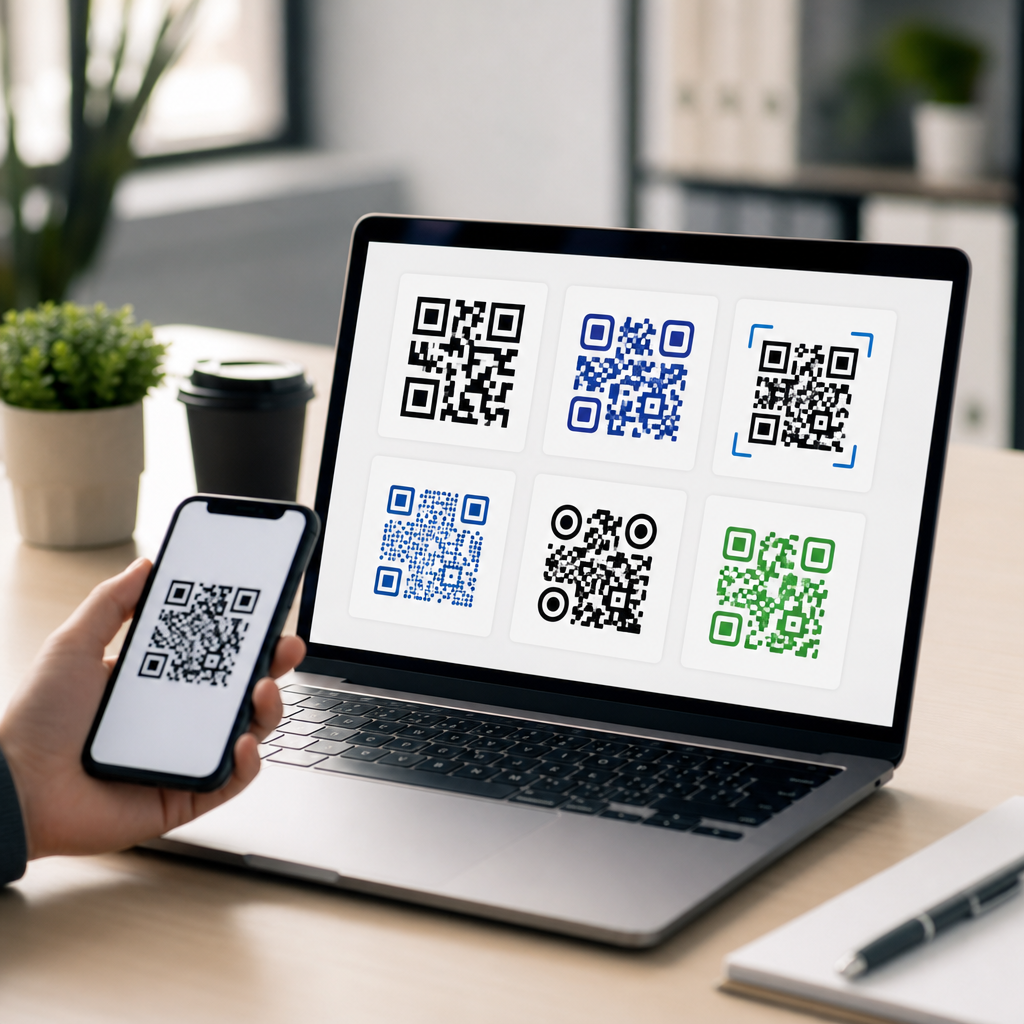
Enterprise QR code software has moved far beyond simple link generation. Today, the best QR code generators support large-scale campaigns, centralized governance, analytics, dynamic editing, and security controls that satisfy legal, marketing, and IT teams at the same time. In practice, I have seen organizations treat QR codes as minor creative assets until they need to update ten thousand printed labels, localize landing pages by region, or prove scan performance to leadership. At that point, software choice becomes a business decision, not a design preference.
For enterprise use, QR code software means a platform that can create, manage, track, and govern codes across departments and markets. Static QR codes permanently encode one destination and cannot be edited after printing. Dynamic QR codes use a short redirect URL, allowing the destination to change without replacing the code itself. That distinction matters because enterprise programs depend on agility. If packaging changes, a campaign underperforms, or a compliance page must be replaced, dynamic management prevents waste and keeps field materials usable.
This topic matters because QR codes now sit at the intersection of mobile experience, product operations, and attribution. Retailers use them on shelf talkers and packaging, manufacturers use them for traceability and service documentation, healthcare organizations use them for patient instructions, and B2B teams use them at events, direct mail, and sales collateral. The right platform reduces reprint costs, improves scan reporting, protects brand consistency, and supports coordinated mobile journeys. The wrong one creates fragmented data, inconsistent branding, and hard-to-govern assets spread across teams and vendors.
What enterprise teams should require from the best QR code generators
The best QR code generators for enterprise use share a core feature set. Dynamic codes are essential because they enable destination updates, campaign testing, and expiration rules. Role-based access control matters because marketing, design, field operations, and compliance rarely need the same permissions. Brand customization should include logo insertion, color management, custom domains, and frame templates, but it must preserve scan reliability through adequate contrast, quiet zone spacing, and error correction. Analytics should go beyond raw scan counts to include time, location, device data, and UTM support so teams can connect scans to broader marketing reporting.
Security and governance are equally important. Enterprise buyers should ask whether the vendor supports SSO through SAML, audit logs, data retention controls, API access, and bulk generation. A mature platform also supports folder structures, approval workflows, and exportable reports. In my experience, API access becomes decisive once organizations move from isolated campaign use to packaging, inventory tags, or franchise-scale deployment. Teams that create a few dozen codes manually can tolerate a basic interface. Teams that create thousands need templates, bulk imports, and programmatic generation tied to product databases or CRM systems.
Another nonnegotiable requirement is ownership clarity. Some low-cost tools make it easy to generate codes but keep the redirect infrastructure entirely on the vendor side, which creates risk if the subscription lapses or the provider changes terms. Enterprise-grade QR code software should define what happens to dynamic redirects, assets, and analytics if the contract ends. It should also support migration planning. Longevity matters because QR codes on packaging, manuals, signs, and installed equipment often remain in the field for years, not weeks.
Top QR code software platforms for enterprise use
Several platforms consistently appear in enterprise evaluations, but they serve different priorities. Bitly is strong when link management and QR code management need to coexist under one governance model. Companies already using branded short links often prefer Bitly because QR codes fit into an existing redirect and analytics structure. QR Code Generator Pro is widely used for marketing teams that want dynamic management, design flexibility, and reporting without a heavy implementation burden. Scanova is often shortlisted for bulk operations, campaign management, and white-labeling options, especially when agencies or multi-brand organizations need separation.
Beaconstac stands out for enterprise controls, including API capabilities, security features, and campaign scale. It is a practical choice for organizations that need both marketing functionality and stronger administrative management. Uniqode, formerly Beaconstac’s market peer and now a leading name in its own right, is frequently considered by companies that want secure dynamic QR code campaigns, strong analytics, and collaboration features. Flowcode has a polished interface and can work well for marketers focused on fast deployment, though enterprise buyers should verify governance depth and data controls relative to stricter procurement standards.
| Platform | Best fit | Enterprise strengths | Watchouts |
|---|---|---|---|
| Bitly | Teams standardizing links and QR together | Branded links, analytics, familiar governance | May need broader campaign features depending on use case |
| QR Code Generator Pro | Marketing-led programs | Dynamic editing, customization, reporting | Confirm admin depth for complex org structures |
| Scanova | Bulk and multi-brand deployments | Batch generation, white-label options, campaign control | Evaluate integrations against existing stack |
| Beaconstac | Large, controlled enterprise rollouts | API, security, scale, admin features | Implementation may require more planning |
| Uniqode | Secure mobile engagement programs | Analytics, dynamic management, collaboration | Pricing and feature tiers should be mapped carefully |
No single platform is objectively best in every scenario. For a global consumer brand printing millions of product units, redirect reliability, API orchestration, and long-term governance outrank visual novelty. For a regional events team, speed, branded templates, and campaign analytics may matter more. The right comparison starts with the operating model: who creates codes, who approves them, where they appear, how long they live, and how scan data connects to reporting systems such as Google Analytics 4, Adobe Analytics, Salesforce, or HubSpot.
How to evaluate QR code software across security, analytics, and scale
Enterprise procurement should evaluate QR code software the same way it evaluates any customer-facing digital infrastructure. Start with security review. Ask about encryption in transit and at rest, SSO, user provisioning, audit trails, data residency, and incident response. If QR codes will direct users to sensitive workflows such as patient information, authenticated support portals, or regulated product documents, governance cannot be an afterthought. Also examine domain strategy. Using a branded custom domain improves trust and scan-through rates because users recognize the destination instead of seeing a generic short link.
Then test analytics quality. Good platforms report unique scans, total scans, scan time, approximate geolocation, and device or operating system details. Great platforms make campaign attribution usable through UTM tagging, integrations, and export flexibility. During vendor reviews, I usually create a test matrix with multiple destinations, print formats, and environments. A code that scans perfectly on a desktop printout can perform poorly on curved packaging, reflective surfaces, low-light environments, or storefront glass. Software quality includes not only dashboard features but also support for design standards that keep codes functional in the real world.
Scale requires more than high usage limits. It requires repeatable administration. Batch creation, editable templates, naming conventions, metadata fields, expiration settings, and duplicate prevention all matter once hundreds of employees or agencies touch the platform. APIs are particularly valuable for generating codes tied to SKUs, locations, assets, or tickets. For example, a manufacturer can create a unique dynamic QR code for each machine model that points to the correct maintenance documentation by market. If a manual changes, the destination updates centrally without relabeling inventory already distributed worldwide.
Best use cases by department and industry
Marketing teams use enterprise QR code software for packaging campaigns, out-of-home ads, direct mail, event badges, and in-store experiences. Dynamic codes let them run A/B tests on landing pages or switch destinations after a campaign launches. Sales teams use them on one-pagers, trade show signage, and product demos to move prospects into mobile-friendly forms. Operations teams use them for asset tracking, service instructions, location-based workflows, and internal documentation. Customer support teams place codes on products or installation guides so users can access setup videos, warranty registration, or troubleshooting steps instantly.
Industry context changes platform priorities. In retail and consumer goods, packaging durability and post-purchase analytics are central. In manufacturing, bulk generation and system integration often dominate because codes may map to serial numbers, maintenance records, or replacement parts. In healthcare, privacy review, redirect control, and content accuracy are critical because patient-facing instructions must stay current and trustworthy. In hospitality and real estate, scan experience and branded presentation matter because codes often sit in guest rooms, lobbies, signs, and printed materials where design quality influences usage.
One pattern holds across industries: enterprise success comes from treating QR codes as managed digital touchpoints rather than isolated images. The software should support a library of approved templates, documented naming rules, and ownership by campaign or asset type. When those basics are missing, teams create duplicate codes for the same destination, analytics become unreliable, and no one knows which printed materials still point to outdated content. Governance sounds mundane, but it is what separates a scalable QR program from a scattered collection of disconnected campaigns.
How to choose the right platform for your organization
Start with a requirements map, not a vendor list. Document whether you need dynamic QR codes, custom domains, APIs, SSO, bulk creation, folder permissions, regional controls, and analytics integration. Separate must-haves from nice-to-haves. Then score each platform against real scenarios: launching a packaging campaign across five countries, updating destinations after printing, generating thousands of codes from a spreadsheet, or restricting agency access to one brand. This scenario-based review exposes weaknesses faster than feature checklists because it reflects daily operations instead of marketing claims.
Next, run a controlled pilot. Include at least one creative stakeholder, one analytics owner, one administrator, and one downstream user who scans the codes in real conditions. Test print sizes, materials, and contrast ratios. Verify redirect speed on cellular networks. Review dashboard data against your analytics platform to confirm attribution. Ask support teams how quickly the vendor resolves issues and whether documentation is strong enough for self-service training. Pilot feedback often reveals hidden friction, such as rigid template systems, weak exports, or permission models that do not match how your teams actually work.
Budget should account for more than subscription cost. Consider implementation time, migration risk, training, custom domain setup, API work, and the cost of reprinting materials if a platform cannot support dynamic change effectively. The best QR code generators save money by reducing waste and preserving campaign flexibility. If your organization is building a broader creating mobile QR codes program, this hub should lead naturally into deeper guides on dynamic versus static codes, QR code design best practices, QR analytics, and industry-specific deployment strategies. Choose software that supports that long-term program, not just the next campaign.
Enterprise QR code software is ultimately about control, continuity, and measurable mobile engagement. The best QR code generators combine dynamic management, dependable analytics, strong security, and administrative structure that works across departments. Bitly, QR Code Generator Pro, Scanova, Beaconstac, and Uniqode all deserve consideration, but the best fit depends on your governance needs, integration requirements, and campaign scale. Organizations that evaluate platforms through real workflows rather than surface features make better long-term decisions and avoid costly reprints, fragmented data, and vendor lock-in surprises.
If you are building a serious creating mobile QR codes program, treat this page as your hub and define your requirements before requesting demos. Prioritize dynamic editing, branded domains, analytics quality, API readiness, and ownership clarity. Then pilot two or three platforms in realistic conditions and document the results. A disciplined selection process will give your team a QR code platform that supports growth, protects the brand, and keeps every printed touchpoint useful long after launch.
Frequently Asked Questions
What features should enterprises prioritize when evaluating QR code software?
Enterprises should look well beyond basic code creation and focus on platforms built for scale, control, and long-term operational flexibility. Dynamic QR code support is one of the most important capabilities because it allows teams to update destinations after codes have already been printed, deployed, or embedded in packaging, signage, product labels, direct mail, and field materials. That single feature can save significant time and reprint costs when campaigns change, URLs need to be corrected, or regional experiences must be localized.
Centralized management is equally important. In an enterprise setting, QR codes are rarely owned by one person. Marketing, product, operations, IT, compliance, and regional teams may all need access. Strong enterprise QR code software should include role-based permissions, approval workflows, folder structures, asset organization, version control, and brand governance tools so the organization can manage thousands of codes without chaos. If a platform cannot support multiple stakeholders and business units cleanly, it becomes difficult to govern at scale.
Analytics should also be treated as a core requirement rather than a nice-to-have. Enterprise buyers typically need detailed scan reporting, including time, location, device type, operating system, campaign attribution, and trend analysis. The best tools make it easy to connect QR performance with broader marketing and business reporting through integrations, dashboards, exports, or APIs. Leaders will eventually want to know not just how many scans occurred, but which campaigns drove engagement, which geographies performed best, and which assets underperformed.
Security and compliance matter just as much. Enterprises should evaluate single sign-on support, audit logs, data retention settings, access controls, SOC 2 or similar certifications, privacy features, domain controls, and the ability to restrict edits or redirects. If QR codes are tied to regulated industries, internal governance, or customer data flows, the platform must fit within broader legal and IT requirements. A strong enterprise platform is not simply a generator. It is a managed system for deploying, tracking, updating, and securing QR experiences across the organization.
Why are dynamic QR codes so important for enterprise campaigns?
Dynamic QR codes are critical because they separate the printed code from the final destination, which gives enterprises flexibility after deployment. In real-world enterprise operations, campaigns change constantly. Product pages are updated, regional microsites are swapped, events move, promotions expire, support content evolves, and compliance language gets revised. If a company uses static QR codes, each of those changes can require physical replacement of labels, signage, brochures, packaging, or training materials. At scale, that becomes expensive, slow, and operationally disruptive.
Dynamic functionality is especially valuable when organizations manage large distributed programs. A retailer may need different landing pages by region. A manufacturer may need to update documentation links across thousands of product labels. A healthcare or financial services organization may need to revise content quickly to stay aligned with legal review. In all of these cases, dynamic editing reduces risk because teams can update the destination centrally without replacing the QR code itself. That makes campaigns more resilient and easier to manage over time.
Dynamic QR codes also improve performance optimization. Enterprise teams often want to test landing pages, rotate destinations, personalize experiences, or route users based on geography, language, device, or campaign source. A strong platform makes that possible without creating entirely new printed assets every time a strategy shifts. This is one of the biggest differences between consumer-grade tools and enterprise-ready QR software. At enterprise scale, the ability to adapt after launch is not just convenient. It is foundational.
Finally, dynamic codes support governance and measurement. Because the platform sits between the scan and the final destination, organizations gain better reporting, cleaner campaign management, and stronger operational control. When leadership asks how a printed campaign performed or a product team needs to update thousands of active codes quickly, dynamic QR infrastructure is what makes those requests manageable instead of painful.
How important are analytics and reporting in enterprise QR code software?
Analytics are one of the main reasons enterprises invest in dedicated QR code software rather than relying on simple free generators. At a basic level, enterprises want to know whether people are scanning codes. But in practice, they usually need much more than that. They want to understand which campaigns, assets, stores, territories, products, or customer journeys are driving engagement. They want to compare performance across regions, time periods, and channels. They want to see how offline materials contribute to digital outcomes. Without reliable reporting, QR codes remain difficult to justify strategically.
The best enterprise QR platforms provide detailed scan analytics such as timestamp, approximate location, device type, operating system, referral context, and total versus unique scans. Those data points help teams answer practical business questions. For example, if one packaging variation drives significantly more scans than another, that can influence future product design. If a field campaign underperforms in one region, local content or placement may need adjustment. If mobile operating system usage differs by audience, the landing experience can be optimized accordingly.
Reporting becomes even more valuable when it integrates with broader business systems. Enterprise users often need exports, dashboards, APIs, or integrations with analytics platforms, CRMs, business intelligence tools, and campaign reporting systems. That allows organizations to connect QR scans with lead generation, conversions, sales activity, support traffic, or customer engagement. In other words, the code itself is only the entry point. The real value comes from understanding what happens before and after the scan.
Strong reporting also supports accountability. Leadership teams frequently ask for proof of campaign effectiveness, especially when QR codes are included in print, packaging, events, in-store programs, or operational workflows. If a platform cannot produce clear, credible, and segmentable data, it will be harder for teams to defend budget and scale adoption. Enterprise QR software should make measurement easy enough for day-to-day marketers and robust enough for executives, analysts, and operations leaders who need trustworthy performance insights.
What security and governance capabilities should enterprise teams expect from QR code platforms?
Enterprise teams should expect QR code software to fit into broader organizational standards for access control, security oversight, and compliance. At minimum, that means support for role-based permissions so not every user can create, edit, redirect, or delete codes freely. Large organizations usually need different levels of access for marketers, designers, regional managers, agency partners, analysts, legal reviewers, and administrators. Without structured permissions, even a small mistake can affect a large active campaign.
Single sign-on, audit trails, and user activity logs are also important. IT and security teams often want centralized identity management so users can be added or removed through existing systems rather than through disconnected manual accounts. Audit logs help organizations understand who created a code, who edited a destination, when a change occurred, and what was modified. That level of visibility becomes extremely important when QR codes are used in regulated contexts, public-facing campaigns, or high-volume product environments where one incorrect redirect can have significant consequences.
Governance features should also include domain management, naming conventions, folders or business-unit structures, approval workflows, and brand control. Enterprises often maintain multiple teams and markets, so the platform should help standardize how codes are created and deployed. Some organizations will also need custom domains, secure redirect handling, data residency options, retention settings, and vendor certifications such as SOC 2 or similar trust documentation. These factors help determine whether a platform can be approved by procurement, legal, privacy, and IT teams.
Just as importantly, governance is not only about reducing risk. It also improves operational efficiency. When QR code assets are organized properly, teams can find them, manage them, update them, and report on them without duplication or confusion. The best enterprise platforms balance flexibility for marketers with controls that protect the organization. That combination is what turns QR codes from scattered campaign elements into a governed digital infrastructure.
How do enterprise QR code platforms support large-scale, multi-team deployments?
Enterprise QR code platforms are designed to help organizations manage volume, complexity, and collaboration in ways that basic tools cannot. In a large company, QR codes may appear across product packaging, retail displays, event signage, manuals, invoices, direct mail, employee communications, service workflows, and localized marketing campaigns. Each use case may involve different stakeholders, approval processes, landing pages, and performance goals. A true enterprise platform provides the structure needed to manage all of that in one system rather than through scattered spreadsheets and disconnected generators.
Bulk creation and editing are especially valuable for scale. Enterprises often need to generate large batches of codes tied to unique products, locations, stores, sales reps, or assets. They may also need to update those codes later in batches rather than one at a time. Software that supports templates, batch uploads, bulk redirects, and API-based workflows can save enormous amounts of administrative effort. This becomes critical when an organization needs to change thousands of destinations quickly because of a campaign revision, product update, localization requirement, or compliance issue.
Multi-team support also depends on organizational features such as subaccounts, business-unit separation, shared libraries, approval workflows, and permissions by role or region. These capabilities allow a global brand to give teams enough autonomy to move quickly while preserving consistency across naming, branding, analytics, and security standards. Agencies and partners may need limited access, while central administrators maintain governance over domains, data, and reporting. Good enterprise software makes that collaboration possible without sacrificing control.
Finally, the best platforms