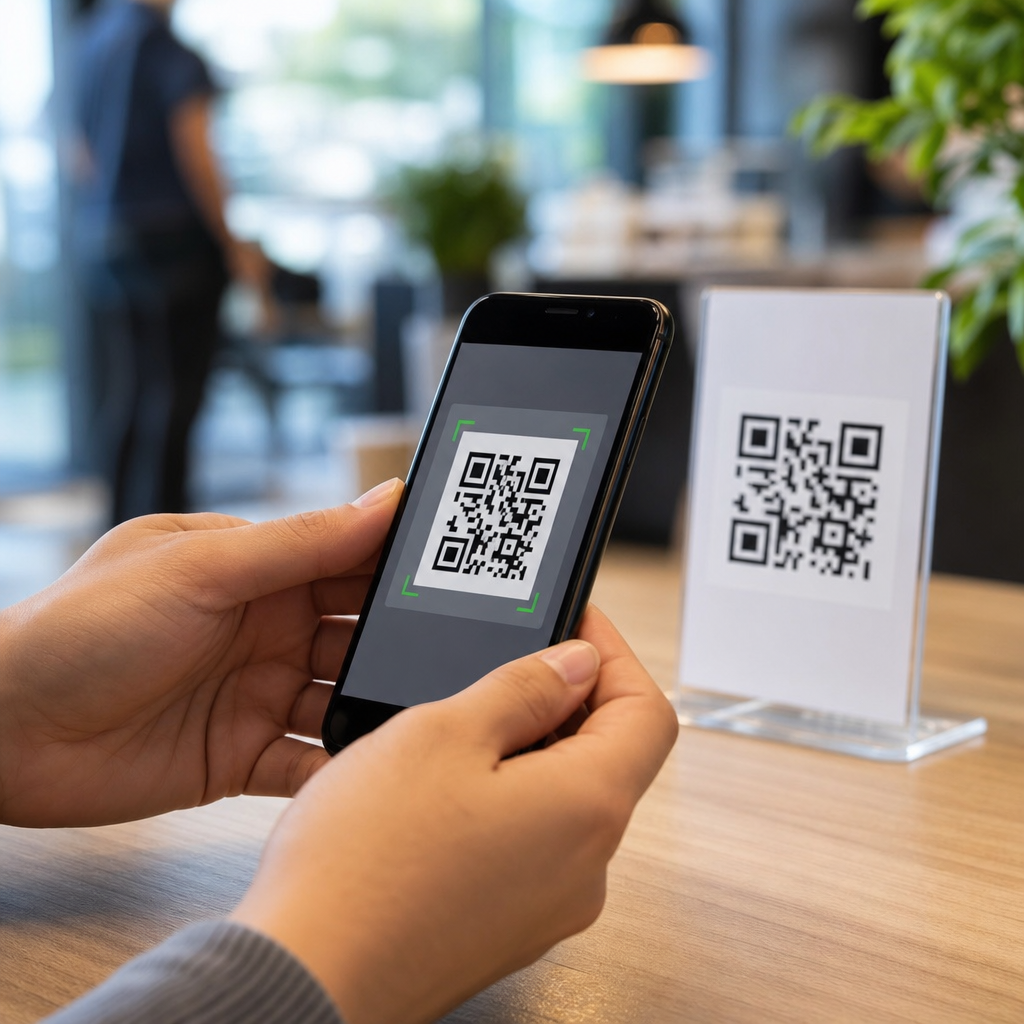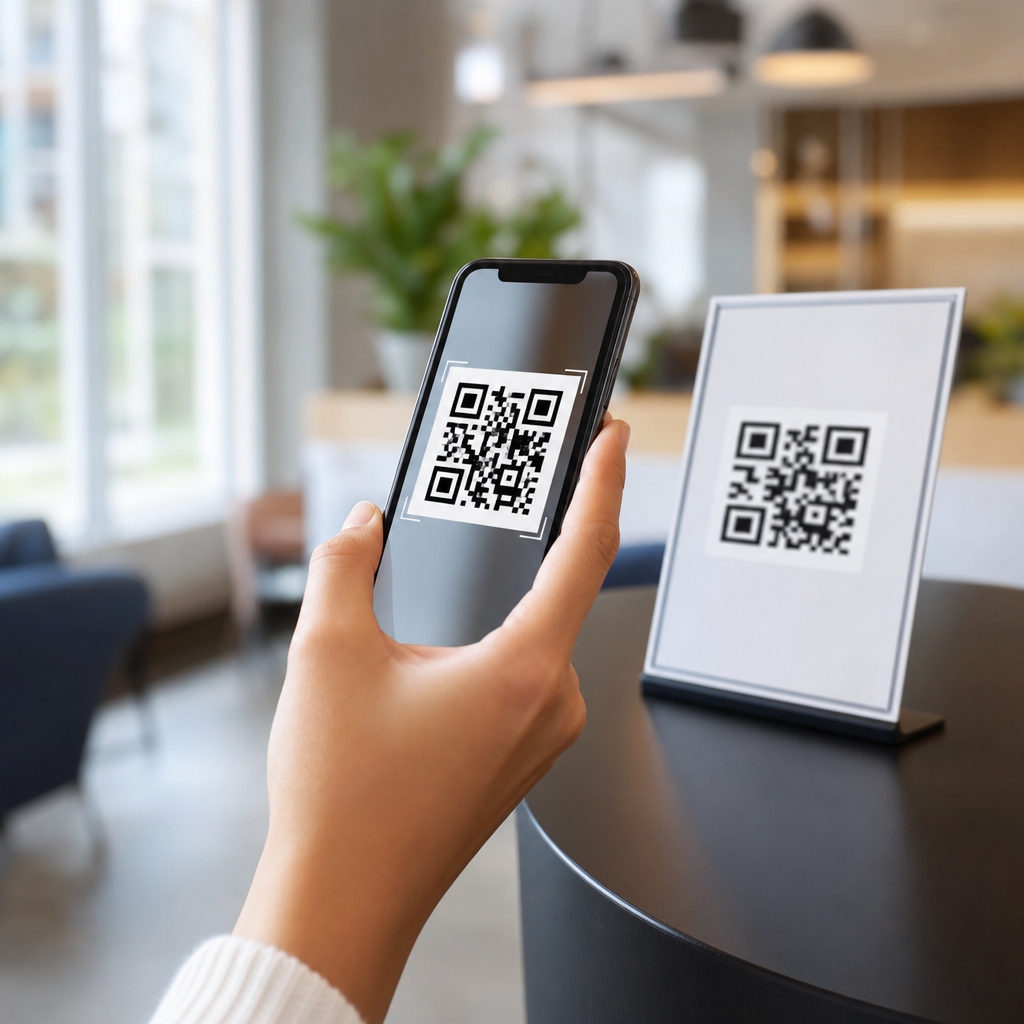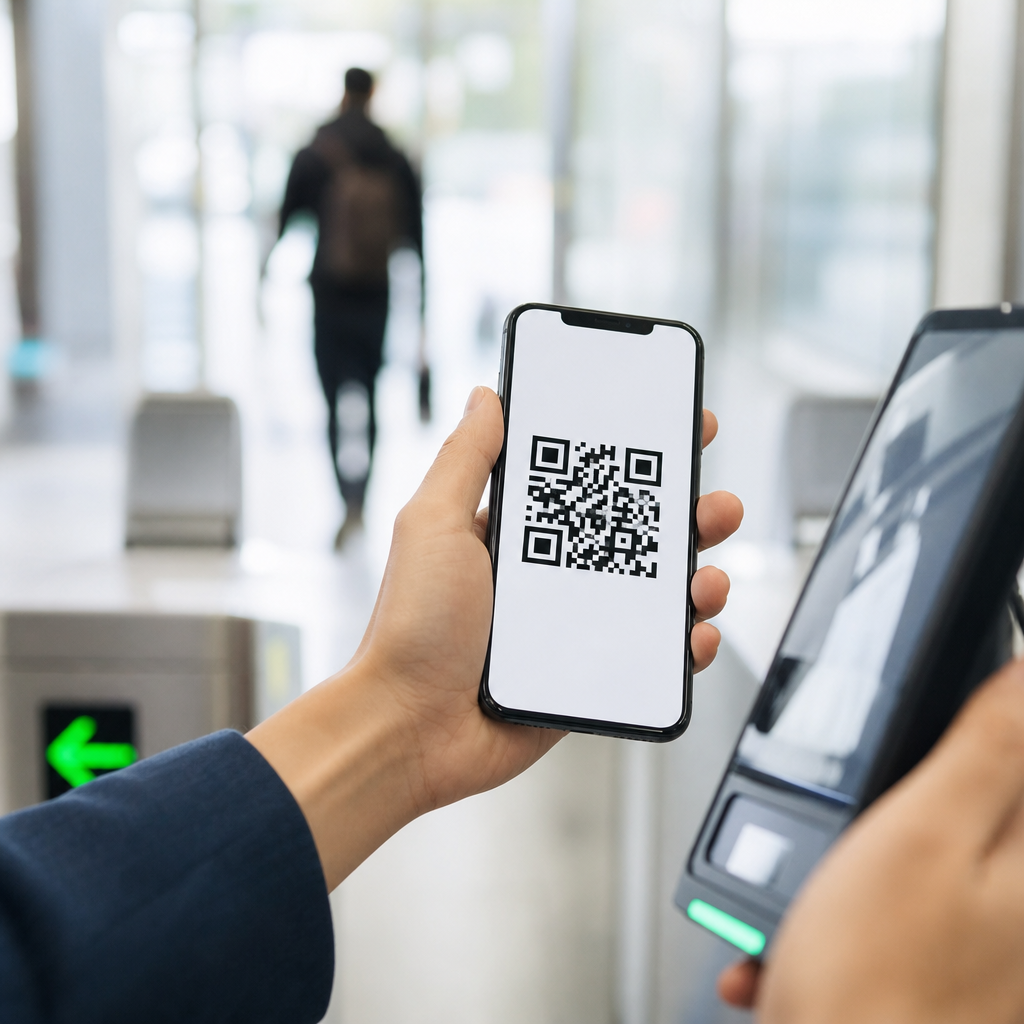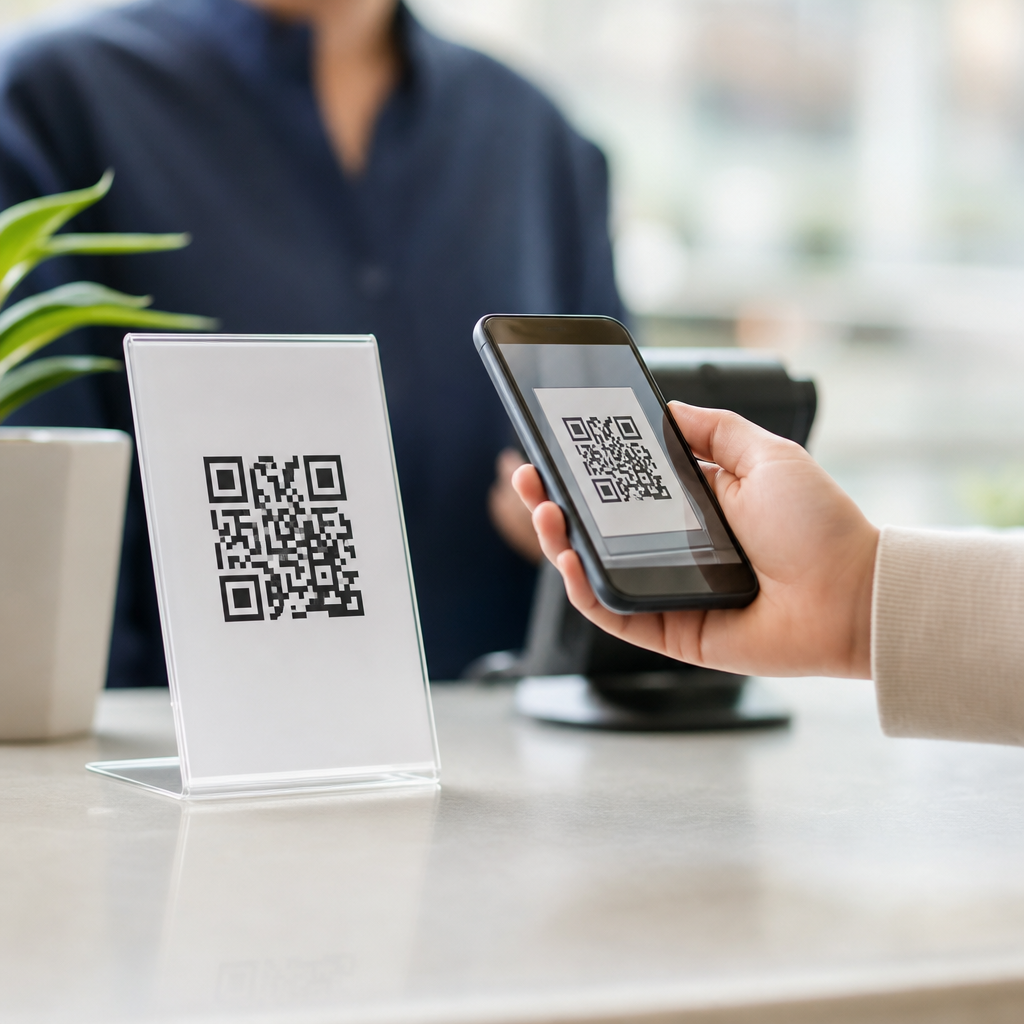

Static QR codes are the simplest form of QR technology, but understanding what they do, where they fit, and how they relate to broader mobile QR code basics is essential before you put them on packaging, signs, menus, or printed campaigns. In practical terms, a QR code is a two-dimensional matrix barcode that a smartphone camera can read, turning a printed or digital square into a shortcut for an action such as opening a webpage, saving contact details, joining Wi-Fi, starting a call, or composing a text message. A static QR code stores that destination directly inside the pattern itself, which means the encoded content is fixed once the code is created. If you print a static code that points to a URL, phone number, or vCard, you cannot later edit that destination without generating and redistributing a new code. That permanence is the defining characteristic.
For anyone learning what mobile QR codes are, static versus dynamic is the first distinction that matters. Mobile QR codes are simply QR codes intended to be scanned primarily by phones and tablets, usually through native camera apps on iPhone or Android devices. They matter because they remove friction at the exact point where a customer, visitor, or employee is deciding whether to act. I have used QR codes in retail packaging, event check-in flows, field service manuals, and restaurant table tents, and the results depend less on the graphic itself than on matching the right code type to the right use case. Static QR codes are dependable, low-cost, and privacy-light, but they are not flexible. Choosing them well saves reprint costs, avoids broken experiences, and creates a smoother mobile path from offline attention to online action.
What are mobile QR codes and how do static QR codes fit?
Mobile QR codes are scannable codes designed for smartphone interaction. The phone’s camera or QR reader detects the finder patterns, decodes the data modules, and triggers an action based on the encoded payload. Common payload types include HTTPS URLs, plain text, telephone numbers using the tel: format, SMS messages using sms:, email prompts through mailto:, geolocation coordinates, calendar events, and Wi-Fi credentials. Because modern mobile operating systems support these actions natively, QR codes have become a bridge between physical objects and mobile experiences.
Static QR codes fit into this ecosystem as direct containers of data. There is no redirect server in the middle and no editable management layer after creation. That means a static code for https://example.com/about always resolves to that exact address, assuming the page remains live. A static Wi-Fi QR code will always contain the same SSID, password, and encryption type. This is why static codes are often preferred for evergreen information that should not change, such as a canonical homepage, a permanent product manual URL, emergency contact details, or an installation guide printed inside hardware packaging.
The alternative is a dynamic QR code, where the visible code contains a short redirect URL controlled by a platform. The destination can then be changed later, and scans can often be measured. Static codes cannot do that. They are self-contained. That simplicity is both their strength and their limitation.
How static QR codes work in real-world mobile use
When you generate a static QR code, software converts your content into a machine-readable symbol using standardized encoding rules defined by ISO/IEC 18004. The code includes error correction, typically using Reed-Solomon algorithms, which allows successful scans even if part of the symbol is damaged or obscured. Error correction levels range from L to H, with higher levels providing more resilience but requiring denser patterns. In practice, that matters on mobile because small, dense codes become harder to scan quickly, especially on older phones, low-light screens, reflective labels, or curved surfaces.
I generally recommend keeping static payloads short. A short HTTPS URL scans faster and prints more cleanly than a long URL with UTM parameters, fragments, and tracking strings. If a marketing team insists on tracking every scan, static may stop being the right choice because the data burden makes the symbol heavier while still offering no native analytics. For mobile-first experiences, the best static implementations feel invisible: a camera opens, a banner appears, the user taps once, and the intended page loads immediately over HTTPS.
Static codes also work offline for certain payloads. A phone can save a contact card, draft an SMS, or join a Wi-Fi network without needing a remote redirect service. That reliability is useful in venues with weak signal, warehouses, transit environments, and building lobbies. On the other hand, if the encoded content points to a webpage, the final experience still depends on internet access and mobile page performance. The QR code is only the entry point; the landing destination must still be usable on a phone.
When should you use a static QR code?
You should use a static QR code when the destination is stable, the action is simple, and you do not need post-launch editing or built-in scan analytics. That includes many operational and informational scenarios. A manufacturer can print a static code on product inserts that links to a long-term support page. A clinic can place a code in a waiting room that opens a patient rights PDF hosted at a permanent URL. A small business can add a static code to packaging that directs customers to a homepage or care instructions page that rarely changes.
They are also a strong choice for non-web actions. Wi-Fi onboarding is a classic example: guests scan the code, the phone recognizes the network credentials, and they join without typing a password. Another common use is digital business cards encoded as vCard data. I have seen static vCard codes work well on trade show badges because they reduce manual contact entry and continue working even if the exhibitor is offline. Static codes are similarly useful for tel: links on service vehicles, mailto: links on brochures, and map coordinates for trailheads, campuses, or pickup locations.
| Use case | Why static works | Main limitation |
|---|---|---|
| Homepage or permanent landing page | Stable URL, easy to print at scale | No destination edits after printing |
| Wi-Fi access | Works directly with phone settings | Password changes require a new code |
| vCard contact sharing | No website needed to save details | |
| Product manuals or setup guides | Good for evergreen support resources | Reprints needed if documentation moves |
| Phone, SMS, or email actions | Fast mobile action with minimal friction | No tracking or optimization layer |
When should you avoid a static QR code?
A static QR code is the wrong choice when the destination may change, when you need campaign reporting, or when the code will live in expensive or hard-to-replace physical locations. Billboards, transit ads, stadium signage, product packaging with long inventory cycles, and franchise collateral are all risky places for static codes if there is any chance the landing page will move. One forgotten website migration, one expired microsite, or one changed PDF path can leave thousands of scans pointing to a 404 page.
You should also avoid static codes for multivariate marketing campaigns. If you want to compare performance by channel, geography, creative, or placement, a dynamic code platform is usually better because it can log scans, timestamp activity, and let you swap destinations without reprinting. Static codes can be paired with analytics by sending users to a tagged URL, but that only measures visits after the page loads and offers none of the management flexibility most marketers need.
Security is another consideration. Because users cannot easily inspect where every code leads before scanning, destination trust matters. Static codes are fine for controlled environments, but governance is essential. Use HTTPS, keep URLs human-readable where possible, and avoid printing codes without adjacent plain-language context. In workplaces, I advise teams to label the action clearly, such as “Scan to open the safety checklist,” so people understand the expected outcome before tapping.
Best practices for creating mobile-friendly static QR codes
The most effective static QR codes follow a few non-negotiable rules. First, encode the shortest workable destination. If you are linking to a webpage, use a concise, permanent URL structure rather than a long tracking link. Second, size the code for the scanning distance. A common rule is roughly one inch of code width for every ten inches of scan distance, though testing on actual devices matters more than rules of thumb. Third, preserve contrast. Dark modules on a light background remain the safest option, especially in mixed lighting.
Quiet zone is critical: leave blank space around the code so camera software can distinguish the symbol from nearby design elements. Avoid over-stylizing finder patterns or embedding large logos unless you verify performance across iPhone and Android models. Test on glossy prints, curved labels, and lower-end phones, not just on a designer’s monitor. For mobile destinations, the linked page must load quickly, pass Core Web Vitals comfortably, use responsive design, and present one obvious next step. A QR code that opens a cluttered desktop page wastes the scan.
Trusted generators and validators help reduce errors. Adobe Express, QR Code Monkey, Canva, and enterprise platforms can create static symbols, while tools such as ZXing-based readers can help verify decoding. Once generated, archive the source content, print file, and final encoded value. That documentation becomes invaluable when teams revisit old collateral and need to know exactly what a code contains.
Static QR codes in a broader mobile QR code strategy
As the hub for mobile QR code basics, this topic should be understood as a decision framework rather than a single tool. Start by asking what action the phone user should take, whether the destination will change, what measurement is required, and how costly replacement would be if something breaks. If the action is permanent and simple, static is often the most efficient answer. If flexibility, attribution, localization, or optimization are priorities, another code type will serve you better.
In my experience, organizations get the best results when they treat QR codes as part of an end-to-end mobile journey. The code design, placement height, caption, scan incentive, landing page speed, and post-scan content all matter. Static QR codes deserve a place in that system because they are durable, standards-based, and easy to deploy without ongoing platform fees. Use them where permanence is an asset, not a constraint. Audit every destination before printing, test the full mobile flow, and choose the simplest code type that reliably supports the user’s task. If you are building out your mobile QR code basics knowledge, map your common use cases now and decide which ones truly need static QR codes before your next print run.
Frequently Asked Questions
What is a static QR code?
A static QR code is a QR code with fixed information encoded directly into the pattern itself. Once it is created, the destination or stored content does not change. If the code points to a website, that exact URL is permanently built into the QR image. If it stores contact details, Wi-Fi credentials, a phone number, or a plain text message, that data stays the same for the life of the code. This is what makes static QR codes the simplest and most straightforward type of QR technology.
In practical use, a smartphone camera or QR scanning app reads the two-dimensional barcode and immediately translates it into an action. That action might be opening a webpage, saving a contact, joining a network, starting a call, or composing a message. Because the data is embedded directly in the code, static QR codes do not require a live editing dashboard or redirect system to function. They are ideal when you want something permanent, predictable, and easy to distribute, especially in print.
When should you use a static QR code?
You should use a static QR code when the information behind it is unlikely to change. This makes it a strong choice for long-term or fixed-use applications such as product packaging, permanent signage, instruction manuals, business cards, event handouts, and menu items with stable links. If you already know the destination URL or content will stay the same over time, a static code is often the most efficient solution.
Static QR codes also make sense for basic utility functions. For example, if you want customers to save your phone number, send an email to a dedicated support address, connect to guest Wi-Fi, or open a single landing page that will not be replaced, a static code is simple and effective. It is especially useful in cases where you do not need advanced features like scan analytics, editability, campaign updates, or conditional routing. In short, use a static QR code when permanence is a benefit rather than a limitation.
What are the main advantages and limitations of static QR codes?
The biggest advantage of a static QR code is simplicity. It is easy to generate, easy to use, and often free or low-cost to create. There is no ongoing need to log into a platform to manage the code, and no dependency on changing the destination later. That makes static QR codes appealing for businesses that want a durable, straightforward mobile shortcut without extra complexity. They are also well suited to printed materials because the code remains valid as long as the encoded content remains available.
However, the limitation is just as important to understand: once the code is printed or published, you cannot change what it does without creating a brand-new QR code. If the URL changes, the phone number changes, or the campaign needs to point somewhere else, the original code becomes outdated. Static QR codes also typically do not include built-in scan tracking or performance reporting. For marketers, that can be a drawback because it limits visibility into engagement. So while static QR codes are reliable and efficient for fixed destinations, they are not the best fit for campaigns that need flexibility, testing, updates, or detailed measurement.
How is a static QR code different from a dynamic QR code?
The core difference is that a static QR code stores the final information directly inside the code, while a dynamic QR code usually points to a short redirect URL that can be updated behind the scenes. With a static code, the destination is permanent. With a dynamic code, the visible QR image can stay the same even if the underlying destination changes later. This gives dynamic QR codes much more flexibility for active campaigns, changing promotions, seasonal content, and ongoing optimization.
Dynamic QR codes are also commonly used when businesses want analytics such as total scans, time of scan, general location data, or device type. That kind of insight can be valuable for measuring performance in retail, packaging, direct mail, outdoor signage, or restaurant marketing. Static QR codes, by contrast, are usually better for straightforward tasks where editability and tracking are not priorities. If your content is locked in and you simply need a scannable shortcut, static is often enough. If you expect changes or want reporting, dynamic is usually the better choice.
Where do static QR codes work best in real-world marketing and business use?
Static QR codes work best in situations where the user action is clear and the destination will remain stable over time. Common examples include packaging that links to evergreen product information, printed signs that direct people to a homepage or location page, business cards that share contact details, and menus that open a permanent digital menu link. They are also useful for operational tasks such as equipment labels linking to instructions, office posters sharing Wi-Fi access, or point-of-sale displays encouraging customers to call, text, or email.
From a marketing perspective, static QR codes are most effective when they support foundational access rather than fast-changing promotions. They fit well in evergreen brand materials, onboarding documents, customer service touchpoints, and educational content that will not need regular updates. The key is to match the code type to the lifespan and purpose of the content. If the goal is long-term convenience and dependable scanning, a static QR code is often the right tool. If the goal is campaign agility, testing, or attribution, then a more advanced QR approach may serve you better.