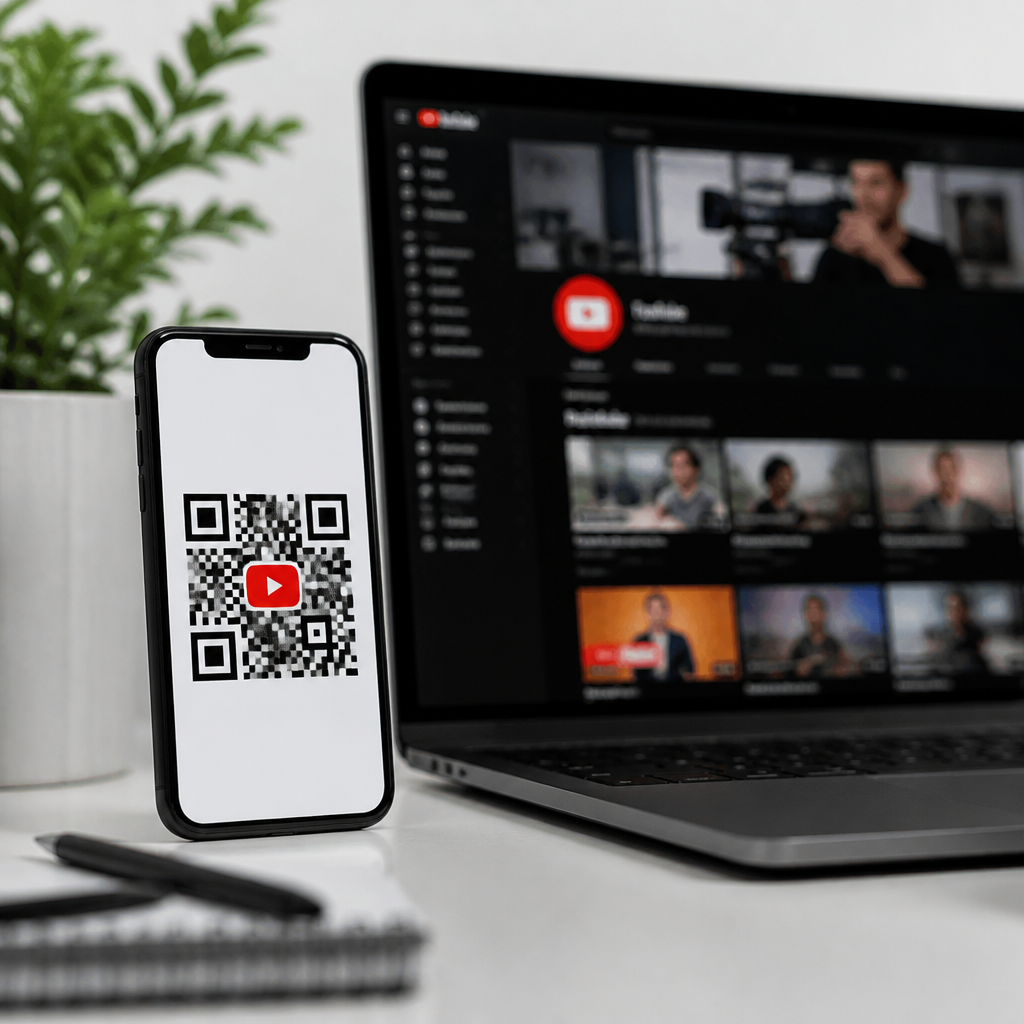
QR codes have become one of the most practical tools for YouTube channel growth because they remove friction between discovery and subscription. A QR code is a scannable two dimensional barcode that sends a person to a destination such as a YouTube channel, a specific video, a playlist, a Shorts feed, or a lead capture page. In social media marketing, friction is any extra step that causes a user to drop off, including typing a URL, searching manually, or navigating through multiple menus. When I have added QR codes to offline campaigns, event signage, product packaging, and creator handouts, scan to subscribe rates consistently outperformed printed links because the path was immediate and mobile first.
This matters because YouTube growth is increasingly influenced by how easily viewers can move from awareness to action. A person who sees your brand at a trade show, in a café, on a retail shelf, or on a podcast slide is often holding a phone already. A well placed QR code converts that attention into measurable behavior in seconds. For marketers building a broader social media presence, QR codes also act as the bridge between physical touchpoints and platform ecosystems. They connect real world impressions with digital intent, support attribution through campaign parameters, and help standardize calls to action across Instagram, TikTok, LinkedIn, Facebook, and YouTube. As a hub topic, QR codes for social media includes channel links, profile aggregators, campaign specific landing pages, and dynamic codes that can be updated without reprinting the asset.
For YouTube specifically, the goal is not just more scans. The goal is qualified scans that lead to subscribers, longer watch time, repeat viewing, and eventually conversions. That means choosing the right destination, designing the code for the context, and measuring outcomes correctly. It also means understanding the difference between static and dynamic QR codes, when to use a direct subscribe link, how to tag URLs with UTM parameters, and how to align creative with channel intent. Done well, QR codes are not a gimmick. They are a reliable acquisition mechanism inside a larger mobile QR code marketing strategy.
How QR codes support YouTube discovery across social media
QR codes support YouTube discovery by turning every social and physical asset into a direct gateway to content. The simplest use case is a code that opens your channel homepage with a subscribe prompt. A stronger use case is a code that opens the exact asset most relevant to the audience segment. At a conference, that might be a playlist of product demos. In a retail environment, it might be a how to video for the product beside the shelf. On Instagram Stories or LinkedIn carousels shown during presentations, a displayed QR code can catch viewers who want to save the content for later on mobile.
This is why QR codes belong in any serious discussion of QR codes for social media. Social platforms are discovery engines, but they do not always make cross platform movement easy. Users may hesitate to leave one app to search another. A scan eliminates that cognitive load. For creators, coaches, B2B brands, local businesses, and ecommerce teams, the code becomes a portable social media connector. It can send viewers to YouTube first, to a link in bio style landing page, or to a campaign page that lists multiple channels while prioritizing video. I have seen this work especially well for service businesses using vehicle wraps, restaurant table tents, direct mail inserts, and event badges where a short video creates trust faster than text.
Best QR code destinations for channel growth
The best QR code destination depends on the action you want next. If your main objective is subscriber growth, link directly to your YouTube channel using the canonical channel URL. If the campaign is educational, use a playlist because playlists improve content continuity and often increase session depth. If the offer is time sensitive, send traffic to a single video with a clear verbal and on screen call to subscribe. If you are nurturing leads, route scans to a landing page that embeds the video and includes an email form, especially when the traffic comes from high intent sources such as packaging inserts or webinar slides.
Use dynamic QR codes whenever possible. A dynamic code points to a short redirect URL that you can update later, which means the printed code stays the same even if the campaign destination changes. This is essential for social media hubs because creative assets often outlive campaign timing. For example, a QR code on a printed brochure can begin by promoting a product launch video, then later redirect to an evergreen playlist. Dynamic platforms such as Bitly, Beaconstac, QR Code Generator Pro, and Uniqode also provide scan analytics by date, device, and location. Pair those insights with YouTube Analytics metrics like subscribers gained, average view duration, and traffic source to judge whether the scans are attracting the right audience rather than just generating volume.
| Use case | Best destination | Why it works |
|---|---|---|
| Trade show booth | Product demo playlist | Visitors compare options quickly and often watch multiple videos |
| Retail packaging | How to video | Reduces post purchase confusion and builds trust after the sale |
| Podcast or webinar slide | Channel subscribe link | Audience already knows the speaker and is primed to follow |
| Restaurant table tent | Shorts series | Fast, mobile friendly content suits waiting time and casual scanning |
| Direct mail campaign | Landing page with embedded video | Supports attribution and lead capture alongside view tracking |
Design, placement, and scanability rules that affect results
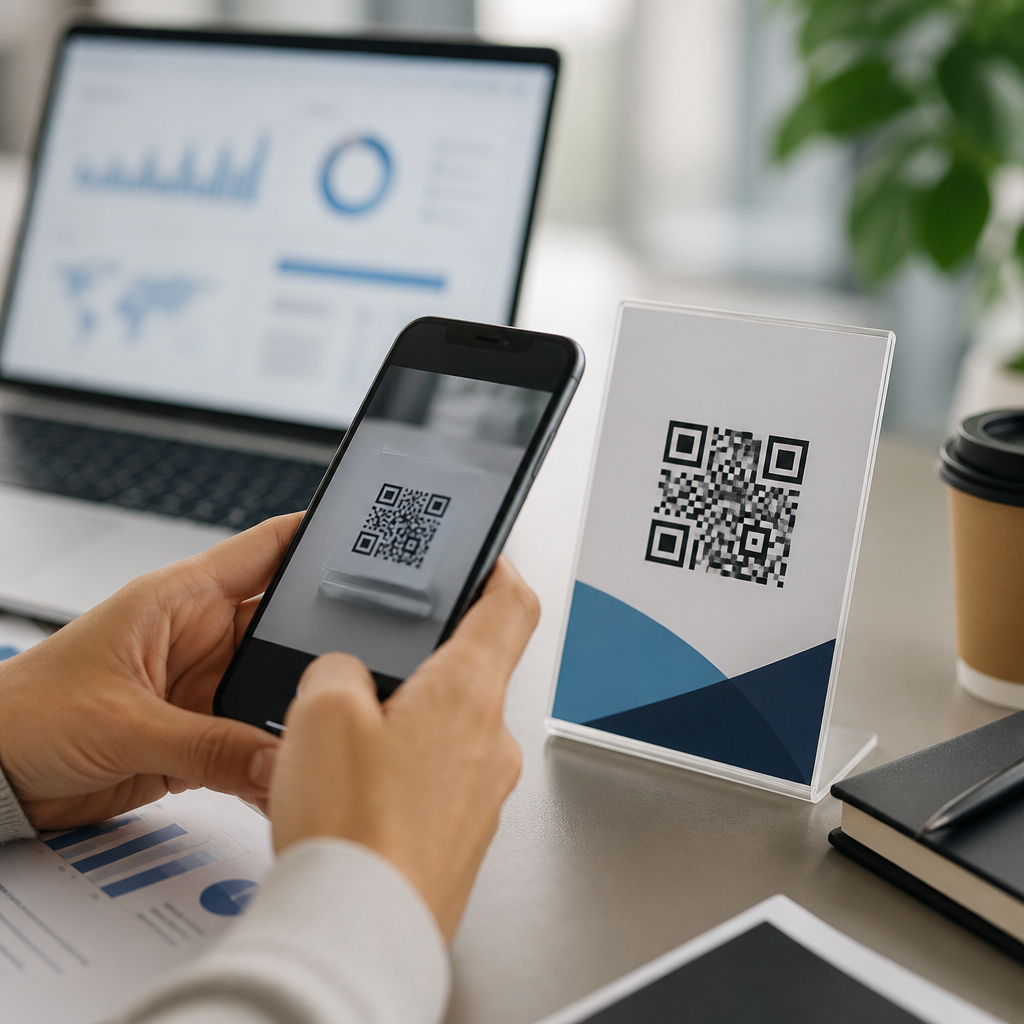
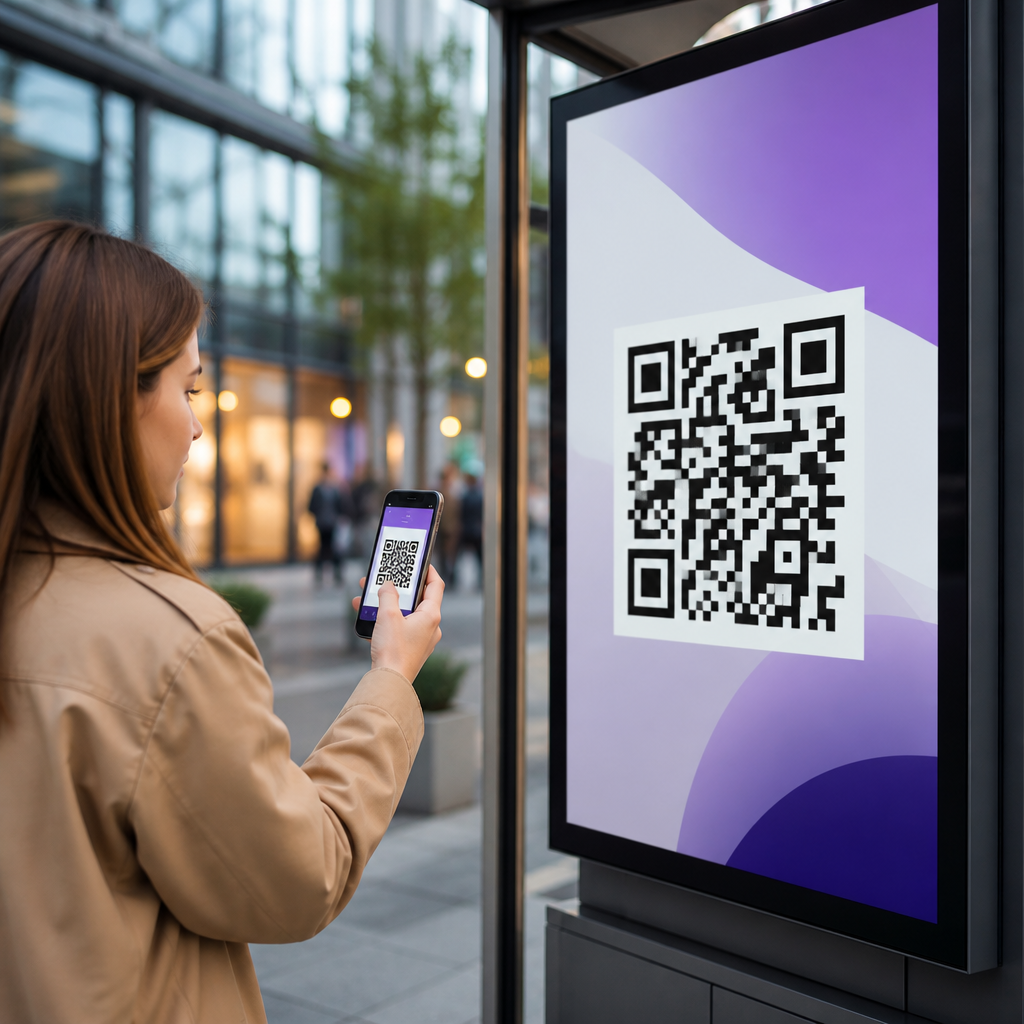
A QR code only helps YouTube channel growth if people can scan it instantly. Follow established print and mobile standards. Keep strong contrast, ideally dark code on a light background. Preserve the quiet zone, the empty margin around the code, because scanners need it to detect boundaries. Avoid placing codes over busy images, reflective materials, or curved surfaces unless you test them under real conditions. A practical sizing rule is roughly one inch for every ten feet of scanning distance, though environment matters. On packaging held in the hand, a code around 0.8 to 1.2 inches can work well. On posters viewed from several feet away, go larger.
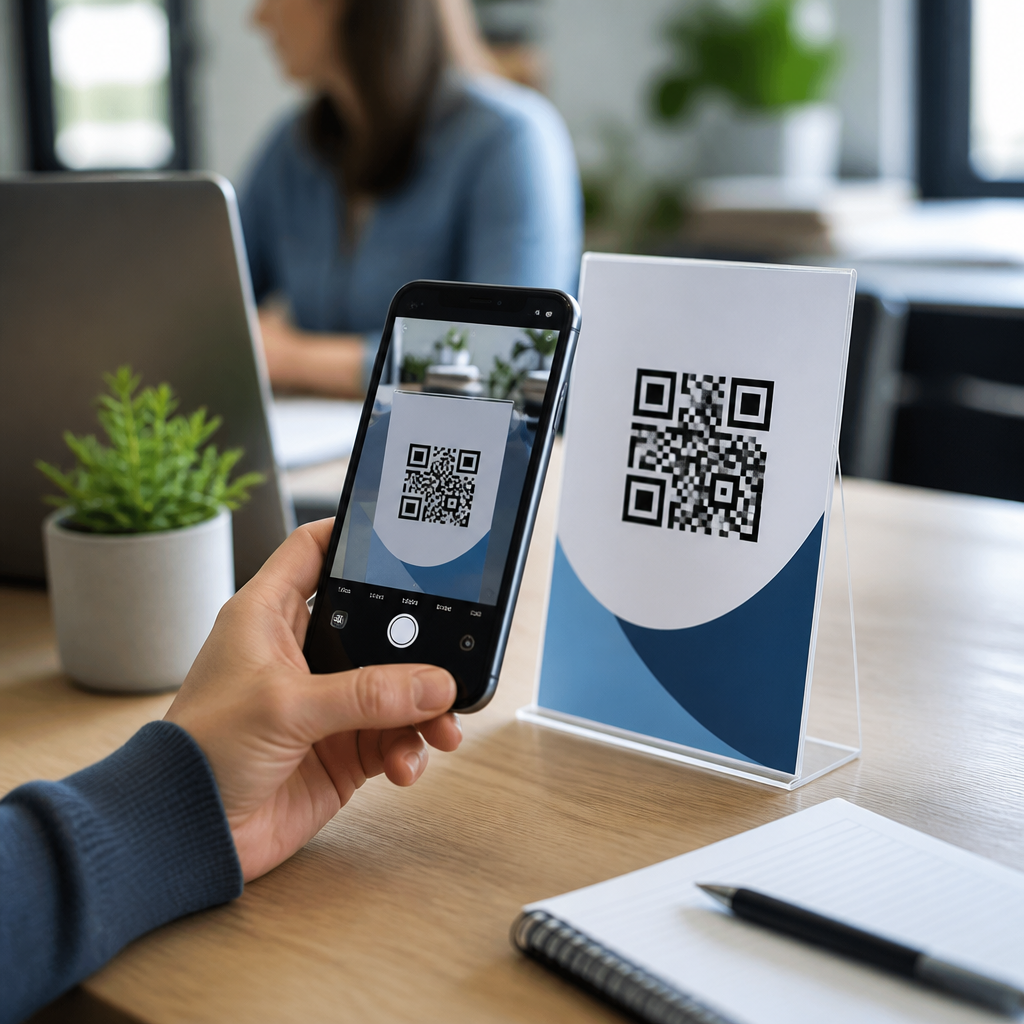
Add a clear call to action next to the code. “Watch the tutorial,” “Scan to subscribe,” or “See the full review on YouTube” consistently beats showing the code alone because users need a reason to act. Brand the destination contextually, not excessively. You can add a frame, logo, or brand colors, but if styling reduces contrast or alters finder patterns, scan rates will drop. I always test on both iPhone and Android using native camera apps, in bright and low light, and from realistic angles. Also test whether the destination opens cleanly inside in app browsers such as Instagram or LinkedIn, where some users will encounter the code after saving an image or viewing it on another device.
Measurement, attribution, and optimization for social media campaigns
Measurement is where many QR code campaigns fail. A scan is only the first event, not the outcome. To track QR codes for YouTube channel growth properly, append UTM parameters to the destination URL so Google Analytics can separate campaigns by source, medium, and creative. Use naming conventions that describe the asset precisely, such as source=packaging, medium=qr, campaign=summer_launch, content=box_insert_a. In YouTube Studio, watch for lifts in subscribers, returning viewers, watch time, and top content during the same period. If the destination is a landing page, monitor click through rate to YouTube, form completion, and scroll depth.
Optimization should focus on message match. If scans are high but watch time is low, the code promise and video content are misaligned. If watch time is solid but subscribers do not increase, the video likely lacks a compelling subscribe ask or the channel branding is unclear. If scans are weak, test placement, size, contrast, and incentive before changing the destination. For social media hub strategy, compare QR codes that point directly to YouTube against codes that open a profile aggregator. Direct links usually win when the objective is immediate viewing. Aggregator pages win when the audience may prefer another platform or when the campaign needs to support multiple social destinations at once.
Common mistakes and strategic ways to expand beyond one channel
The most common mistake is treating every QR code the same. A code on business cards, event backdrops, checkout counters, and shipping inserts should not all point to the same place. Context should determine destination. Another mistake is sending users to a generic channel with no onboarding path. New visitors need a featured video, organized playlists, clear thumbnails, and channel art that explains the value quickly. A third mistake is ignoring lifecycle. Someone scanning after purchase needs support content, while someone scanning from a street poster may need a short, entertaining introduction before committing to subscribe.
As the hub for QR codes for social media, this topic naturally expands into adjacent tactics. Brands often pair YouTube QR codes with Instagram follow codes, TikTok profile links, review request pages, and link in bio landing pages. The strategic principle is simple: use the destination that best matches audience intent at that moment. YouTube is usually strongest when demonstration, education, credibility, or storytelling is required. Start with one measurable use case, deploy a dynamic code, tag it correctly, test the scan experience, and review results weekly. If your goal is sustainable channel growth, add QR codes wherever offline attention already exists, then turn those scans into subscribers with relevant videos and clear next steps.
Frequently Asked Questions
How do QR codes help grow a YouTube channel faster?
QR codes help grow a YouTube channel by removing unnecessary steps between interest and action. Instead of asking someone to open YouTube, type in a channel name, sort through similar results, and then find the correct subscribe button, a QR code takes them directly to the exact destination you choose. That destination can be your channel homepage, a featured video, a playlist, a Shorts feed, or even a landing page designed to introduce your content before sending visitors to YouTube.
This reduction in friction matters because every extra click or search creates an opportunity for people to abandon the process. In marketing, even small delays can lower conversion rates. A QR code simplifies discovery into a single scan, which is especially powerful in offline environments such as product packaging, business cards, posters, event signage, storefronts, presentation slides, direct mail, and merchandise. When a person is already curious in the moment, scanning is much easier than remembering a channel name for later.
QR codes also support more intentional traffic strategies. For example, if you are promoting tutorials, you can link to a playlist instead of a general channel page. If your goal is subscriber growth, you can direct users to your main channel with clear branding and a compelling reason to subscribe. If your goal is watch time, you can send them to a high-retention video that introduces your best content. In other words, QR codes do not just create traffic; they help shape the user journey in a way that aligns with your growth objective.
What should a YouTube QR code link to for the best results?
The best destination depends on the stage of the audience journey and the result you want to generate. If the person already knows your brand and simply needs an easy way to subscribe, linking directly to your YouTube channel is often the most effective option. This works well for repeat exposure points such as packaging inserts, checkout counters, event booths, or printed marketing materials where the goal is long-term channel awareness.
If the audience is unfamiliar with you, sending them to a specific video or playlist can often perform better than dropping them onto a general channel page. A strong introductory video can communicate your value quickly, demonstrate your content quality, and motivate viewers to continue watching. A playlist is especially useful when your content is topic-based because it keeps viewers moving through related videos, which can increase session time and encourage deeper engagement. For creators focused on Shorts, a QR code that points to a Shorts feed can be a smart fit for audiences more likely to consume quick, mobile-first content.
In some campaigns, the highest-converting destination is not YouTube first, but a landing page. This is common when you want to capture leads, explain an offer, or give visitors a choice between watching a video, subscribing, joining an email list, or following another platform. The main rule is strategic alignment: send people to the destination that best matches their level of awareness and your campaign goal. If your objective is immediate subscriptions, keep it direct. If your objective is education and trust-building, start with your best content. If your objective is lead generation alongside channel growth, use an intermediate page.
Where should you place QR codes to get more YouTube subscribers?
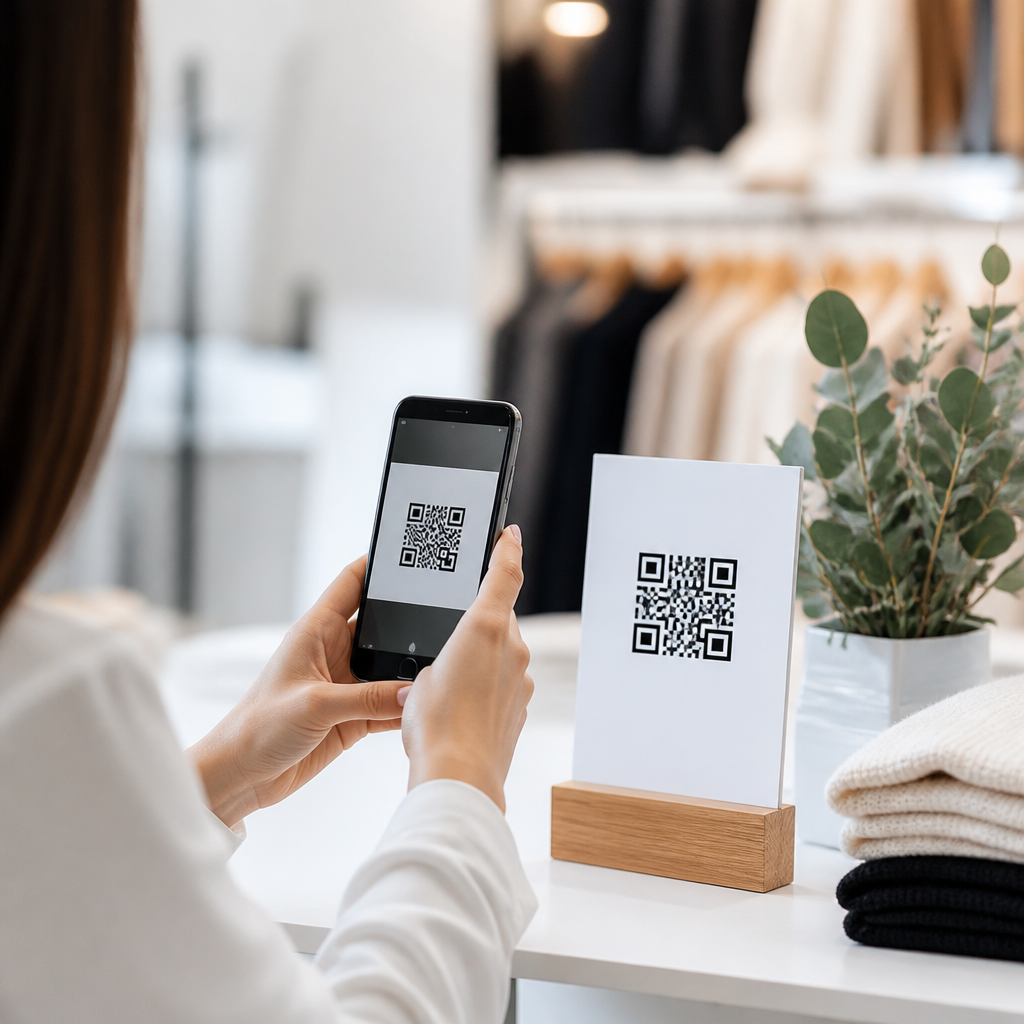
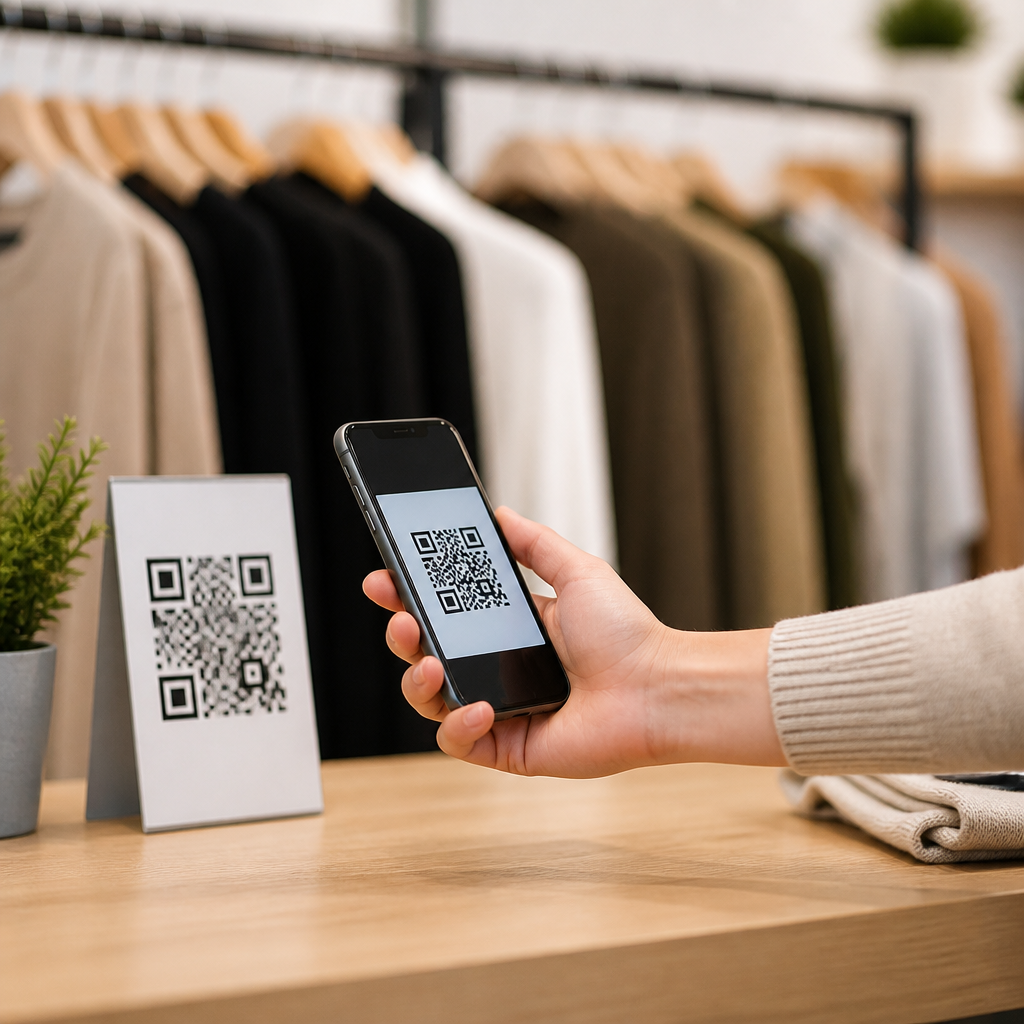
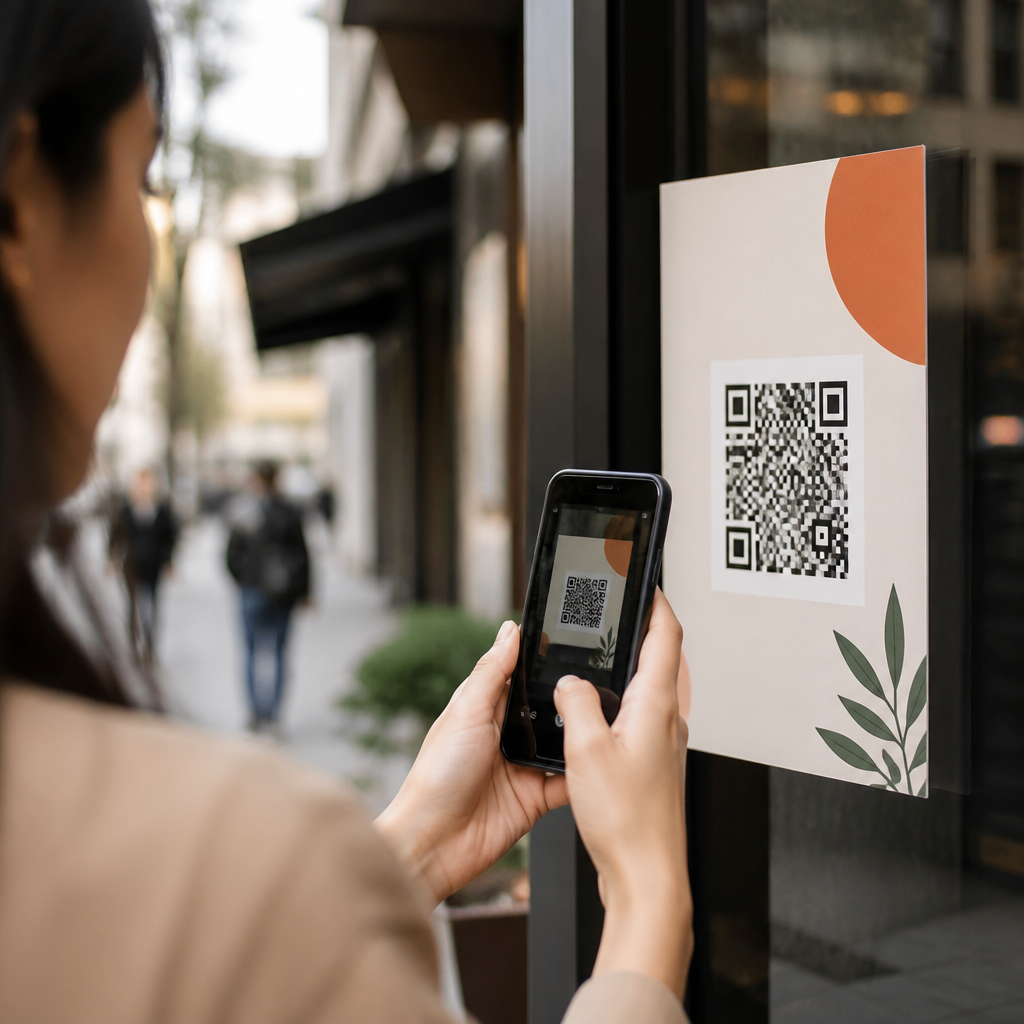
The most effective placements are locations where attention already exists and where scanning feels natural. Physical touchpoints are especially valuable because QR codes bridge offline attention into online action. Strong examples include product packaging, shipping inserts, storefront windows, conference booths, brochures, table tents, menus, business cards, vehicle wraps, posters, classroom materials, and presentation decks. In these situations, the person is already engaged with your brand, product, or message, so the QR code becomes a convenient next step rather than an interruption.
Placement context matters just as much as visibility. A QR code should appear where the user has enough time and motivation to scan it. For example, a code on a trade show display can work well because attendees are actively exploring. A code on packaging can perform strongly because customers already have a relationship with the brand. A code in a waiting area, lobby, or checkout line may also convert well because people have a few spare seconds and are open to engaging with content. By contrast, placements that are hard to scan quickly or appear without explanation often underperform.
To improve subscriber conversions, pair the QR code with a clear call to action. Instead of showing only the code, add language such as “Scan to subscribe for weekly tutorials,” “Watch the full demo on YouTube,” or “Scan to see behind-the-scenes Shorts.” This tells users exactly what they will get and why it is worth their time. Good design also matters: make sure the code is large enough to scan easily, has strong contrast, includes quiet space around it, and is tested on multiple devices. A QR code is most effective when it is not only visible, but purposeful, relevant, and easy to use in the moment.
Can you track the performance of a QR code used for YouTube marketing?
Yes, and tracking is one of the biggest advantages of using QR codes strategically. If you use a dynamic QR code, you can typically measure scans over time, device types, approximate locations, and campaign-specific performance depending on the platform you use. This gives you insight into where people are engaging and which placements deserve more investment. For instance, you may discover that packaging inserts generate far more scans than flyers, or that one event booth design significantly outperforms another.
You can also improve your measurement by combining QR code analytics with destination-level tracking. One common method is to use tagged URLs or campaign parameters when linking to a landing page or other web property before sending users to YouTube. This helps you attribute traffic by source, medium, placement, or campaign. While native YouTube tracking may not always show every offline interaction in a perfectly granular way, using structured links and campaign naming conventions can still provide useful visibility into how QR-driven traffic contributes to video views, session starts, clicks, and downstream subscriber behavior.
The key is to define success before launching the code. Are you measuring raw scans, video views, subscriber conversions, watch time, lead captures, or a mix of these? Different goals require different tracking setups. If your aim is channel growth, do not stop at scan counts. A high-scan QR code is not automatically a high-performing one if viewers leave immediately after landing. The most useful analysis connects the scan to meaningful engagement. Testing different destinations, calls to action, designs, and placements will help you identify which QR code campaigns are actually producing qualified YouTube traffic and sustainable channel growth.
What are the best practices for creating a QR code campaign for YouTube channel growth?
Start by choosing one primary objective for the campaign. Many QR code efforts underperform because they try to do too much at once. Decide whether the goal is to increase subscribers, promote a specific video, boost playlist views, drive Shorts consumption, or capture leads before directing people to YouTube. Once the objective is clear, create a destination that matches it precisely. Do not send people to a generic page if a more focused destination would better support the action you want them to take.
Next, make the value proposition obvious. People are more likely to scan when they understand the benefit immediately. Use concise, action-driven copy near the QR code that explains what they will get, such as expert tips, exclusive tutorials, product demos, behind-the-scenes content, or episode updates. The message should match the audience and placement. Someone seeing your QR code on a product insert may respond well to setup videos or how-to guidance, while someone at a live event may be more interested in highlights, interviews, or recap content.
Technical execution is equally important. Use a high-quality code with strong contrast and adequate size, and always test it on different phones and under different lighting conditions. Prefer dynamic QR codes when possible so you can update the destination later without reprinting materials. Make sure the landing experience is mobile-friendly, fast, and relevant, since most scans happen on mobile devices. If you are linking directly to YouTube, verify that the destination opens correctly in the app or browser and that the user can quickly understand what to do next.
Finally, treat QR code marketing as an ongoing optimization process rather than a one-time tactic. Test multiple placements, destination types, and calls to action. Compare whether your audience responds better to “Scan to subscribe,” “Scan to watch,” or “Scan to learn.” Evaluate which content formats generate the strongest post-scan engagement. Over time, the highest-performing QR campaigns are usually the ones built on strong audience intent, clear messaging, easy scanning, and disciplined measurement. When used this way, QR codes become more than a shortcut; they become a reliable channel growth tool that connects real-world attention to meaningful YouTube engagement.