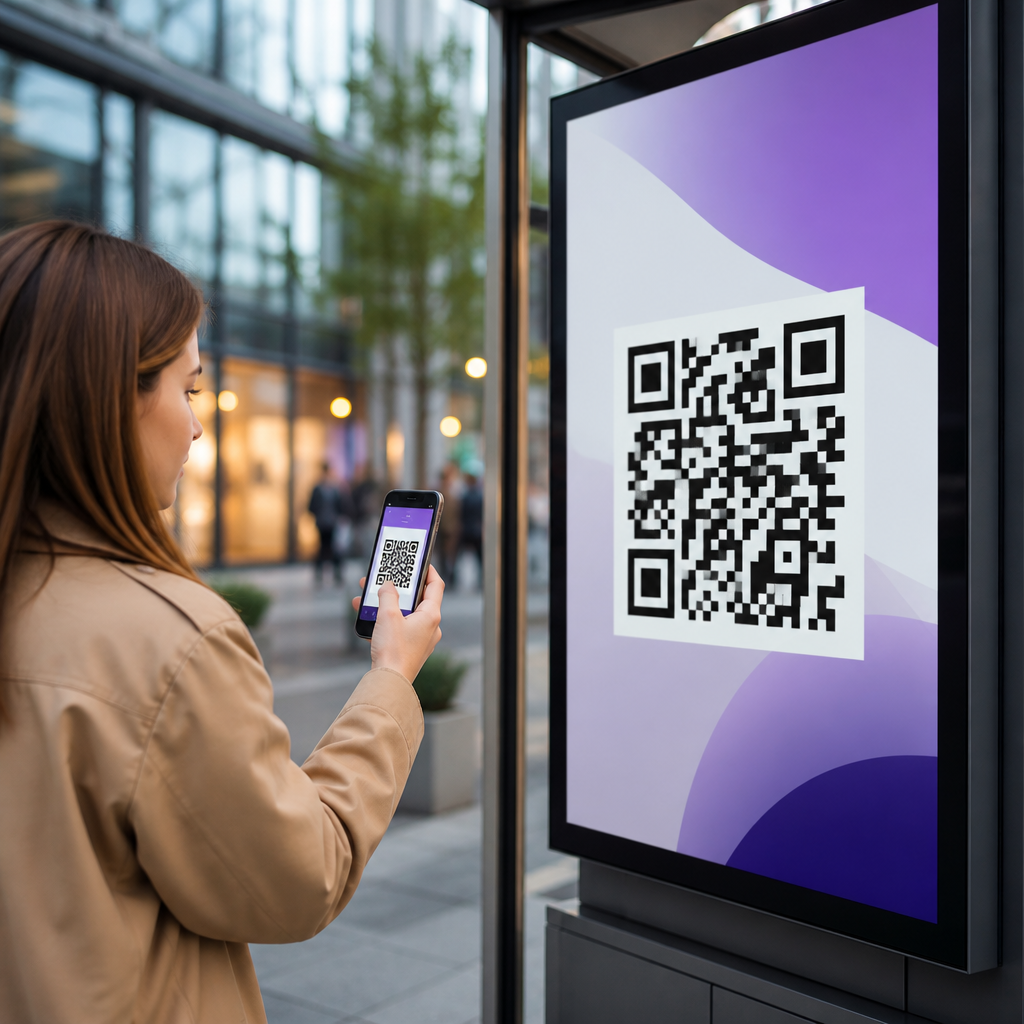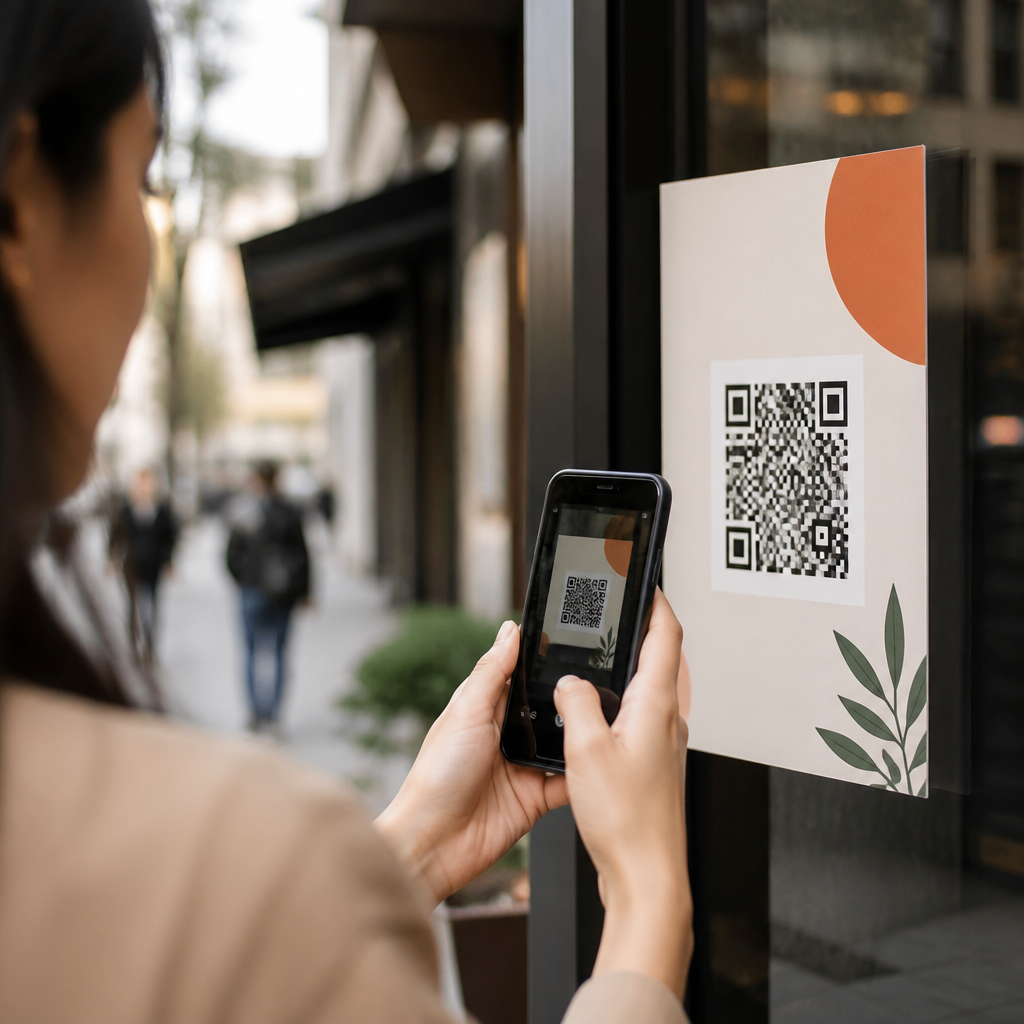
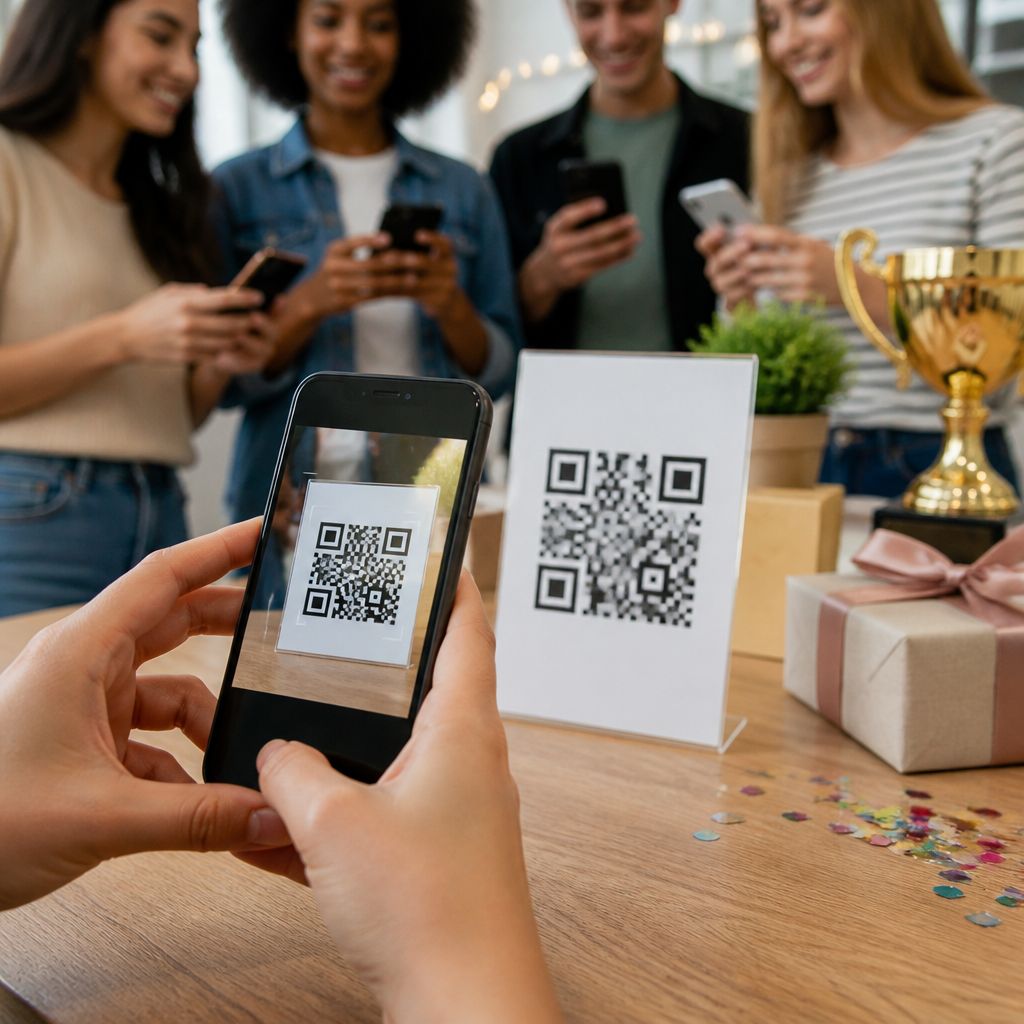
QR codes for social media contests turn offline attention into measurable online participation by giving people a fast way to enter, follow, share, or submit user-generated content with a smartphone scan. In practice, I have used them on posters, product packaging, event signage, receipts, and in-store displays to remove friction from entry mechanics that usually lose participants at the first extra step. A QR code is a scannable matrix barcode that opens a destination such as a landing page, Instagram profile, TikTok challenge page, Facebook form, or campaign microsite. A social media contest is a promotional campaign that asks users to complete an action for a chance to win, often following a brand account, posting content, voting, or tagging friends. Pairing the two matters because attention spans are short, mobile usage is dominant, and campaigns live or die on ease of participation, attribution, and compliance. When executed well, QR-driven contests increase scan volume, grow owned audiences, simplify cross-channel promotion, and create cleaner reporting than generic “visit our profile” calls to action.
As a hub topic within mobile QR codes for marketing, QR codes for social media covers more than a single tactic. It includes platform selection, destination design, incentive structure, analytics, legal disclosures, fraud prevention, creative production, and post-campaign optimization. Marketers often assume the code itself does the work, but performance depends on the experience after the scan. A code leading straight to an app profile may help follower growth, while a code leading to a mobile landing page can collect consent, explain rules, and route users to multiple networks. The right setup depends on campaign goals, whether that is awareness, audience growth, engagement, content creation, lead capture, or retail footfall. This article explains how to choose the contest model, where to place codes, what metrics matter, and how to build campaigns that are easy for users and defensible for brands.
How QR Codes Power Social Media Contests
The core advantage of using QR codes for social media contests is reduced friction. Instead of asking someone to search for a brand handle, find a post, and interpret entry instructions, a scan can take them directly to the exact action required. That action might be an Instagram giveaway post, a TikTok hashtag challenge page, a YouTube Shorts submission form, or a branded landing page that lists all valid entry steps. Dynamic QR codes are usually the better choice because they let marketers change the destination after printing and capture scan analytics such as time, device type, and location trends. Static codes work for permanent destinations, but they are limiting when campaign timelines, legal copy, or network priorities shift.
Contest mechanics generally fall into five categories. First is follow-to-enter, where the code opens a profile or landing page with a follow confirmation step. Second is engagement-to-enter, where users like, comment, vote, or answer a prompt. Third is user-generated content, where they post a photo or video using a campaign hashtag. Fourth is referral-based participation, where entrants share a link or code to earn bonus entries. Fifth is data capture tied to social actions, where a scan opens a form that records consent, eligibility, and optional lead information before directing users to complete the social step. I have found the best-performing campaigns make the first action possible within ten seconds of scanning and the full rules visible within one additional tap.
Choosing the Right Destination and Platform
Not every network handles contest traffic equally well, and the destination should match the user’s context. If the audience is standing in a retail aisle, a lightweight mobile landing page often outperforms a direct app link because it loads predictably, displays concise instructions, and can offer buttons for Instagram, TikTok, Facebook, or X based on user preference. If the campaign is event-based and participation centers on one specific platform, a direct deep link can work, provided the app behavior is tested on iOS and Android. Instagram remains strong for visual giveaways and creator partnerships, TikTok excels for challenge-based reach, Facebook still works for broad demographics and community voting, and Pinterest can support save-to-enter mechanics for lifestyle brands. LinkedIn contests are possible but require care because professional audiences are less receptive to low-value prize promotions.
A useful decision rule is this: send traffic to a profile only when the goal is pure follower growth, send traffic to a post when the goal is engagement on a specific asset, and send traffic to a landing page when the goal includes explanation, qualification, measurement, or multi-platform choice. Link-in-bio tools such as Linktree, Beacons, and Later can support quick deployment, but branded landing pages usually provide better analytics and clearer governance. For tracking, append UTM parameters to destination URLs and align them with analytics in Google Analytics 4, Adobe Analytics, or your campaign dashboard. If the prize is high value or age restricted, use a landing page first so eligibility checks and official rules are not buried inside a social caption.
Campaign Formats That Work Best
QR codes are flexible, but some contest formats consistently outperform others because they balance simplicity with visibility. Instant win campaigns work well in stores and at live events because the scan creates immediate excitement and the entry path is short. Hashtag challenges work best when the reward is meaningful and the prompt is easy to imitate, such as showing how a product is used, styled, or transformed. Vote-to-win campaigns can generate repeat visits, especially for schools, nonprofits, or community events, but they need anti-abuse controls. Photo booth and experiential activations are excellent for QR entry because the audience is already present, emotionally engaged, and holding a phone.
| Contest format | Best use case | QR destination | Main metric |
|---|---|---|---|
| Follow and comment | Fast audience growth | Specific social post | Follower conversion rate |
| Hashtag UGC challenge | Reach and content creation | Landing page with rules | Qualified submissions |
| Instant win | Retail and events | Mobile microsite | Scan-to-entry rate |
| Vote-based contest | Community engagement | Voting page | Repeat participation |
| Referral contest | List growth and sharing | Entry page with unique link | Entries per participant |
Prize selection matters as much as format. Generic prizes like tablets or gift cards can inflate low-quality entries from people who will never buy the product. Product-relevant rewards attract better participants and produce stronger downstream metrics. A beauty brand should offer a routine bundle, early access, or a consultation; a restaurant should offer a tasting event; a fitness studio should offer memberships or class packs. In campaigns I have audited, relevance almost always beats raw prize value when the goal is long-term audience quality. The rules should also define how winners are selected, notified, and verified, including deadlines, alternate winners, and geographic restrictions.
Creative Placement, Mobile Experience, and Measurement
Where the QR code appears strongly affects scan volume. High-performing placements include point-of-sale displays, shelf talkers, product packaging, window clings, conference badges, trade show booths, table tents, direct mail, receipts, and out-of-home ads placed where people have time to stop. The code needs contrast, quiet space, and a clear call to action that states the benefit, not just “scan me.” “Scan to enter our TikTok challenge and win a year of coffee” outperforms a vague prompt every time. For print, I recommend testing size and distance based on context; a code on packaging can be smaller than one on a wall poster viewed from several feet away. Always include a short fallback URL for accessibility and for users whose devices or camera permissions fail.
After the scan, the mobile experience should load quickly, explain the contest in plain language, and keep the primary action above the fold. Use concise copy, platform icons, clear deadlines, official rules links, and privacy disclosures where data is collected. If there are multiple steps, show them as numbered actions. If the social network requires app sign-in, warn users before redirecting. Measurement should include more than scan count. Track scan-to-load rate, load-to-entry conversion, completed entries, follower lift, engagement rate, cost per entry, qualified submission rate, and post-campaign retention. QR platforms such as Bitly, QR Code Generator PRO, Flowcode, and Uniqode can provide scan data, while GA4 and native social analytics reveal downstream behavior. The strongest reporting compares placements and creatives so you can see whether packaging, in-store signage, creator shoutouts, or event materials produced the most valuable participants.
Compliance, Moderation, and Common Mistakes
Every social media contest using QR codes must account for legal and platform-specific rules. Promotions laws vary by country and state, especially around no-purchase-necessary language, age limits, prize disclosures, odds statements, and registration or bonding for high-value sweepstakes in some jurisdictions. In addition, each platform has promotional guidelines that govern how entries may be collected and how brands can reference the network. For example, asking for tags or shares may be limited or discouraged depending on the platform and the exact mechanic. That is why a rules page linked from the QR destination is essential. It should identify the sponsor, eligibility, start and end times, winner selection method, notification process, and privacy terms.
Moderation and fraud control are equally important. Public contests attract duplicate accounts, bot comments, copied UGC, and vote manipulation. Practical safeguards include email verification on landing-page entries, rate limiting, CAPTCHA, unique referral tracking, moderation queues for UGC, and audit logs for winner selection. Common mistakes include sending all scans to a homepage, using static codes for time-sensitive campaigns, omitting rules, printing low-contrast codes, and evaluating success only by impressions. Another frequent error is building a contest around the brand’s preferred platform instead of the audience’s actual behavior. The best campaigns respect user context, reduce effort, and measure what happens after the scan. If you are building out your mobile QR marketing program, start with one tightly scoped social contest, instrument every step, and use the results to guide your next campaign.
Frequently Asked Questions
How do QR codes improve participation in social media contests?
QR codes improve participation by removing the extra steps that usually cause people to abandon a contest before they enter. Instead of asking someone to manually type a long URL, search for a brand profile, or remember instructions they saw on a poster or package, a single scan takes them directly to the exact action you want them to complete. That might be an entry form, a social follow page, a post submission page, a landing page with rules, or a campaign hub that explains how to participate. In real-world promotions, that speed matters because attention is limited, especially in stores, at events, or in public spaces where people are moving quickly.
They also create a stronger connection between offline marketing and online engagement. A person can discover your contest on product packaging, receipts, window signage, table tents, or event banners and immediately convert into a measurable participant on social media. That makes QR codes especially useful for brands that want to turn foot traffic, packaging exposure, or event attendance into follows, shares, hashtag usage, or user-generated content submissions. Because the scan itself is trackable, marketers can often measure which placements, dates, and creative versions are driving the most activity, which adds a layer of performance insight that traditional print calls to action usually lack.
What should a QR code for a social media contest link to?
The best destination depends on the contest structure, but in most cases the QR code should lead to the simplest possible page that helps users complete the intended action immediately. For many campaigns, that means a mobile-optimized landing page that explains the prize, eligibility, deadlines, and entry steps in clear language. From there, participants can tap through to follow your account, upload content, enter a form, or view official rules. Sending people straight to a social platform can work, but it is often more effective to first route them through a dedicated page where you control the messaging, branding, and tracking.
A good landing page should answer the questions that typically slow users down: what they can win, how to enter, when the contest ends, whether a purchase is required, and what kind of content or action is needed. If the contest relies on user-generated content, the page should include examples, hashtag instructions, content guidelines, and a prominent submission button or platform link. If the goal is follower growth, the page can present direct buttons for Instagram, TikTok, Facebook, YouTube, or another network, depending on where the campaign is being run. The main principle is consistency between the QR placement and the destination. If someone scans a code on in-store signage promoting a photo challenge, the page should instantly confirm that they are in the right place and show exactly how to participate without unnecessary clicks.
Where should businesses place QR codes for the best contest results?
High-performing placements are usually the ones that capture people when they are already paying attention to your brand. Product packaging is one of the strongest options because it reaches customers at the point of purchase or during product use, when interest is naturally high. In-store displays, shelf talkers, checkout counters, receipts, and bag inserts are also effective because they turn retail traffic into digital engagement. At events, QR codes on banners, booths, badges, screens, and printed handouts can make it easy for attendees to enter contests on the spot rather than promising to do it later and forgetting.
The best placements also match the contest incentive and audience behavior. If your promotion is tied to a live experience, event signage and venue materials make sense. If it is tied to product ownership or repeat purchase, packaging and receipts are ideal. If the goal is to encourage social sharing, place the code where people are likely to pause, scan, and act with their phones in hand. Visibility matters too. The code should be large enough to scan easily, placed in good lighting, and paired with a clear call to action such as “Scan to Enter,” “Scan to Follow and Win,” or “Scan to Submit Your Photo.” Businesses often underperform with QR campaigns not because the idea is weak, but because the code is hidden, poorly explained, or placed where scanning feels inconvenient.
How can you track the success of a QR code social media contest?
Tracking starts with using a unique QR code or unique destination URL for each placement, channel, or creative variation. That allows you to compare performance across posters, packaging, receipts, store displays, event materials, or regional locations. When someone scans, you can measure the number of visits, the time and date of scans, the device type, and in many cases the location or source context depending on the tools you use. If the QR code leads to a landing page, you can also track click-throughs to social platforms, form completions, submission rates, and conversion percentages.
For a complete view, connect scan data with contest outcomes. Look beyond raw scan volume and evaluate how many scanners actually followed your account, posted with the campaign hashtag, submitted user-generated content, or completed the official entry process. This is where campaign structure matters. Use UTM parameters, event tracking, platform analytics, and conversion goals so you can attribute actions accurately. If one in-store display drives fewer scans than a product package but produces more completed entries, that placement may still be more valuable. Strong measurement helps you optimize both the creative and the distribution strategy, turning QR codes from a convenience feature into a reliable acquisition and engagement channel.
What are the most important best practices for running a social media contest with QR codes?
The first best practice is to make the experience mobile-first from beginning to end. Since the contest starts with a smartphone scan, the destination must load quickly, look clean on small screens, and require as little effort as possible. Keep the instructions short, the buttons obvious, and the entry steps limited. Every additional field, page, or confusing instruction reduces participation. It is also important to tell people exactly what happens after they scan. A strong call to action next to the code increases confidence and improves scan rates because users know whether they are entering to win, following an account, uploading content, or reading rules.
The second major best practice is to combine usability with compliance and branding. The QR code should be tested across multiple phones, browsers, and lighting conditions before launch. The landing page should clearly state eligibility, timing, prize details, terms, and any platform-specific disclosures needed for the contest. If you are collecting user-generated content, explain how entries will be used and what content standards apply. Visually, the code should fit the campaign design without sacrificing readability; branded QR codes can work well, but only if the scan performance remains strong. Finally, use dynamic QR codes when possible so you can update the destination, fix issues, or refine campaign flows without reprinting materials. That flexibility is extremely valuable in live promotions where speed, clarity, and measurement all affect final results.