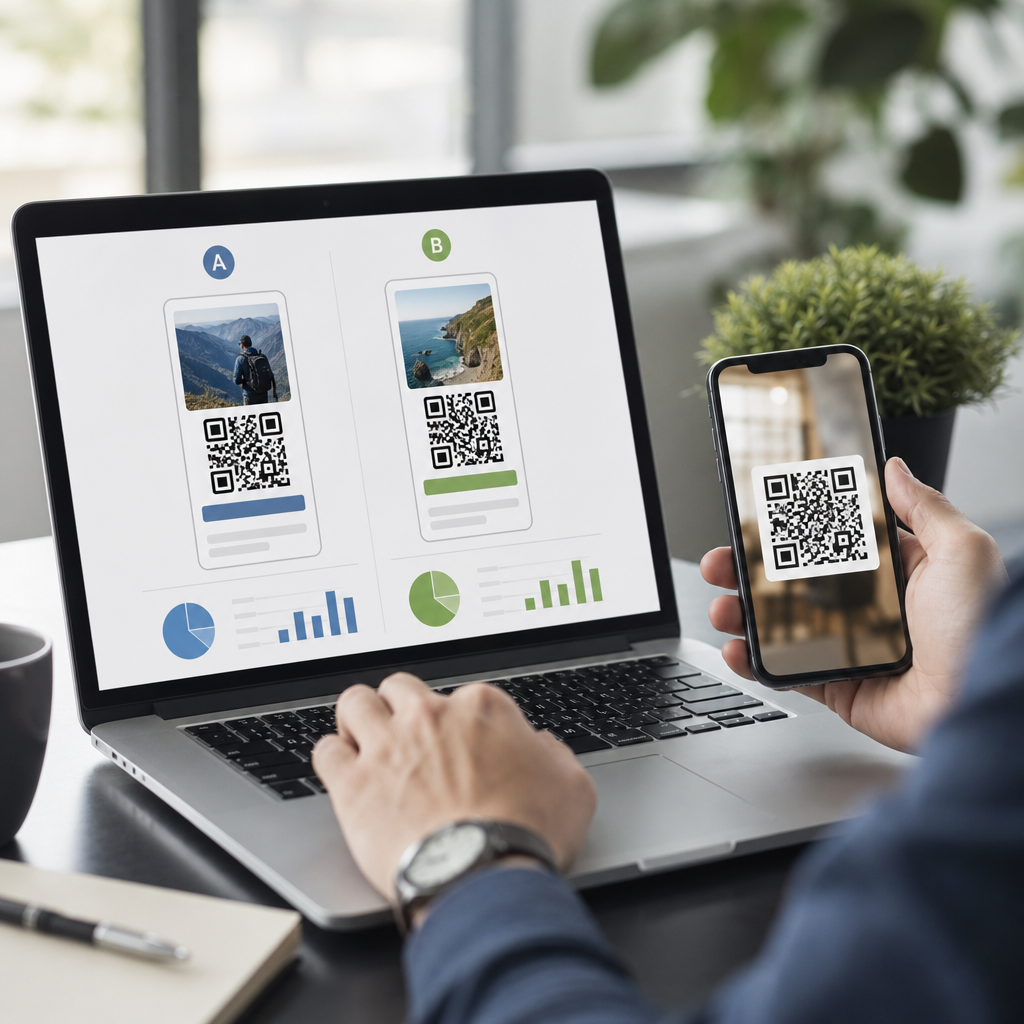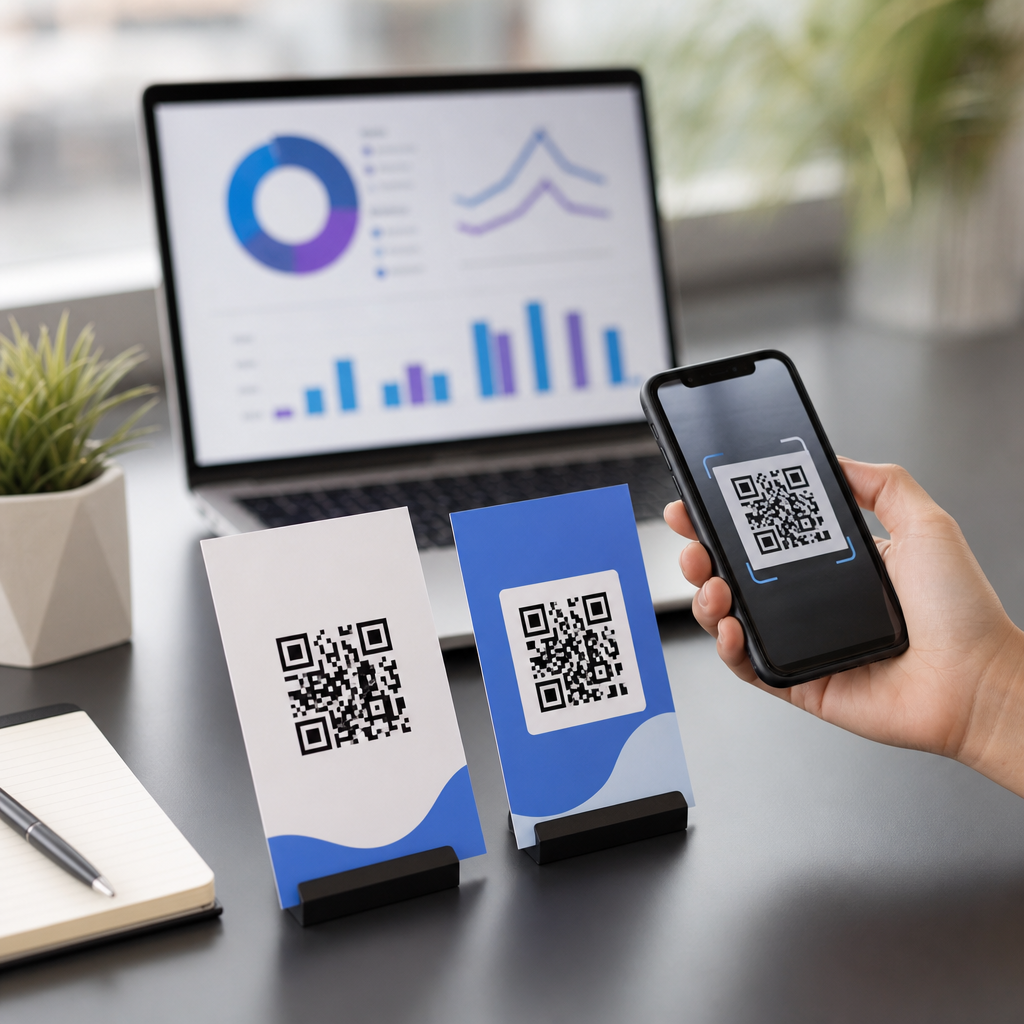
QR codes for personalized offers and discounts turn a simple scan into a targeted marketing interaction that reflects who a customer is, what they have bought, and where they are in the buying journey. In practice, QR code personalization means connecting a scan to rules, data, and content so that two customers can scan similar-looking codes and receive different promotions, landing pages, or loyalty incentives. I have implemented these campaigns for retailers, restaurants, and service brands, and the pattern is consistent: generic QR campaigns produce attention, but personalized QR campaigns produce measurable conversion lift because the offer feels relevant. This matters because consumers now expect promotions to match their interests, while brands need better attribution across print, packaging, in-store signage, direct mail, and digital touchpoints. Personalized QR offers bridge offline media and live customer data. They also support stronger segmentation, cleaner testing, and more efficient discounting, since brands can reserve their deepest incentives for high-value or at-risk customers instead of broadcasting the same coupon to everyone.
At a technical level, most personalized QR code programs rely on dynamic QR codes, unique identifiers, redirect rules, and analytics. A static code points to one fixed destination and cannot be updated after printing. A dynamic code points to a short URL or redirect service, allowing marketers to change the destination, append UTM parameters, apply geolocation logic, or swap content by audience segment without replacing the printed asset. Personalization can be simple, such as showing a first-time customer 10% off while showing a loyalty member a bundle upgrade. It can also be advanced, such as pulling inventory by store, assigning single-use coupon codes, or using CRM data from HubSpot, Salesforce, Klaviyo, or Braze to deliver individualized landing pages. For an advanced QR code strategy, this subtopic sits at the center because it connects code generation, segmentation, customer experience, campaign measurement, privacy compliance, and promotion economics into one operational system.
How QR code personalization works in real campaigns
Personalized QR code campaigns work by linking the scan event to a decision engine. The code itself may be unique per customer, unique per channel, or shared across a segment, but the destination is determined after the scan based on available context. Common inputs include referral source, device type, geography, purchase history, loyalty tier, campaign date, and whether the scanner is already known through a logged-in session or matched profile. In one retail mailer campaign I managed, each postcard carried a customer-specific dynamic QR code. Returning VIP buyers landed on a page with early access to new products and a threshold-based gift-with-purchase offer, while lapsed buyers saw a stronger reactivation discount with a shorter expiration window. Because every scan was tied to a CRM record, the team could attribute revenue to each mail drop, creative variant, and customer segment.
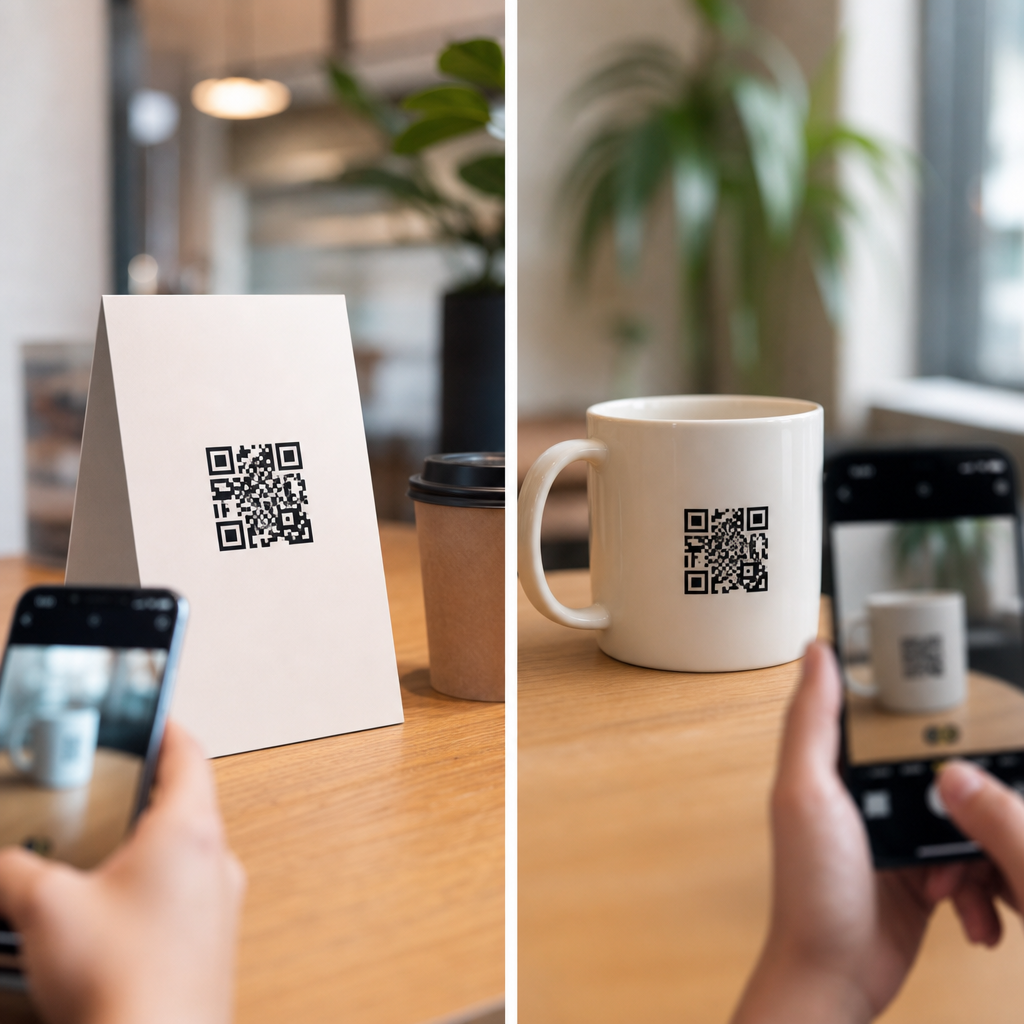
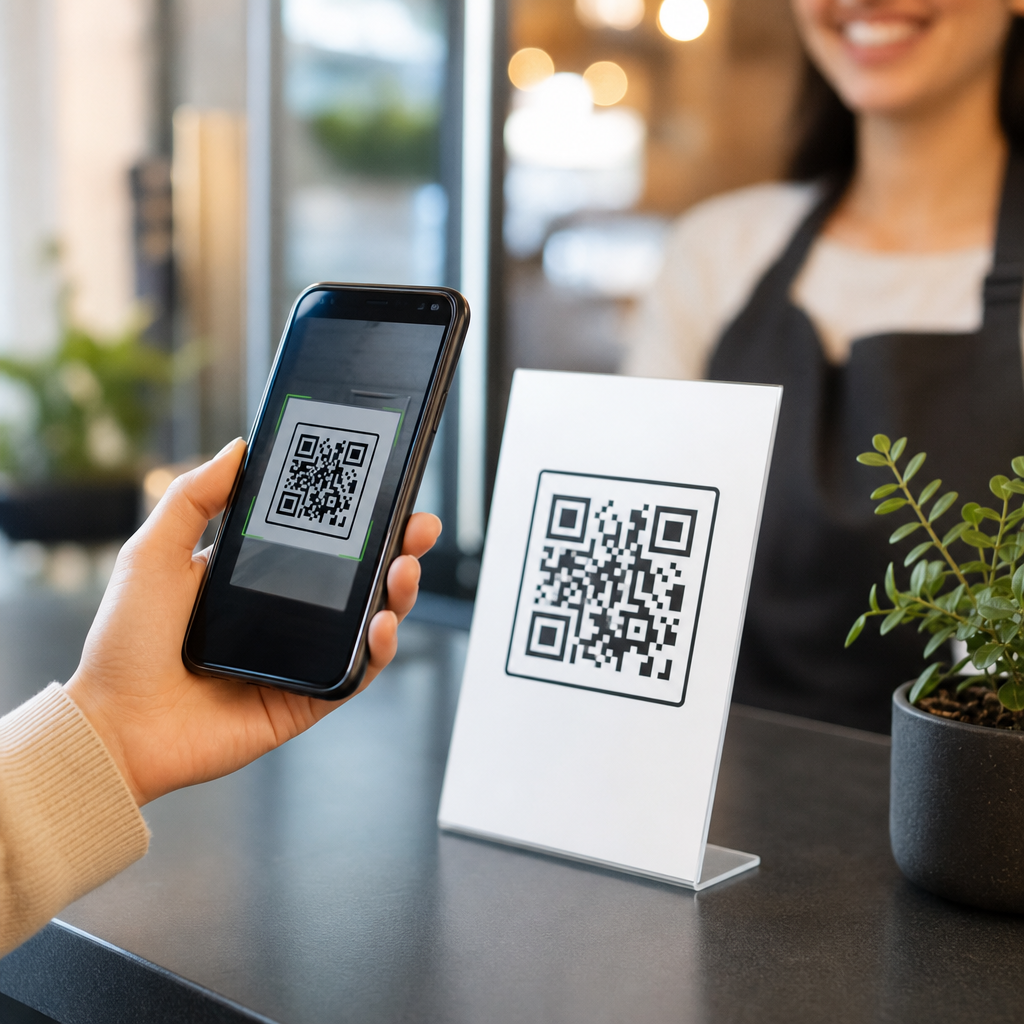
This model also works well in stores. Shelf talkers, fitting-room signs, receipts, and product packaging can all carry QR codes that adapt to the person scanning. A grocery brand might route new shoppers to a recipe plus introductory coupon, then route repeat buyers to a multi-buy savings offer. A hotel can place room QR codes that trigger personalized spa, dining, or late-checkout incentives based on guest profile data and stay length. Restaurants often use personalized QR codes in loyalty programs by sending members to individualized offers after a visit, such as a free appetizer for inactive users or an upsell to premium items for frequent guests. The crucial principle is simple: the code is only the access point. The value comes from the targeting logic, the offer design, and the measurement framework behind it.
Types of personalized offers delivered through QR codes
Not every personalized discount should be a straight percentage off. The strongest QR code personalization strategies match the offer structure to margin, customer intent, and buying stage. New customers often respond to friction-reducing incentives such as free shipping, a welcome discount, or a first-order bundle. Existing customers often respond better to loyalty points multipliers, category-specific savings, replenishment reminders, or threshold-based offers that increase average order value. In B2B settings, a QR code on event signage might not present a discount at all; it may offer personalized demo scheduling, gated content, or account-specific pricing consultation. The point is not merely personalization for its own sake, but relevance tied to an action the business wants to drive.
Single-use coupon codes are especially effective when abuse is a concern. A dynamic QR code can generate or reveal a unique redemption code after scan, limiting screenshot sharing and unauthorized reposting. Time-sensitive offers also perform well because urgency reduces procrastination. For example, a beauty retailer can use QR codes on sampling inserts that unlock a 48-hour replenishment offer after trial. Personalized product recommendations are another underused format. Instead of saying “save 15%,” the landing page can say “complete your setup” and show accessories based on the exact product line associated with the scanned package. That approach preserves margin and often converts better than blanket discounting because it solves a specific need.
| Offer type | Best use case | Main advantage |
|---|---|---|
| First-order discount | New customer acquisition | Reduces initial purchase friction |
| Single-use coupon | Controlled promotions | Limits code sharing and misuse |
| Threshold offer | Cart growth | Raises average order value |
| Loyalty bonus | Member retention | Rewards behavior without heavy discounting |
| Product recommendation bundle | Cross-sell after purchase | Improves relevance and margin |
Data, segmentation, and platform setup
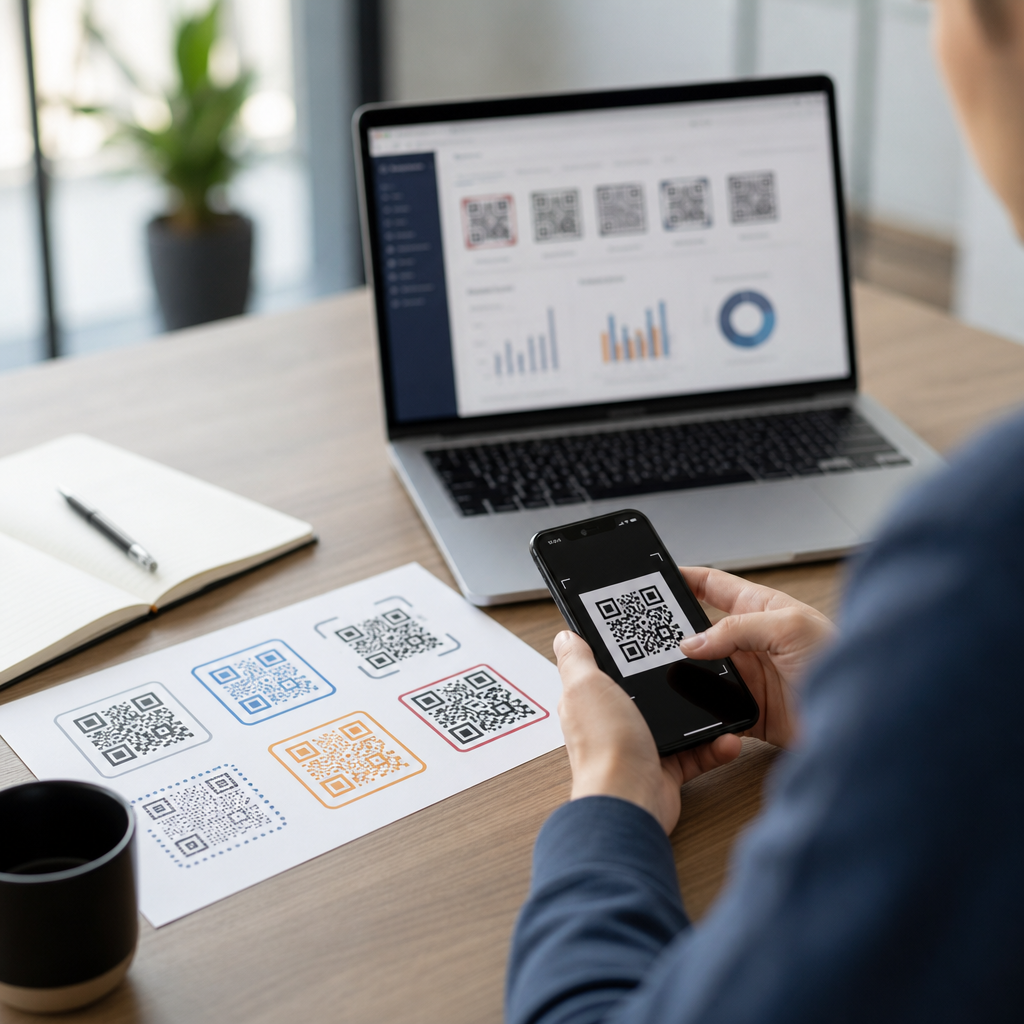
Good personalized QR code marketing depends on disciplined data handling. The minimum setup includes a dynamic QR platform, analytics, a landing page system, and a customer data source. For many teams, that means a QR management tool layered with Google Analytics 4, a tag manager, and a CRM or email platform. Enterprise teams often add a customer data platform and server-side event collection for stronger identity resolution. Segmentation should start with practical groups: new, active, high-value, lapsed, and promotion-sensitive customers. From there, marketers can add product affinity, geography, store relationship, or engagement recency. I advise teams to begin with three to five high-confidence segments before building elaborate trees that become hard to maintain.
Governance matters as much as targeting. Naming conventions, redirect rules, coupon code allocation, and expiration logic need documentation. If a print run contains 100,000 QR codes, one broken redirect or duplicated coupon batch can create immediate financial leakage. Privacy rules must also be respected. If the program uses personal data, consent and disclosure should align with applicable regulations such as GDPR or CCPA, and the landing experience should explain how data is used. Brands do not need intrusive personalization to be effective. Often, channel-level and behavior-based personalization is enough. A scanned code from a direct-mail piece can trigger a segment-specific experience without exposing sensitive personal details. Trust increases when the offer feels helpful rather than invasive.
Creative, landing pages, and measurement
The visible code is only one part of the conversion path. The call to action around the QR code must clearly tell users what they will get and why scanning is worth their time. “Scan for your personalized offer” usually outperforms vague language because it promises relevance. Placement matters too. On packaging, the code should appear near a benefit statement and avoid cramped edges that reduce scan reliability. In-store, eye-level signage and receipt inserts typically outperform floor decals because they are easier to notice and scan. Color and branding can improve recognition, but contrast and error correction should follow established QR code generation standards so aesthetics do not compromise usability.
Landing pages should continue the promise made at the scan point. If the sign says the offer is personalized, the page should immediately display tailored content, not a generic homepage. Keep the page fast, mobile-first, and specific: headline, benefit, product fit, expiration, and redemption steps. Measurement should cover scan-through rate, landing-page engagement, redemption rate, conversion rate, average order value, and incremental revenue by segment. Controlled testing is essential. Compare personalized QR offers against generic offers, and compare discount types within the same audience. In multiple campaigns I have seen, the highest scan rate did not produce the best profit; threshold offers often beat blanket discounts on contribution margin. That is why the goal is not just scans or redemptions, but profitable behavior change tied to a defined segment and channel.
Common mistakes and how to scale this hub topic
The most common mistake is treating QR code personalization as a design tactic instead of an operating model. A customized code with no audience logic is not personalization. Another mistake is sending all scans to one page and calling the campaign targeted because the printed asset appeared in a segmented channel. Real personalization requires distinct experiences, offers, or messages based on known rules. Brands also over-discount when they lack testing discipline. If every segment gets 20% off, the business is not using personalization to protect margin. It is just automating a broad promotion. Technical shortcuts cause problems too: static QR codes, weak analytics tagging, broken mobile pages, and disconnected coupon systems make results impossible to trust.
As a hub within advanced QR code strategies, this topic should connect to deeper content on dynamic QR code generation, loyalty integrations, QR code analytics, coupon security, packaging campaigns, direct mail attribution, and privacy-safe personalization. Those related articles help teams move from concept to implementation. QR codes for personalized offers and discounts work because they convert a physical scan into a relevant digital decision. When brands pair dynamic infrastructure with clear segmentation, thoughtful offer design, and rigorous measurement, they improve customer experience while spending promotional dollars more intelligently. Start with one high-impact journey such as welcome, reactivation, or post-purchase cross-sell, define the segment rules, and test a personalized QR landing page against a generic control. The results will quickly show where personalization creates value and where a simpler campaign is enough.
Frequently Asked Questions
What does it mean to use QR codes for personalized offers and discounts?
Using QR codes for personalized offers and discounts means the scan experience is not one-size-fits-all. Instead of sending every customer to the same generic promotion, the QR code is connected to customer data, campaign rules, and dynamic content so the destination can change based on who is scanning, when they scan, where they scan, or how they have interacted with the brand before. In practical terms, two customers may scan visually similar codes and receive very different experiences: one might see a loyalty reward, another might get a win-back discount, and another might land on a product bundle chosen around prior purchases.
This approach turns the QR code from a simple link into a targeted marketing tool. Brands can use purchase history, loyalty status, location, channel source, device type, or stage in the buying journey to decide what offer appears. For example, a restaurant can show a first-time visitor a free appetizer, while a returning customer sees double points for ordering through the app. A retailer can use the same printed signage in multiple stores but trigger different promotions depending on inventory, seasonality, or customer segment. The result is a more relevant offer, better conversion potential, and a stronger customer experience because the promotion feels timely rather than random.
How do personalized QR code campaigns actually work behind the scenes?
Behind the scenes, personalized QR code campaigns usually rely on dynamic QR codes rather than static ones. A static code sends everyone to a fixed URL that cannot be changed after printing. A dynamic code, by contrast, points to a redirect or campaign platform that can evaluate data at the moment of the scan and then route the customer to the most appropriate destination. That decision can be based on rules such as audience segment, scan location, time of day, campaign source, CRM profile, loyalty tier, or previous engagement history.
A common setup includes several moving parts: the QR code itself, a redirect or QR management platform, analytics tracking, and a destination page that can display personalized content. If the brand has customer identification available through a logged-in session, email click history, app deep link, SMS campaign, or loyalty account, the system can tie the scan to a known profile. If the customer is anonymous, the campaign can still personalize based on context, such as store location, product category, scan frequency, or traffic source. This makes personalization possible even when full identity data is not available.
From an implementation standpoint, brands often define business rules in advance. For example: if the scanner is a first-time customer, show 15% off; if the scanner is a loyalty member, offer bonus points; if the scanner abandoned a cart recently, show a reminder incentive; if the item is overstocked in that location, prioritize a clearance discount. Because dynamic logic sits behind the code, marketers can update offers without reprinting materials, which is one of the biggest operational advantages of this strategy.
What are the biggest benefits of using personalized QR codes instead of standard discount codes?
The biggest benefit is relevance. Standard discount codes are easy to distribute, but they often treat every customer the same, which can reduce margins and limit campaign effectiveness. Personalized QR codes allow a brand to present the right incentive to the right person at the right moment. That means a business does not have to offer the deepest discount to everyone. High-intent customers may convert with a small perk, loyal customers may respond better to rewards than price cuts, and inactive customers may need a stronger reactivation offer. Personalization helps protect profitability while improving response rates.
Another major advantage is measurability. Personalized QR campaigns provide richer data than traditional print promotions because every scan can be tracked. Marketers can evaluate scan volume, unique users, time-to-conversion, location performance, device behavior, repeat engagement, and offer-specific redemption rates. This visibility makes it easier to optimize campaigns over time. If one customer segment responds best to free shipping and another prefers percentage discounts, the brand can adjust quickly based on actual behavior rather than guesswork.
There is also a customer experience benefit. Personalized offers feel more useful and less intrusive because they align with customer context. A beauty brand can recommend a replenishment offer tied to a previously purchased product. A service business can use a QR code on direct mail to send prospects to locally relevant offers. A retailer can place shelf or packaging QR codes that unlock member pricing or cross-sell suggestions. In each case, the scan creates a more interactive and helpful journey than a generic “save 10%” message. Over time, that relevance can improve loyalty, repeat purchases, and trust in the brand’s marketing.
What customer data can be used to personalize QR code offers, and how do brands do it responsibly?
Brands can personalize QR code offers using many types of data, including purchase history, loyalty membership, product preferences, location, campaign source, browsing behavior, app activity, and stage in the customer lifecycle. For instance, a customer who recently bought running shoes might receive a QR-driven offer for socks or apparel, while a lapsed customer might see a return incentive. In store environments, scan location can be especially useful. The same campaign can produce different promotions depending on whether the customer scanned in a flagship location, at a restaurant table, on packaging, or from a direct mail piece.
That said, responsible use of data is essential. Personalization should feel helpful, not invasive. The safest approach is to use data that customers have knowingly shared through legitimate interactions such as purchases, loyalty enrollment, app usage, or opted-in messaging programs. Brands should also be transparent about data usage, maintain clear privacy policies, and comply with applicable regulations such as GDPR, CCPA, and other regional standards. If a business is connecting QR scans to identifiable customer records, it should have proper consent practices, secure systems, and limited-access workflows in place.
In many cases, strong personalization does not require exposing sensitive information at all. Brands can segment audiences broadly and still produce meaningful results. Instead of saying, “We know exactly what you bought,” the system can simply route a customer into a category-based experience, a loyalty reward path, or a local inventory promotion. Good personalization balances utility with discretion. The goal is to make the offer more relevant while preserving trust, data security, and a positive brand impression.
What are the best practices for creating successful QR code campaigns for personalized discounts?
Successful campaigns start with a clear objective. Before creating the QR code, define what the promotion is supposed to accomplish: increase first purchases, reactivate dormant customers, move excess inventory, grow loyalty participation, boost app adoption, or raise average order value. Once the goal is clear, the personalization strategy becomes easier to design. The offer should match the business objective and the audience segment. A broad awareness campaign may benefit from light personalization, while a loyalty or CRM-driven campaign can support more sophisticated decision rules.
It is also important to design the scan experience carefully. Customers should know what they will get when they scan, and the landing experience should load quickly, work well on mobile devices, and make redemption simple. The more friction involved, the more likely the campaign is to underperform. Strong calls to action, concise value messaging, and a visible redemption path all matter. If the customer scans in store, the offer should be easy for staff or systems to validate. If the campaign supports ecommerce, the discount should apply cleanly without requiring unnecessary extra steps.
Testing and optimization are equally important. Brands should monitor not only scans, but also what happens after the scan: page engagement, redemptions, purchases, repeat scans, and downstream revenue. A/B testing can reveal whether customers respond better to percentage discounts, dollar-off offers, free items, bonus points, or product-specific bundles. It is also wise to account for fraud prevention, expiration logic, and over-redemption controls, especially when offers are highly valuable. In my experience across retail, restaurant, and service environments, the strongest results come from campaigns that combine relevant segmentation, operational simplicity, and continuous measurement. Personalized QR codes perform best when they are treated as part of a larger customer journey strategy rather than as a standalone gimmick.