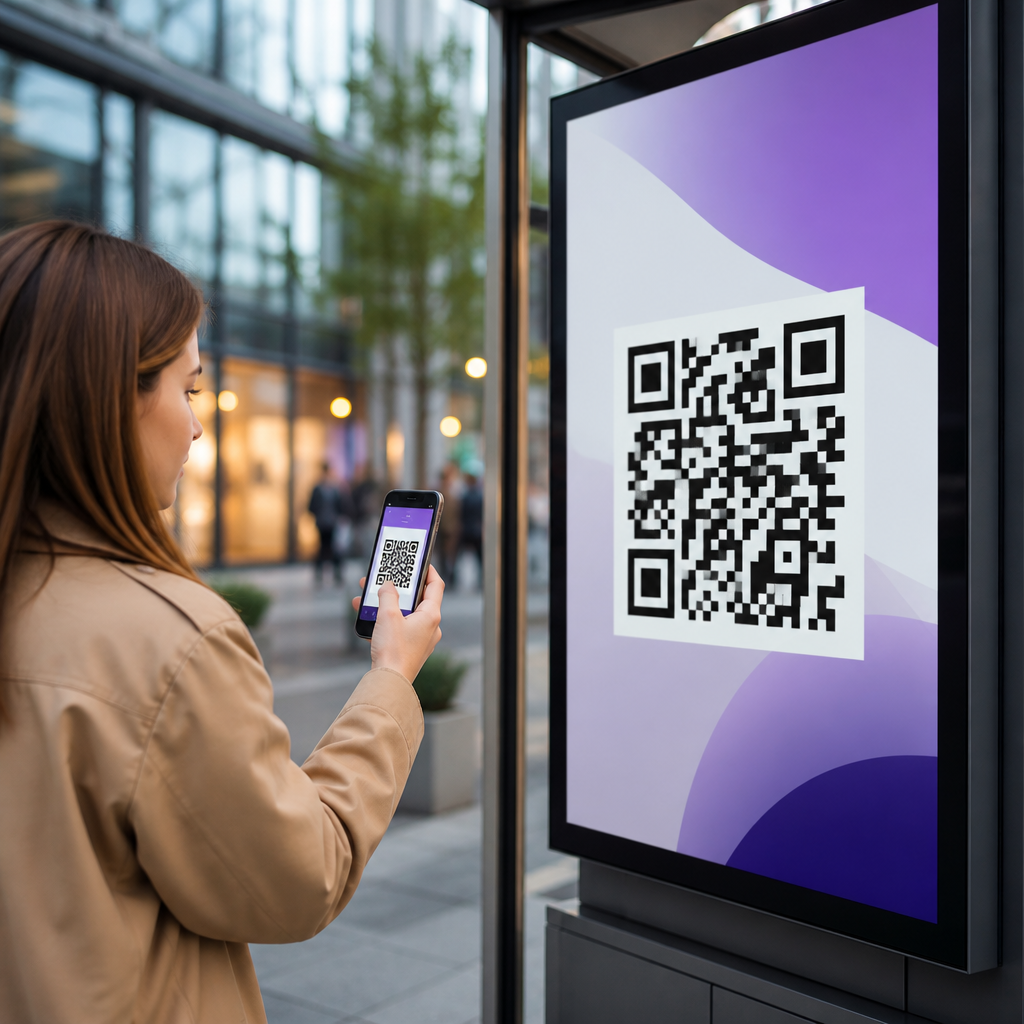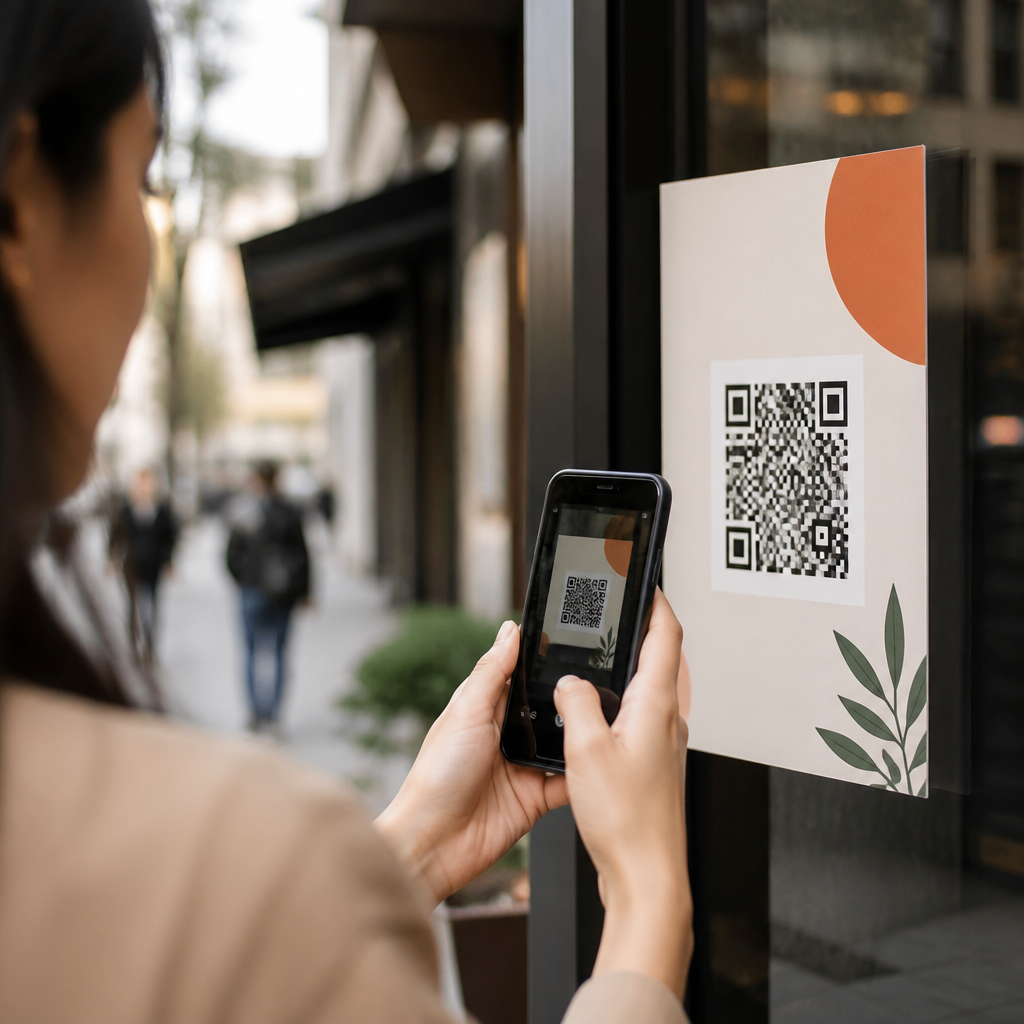
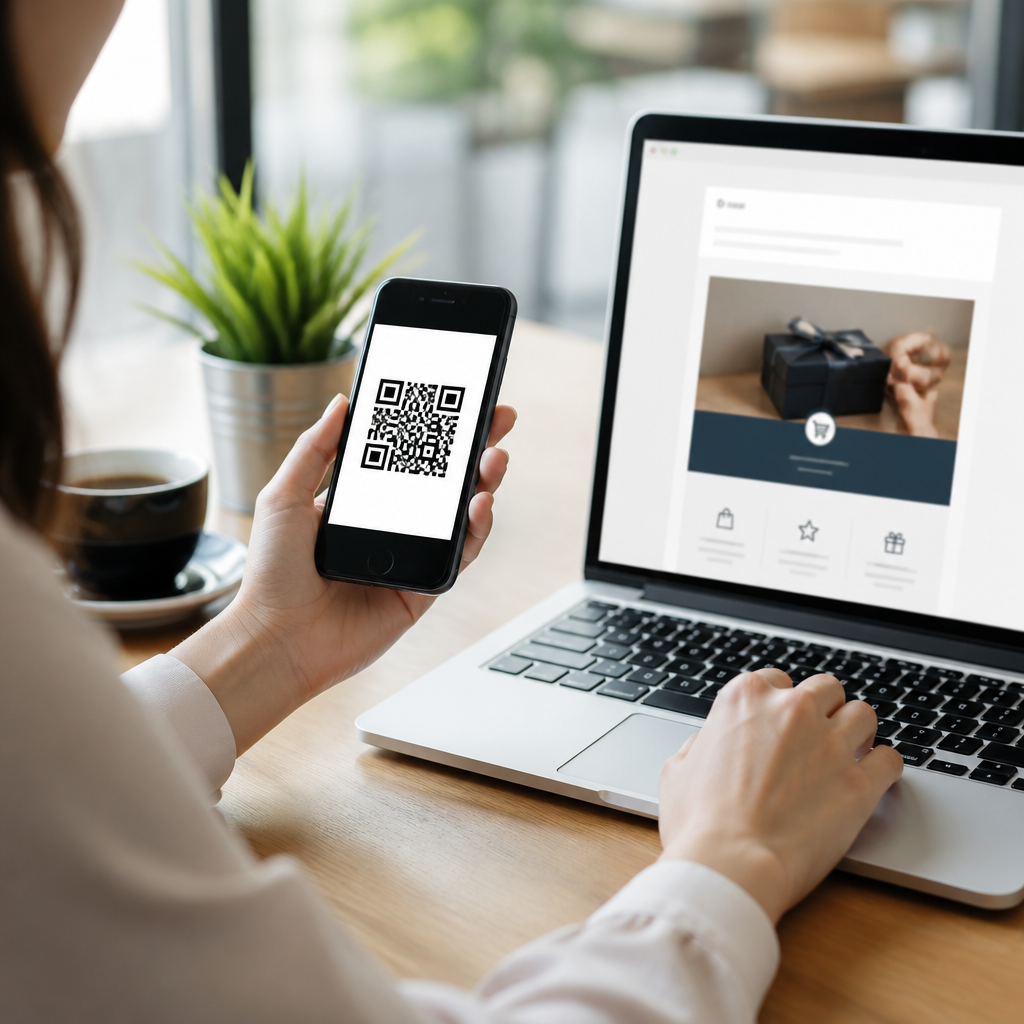
QR codes for loyalty program emails turn a familiar retention channel into a measurable bridge between inbox engagement and mobile action. In practice, they let a subscriber scan from a desktop screen, printed receipt, direct mail insert, or forwarded message and land instantly on a loyalty signup page, rewards wallet, coupon, app deep link, or member-only offer. For marketers building mobile QR codes for marketing programs, this matters because email still drives repeat revenue, while loyalty programs depend on low-friction participation. When those two systems are connected well, customers move from reading to redeeming in seconds instead of hunting through links, passwords, or app menus.
A QR code is a two-dimensional barcode that stores a destination such as a URL, digital card, app intent, or tracked campaign parameter. In email marketing, the code usually resolves to a mobile landing page, wallet pass, account area, or promotion tied to a customer record. Loyalty program emails are campaigns designed to enroll members, remind them of point balances, promote rewards, reactivate inactive members, and support redemption at stores or online. I have used QR-led email flows for restaurant chains, retail brands, and service businesses, and the pattern is consistent: response improves when the next step is visible, scannable, and clearly tied to a member benefit.
The core value is convenience, but the operational value is attribution. A static text link can drive clicks, yet a QR code can support cross-device behavior, in-store scanning, and offline-to-online tracking that ordinary email metrics miss. That is especially useful after Apple Mail Privacy Protection changed open-rate reliability. If a loyalty email includes a unique or segmented QR code, teams can connect the scan to campaign source, audience cohort, reward type, and eventual purchase. Done correctly, QR codes in email marketing reduce friction, support redemption, and help prove whether a loyalty message created incremental value rather than just another open.
How QR codes work inside loyalty email campaigns
In loyalty email programs, the QR code acts as the shortest route from message to action. The code can send a new subscriber to enrollment, open a logged-in reward center, add a member card to Apple Wallet or Google Wallet, reveal a birthday offer, or present a barcode that staff can scan at point of sale. Dynamic QR platforms such as Bitly, Flowcode, QR Code Generator Pro, and Beaconstac let marketers change the destination after deployment and append UTM parameters for analytics. That flexibility matters when an offer changes, inventory sells out, or a regional page needs to replace a national one without rebuilding the email creative.
The most effective loyalty email QR flows answer one question immediately: what happens after the scan? If the email says “Scan to join and get 100 points,” the landing page must prefill the offer, respect mobile screens, and explain any requirement such as first purchase thresholds or location exclusions. If the email says “Scan at checkout to redeem your free drink,” the code should open either a wallet pass or a redemption page with a barcode readable under store lighting. Every mismatch between email promise and scan destination lowers trust and redemption rates.
Marketers also need to distinguish between scan mechanics and identity mechanics. A QR code can carry a public campaign URL, but loyalty systems often require secure user identification behind that page. The safer method is to direct the scan to an authenticated environment where the member logs in or is recognized through a signed token, rather than embedding exposed personal data directly in the code. In regulated sectors or brands handling sensitive account details, that distinction is essential for privacy, abuse prevention, and compliance review.
Best uses for QR codes in email marketing loyalty programs
QR codes are not necessary in every email, but they are powerful in high-intent moments. Welcome emails can use them to complete enrollment, download the brand app, or save a digital membership card. Monthly statements can link to a live rewards dashboard instead of a generic homepage. Win-back campaigns can feature a time-bound QR code leading to a reactivation incentive. Event-triggered messages, such as birthday or anniversary emails, work especially well because the value exchange is concrete and immediate. In omnichannel campaigns, the same code can appear in email, receipts, and in-store signage so customers see a consistent path to rewards.
Retailers often use QR codes in loyalty emails to connect online communications with store visits. A beauty brand, for example, can send a members-only early access email with a QR code redeemable at checkout for a deluxe sample. A grocery chain can issue a weekend bonus-points email where scanning opens a clipped offer in the customer account. Restaurants frequently use them for “scan to claim” coupons tied to app orders or in-person redemption. Fitness clubs can place a code in member renewal emails that opens a mobile payment page and then returns the user to the membership dashboard.
| Email type | Primary QR destination | Main loyalty goal | Key metric |
|---|---|---|---|
| Welcome email | Enrollment or wallet pass | Member activation | Completed signup rate |
| Points statement | Rewards dashboard | Balance awareness | Scan-to-login rate |
| Birthday offer | Redeemable coupon page | Incremental purchase | Redemption rate |
| Win-back campaign | Reactivation offer | Lapsed member return | Recovered customers |
| Store event invite | RSVP or check-in page | Attendance and sales | Event conversion |
This variety is why the topic deserves a hub approach. QR codes in email marketing are not a single tactic; they support acquisition, activation, engagement, redemption, retention, and attribution across the loyalty lifecycle. A strong program maps each email type to one customer job, one mobile destination, and one measurable outcome. When teams try to make one code do everything, performance drops because the subscriber has to interpret too many choices after the scan.
Design, deliverability, and tracking requirements
Email clients do not treat images uniformly, so QR design must account for blocked images, dark mode, scaling, and small screens. The code should have strong contrast, quiet space around the edges, and a large enough rendered size to scan reliably from both desktop monitors and mobile devices. In most campaigns I have seen, 180 to 240 pixels square is a practical starting point, followed by device testing across Apple Mail, Gmail, Outlook, and major Android clients. Always include descriptive alt text, a visible fallback CTA link, and surrounding copy that states the value of scanning in plain language.
Deliverability also matters. A loyalty email overloaded with one large image and little live text can look low quality to filters and inaccessible to users. The safer build uses balanced HTML text, compressed images, and a code hosted on a reputable domain with HTTPS. Branded sending domains, BIMI where supported, SPF, DKIM, and DMARC alignment strengthen trust before the subscriber even sees the offer. Those are not QR-specific tactics, but they affect whether the message reaches the inbox, which determines whether the code gets a chance to perform.
Measurement should go beyond opens and clicks. A proper QR loyalty framework tracks sends, delivered rate, unique scans, scan-to-landing completion, login rate, wallet saves, redemptions, average order value, and repeat purchase within a defined attribution window. Use campaign parameters consistently and connect email platform reporting with web analytics, app analytics, POS data, and CRM events. Google Analytics 4, Adobe Analytics, Segment, Braze, Salesforce Marketing Cloud, Klaviyo, and HubSpot can all support parts of this stack, but the critical step is agreeing on campaign naming conventions and member identifiers before launch.
Common mistakes and how to avoid them
The most common mistake is using a QR code where a button would work better. If the subscriber is already reading on a phone, asking them to scan their own screen creates friction unless the code supports a second-device or offline journey. In mobile-first email audiences, the better pattern is to pair the QR code with a standard CTA button so each reader can choose the easiest path. Another mistake is sending users to a desktop page, generic homepage, or app store listing with no continuity from the email. A loyalty scan should feel like a continuation of the message, not a new search task.
Security and abuse controls are often underestimated. If the same public coupon QR code can be shared freely, a loyalty-only reward may leak to deal forums within minutes. Dynamic codes, single-use tokens, expiration controls, geofencing, account checks, and POS validation rules reduce that risk. Brands should also document how long scan logs are retained, what data is captured, and whether consent is required for follow-up messaging. Clear terms protect both the program and the customer relationship. The strongest loyalty email programs make redemption easy for legitimate members while making unauthorized reuse difficult.
Finally, teams sometimes judge success too narrowly. A QR email may generate fewer direct clicks than a conventional message yet produce better in-store redemption or higher repeat purchase because it serves a different behavior. The right test compares business outcomes, not just interface metrics. Run A/B tests on code placement, offer wording, incentive type, and destination format. Compare QR versus button-only versions by audience segment, device mix, and channel overlap. Over time, patterns emerge that show where QR codes add genuine value in email marketing and where simpler links remain the better choice.
Building a scalable hub for QR codes in email marketing
As a sub-pillar under mobile QR codes for marketing, this topic works best when treated as a connected system rather than a one-off campaign idea. The hub page should guide readers to deeper topics such as dynamic versus static QR codes, QR code tracking setup, wallet pass integration, retail redemption workflows, restaurant loyalty offers, app deep linking, email design best practices, and QR code compliance considerations. That structure mirrors how teams actually implement programs: strategy first, then creative, technology, measurement, and governance.
QR codes for loyalty program emails are effective because they simplify the customer journey and make omnichannel behavior easier to measure. The winning formula is straightforward: give subscribers a clear reason to scan, send them to a mobile-optimized destination, protect member data, and track the actions that matter after the scan. Used this way, QR codes in email marketing support enrollment, redemption, retention, and revenue without forcing customers through unnecessary steps.
If you manage lifecycle campaigns, start with one high-intent loyalty email such as a welcome offer or birthday reward, add a tested dynamic QR code, and measure scans through redemption. That small pilot will reveal the operational details that matter most for your brand and create a strong foundation for a broader mobile QR code marketing program.
Frequently Asked Questions
How do QR codes improve loyalty program emails?
QR codes make loyalty emails more actionable by shortening the path between interest and conversion. Instead of asking a subscriber to click a link, log in later, search for an offer, or remember a promo from their inbox, a QR code creates an instant bridge to the next step. A customer can scan from a desktop email, a printed receipt, a direct mail insert, or even a forwarded message and immediately land on a loyalty signup page, digital rewards wallet, coupon, app deep link, or member-only promotion. That convenience matters because loyalty performance often depends on reducing friction wherever possible.
They also make email more measurable in a mobile-first customer journey. Marketers can track scans, destinations, timing, device behavior, and downstream actions such as enrollments, redemptions, app opens, or repeat purchases. This helps connect inbox engagement with real-world mobile activity, which is especially valuable when customers move between channels before converting. In practical terms, QR codes turn a familiar retention channel into a stronger acquisition, activation, and re-engagement tool for loyalty programs.
What should a QR code in a loyalty email link to?
The best destination depends on the customer’s stage in the loyalty lifecycle. For new subscribers, the ideal link is often a fast, mobile-optimized signup page that removes unnecessary fields and clearly explains the value of joining. For existing members, a QR code can point to a rewards dashboard, points balance, digital membership card, coupon, personalized offer, referral page, or store-specific promotion. If the brand has an app, the code may also support a deep link that opens the correct in-app screen rather than sending users to a generic homepage.
The key is relevance and continuity. The destination should match the promise made in the email and deliver immediate value after the scan. If the email highlights “Claim your birthday reward,” the QR code should go directly to that reward, not to a broad account page where the customer has to search for it. If the message promotes faster checkout or in-store redemption, the code should open a scannable wallet pass or member barcode. The more tightly aligned the code, the copy, and the landing experience are, the more likely the loyalty email will drive engagement and measurable action.
Are QR codes in loyalty emails easy to track and measure?
Yes, and that is one of their biggest advantages. A properly configured QR code can be tied to campaign-level and customer-level reporting so marketers can understand how email recipients interact with loyalty offers across devices. By using dynamic QR codes, tagged URLs, and analytics integrations, teams can measure scan volume, unique scans, location trends, time of scan, device type, landing page performance, and conversion outcomes such as registrations, redemptions, app installs, purchases, or reward activations.
This level of visibility helps answer practical marketing questions. For example, you can compare whether a loyalty QR code performs better in welcome emails, win-back campaigns, post-purchase sequences, or VIP promotions. You can also test CTA placement, incentive type, design treatment, and destination experience to improve results over time. In a broader attribution model, QR code data helps connect inbox engagement with mobile behavior and offline action, which is often harder to measure with standard email links alone. For brands focused on loyalty ROI, that measurement capability is a major strategic benefit.
What are the best practices for adding QR codes to loyalty program emails?
Start with clarity, usability, and mobile intent. The QR code should have a strong reason to exist, not just serve as a visual extra. Make the benefit obvious with nearby copy such as “Scan to join,” “Scan to save to your wallet,” or “Scan to redeem in store.” The code should be large enough to scan easily from a desktop screen, surrounded by sufficient white space, and presented in a high-contrast design that preserves readability. It is also important to test the code across devices, email clients, dark mode settings, and common screen sizes to ensure reliability.
Beyond design, the destination experience must be fast and relevant. Use mobile-optimized landing pages, deep links where appropriate, and simple conversion flows that minimize taps and form fields. Include a standard clickable link near the QR code as a fallback for users who prefer to tap rather than scan. Dynamic QR codes are especially useful because they allow marketers to update destinations without changing the image in the email and support more flexible analytics. When implemented thoughtfully, these best practices make QR codes feel like a practical extension of the loyalty experience rather than a novelty.
When should marketers use QR codes in loyalty email campaigns?
QR codes are especially effective when the customer is likely to move from email to mobile or from digital to in-store action. Common examples include welcome emails for new loyalty members, post-purchase emails that encourage account creation or points activation, promotional emails featuring limited-time rewards, reminders about expiring offers, and re-engagement campaigns designed to bring inactive members back. They are also useful when email content may be viewed in one place but acted on elsewhere, such as scanning from a desktop inbox before visiting a store or saving an offer from a printed message for later use.
Marketers should also consider QR codes when they want to unify email with other touchpoints. A loyalty message may be forwarded, printed, referenced at checkout, or paired with direct mail, packaging inserts, or receipts. In those situations, the QR code extends the life and utility of the email beyond a simple click. The best use cases are ones where speed, convenience, and measurable cross-channel behavior matter. If the goal is to help a customer join faster, access rewards instantly, redeem an offer in store, or open a personalized mobile experience, a QR code can be an effective addition to the loyalty email strategy.