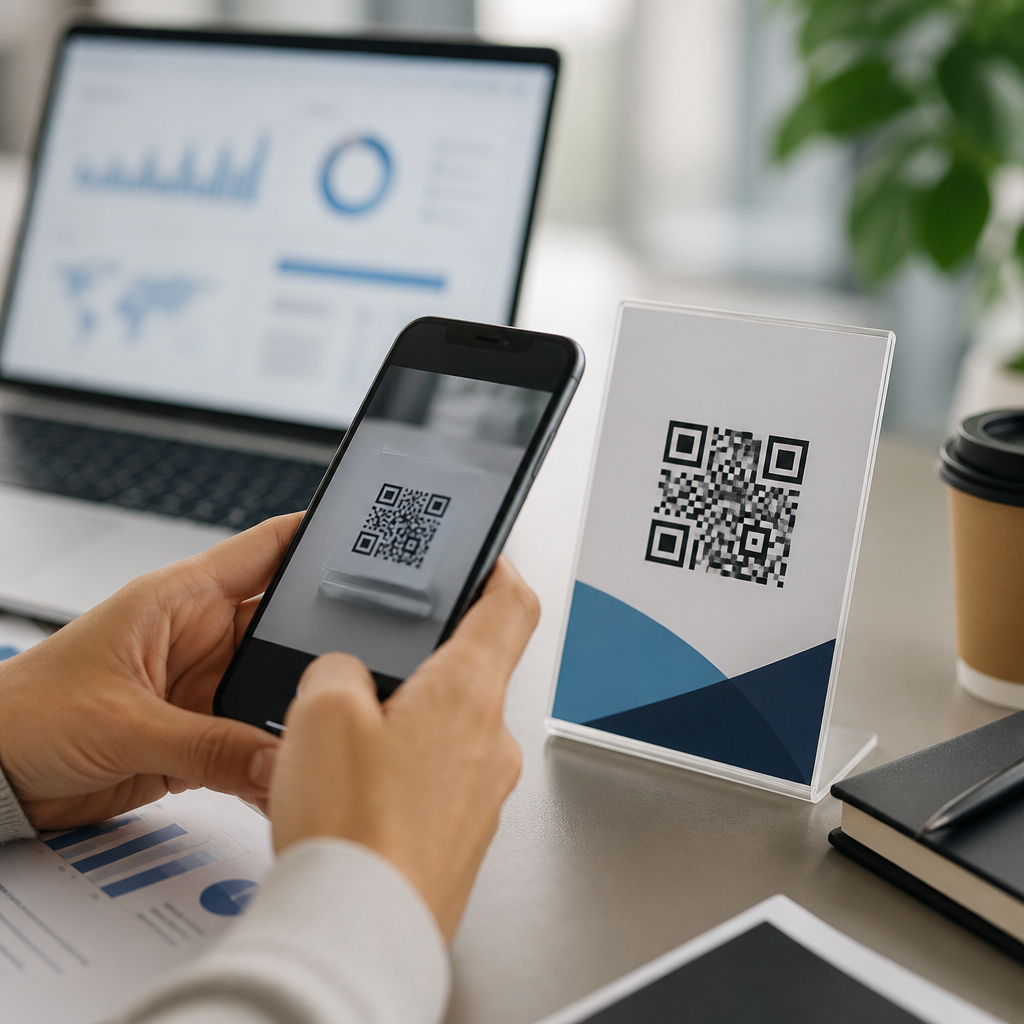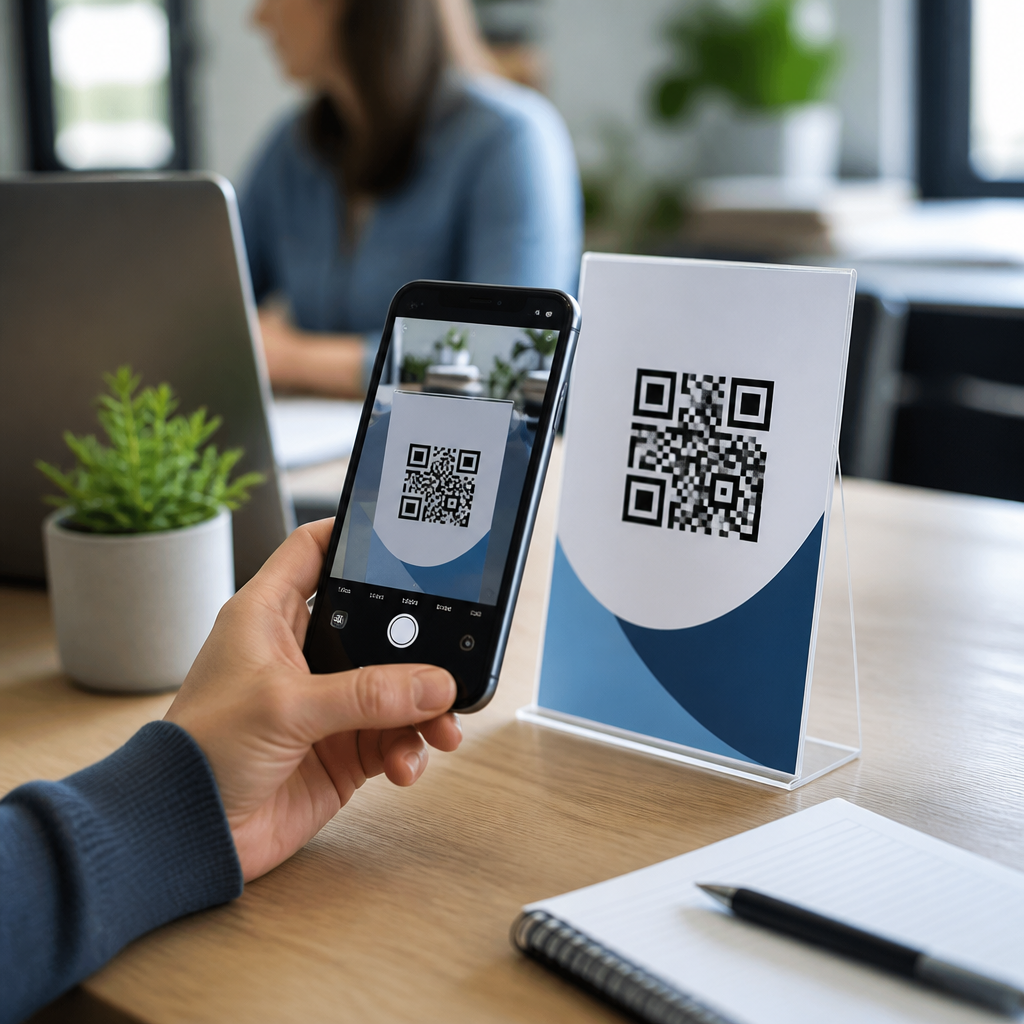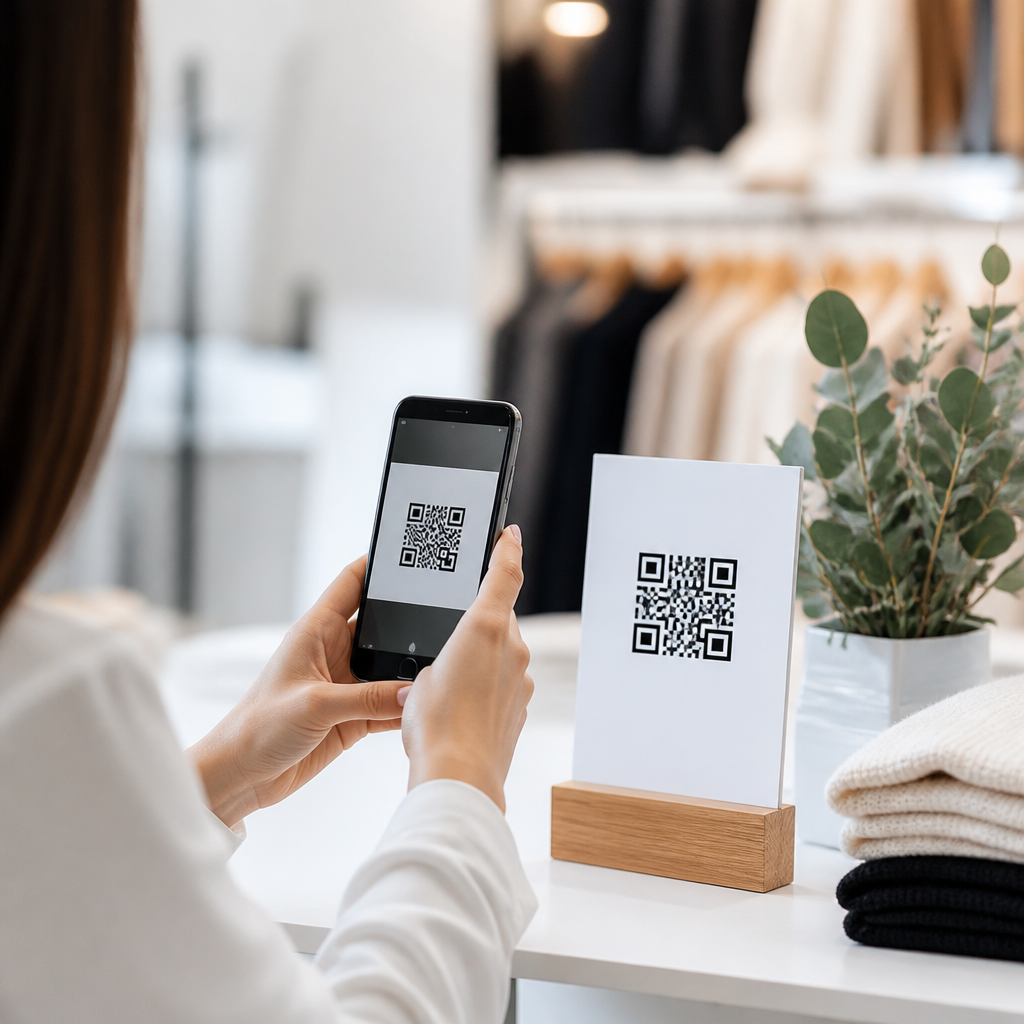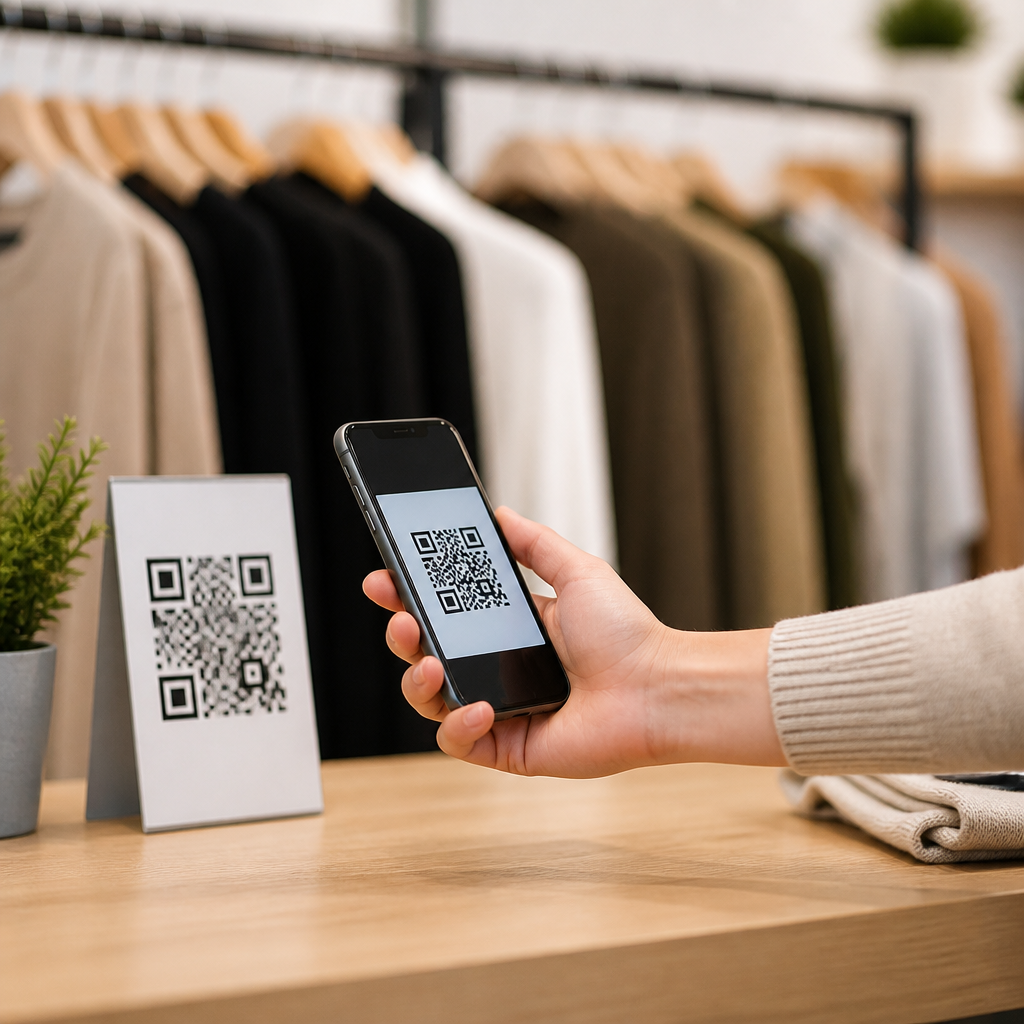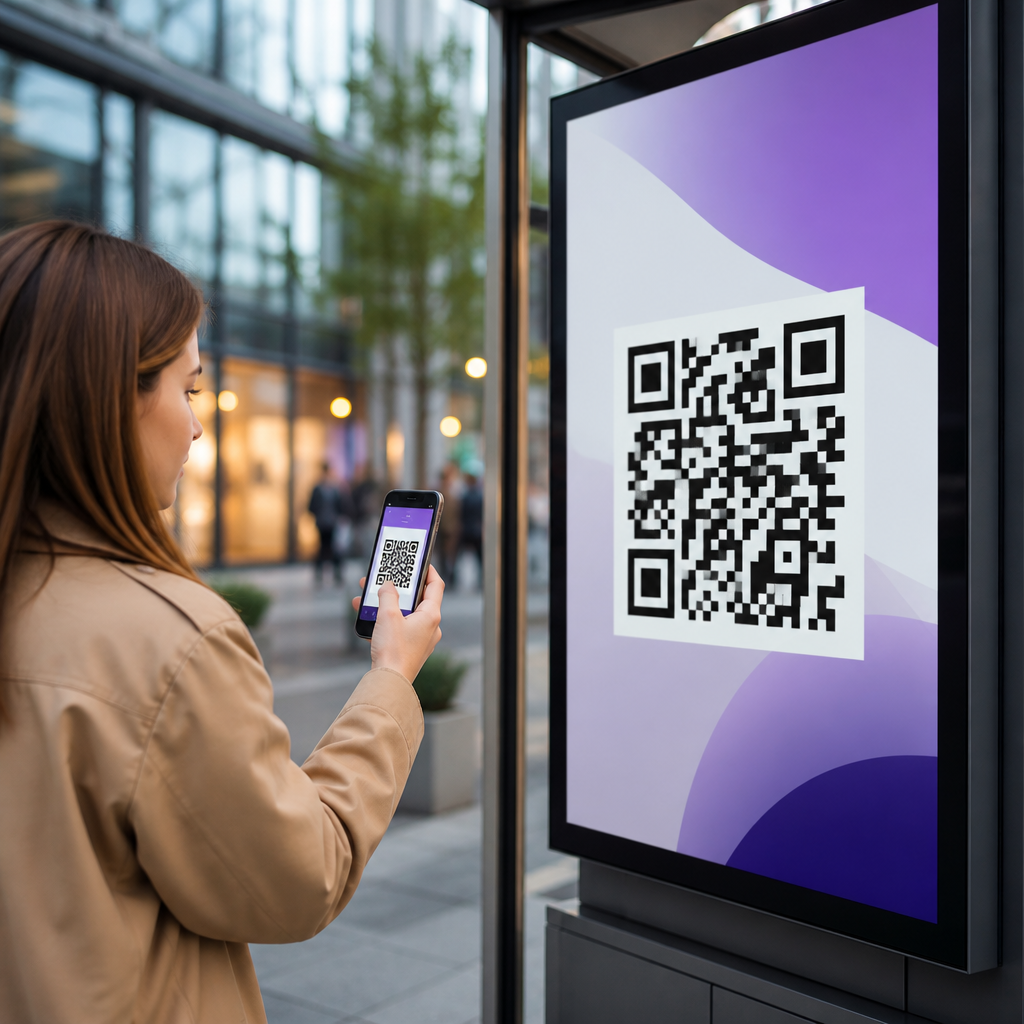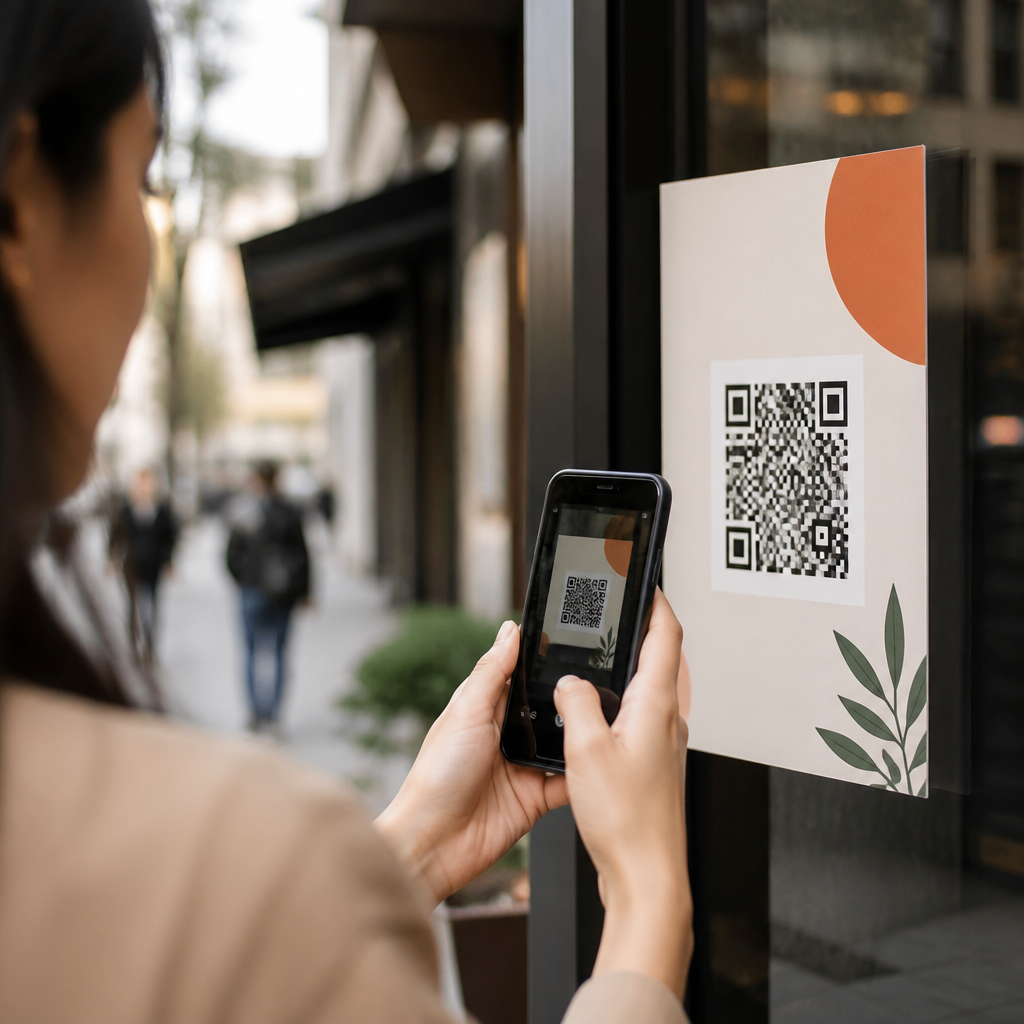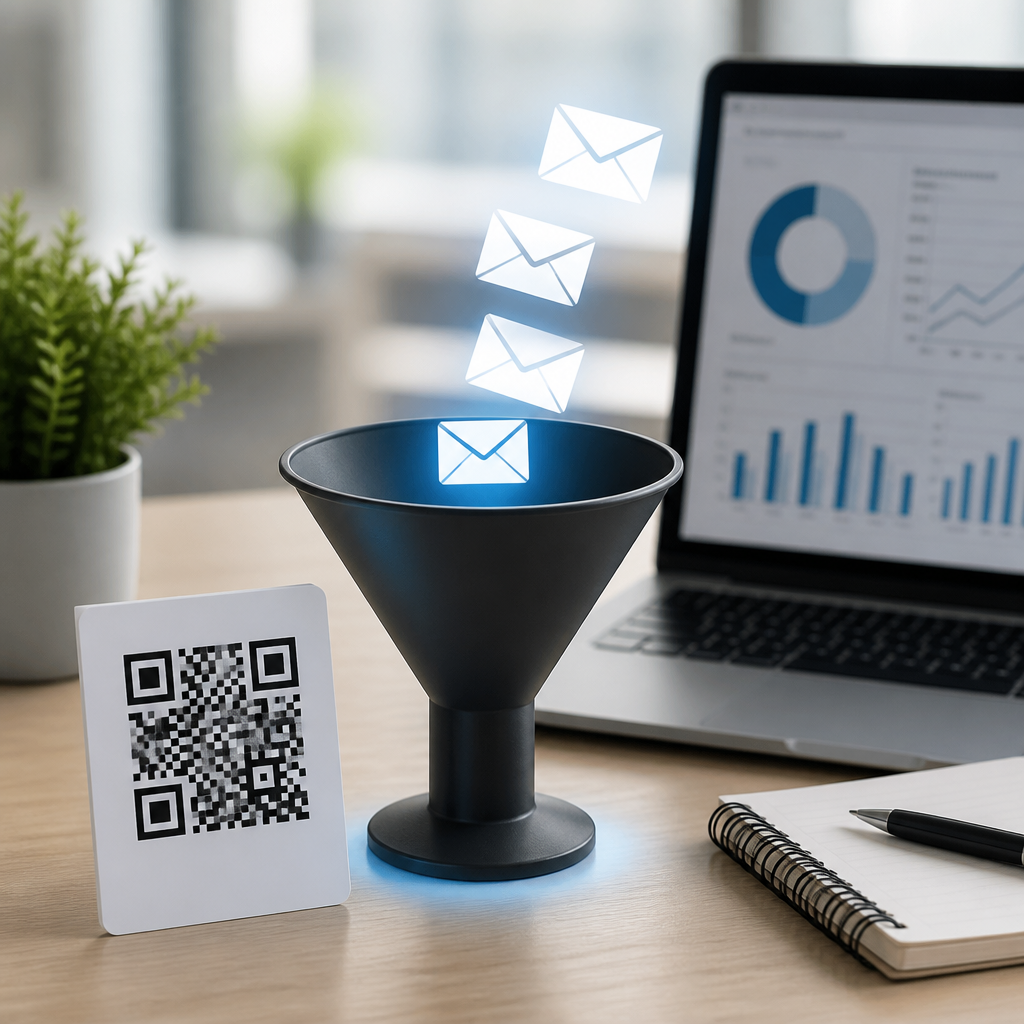
Email marketing funnels using QR codes turn a familiar channel into a measurable bridge between offline attention and digital conversion. In practical terms, a funnel is the sequence that moves someone from awareness to action, while a QR code is a scannable matrix barcode that opens a URL, prefilled email, app screen, coupon, form, or other mobile destination. When those two tools are planned together, brands can capture intent at the exact moment a customer sees packaging, signage, direct mail, event collateral, or even an email on a second screen. I have used this approach in retail, hospitality, and B2B campaigns, and the pattern is consistent: QR codes shorten the path to response, while email nurtures that response into revenue. The topic matters because customer journeys are no longer channel specific. A store visit triggers an email signup, a catalog scan triggers a product quiz, and an event badge scan triggers a follow-up sequence. Marketers who treat QR codes as a simple shortcut miss their real value. Used correctly, they become an acquisition, segmentation, attribution, and retention mechanism inside the email marketing funnel. That makes QR codes in email marketing especially important for mobile-first audiences, privacy-conscious tracking environments, and campaigns that must prove return across online and offline touchpoints.
How QR Codes Fit Into the Email Marketing Funnel
QR codes support every stage of the funnel because they reduce friction at the point of curiosity. At the top of the funnel, a code on packaging, posters, receipts, or social graphics can send users to a lead magnet, contest, waitlist, or newsletter signup page. In one restaurant campaign I managed, table tents with a QR code linked to a short preference form promising local offers and birthday rewards. Because the code opened a mobile-optimized form with only three fields, completion rates beat the brand’s website signup form by a wide margin. In the middle of the funnel, QR codes can reconnect subscribers with product explainers, comparison pages, webinar registrations, or customer stories. A B2B software team I worked with added personalized QR codes to printed booth handouts, driving attendees to a tailored landing page that continued the exact conversation started at the event. At the bottom of the funnel, QR codes can trigger appointment booking, cart recovery, coupon redemption, or account activation. They also work after purchase by linking customers to onboarding emails, loyalty enrollment, refill reminders, and referral programs. The central principle is simple: the QR code captures immediate intent, and the email sequence develops that intent over time.
Best Uses for QR Codes in Email Marketing Campaigns
The strongest use cases combine a clear scan incentive, a dedicated landing page, and an automated follow-up sequence. Direct mail is one of the most effective examples. A postcard with a QR code can invite recipients to scan for an exclusive guide, discount, or event registration. Once they submit their email address, the automation platform can send a welcome message, a reminder, and a conversion offer. Retail packaging is another high-performing channel. A skincare brand can print a code on the box that says “Scan for your routine,” then collect an email address before delivering a skin-type quiz and follow-up recommendations. In hospitality, room cards or menu inserts can connect guests to local tips, upsells, and post-stay review requests through email. Events are especially powerful because the scan happens in a high-intent environment. Booth signage, badges, and presentation slides can all route visitors into segmented nurture streams based on product interest. Even inside email itself, QR codes have a place. They help users move from desktop inbox to mobile action, such as downloading an app, opening a digital loyalty card in Apple Wallet or Google Wallet, or checking in at a physical location. The key is matching the code to a concrete next step rather than adding it as decoration.
Building a High-Converting Funnel With QR Codes
A reliable QR-enabled funnel has five parts: the scan source, the mobile landing page, the signup mechanism, the automation logic, and the measurement layer. Each part must align with the campaign objective. If the goal is list growth, place the code where attention is high and intent is fresh, such as product inserts, receipts, trade show graphics, or window displays. The landing page should load quickly over mobile data, repeat the promise visible near the code, and ask only for information required for the next step. For many campaigns, email address plus one segmentation field is enough. After signup, route contacts into a welcome sequence designed around the reason they scanned. Someone who scanned from a product package should not receive the same emails as someone who scanned from a conference booth. Segmentation can be built with UTM parameters, dynamic QR codes, hidden fields, or distinct form endpoints. Automation platforms such as Mailchimp, Klaviyo, HubSpot, ActiveCampaign, and Salesforce Marketing Cloud all support triggered flows, audience tagging, and event-based branching. Good funnels also include a fallback path. If a user scans but does not submit the form, retargeting via paid media may still be possible if the page uses consented analytics. The funnel succeeds when each step preserves context from scan to inbox.
| Funnel Stage | QR Code Placement | Primary Goal | Email Follow-Up |
|---|---|---|---|
| Awareness | Posters, packaging, direct mail | Capture email signup | Welcome series with core value proposition |
| Consideration | Brochures, event handouts, catalogs | Deliver tailored content | Nurture sequence by interest or product category |
| Conversion | Receipts, cart inserts, sales sheets | Drive booking or purchase | Offer email, reminder, urgency message |
| Retention | Product box, loyalty card, in-store signage | Onboard and encourage repeat action | Usage tips, replenishment reminders, referral ask |
Tracking, Attribution, and Measurement That Actually Matter
Measuring QR codes in email marketing requires more than counting scans. The most useful framework tracks four levels: scans, form completions, email engagement, and business outcomes. Start by generating dynamic QR codes so the destination can be edited without reprinting assets and scan activity can be logged by source. Most serious QR platforms report timestamp, device type, approximate location, and total scans. Add UTM parameters so analytics platforms can separate traffic by campaign, medium, creative, and placement. For email attribution, pass source details into hidden form fields and store them in the contact record or customer data platform. That lets you compare conversion rates from “store poster” versus “package insert” instead of treating all QR traffic as one bucket. Important downstream metrics include welcome email open rate, click-through rate, lead-to-customer rate, redemption rate, revenue per subscriber, and time to first purchase. In privacy-restricted environments, exact user-level attribution may be limited, especially on iOS and with aggressive consent settings, so aggregate measurement remains important. I usually compare holdout markets or alternate creative versions to estimate lift. If one version of a flyer uses “Scan for a free sizing guide” and another uses “Scan for 10% off,” the better-performing call to action can be identified by signup quality and downstream revenue, not just scan volume.
Design, Compliance, and Common Mistakes to Avoid
QR code performance depends heavily on design and operational discipline. First, maintain strong contrast, sufficient quiet zone, and a tested scan size. A code that works on a laptop screen may fail on textured packaging or glossy print under store lighting. Second, pair every code with clear instructional copy and a benefit statement. “Scan to subscribe” is weak; “Scan for weekly wholesale pricing updates” is specific. Third, always send users to a mobile-optimized page, not a generic homepage. Friction kills response. Fourth, watch deliverability and consent. If the QR code collects email addresses, the form should clearly explain what subscribers will receive, how often, and how to opt out. Depending on geography, campaigns may need to account for GDPR, CAN-SPAM, CASL, or industry-specific privacy requirements. Double opt-in can improve list quality, though it may reduce raw volume. Fifth, avoid overpersonalization claims you cannot support. If a sign promises a personalized experience, the follow-up emails must reflect the scan context. Common mistakes include using static QR codes when campaigns may change, failing to tag contacts by source, placing codes where mobile connectivity is poor, and treating every scan as equal intent. A scan from product packaging after purchase usually signals different needs than a scan from a cold audience flyer. Respecting that nuance improves both conversion and customer trust.
Where This Subtopic Connects to the Wider Mobile QR Strategy
QR codes in email marketing work best when they are not isolated from the broader mobile QR program. This hub sits naturally alongside related topics such as QR code landing page design, dynamic versus static QR codes, QR code analytics, event marketing QR tactics, packaging QR experiences, SMS and email integration, and loyalty program enrollment. For example, a campaign might start with a package scan, continue with an email onboarding series, and later branch into SMS for delivery alerts or replenishment reminders. Another program may use QR codes at trade shows to collect segmented leads, then sync them to a CRM for sales follow-up and lifecycle email. The advantage of treating this page as the hub is clarity: email is the nurturing engine, while QR codes are the mobile capture mechanism that feeds it with better context. Brands that integrate both consistently can connect physical media to digital conversion without asking customers to type long URLs or search later. Start with one measurable use case, build a dedicated landing page and welcome sequence, track downstream revenue, and expand from there. When QR codes are mapped to the email marketing funnel with intent, segmentation, and measurement, they stop being a novelty and become a dependable growth channel for modern marketers today.
Frequently Asked Questions
How do QR codes fit into an email marketing funnel?
QR codes act as the bridge between offline attention and digital action, which makes them especially useful in an email marketing funnel. A funnel is simply the sequence that guides a person from first noticing your brand to taking a meaningful next step, such as subscribing, downloading an offer, making a purchase, or booking a demo. A QR code helps move that process forward by giving people an instant, low-friction way to enter the funnel from a physical touchpoint like packaging, a postcard, an in-store display, an event banner, or product insert. Instead of asking someone to type a long URL or remember a promotion for later, the code lets them act immediately while interest is highest.
In practice, the QR code should connect to a destination that matches the customer’s stage in the journey. For awareness, it might lead to a landing page with a helpful guide, product education, or a giveaway entry form. For consideration, it could open a comparison page, testimonial collection, or explainer video with a clear email signup form. For conversion, it may direct people to a limited-time offer, cart recovery experience, consultation booking page, or loyalty enrollment form. Once the visitor submits their email address, your automated email sequence can continue the conversation with welcome emails, personalized recommendations, reminders, and follow-up offers. This makes the QR code the entry point, and email the system that nurtures and converts that interest over time.
What are the best places to use QR codes to grow an email list?
The best placement depends on where your audience naturally encounters your brand and what level of intent they have in that moment. High-performing examples include product packaging, shipping inserts, receipts, retail shelf talkers, trade show booths, flyers, menus, catalogs, direct mail pieces, storefront windows, point-of-sale signage, and event materials. These locations work because they meet people when they are already engaged, curious, or close to making a decision. Someone holding your product, waiting in line, attending your event, or reading your mailer is often more receptive than a cold website visitor.
That said, placement alone is not enough. The offer connected to the QR code is what determines whether someone scans and subscribes. A generic “scan here” message rarely performs as well as a clear value proposition such as “Scan for 15% off your next order,” “Scan to get setup tips by email,” “Scan to join the VIP list,” or “Scan for the full buyer’s guide.” The landing page should also match the context. A code on packaging might offer onboarding emails, care instructions, or reorder reminders, while a code in a restaurant might invite guests to receive specials or loyalty rewards. The strongest list growth usually comes from QR code placements that combine convenience, immediate value, and a natural reason for someone to continue hearing from you by email.
How can businesses track the performance of QR codes in an email funnel?
Tracking starts with using dynamic QR codes or destination URLs that can be updated and measured. Instead of sending every scan to the same generic page, create campaign-specific URLs with analytics parameters so you can identify exactly which mailer, sign, package, location, or event drove the traffic. This allows you to separate scans by source and understand what is actually contributing to list growth and revenue. A strong setup typically includes UTM parameters for campaign tracking, unique landing pages by channel or audience segment, and form fields or hidden fields that preserve the original scan source when someone submits their email address.
From there, measure the funnel in stages rather than focusing only on scans. Useful metrics include total scans, unique scans, landing page conversion rate, email signup rate, welcome email open rate, click-through rate, downstream purchase rate, unsubscribe rate, and revenue per subscriber. If you connect your email platform, analytics software, and CRM or ecommerce system, you can see not just whether a QR code was scanned, but whether that scan eventually turned into a qualified lead or customer. This level of visibility helps you compare placements, creative messages, incentives, and follow-up sequences. Over time, the goal is to optimize the entire journey, not just the code itself.
What should a QR code landing page include to improve email conversions?
A high-converting landing page should feel like a seamless continuation of whatever prompted the scan. If someone scans a code on a package promising setup tips, the landing page should immediately deliver that promise. If the code offers a discount, the page should display the discount clearly without making the visitor search for it. Relevance and speed matter because mobile users are often acting in short windows of attention. The page should load quickly, display well on a smartphone, and make the next step obvious.
Essential elements include a clear headline, a concise explanation of the value the visitor will receive by sharing their email address, a simple form with as few fields as possible, and a strong call to action. Trust signals also help, such as privacy reassurance, customer reviews, recognizable brand elements, or a brief note about how often emails will be sent. If appropriate, include visual cues tied to the offline source, like the same product image or campaign design used on the mailer or sign. It is also smart to build the page around one primary goal. Avoid clutter, competing links, or long blocks of text that distract from the signup. When the message, design, and offer align with the user’s reason for scanning, email conversion rates generally improve.
What are the most common mistakes to avoid with QR code email funnels?
One of the biggest mistakes is sending every scan to a homepage. Homepages are often too broad and force visitors to figure out what to do next, which increases drop-off. Another common problem is offering no compelling reason to scan in the first place. People need a benefit that feels immediate and relevant, whether that is a discount, exclusive content, product support, loyalty perks, or access to something useful. Brands also undermine results when they use static QR codes carelessly, fail to tag campaigns properly, or do not connect the signup source to their email automation. Without proper tracking and segmentation, it becomes difficult to personalize follow-up or prove return on investment.
There are also practical execution mistakes that hurt performance. These include placing codes where lighting is poor, making them too small to scan comfortably, using weak color contrast, linking to non-mobile-friendly pages, or requiring too many form fields. On the email side, some businesses collect subscribers from QR code scans but then send the same generic sequence to everyone, regardless of where they entered the funnel. That misses the opportunity to tailor messaging based on context and intent. A person who scanned from packaging may need onboarding content, while someone who scanned from a direct mail promotion may respond better to offer-driven follow-ups. The best results come from treating QR codes not as a novelty, but as a measurable acquisition channel supported by thoughtful landing pages, clean data, and relevant email automation.