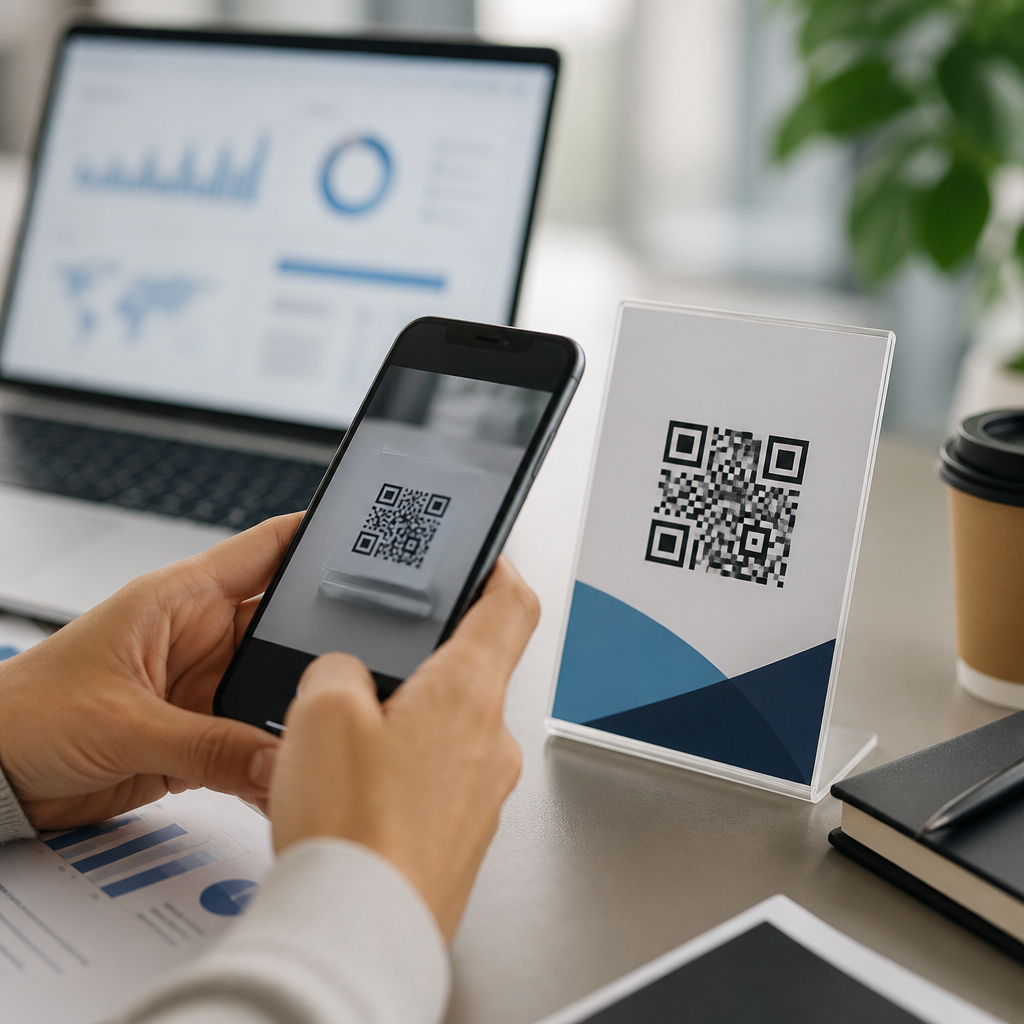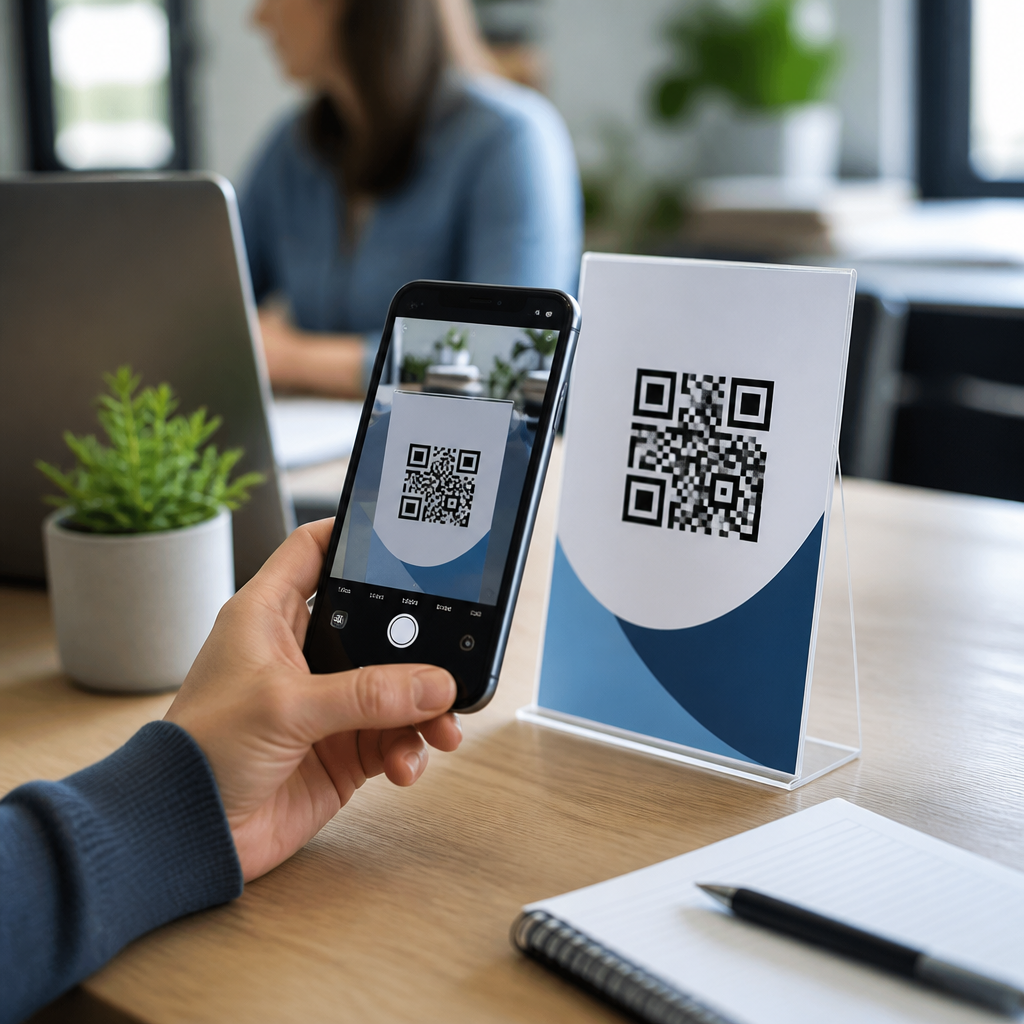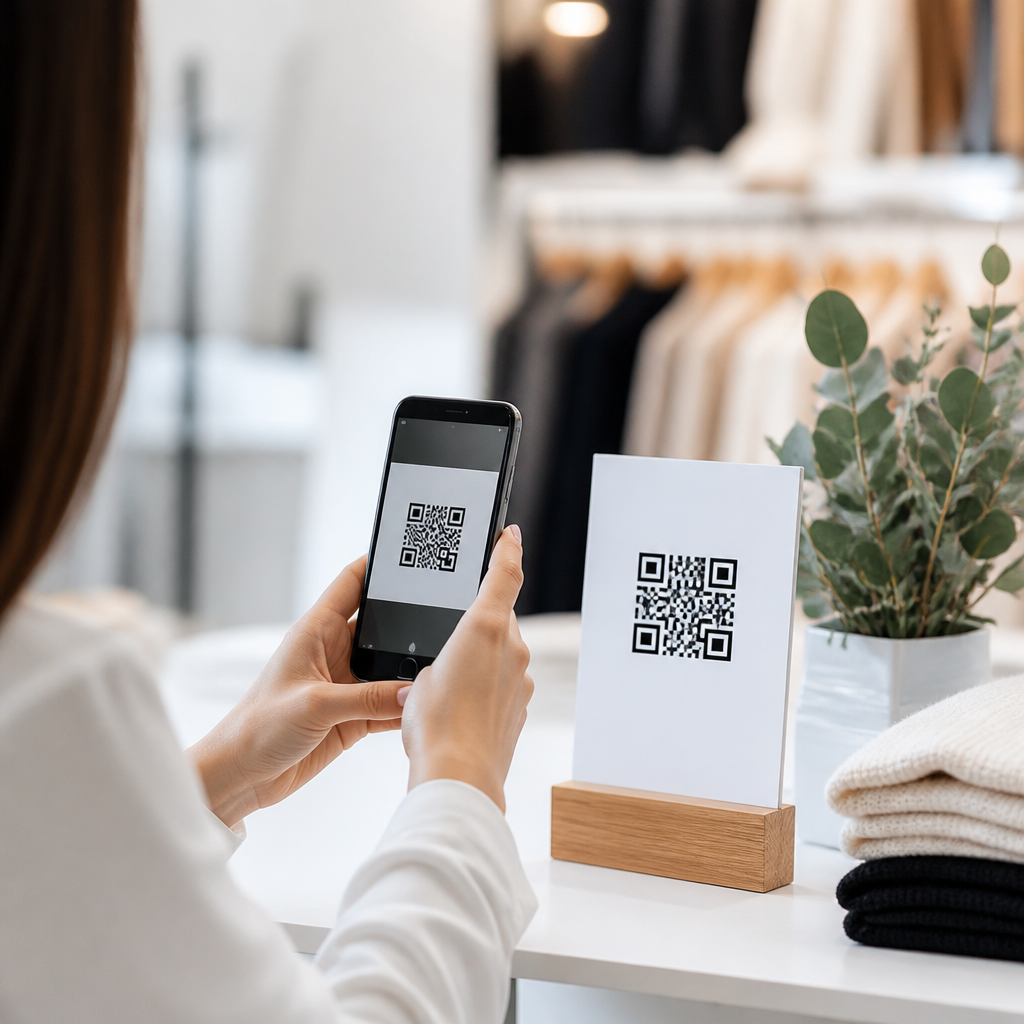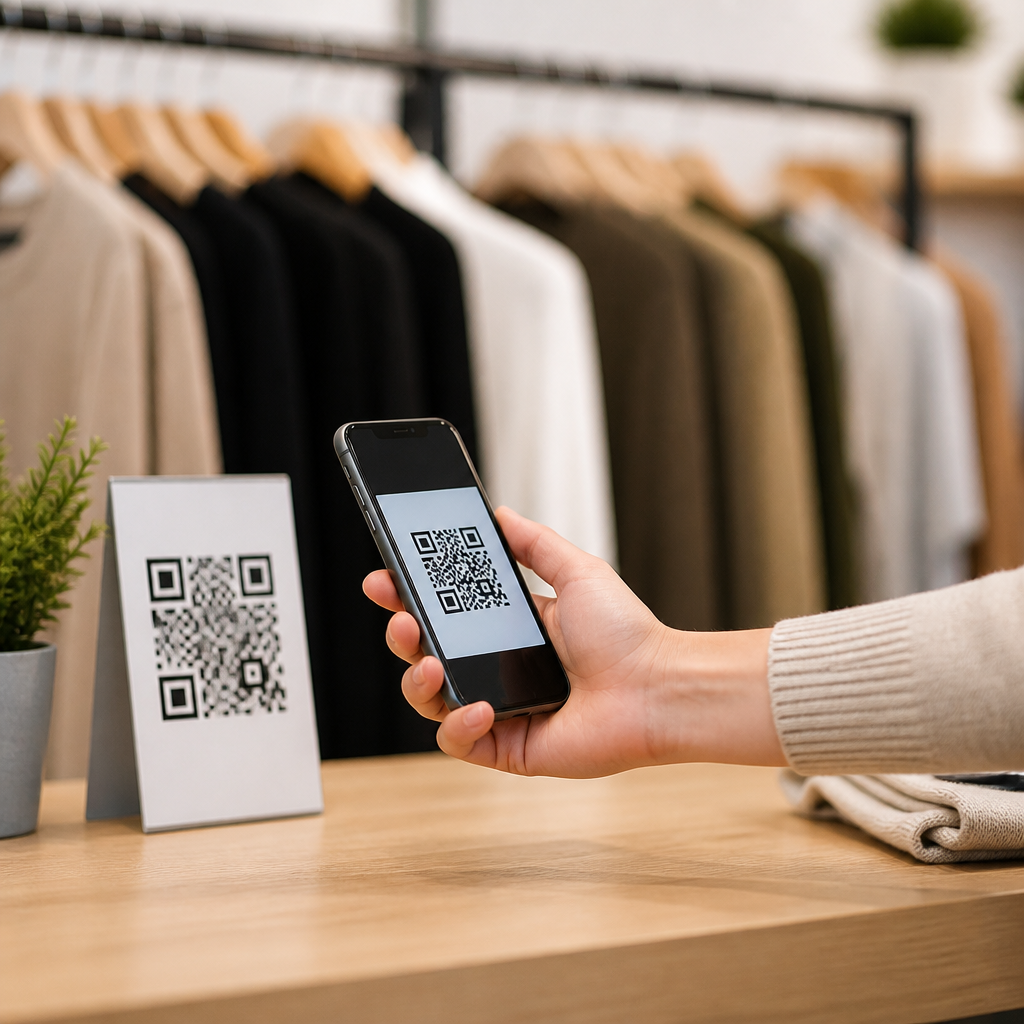
QR codes have become one of the most practical tools for cross-platform social promotion because they connect offline attention to online engagement in a single scan. In marketing terms, a QR code is a scannable matrix barcode that opens a digital destination, while cross-platform social promotion means moving people from physical spaces, packaging, print, events, and one social network to another profile, channel, or content format without friction. I have used QR campaigns for retail stores, trade show booths, restaurant tabletops, direct mail, and product packaging, and the same lesson repeats: when the code leads to the right social action, response rates rise because the user does not need to search manually. That matters for brands trying to grow followers, drive user-generated content, collect reviews, and turn one-time viewers into repeat community members across Instagram, TikTok, YouTube, Facebook, LinkedIn, Pinterest, and emerging platforms.
For this topic, “QR Codes for Social Media” includes profile links, platform-specific deep links, social follow landing pages, campaign codes tied to promotions, and analytics-enabled dynamic QR codes that can be edited after printing. The reason this matters is simple: social discovery is fragmented. A customer may see your product in a store, your ad in a magazine, your booth at a conference, or your menu in a café, yet your strongest ongoing relationship may happen later on social channels. QR codes close that gap. They also support measurable attribution when paired with UTM parameters, platform insights, and short, mobile-optimized landing experiences. As a hub topic under mobile QR codes for marketing, this article explains how to use QR codes for social media strategically, which destinations work best, what design and tracking standards to follow, where to place codes, and how to avoid the common mistakes that waste scans.
How QR codes support social media growth across platforms
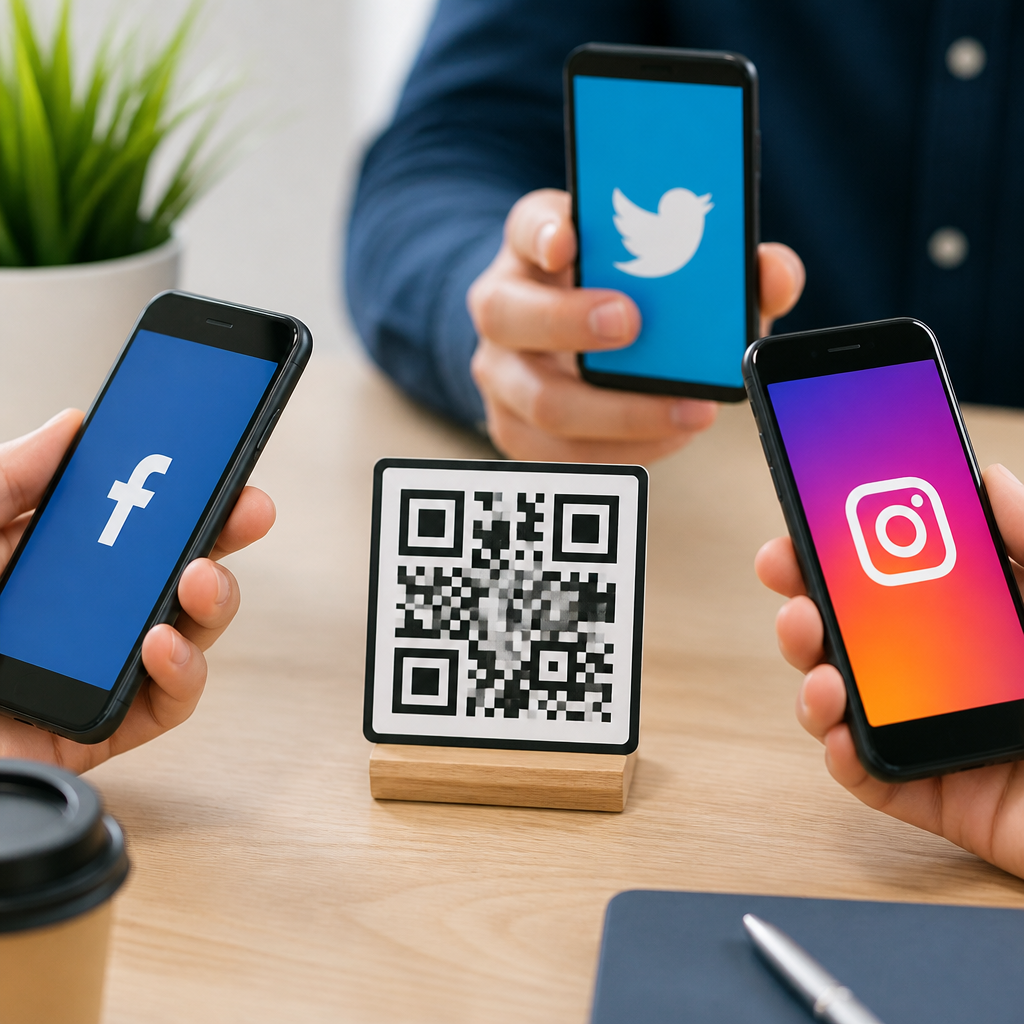
QR codes help social media growth by removing the need to type usernames, search brand names, or remember handles across multiple networks. The strongest use case is not merely sending people to a homepage. It is directing them to the exact next action you want: follow an Instagram profile, subscribe to a YouTube channel, join a LinkedIn newsletter, watch a TikTok tutorial, pin a recipe board, or open a social landing page listing every active platform. In campaigns I have managed, direct social destinations consistently outperform generic site links when the objective is follower growth or engagement, because the intent is explicit and the path is short.
Cross-platform promotion works especially well when each touchpoint reflects context. At an event, a speaker backdrop QR code may lead to LinkedIn for professional follow-up. On consumer packaging, Instagram or TikTok often performs better because visual content extends product experience. In B2B direct mail, a code that opens a company page, case study video, and executive social profile can support trust and retargeting. Restaurants frequently place codes on menus and table tents to encourage Instagram tagging or review creation, while retail fitting rooms can link to style inspiration boards or creator collaborations. The principle is always the same: match the social destination to user intent in that moment.
Dynamic QR codes are usually the better choice for social promotion because they let marketers change the destination without reprinting materials. If a campaign begins with an Instagram contest and later shifts to a YouTube launch video, the printed code stays the same while the redirect changes. This preserves assets, reduces waste, and protects continuity across channels. Dynamic platforms such as QR Code Generator Pro, Bitly, Beaconstac, Flowcode, and Uniqode also provide scan analytics including device type, time, and approximate location, which helps marketers compare placements and optimize creative.
Choosing the right destination: profile, post, landing page, or campaign hub
The best QR destination depends on campaign goal. If the primary objective is audience growth, linking directly to a social profile is often best because it minimizes clicks before the follow action. If the objective is engagement, a specific post, reel, short, or pinned thread can work better because it gives the user immediate context and a reason to interact. If the objective is multi-channel discovery, use a mobile-first landing page with prominent buttons for each network. If the objective is conversion tied to a promotion, send users to a campaign hub that combines social proof, incentive, and platform options.
Profile links are simple and effective, but they can be limiting when a brand is active across many channels. A social landing page solves that by offering one scan and several choices. The page should load fast, use large tap targets, and present networks in priority order. Keep branding consistent, but avoid overdesign that slows performance. In practice, a landing page with Instagram, TikTok, YouTube, and email signup can outperform a single-profile destination because it accommodates different content preferences. However, too many options can reduce action, so most brands should keep the list tight.
Campaign hubs are valuable when social promotion supports a larger initiative such as a product launch, influencer activation, giveaway, or seasonal event. In that case, the QR code should open a page with a clear headline, a short explanation, a featured social action, and any secondary links below it. For example, a cosmetics brand might place a QR code on packaging that opens a page inviting customers to post a tutorial with a branded hashtag, follow the brand on TikTok, and view creator examples. This creates continuity between purchase, participation, and amplification.
| Goal | Best QR Destination | Why It Works |
|---|---|---|
| Grow followers fast | Direct profile link | Lowest friction to follow |
| Boost engagement | Specific post or video | Immediate content context |
| Promote multiple channels | Mobile social landing page | Lets users choose preferred network |
| Support launches or contests | Campaign hub page | Combines incentive, instructions, and social proof |
Design, placement, and technical standards that improve scan rates
A social QR code campaign succeeds or fails on usability. The code must be easy to scan, easy to trust, and tied to a clear promise. Size matters: on print pieces viewed at arm’s length, I generally use at least 0.8 by 0.8 inches, and larger for posters, signage, and storefronts. The standard rule is to increase code size relative to scanning distance; a common field guideline is roughly one inch of code for every ten inches of distance. Quiet zone matters too. Leave adequate white space around the code so camera software can detect boundaries accurately.
Contrast should be high, with a dark foreground on a light background whenever possible. Branded colors can work, but low-contrast combinations often fail in real environments with glare or motion. Logos in the center are acceptable if error correction is set properly, usually level Q or H, but oversized logos can make the code unreadable. Test on both iPhone and Android native camera apps before deployment. Many teams test only in ideal office lighting; that is not enough. Test outdoors, under fluorescent light, and on curved packaging because those conditions expose failures quickly.
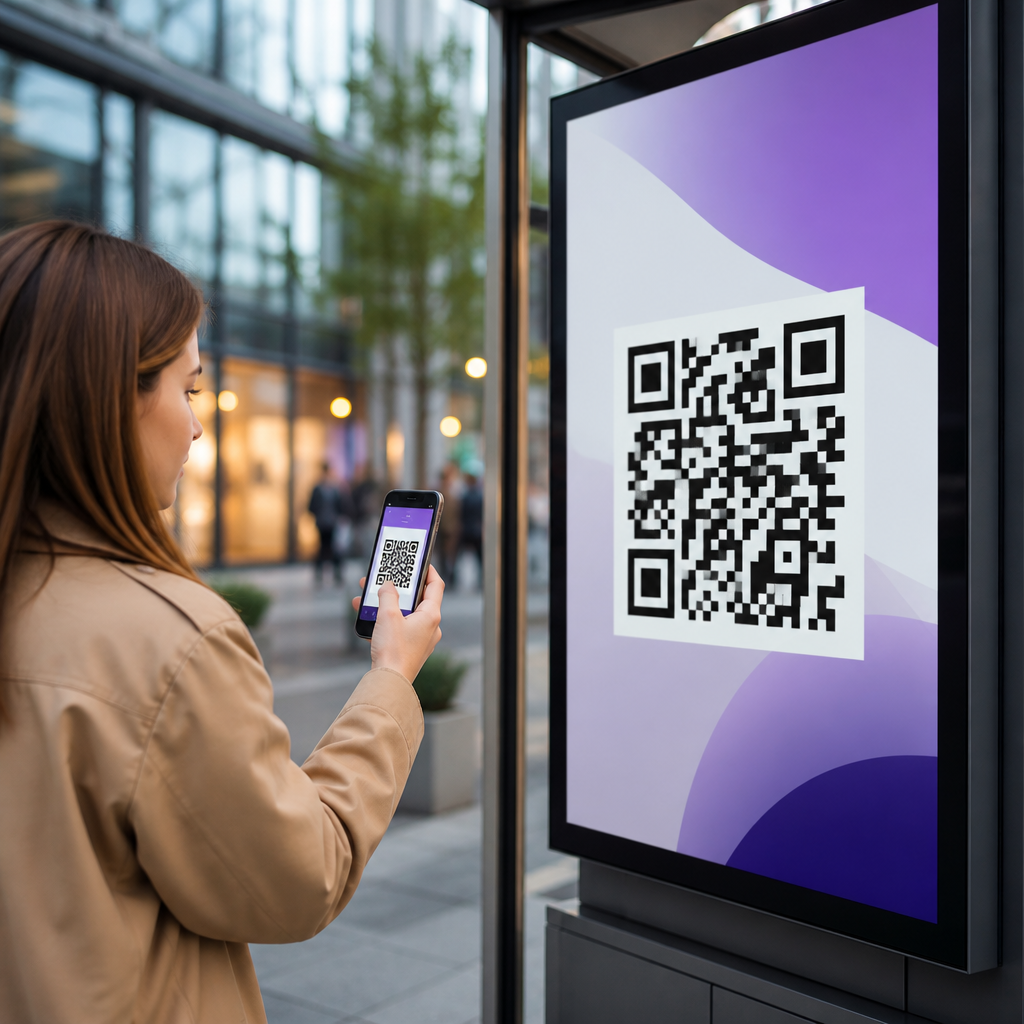
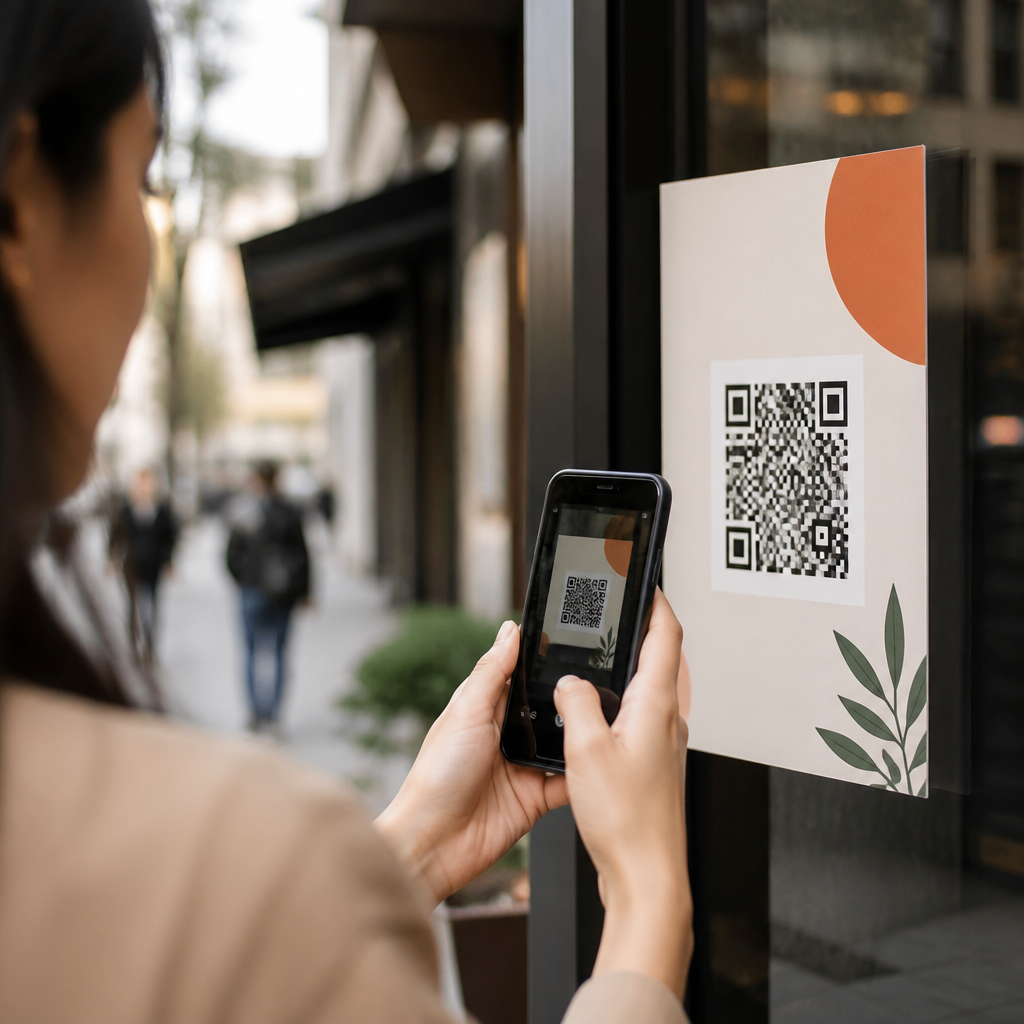
Placement should align with natural pauses. People scan when they are waiting, browsing, or deciding. Good placements include product packaging, shelf talkers, window decals, point-of-sale displays, menus, event badges, booth panels, brochures, and receipts. Poor placements include moving vehicles, tiny labels on reflective materials, and surfaces where cellular service is weak. Always add a call to action beside the code, such as “Scan to follow our recipe videos” or “Scan to see customer styling tips on Instagram.” Response rises when the value is explicit rather than implied.
Technical setup is equally important. Use HTTPS destinations, mobile-optimized pages, and UTM-tagged links so traffic can be measured in Google Analytics 4 or another analytics platform. If your social platform supports deep linking, use it to open the app directly when available. Short redirects can improve manageability, but they should come from reputable domains because unfamiliar links reduce trust. Finally, keep destination pages lightweight. A slow social landing page undermines the speed advantage that made the QR code attractive in the first place.
Measurement, governance, and common mistakes to avoid
Measuring QR codes for social media requires looking beyond scan count. Scans indicate interest, not outcome. Useful metrics include unique scans, scan-to-click rate on a landing page, profile visits, follows, watch time, saves, shares, hashtag usage, and assisted conversions. For example, if a retail poster drives modest scans but those visitors produce a high follow rate and later purchase through remarketing, the code is more valuable than a heavily scanned placement that creates no downstream action. This is why campaign tagging, platform insights, and dashboard discipline matter.
Governance becomes essential once brands run many QR assets across regions or teams. Use a naming convention for every code, maintain a destination inventory, and document owner, purpose, launch date, and retirement date. Broken redirects and outdated campaign pages are common in decentralized organizations. I have seen packaging stay in market for nine months while the linked contest expired after six weeks, creating a poor customer experience and wasted traffic. Dynamic management prevents that, but only if someone actively reviews assets and updates destinations.
The most common mistakes are predictable. Brands send social traffic to a homepage instead of a social action. They print static codes too early and cannot adapt later. They design decorative codes that are hard to scan. They omit instructions, so users do not know why to scan. They use too many platform choices, which weakens decision-making. They fail to test with real devices and real lighting. They ignore privacy and consent issues when collecting data after the scan. And they expect the code itself to create demand, when in reality the offer, content quality, and audience fit still determine results.
QR codes for cross-platform social promotion work best when they are treated as journey builders, not just scannable graphics. A well-planned code connects offline discovery to the right social destination, reduces friction, and gives marketers measurable evidence of what content and placements perform. The strongest programs align the destination with user intent, use dynamic infrastructure, follow design and testing standards, and measure outcomes beyond raw scans. They also recognize tradeoffs: sometimes a direct profile link is best, while other times a landing page or campaign hub creates more value.
As the hub for QR codes for social media, this topic supports a wide range of deeper tactics, from packaging campaigns and event activations to review generation, creator partnerships, and multi-network audience growth. The practical advantage is consistency: one scan can move a person from a shelf, sign, mailer, or menu into an ongoing social relationship. If you are building a mobile QR marketing program, start by auditing your current physical touchpoints, choose one priority social action for each, and launch a tracked dynamic QR code that serves a clear audience need. Then test, refine, and expand with confidence.
Frequently Asked Questions
What are QR codes for cross-platform social promotion, and why are they so effective?
QR codes for cross-platform social promotion are scannable codes that send people from an offline or digital touchpoint directly to a social destination, such as an Instagram profile, YouTube channel, TikTok page, Facebook group, LinkedIn company page, creator bio page, or a campaign-specific landing page that routes visitors to multiple social platforms. Their effectiveness comes from how much friction they remove. Instead of asking someone to remember a username, search manually, type a long URL, or navigate between apps, a QR code turns interest into action with a single scan.
This matters because attention is often short-lived. A shopper in a store, someone attending an event, or a customer holding product packaging may be curious in the moment, but that interest can disappear quickly if the next step feels inconvenient. A well-placed QR code captures that moment and converts it into measurable engagement. It connects physical experiences to digital communities, helping brands move audiences from posters, receipts, flyers, menus, business cards, labels, direct mail, and one social platform to another without disrupting the user journey.
QR codes are also effective because they support different campaign goals at once. One code can increase followers, drive video views, promote user-generated content, collect leads, encourage app downloads, and guide people toward limited-time offers or exclusive social content. When combined with trackable links or dynamic QR technology, they also provide valuable data on scans, locations, devices, and timing, which makes it easier to optimize campaigns and understand which placements are producing real engagement.
Where should I place QR codes to promote social channels across platforms?
The best placement depends on where your audience encounters your brand and how much time they have to scan. In retail environments, QR codes work especially well on shelf talkers, window displays, checkout counters, product tags, packaging inserts, and receipts because these are natural pause points where people can take action immediately. At events, strong placements include booth signage, badges, table tents, presentation slides, swag, banners, brochures, and thank-you cards. In restaurants or hospitality settings, menus, table cards, room guides, and in-store promotional displays can all help direct guests to social channels or campaign content.
Print marketing is another strong category. QR codes on postcards, catalogs, posters, magazine ads, business cards, and direct mail pieces can extend the life of a static format by connecting people to dynamic social content. They can also be useful in digital-to-digital contexts, such as including a QR code in a webinar slide deck, on a smart TV ad, during livestreams, or inside a social graphic that invites followers on one platform to connect with you on another.
The key is relevance and visibility. The destination should make sense for the context. For example, a product package might send users to Instagram tutorials, while an event banner might direct people to a LinkedIn page or a YouTube recap. The code should be easy to notice, large enough to scan comfortably, and supported by a clear call to action. Phrases like “Scan to watch styling tips on Instagram,” “Scan to follow our event updates,” or “Scan to join our creator community” typically perform better than a QR code presented without explanation. Good placement is not just about traffic volume; it is about catching people at the point where they are most likely to want more information or a closer connection.
Should a QR code link directly to one social profile or to a landing page with multiple platform options?
Both approaches can work, and the right choice depends on campaign intent. If you have one clear objective, such as gaining followers on TikTok, increasing YouTube subscribers, or driving traffic to a specific Instagram Reel series, a direct link usually performs best. It keeps the user journey short and focused, which often improves conversion rates because there are fewer decisions to make after scanning. This approach is especially effective when the context strongly supports a single next step, such as a beauty product package linking to application tutorials on Instagram or a conference handout linking to a brand’s LinkedIn page for professional follow-up.
A landing page with multiple social options makes more sense when your audience may want different kinds of content or when your campaign spans several channels. For example, a musician might offer links to TikTok, YouTube, Instagram, and Spotify from one scan, while a retail brand might include social profiles, a loyalty sign-up, a UGC submission form, and a current promotion. This is also useful when your audience is broad and platform preferences vary by age, intent, or device behavior.
From a strategic perspective, multi-link landing pages offer more flexibility. You can update destinations over time, feature seasonal campaigns, and test which platforms attract the most clicks without reprinting the QR code if you are using a dynamic setup. The tradeoff is that every extra option introduces another decision, so the page must remain clean and purposeful. In practice, many strong campaigns use both models: direct-link QR codes in highly specific placements and multi-link QR codes in more general brand materials. The best decision comes down to whether you want to maximize immediate action on one platform or give users a broader pathway into your social ecosystem.
How can I make a QR code campaign more successful for social engagement and follower growth?
Successful QR code campaigns are built around clarity, value, and consistency. First, the offer or outcome needs to be obvious. People are much more likely to scan when they know exactly what they will get. That could be exclusive behind-the-scenes content, a giveaway entry, a tutorial, early access to product drops, event photos, a community invite, or a discount tied to following a social account. “Scan to follow us” can work, but “Scan to unlock exclusive product demos on YouTube” or “Scan to join our Instagram giveaway” is usually stronger because it gives a concrete reason to act.
Design also matters. The QR code should be easy to scan, visually integrated into the brand, and surrounded by enough white space to prevent scanning issues. It should appear at a practical size based on the viewing distance, and it should never be placed where glare, folds, curved surfaces, or low contrast make it harder to use. Testing across multiple phones and camera apps is essential before launch. If the code opens a landing page, that page must load quickly, display well on mobile devices, and make the next step effortless.
Another important factor is matching the destination to user intent. Someone scanning from packaging may want product education or community inspiration, while someone scanning at an event may want real-time updates, speaker clips, or networking opportunities. When the destination feels aligned with the environment, social engagement tends to rise. Brands also see better results when QR campaigns are repeated across several touchpoints rather than treated as one-off experiments. For example, using the same campaign theme on signage, inserts, email, and social posts helps reinforce the behavior and increases total scan volume.
Finally, track performance and refine. Use dynamic QR codes, UTM parameters, or analytics-enabled landing pages to measure what is happening after the scan. Look at scan rate, click-through rate, follows, watch time, content saves, and downstream conversions. If one placement generates many scans but few follows, the issue may be the destination or message. If one location produces excellent conversion, expand it. The strongest QR-based social campaigns are rarely successful by accident; they improve because each touchpoint is tested, measured, and adjusted.
How do I track and measure the ROI of QR codes used for cross-platform social promotion?
Measuring ROI starts with defining what success means for the campaign. For some brands, the primary goal is follower growth or audience expansion on a specific platform. For others, it may be video views, engagement rate, lead capture, community sign-ups, website traffic from social, or even sales influenced by social content. Once that goal is clear, every QR code should point to a destination that can be tracked through analytics tools, campaign parameters, platform insights, or a dedicated landing page.
Dynamic QR codes are particularly useful because they allow you to monitor scan activity without changing the printed code. You can typically see how many scans occurred, when they happened, and sometimes where or on what device they took place. By pairing the QR destination with UTM-tagged URLs, you can trace users into web analytics platforms and identify which placements or campaigns are producing the best downstream results. If the QR code leads directly to a social profile, platform-native analytics can help you compare follower growth, profile visits, content views, or engagement during the campaign period. If the code leads to a landing page, you can go even deeper by tracking button clicks to each social network and measuring which channel attracts the most interest.
To calculate ROI in a meaningful way, compare campaign cost against the value of the results. Costs may include design, printing, signage, packaging updates, event materials, landing page creation, and paid promotion supporting the campaign. Returns may include new customers, attributable sales, lead value, increased social audience, higher engagement, stronger remarketing pools, or reduced friction in the customer journey. In many cases, the real value of QR-driven social promotion is not just immediate conversion but the ability to build an owned or semi-owned audience connection that can be nurtured over time through content and community.
The most practical reporting approach is to evaluate both direct and assisted performance. Direct