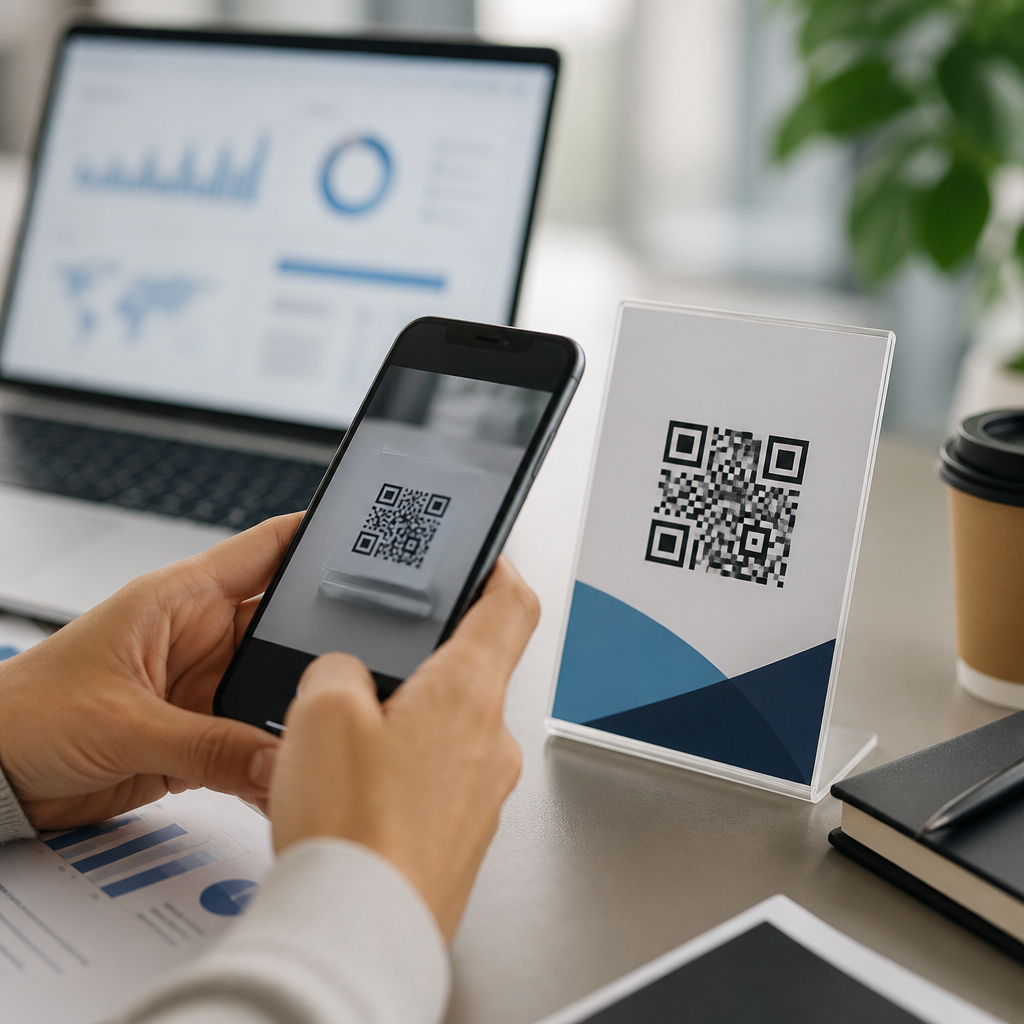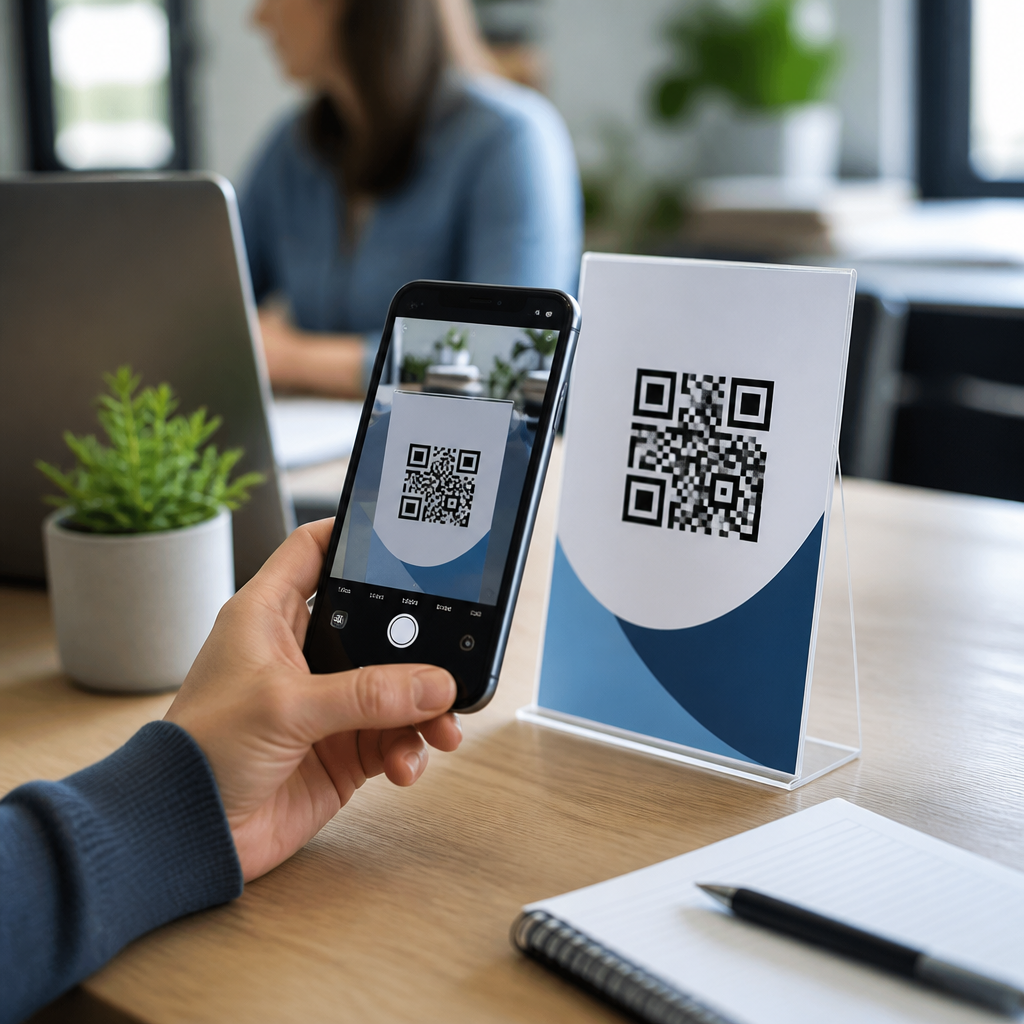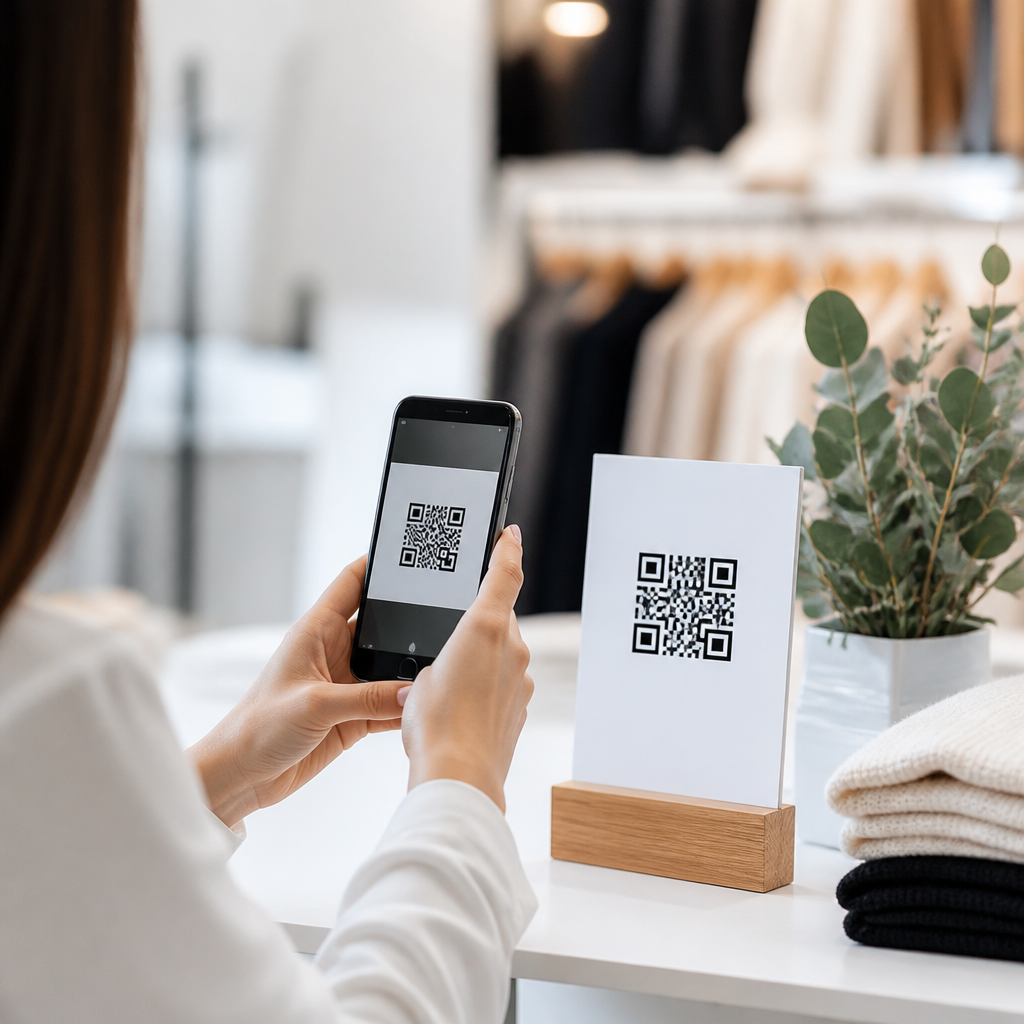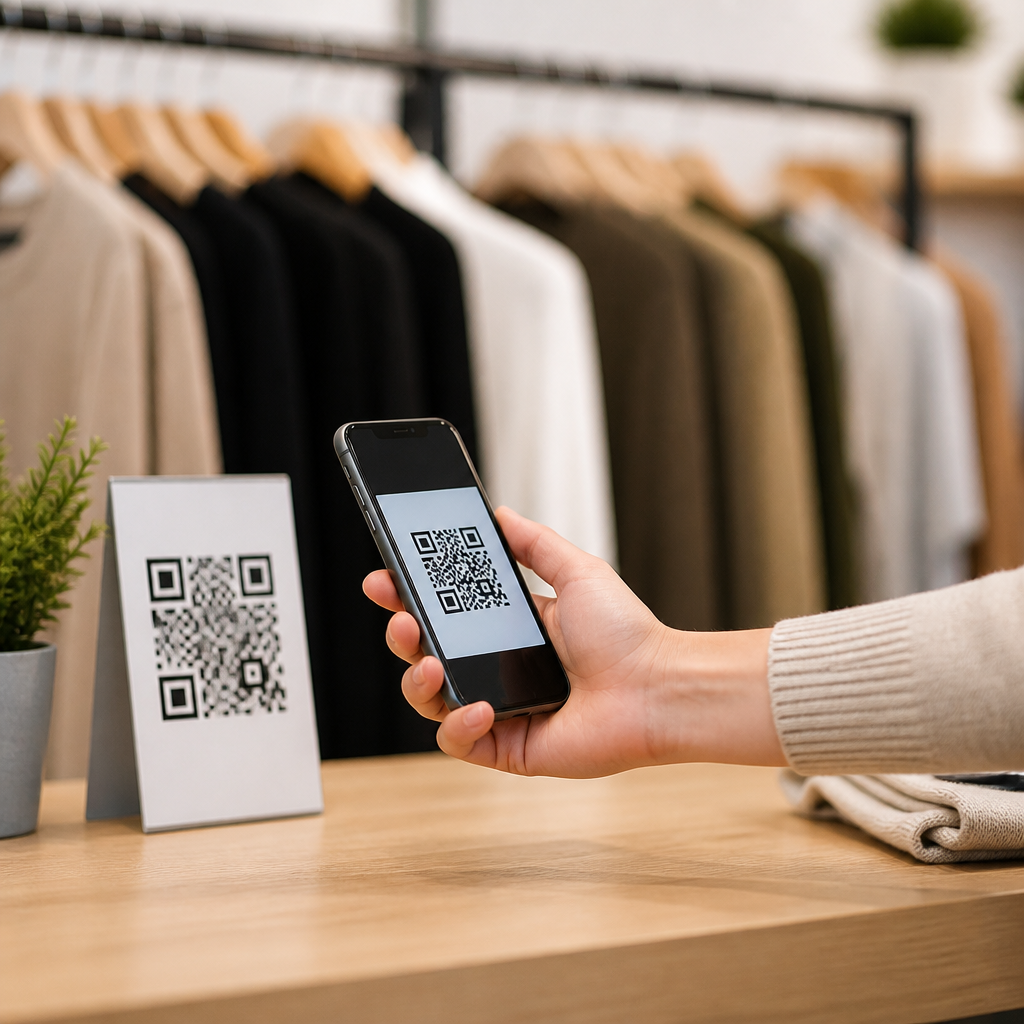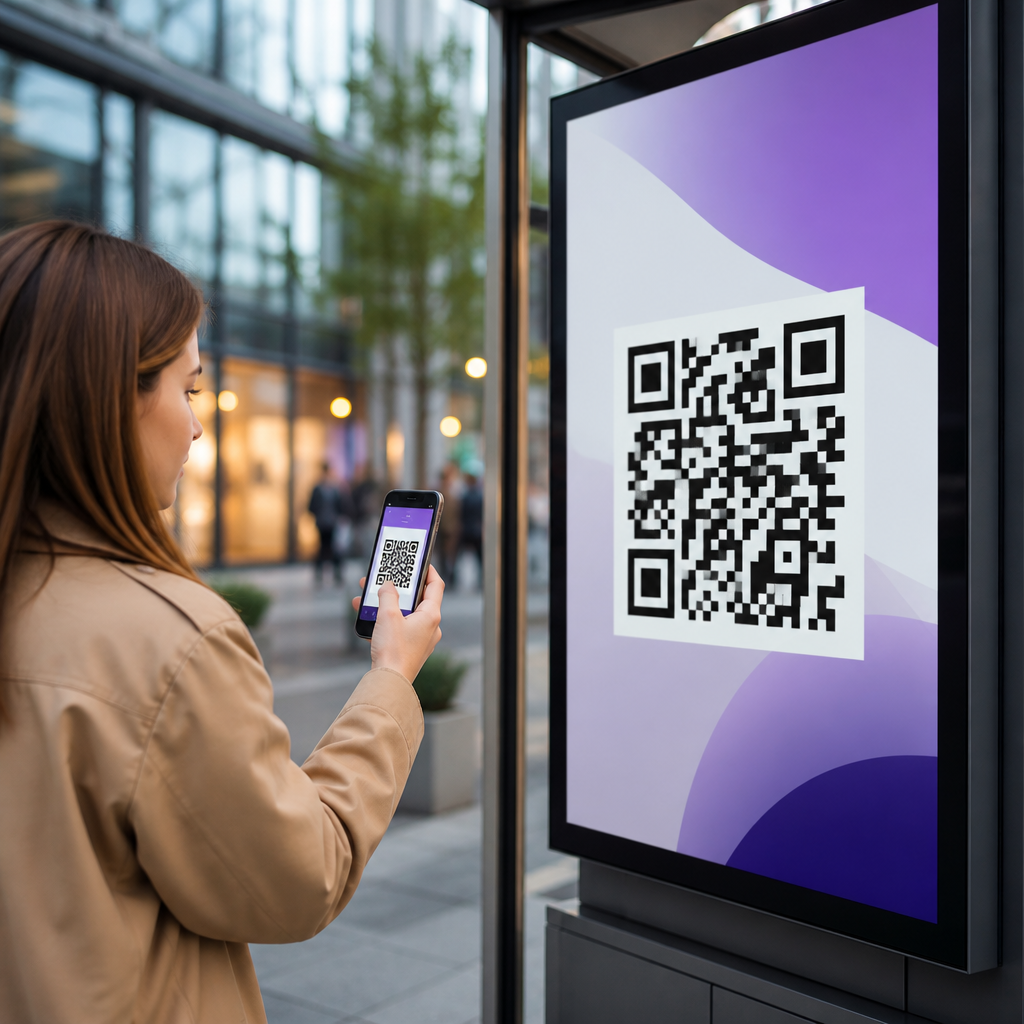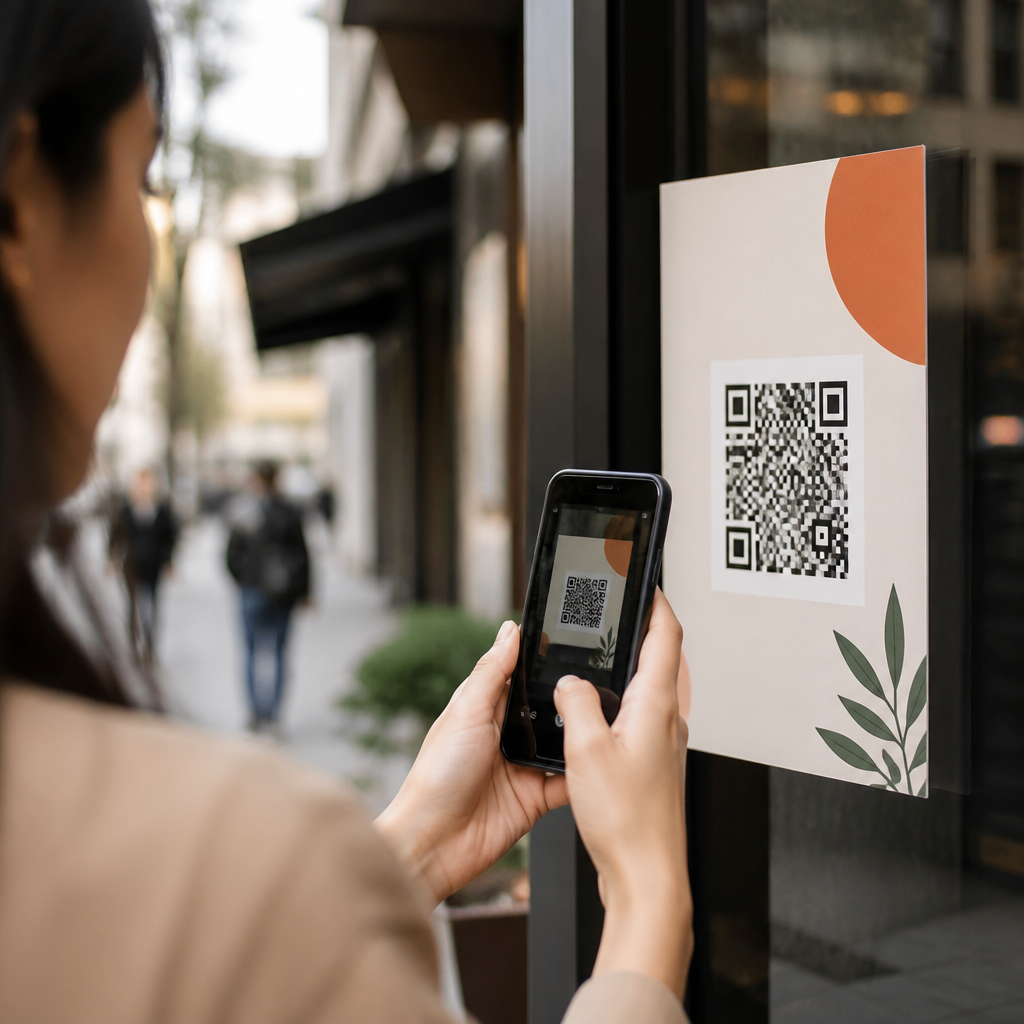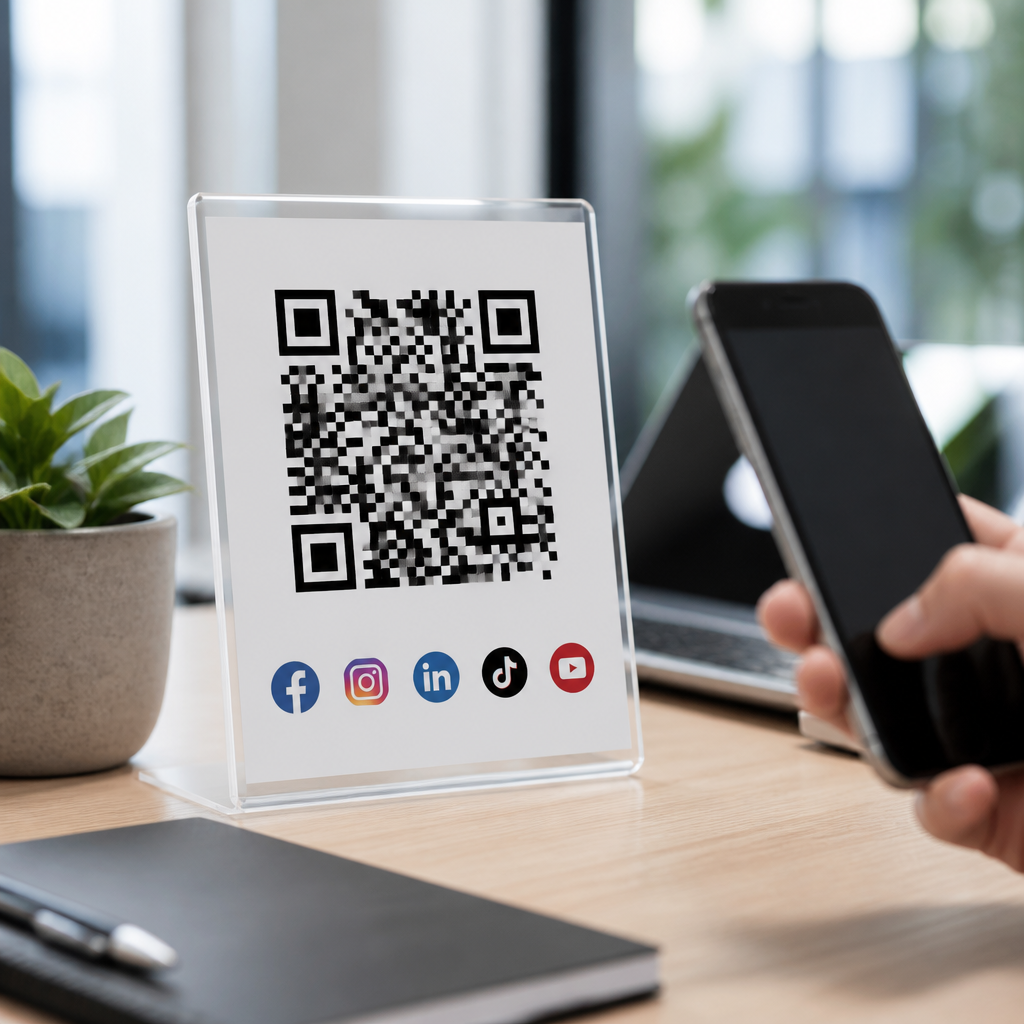
Social media QR codes turn a printed or on-screen square into a direct path to a profile, post, video, message thread, or multi-link landing page, making them one of the most efficient bridges between offline attention and online engagement. In practical terms, a social media QR code is a scannable code that sends a user to a destination such as Instagram, TikTok, Facebook, LinkedIn, YouTube, X, Pinterest, or a consolidated page containing several social links. I have used them on retail displays, event badges, direct mail, packaging, restaurant menus, and trade show signage, and the pattern is consistent: when the scan destination is clear and the experience is fast, social follow rates and content discovery improve. This matters because social growth is increasingly influenced by friction. Every extra step between seeing a brand and finding its profile reduces conversion. Typing usernames is slow, searching can surface competitors, and platform-native search often buries smaller brands. A well-built QR code removes that friction, preserves campaign attribution, and supports measurable customer journeys across channels. For marketers working within a broader mobile QR strategy, social media QR codes also serve as a hub asset. They can introduce audiences to multiple networks, encourage user-generated content, support influencer partnerships, and connect in-store visits to ongoing digital relationships that extend well beyond the first scan.
Choose the right destination for the user’s intent
The most important decision is not the code design; it is the destination. Social media QR codes perform best when the destination matches the moment in which the user scans. At a conference booth, a LinkedIn company page or executive profile usually outperforms an Instagram homepage because the visitor is in a professional mindset. On product packaging, Instagram, TikTok, or YouTube often works better because buyers want demonstrations, reviews, or brand storytelling. In hospitality settings, a code leading to Google Business Profile review instructions or an Instagram page featuring current specials can create immediate value. I recommend mapping intent first: discovery, follow, review, message, watch, or share. Then build the QR destination around that specific action.
Direct linking also matters. Sending users to a generic website homepage and hoping they will click onward to social accounts wastes scans. Whenever possible, link straight to the intended profile, reel, playlist, channel, or messaging destination. If the campaign goal is cross-platform growth, use a mobile-optimized social landing page that lists each platform clearly, with large tap targets and no clutter. This approach is especially effective for creators, franchises, multi-location businesses, and brands running omnichannel campaigns. The guiding rule is simple: one context, one primary next step. If the destination forces users to think, compare, or search, conversion will drop.
Use dynamic QR codes to preserve flexibility and measurement
For nearly every social campaign, dynamic QR codes are the safer choice. A dynamic code stores a short redirect URL rather than the final destination, which means the destination can be updated after printing. That flexibility is essential when social handles change, campaigns expire, creators switch platforms, or a brand wants to rotate users to seasonal content. In my experience, static codes are acceptable only for permanent, low-risk destinations such as a mature company LinkedIn page with stable branding. Everywhere else, dynamic codes reduce reprint costs and protect campaign continuity.
Measurement is the second reason dynamic codes matter. Good QR platforms provide scan counts, timestamps, device data, and rough location reporting. Combined with UTM parameters in Google Analytics 4, Adobe Analytics, or another analytics stack, marketers can tie scans to sessions, engagement, and downstream conversions. Bitly, QR Code Generator Pro, Beaconstac, Flowcode, and Uniqode are commonly used tools because they support editable destinations and reporting. When social media teams ask whether a poster, shelf talker, mailer, or event banner actually drove follows or video views, dynamic tracking gives a defensible answer. It also enables controlled testing across creatives, placements, and calls to action without replacing the visible code.
Design for scan reliability before brand aesthetics
A social media QR code is successful only if it scans instantly. Brand customization should never compromise readability. The technical baseline is straightforward: maintain strong contrast, preserve the quiet zone around the code, use sufficient size for the viewing distance, and export at high resolution for print. As a rule of thumb, I use at least 2 x 2 centimeters for close-range packaging and much larger dimensions for signage viewed from several feet away. Black on white remains the most reliable format, though dark foregrounds on light backgrounds also work well. Reversing colors, embedding oversized logos, or placing codes over busy imagery frequently introduces scan failures.
Testing should happen on both iPhone and Android devices, across native camera apps and common third-party scanners, under realistic lighting conditions. Glossy surfaces, curved bottles, low-light venues, and reflective window decals are common failure points. Error correction can help when adding a small center logo, but it is not a license for aggressive styling. Short supporting text should explain exactly what the scan does, such as “Scan to follow us on Instagram” or “Scan for TikTok tutorials.” Clear language raises scan confidence because users know the destination before they commit. In crowded environments, that small line of text can materially improve response.
Match platform strategy to business goals
Not every social platform deserves equal treatment. The best practice is to prioritize channels based on audience behavior and business objectives rather than internal preference. A B2B software company usually gets more long-term value from LinkedIn and YouTube than from Snapchat. A restaurant may gain faster traction from Instagram, TikTok, and Google reviews. A home services business can benefit from Facebook community engagement and YouTube explainers, while a fashion brand may prioritize Instagram, Pinterest, and creator-driven short-form video. Social media QR codes should reflect that hierarchy visibly and operationally.
When I build a social QR hub page, I usually limit primary options to three or four destinations. More than that creates choice overload, especially on mobile. The table below shows how common goals map to stronger QR destinations.
| Business goal | Best QR destination | Why it works |
|---|---|---|
| Professional credibility | LinkedIn company page | Supports trust, hiring, partnerships, and B2B discovery |
| Visual brand engagement | Instagram profile or reel | Fast way to showcase products, lifestyle, and UGC |
| Education and demos | YouTube channel or playlist | Captures high-intent viewers seeking explanations |
| Short-form reach | TikTok profile or campaign video | Works well for trends, launches, and creator partnerships |
| Customer conversation | Messenger, WhatsApp, or DM entry point | Reduces friction for support and lead qualification |
Create context-specific calls to action and placements
Placement determines whether a social media QR code is noticed, scanned, and remembered. High-performing placements share one trait: they align with a pause moment. People scan while waiting for coffee, standing in a checkout line, sitting at a table, browsing a booth, opening a package, or reading a postcard. They scan far less often while walking quickly past a storefront or driving by a billboard. This is why in-store displays, packaging inserts, receipts, table tents, event handouts, presentation slides, and shipping boxes often outperform purely decorative wall graphics. The environment must allow enough time and physical access for a comfortable scan.
Calls to action should answer the user’s immediate question: why should I scan now? “Follow us” is generic. “Scan for weekly styling tips,” “Scan to watch the setup video,” “Scan to join our creator challenge,” or “Scan to message our team” is stronger because it states the benefit. Incentives can help, but they should fit the audience and remain compliant with platform policies. Contests, early access, community updates, behind-the-scenes content, and exclusive tutorials are common examples. If a QR code supports an in-store campaign, train staff to mention it naturally. Human prompting consistently lifts scan rates.
Track performance, govern links, and avoid common mistakes
Good governance separates a useful QR program from a scattered collection of codes nobody can audit. Every social media QR code should have a naming convention, owner, destination log, campaign dates, and defined success metric. Without that discipline, teams lose track of which codes are live, which destinations are outdated, and which assets can be repurposed. I advise keeping a central spreadsheet or dashboard listing code ID, placement, final URL, UTM structure, print quantity, launch date, and performance notes. This is especially important for brands with multiple stores, franchisees, field teams, or agency partners.
The most common mistakes are predictable: linking to broken pages, using tiny codes, placing them where mobile signal is weak, sending users to non-mobile-optimized pages, and failing to test after installation. Another frequent error is asking for too much too soon. If the first touchpoint is a package insert, asking a new buyer to follow six channels, join a loyalty program, review the product, and watch a video is unrealistic. Start with one high-value action, then deepen engagement later. Privacy and brand safety also matter. Use trusted QR platforms, secure redirects, and destinations that reflect current moderation standards. A social QR strategy works best when it is simple, intentional, and continuously measured.
Best practices for social media QR codes come down to relevance, reliability, and accountability. Choose a destination that matches the user’s intent, prefer dynamic codes for flexibility, design for instant scanning, and tailor the platform mix to real business goals. Place codes where people have time to act, write calls to action that explain the benefit, and maintain disciplined tracking so results can be improved over time. Used this way, social media QR codes do more than collect casual follows. They connect physical touchpoints to durable digital audiences, support attribution across channels, and strengthen the entire mobile QR marketing program. If you manage packaging, retail, events, print, or local promotions, audit your current social QR experience and update one code this week with a clearer destination, stronger CTA, and proper tracking.
Frequently Asked Questions
What is the best destination to use for a social media QR code?
The best destination depends on the goal of the campaign, not just the platform you want to promote. If the objective is to grow a single channel, linking directly to that profile or post usually creates the shortest path and the fewest drop-off points. For example, a retail display promoting a giveaway might send users straight to an Instagram post, while event signage could link directly to a LinkedIn company page or a YouTube video recap. If your audience may prefer different platforms, a multi-link landing page is often the strongest option because it lets users choose between Instagram, TikTok, Facebook, LinkedIn, YouTube, X, Pinterest, or even direct contact methods.
In most cases, the strongest practice is to match the QR destination to user intent in that moment. Someone scanning a code on packaging may want product tutorials, social proof, or customer support, while someone scanning at a trade show may want to follow your brand, download a resource, or start a message thread. A good social media QR code feels relevant, immediate, and easy to act on. The less friction between the scan and the next step, the better your engagement rate is likely to be.
Should I use a direct social profile link or a multi-link social landing page?
Both can work well, but they serve different purposes. A direct social profile link is ideal when you want one clear action, such as following your Instagram account, watching a TikTok video, subscribing on YouTube, or connecting on LinkedIn. It keeps the experience simple and focused, which is especially important in high-speed environments where people scan quickly and make decisions in seconds. If you already know which platform your audience prefers, a direct link is usually the most efficient route.
A multi-link landing page is better when your brand is active across several networks or when the audience may have mixed preferences. It gives you flexibility to showcase multiple platforms, featured posts, campaigns, contact options, or promotional links in one place. This is especially useful for printed materials that stay in circulation for a long time, such as retail displays, business cards, brochures, product packaging, posters, and booth signage. It also helps future-proof your campaign because you can update the landing page content without replacing the QR code itself. As a general best practice, choose a direct link for a single, high-priority action and a multi-link page when discovery and choice matter more.
What are the most important design and placement best practices for social media QR codes?
The most important rule is simple: make the code easy to scan in real-world conditions. That means using high contrast, maintaining a clean quiet zone around the code, and printing it at a size appropriate to the viewing distance. A QR code on a retail shelf tag can be relatively small, but one on a window sign, banner, or trade show backdrop needs to be significantly larger. You should also test the code on multiple devices and camera apps before launch, because a code that scans perfectly on one phone may be slower on another if the design is overly stylized.
Placement matters just as much as design. Put the code where users naturally pause and have enough time to scan, not where they are moving quickly or standing awkwardly. Avoid wrapping the code around curved packaging, placing it too close to folds or edges, or positioning it in glare-heavy areas such as glossy displays behind bright lighting. Include a short call to action near the code, such as “Follow us on Instagram,” “Watch the product demo,” or “Scan to see all our social channels.” That context improves scan rates because people immediately understand what they will get. Good QR code performance usually comes from clarity, not decoration.
How can I track the performance of a social media QR code?
The most reliable approach is to use a dynamic QR code or a tracked short link behind the code so you can measure scans, location data, device types, time of engagement, and changes over the life of the campaign. If possible, combine that with platform analytics and UTM parameters so you can see not only how many people scanned, but also what they did next. For example, you may be able to compare scan activity from in-store displays against follower growth, video views, profile visits, click-throughs, or message starts on the destination platform.
Tracking is especially valuable when you use social media QR codes across multiple physical placements. A code on packaging may perform very differently from one on a checkout counter, event banner, flyer, or direct mail piece. By assigning unique QR codes to each placement, you can identify which context generates the strongest engagement and optimize accordingly. This is one of the biggest advantages of QR-based social promotion: it turns offline attention into measurable digital behavior. The best practice is not just to launch a code, but to treat it like a testable marketing asset that can be refined over time.
What common mistakes should I avoid when using social media QR codes?
One of the most common mistakes is sending people to a poor mobile experience. Since most scans happen on phones, the destination must load quickly, display correctly on smaller screens, and make the next step obvious. Another frequent issue is linking to a generic homepage or an inactive profile instead of a relevant destination. If a user scans a code expecting a social experience and lands somewhere confusing or outdated, trust drops immediately. Brands also often make the mistake of using only the QR code without any supporting text, which leaves people unsure why they should scan.
Other avoidable problems include printing the code too small, using low contrast colors, over-customizing the design until readability suffers, or placing the code where there is no signal, poor lighting, or not enough dwell time. It is also a mistake to use a static code for a campaign that may need updates later. A dynamic setup gives you flexibility if your social priorities change, a post expires, or you want to redirect traffic to a new platform or landing page. The strongest results usually come from a disciplined approach: define the goal, choose the right destination, test the scan experience thoroughly, add a compelling call to action, and review analytics regularly.