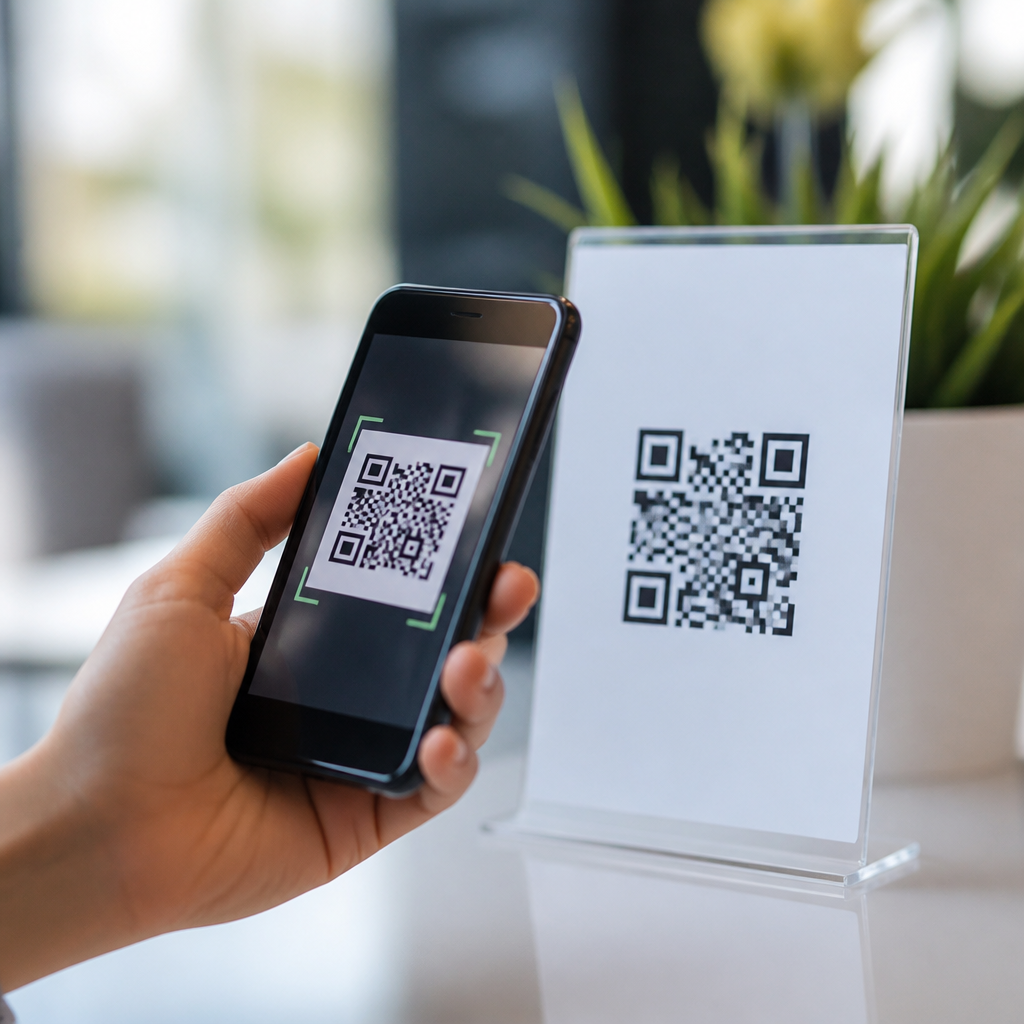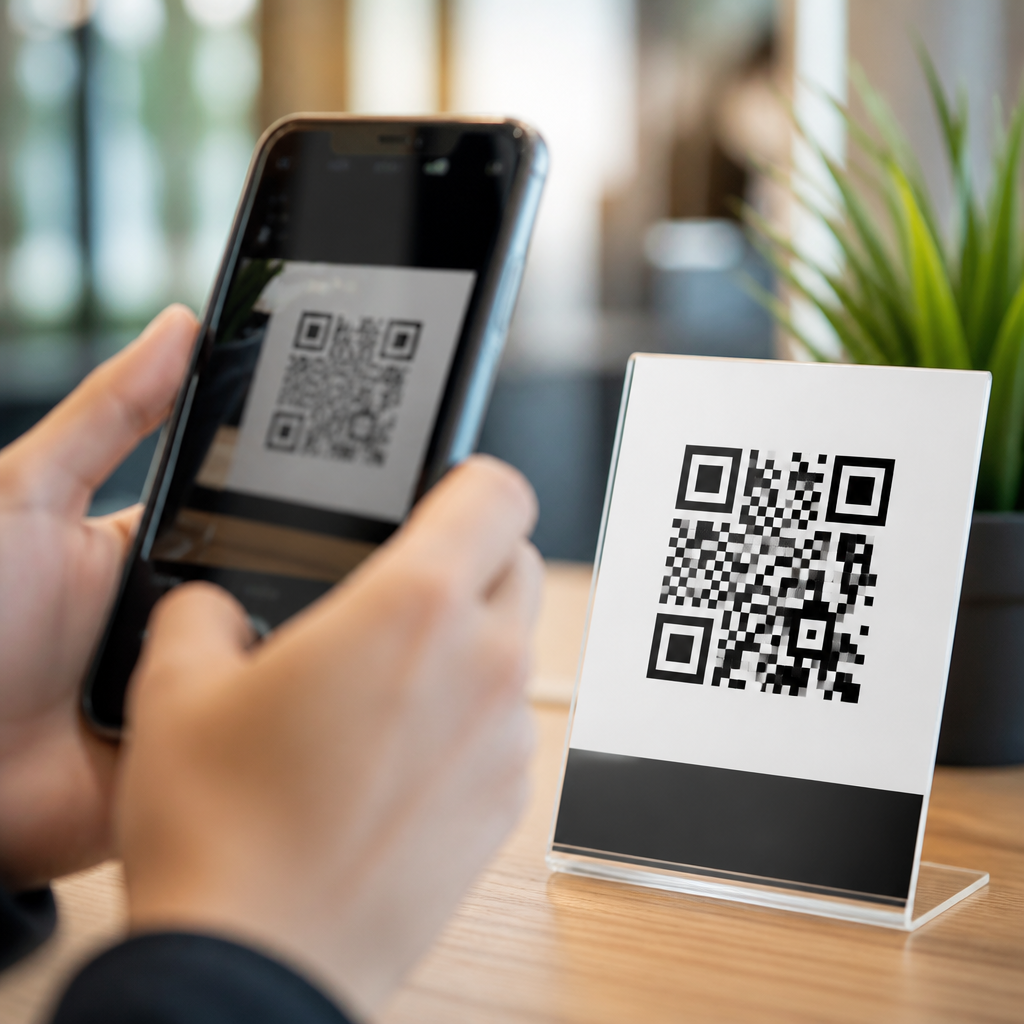

QR code privacy policies are now a core compliance document for any business that uses scannable codes to collect, redirect, personalize, or analyze customer interactions. A QR code may look simple, but behind that square image there is often a chain of data processing: a smartphone camera opens a link, a landing page loads scripts, analytics platforms record metadata, and a CRM or payment system may store personal information. When that happens, privacy law applies. For businesses operating in or serving people in the European Economic Area, the General Data Protection Regulation sets the standard. Similar rules in the UK, California, and other jurisdictions follow the same basic principle: people must understand what data you collect, why you collect it, who receives it, and what choices they have.
In practice, I have seen teams treat QR codes as a design asset instead of a data collection channel. That is where risk starts. A restaurant adds dynamic QR menus with visit tracking, an event organizer prints codes for fast registration, or a retailer places codes on packaging for warranty activation. Each use case can trigger obligations around lawful basis, transparency, consent for cookies, retention, vendor management, and data subject rights. A QR code privacy policy is the plain-language document that connects the physical scan to the digital processing behind it. It should not be copied from a generic website privacy notice without review.
This topic matters because QR campaigns sit at the intersection of offline marketing, mobile UX, and regulated personal data. They are also easy to scale badly. One code can appear on ten thousand flyers, making any privacy mistake instantly widespread. A strong policy reduces legal exposure, improves customer trust, and gives internal teams a repeatable framework for future campaigns. The best policies are specific, accessible from the scan journey itself, and aligned with records of processing, cookie notices, contracts with vendors, and security controls.
What a QR code privacy policy is and when you need one
A QR code privacy policy explains the personal data practices connected to scanning a QR code and interacting with the destination it opens. The key point is that the code itself usually does not “collect” data; the surrounding system does. Static codes that simply encode a fixed URL may involve minimal processing if the destination page has no analytics, forms, or tracking. Dynamic QR codes, however, commonly log scan time, approximate location, device type, operating system, referral context, and unique campaign identifiers. If a user then submits a form, makes a payment, joins a loyalty program, or downloads gated content, the data footprint becomes much larger.
You need a dedicated or clearly expanded privacy notice when the QR experience differs materially from your main website notice, when scans are tracked at campaign level, when geolocation or profiling is involved, or when the code appears in a context where users may not expect digital data collection. Healthcare intake, product authentication, visitor check-in, age-gated promotions, and smart packaging are common examples. The policy can be a standalone page or a subsection of your broader privacy notice, but it must be easy to find before or at the point of collection. If users scan into a form, payment page, or app download flow, the privacy link should appear immediately, not three clicks later.
Core disclosures every business must include
Every compliant QR code privacy policy should answer six questions directly: what data is collected, why it is collected, the legal basis, who receives it, how long it is kept, and what rights users have. Start with categories of data. Be explicit about technical data such as IP address, device identifiers, browser type, timestamp, and page interactions. Then list user-provided data such as name, email address, phone number, billing details, order history, uploaded documents, or survey responses. If the scan is tied to a unique code on packaging or a personalized mailer, explain that the identifier may connect the scan to a campaign, location, or customer record.
Purpose statements should be concrete. “We use scan and interaction data to deliver the requested content, measure campaign performance, prevent fraud, process registrations, and improve mobile page performance” is far stronger than “for business purposes.” Legal basis must also match the activity. Contract may apply to ticket delivery or warranty registration. Legitimate interests may apply to basic security logging or aggregate campaign measurement, provided you document your balancing test. Consent is usually required for non-essential cookies, advertising trackers, and some forms of location-based personalization. If special category data is involved, such as health information collected through a medical QR intake flow, you need an additional condition under GDPR Article 9.
Businesses should also identify recipients and service providers by category and, where appropriate, by name. Typical recipients include hosting providers, QR management platforms, analytics vendors, payment processors, CRM systems, email service providers, customer support tools, and fraud screening partners. International transfers must be addressed clearly. If data moves from the EU to the United States or another third country, the policy should state the transfer mechanism, such as Standard Contractual Clauses, and summarize the safeguards in place. Users should also see retention periods tied to business need. For example, fraud logs may be retained for twelve months, campaign analytics for twenty-four months, and completed transaction records for the period required by tax and accounting law.
How to handle consent, cookies, and lawful basis in QR journeys
The most common compliance failure in QR campaigns is assuming that a scan equals consent. It does not. Scanning a code shows intent to open content, not blanket permission for tracking, profiling, or marketing. If the destination page uses analytics cookies, ad tech, or social pixels that are not strictly necessary, users in GDPR and ePrivacy-sensitive jurisdictions generally need a compliant consent mechanism before those technologies fire. That means a banner or consent layer configured to block non-essential scripts until the user opts in. Google Analytics 4, Meta Pixel, Hotjar, and similar tools must be evaluated carefully based on configuration and jurisdiction.
Lawful basis should be mapped activity by activity. I recommend documenting the flow in a processing inventory before the campaign launches. For example, a museum QR code linking to exhibit information may rely on legitimate interests for basic server logging and performance monitoring, while an optional newsletter form on the same page relies on consent. An event badge QR used for check-in may rely on contract or legitimate interests for attendance validation, but if it also feeds post-event lead scoring, that secondary use requires separate analysis and often clearer notice. Granularity matters because regulators look at the actual processing, not the marketing description.
| QR use case | Typical data | Common lawful basis | Extra privacy step |
|---|---|---|---|
| Restaurant menu | IP, device, page views | Legitimate interests | Cookie consent for analytics |
| Event registration | Name, email, attendance data | Contract | Retention schedule and vendor notice |
| Loyalty signup | Contact details, purchase history | Consent or contract | Marketing opt-in language |
| Medical intake | Health information | Healthcare basis plus Article 9 condition | Enhanced security and explicit notice |
Transparency, user rights, and notice design
A strong privacy policy does more than satisfy legal drafting requirements; it makes the scan journey understandable on a phone screen. Mobile presentation matters. Use layered notice design: a short just-in-time explanation near the QR destination, followed by a full policy linked prominently in the footer or form area. If the QR code appears on printed material, add a short cue such as “Privacy information available after scan” or include a shortened privacy URL nearby. This is especially important where users could be surprised by tracking or data sharing.
User rights language should be precise and operational. Under GDPR, individuals may have the right to access, rectify, erase, restrict processing, object, and request data portability, depending on the legal basis and context. They also have the right to withdraw consent at any time where consent is the basis, and to complain to a supervisory authority. The policy should explain how to submit requests, what identifiers help you locate records, and whether identity verification is required. If a business uses unique QR campaign IDs, state whether those identifiers can be used to retrieve associated records. Avoid promising deletion where legal retention duties prevent it; explain exceptions clearly.
Security, vendors, and records businesses must align behind the policy
A QR code privacy policy is only credible if the underlying controls exist. Security should cover the full chain: secure generation of codes, HTTPS destination URLs, access controls for campaign dashboards, vendor due diligence, encryption in transit, role-based permissions, logging, and vulnerability management for mobile landing pages. In incident reviews, I often find privacy notices claiming “industry-standard security” while the QR redirect platform still allows shared admin accounts or lacks multifactor authentication. That gap is avoidable.
Vendor management is equally important because many QR deployments rely on third parties. Review data processing agreements, subprocessor lists, deletion commitments, breach notification terms, and international transfer language. If your QR platform offers scan analytics, determine whether it acts as a processor or independent controller for any data it uses to improve its own service. That distinction affects your disclosures and contract terms. Keep your records of processing activities synchronized with the policy, and complete a data protection impact assessment when the campaign involves large-scale tracking, vulnerable individuals, sensitive data, or systematic monitoring of publicly accessible areas.
Finally, treat the policy as a living hub document for all QR privacy topics. Link it internally to detailed guidance on consent management, retention schedules, vendor assessments, children’s data, breach response, and data subject request handling. Review it whenever campaign scope changes, a new tracker is added, or a destination page starts collecting more information than originally planned. Businesses that build this discipline early ship faster and with fewer compliance surprises. Audit your current QR journeys, map the data flows, and update your privacy policy before the next code goes live.
Frequently Asked Questions
What should a QR code privacy policy include to stay compliant?
A QR code privacy policy should clearly explain what happens when a person scans the code, what information is collected, why that information is collected, how it is used, who receives it, and how long it is retained. Businesses should not treat QR interactions as technically separate from their normal digital privacy obligations. If a QR code sends a user to a landing page, tracks engagement, captures a form submission, triggers a payment flow, or connects to analytics software, then the policy should disclose each of those activities in plain language. It should identify the categories of personal data involved, such as IP addresses, device details, location signals, purchase information, contact details, or behavioral data gathered through cookies and tracking tools.
A strong policy should also name the legal basis for processing where required, especially for businesses subject to laws such as the GDPR, UK GDPR, CCPA, CPRA, or other regional privacy rules. It should explain whether the QR code is used only to redirect users or whether it supports personalization, campaign attribution, authentication, loyalty programs, event check-ins, or payment collection. If third-party services are involved, such as analytics vendors, advertising platforms, CRM systems, payment processors, or cloud hosting providers, those relationships should be disclosed. In addition, the policy should describe user rights, including how individuals can request access, correction, deletion, or opt-out where applicable. The most effective QR code privacy policies are specific, transparent, and easy to find at the point of scan, not buried deep inside a generic privacy notice that never mentions QR-based data collection at all.
Does a business need a separate privacy policy just for QR codes?
Not always, but the business does need to make sure its existing privacy documentation specifically covers QR code activity. In some cases, a dedicated QR code privacy policy or QR-specific privacy notice is the best option, especially when the code is used in high-visibility campaigns, product packaging, in-store promotions, ticketing, healthcare interactions, or payment workflows. A separate notice can make compliance much clearer because it explains the exact experience tied to the scan. That matters when users move from an offline environment, such as a poster, menu, label, or receipt, into a digital one where tracking and data collection begin immediately.
For many businesses, an updated general privacy policy with a clearly labeled section on QR code interactions may be enough, provided it is easy for users to access before or at the time data is collected. The key issue is transparency, not simply document format. If a QR code launches a page that collects personal information or activates tracking technologies, users should be informed in a way that is timely and relevant to that specific interaction. A broad privacy policy that talks generally about website data collection but says nothing about QR codes, mobile scans, campaign tracking, or connected vendors may leave important gaps. From a risk management standpoint, businesses should map each QR code use case, determine whether the underlying processing differs from normal website traffic, and then decide whether a standalone notice, layered disclosure, or revised master policy provides the clearest and most compliant solution.
What types of data can be collected through a QR code scan?
A QR code itself does not usually collect personal information just by being scanned, but the systems connected to the code often do. Once a user scans and lands on a webpage, app, form, payment portal, or downloadable asset, several categories of data may be collected automatically or directly from the user. This can include IP address, browser type, device identifiers, operating system, time and date of access, referral source, geolocation inferred from network data, and on-page behavior captured through cookies, pixels, SDKs, or analytics scripts. If the destination page asks the user to submit information, the business may also collect names, email addresses, phone numbers, shipping details, account credentials, survey responses, or payment information.
In more advanced campaigns, QR codes may support loyalty enrollment, personalized offers, customer support, event attendance tracking, product authentication, and post-purchase engagement. In those situations, businesses may connect scan activity to customer profiles in a CRM or other backend system. That can turn what seems like simple scan data into identifiable consumer data. If the QR code is used in healthcare, finance, education, employment, or other regulated settings, the sensitivity of the data may be even higher. That is why privacy policies should not focus only on the code image itself. They should address the full data journey after the scan, including tracking technologies, form fields, integrations, and downstream systems. A business that understands and documents that end-to-end flow is in a much stronger compliance position.
When do consent banners, cookie notices, or opt-in disclosures apply to QR code destinations?
They apply whenever the QR code leads users to digital content that uses cookies or similar technologies in a way regulated by applicable law. A common mistake is assuming that because the scan begins in a physical setting, the normal website consent rules do not apply. In reality, once the user arrives at a landing page or app environment, the same privacy and ePrivacy principles generally apply as they would for any other online visit. If the page places non-essential cookies, runs analytics that require consent in certain jurisdictions, activates advertising trackers, or processes personal data for marketing beyond what is strictly necessary, the business may need a consent banner or another valid consent mechanism before those tools are triggered.
Businesses should also think carefully about layered disclosures. For example, the QR code itself may appear on packaging, signage, or a printed receipt with only limited space available. That does not eliminate the obligation to provide notice. It simply means the business should design the experience so the user is informed as soon as practicable, ideally before optional data processing begins. In some cases, a brief callout near the code can signal that scanning opens a page subject to privacy and cookie practices, followed by a more complete notice on the destination page. Where explicit consent is required, especially for marketing communications, precise geolocation, sensitive data processing, or non-essential tracking, the business should collect that consent in a clear, auditable way. The legal standard depends on jurisdiction, but the operational principle is consistent: QR code traffic is still digital traffic, and it must be handled with the same privacy discipline as any other online interaction.
How can businesses make QR code privacy policies more trustworthy and user-friendly?
The best QR code privacy policies are specific, accessible, and written for real users rather than regulators alone. That starts with placement. If a business expects people to scan a code in a store, on packaging, at an event, or from a printed ad, the privacy notice should be easy to reach from the scan destination and, when appropriate, referenced near the code itself. Users should not have to search an entire website footer to understand what data is being collected. Clear headings, short summaries, and layered explanations help people quickly understand whether the scan simply opens a page or triggers data collection, tracking, personalization, or payment processing.
Trust also comes from accuracy and consistency. The policy should match the actual technology stack behind the QR experience, including analytics tools, form processors, payment vendors, CRM integrations, and remarketing systems. If a business says it collects only basic usage data but the landing page runs multiple ad-tech trackers, that mismatch creates both legal and reputational risk. Businesses should review QR campaigns before launch, involve legal and marketing teams in the approval process, and regularly audit whether old codes still point to active destinations with current disclosures. It is also wise to explain user choices in straightforward terms, including how to manage cookie settings, unsubscribe from marketing, request deletion, or contact the company with privacy questions. A polished, honest, and easy-to-read privacy policy does more than support compliance. It shows customers that the business understands the responsibility that comes with turning a simple scan into a data-driven interaction.