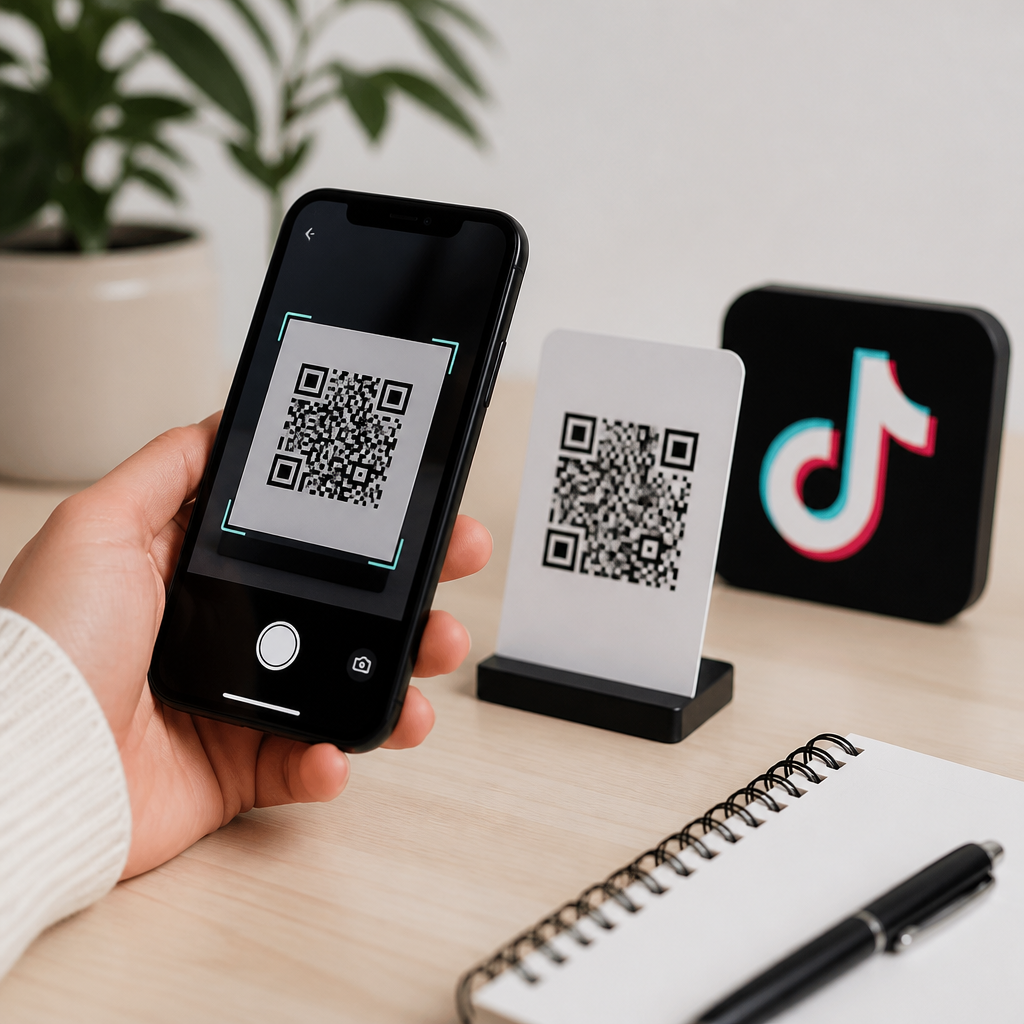
QR codes have become one of the simplest ways to connect offline attention with online action, and TikTok marketing is one of the clearest places where that connection pays off. A QR code is a scannable two-dimensional barcode that opens a destination such as a TikTok profile, video, landing page, form, or app store listing when someone scans it with a smartphone camera. In practical marketing terms, QR codes remove friction: instead of asking people to search your brand name, type a long URL, or remember a hashtag later, you place one scan between interest and action. That matters because TikTok discovery happens fast, attention is short, and every extra step lowers conversion.
I have used QR campaigns for retail launches, restaurant promotions, conference booths, and packaging inserts, and the pattern is consistent: when the code points to a clear TikTok action and the creative gives a reason to scan, response rates improve. TikTok is especially suitable because its content is mobile-native, behavior-driven, and highly influenced by immediate social proof. A customer who scans a code on a poster can land on a creator collaboration, a product demo, a behind-the-scenes clip, or a challenge page within seconds. For brands building a presence across social channels, QR codes also help unify social media strategy by turning physical placements into measurable traffic sources.
This article is the hub for using QR codes across social media with TikTok as the focus. It covers what QR codes should link to, where to place them, how to measure performance, and how to avoid common mistakes. It also connects naturally to broader mobile QR code marketing, because the same principles used for TikTok often apply to Instagram, YouTube, Facebook, LinkedIn, and Snapchat. The key idea is straightforward: a QR code should never exist just to exist. It should support a specific marketing objective, match user intent in that setting, and lead to a destination designed for mobile conversion.
Choose the Right TikTok Destination for the Scan
The first decision is not design; it is destination. Marketers often generate a QR code too early and attach it to a generic homepage or social link hub. That weakens results. The best TikTok QR code sends users to the most relevant next step for the context in which they scan. If your objective is follower growth, link directly to your TikTok profile. If the goal is product education, link to a specific product demo video or playlist. If the goal is user-generated content, link to a campaign page that explains the challenge and then routes users to TikTok.
Direct profile links work well on packaging, in-store displays, and event signage because they invite ongoing engagement. Video-specific links work better when the creative references a claim that needs proof, such as “See the 15-second demo” or “Watch real customer results.” For creators, speaker bios, podcast studios, and trade show badges, a profile QR code can compress discovery into one action. For brands, campaign codes tied to a landing page often outperform raw TikTok links because the page can preload context, disclose terms, capture email, and then pass the user into TikTok.
Dynamic QR codes are usually the better choice because they let you change the destination after printing and preserve campaign continuity. If a video expires, a creator contract changes, or a promotion ends, you can redirect traffic without replacing printed materials. Static QR codes still have a place for permanent assets with stable destinations, but most TikTok marketing benefits from flexibility, analytics, and UTM tagging. Use clear parameters in Google Analytics 4, such as source=qr, medium=offline, and campaign names tied to the placement. That structure makes later reporting usable rather than anecdotal.
Match QR Code Placement to Real-World Intent
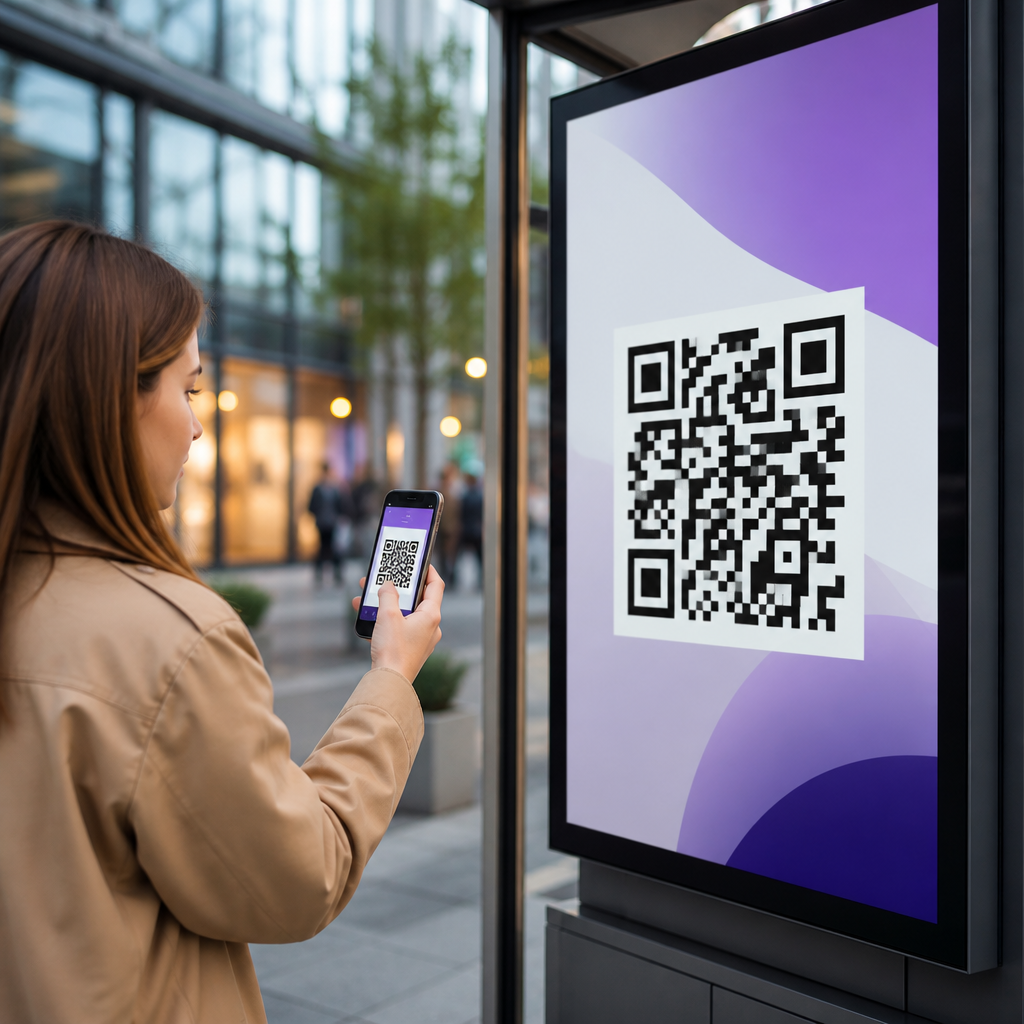
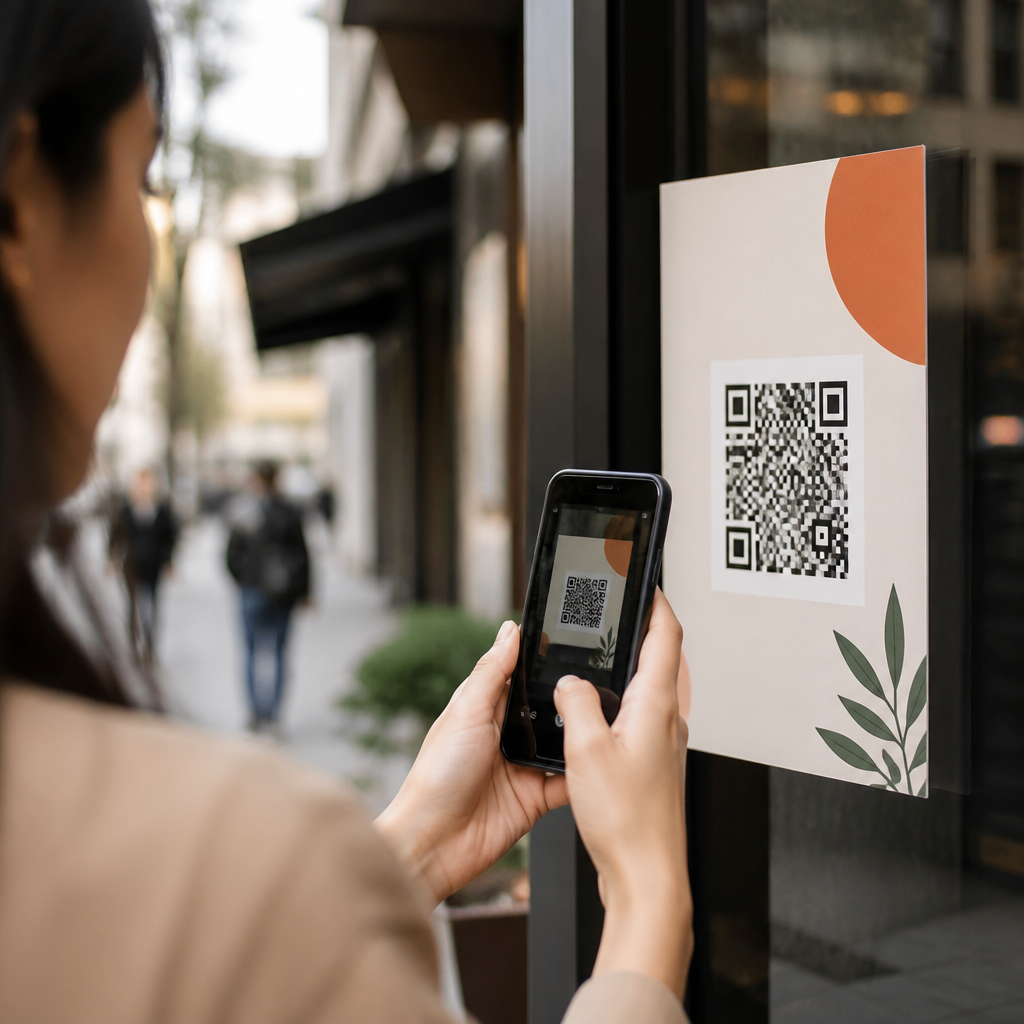
Where a QR code appears shapes who scans it and why. A code on product packaging reaches customers after purchase or at the shelf. A code on a storefront window reaches passersby with low intent but immediate proximity. A code on receipts, table tents, flyers, direct mail, conference signage, or out-of-home advertising each carries different expectations. Strong QR code for social media campaigns respect those differences. Someone scanning from a cereal box may be open to recipes, creator reviews, or a branded challenge. Someone scanning in a queue line may prefer a quick offer, giveaway, or short entertainment clip.
Placement also affects technical performance. Codes need enough size, contrast, and quiet space to scan easily. In print, a practical minimum is often around 2 x 2 centimeters for close-range use, but larger is safer, especially on posters or shop windows viewed from a distance. Matte surfaces scan more reliably than glossy ones under harsh light. For vehicle wraps, billboards, or transit ads, scanning can fail because the user is moving or too far away. In those cases, a short memorable URL alongside the code improves accessibility and captures people who cannot scan safely at that moment.
Physical context should guide the call to action. “Scan to follow us on TikTok” is serviceable but weak. “Scan to watch the setup in 20 seconds,” “Scan for this week’s menu hack,” or “Scan to join the giveaway on TikTok” gives a clear reason. The highest-performing placements usually offer immediate value tied to the environment. At a restaurant, that might be chef videos or limited-time offers. At a beauty counter, it might be application tutorials. At a live event, it might be backstage clips, speaker highlights, or attendee participation prompts.
Build Campaigns That Turn Views into Measurable Outcomes
Good TikTok QR campaigns are designed backward from the business result. The result might be follows, video views, coupon redemptions, lead submissions, contest entries, app downloads, or attributed sales. Once that outcome is clear, the code destination, message, and measurement become easier to define. In practice, I recommend creating one primary conversion per placement. A single QR code should not try to grow followers, collect email addresses, sell a product, and explain the brand story all at once. Focus raises scan-to-action rates.
Use a dedicated campaign structure for every placement and audience segment. A table tent in one café location should not share the same tracking setup as a festival banner or shipping insert. Segmented measurement helps you compare creative, location, and intent. It also reveals whether TikTok is functioning as a top-of-funnel engagement channel or as a direct-response asset in that campaign.
| Placement | Best TikTok Destination | Primary Metric | Practical Example |
|---|---|---|---|
| Product packaging | Profile or product demo video | Follows or video completion rate | Skincare brand links to a 30-second routine tutorial |
| Retail signage | Offer page leading to TikTok content | Coupon redemption | Store display promotes an in-app discount after viewing |
| Event booth | Challenge page or creator recap | UGC submissions | Trade show attendees post using a branded sound |
| Direct mail | Landing page with TikTok embed | Lead form completion | Home services brand pairs testimonial clips with quote requests |
Measurement should combine platform and web analytics. TikTok analytics can show profile visits, audience growth, video engagement, and campaign impact around the activation window. GA4 can show sessions, engaged sessions, event completions, and assisted conversions from QR-tagged traffic. If sales matter, connect downstream systems such as Shopify, HubSpot, Klaviyo, or a CRM. For in-store redemption, use unique codes by location or print variant. Without that discipline, marketers end up claiming success based on scans alone, which is an incomplete metric. A scan is interest, not outcome.
Design QR Codes That Preserve Brand Trust
QR code design affects both scan rate and credibility. Branded colors, logo marks, and custom frames can improve recognition, but overdesign often breaks functionality. The safest approach is a high-contrast code, adequate quiet zone, tested error correction level, and a frame with a direct instruction. Most reliable generators let you export SVG or high-resolution PNG for print, which avoids blurry output. Before approving any asset, test it on iPhone and Android devices under real lighting conditions, not only on a desktop preview.
Trust signals matter because users have learned to be cautious. A code with no explanation can feel suspicious, especially in public spaces. Add a concise label that states exactly what happens after the scan. If the destination includes a form, giveaway, or data capture step, make that clear. On owned channels, align the code with familiar branding so users know it belongs to your business. If possible, use a branded short domain for redirects. That small detail strengthens legitimacy and gives you more control over destination management.
Accessibility should also be part of the design review. Include a plain URL near the code, ensure sufficient color contrast, and avoid placing the code where glare, folds, or curves interfere with scanning. On packaging, do not position the code over seams or crimped edges. On menus and table cards, keep it away from spills and wear zones. These details sound small, but in field campaigns they routinely determine whether people complete the action or abandon it.
Avoid Common TikTok QR Code Mistakes and Scale What Works
The most common mistake is linking to a destination that is not mobile-optimized or not worth the scan. If the page loads slowly, requires multiple clicks, or lacks context, conversion drops quickly. Another mistake is treating all social media QR codes the same. TikTok users expect fast, visual, personality-driven content. A serious B2B brand can still use TikTok successfully, but the destination should fit platform behavior, not simply mirror a brochure. I have also seen brands print one universal code across every market and then wonder why reporting is muddy. Separate codes create actionable data.
Scaling successful campaigns means documenting the variables that mattered: offer, placement, creative prompt, destination type, creator involvement, and scan-to-conversion rate. Then repeat the winning pattern on adjacent social channels where appropriate. A product tutorial strategy that works for TikTok may extend to Instagram Reels or YouTube Shorts with different destination logic. As a hub within QR codes for social media, TikTok often acts as the fastest testing ground because content cycles are short and audience feedback is immediate. Learn there, then adapt.
Used well, QR codes for TikTok marketing turn physical touchpoints into trackable social engagement and measurable business results. Start with one clear objective, send scanners to the right mobile destination, place codes where intent is strongest, and measure outcomes beyond raw scans. Keep the design trustworthy, the call to action specific, and the analytics structured. When those pieces work together, QR codes stop being a novelty and become a durable part of your social media marketing system. Audit your current printed materials, identify one high-intent placement, and launch a focused TikTok QR test this week.
Frequently Asked Questions
1. How can QR codes improve a TikTok marketing campaign?
QR codes improve TikTok marketing by reducing the number of steps between initial interest and action. Instead of expecting someone to remember your brand name, search for your profile, or manually type a link, a QR code sends them directly to the exact destination you want them to see. That could be your TikTok profile, a specific video, a campaign landing page, a lead form, a product page, or an app download. In marketing, fewer steps usually means more conversions, and that is exactly where QR codes are valuable.
They are especially effective in situations where attention starts offline. For example, if someone sees your packaging, product insert, event signage, retail display, poster, restaurant table tent, direct mail piece, or business card, a QR code can instantly move that person from physical exposure to TikTok engagement. That makes QR codes a practical bridge between offline awareness and online interaction. Instead of hoping people will look you up later, you give them a fast path to act in the moment.
QR codes also help support specific campaign goals. If you want more followers, send scanners to your TikTok profile. If you want more views on a product demo or creator collaboration, link directly to that video. If your goal is lead generation or sales, route users to a landing page connected to your TikTok promotion. This flexibility makes QR codes useful across awareness, engagement, and conversion stages. When combined with trackable links, they can also provide insight into scan volume, location performance, and campaign effectiveness.
2. Where should I place QR codes to get the best TikTok marketing results?
The best placement depends on where your audience notices your brand and how quickly they can act. High-performing placements are usually spots where people already have a phone in hand or enough time to scan without friction. Product packaging is one of the strongest options because it reaches existing customers at a moment of active interest. Event booths, in-store displays, checkout counters, menus, print ads, flyers, receipts, shipping inserts, and posters can also work well when the QR code is clearly visible and paired with a compelling reason to scan.
Context matters just as much as visibility. A QR code by itself is less effective than a QR code with a clear call to action. Tell people exactly what they will get, such as “Scan to watch our TikTok tutorial,” “Scan for exclusive TikTok-only offers,” or “Scan to join the challenge.” This removes uncertainty and increases response rates. People are far more likely to scan when they understand the value immediately and know what to expect after opening the link.
Design and usability are also important. Make sure the code is large enough to scan easily, has sufficient contrast, and is not placed in a cluttered area. Test it from realistic distances and angles before publishing. If you are using it in a retail or event environment, think about foot traffic flow, lighting, and whether people can pause long enough to scan. Strong placement combines convenience, visibility, and motivation. When those three factors align, QR codes become a highly efficient entry point into your TikTok campaign.
3. What should a TikTok QR code link to?
A TikTok QR code should link to the destination that best matches your campaign objective. If your goal is audience growth, linking to your TikTok profile makes sense because it encourages follows and lets users explore your content library. If you are promoting a product launch, giveaway, announcement, or trend-based campaign, sending people directly to a specific TikTok video is often better because it delivers a focused message right away. The destination should always be intentional rather than generic.
In many cases, a landing page can be even more effective than linking directly to TikTok. For example, if you want to collect email signups, drive purchases, distribute a coupon, or explain an offer in more detail, a mobile-friendly landing page gives you more control over the user journey. That page can still embed or reference your TikTok content while also guiding the visitor toward a measurable business outcome. This approach is useful when TikTok engagement is part of a broader funnel rather than the final goal.
Whatever destination you choose, make sure it is optimized for mobile users and aligned with the promise on the QR code. If the code says “Scan to watch the full TikTok tutorial,” the link should open directly to that content, not a homepage where users have to search again. Relevance and speed are critical. The more closely the destination matches user intent, the more likely you are to get follows, views, clicks, signups, or sales from the scan.
4. How do I track the performance of QR codes in TikTok marketing?
Tracking starts with using unique, campaign-specific links for each QR code placement. Rather than using the same destination everywhere, create separate URLs or tracking parameters for packaging, store signage, direct mail, event materials, and any other channel you use. This allows you to identify exactly where scans are coming from and which placements are producing the strongest results. If you use a dynamic QR code platform, you may also gain access to metrics such as total scans, time of scan, location data, and device type.
Beyond scan data, you should also measure what happens after the scan. Depending on the destination, that may include profile follows, video views, engagement rate, website sessions, form submissions, coupon redemptions, app installs, or purchases. The scan itself is only the first step. The real value comes from understanding whether the QR code is contributing to meaningful marketing outcomes. Pairing QR codes with analytics tools, UTM parameters, landing page tracking, and TikTok campaign reporting gives you a fuller picture of performance.
To improve results over time, treat QR codes like any other marketing asset and test them systematically. Compare different calls to action, destinations, placements, and designs. You may find that “Scan to watch” performs differently from “Scan for exclusive access,” or that a code on packaging converts better than one on a poster. Good measurement turns QR codes from a simple convenience tool into a data-informed part of your TikTok marketing strategy.
5. What are the best practices for creating QR codes people will actually scan?
The most effective QR codes are easy to notice, easy to trust, and easy to use. Start with scannability: use a high-resolution code, maintain strong contrast between the code and background, and leave enough quiet space around it so smartphone cameras can detect it quickly. Avoid placing the code over busy patterns or low-contrast colors. Size matters too. A code that looks fine on a desktop mockup may be difficult to scan in the real world, especially from a distance. Always test it across multiple phone models before launch.
Next, focus on motivation. People do not scan QR codes simply because they exist; they scan because there is a clear benefit. Pair every code with a strong, specific call to action that explains what users will get. Good examples include access to a TikTok tutorial, entry into a contest, a limited-time offer, behind-the-scenes content, or a product demonstration. The value proposition should be immediate and obvious. Vague language such as “Scan here” is much less persuasive than “Scan to see how it works on TikTok.”
Finally, make the post-scan experience seamless. The destination should load quickly, work well on mobile devices, and match the expectation set by the call to action. If users scan a code and land on a slow, confusing, or irrelevant page, trust drops and conversions suffer. It is also smart to use dynamic QR codes when possible so you can update the destination without reprinting materials. When strong design, clear messaging, and a smooth user journey come together, QR codes become a practical and high-performing tool for TikTok marketing.