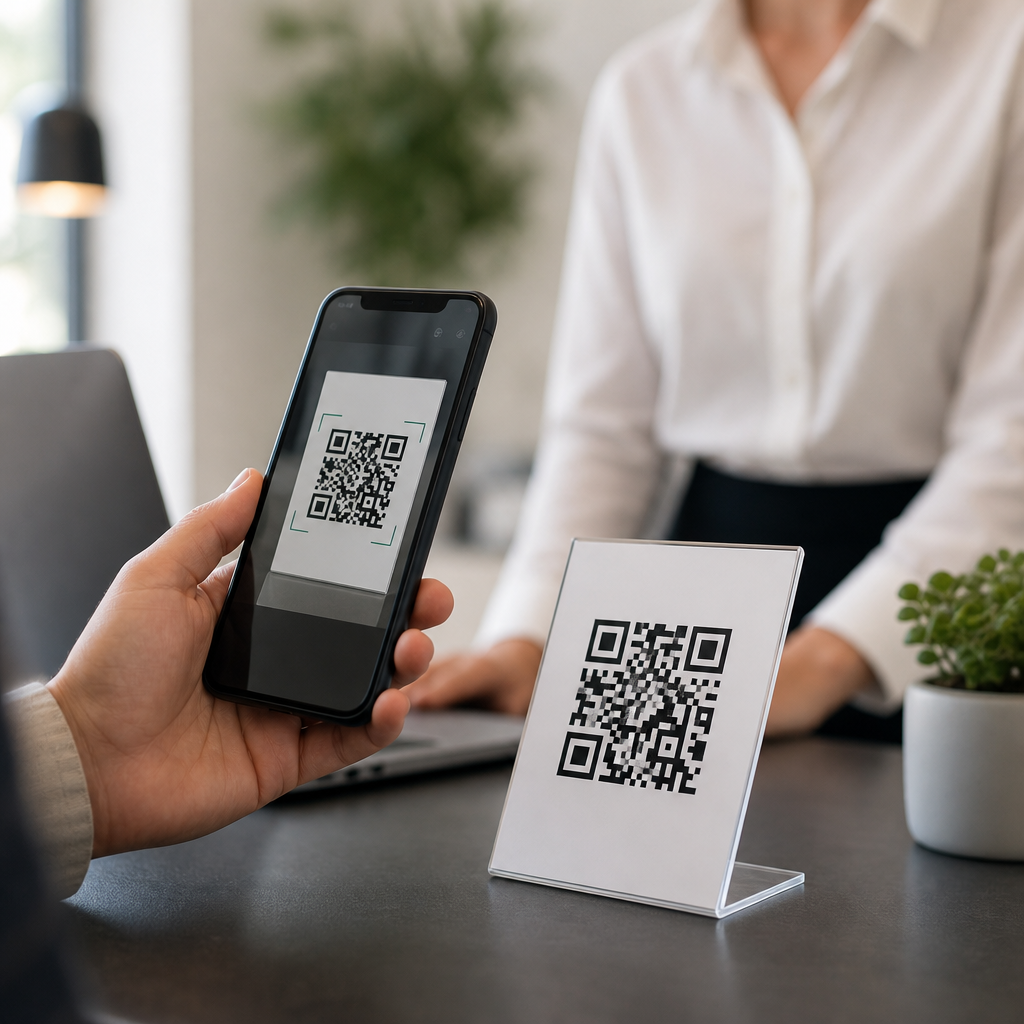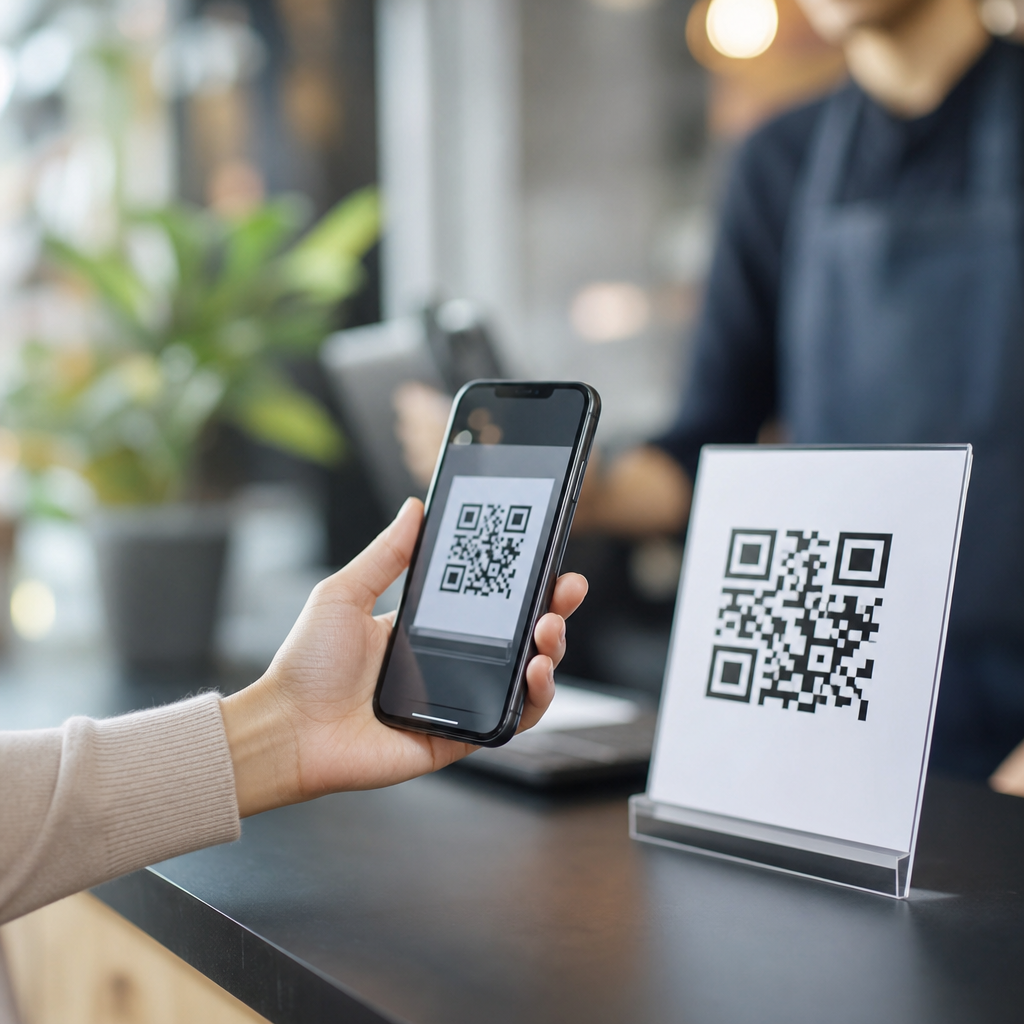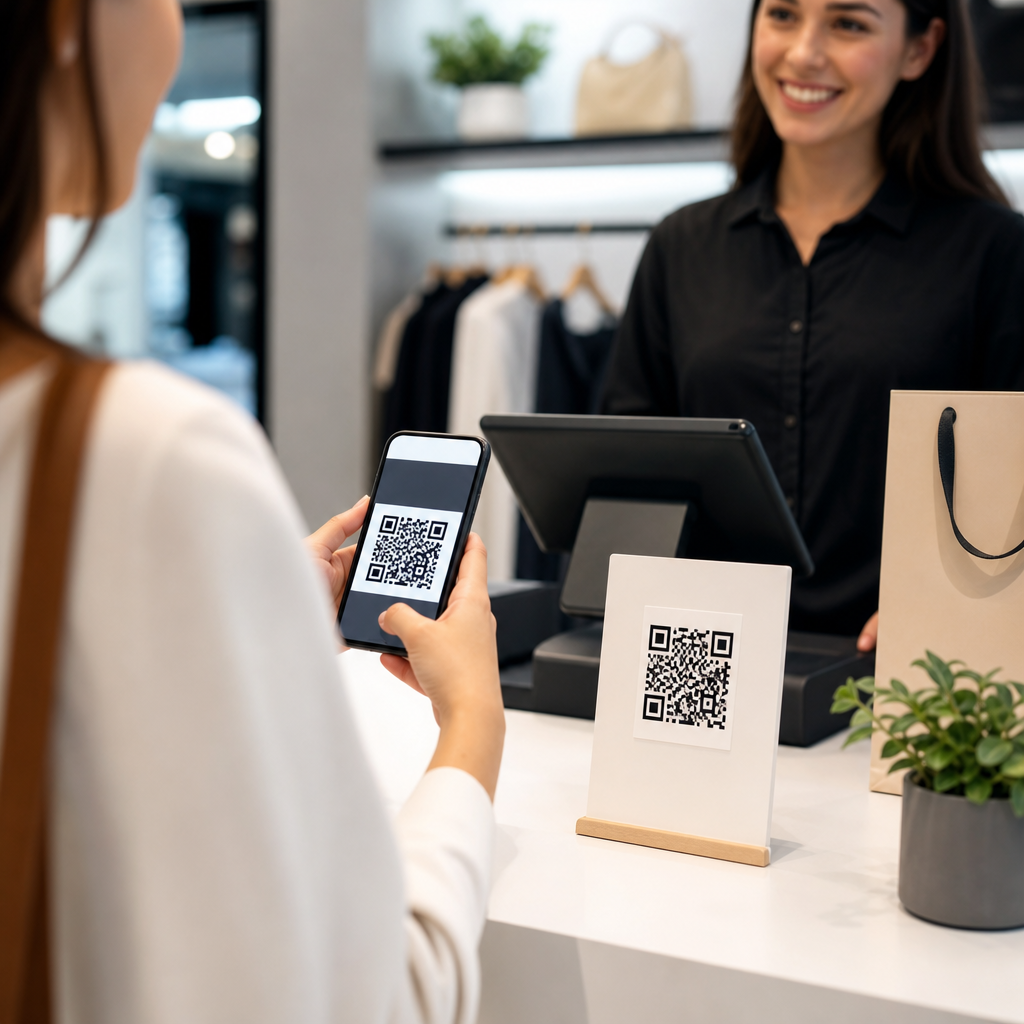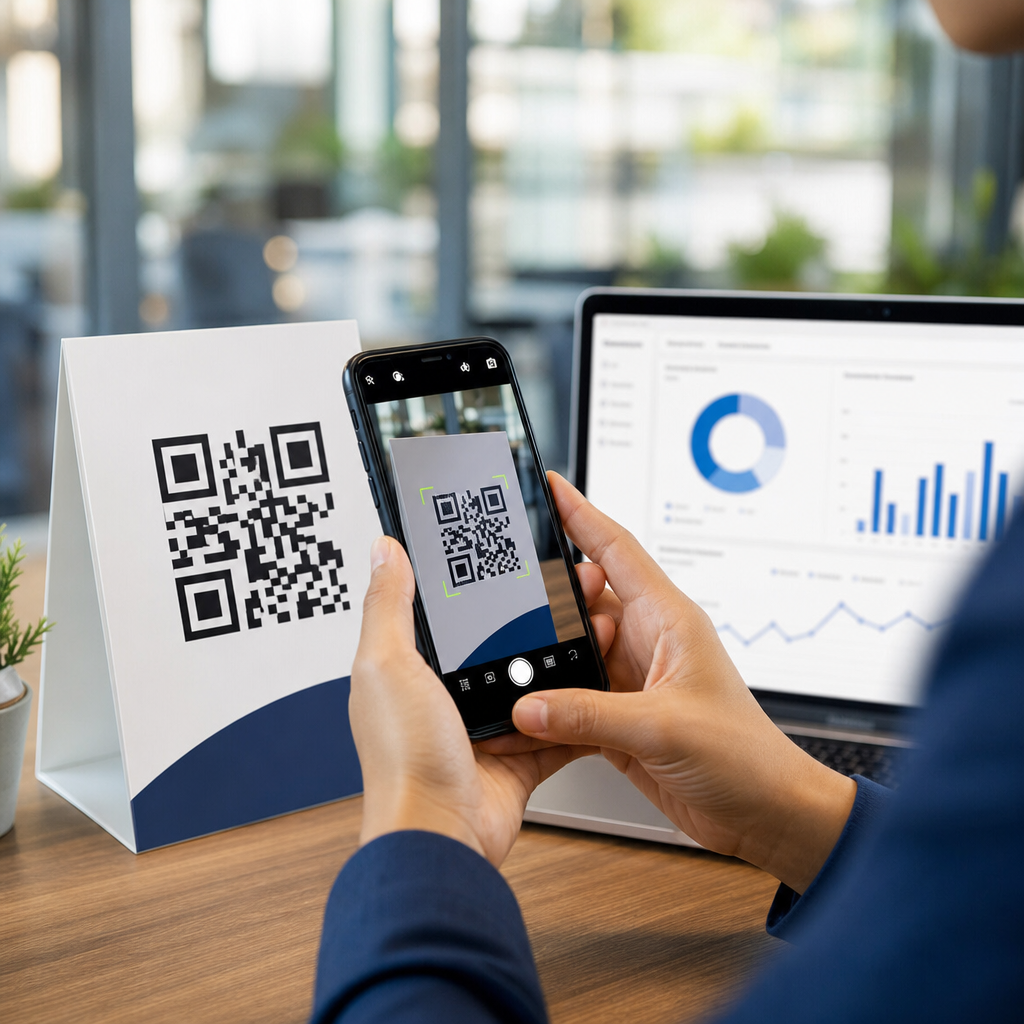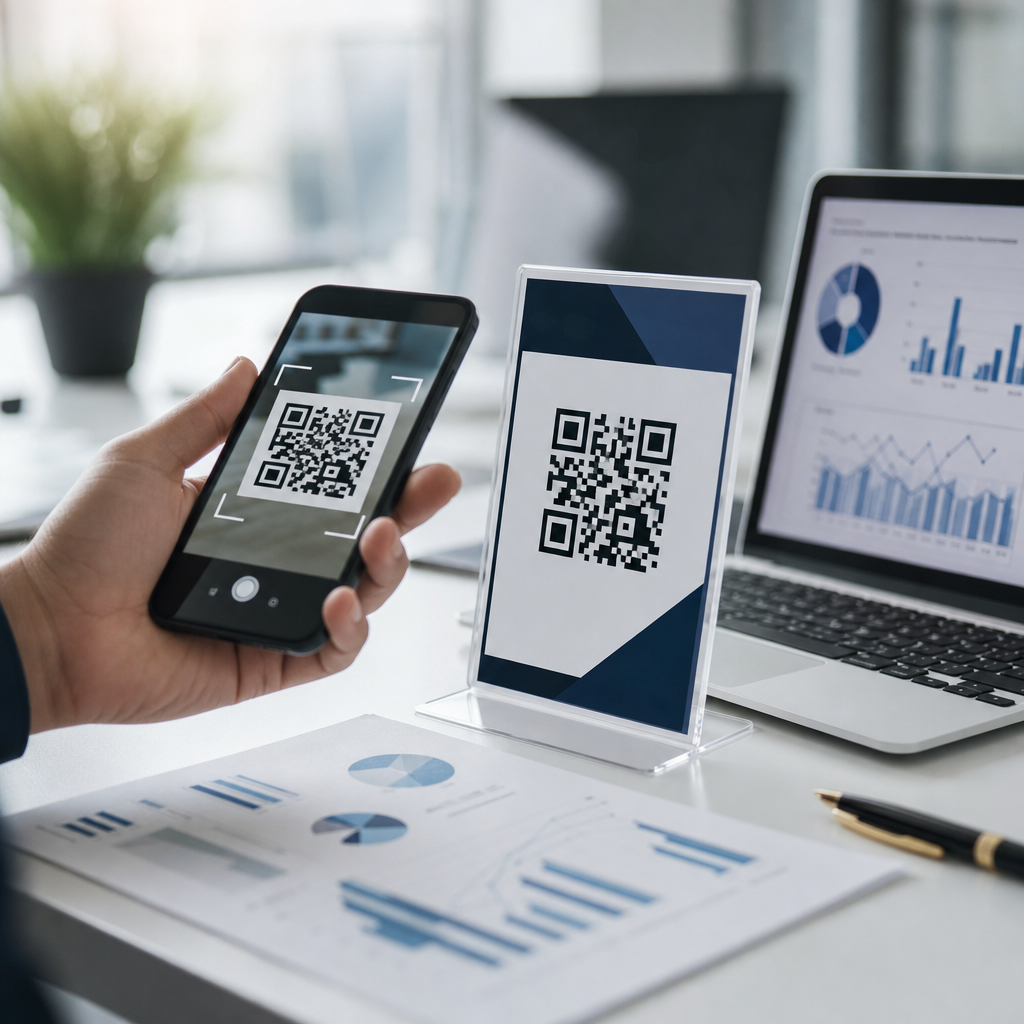
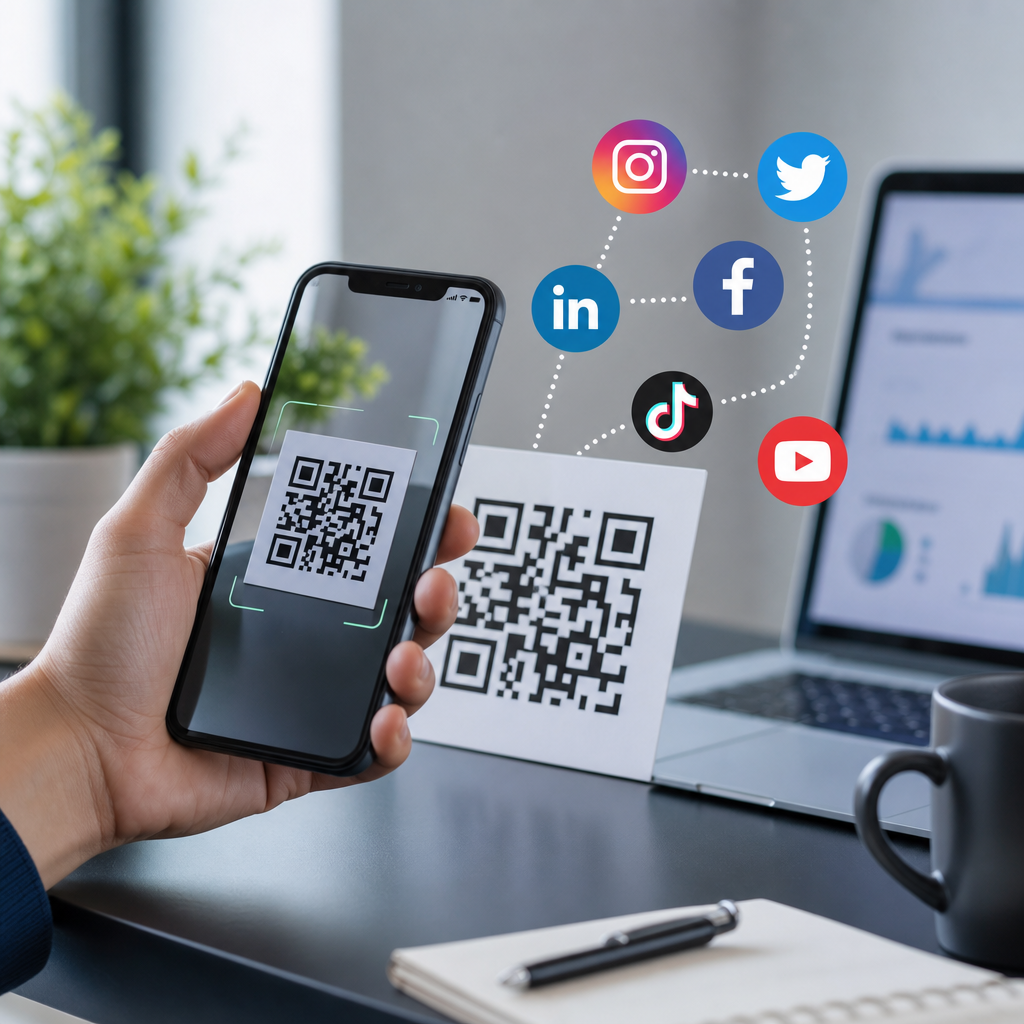
QR codes can absolutely be used for social media growth, and when they are planned well, they turn offline attention into measurable online engagement. A QR code is a scannable matrix barcode that opens a digital destination such as an Instagram profile, TikTok video, LinkedIn page, YouTube channel, landing page, or social media link hub. For businesses, creators, and local organizations, that matters because growth rarely happens on one screen anymore. Customers discover brands on packaging, menus, event signage, receipts, storefront windows, print ads, trade show booths, and product inserts. If those touchpoints ask people to manually search for a profile, many will drop off. A QR code removes that friction and creates a direct bridge from the physical world to social platforms where follows, shares, comments, and repeat visits happen.
In practice, I have seen QR campaigns work best when they support a clear business goal rather than chasing vanity metrics. A restaurant may want more Instagram followers to showcase specials, a consultant may want LinkedIn followers to build authority, and a retailer may want TikTok traffic for product demonstrations. The code itself is not the strategy; it is the delivery mechanism. Success depends on placement, offer, creative, and tracking. Static codes point to one fixed URL and are useful for permanent destinations. Dynamic codes redirect through a managed short link, making them better for campaigns because the destination can be updated and scans can be measured. That flexibility is why QR codes now sit at the center of many business and marketing FAQs: they are simple to deploy, low cost, and surprisingly effective when tied to a strong reason to scan.
This hub article answers the most common questions businesses ask about using QR codes for social media growth, including where to place them, what to link to, how to measure performance, and what mistakes reduce results. It also serves as a foundation for deeper articles across business and marketing troubleshooting, so the guidance here is practical, broad, and built for decision-making. If you need one direct answer, it is this: QR codes can grow social channels by reducing friction, connecting offline moments to online communities, and capturing intent when interest is highest.
How QR Codes Drive Social Media Growth
QR codes help social media growth because they shorten the path between attention and action. Someone notices your product packaging or event display, scans the code, and lands directly on the platform where you want engagement. That action sounds small, but reducing even one step matters. Requiring users to remember a handle, open an app, search for it, and identify the correct account creates drop-off at each stage. A QR code compresses the journey into one scan and one tap.
Different social goals require different destinations. If the goal is followers, send users to a profile page with a clear value proposition. If the goal is engagement, point them to a specific post, giveaway, or short-form video. If the goal is cross-platform growth, use a mobile-optimized link hub that lists Instagram, Facebook, TikTok, LinkedIn, YouTube, and newsletter options together. In campaigns I have run for retail and events, link hubs consistently outperform single-platform links when the audience is broad, while direct profile links perform better when the audience already expects a specific platform.
Timing is also part of the growth equation. QR codes work best when the audience is already interested: after a purchase, during an in-store wait, at a live event, or while reading printed material. These are high-intent moments. A product insert saying “Scan to see tutorials and join our Instagram community” usually performs better than a generic poster saying “Follow us online.” The first gives a reason and sets an expectation. The second asks for attention without offering immediate value.
Best Places to Use QR Codes for Marketing
The best placements are where people have both time and motivation to scan. Packaging is one of the strongest channels because customers already chose the product and are open to deeper engagement. Restaurants can place QR codes on table tents, takeaway bags, and receipts to drive diners toward Instagram Reels, review requests, or loyalty updates. Service businesses often see good results on invoices, thank-you cards, showroom displays, and vehicle wraps. At trade shows, booth panels, badges, brochures, and demo stations can all route attendees to LinkedIn or YouTube, where follow-up content extends the conversation after the event ends.
Printed media still matters when the offer is relevant. Flyers, postcards, direct mail, catalogs, and magazine ads can all support social growth if the message is specific. For example, a gym might print a code beside “Scan for daily workout tips on TikTok,” while a B2B software company might use “Scan to follow our LinkedIn page for product updates and webinar invites.” Windows and point-of-sale displays are especially useful for local businesses. People standing in line or looking through a storefront have idle seconds, and a well-designed code can convert that moment into an ongoing social relationship.
Placement has technical rules. Codes need contrast, quiet space around the edges, and enough size for the scanning distance. A common rule is at least 2 x 2 centimeters for close-range materials, though larger is safer. Avoid glossy surfaces that create glare, and test on both iPhone and Android cameras. A beautiful design that scans inconsistently will hurt conversion more than a plain code ever could.
What to Link to and How to Track Results
The destination should match the user’s context and your business objective. If you sell visually appealing products, Instagram may be the strongest destination. If your audience buys through education, YouTube or LinkedIn can be better. If you want flexibility, use a landing page or social link hub built in tools such as Linktree, Beacons, or a branded page on your own site. Owning the destination is often smarter because platform URLs and algorithms change, while your website remains an asset you control.
Tracking is what separates a useful QR code from a guess. Dynamic QR code platforms such as Bitly, QR Code Generator, Flowcode, and Uniqode let you update destinations and review scan data. Pair those tools with UTM parameters in Google Analytics 4 so each scan is attributed by source, medium, campaign, and placement. For example, a code on packaging might use utm_source=packaging and utm_campaign=spring_launch, while a trade show sign might use utm_source=event_booth. That setup tells you not only how many scans happened, but which physical asset actually drove social traffic.
| Use Case | Best Destination | Primary Metric | Recommended Tool |
|---|---|---|---|
| Product packaging | Instagram profile or tutorial page | Follows and repeat visits | Dynamic QR plus GA4 UTM tags |
| Restaurant receipt | Review page and social link hub | Scans and review conversions | Bitly or Uniqode |
| Trade show booth | LinkedIn page or demo video | Qualified clicks and follows | Flowcode with CRM tagging |
| Storefront sign | TikTok or offer landing page | Walk-in engagement | QR Code Generator |
Once tracking is live, judge performance by more than scan volume. A code with fewer scans but higher follow-through can be more valuable than one with many casual scans. Look at profile visits, follows, video views, click-through rate, and downstream actions such as coupon redemptions, bookings, or purchases. Social media growth should connect to business outcomes, not just audience size.
Common Mistakes and Troubleshooting Tips
The most common mistake is giving people no compelling reason to scan. “Follow us” is weak. “Scan for a 10% code, live product demos, or weekly local deals” is stronger because it answers the user’s immediate question: what do I get? Another frequent issue is sending all traffic to a homepage or generic profile with no context. If the printed message promises tutorials, the link should open tutorials, not a broad site navigation menu.
Design errors also hurt performance. Low contrast, tiny codes, poor print quality, cluttered backgrounds, and awkward placement can reduce scans significantly. I have seen codes placed on curved bottles where half the matrix disappeared around the label edge, and on storefront windows where reflections made them unreadable during midday. Test every placement in real conditions, not just on a designer’s monitor.
There are strategic limitations too. QR codes do not create demand on their own, and not every audience is equally likely to scan. Some B2B buyers may prefer a memorable URL in a presentation, and some older audiences may need a brief prompt explaining that their phone camera can scan the code. Privacy also matters. If the destination collects data, be transparent and use secure pages. Finally, watch for platform dependence. Building growth only on rented social channels is risky, so whenever possible, capture email subscribers or first-party audience data alongside social engagement.
How Businesses Can Turn This Into a Repeatable Growth System
The best approach is to treat QR codes as part of a repeatable acquisition system. Start with one objective per placement: followers, views, reviews, or email signups. Create one message that explains the benefit of scanning. Use a dynamic code so you can adjust the destination without reprinting materials. Tag every campaign with analytics parameters. Then review results monthly and refine the weakest point, whether that is placement, call to action, or landing page relevance.
For a local business, this might mean one code on packaging for Instagram tutorials, one on receipts for reviews and Facebook updates, and one in-store sign for a seasonal offer promoted through TikTok. For a B2B brand, it may mean codes on event collateral leading to LinkedIn thought leadership, webinar clips, and newsletter signups. In both cases, the process is the same: align channel with audience intent, reduce friction, measure behavior, and iterate. Businesses that do this consistently turn offline impressions into owned attention and sustained social media growth.
QR codes are not a shortcut, but they are a practical multiplier for social media marketing when used with clear intent. They work because they meet people where attention already exists, whether that is on a product box, a menu, a booth banner, or a printed mailer. The strongest campaigns offer immediate value, send users to the right destination, and track what happens after the scan. Businesses that treat QR codes as measurable connectors between physical touchpoints and digital communities consistently get better results than those using them as decoration.
As a hub for business and marketing FAQs, the core lesson is straightforward: use QR codes to remove friction, connect offline discovery to online engagement, and measure outcomes carefully. Choose placements with high intent, write calls to action that promise a real benefit, and test every code before launch. If you want social media growth that is practical, trackable, and easy to scale, start with one QR campaign, measure it, and build from there.
Frequently Asked Questions
Can QR codes really help grow social media followers and engagement?
Yes, QR codes can absolutely support social media growth when they are used strategically. Their biggest advantage is that they connect offline attention to online action in a single step. Instead of asking someone to search for your Instagram handle, type in a long URL, or remember your brand name later, a QR code lets them scan and land directly on the exact profile, video, campaign page, or link hub you want them to see. That reduced friction often leads to more profile visits, follows, clicks, and content views.
They are especially effective in places where people already interact with your brand in the real world, such as product packaging, retail signs, restaurant tables, event booths, flyers, business cards, posters, menus, and direct mail. In those moments, the person already has some level of interest. A well-placed QR code captures that attention immediately and turns it into measurable digital engagement before the opportunity disappears.
QR codes also help because they make social media growth more trackable. If you use dynamic QR codes or campaign-specific destinations, you can measure scans, identify top-performing placements, and compare which physical touchpoints generate the most engagement. That means social media growth becomes less about guesswork and more about data. In short, QR codes do not replace good content or community-building, but they can become a highly effective bridge between offline visibility and online audience growth.
What social media destinations should a QR code link to for the best results?
The best destination depends on your goal. If you want follower growth, linking directly to a social media profile such as Instagram, TikTok, LinkedIn, Facebook, or YouTube can be a smart choice. If your goal is engagement with a specific campaign, it may be better to send people to a single post, a short-form video, a giveaway page, or a limited-time promotional landing page. The key is to match the destination to the action you want users to take.
For many brands and creators, a social media link hub is one of the strongest options. A link hub gives users a simple page where they can choose between your major platforms, recent campaigns, featured content, newsletter signup, or store. This works especially well when your audience uses different platforms or when you want one QR code to remain useful across multiple channels over time. It also gives you more flexibility, because you can update the links on the destination page without changing the printed QR code.
Direct linking works best when the context is narrow and intentional. For example, a QR code on conference signage may link straight to a LinkedIn page, while one on product packaging may lead to Instagram tutorials or TikTok demonstrations. A QR code on an in-store display could send users to a YouTube channel with product walkthroughs. The most effective setup is usually the one that feels most natural in the moment and gives the scanner a clear reason to continue engaging with your brand.
Where should businesses place QR codes to get the most social media growth?
Placement matters just as much as the code itself. The strongest QR code placements are locations where people already have attention, curiosity, or purchase intent. Packaging is a major opportunity because it reaches customers after the sale, when they are physically holding the product and are more likely to explore the brand further. A QR code on packaging can invite them to follow your Instagram for tips, watch tutorials on YouTube, join your TikTok community, or connect through a broader social link page.
Physical locations also offer strong growth opportunities. Storefront windows, checkout counters, table tents, menus, waiting areas, and in-store signage can all drive scans when paired with a simple call to action. Events are another high-value use case. Trade show booths, conference handouts, badges, stage screens, brochures, and posters can help turn in-person attention into long-term digital connection. Service businesses and local organizations can also benefit from putting QR codes on receipts, appointment cards, thank-you notes, uniforms, and community materials.
The best placements share a few characteristics: they are easy to notice, easy to scan, and supported by a clear benefit. People need to know why they should scan. “Follow us on Instagram” is acceptable, but “Scan for behind-the-scenes content, updates, and exclusive offers” is usually more compelling. Good lighting, enough white space around the code, and mobile-friendly destinations also matter. If the scan experience feels easy and useful, placement can become a powerful driver of repeat social engagement and follower growth.
How can you make a QR code campaign more effective for social media marketing?
Start with a specific objective. A QR code campaign performs best when it is tied to one measurable outcome, such as increasing Instagram followers, driving views to a TikTok series, growing YouTube subscribers, or encouraging profile visits from an in-person event. Once the goal is clear, build the destination and call to action around that single outcome. Vague campaigns often underperform because users are unsure what they will get after scanning.
Next, make the value obvious. People are more likely to scan when there is a clear incentive, whether that is exclusive content, a discount, a contest entry, early access, behind-the-scenes footage, product education, or community updates. The messaging around the QR code should answer the user’s immediate question: what is in it for me? Strong examples include “Scan to watch the demo,” “Scan to follow for weekly tips,” or “Scan to unlock event highlights.”
Design and testing are equally important. Use a high-quality code, maintain strong contrast, and ensure the landing page loads quickly on mobile devices. Test the code across different phones and camera apps before printing it at scale. It is also wise to use trackable links or dynamic QR codes so you can update destinations and monitor performance. Finally, align the campaign with the audience and environment. A QR code for LinkedIn growth may work better at a professional networking event, while a TikTok-focused code may perform better in retail, entertainment, or youth-oriented spaces. The more closely the QR code experience matches the user’s intent and context, the stronger the social media results tend to be.
Are there any mistakes to avoid when using QR codes for social media growth?
Yes, and avoiding common mistakes can make the difference between a QR code that gets ignored and one that consistently drives engagement. One of the biggest problems is linking to a generic homepage instead of a focused social destination. If someone scans expecting social content and lands on a broad website with no obvious next step, many will leave immediately. The destination should feel relevant to the placement and should make the next action easy and obvious.
Another frequent mistake is failing to include a call to action. A QR code by itself does not explain why someone should scan it. People need a reason, and the reason should be visible near the code. Poor placement is also a major issue. Codes that are too small, placed too high, hidden in cluttered designs, or printed in low contrast can become difficult or impossible to scan. In addition, some brands place codes in areas with weak mobile signal or in situations where people do not have enough time to pause and scan comfortably.
It is also a mistake to ignore analytics. Without tracking, it is difficult to know which placements, messages, or platforms are actually contributing to growth. Businesses should measure scans, click-throughs, follows, and engagement after the scan whenever possible. Finally, do not overlook the importance of the destination experience itself. If the landing page is slow, confusing, or not optimized for mobile, the scan is wasted. QR codes can be highly effective for social media growth, but only when the full journey—from physical placement to digital action—is intentional, simple, and user-friendly.