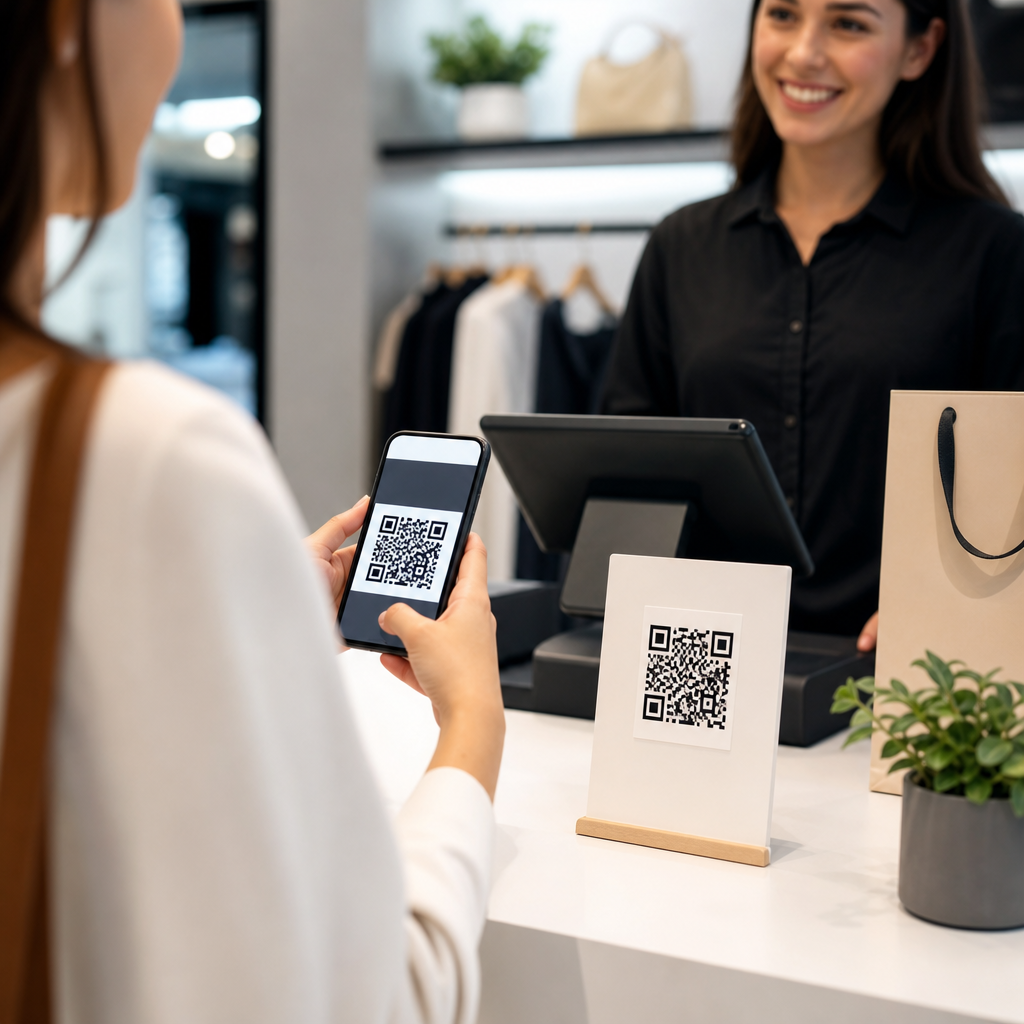
Do QR codes increase sales? The practical answer is yes, but only when they reduce friction, improve measurement, and connect a customer to a relevant next step. A QR code, or quick response code, is a scannable two-dimensional barcode that opens a URL, payment page, app screen, menu, coupon, video, or contact card. In marketing, the code itself does not create demand. What it does create is speed. When I have implemented QR campaigns for retailers, restaurants, events, and service businesses, the strongest results came from matching the code to buyer intent: menu access at tables, instant reviews after checkout, product education on packaging, or time-sensitive offers in-store. That distinction matters because many business owners ask the wrong question. They ask whether QR codes work in general, when the better question is where in the customer journey a scan removes enough effort to lift conversion.
The reason this topic matters is simple: attention is fragmented and every extra click costs revenue. Modern smartphones scan codes natively through the camera, making adoption easier than it was a decade ago. Pandemic-era habits also normalized scanning for menus, payments, and forms, so customers no longer see the action as unusual. For businesses, QR codes are inexpensive, trackable, and flexible. A dynamic code can be updated without reprinting the image, allowing marketers to change destinations, run tests, and monitor scan data by channel, location, or campaign date. That makes QR codes useful not just for promotion but for troubleshooting weak parts of the sales funnel. If a poster gets scans but no purchases, the offer or landing page may be the problem. If a shelf tag drives product page visits but no add-to-cart activity, pricing or trust signals may need work. Used well, QR codes become a diagnostic tool for business and marketing decisions.
Sales impact comes from several mechanisms. First, QR codes shorten the path from interest to action. Second, they bridge offline and online touchpoints, which is valuable for stores, packaging, direct mail, signage, and events. Third, they enable attribution that many offline channels historically lacked. Fourth, they can personalize follow-up by sending visitors to segmented landing pages. Still, there are limits. A poorly placed code, a weak internet connection, a generic homepage destination, or no clear reason to scan will produce disappointing results. So the useful conclusion is not that QR codes automatically increase sales. It is that they increase sales when they remove friction, provide clear value, and sit inside a measurable marketing system.
How QR codes increase sales in real customer journeys
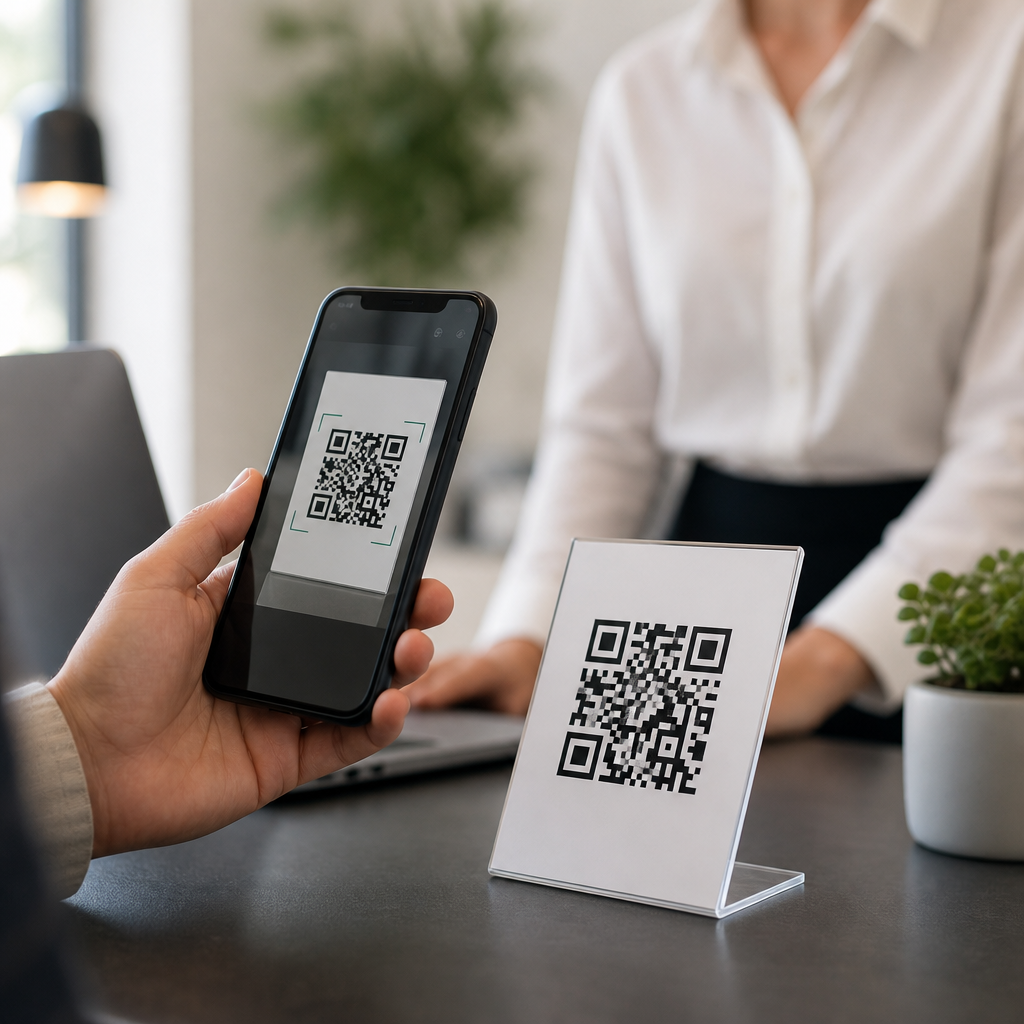
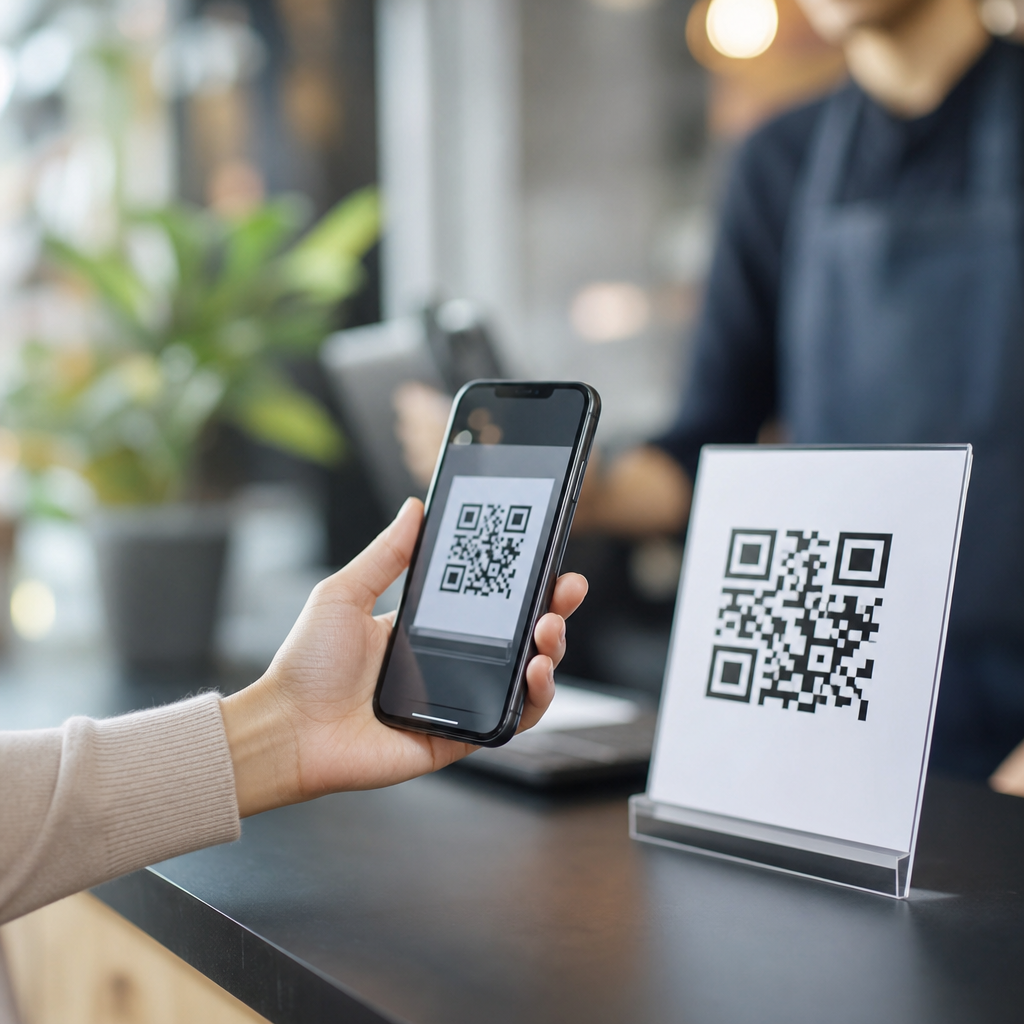
QR codes increase sales by making the next action obvious and immediate. In a restaurant, a table tent code can open a digital menu with high-margin add-ons highlighted, leading to larger average order value. In retail, a shelf talker code can answer objections by showing a short demo, customer reviews, or compatibility details that the packaging cannot fit. In direct mail, a code can carry a prospect from postcard to booking page without requiring them to type a long URL. I have seen local service businesses improve lead volume simply by placing QR codes on jobsite signs that open a quote form prefilled with neighborhood-specific service pages. In each case, the sale improved because the customer got the right information at the right moment with minimal effort.
The most effective QR placements correspond to intent-rich moments. Customers waiting in line may scan for a coupon, but customers holding a product are more likely to scan for reassurance. Event attendees scanning a booth code often want slides, pricing, or a consultation request. Gym members may scan equipment codes for exercise tutorials, which can also surface training packages. Real estate agents use property signage codes to open listing pages, virtual tours, or mortgage calculators, capturing interest outside office hours. These examples show why context beats novelty. A QR code on a random flyer might not move revenue, while a code attached to a decision point often does.
Conversion lift depends on destination quality. Sending scans to a homepage wastes intent because it forces visitors to navigate. Best practice is to route users to a dedicated mobile landing page with one primary action: buy, book, claim, register, review, or pay. Keep form fields short, page speed fast, and message match tight. If the sign says “Scan for 10% off today,” the landing page should immediately show that offer, eligibility, and redemption steps. If the code supports product packaging, the page should answer setup, warranty, comparison, and support questions before asking for the sale. Clear continuity increases trust and lowers abandonment.
Where QR codes work best for different business types
Different industries benefit from QR codes in different ways. Restaurants often use them for menus, loyalty sign-ups, waitlists, and payment. Retailers use them on shelf labels, endcaps, packaging inserts, and fitting room signage. Professional services can place them on brochures, proposals, invoices, and conference materials to speed scheduling or document access. Healthcare clinics use them for intake forms, directions, telehealth instructions, and satisfaction surveys, though privacy rules require careful handling of personal information. Manufacturers place codes on equipment for manuals, training videos, spare part ordering, and warranty registration. In these settings, the code supports both revenue and customer support.
For local businesses, QR codes are especially effective when paired with Google Business Profile, review generation, and local landing pages. A salon can place a code at checkout that opens a review request page or a rebooking offer. A home services company can add codes to leave-behind cards that open a financing calculator or seasonal maintenance special. A retail store can use window signage to capture after-hours shoppers with a “scan to shop this display” page. Because the scan links physical traffic to digital behavior, owners can measure which locations, signs, or products produce the best response and adjust merchandising accordingly.
| Business type | High-performing QR use | Primary sales metric |
|---|---|---|
| Restaurant | Menu, upsell add-ons, pay-at-table | Average order value |
| Retail store | Product demos, reviews, stock lookup | Conversion rate |
| Service business | Quote form, booking page, financing | Lead volume |
| Events | Booth follow-up, downloads, demos | Qualified leads |
| Real estate | Property page, virtual tour, contact form | Inquiry rate |
Not every use case deserves a QR code. If customers are already in an app, email, or text flow, another scan step may be unnecessary. If the audience has poor connectivity, the experience can fail at the moment of interest. If staff cannot explain the benefit in one sentence, adoption drops. Good implementation starts with a question: what exact friction are we removing? If the answer is unclear, the code will likely become decoration rather than a sales tool.
How to measure whether QR codes are actually driving revenue
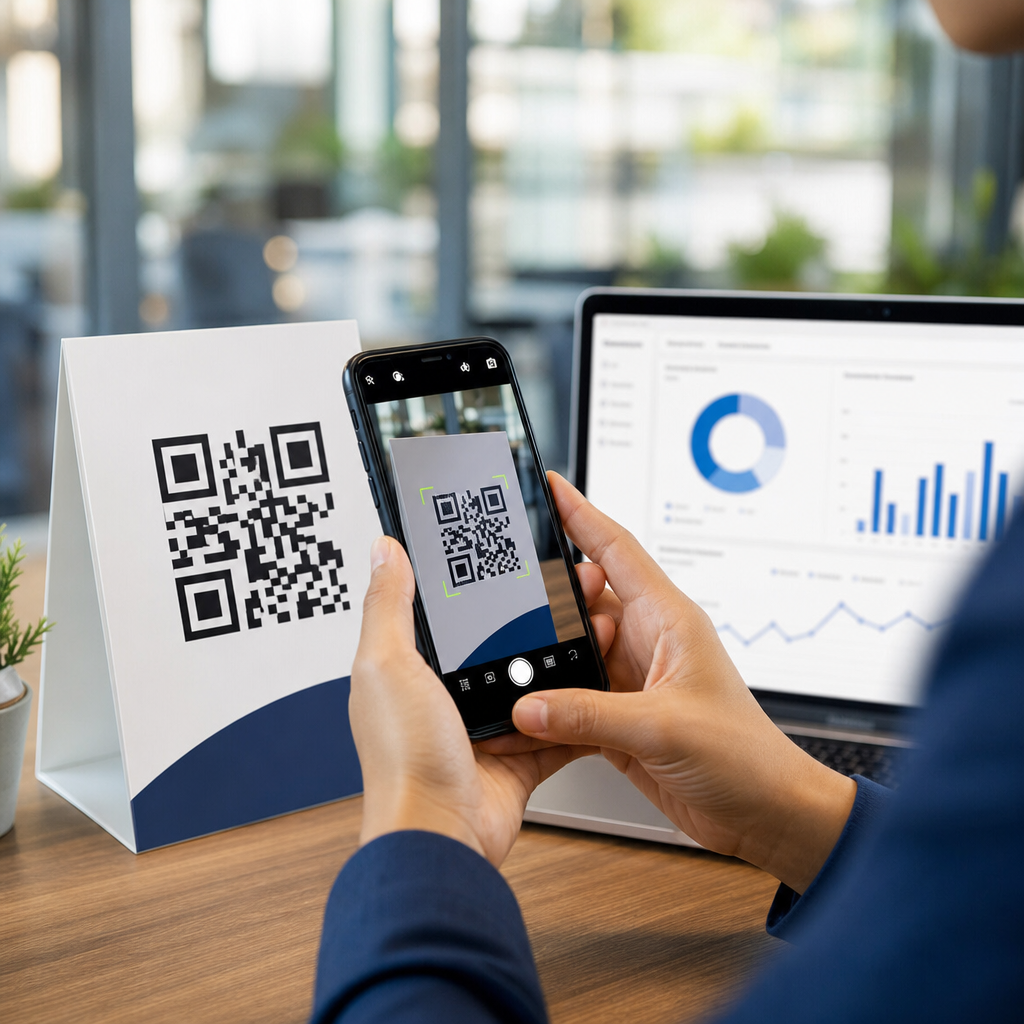
The cleanest way to evaluate QR code sales impact is to track the full path from scan to outcome. Use dynamic QR codes from tools such as Bitly, QR Code Generator Pro, Beaconstac, or Flowcode so you can edit destinations and capture scan counts. Add UTM parameters to every destination URL and review results in Google Analytics 4. For offline campaigns, create distinct codes by store, poster, mailer version, or event day. That isolates performance differences and prevents blended data from hiding what works. If your CRM supports source tracking, pass the campaign values into lead records so closed revenue can be tied back to specific codes.
The core metrics are scan rate, landing page conversion rate, assisted revenue, and average order value. Scan rate tells you whether placement and call-to-action are compelling. Landing page conversion rate shows whether the destination fulfills the promise. Assisted revenue matters because many scans influence sales without producing an immediate transaction; a customer may scan in-store and purchase later on desktop. Coupon redemption, call tracking, POS code entry, and customer surveys can help connect those delayed conversions. For larger programs, compare test and control groups. One store uses QR shelf tags, another does not. One mail piece includes a QR incentive, another uses only a URL. Controlled comparisons reveal lift more reliably than anecdotes.
There are also compliance and data-quality considerations. Do not encode sensitive personal information directly into the QR content. Use secure HTTPS destinations. If you collect contact details, present consent language clearly and follow applicable rules such as GDPR or CCPA where relevant. Print codes with enough contrast, quiet space, and size for reliable scanning; a technically unreadable code destroys attribution before the campaign starts. Finally, review performance regularly. In practice, small changes like a stronger headline, a shorter form, or location-specific offers often produce more sales than redesigning the code itself.
Best practices, common mistakes, and when the answer is no
The best-performing QR campaigns follow a few consistent rules. Give people a reason to scan, such as “see colors in stock,” “book in 30 seconds,” or “get today’s offer.” Place the code where a decision is being made. Make the destination mobile-first, fast, and singular in purpose. Use dynamic codes so content can change without reprinting. Test under real conditions, including glare, distance, and weak signal. Train staff to mention the code naturally. A simple spoken prompt at checkout or on the sales floor can meaningfully increase scan volume because customers understand the value immediately.
Common mistakes are equally consistent. Businesses often send scans to a homepage, bury the offer, print codes too small, or fail to explain what happens after scanning. Some rely on QR codes to rescue weak messaging, but no technology fixes an unconvincing offer. Others measure only scans and assume success, even when sales do not move. I have also seen campaigns fail because the landing page was not mobile optimized, the code was placed where people had no time to stop, or the destination required creating an account before delivering value. Those failures are not proof that QR codes do not increase sales; they show that poor execution cancels their advantage.
So, do QR codes increase sales? They can, and often do, when they shorten the path from interest to action and when every scan leads to a relevant, low-friction destination. They work best in high-intent moments like product evaluation, checkout, events, packaging, and local discovery. They are most valuable when tracked with dynamic links, campaign parameters, and CRM reporting so revenue can be attributed clearly. They are least effective when used as decoration, attached to vague calls-to-action, or disconnected from the buying journey. If you manage a business and want a practical next step, audit one offline touchpoint this week, add a focused QR destination, measure scans and conversions, and improve from real customer behavior.
Frequently Asked Questions
Do QR codes actually increase sales, or are they just a convenience feature?
QR codes can increase sales, but not because the code itself is persuasive. The real value is that a QR code removes steps between interest and action. When a customer can scan a code and immediately reach a product page, checkout link, menu, coupon, booking form, or payment screen, the path to purchase becomes faster and easier. That reduction in friction matters. In many real-world campaigns, the customer already has some level of intent. The QR code simply helps them act on it before attention fades.
In practice, QR codes tend to improve conversion most when they are tied to a clear next step. For example, a restaurant table tent that opens online ordering can increase average order volume by making add-ons easier to browse. A retail shelf tag can drive sales by linking to reviews, color options, or inventory availability. An event sign can turn foot traffic into paid bookings if the landing page is optimized for mobile and the offer is immediately relevant. So yes, QR codes can increase sales, but they do so by improving convenience, speed, and continuity between offline and online touchpoints.
What kinds of businesses benefit the most from using QR codes for sales?
Businesses that benefit most are usually the ones where customers make decisions quickly, need more information before buying, or move between physical and digital environments. Restaurants are a strong example because QR codes can connect customers directly to menus, loyalty offers, online ordering, and payment options. Retailers also benefit because codes can link shoppers to product details, reviews, how-to videos, promotions, or out-of-stock alternatives without requiring staff assistance.
Service businesses often see good results as well. A contractor, salon, gym, or clinic can use QR codes on print materials, signage, vehicles, or reception desks to drive immediate booking requests, consultation forms, or pricing pages. Events and hospitality businesses can use them for ticket upgrades, schedules, sponsorship offers, lead capture, or food and beverage ordering. Even B2B companies can benefit when QR codes are placed on trade show booths, brochures, direct mail, and packaging to move prospects to case studies, demos, or contact forms. The common thread is simple: QR codes work best where they shorten the distance between curiosity and the next profitable action.
How can you tell whether a QR code campaign is really driving more revenue?
The best way to measure QR code impact is to treat each code as a trackable marketing touchpoint. Instead of linking every code to the same generic page, assign specific URLs, UTM parameters, or campaign tracking links based on placement, audience, and purpose. That allows you to see which signs, flyers, packages, tables, displays, or mailers are generating scans, clicks, conversions, and revenue. Dynamic QR codes are especially useful because they can be updated without reprinting and often include built-in analytics on scan volume, time, device type, and location trends.
Revenue measurement becomes much stronger when the landing page is connected to analytics, ecommerce reporting, CRM tracking, or point-of-sale attribution. You want to look beyond scan count. The important numbers are completed purchases, booking rates, average order value, coupon redemption, lead quality, and customer lifetime value. For example, a QR code may generate fewer scans than expected but still produce strong revenue if the audience is highly qualified. On the other hand, a high scan rate with poor conversion usually means the offer, page, or follow-up process needs work. Proper measurement turns QR codes from a novelty into a reliable performance channel.
What makes a QR code campaign convert well instead of getting ignored?
High-performing QR code campaigns usually share a few fundamentals. First, there has to be a compelling reason to scan. People respond when the value is obvious and immediate, such as “Get 10% off today,” “Order and skip the line,” “See sizes in stock,” or “Book your estimate in 30 seconds.” If the code appears without context or benefit, many customers will ignore it. Second, placement matters. The code needs to be easy to notice, easy to scan, and shown at the exact moment the customer is likely to want more information or take action.
The destination matters just as much as the code itself. A QR scan should open a mobile-friendly page that loads quickly and matches the promise made near the code. If the code offers a coupon, the page should present that coupon immediately. If it promises checkout, the customer should not have to hunt through a full website to complete the purchase. Strong campaigns also use clean design, enough white space around the code, and a short supporting call to action. In other words, the code should feel like the shortest route to something useful. That is what drives conversion.
What are the most common mistakes that prevent QR codes from increasing sales?
The biggest mistake is using QR codes without a clear purpose. Many businesses add them to packaging, signs, menus, posters, or advertisements simply because they can, not because the code leads to a meaningful next step. When the scan opens a homepage, a slow page, or generic content with no obvious action, customers drop off. Another common issue is poor mobile experience. Since most scans happen on phones, pages must load fast, display correctly, and make purchasing or booking easy without unnecessary form fields or navigation.
Other mistakes include making the code too small, placing it where lighting or distance makes scanning difficult, failing to explain why someone should scan, and not tracking results. Some businesses also send all traffic to one static destination, which makes optimization almost impossible. A better approach is to match each QR code to a specific intent, such as ordering, redeeming, learning, scheduling, or paying. When the offer is relevant, the scan is easy, the destination is optimized, and performance is measured, QR codes are far more likely to contribute to real sales growth instead of becoming decorative clutter.