
Choosing the best QR code platforms for dynamic codes starts with understanding what “dynamic” actually means. A dynamic QR code points to a short redirect URL managed by a platform, not directly to a final destination. That single difference changes how businesses use codes in packaging, retail, events, restaurants, field service, and paid media. I have deployed dynamic QR campaigns for product labels, storefront posters, and mobile onboarding flows, and the practical advantage is always the same: you can edit the destination after printing, track scans over time, and manage campaigns without reissuing assets. For teams working on creating mobile QR codes, this matters because mobile traffic is rarely static. Landing pages change, app store links vary by device, promotions expire, and regional routing needs evolve. A strong platform must handle those realities while staying fast, reliable, and easy to govern at scale.
When people search for the best QR code generators, they usually want direct answers to four questions: which tools support dynamic codes, which platforms offer the best analytics, which options fit enterprise security needs, and which are easiest for small teams to use. The answer depends on use case. A restaurant may prioritize editable menu links and print-ready design controls. A retail brand may need batch generation, campaign tags, and scan reporting by location. A regulated business may care more about custom domains, access controls, and data processing terms than visual templates. Good platforms do more than create codes. They act as link-management systems with QR output, analytics dashboards, device-aware routing, and governance features that prevent broken customer journeys.
This hub article covers the best QR code platforms for dynamic codes by comparing the features that actually affect performance: editability, analytics depth, bulk creation, branding, integrations, deliverability, pricing structure, and administrative controls. It also explains where each type of platform fits inside a broader creating mobile QR codes strategy. If you are evaluating vendors, start with the principle I use in client audits: choose the platform that makes post-print changes safe and measurable. Static code generation is easy. Operational control after distribution is what separates a simple QR maker from a platform you can trust for ongoing campaigns.
What Makes a Dynamic QR Code Platform Worth Paying For
The best QR code platforms for dynamic codes share a common architecture. They generate a short URL, encode that URL into a QR image, and route scans through a managed redirect layer before sending users to the final page. That redirect layer enables edits, analytics, A/B testing, expiration rules, and device-specific behavior. In practice, this means a flyer printed in January can still support a revised offer in March without changing the QR image. It also means your team can pause a destination if a page breaks, reducing wasted media spend and poor mobile experiences.
Several features separate strong platforms from basic QR code generators. First is analytics quality. You need timestamped scans, geography at an appropriate level, device and operating system breakdowns, and preferably UTM support so scans connect cleanly to analytics tools such as Google Analytics 4. Second is branding. Custom domains improve trust and often lift scan-through because users and security teams are more comfortable with recognizable redirect URLs. Third is scale. Bulk generation from CSV, API access, folder structure, and role-based permissions matter once you move beyond one-off posters. Fourth is output quality. Vector exports like SVG and EPS are essential for professional print production.
Reliability also deserves more attention than it gets in roundups. Because dynamic QR codes depend on a redirect service, uptime is not optional. If the platform has an outage, your QR campaign effectively disappears. I advise teams to ask vendors about CDN usage, redirect latency, status pages, and support responsiveness. Security is equally important. At minimum, look for SSO options, user permissions, audit trails, and clear documentation on data retention. For enterprise teams, the best QR code generator is often the one procurement and IT will approve quickly because the vendor can answer those questions cleanly.
Best QR Code Platforms for Dynamic Codes by Use Case
Beaconstac is consistently strong for businesses that need a balance of usability, analytics, and scale. In my experience, it works well for retail signage, product packaging, and franchise operations because bulk creation and campaign management are mature without feeling overly technical. Uniqode, formerly Beaconstac’s rebranded market neighbor in many buyer comparisons, is also a top contender because it emphasizes dynamic management, templates, analytics, and enterprise-friendly administration. QR Code Generator Pro remains widely used by marketing teams that want polished design tools and straightforward campaign setup. Bitly is a credible choice when QR codes are part of a broader link-management program, especially if your team already uses branded short links and wants QR functionality within that workflow.
For teams already invested in creative tooling, Adobe Express can be useful for lighter-weight projects, though it is not always as deep in governance or analytics as dedicated QR platforms. Flowcode is popular with creators, hospitality brands, and event marketers because it leans into attractive design and quick mobile experiences. Scanova and QRStuff are often considered by small businesses that want dynamic capabilities without entering a heavyweight enterprise buying cycle. On the open and developer-friendly side, some teams pair self-hosted short-link systems with QR generation libraries, but that route requires engineering ownership, monitoring, and security discipline that many organizations underestimate.
| Platform | Best for | Key strengths | Main tradeoff |
|---|---|---|---|
| Uniqode | Growing businesses and enterprises | Dynamic management, analytics, bulk creation, admin controls | Higher-tier features may raise cost |
| QR Code Generator Pro | Marketing teams | Design flexibility, easy campaign setup, broad format support | Advanced governance varies by plan |
| Bitly | Teams using branded links | Link management, custom domains, familiar reporting | QR workflow is not its only focus |
| Flowcode | Events, hospitality, creators | Fast setup, polished design, mobile-first use cases | Less enterprise depth than top admin-heavy tools |
| Scanova | Small and midsize businesses | Editable codes, campaign tools, approachable interface | May require plan upgrades for heavier scale |
No single platform wins every category. If analytics fidelity and governance drive the decision, Uniqode or Beaconstac-style platforms usually rise to the top. If your organization already manages thousands of branded links, Bitly may produce operational simplicity. If speed and visual polish matter most for restaurant tables, event badges, or creator campaigns, Flowcode and similar tools can be a practical fit. The best QR code platforms for dynamic codes are the ones aligned to workflow, not just feature checklists.
How to Evaluate Analytics, Branding, and Mobile Routing
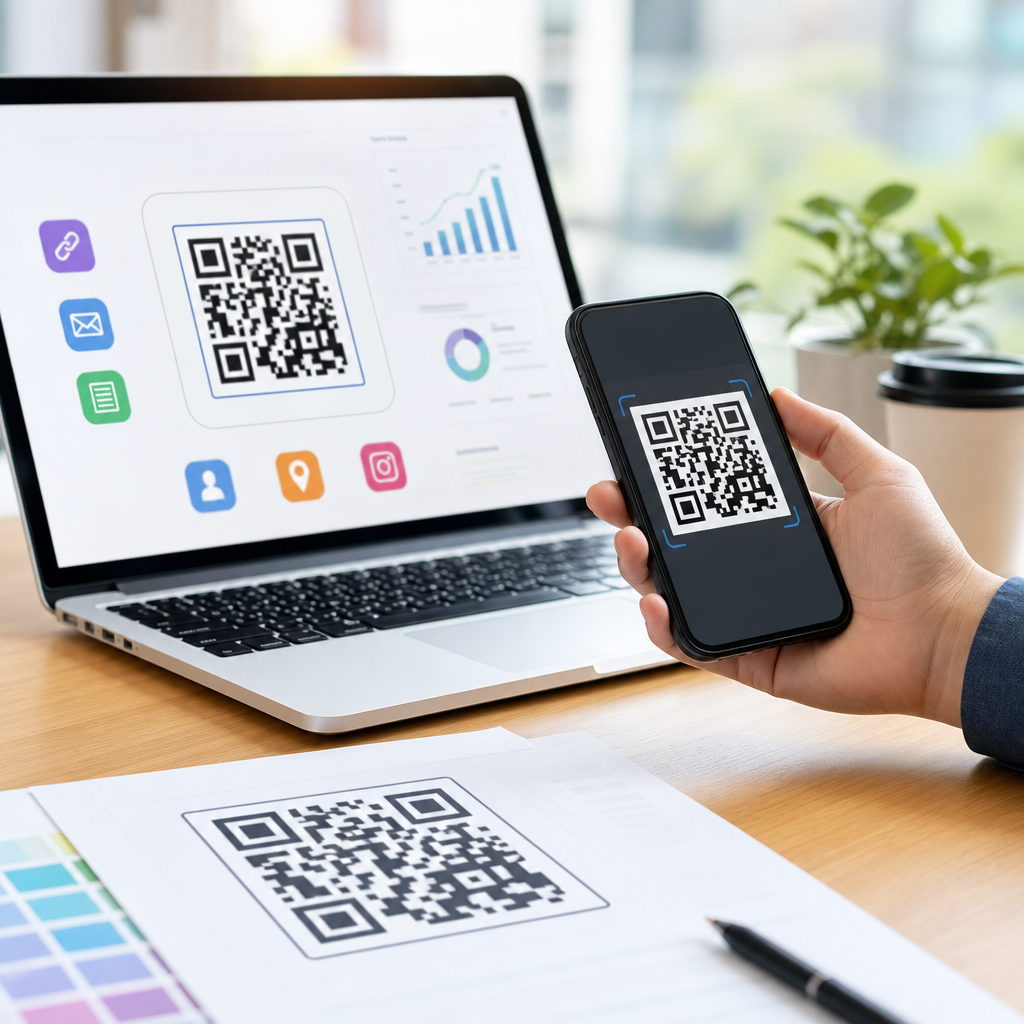
Analytics quality directly affects whether a dynamic QR code program becomes useful or just decorative. Basic scan counts are not enough. You need to know which placements produce scans, when traffic spikes, and whether users complete downstream actions. I recommend checking whether the platform passes UTM parameters cleanly into GA4, Adobe Analytics, or your attribution stack. If it cannot, you will struggle to connect offline placements to conversions. Better platforms also separate unique scans from total scans and report device type, time, and approximate geography. Those details help answer practical questions, such as whether in-store window signage performs better during commute hours or whether packaging scans over-index on Android.
Branding influences both trust and conversion. A custom domain like go.yourbrand.com generally performs better than an unfamiliar shared short domain because users recognize it and security reviewers are less likely to flag it. Some of the best QR code generators also let you apply brand colors, add logos safely, and manage quiet zones and error correction levels correctly. That last point matters: aggressive styling can reduce scan reliability, especially on low-quality print stock or curved packaging. A platform that previews print contrast and preserves scannability is worth more than one offering flashy templates without production safeguards.
Mobile routing is another decisive feature for teams focused on creating mobile QR codes. Smart routing can send iPhone users to the App Store, Android users to Google Play, and desktop visitors to a fallback page. More advanced rules can route by language, country, date window, or scan count. These controls are especially useful for product launches, seasonal campaigns, and app install flows. The strongest platforms make routing logic visible and testable, not hidden behind support requests.
Pricing, Governance, and the Mistakes Buyers Make
Pricing for dynamic QR code platforms often looks simple at first and becomes complicated when campaigns scale. Some vendors charge by number of codes, others by scan volume, seats, advanced analytics, or custom domains. Before signing, model your expected growth for twelve to twenty-four months. A platform that looks inexpensive for ten codes can become expensive when each region, store, or SKU needs its own asset. I have seen teams choose a low entry plan, then rebuild campaigns later because bulk generation, API access, or historical analytics were locked behind higher tiers.
Governance is where many evaluations fail. If multiple marketers can edit destinations freely, one accidental change can break a printed campaign across hundreds of locations. Strong platforms offer role-based permissions, approval workflows, audit logs, and folder-level organization. These controls matter most in distributed organizations such as franchise networks, universities, healthcare systems, and multi-brand retailers. Procurement teams should also review export options and portability. If you ever need to migrate vendors, you want access to destination mappings, code inventories, and reporting history.
The most common buying mistakes are predictable. First, choosing based only on visual customization while ignoring redirect reliability. Second, buying a “free” or low-cost generator for mission-critical campaigns without checking whether dynamic codes remain active if you cancel. Third, printing before testing scan distance, lighting conditions, and destination load speed. Fourth, failing to set naming conventions and ownership rules. A dynamic QR code platform is not just a design tool; it is campaign infrastructure. Treat it that way and the value becomes measurable.
How This Hub Supports Your Creating Mobile QR Codes Strategy
This page is the hub for the best QR code generators topic because platform choice affects every downstream decision in creating mobile QR codes. Your selected tool determines how you handle app links, landing page changes, regional routing, analytics tagging, print specs, and team governance. In a mature program, the platform sits between creative production and conversion measurement. That makes it foundational, not optional.
The key takeaway is simple. The best QR code platforms for dynamic codes are the ones that let you edit safely after print, measure scans in context, protect brand trust with custom domains, and scale across teams without chaos. Start by defining your use case, then compare analytics depth, routing logic, governance, and total cost. If you are building a broader mobile QR program, use this hub as the starting point and shortlist two or three platforms for a live pilot before committing.
Frequently Asked Questions
What is a dynamic QR code, and why does it matter when choosing a QR code platform?
A dynamic QR code does not store the final destination URL directly inside the code itself. Instead, it points to a short redirect link controlled by the QR code platform. That setup is what makes dynamic codes so useful in real-world marketing and operations. If a campaign URL changes, a menu needs updating, a landing page breaks, or a product page is replaced, you can usually edit the destination in the platform dashboard without reprinting the QR code. That one capability is the reason dynamic QR codes are preferred for packaging, retail displays, event signage, restaurant ordering, service manuals, and customer onboarding flows.
When comparing platforms, this matters because not all providers handle dynamic infrastructure equally well. The best QR code platforms for dynamic codes offer reliable redirect performance, easy destination editing, scan analytics, bulk management, and support for different use cases such as PDF downloads, app links, vCards, forms, and multi-URL routing. A platform may look similar on the surface, but the operational difference shows up later when you need to update hundreds of live codes, organize them by campaign, or review scan behavior by location and date. A strong dynamic QR platform turns QR codes from static images into flexible, trackable assets that can evolve with your business.
What features should I look for in the best QR code platforms for dynamic codes?
The most important feature is dependable destination editing. A dynamic QR code platform should let you change the linked URL quickly and confidently, ideally without downtime or propagation delays that interrupt active campaigns. Beyond that, analytics are essential. You should be able to see total scans, unique scans if available, scan timestamps, device or operating system trends, and approximate location data. These metrics help you understand whether a poster in a storefront is outperforming packaging inserts, or whether an event code is driving traffic during the right time window.
Another major feature is campaign organization. Businesses rarely use one or two codes forever. They often manage dozens or hundreds across product lines, stores, sales teams, regions, or seasonal promotions. The best platforms support folders, tags, naming conventions, user permissions, and bulk creation or bulk editing. This becomes especially valuable for agencies, franchises, retail chains, and manufacturers. Design controls also matter. You want the ability to customize colors, frames, logos, and call-to-action text without making the code harder to scan. Good platforms balance branding flexibility with scan reliability.
You should also evaluate integrations and export options. Some platforms connect with analytics tools, CRM systems, Zapier, or marketing automation platforms, which makes reporting and lead capture more useful. Others support API access for teams that need to generate or update codes programmatically. Finally, pay attention to practical details: download formats like PNG, SVG, EPS, or PDF; password protection for files; expiration settings; A/B destination testing; and support quality. The best choice is usually the platform that combines reliable redirect technology, usable analytics, strong management tools, and enough flexibility to support your workflow over time.
Are dynamic QR codes better than static QR codes for business use?
For most business applications, yes. Static QR codes still have a place, especially when the destination will never change and you do not need analytics. But dynamic QR codes are usually better because business conditions change constantly. Product pages get updated, promotional campaigns end, forms are replaced, app download links change, and PDFs get revised. With a static code, any change to the destination means generating a new code and reprinting every asset where it appears. With a dynamic code, you keep the same printed code and update the redirect target in the platform.
That flexibility has a direct cost and efficiency benefit. If you have QR codes on packaging, in-store signs, table tents, direct mail, or technician manuals, replacing printed materials can be expensive and slow. Dynamic codes reduce that risk significantly. They also provide a measurement layer that static codes generally do not offer on their own. Being able to see scan volume, geography, and campaign timing helps teams make better decisions about placement, messaging, and creative. In practice, this is why marketers, operations teams, restaurant owners, field service organizations, and product teams typically favor dynamic platforms.
The main tradeoff is that dynamic QR codes depend on the platform’s redirect service, so provider reliability matters. If you choose a low-quality platform, poor uptime or weak management tools can create problems. But with a reputable provider, dynamic QR codes usually deliver much more value than static codes because they are editable, measurable, and better suited to ongoing campaigns and operational use.
How important are analytics and tracking in a dynamic QR code platform?
Analytics are one of the biggest reasons to use a dynamic QR code platform in the first place. Without tracking, a QR code is simply a bridge to a destination. With analytics, it becomes a measurable touchpoint that can inform marketing strategy, customer experience decisions, and operational improvements. Good tracking helps you answer practical questions: Which packaging design gets more engagement? Which store poster drives the most traffic? Are people scanning during work hours, after purchase, or while attending an event? Are mobile onboarding codes actually being used after installation?
The best platforms provide scan counts, time-based reporting, and at least basic location and device insights. More advanced platforms may also support UTM parameters, event-based tagging, or integrations with analytics systems so QR traffic can be tied back to broader campaign reporting. This is especially important for paid media and multi-channel campaigns, where teams need to compare QR performance against email, social, print, or in-person activations. In retail and field operations, scan data can also reveal whether instructions, manuals, or support resources are being accessed where you expect them to be used.
That said, analytics should be interpreted carefully. QR scan data is useful, but it is not the same as full conversion data unless you connect it to downstream measurement. A platform that lets you pass tracking parameters to your landing pages or integrate with your reporting stack gives you a much clearer view of real business impact. In short, analytics are not just a bonus feature. They are central to understanding whether your QR code strategy is working and where to optimize it.
How do I choose the right dynamic QR code platform for packaging, retail, events, or restaurants?
The right platform depends on how and where the QR codes will be used. For packaging, prioritize long-term reliability, easy destination updates, and the ability to manage codes at scale. Packaging often stays in circulation for months or years, so you need confidence that the platform will remain stable and that codes can continue redirecting correctly over time. Bulk generation, structured campaign organization, and downloadable vector formats are especially valuable for print production. If you have many SKUs, regional variants, or product lines, platform organization becomes just as important as the code itself.
For retail, speed and analytics tend to matter most. Storefront posters, shelf talkers, product displays, and window signage often support promotions that change frequently. You want quick editability, dependable scan performance, and reporting that helps you compare locations or time periods. For events, look for flexibility and real-time responsiveness. Agendas change, registration pages move, speaker resources get updated, and promotional offers may need to be swapped mid-event. A strong dynamic platform makes those changes easy without requiring new signage. Features like folders, team collaboration, and real-time reporting are very useful in that environment.
For restaurants, usability is key. Menus, ordering links, reservations, loyalty offers, and feedback forms need to be simple to maintain. Restaurants benefit from platforms that make QR destination edits fast and intuitive, especially when menus or seasonal specials change often. In every case, test the platform before committing. Create a few codes, scan them on multiple devices, review the analytics dashboard, update destinations, and assess how easy it is to manage codes in a realistic workflow. The best QR code platform is not just the one with the longest feature list. It is the one that fits your operational needs, gives you confidence in live campaigns, and makes dynamic QR management easier rather than more complicated.