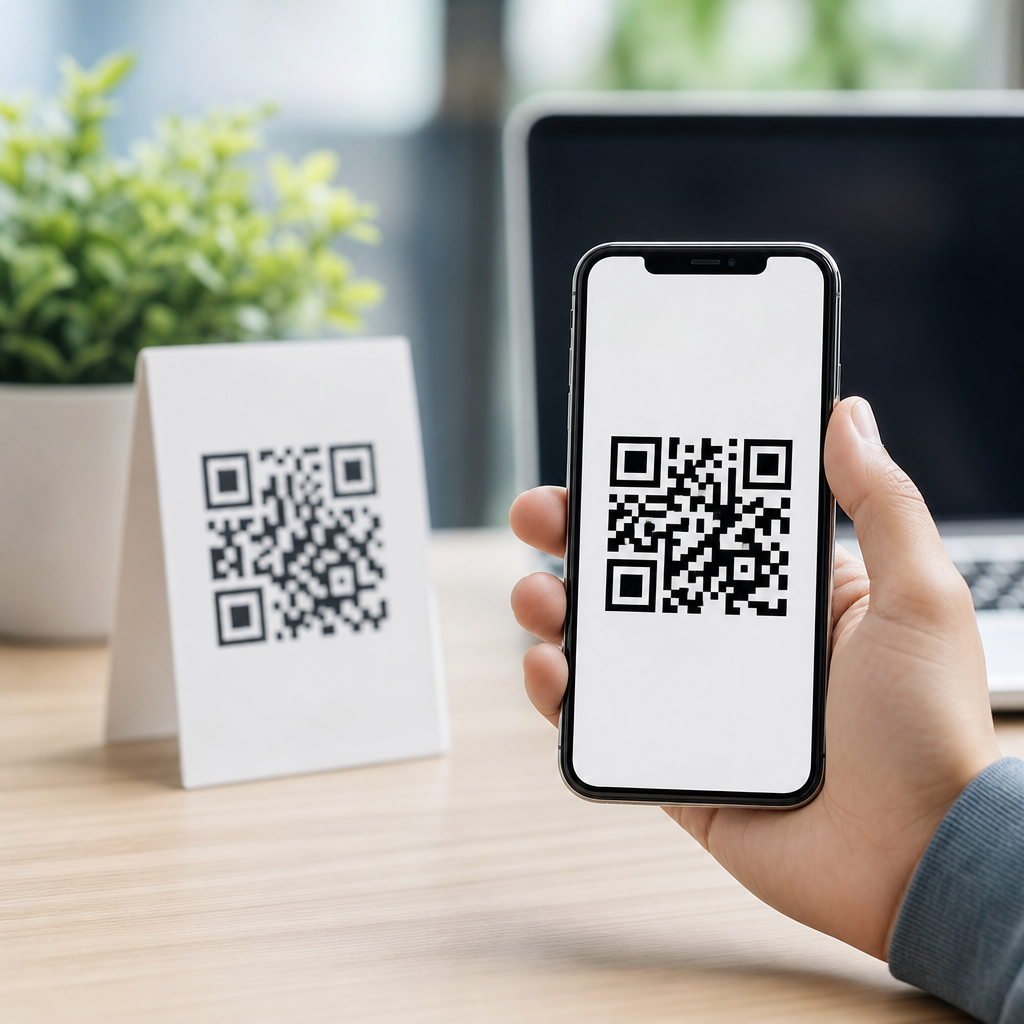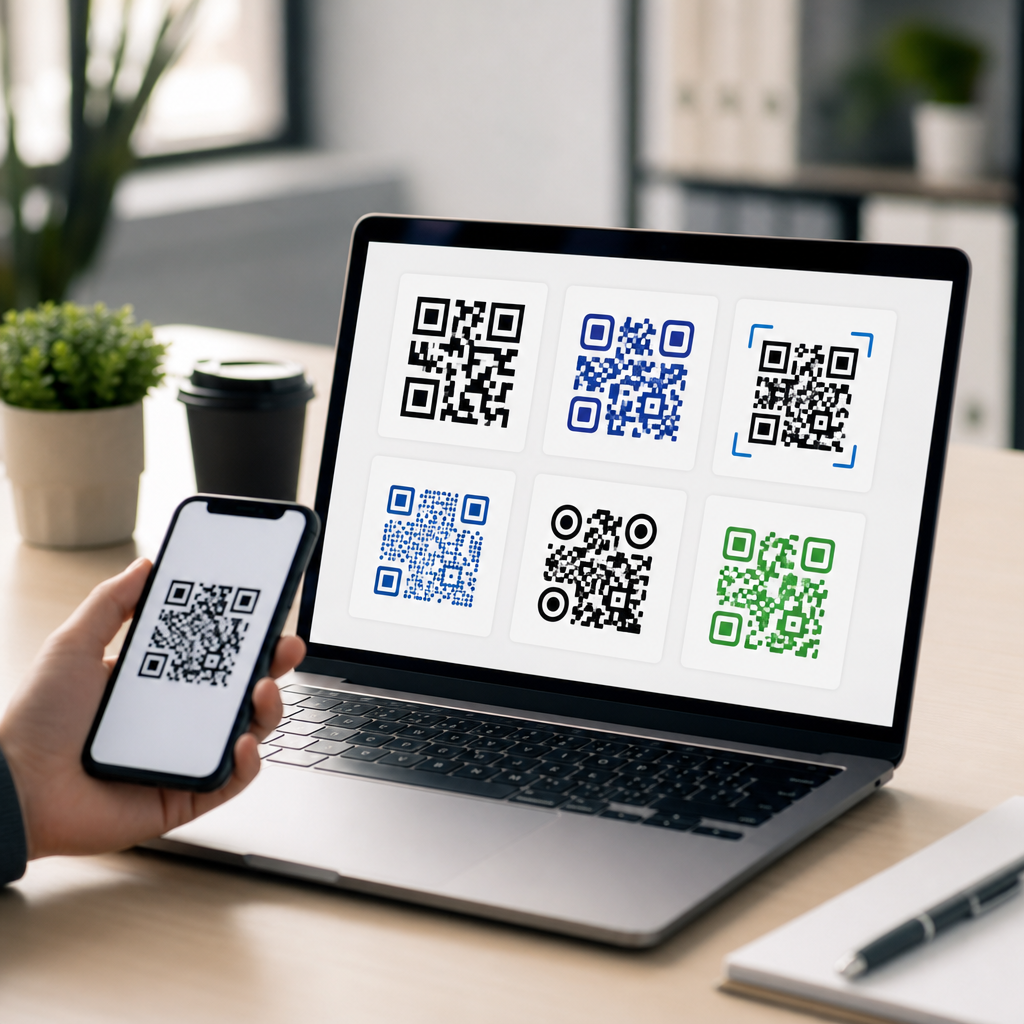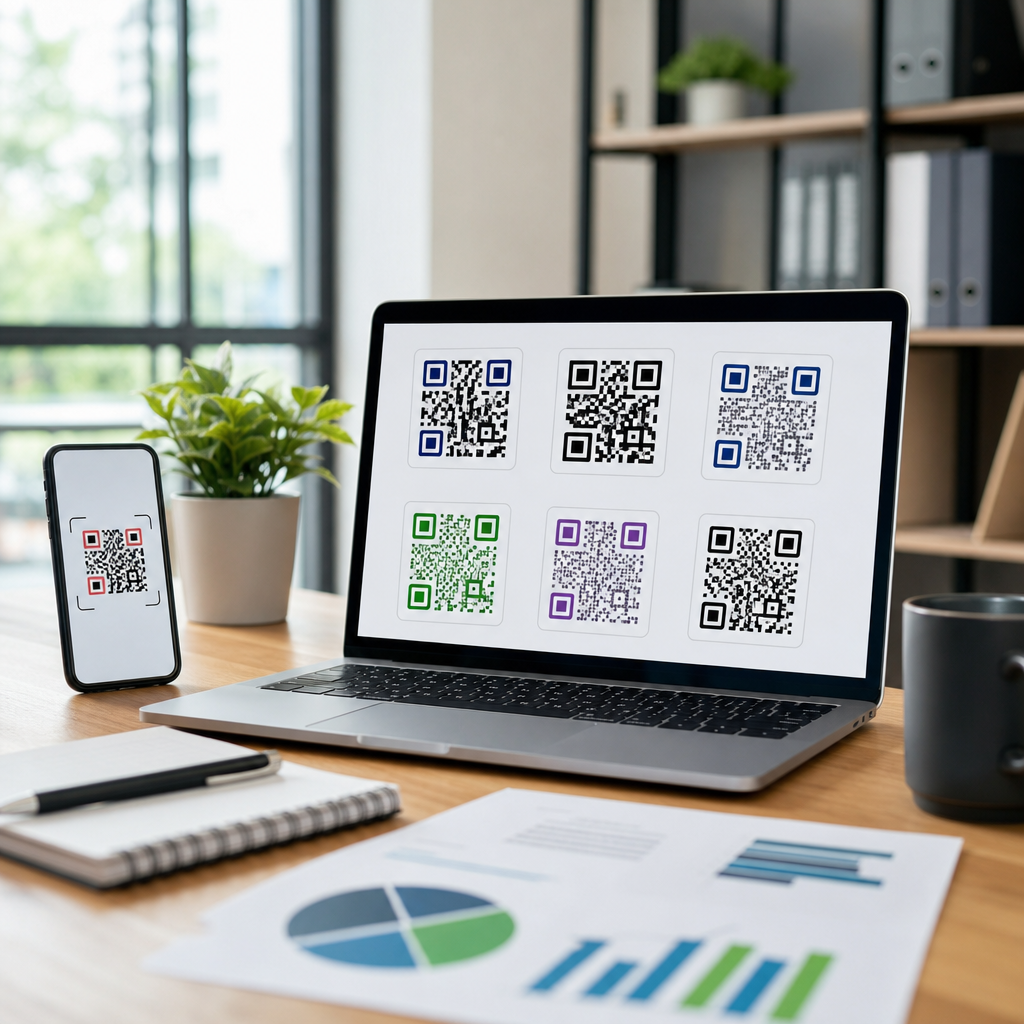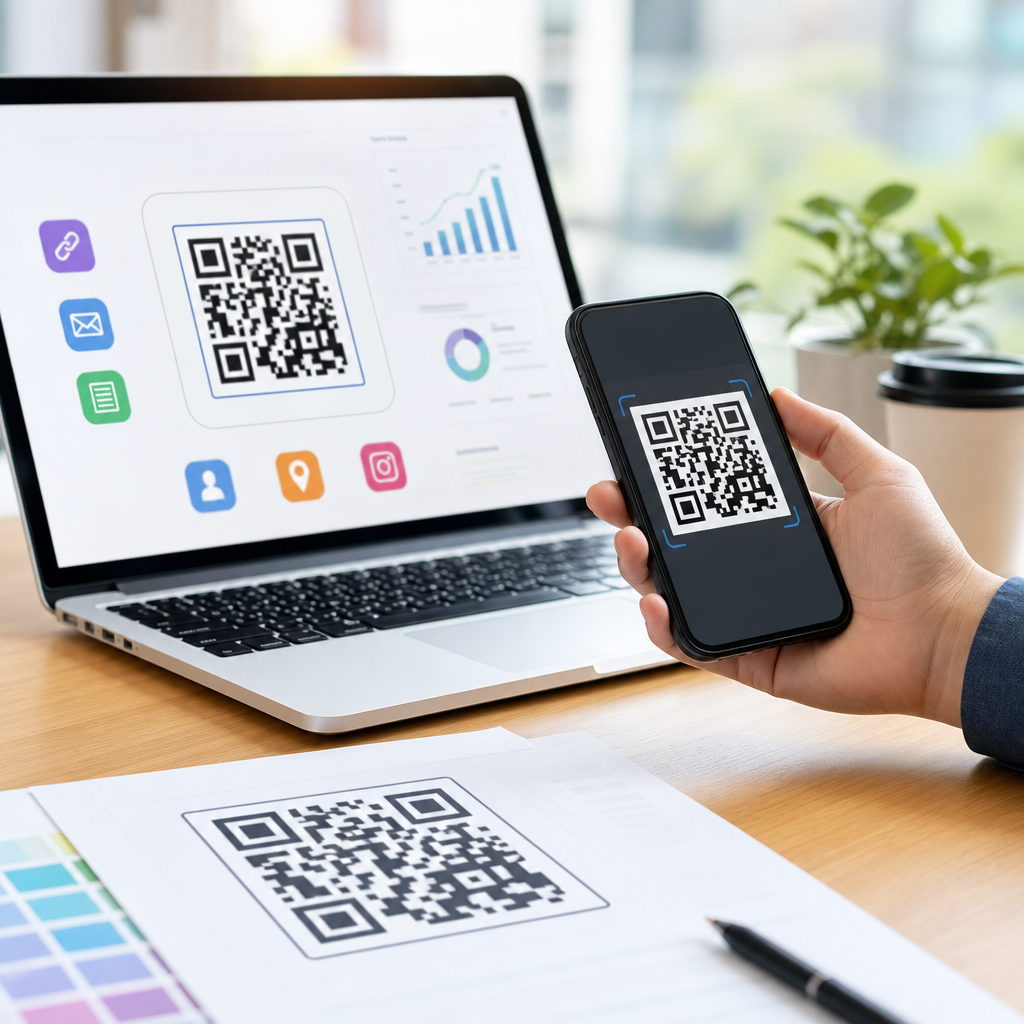

Best QR code generators for eCommerce help online stores turn packaging, product displays, email campaigns, and in-store signage into measurable mobile touchpoints. A QR code generator is the software that creates scannable codes linking shoppers to a destination such as a product page, review form, discount landing page, app download, or customer support portal. For eCommerce teams, the best tools go beyond basic code creation. They support dynamic redirects, campaign tagging, design customization, scan analytics, bulk generation, and governance features that matter when multiple products, channels, and regional teams are involved.
I have used QR platforms for product inserts, retail shelf talkers, post-purchase flows, and event activations, and the difference between a free toy tool and a production-ready generator is significant. A static code can work for a single PDF or homepage link, but it becomes limiting the moment a URL changes, inventory shifts, or a campaign needs attribution. Dynamic QR codes solve that by allowing the destination to be updated without reprinting the code, which is essential in eCommerce where landing pages, promotions, and stock status change constantly. That flexibility reduces wasted packaging runs and preserves campaign continuity.
This matters because mobile commerce behavior is now routine. Shoppers scan from product packaging to register warranties, reorder consumables, compare variants, redeem offers, and join loyalty programs. A weak QR setup creates friction: ugly codes that do not scan well, dead links, no analytics, or a vendor that locks data behind expensive tiers. A strong setup supports brand consistency, tracks source-level performance, and gives marketers, operations teams, and customer service a shared asset they can trust. Choosing the best QR code generator for eCommerce is not just a design decision; it affects conversion rates, customer experience, attribution quality, and operational efficiency across the full purchase lifecycle.
What makes a QR code generator best for eCommerce
The best QR code generator for eCommerce has six core capabilities. First, it offers dynamic QR codes, which let you change the destination URL after printing. Second, it provides reliable analytics, including total scans, unique scans, time, approximate location, and device data. Third, it supports UTM parameters so traffic can be measured in Google Analytics 4, Adobe Analytics, or another attribution platform. Fourth, it includes brand controls such as custom colors, logos, frames, and error correction tuning. Fifth, it enables organized management through folders, tags, user permissions, and API or bulk upload options. Sixth, it exports high-resolution vector files like SVG, EPS, or PDF for packaging, labels, and point-of-sale printing.
Scan performance matters more than many teams expect. ISO/IEC 18004 defines the QR Code symbology, but practical readability still depends on contrast, quiet zone spacing, module size, and placement. I have seen beautifully branded codes fail because the logo covered too much of the center, the foreground color was too light, or the code was printed too small on corrugate packaging. A strong generator helps avoid these mistakes by previewing formats, supporting adequate error correction, and maintaining sharp exports for print. In eCommerce, where a code might appear on a box insert, thank-you card, or warehouse flyer, those production details are not optional.
Security and governance also separate serious tools from casual ones. If your team creates hundreds of QR codes for regional campaigns, influencer kits, or return flows, you need controls over who can edit destinations, when links expire, and how data is retained. Some vendors also support custom domains, which improve customer trust because shoppers scan a branded URL instead of a generic shortlink. That small detail can increase confidence, especially on packaging or inserts where a customer may hesitate to open an unfamiliar link.
Top QR code generators worth considering
For most eCommerce brands, the strongest shortlist includes QR Code Generator Pro by Bitly, Flowcode, QR TIGER, Uniqode, Canva, and Beaconstac. These tools appear often because they cover the core needs of dynamic links, design flexibility, and analytics, but they differ in depth and ideal use case. Bitly’s QR Code Generator Pro is a natural fit when link management is already central to marketing operations, because QR creation and short-link governance live in the same ecosystem. Flowcode stands out for ease of use and campaign-focused design. QR TIGER is popular with small to midsize businesses that want broad features at a competitive price. Uniqode and Beaconstac are stronger enterprise options with API access, advanced management, and security controls. Canva is best viewed as a lightweight design-led option, suitable for simple needs rather than complex lifecycle tracking.
| Tool | Best fit | Key strengths | Main limitation |
|---|---|---|---|
| Bitly QR Code Generator Pro | Brands managing many links and campaigns | Dynamic codes, branded links, strong governance | Higher value when paired with Bitly workflows |
| Flowcode | Marketing teams focused on speed | Clean interface, solid analytics, easy customization | Less enterprise depth than heavier platforms |
| QR TIGER | SMBs and growing stores | Good feature balance, bulk generation, competitive pricing | Interface can feel busy at scale |
| Uniqode | Mid-market and enterprise retail | Advanced analytics, API, team controls | More setup complexity |
| Beaconstac | Security-conscious organizations | Custom domains, governance, integrations | May exceed small-store needs |
| Canva | Simple one-off creative assets | Fast design workflow, accessible for nontechnical users | Limited for deep analytics and code management |
If you need a direct answer, the best QR code generator for eCommerce usually comes down to workflow maturity. Smaller stores often do well with QR TIGER or Flowcode because setup is fast and features are broad enough for coupons, inserts, and social campaigns. Established brands with multiple teams usually benefit from Uniqode, Beaconstac, or Bitly because governance, APIs, and custom domains become more important than template convenience.
How leading eCommerce teams use QR codes
The highest-performing eCommerce use cases are practical and measurable. On packaging inserts, a QR code can send buyers to a reorder page, setup guide, or review request. For beauty and supplements brands, I have seen reorder QR codes outperform generic homepage traffic because they remove the need to search. On apparel hangtags or inserts, a code can open care instructions, size guidance, or a product registration page. On warehouse packing slips, QR codes can direct customers to self-service returns, reducing support tickets.
Another strong use case is post-purchase retention. A coffee subscription brand might place a dynamic QR code on each shipment that initially points to brew guides, then later retargets to a replenishment offer. A furniture retailer can link assembly manuals by SKU and update the destination if documentation changes. Consumer electronics brands often use QR codes for onboarding videos and troubleshooting flows, which reduces call center volume while improving customer satisfaction.
Offline-to-online attribution is where the right generator really proves its value. Suppose a brand attends a trade show, prints product-specific QR codes on signage, and uses distinct UTM tags for each booth zone. With that setup, the team can compare scans, sessions, add-to-cart rate, and revenue by placement. The same discipline applies to direct mail, catalog campaigns, retail partner displays, and package inserts. Without a platform that supports dynamic edits and analytics, those insights are lost.
Features to prioritize before you choose
Start with dynamic versus static QR codes. Static codes are fixed forever; dynamic codes can be redirected later. For eCommerce, dynamic should be the default unless the destination is truly permanent, such as a stable legal document. Next, confirm analytics depth. Basic scan counts are helpful, but the more valuable setup combines platform analytics with tagged URLs feeding GA4, Shopify reports, or your CRM. That lets you evaluate downstream metrics like conversion rate, average order value, and customer lifetime value instead of scans alone.
Bulk generation is critical when codes need to map to products, stores, or campaigns at scale. A marketplace seller with 300 SKUs may need separate inserts for registration, review prompts, or installation guides. Doing that manually invites errors. API access becomes even more important for larger catalogs because it can connect QR creation to a product information management system, order platform, or campaign builder. If your operations team works across regions, role-based permissions and audit trails will save time and prevent accidental redirect changes.
Design options should support the brand, not overpower the function. Dark foreground on a light background remains the safest combination. Keep a quiet zone around the code, test scans under realistic lighting, and print at a size appropriate for the expected distance. For packaging, vector export is nonnegotiable because raster images can blur during production. Also check whether the vendor allows a custom scanning landing page, custom domain, and downloadable performance reports for stakeholders.
Common mistakes and how to avoid them
The biggest mistake is treating QR codes as decorative elements rather than conversion assets. Teams often place a code on packaging with no clear value proposition. If the shopper does not know what happens after the scan, response drops. Add short supporting copy such as “Scan to reorder in 10 seconds” or “Scan for setup video.” Another mistake is sending all scans to the homepage. A QR code should land on the most relevant page possible, ideally one optimized for mobile speed and immediate action.
Technical mistakes are common too. Low contrast, tiny print size, crowded placement near folds, and excessive logo customization reduce readability. I always test across iPhone and Android devices before approving a print run. Redirect governance also gets overlooked. If multiple marketers can edit live destinations without process control, old codes may suddenly point to broken or irrelevant pages. Use naming conventions, folders, and expiration rules, especially for seasonal promotions and influencer campaigns.
Finally, avoid choosing solely on price. Free tools are fine for experiments, but eCommerce programs usually outgrow them once data, teams, and printed assets multiply. Reprinting packaging because a static destination changed is far more expensive than paying for dynamic management from the start.
How to select the right platform for your store
Choose based on your operating model. If you run a small Shopify store and need branded insert codes, Flowcode or QR TIGER may be the best balance of simplicity and value. If your business manages many campaigns, markets, or retail partners, look at Bitly, Uniqode, or Beaconstac for stronger administration, APIs, and custom domains. If the code is mainly part of a design workflow and analytics are secondary, Canva can be enough for basic execution.
Before committing, run a practical pilot. Create three real use cases: a packaging insert, a direct mail piece, and a support or registration flow. Measure scan rate, mobile page load speed, conversion, and internal ease of management. Ask who owns redirects, who reviews analytics, and how campaign naming will stay consistent. The best QR code generator for eCommerce is the one your team can scale confidently without sacrificing scan reliability or measurement quality.
In the end, strong QR code software turns offline moments into trackable digital journeys. The right platform helps you update destinations without reprints, preserve brand trust, and connect scans to revenue outcomes. Start with dynamic codes, reliable analytics, and print-ready assets, then choose the platform that matches your catalog size, team structure, and reporting needs. If you are building out a broader Creating Mobile QR Codes strategy, use this hub to shortlist vendors, define requirements, and test real customer journeys before rolling out at scale.
Frequently Asked Questions
What should eCommerce businesses look for in the best QR code generators?
The best QR code generators for eCommerce should do much more than create a static code that points to a single URL. For online stores, the most valuable platforms support dynamic QR codes, which let you change the destination after the code has already been printed on packaging, inserts, shelf displays, or marketing materials. That flexibility is especially important for seasonal promotions, product updates, out-of-stock items, and post-purchase campaigns where the destination may need to change without replacing the printed code.
It is also important to look for built-in analytics and campaign tracking. Strong QR code tools help eCommerce teams measure scans by date, device, location, and traffic source, and many also support UTM parameters so performance can be tracked in Google Analytics or other reporting platforms. This turns a simple printed code into a measurable marketing touchpoint. Design customization is another major factor. The best generators allow brand-safe adjustments such as colors, frames, logos, and call-to-action text while still maintaining reliable scan performance.
Other useful features include bulk QR code creation for large product catalogs, password protection or expiration rules for limited campaigns, team collaboration, API access, and integrations with platforms such as Shopify, WooCommerce, Klaviyo, Zapier, or CRM systems. For eCommerce brands, the strongest option is usually the one that combines ease of use, flexible redirects, accurate reporting, and enough branding control to make QR codes feel like a natural part of the customer journey rather than a generic add-on.
Why are dynamic QR codes better than static QR codes for eCommerce marketing?
Dynamic QR codes are typically the better choice for eCommerce because they allow marketers to update the destination URL without changing the visible code itself. That means a QR code printed on a product box, thank-you card, catalog, store sign, or event display can continue to be useful even after the original campaign changes. For example, a code that first links to a launch page can later be redirected to product reviews, a replenishment offer, a loyalty signup page, or customer support content. With a static QR code, any change usually requires generating and reprinting a brand-new code.
Dynamic codes also provide far better measurement. In most cases, they include scan analytics that help teams understand how many people scanned, when they scanned, what device they used, and sometimes where the scan occurred. This is extremely valuable for eCommerce businesses trying to connect offline touchpoints with online revenue. It becomes easier to compare packaging inserts versus retail displays, test different offers, and identify which campaigns produce the highest conversion rates.
They also reduce risk. If a landing page breaks, a product is discontinued, or a promotion expires, the destination can be changed quickly rather than leaving customers with a dead end. For brands that rely on printed materials at scale, that flexibility saves money and protects the customer experience. Static QR codes still have a place for simple, permanent uses, but for serious eCommerce marketing, dynamic QR codes usually offer the adaptability and reporting needed to support growth.
How can QR codes be used effectively across the eCommerce customer journey?
QR codes can support almost every stage of the eCommerce customer journey when used strategically. Before purchase, they can appear on product displays, retail packaging, direct mail pieces, event booths, and printed ads to drive shoppers to product pages, comparison guides, launch waitlists, or limited-time offers. In physical retail or pop-up environments, they help bridge offline browsing with mobile shopping by giving customers an instant path to detailed specs, reviews, or checkout.
During and immediately after purchase, QR codes are especially effective on order inserts, receipts, shipping boxes, and packing slips. These codes can link to setup instructions, care guides, assembly videos, cross-sell recommendations, referral programs, or loyalty enrollment pages. This is one of the most practical ways to increase customer lifetime value because the shopper is already engaged with the brand and more likely to take a next step. For subscription brands or replenishable products, QR codes can also direct customers to reorder pages or account dashboards with minimal friction.
Post-purchase, QR codes are useful for review collection, support, warranty registration, how-to content, and customer retention campaigns. A code inside the package can send customers to a review form, while a code on the product itself might point to troubleshooting resources or app downloads. The most effective eCommerce teams do not treat QR codes as one-off tools. They use them as trackable mobile entry points throughout acquisition, conversion, fulfillment, and retention, ensuring each code leads to a relevant destination with a clear call to action.
Do customized QR codes with logos and brand colors still scan reliably?
Yes, customized QR codes can scan reliably, but only when they are designed within technical best practices. Most modern QR code generators support branding elements such as logo placement, color changes, custom frames, and modified shapes. These features can improve trust and recognition, which is important in eCommerce because shoppers are more likely to scan a code that looks intentional and aligned with the brand. A generic black-and-white code may still work, but a well-branded code often performs better in real marketing environments because it feels more credible and visually connected to the campaign.
That said, design should never come at the expense of usability. There needs to be enough contrast between the code and the background, the quiet zone around the code should remain clear, and the logo should not obscure too much of the central pattern. The best QR code generators are built to preserve error correction and scanability even when visual customization is added. Many also provide scan testing tools or previews across devices, which is useful before sending packaging or print materials to production.
For eCommerce brands, the right approach is to balance aesthetics and function. Use brand colors carefully, keep the code size appropriate for the scan distance, and always test in real-world conditions such as matte packaging, glossy labels, retail lighting, and mobile camera variations. A customized QR code should enhance performance, not simply look good in a design file. Reliable generators make that balance easier by guiding users toward designs that are both on-brand and highly scannable.
How do QR code analytics help eCommerce teams measure performance and ROI?
QR code analytics give eCommerce teams a way to measure how offline and hybrid marketing efforts contribute to online engagement and sales. Instead of guessing whether a packaging insert, shelf talker, trade show handout, or print ad drove traffic, teams can see scan activity directly. Depending on the platform, analytics may include total scans, unique scans, time and date trends, device type, operating system, and geographic data. When paired with campaign-tagged URLs, this information becomes even more useful because it can flow into analytics tools and help connect scans to sessions, conversions, revenue, and assisted purchases.
This visibility supports smarter decision-making across campaigns. A brand can compare one packaging insert offer against another, identify which retail locations generate the most scans, or see whether a post-purchase QR code is driving product reviews or repeat orders. It also becomes easier to optimize creative and placement. If scan volume is low, the issue may be the call to action, the incentive, the code size, or where the code appears. If scans are high but conversions are low, the landing page may need improvement. In that way, QR code analytics help diagnose not just traffic volume, but also journey friction.
From an ROI perspective, analytics matter because they transform QR codes from simple utilities into accountable marketing assets. eCommerce leaders can justify packaging campaigns, in-store signage, and print-based promotions when they can tie scans to customer actions and business outcomes. The best QR code generators make this process easier by combining dynamic redirects, dashboard reporting, and exportable campaign data so teams can continuously test, learn, and improve performance over time.