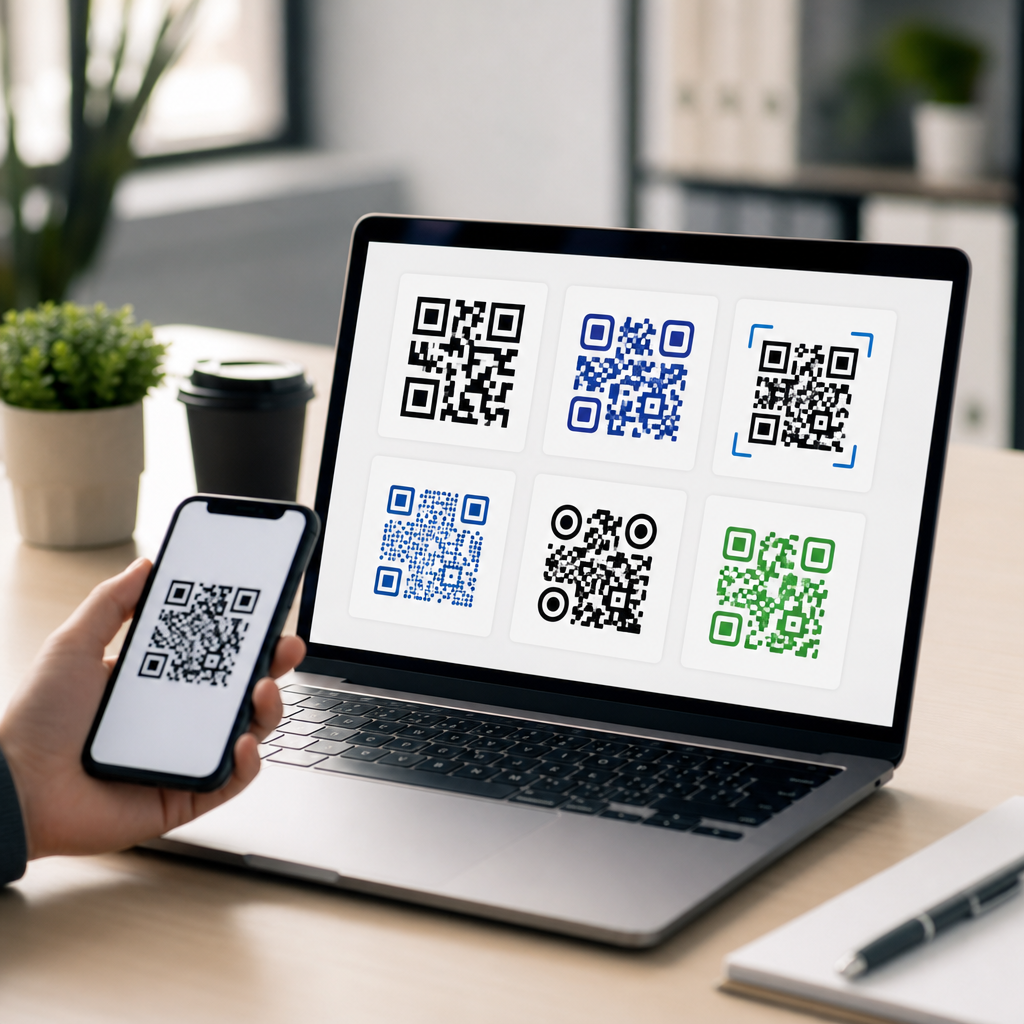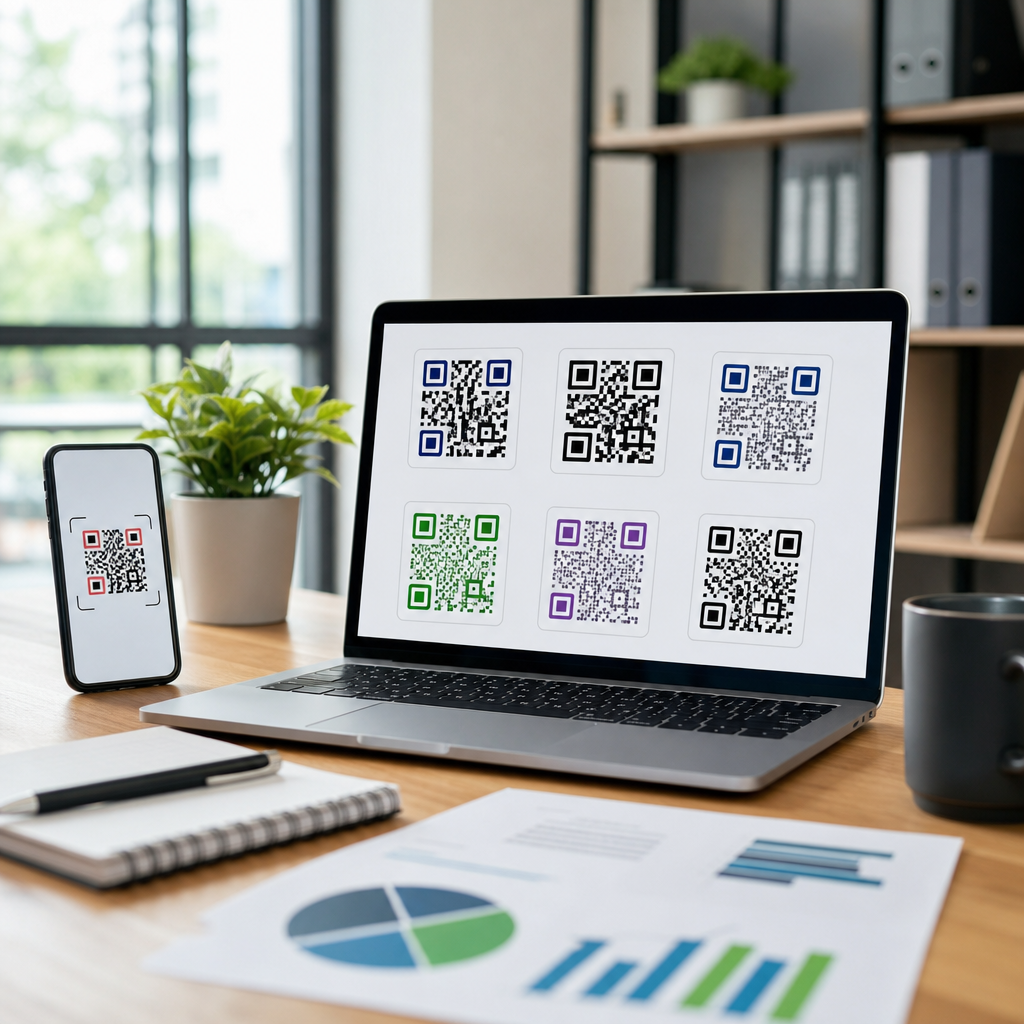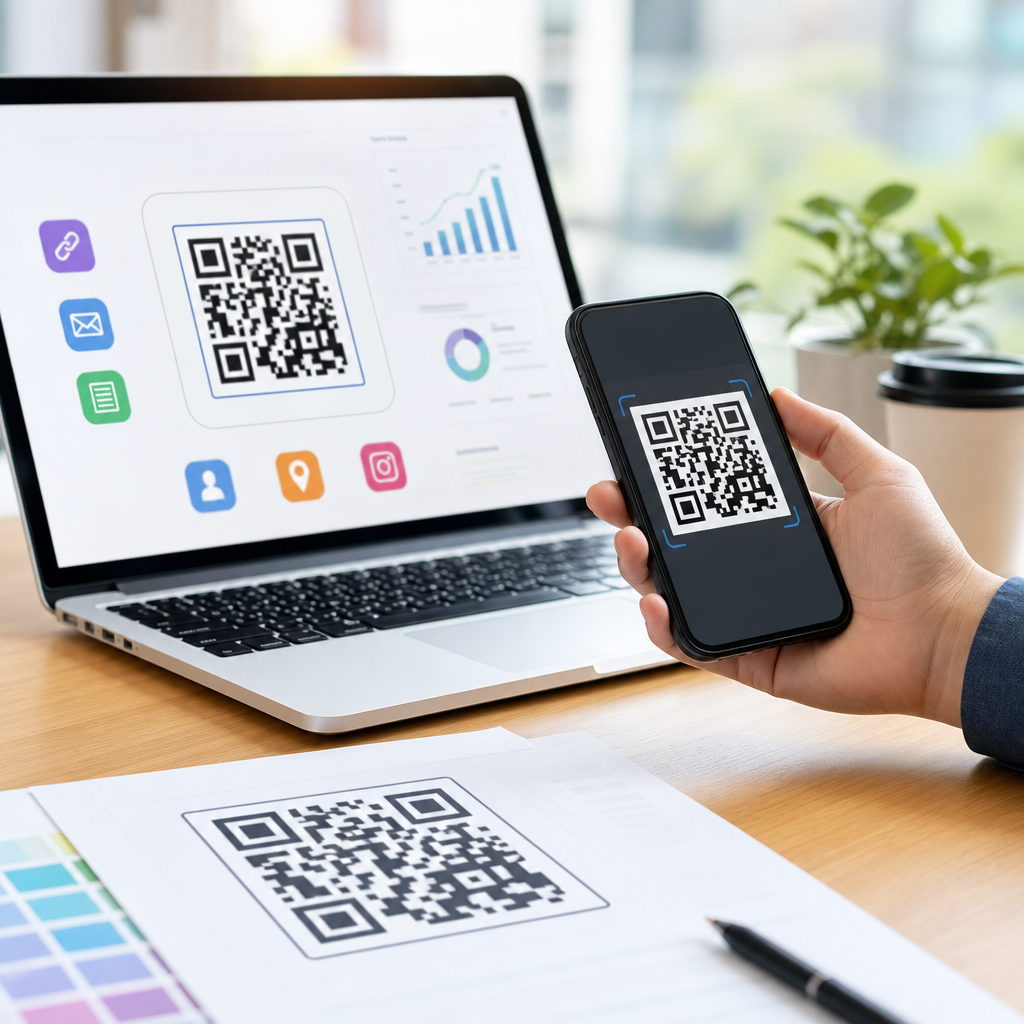
Choosing between free and premium QR code tools looks simple until you start deploying codes on packaging, menus, posters, invoices, and app flows. The difference is not just price. It is the gap between a basic image generator and a platform for managing scans, destinations, branding, analytics, and risk over time. In the world of creating mobile QR codes, that distinction matters because the code itself is only the starting point. The real value comes from where it sends users, how reliably it scans, and what you can measure after launch.
A QR code generator creates a two dimensional barcode that smartphones can read with a camera. Static QR codes store the final destination directly in the pattern, so the content cannot be changed after printing. Dynamic QR codes point to a short redirect URL managed by the provider, allowing you to edit the destination, track scans, set expiration rules, or add campaign parameters later. Free QR code tools usually focus on static generation and limited customization. Premium QR code tools usually add dynamic management, scan analytics, team controls, file hosting, bulk creation, and design guardrails that keep branded codes readable.
I have used both categories for restaurant table tents, retail shelf talkers, trade show badges, and field service labels. In low risk cases, a free tool is enough. For business critical campaigns, premium tools prevent costly mistakes. If a printed flyer with ten thousand copies needs a URL change, a static code from a free generator becomes expensive overnight. If a code on product packaging must continue working across regions and seasons, editability and monitoring stop being optional. This guide explains what free vs premium QR code tools actually give you, which features affect results, and how to evaluate the best QR code generators for your needs.
What free QR code tools usually include
Most free QR code generators handle the fundamentals well. You enter a URL, text string, Wi Fi credential, vCard, SMS draft, email address, or app link, then download a PNG or SVG. Many also let you change foreground color, add a frame, and select error correction level. For classroom handouts, personal portfolios, event check in signs, or one off links, this is often enough. Good free tools can produce standards compliant codes that scan instantly if contrast is strong and the quiet zone remains intact.
The strongest free options are simple and transparent. Adobe Express offers quick creation for basic uses. QRCode Monkey is widely used for custom colors and logo insertion with high resolution export. Canva works when the QR code is part of a broader design workflow. Google Chrome can generate a page level code directly from the browser for ad hoc sharing. These tools lower friction, but they rarely provide durable management once the image has been downloaded and printed.
The main limits appear after distribution. Free plans commonly omit dynamic editing, detailed analytics, password protection, scheduled activation, geolocation rules, API access, and bulk generation. Some providers also place caps on scans, file downloads, or design options, or they host dynamic redirects that expire after a trial period. That last detail matters. A code that scans successfully during testing can fail months later if the underlying short link is disabled. Before using any free service, verify whether the QR code is truly static and permanent or dynamic and tied to a limited account tier.
What premium QR code tools add in practice
Premium QR code tools are built for ongoing management, not just creation. The biggest upgrade is dynamic QR code control. You can change the landing page after print, swap a PDF for a newer version, redirect by device type, or pause a code if a campaign ends. For marketers, this preserves media spend. For operations teams, it reduces reprints. For compliance sensitive industries, it supports version control when documents or instructions must be updated without replacing physical assets.
Analytics are the second major differentiator. Better platforms report scans over time, approximate location, device type, operating system, and referrer context. They also integrate with Google Analytics via UTM parameters or native connectors. That means a poster in a transit station can be measured against one in a retail entrance, and a product insert can be tied to conversion events on a mobile landing page. In my experience, scan data is most useful when paired with naming conventions, campaign tags, and a dashboard that separates internal tests from real customer traffic.
Premium plans also improve governance. Teams can assign roles, organize folders, standardize brand templates, and control who can edit destinations. Bulk upload is critical when creating thousands of codes for inventory labels, direct mail personalization, or multi location menus. Some enterprise platforms support single sign on, audit logs, custom domains, and API driven generation from a product database or CRM. Those capabilities are not glamorous, but they are exactly what prevents chaos when QR codes become part of a real business process.
Best QR code generators by use case
No single generator is best for everyone. The right choice depends on whether you prioritize design flexibility, campaign analytics, enterprise controls, or cost. Beaconstac and QR Code Generator Pro are strong for dynamic campaigns and analytics. Bitly is useful when link management and branded short domains matter as much as the code image. Uniqode is popular with larger teams that need templates, bulk operations, and integrations. QRCode Monkey remains a top free choice for static branded codes, while Canva suits teams already designing social posts, flyers, and print assets in one workspace.
| Tool | Best for | Typical strengths | Main limitation |
|---|---|---|---|
| QRCode Monkey | Free static codes | Custom design, logo support, high resolution export | Limited management after download |
| Canva | Design workflows | Easy placement in flyers, menus, presentations | Not a deep analytics platform |
| Bitly | Branded links and redirects | Short links, QR creation, campaign tracking | Advanced QR features vary by plan |
| Beaconstac | Marketing and operations | Dynamic codes, analytics, bulk creation, integrations | Higher cost than basic tools |
| Uniqode | Teams and enterprise | Templates, access control, scale, reporting | Overkill for occasional personal use |
When evaluating the best QR code generators, test three things yourself. First, scan speed under poor lighting and at different print sizes. Second, destination management, especially whether edits are instant and reliable. Third, reporting quality, including export options and filtering. A polished dashboard means little if you cannot isolate campaign periods, remove internal scans, or connect outcomes to conversions. The best tool is the one that matches the operational complexity behind the code.
How pricing affects real business value
Free tools win on obvious cost, but premium tools often win on total cost. Consider a restaurant with fifty tables and seasonal menus. A free static code printed on every table seems efficient until the menu URL changes, the PDF file is replaced, or a payment page needs to be swapped. Reprinting durable table signs can cost more in one weekend than a year of premium software. The same logic applies to product packaging, retail displays, and direct mail where the physical asset outlives the initial link.
Premium pricing usually scales by number of dynamic codes, scan volume, users, or feature bundles. That structure can be frustrating for small teams, but it reflects hosting, redirect infrastructure, analytics storage, and support. If your codes are public facing and long lived, service reliability matters. A provider with uptime commitments, documentation, and responsive support is not charging only for image generation. It is charging for continuity. That continuity protects campaign performance and brand trust.
There are tradeoffs. Not every project needs a subscription. If you are creating a static code for a wedding website, classroom worksheet, or internal office Wi Fi access, paying monthly adds little value. The mistake is using a free tool by default for assets that are expensive to replace or important to measure. Price should follow risk. Low stakes, short term, untracked uses belong on free tools. High stakes, long term, measurable uses usually justify premium tools quickly.
Features that matter most for mobile QR code performance
Because this page sits under creating mobile QR codes, mobile experience deserves special attention. A QR code can scan perfectly and still perform poorly if the destination is slow, cluttered, or mismatched to the context. Premium platforms help by supporting mobile optimized landing pages, app deep links, and campaign parameters. Some let you route users by device so iPhone visitors reach the App Store while Android users reach Google Play. That removes friction and improves conversion rates.
Design controls also influence mobile performance. Logos, gradients, and custom shapes can strengthen brand recognition, but they raise scan risk when overused. Reliable platforms keep enough contrast, preserve finder patterns, and recommend print safe settings. Error correction helps, especially when part of the code is covered by a logo, but it is not magic. I have seen beautifully branded codes fail on glossy packaging because the black modules were replaced with low contrast navy and the quiet zone was crowded by decorative elements.
Security is another overlooked factor. Users trust QR codes more when the destination is clear and the domain is recognizable. Custom domains, HTTPS, and transparent redirects reduce suspicion. For regulated sectors such as healthcare or finance, avoid hosting sensitive content in ways that create access or retention issues. Use the QR code to direct users into a secure mobile web flow rather than embedding private data directly. The best QR code generators make this operationally easy, not just technically possible.
How to choose the right tool for this hub topic
For a hub on best QR code generators, the clearest decision framework is simple. Choose free if the code is static, low risk, and easy to replace. Choose premium if the code is dynamic, branded, measured, or distributed at scale. Then narrow providers based on your primary workflow. Designers should prioritize export quality and layout integration. Marketers should prioritize dynamic redirects, UTM support, and analytics. Operations teams should prioritize bulk generation, folder structure, custom domains, and access control.
Start with a pilot, not a full rollout. Create one campaign, print a small batch, and test on iPhone and Android across indoor and outdoor lighting. Confirm that the destination loads quickly on mobile data, analytics record scans correctly, and edits propagate without delay. If the campaign involves staff or multiple departments, test permissions and naming conventions before volume grows. This article is the hub because those adjacent decisions shape every later choice, from static vs dynamic codes to design, tracking, and placement.
Free vs premium QR code tools is ultimately a question of control. Free generators create usable codes, and for many personal or temporary needs they are the right answer. Premium platforms earn their cost when QR codes become ongoing assets that require editing, analytics, security, and team management. If you are building a serious mobile QR code program, audit your risk, lifespan, and measurement needs, then choose a tool that supports the full lifecycle, not just the first download. Start with one high value use case and evaluate from real scans.
Frequently Asked Questions
What is the main difference between a free QR code tool and a premium QR code platform?
The biggest difference is that a free QR code tool usually helps you generate a code, while a premium QR code platform helps you manage what happens after that code is published and scanned. Free tools are often built for simple, one-time use cases. If you need a QR code that links to a website, PDF, or contact card and you do not expect to update it later, a basic generator may be enough. In many cases, that is all a casual user needs.
Premium tools go further by treating the QR code as part of an ongoing customer journey. Instead of only creating a static image, they often support dynamic QR codes, editable destinations, scan analytics, branded design controls, campaign organization, team access, and stronger reliability features. That becomes important when QR codes are printed on packaging, menus, posters, invoices, retail displays, product inserts, or app onboarding flows. Once those materials are distributed, replacing a broken or outdated code can be expensive and inconvenient. A premium platform reduces that risk by letting you change the destination behind the code without changing the printed asset.
Another important distinction is operational control. Businesses often need to know how many people scanned a code, what device they used, where they scanned from, and which campaign performed best. Free tools rarely provide that level of visibility. Premium platforms are designed for companies that care about performance, consistency, branding, governance, and long-term maintenance. In short, free tools focus on creation, while premium tools focus on creation, management, optimization, and accountability over time.
Are free QR code generators good enough for business use?
They can be, but only in limited situations. A free QR code generator may be perfectly acceptable for low-risk, short-term, or internal uses. For example, if you need a code for a temporary event flyer, a classroom handout, a personal portfolio, or a basic link on a one-off sign, a free option may do the job. If the destination will never change, branding is not a priority, and analytics are not important, then a free tool can be practical and cost-effective.
The problem appears when a business starts depending on QR codes as part of customer experience, sales conversion, support, or operations. In those cases, “good enough” can become expensive very quickly. A free tool may not offer dynamic redirects, so if a link changes, the printed code becomes outdated. It may not provide analytics, which means you cannot measure scan performance or prove campaign ROI. It may not support strong branding options, so the code looks generic and less trustworthy. Some free tools also have usage limitations, watermarking, reduced image quality, fewer export formats, or unclear terms around continued hosting and link behavior.
For business use, the right question is not just whether a free generator can create a scannable code. It is whether it can support the full lifecycle of that code after launch. If your QR code appears on product packaging, restaurant tables, direct mail, point-of-sale material, or customer invoices, reliability and flexibility matter much more than the initial cost. Free tools are often fine for simple deployment, but for sustained business use, premium features can quickly move from “nice to have” to essential.
Why do dynamic QR codes matter so much when comparing free and premium tools?
Dynamic QR codes are one of the most valuable features that separate premium tools from basic free generators. A static QR code directly stores the final destination, which means if the URL changes, the code itself must be replaced. A dynamic QR code works differently. It points to a short redirect managed by the platform, allowing you to update the final destination later without changing the printed code. That single difference can save time, money, and major logistical headaches.
This matters most when QR codes are used in the real world across materials that are difficult or costly to reprint. Think about product packaging, restaurant menus, store displays, outdoor signage, manuals, event badges, invoices, or brochures distributed at scale. If you discover a broken link, need to swap a landing page, want to localize content, or want to redirect traffic to a seasonal offer, a dynamic QR code lets you do that instantly. With a static code from a free tool, you may need to redesign and replace physical materials, which can be far more expensive than paying for a premium subscription.
Dynamic functionality also opens the door to smarter campaign management. You can direct users to different content over time, run tests, pause campaigns, update app download destinations, or route users based on geography or device type on some platforms. It gives businesses flexibility long after the code is printed. That is why dynamic QR support is often the feature that changes the decision from “free is fine” to “premium is necessary.” If your QR code needs to adapt after launch, dynamic capability is not just convenient. It is strategic.
What analytics and management features do premium QR code tools usually include?
Premium QR code platforms typically include analytics and management features that help businesses understand performance and maintain control at scale. Common analytics include total scans, unique scans, scan time, location data, device type, operating system, and sometimes browser or referral patterns. These insights are useful because they show whether a QR code is actually being used, where engagement is coming from, and how different placements or campaigns compare. If you are putting QR codes on packaging, window displays, trade show materials, receipts, or app onboarding screens, this data helps you evaluate what is working.
Management features are equally important. Premium tools often provide dashboards for organizing codes by campaign, product line, region, or department. They may include editable destinations, expiration controls, password protection, bulk creation, custom short URLs, branded landing pages, and role-based team access. Some also offer scan alerts, API integrations, UTM support, file hosting, and export options tailored for print and design teams. These capabilities matter when QR codes are not isolated assets but part of a broader marketing, operations, or customer support system.
There is also a governance advantage. Businesses need to reduce the risk of broken destinations, duplicate assets, inconsistent branding, and unmanaged campaigns. A premium platform creates a central place to manage all of that. Instead of having QR codes scattered across different free generators, browser downloads, and employee folders, everything lives in one structured environment. That improves consistency, security, reporting, and handoff between teams. In practical terms, premium analytics and management features turn QR codes from simple links into trackable, maintainable digital touchpoints.
How should you decide whether paying for a premium QR code tool is worth it?
The best way to decide is to look beyond the subscription price and evaluate the cost of failure, the importance of flexibility, and the value of visibility. If your QR codes are temporary, low-volume, and non-critical, a free tool may be enough. But if those codes are customer-facing, printed at scale, tied to revenue, or expected to stay in circulation for a long time, premium tools often justify themselves quickly. A single outdated link on packaging or signage can waste print spend, hurt customer trust, and create a poor experience that is difficult to track. In that context, paying for a platform with editable destinations and analytics can be a smart business decision.
You should also think about who needs to use the tool and how your QR strategy may grow. If one person is creating a few simple codes for occasional use, a free generator may be adequate. If multiple teams need access, if campaigns must be measured, if brand consistency matters, or if QR codes are part of a repeatable workflow, premium features become far more valuable. The ability to update links, review scan behavior, customize the code’s appearance, and maintain a clean asset library can save significant time over months or years.
A useful rule of thumb is this: if the QR code is disposable, free may be fine; if the QR code is an ongoing business asset, premium is usually worth serious consideration. The code image itself is only the beginning. What matters over time is where it sends users, how reliably it works, what you can change after launch, and whether you can measure results. That is where premium tools tend to deliver real return.