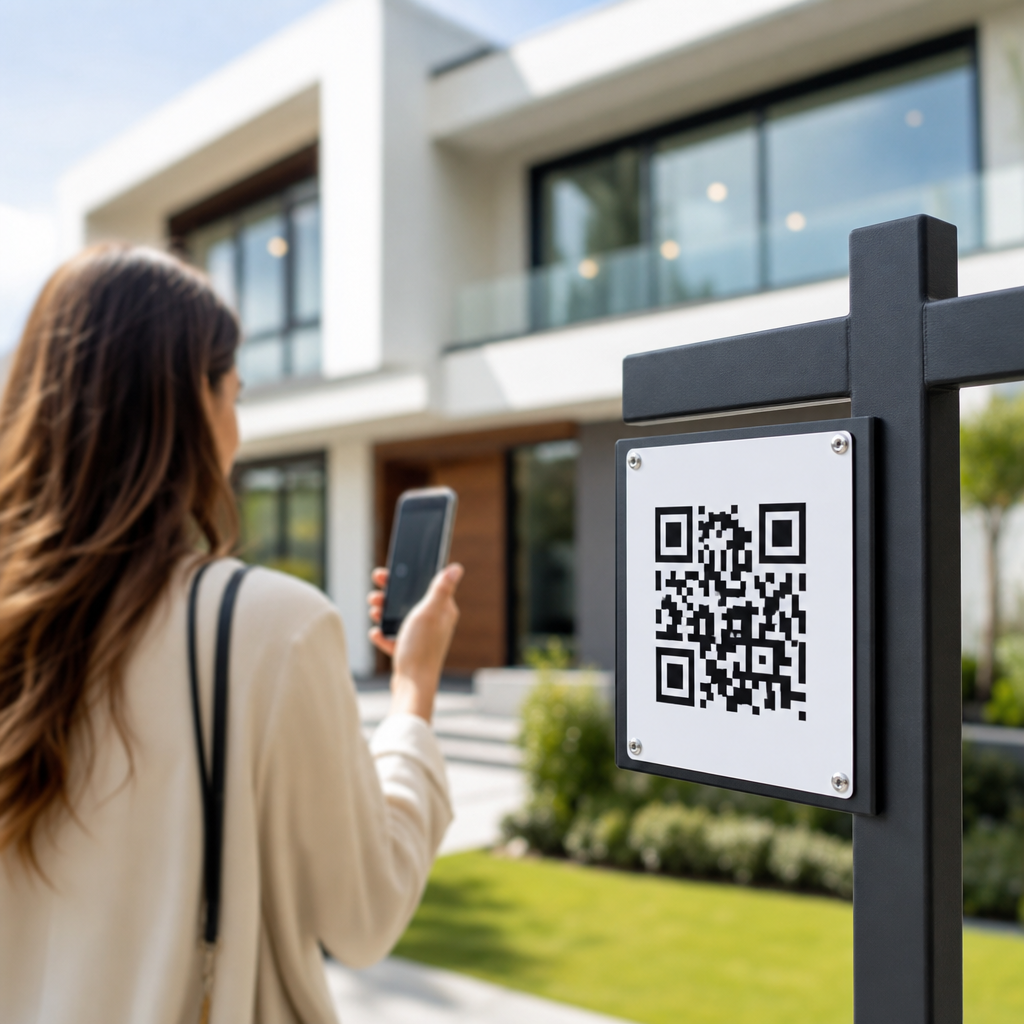
QR codes have become a practical bridge between physical real estate marketing and digital property experiences, giving agents, brokers, and developers a fast way to connect buyers, renters, and sellers with information the moment interest appears. In real estate, a QR code is a scannable matrix barcode that opens a destination such as a listing page, virtual tour, brochure, lead form, map, or agent contact card. I have used them on yard signs, window displays, direct mail, open house materials, leasing boards, and construction-site signage, and the pattern is consistent: when the code is easy to scan and the landing page matches the buyer’s intent, engagement rises.
Best practices for QR codes in real estate matter because property decisions are time-sensitive, location-based, and often made on mobile devices. A passerby may see a sign for only a few seconds. A renter touring multiple buildings may compare amenities while standing on the sidewalk. An investor may scan a brochure during a site visit and expect floor plans, zoning notes, and offering memoranda immediately. In each case, the QR code is not the marketing strategy by itself; it is the handoff mechanism between offline attention and online action.
The most effective real estate QR code campaigns are built around three ideas: relevance, speed, and measurement. Relevance means the code opens exactly what the user expects, whether that is current pricing, neighborhood details, or a booking form for a private tour. Speed means mobile pages load quickly, display well on smaller screens, and remove friction from the next step. Measurement means every scan is tied to campaign data through UTM parameters, CRM tracking, and call-to-action design, so teams can tell which signs, flyers, or listings generate actual leads instead of vanity metrics.
Choose the right destination for each property touchpoint
The first question is not which QR code generator to use. It is what the scan should accomplish at that moment. On a for-sale yard sign, the strongest destination is usually a mobile listing page with photos, key specs, price, status, and a clear contact path. On a multifamily leasing banner, the better destination may be unit availability, rental rates, and a self-scheduled tour calendar. On a brochure for a commercial asset, the code can lead to an offering package, cap rate summary, tenant roster, and broker inquiry form.
Static and dynamic QR codes serve different purposes. Static codes lock in the destination permanently, which can be acceptable for evergreen assets such as a brokerage vCard or office location page. Dynamic codes are better for active listings because the destination can change without reprinting signs or flyers. That flexibility matters when a listing moves from active to pending, when a property receives a price reduction, or when a developer wants to swap a teaser page for a full project microsite after launch.
In my campaigns, single-purpose destinations outperform generic homepages. A luxury listing sign should not drop users on a brokerage homepage and force them to search. A better experience is a dedicated page with hero photography, square footage, bedrooms, bathrooms, lot size, school zone, tax estimates, and an embedded virtual tour. If the code appears inside an open house flyer, the destination can go deeper by including seller disclosures, downloadable feature sheets, and a mortgage calculator.
Design QR codes for real-world scanning conditions
Real estate is an outdoor channel, so scan reliability depends on physical conditions more than many marketers expect. A QR code that works on a desktop mockup may fail on a roadside sign in bright sun, rain, or low evening light. I recommend high contrast, sufficient quiet zone, and a printed size matched to expected scan distance. A common field rule is at least one inch of code size for every ten feet of scanning distance, though larger is often safer for monument signs and roadside placements.
Error correction also matters. Codes printed on construction fences, window vinyl, or corrugated plastic signs can become scratched, wrinkled, or partly obstructed. Using an appropriate error correction level helps preserve readability. Keep branding restrained. Adding a logo in the center can work, but only if the generator preserves enough redundancy and the final output is tested on both iPhone and Android camera apps. Before launch, scan every placement under realistic conditions: from a parked car, from the sidewalk, through glass, and at night with artificial lighting.
Placement influences performance as much as size. Put the code where users can safely stop and scan, not at the bottom corner of a sign hidden by landscaping. Include a plain-language call to action directly beside it, such as “Scan for price, photos, and tour times” or “Scan to view available units.” People scan more readily when the benefit is immediate and specific. Avoid vague prompts like “Learn more,” which do not answer the user’s first question.
Create mobile landing pages that convert quickly
A QR code succeeds only when the landing page completes the promise. For real estate, that means a mobile-first experience with fast load times, compressed imagery, tap-friendly buttons, and no forced app download. Google’s Core Web Vitals provide a useful benchmark here: large image files, unoptimized scripts, and intrusive pop-ups can turn a high-intent visitor into a bounce. Property pages should surface critical information above the fold, because many scans happen while users are standing outside, dealing with glare, distraction, or weak cellular service.
The best-performing landing pages answer the top questions in order: What is the property? How much does it cost? Where is it located? What does it look like? What should I do next? For residential listings, include price, status, photo gallery, map, beds, baths, square footage, lot size, HOA information if relevant, and a prominent inquiry button. For rentals, add pet policy, lease terms, parking, deposits, and current availability. For commercial real estate, include use type, rentable area, zoning, traffic counts, and download links for brochures or site plans.
Lead capture should be short and purposeful. Asking for too much information too early suppresses conversions. A name, email, and preferred showing time are usually enough for a first inquiry. If your CRM supports it, prefill hidden fields tied to the campaign source so the sales team knows whether the lead came from a yard sign, mailer, window display, or event handout. Integrations with HubSpot, Salesforce, Follow Up Boss, or kvCORE make scan data operational rather than anecdotal.
Track performance by property, channel, and intent
Without measurement, QR codes become decorative. Every code should map to a campaign structure that identifies property, placement, medium, and audience. Dynamic QR platforms such as Bitly, QR Code Generator Pro, Beaconstac, or Flowcode can provide scan counts, timestamps, device types, and approximate locations. Pair those reports with analytics tags on the landing page. UTM parameters let you separate scans from a sign rider versus a postcard, and conversion events show whether people requested tours, downloaded brochures, or called the agent.
The table below shows a practical framework I use when assigning QR code goals in real estate campaigns.
| Placement | Primary user intent | Best destination | Key metric |
|---|---|---|---|
| Yard sign | Quick property overview | Mobile listing page | Tour requests |
| Open house flyer | Deeper evaluation | Feature sheet and disclosures | Lead form completions |
| Leasing banner | Check availability | Unit inventory page | Application starts |
| Brochure box | Save details for later | Property microsite | Returning visitors |
| Commercial OM handout | Investment analysis | Data room or PDF download | Qualified inquiries |
Look beyond raw scans. A sign in a high-traffic corridor may produce many scans but few qualified leads if the property is overpriced or the page is thin. Another placement may generate fewer scans but stronger close rates because the audience is local and motivated. Review scan-to-lead rate, lead-to-appointment rate, and time to response. In my experience, the operational follow-up matters almost as much as the code itself. If responses lag, the scan data will reveal interest, but the revenue opportunity will still be lost.
Match QR code strategy to residential, rental, and commercial workflows
Different real estate segments require different QR code tactics. In residential resale, urgency and emotion are central, so codes should emphasize visuals, neighborhood context, and fast contact options. Linking directly to an immersive gallery, Matterport tour, or short-form video walkthrough can increase time on page and improve showing requests. In new development, codes often need to support a longer sales cycle. Here, floor plan selectors, availability maps, and financing information are more valuable than a simple inquiry form.
In multifamily leasing, the QR code should reduce repetitive questions. Prospects want rents, unit types, pet rules, concessions, and scheduling. A well-structured leasing page can answer all of that before the first call. For commercial real estate, buyers and tenants usually need more documentation and more confidence. The destination should reflect that seriousness with site plans, zoning information, demographic summaries, traffic counts, and broker contact details. Institutional users also expect current information, so dynamic code management is essential.
Compliance and privacy should never be afterthoughts. Real estate advertising is regulated at state and federal levels, and fair housing principles apply to messaging, imagery, and audience targeting. If a QR code opens a form, disclose how contact information will be used and store the data within your approved CRM and consent processes. Also maintain accessibility basics: clear text around the code, readable font sizes on signs, and landing pages that work with mobile screen readers. Convenience should not come at the expense of usability or compliance.
Best practices for QR codes in real estate come down to disciplined execution. Use each code for a specific buyer or tenant need, place it where scanning is safe and easy, connect it to a fast mobile page, and measure what happens after the scan. Treat the code as part of a full lead journey, not a novelty on printed materials. When done well, it shortens the path from curbside interest to qualified conversation, which is exactly what modern property marketing should do.
For teams building an industry-specific QR program, real estate is one of the clearest use cases because the audience is mobile, the assets are visual, and timing is critical. Start with your highest-traffic signs and brochures, create dedicated landing pages for each property type, and set up campaign tracking before printing. Then review results monthly and refine placements, calls to action, and destinations. Small improvements in scan rate and conversion rate compound quickly across listings, communities, and leasing campaigns, making QR codes a dependable performance channel rather than a marketing extra.
Frequently Asked Questions
1. Where should QR codes be placed in real estate marketing for the best results?
The best QR code placement depends on when and where a potential buyer, renter, or seller is most likely to take immediate action. In real estate, that usually means putting QR codes on high-visibility physical materials that capture attention at the exact moment of interest. Yard signs, window displays, open house signage, brochure boxes, direct mail postcards, flyers, property feature sheets, event handouts, and even business cards are all strong placement options. The key is to place the code where someone can safely and easily scan it without friction. For example, a QR code on a yard sign should be large enough to scan from a reasonable standing distance, while a code on a postcard should be positioned near the main call to action so the next step feels obvious.
Good placement also means thinking about the user’s context. Someone scanning from a sign in front of a property may want quick access to listing photos, price, square footage, availability, and a virtual tour. Someone scanning from a direct mail piece may be more open to a neighborhood guide, market report, or lead capture form. In open house settings, QR codes can direct visitors to digital brochures, disclosure documents, financing resources, and follow-up forms. The strongest strategy is to match the placement with the intent of the audience and the type of information they need in that moment.
It is also important to avoid common placement mistakes. Do not put QR codes where they are hard to reach, too small to scan, distorted by curved surfaces, hidden in visual clutter, or printed with too little contrast. A code should have breathing room around it and be paired with a clear instruction such as “Scan for price, photos, and tour” or “Scan to schedule a showing.” When placement is intentional and user-focused, QR codes become much more than a novelty; they become a reliable conversion tool within the real estate marketing funnel.
2. What should a real estate QR code link to?
A real estate QR code should link to a destination that is highly relevant, mobile-friendly, and useful to the person scanning it. In most cases, the best destination is not a generic homepage. Instead, it should take the user directly to the most valuable next step, such as a property listing page, virtual tour, photo gallery, downloadable brochure, showing request form, interactive map, financing information page, or an agent contact card. The more closely the landing destination matches the user’s immediate interest, the higher the likelihood of engagement and conversion.
For active listings, a dedicated mobile landing page usually performs best. That page should include high-quality property photos, pricing, key specs, location highlights, property description, and a simple way to contact the agent or schedule a tour. For luxury properties or new developments, the QR code might point to a video walkthrough, 3D tour, or branded digital presentation. For open houses, it may make sense to link to a sign-in form, downloadable disclosures, or an FAQ page about the property. For farming campaigns and seller outreach, a QR code can drive to a home valuation page, neighborhood market update, or seller guide.
Whatever destination you choose, speed and simplicity matter. The page must load quickly, display properly on smartphones, and make the next action easy. Avoid sending users to pages with too many menu options, distracting pop-ups, or information that does not directly support their reason for scanning. A strong QR code experience feels seamless: the user sees a property, scans the code, and instantly gets the exact information they hoped to find. That alignment is what makes QR codes effective in real estate marketing.
3. How can agents and brokers make QR codes easier to scan and more trustworthy?
Making a QR code easy to scan starts with good design and print execution. The code should be large enough for the environment in which it will be used, especially on yard signs, storefront windows, and event materials. High contrast is essential, typically a dark code on a light background. It should not be stretched, compressed, or placed over a busy image that interferes with readability. There also needs to be adequate white space around the code, often called the quiet zone, so smartphone cameras can recognize it properly. Before printing at scale, test the code on multiple devices and under real conditions, including sunlight, glare, and different viewing distances.
Trust is just as important as scanability. Many people will hesitate to scan a QR code if they do not know what will happen next. That is why a brief call to action should always accompany the code. Phrases like “Scan to view photos and pricing,” “Scan for the virtual tour,” or “Scan to book a private showing” remove uncertainty and increase confidence. Including your brokerage name, agent photo, logo, or recognizable branding nearby can also make the code feel more legitimate and professional. In real estate, credibility matters, and branded presentation helps reassure users that the code leads to a safe and relevant destination.
Another best practice is to use secure, well-maintained landing pages. If a QR code opens a slow page, a broken link, or a cluttered lead form, trust drops immediately. Dynamic QR codes can be especially useful because they allow you to update destinations without reprinting materials, which helps prevent dead links when listings change status. Overall, the most effective real estate QR codes are the ones that combine technical reliability, clear communication, and polished branding to create a smooth and trustworthy user experience.
4. Should real estate professionals use dynamic QR codes instead of static QR codes?
In most professional real estate marketing situations, dynamic QR codes are the better choice. A static QR code points permanently to one fixed URL, which can work for simple and unchanging uses. However, real estate marketing is rarely static. Listings go live, change price, move under contract, expire, or sell. Open house dates shift. Landing pages get updated. Marketing campaigns evolve. With a dynamic QR code, you can change the destination URL after the code has already been printed, which gives agents, brokers, and developers much more flexibility and protects the value of printed materials.
Dynamic QR codes are especially helpful for yard signs, direct mail campaigns, brochures, building displays, and development marketing assets that may stay in circulation for weeks or months. Instead of replacing printed materials every time a property status changes, you can simply redirect the code to a new landing page. For example, a sold listing QR code can be updated to promote similar available homes, a neighborhood market report, or a seller lead form. This extends the life of your marketing and reduces waste while keeping the customer experience relevant.
Another major advantage of dynamic QR codes is access to scan analytics. Depending on the platform you use, you may be able to track scan counts, time of engagement, device type, and sometimes general location data. These insights can help you understand which signs, mailers, events, or print placements are generating the most attention. That said, static QR codes still have a place for permanent information, such as linking to a universal contact card or a stable company page. But for most active real estate campaigns, dynamic QR codes provide the adaptability, tracking, and long-term efficiency that professionals need.
5. How can real estate teams measure whether QR codes are actually generating leads and engagement?
To measure QR code performance effectively, start by defining the outcome you want each code to produce. In real estate, that could mean property page visits, showing requests, open house registrations, brochure downloads, phone calls, lead form completions, or saved contact information. Once the objective is clear, create a dedicated landing page or trackable destination for each QR code placement. This makes it much easier to identify whether scans came from a yard sign, window display, postcard, flyer, or open house handout. Without separate tracking, it becomes difficult to know which physical marketing assets are delivering results.
Dynamic QR code platforms and URL tracking tools can provide useful data such as the number of scans, scan timing, and campaign-level performance. You can also connect QR traffic to analytics platforms, CRM systems, and lead forms so you can see not just who scanned, but who took a meaningful next step. For example, if a code on a brochure generates 100 scans but only two inquiries, the issue may be the landing page or offer rather than the code itself. On the other hand, a code on a yard sign that consistently produces showing requests may deserve more prominent use across future listings. Measurement should focus on both engagement metrics and downstream conversion metrics.
It is also wise to test and refine your approach over time. Try different calls to action, destinations, landing page layouts, or code placements and compare performance. A small wording change such as “Scan for instant property details” versus “Scan to schedule a private tour” can attract different types of intent. Review results regularly and look for patterns by property type, neighborhood, audience, and marketing channel. When real estate teams treat QR codes as measurable conversion tools rather than just design elements, they can make smarter decisions, improve campaign ROI, and create more seamless experiences for buyers, renters, and sellers.