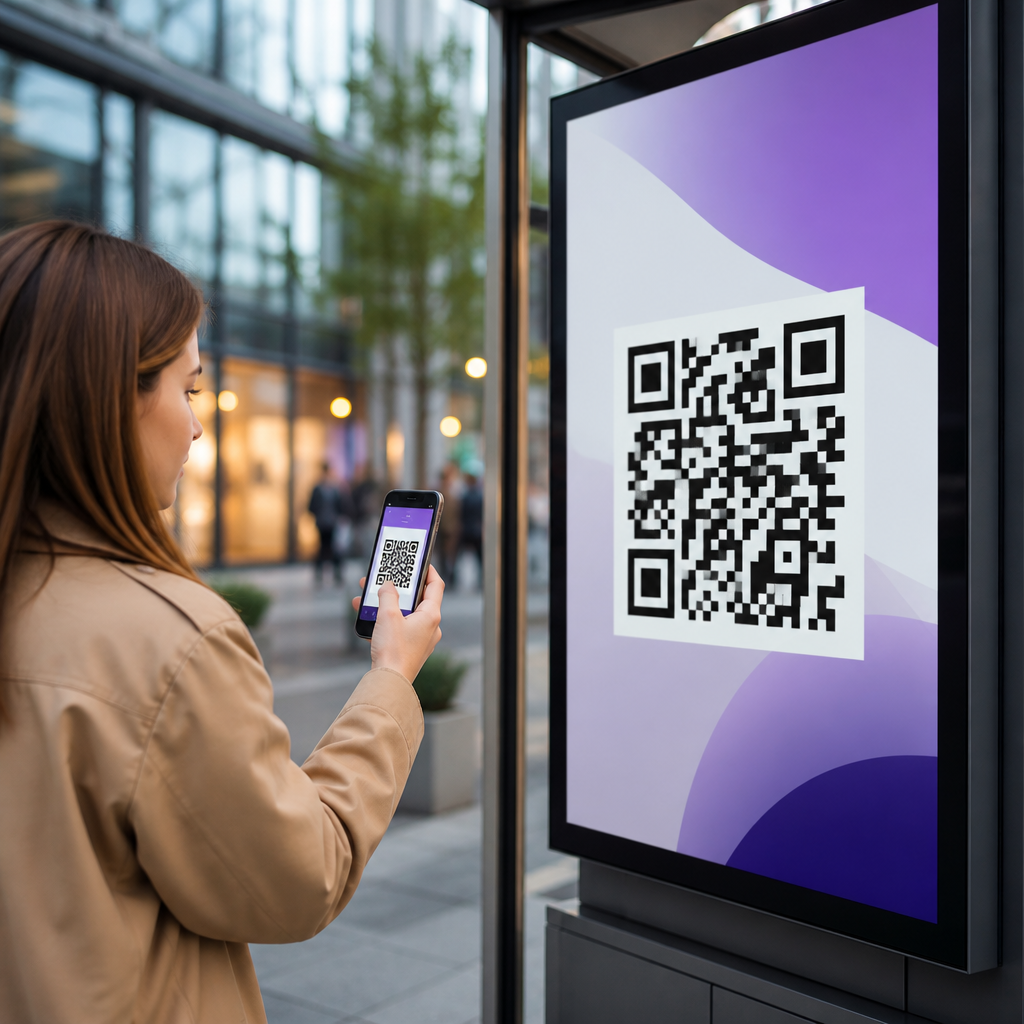
Best practices for QR code data tracking start with a simple principle: a scan is only useful when it leads to measurable insight. In marketing programs, QR code analytics and tracking connect offline touchpoints to digital behavior, showing which codes were scanned, where interest came from, what users did next, and whether those actions produced revenue. A QR code is a machine-readable matrix barcode that stores a URL or other payload, while tracking is the process of capturing scan events and downstream conversions through analytics platforms, redirect logic, and campaign attribution. I have implemented QR campaigns for retail displays, direct mail, trade shows, packaging, and restaurant menus, and the same lesson appears every time: teams that define measurement before printing perform better than teams that add analytics afterward.
This matters because QR codes sit at the intersection of physical media and digital intent. Unlike a paid ad click, a scan often happens in a real-world context shaped by placement, lighting, distance, and audience motivation. Good tracking reveals those context signals. It helps marketers compare shelf talkers against postcards, storefront signage against event badges, and static placements against time-bound promotions. It also supports budgeting, creative testing, and operational decisions such as where to reprint materials or which landing page should be localized. Most importantly, reliable QR code analytics and tracking prevent false confidence. Raw scan totals can look impressive, but they are incomplete without unique scans, session quality, conversion rate, and source consistency across systems.
For a hub article on QR code analytics and tracking, the goal is to explain the full measurement framework. That framework includes choosing dynamic codes, building campaign-tagged URLs, configuring redirects, validating events in tools such as Google Analytics 4 and Adobe Analytics, and establishing governance around naming conventions, privacy, and reporting. When these elements are aligned, QR code data tracking turns a square barcode into a dependable attribution source. When they are not, reports fragment quickly: scans get counted twice, channels overwrite one another, and teams cannot tell whether a high-performing placement actually drove outcomes or merely generated curiosity.
Build tracking around dynamic QR codes and structured URLs
The most important best practice is to use dynamic QR codes instead of static codes for marketing campaigns. A static code points directly to a final destination and cannot be edited after printing. A dynamic code points first to a managed short URL or redirect service, which then forwards the user to the destination. That intermediary step is what enables QR code analytics and tracking at scale. It records the scan timestamp, device metadata, and often approximate location based on IP, then preserves flexibility to change the final landing page without replacing printed assets. In my own deployments, dynamic codes have saved entire campaigns when product pages changed, stores reopened on revised dates, or legal language required an immediate destination update.
Tracking starts with URL design. Every destination URL should include consistent campaign parameters, usually UTM tags for source, medium, campaign, content, and sometimes term. For example, a package insert might use source=qr, medium=print, campaign=spring_launch, and content=insert_a. A bus shelter poster could keep the same campaign but change content=bus_shelter_12th_st. This structure allows analytics tools to group results cleanly and supports internal linking signals across related reporting pages. The rule is straightforward: one physical placement, one distinct trackable URL. Reusing the same URL across multiple placements makes comparison impossible and forces analysts to infer results from incomplete evidence.
Redirect hygiene also matters. Use 301 or 302 behavior intentionally, avoid long redirect chains, and make sure the final page loads quickly on mobile networks. A scan introduces friction already; adding two extra hops through link shorteners and ad trackers can reduce completion rates and distort attribution if scripts fail to load. Branded short domains improve trust and often increase taps after the scan confirmation. Established platforms such as Bitly, QR Code Generator PRO, Beaconstac, Flowcode, and enterprise URL routers can all work, but they must integrate with the analytics stack and allow exportable raw data. If a platform reports scans but does not let you reconcile them with web sessions and conversions, it is not sufficient for serious measurement.
Measure more than scans: define the right QR code analytics metrics
The most common reporting mistake is treating total scans as the primary success metric. Scan volume matters, but it is an attention metric, not a business metric. Effective QR code analytics and tracking require a layered measurement model. At minimum, track total scans, unique scans, landing page sessions, engaged sessions, conversion rate, assisted conversions, and revenue or lead value. Total scans show gross activity; unique scans approximate audience reach; sessions reveal how many scans actually loaded the site; engaged sessions indicate whether the content matched intent; conversions and revenue show business impact. This hierarchy makes underperformance diagnosable. If scans are high but sessions are low, there may be redirect or page-speed issues. If sessions are high but conversions lag, the landing page or offer likely needs work.
Location and time data add crucial context. Many QR platforms infer city, region, device type, operating system, and scan time. These dimensions are useful when interpreted carefully. They can identify the best-performing store cluster, show whether commuters scan more during morning rush hours, or reveal that Android users on older devices struggle with a heavy landing page. However, IP-based location is approximate and should not be treated as store-accurate foot traffic. I advise clients to use geo data for directional optimization, not for precise operational accounting. Where exact location matters, placement-specific codes are more trustworthy than inferred geography.
| Metric | What it answers | Common mistake | Best use |
|---|---|---|---|
| Total scans | How much gross activity occurred? | Using it as proof of ROI | Topline interest trend |
| Unique scans | How many distinct users likely engaged? | Assuming perfect de-duplication across devices | Audience reach estimate |
| Sessions | How many visits reached the site? | Ignoring scan-to-session drop-off | Technical validation |
| Engaged sessions | Did visitors find value? | Equating visits with quality | Landing page fit |
| Conversions | Did users complete the target action? | Tracking only last-click sales | Performance evaluation |
| Revenue or lead value | What business result was created? | Leaving offline outcomes unconnected | Budget allocation |
Connect scan data to web analytics, CRM, and conversion systems
QR code data tracking becomes materially more valuable when scan events are reconciled with downstream systems. In Google Analytics 4, campaign-tagged landing page sessions can be analyzed by source and content, while key events such as form submissions, purchases, account creations, or store-locator interactions can be marked as conversions. In Adobe Analytics, similar attribution can be handled through tracking codes and eVars. The implementation detail that often gets missed is validation. Before launch, scan each code on iOS and Android, on Wi-Fi and cellular, and confirm that campaign parameters persist to the final page, the analytics platform records the session, and conversion events fire correctly in browser debugging tools such as GA4 DebugView, Chrome DevTools, or Adobe Experience Platform Debugger.
For lead generation, connect QR-originating sessions to a CRM such as Salesforce or HubSpot so the team can measure qualified pipeline, not just form fills. For ecommerce, tie scanned sessions to transactions in Shopify, Adobe Commerce, or a custom platform, ideally with server-side tracking or enhanced conversions to reduce browser-related data loss. For apps, use deferred deep linking tools such as Branch or AppsFlyer when the campaign should open specific in-app content after installation. In omnichannel programs, offline conversion imports can close the loop by matching QR-acquired leads to later sales. This is where a hub approach matters: individual articles may explain UTM design, dashboard creation, or CRM mapping in depth, but the core practice is integration across the full customer journey.
Attribution deserves special care. QR traffic is often introduced mid-funnel. A customer may first see a social ad, then scan a package code in store, then return later through email to purchase. If reporting looks only at last non-direct click, the scan may be undervalued. If reporting counts every scan as a conversion driver, it may be overstated. Use model comparison, assisted conversion reports, and path exploration to understand influence. The strongest teams review both direct response and assist value, because QR codes frequently accelerate decisions even when they are not the final touch.
Protect data quality, privacy, and long-term reporting consistency
Reliable QR code analytics and tracking depend on governance. Start with naming conventions that anyone can follow six months later. Define fixed values for source, medium, campaign, content, region, and placement type. Keep a campaign registry in a shared spreadsheet or project management system so duplicate names do not appear. Standardization sounds administrative, but it prevents one of the costliest analytics failures: fragmented reporting caused by inconsistent tags such as QR, qr-code, qrcode, and print_qr all representing the same channel.
Privacy and compliance are equally important. Most QR measurement relies on anonymous or pseudonymous web analytics, but laws and platform rules still apply. If consent is required for nonessential analytics or remarketing, honor it. Do not encode personal data directly inside a QR code. Do not collect more than is necessary. Publish clear disclosures when forms request sensitive information, and align retention periods with policy. From a trust perspective, avoid misleading destination changes after printing. Updating a dynamic code is a strength, but sending users to unrelated content later damages brand credibility and can trigger fraud concerns.
Finally, treat reporting as an operational system, not a one-time dashboard. Audit redirects monthly, monitor 404 errors, review scan-to-session ratios, and archive retired codes so historical performance remains accessible. Build executive summaries for stakeholders and more detailed views for channel managers. When teams apply these best practices for QR code data tracking, they gain a dependable view of offline-to-online performance, improve campaigns faster, and spend with more confidence. Start by inventorying every live QR code, converting static assets where possible, and standardizing measurement before the next print run.
Frequently Asked Questions
What is QR code data tracking, and why does it matter in marketing?
QR code data tracking is the process of measuring what happens when someone scans a QR code and follows the destination tied to it, such as a landing page, product page, form, app download, or digital coupon. The QR code itself is simply the delivery mechanism: it stores a URL or other payload that moves a user from a physical environment into a digital experience. Tracking is what turns that scan into useful marketing intelligence. Instead of only knowing that a code was printed or distributed, marketers can see how many scans occurred, when they happened, which campaign or location drove them, what device or channel was involved, and whether the visitor completed a meaningful action like signing up, purchasing, or requesting more information.
This matters because QR codes often sit at the intersection of offline and online marketing. A poster, package, direct mail piece, in-store display, event badge, or product insert may generate interest, but without analytics there is no reliable way to tie that interest to customer behavior or revenue outcomes. When tracking is implemented well, QR code performance becomes measurable in the same way as other digital channels. That allows teams to compare placements, optimize creative, identify high-performing locations, refine calls to action, and better understand the customer journey. In practical terms, QR code tracking helps marketers move from guesswork to evidence, which is the foundation of smarter budget allocation and stronger campaign performance.
What data should businesses track from QR code scans?
The most valuable QR code tracking programs start with a clear measurement framework. At a minimum, businesses should track total scans, unique scans, timestamp data, destination URLs, and campaign identifiers so they can separate one code, placement, or initiative from another. Tracking should also capture context around the scan itself, such as geographic location when available, device type, operating system, browser, and referring source details tied to the destination session. These basic inputs make it possible to answer essential questions: which QR code was scanned, where interest originated, when engagement peaked, and what audience segments were most active.
Beyond the scan event, businesses should measure downstream behavior. That includes landing page views, bounce rate, time on page, clicks to deeper content, video plays, form submissions, account registrations, coupon redemptions, add-to-cart events, purchases, and revenue attribution. For lead generation, this may mean tracking qualified leads and pipeline influence. For retail, it may mean tracking transactions and average order value. For events, it may mean session sign-ups or booth visits. The key best practice is to define conversions before launching the campaign so every QR code is connected to a business outcome, not just an interaction metric.
It is also wise to include campaign structure in the tracking setup. Using UTM parameters, unique URLs, and naming conventions allows teams to distinguish scans by audience, channel, location, print version, product line, or creative variation. This is especially important when the same design appears in multiple places. Without disciplined identifiers, scan counts may look impressive but still fail to reveal what is actually driving performance. Good QR code data tracking is not about collecting every possible metric; it is about collecting the right metrics in a way that supports analysis, comparison, and action.
How can you set up QR codes so scan data is accurate and actionable?
Accurate and actionable QR code tracking starts with using dynamic QR codes rather than static ones in most marketing scenarios. A dynamic QR code routes the scan through a trackable link before sending the user to the final destination, which allows marketers to measure activity and update the destination later without reprinting the code. This flexibility is essential for ongoing optimization, campaign corrections, A/B testing, and attribution. Static QR codes may be fine for simple, permanent uses, but they offer far less control and visibility when performance measurement is a priority.
Another best practice is to create a consistent URL and campaign tagging strategy. Each QR code should have a unique identifier tied to a specific asset, placement, or audience segment. For example, a code on product packaging should not use the same exact destination link as one on a trade show banner if the goal is to compare results. Structured UTM parameters, shortened trackable links, and naming conventions inside analytics and CRM systems help preserve clarity. Teams should document this structure before launch so data remains organized across campaigns, regions, and internal stakeholders.
The landing page experience is equally important. Tracking is only meaningful if the destination page is mobile-friendly, fast-loading, and aligned with the user’s expectations. Since most scans happen on smartphones, a poor mobile experience can create false negatives in performance analysis by making campaigns appear weak when the real issue is page friction. Businesses should also test the QR code in real-world conditions, including different lighting, print sizes, materials, distances, and devices. Finally, integrations with web analytics, marketing automation, CRM, and commerce systems should be validated in advance so scan events connect cleanly to lead, customer, and revenue data. The strongest setups are not just trackable; they are designed to support end-to-end measurement.
What are the biggest mistakes to avoid with QR code analytics and tracking?
One of the most common mistakes is treating scan volume as the only success metric. Scans can indicate curiosity, but they do not automatically indicate business value. A campaign may generate many scans but few conversions if the call to action is weak, the audience is mismatched, or the landing page is ineffective. Focusing only on top-of-funnel numbers can lead to misleading conclusions and poor optimization decisions. The better approach is to evaluate scans alongside conversion rates, engagement quality, lead value, and revenue outcomes.
Another major mistake is failing to differentiate codes by placement or purpose. If the same QR code is reused across multiple channels, locations, or assets, the resulting data becomes blended and difficult to interpret. Marketers then lose the ability to understand which physical touchpoint drove the behavior. Similarly, poor campaign naming conventions, inconsistent tagging, and lack of documentation can make reporting unreliable. These problems are easy to overlook early on, but they become increasingly costly as campaigns scale.
Businesses also often underestimate the impact of user experience on analytics. A QR code can be technically functional while still underperforming because it is too small, placed awkwardly, lacks a compelling reason to scan, or points to a slow or irrelevant page. In those cases, the analytics are capturing failure, but not necessarily explaining it. That is why performance should be reviewed in context with creative design, placement, offer strength, and mobile usability. Finally, organizations should avoid ignoring privacy and data governance requirements. Tracking should be transparent, compliant with applicable regulations, and aligned with internal policies, especially when personal data, location data, or CRM matching is involved.
How do you use QR code tracking data to improve campaign performance over time?
The most effective way to use QR code tracking data is to treat it as an optimization tool rather than a reporting afterthought. Start by comparing performance across variables such as location, audience, creative message, call to action, time period, and destination page. If one print placement generates significantly more qualified conversions than another, that insight can guide future distribution and budget decisions. If one message produces strong scan rates but weak downstream engagement, the issue may be with landing page alignment or offer relevance. Good data allows teams to isolate where friction or opportunity exists in the journey.
Testing is essential. Businesses can improve results by experimenting with headline language, incentive structure, design placement, page layout, form length, and destination type. For example, a “Scan to get pricing” message may perform differently from “Scan for a free guide” or “Scan to redeem today’s offer.” Likewise, sending users to a focused campaign landing page may outperform sending them to a general homepage. QR tracking data makes these comparisons measurable, which means improvements can be based on evidence instead of assumptions.
Over time, QR code analytics can also inform broader strategy. Patterns in scan behavior may reveal which offline channels drive digital engagement most effectively, which regions respond best to certain offers, or which stages of the customer journey are best served by QR experiences. When integrated with CRM and sales data, tracking can go even further by showing which scans contributed to pipeline, repeat purchases, or customer lifetime value. That is where QR code tracking becomes especially powerful: it stops being a narrow metric about scans and becomes part of a larger attribution and decision-making system that helps marketers build more efficient, more accountable campaigns.