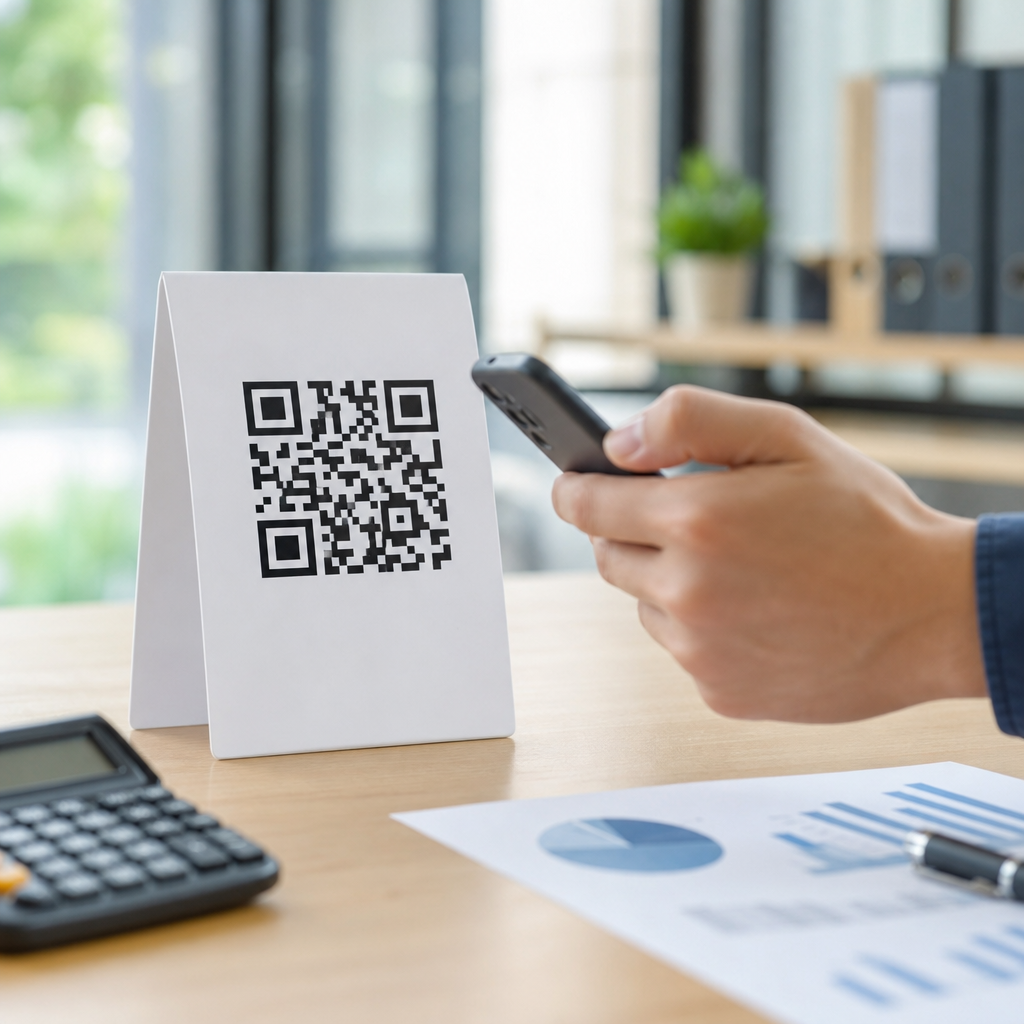
QR codes have moved from novelty to infrastructure because they connect physical touchpoints to digital actions at almost no marginal cost. For businesses evaluating the benefits of mobile QR codes, the core question is simple: can a small printed square reduce friction, cut operating expense, and improve customer response? In my experience implementing QR campaigns for retailers, restaurants, field teams, and event operators, the answer is usually yes when the code points to a clear next step. A QR code, short for quick response code, is a two-dimensional barcode that a smartphone camera can scan to open a website, menu, payment page, app download, form, map, file, or message. That basic function matters because nearly every customer already carries the scanner in a pocket. Unlike paid ads, custom hardware, or staffed service points, QR codes are inexpensive to create, easy to update through dynamic links, and measurable through click and scan analytics. They help businesses save printing costs, shorten service time, reduce manual errors, and bridge offline marketing with digital conversion tracking. For any company building a mobile-first customer journey, understanding why QR codes are cost-effective is essential because they improve access while keeping implementation simple and budget friendly.
Low setup cost and high operational efficiency
The first reason QR codes are cost-effective for businesses is that the setup cost is minimal compared with the range of tasks they can handle. A company can generate static QR codes for free, and dynamic QR codes through platforms such as QR Code Generator, Bitly, Beaconstac, Uniqode, or Scanova for a modest subscription. In practice, that fee is far lower than printing long URLs on packaging, staffing a help desk to answer repetitive questions, or building separate landing pages for every channel without a scannable shortcut. A small café, for example, can replace laminated paper menus that need frequent reprints with one dynamic QR code per table. When prices change, the destination page is updated once, not reprinted across the dining room. That single workflow reduces design time, print waste, and staff confusion.
Operational efficiency improves because QR codes reduce steps. Customers scan to self-serve instead of waiting for directions, typing links manually, or asking an employee for basic information. I have seen trade show teams use one code on a booth panel to capture leads, distribute brochures, and book demos, eliminating stacks of printed collateral that usually end up discarded. Service businesses use codes on invoices to route customers directly to payment pages, which lowers days sales outstanding by making the action immediate. Warehouses and field technicians use internal QR labels to pull up equipment manuals, maintenance logs, and replacement part forms on a phone, cutting lookup time and reducing mistakes. The cost advantage is not just that QR codes are cheap to make; it is that they replace slower, labor-intensive processes with a mobile action customers and employees can complete in seconds.
Lower print, distribution, and update expenses
Traditional printed marketing becomes expensive when information changes often. Menus change, event schedules shift, product specifications evolve, and promotions expire. QR codes solve that problem by separating the physical carrier from the digital content. A flyer, poster, label, direct mail piece, package insert, shelf talker, or business card can stay the same while the destination behind the code changes. Dynamic QR codes are especially valuable here because the scan target can be edited without altering the printed asset. That means one print run can support multiple campaigns over time, extending the useful life of the material.
Retailers use QR codes on shelf displays to publish rich product details, care instructions, comparison guides, and stock alerts without crowding packaging. Real estate agents place them on signs so buyers can open a property page, virtual tour, or mortgage calculator instantly. Manufacturers add them to products for setup videos and warranty registration, reducing printed inserts and support calls. Even small businesses benefit: a fitness studio can place one code on windows, postcards, and social posts that always points to the current class schedule. If the booking platform changes, the code destination changes with it. Printing less and updating digitally is one of the clearest financial advantages of mobile QR codes because it turns recurring redesign and distribution costs into a manageable software expense.
Faster conversions from offline attention to mobile action
QR codes are cost-effective because they capture intent at the moment a customer is most interested. Offline attention is valuable but brief. A person sees a poster in a station, packaging on a shelf, a sign on a storefront, or a brochure at an event, and the conversion window lasts seconds. If the next step requires remembering a URL or searching later, response rates drop. A QR code shortens that gap by turning attention into immediate mobile action. The customer scans and lands directly on the exact destination: product page, coupon, reservation flow, contact form, payment screen, or map listing.
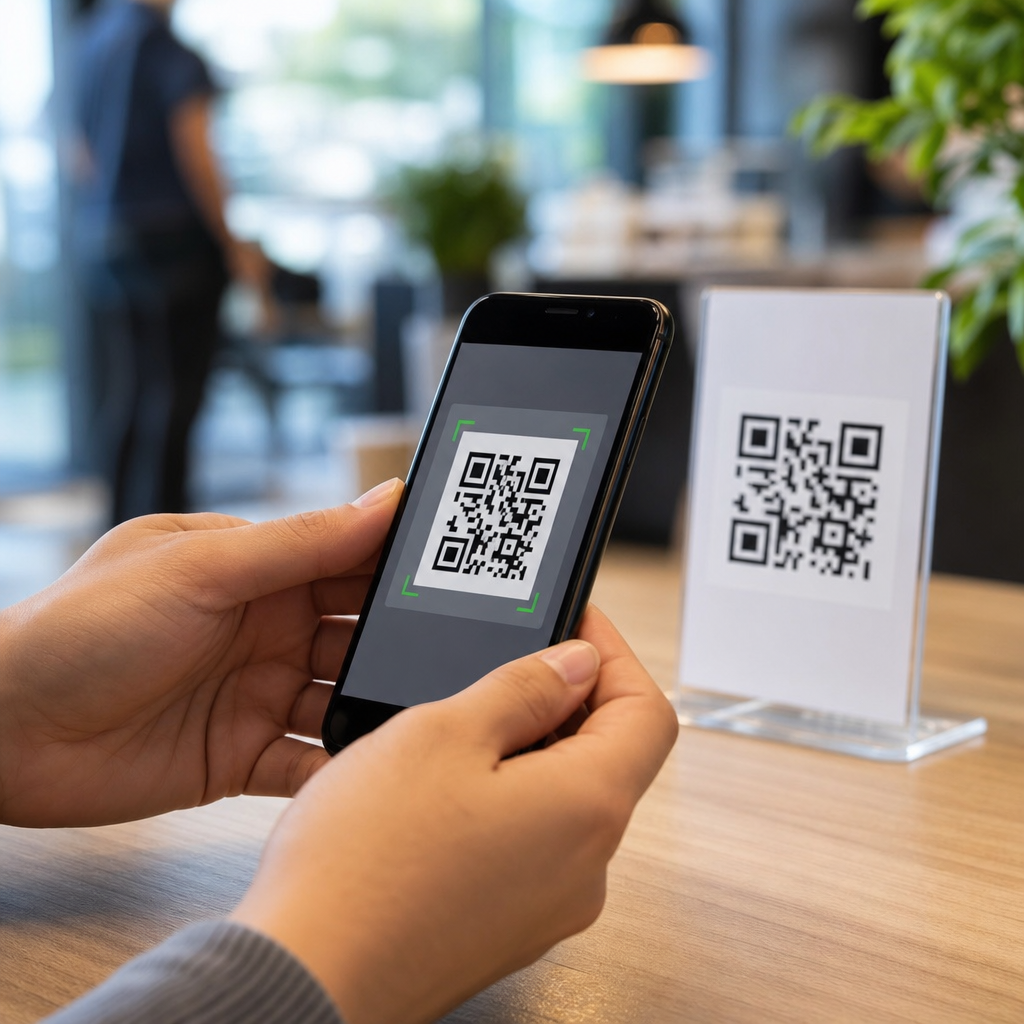
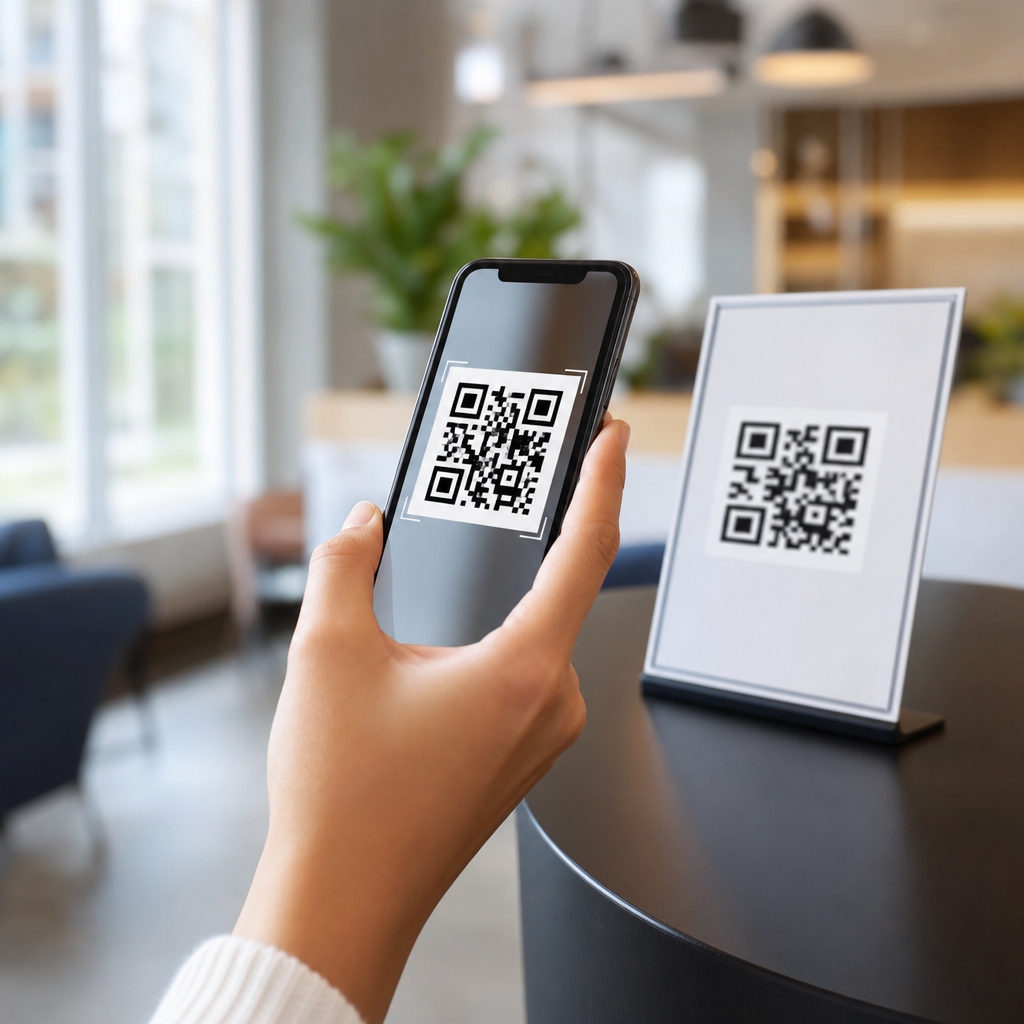
This reduction in friction raises conversion efficiency. Restaurants use table tents with codes for ordering, loyalty signup, and reviews. Event organizers place codes on badges to exchange contact details or download session materials without manual entry. Healthcare clinics add them to appointment reminders so patients can check in, pay balances, or access prep instructions from a phone. In each case, fewer steps mean fewer drop-offs. A business does not need a larger marketing budget to improve outcomes; it needs to remove the obstacles between interest and action. That is why the benefits of mobile QR codes extend beyond convenience. They increase the yield of existing foot traffic, packaging impressions, and printed media, making every physical interaction work harder.
Better tracking, attribution, and campaign optimization
One of the biggest reasons businesses adopt QR codes is measurement. Physical marketing has historically been hard to attribute, but QR scans create a digital trail. When connected to analytics platforms such as Google Analytics 4, Adobe Analytics, HubSpot, or native dashboard reporting inside a QR platform, businesses can measure scans by date, location, device type, and campaign asset. With properly tagged URLs using UTM parameters, a company can compare poster placements, direct mail versions, packaging inserts, or store displays and see which one drives the most visits, leads, or revenue.
I recommend treating QR codes like any other conversion path: define the goal, map the landing page, and review the funnel. If a code on product packaging generates many scans but few registrations, the issue may be the form length or page speed, not the code itself. If one in-store sign outperforms another, the difference may come from placement, incentive, or call-to-action wording. This feedback loop matters financially because it prevents wasted spend. Businesses can stop printing weak creative, move budget toward effective placements, and prove the value of offline channels with data rather than guesswork.
| Business use case | Typical QR destination | Primary cost saving | Measurable outcome |
|---|---|---|---|
| Restaurant tables | Digital menu or order page | Less menu reprinting and fewer staff interruptions | Menu scans, orders, average ticket |
| Retail packaging | Setup guide or product details | Lower support volume and fewer printed inserts | Scans, registrations, support deflection |
| Events and trade shows | Lead form or brochure download | Reduced print collateral and faster lead capture | Scans, form fills, meetings booked |
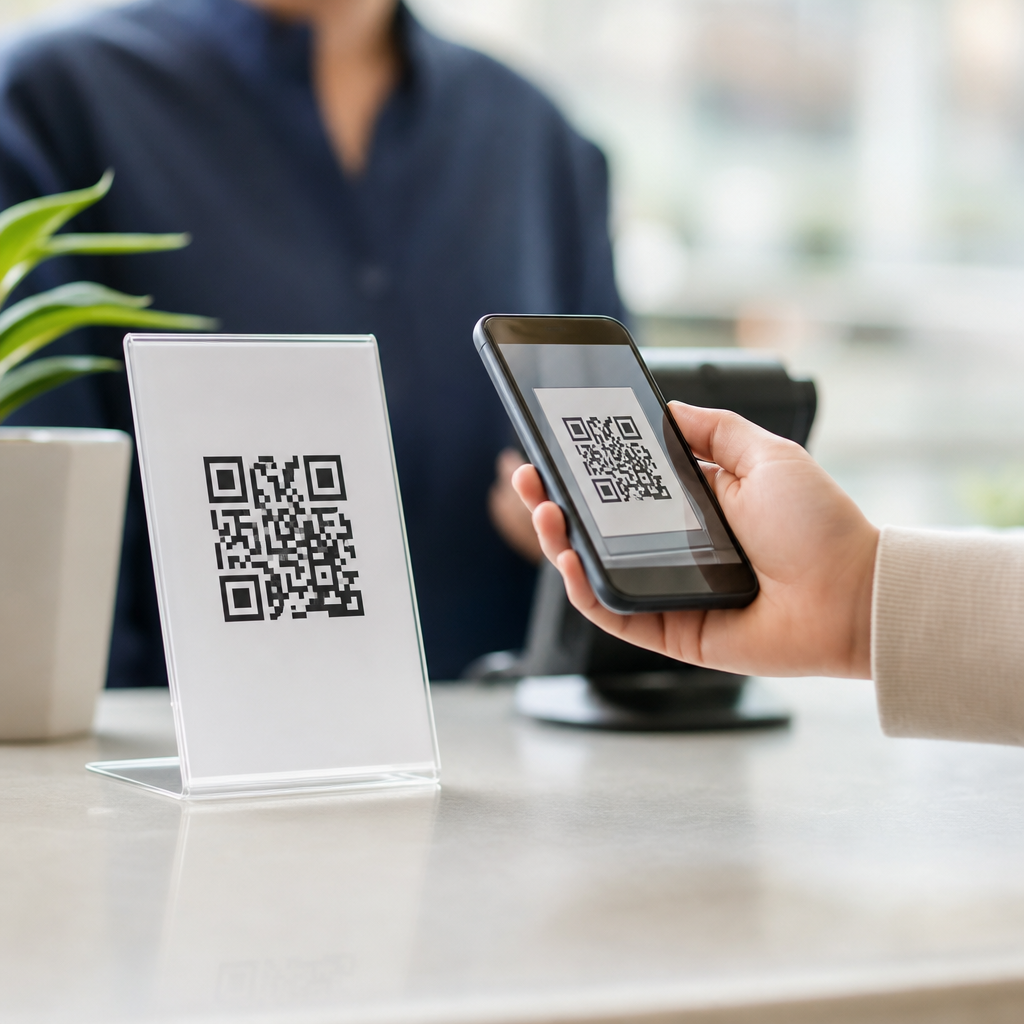
| Invoices and statements | Payment page | Faster collections and less manual follow-up | Scans, payments completed, days to pay |
Improved customer experience without expensive technology
Customer experience improvements often require costly systems, but QR codes deliver visible gains with very little infrastructure. Most modern smartphones scan natively through the camera app, so customers rarely need a separate download. That low barrier matters. If a code opens a mobile-optimized page quickly, the interaction feels natural and helpful rather than technical. Businesses can use QR codes to answer common questions instantly, provide multilingual content, offer self-checkout options, or guide visitors through a location with maps and step-by-step instructions.
Hotels use in-room QR codes for service requests, Wi-Fi details, local recommendations, and late checkout. Museums use them beside exhibits for audio guides and deeper interpretation without printing long wall text. Utilities and home service providers put codes on leave-behind cards so customers can book follow-up work, review service notes, or save emergency contact details. These examples show a broader point: cost-effectiveness is not only about reducing direct expense. It is also about delivering a better experience without purchasing kiosks, deploying custom apps, or expanding frontline staffing. There are limits, of course. Poor placement, weak connectivity, inaccessible design, or linking to non-mobile pages can undermine results. Businesses should also include a visible fallback, such as a short URL or phone number, for users who prefer not to scan. When implemented well, however, QR codes provide a practical balance of affordability, convenience, and scale.
Versatility across marketing, payments, support, and internal operations
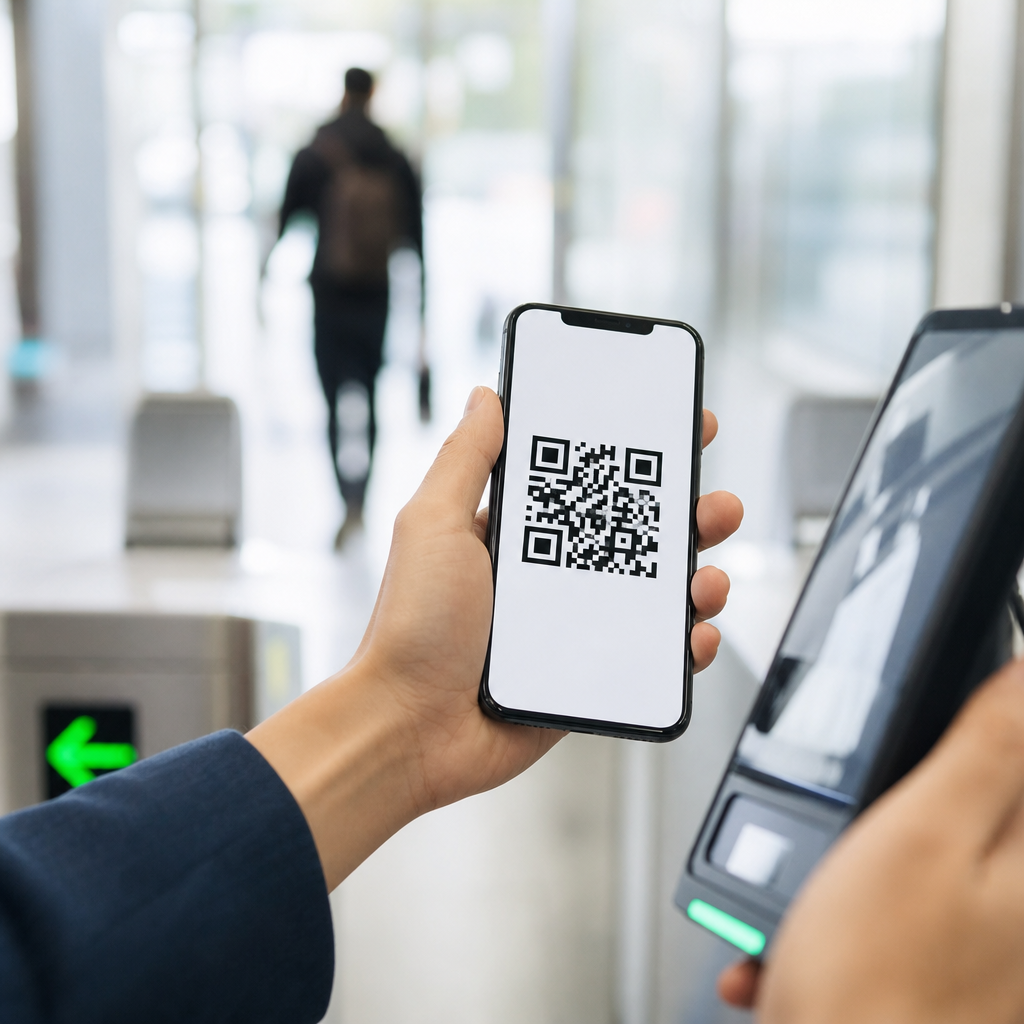
Another reason QR codes offer strong return is versatility. One technology supports multiple departments, which spreads value across the business. Marketing teams use QR codes for coupons, app downloads, social follows, video views, review requests, and location pages. Sales teams use them on proposals, business cards, product sheets, and showroom displays. Operations teams use them for asset tracking, standard operating procedures, training checklists, and maintenance records. Finance teams use them for invoice payment and account authentication. Customer support teams use them to surface FAQs, troubleshooting steps, warranty terms, and chat entry points.
This broad applicability makes QR codes a hub tactic within mobile QR code basics because they support nearly every stage of the customer lifecycle, from discovery to purchase to retention. The businesses that get the best results usually follow a few clear rules: give each code one primary purpose, place it where intent already exists, use a direct call to action, send users to a fast mobile page, and review scan data regularly. Start with one or two high-friction touchpoints, test performance, and expand from there. QR codes are cost-effective because they let businesses do more with assets they already have: packaging, signage, receipts, windows, labels, mailers, and invoices. Used thoughtfully, they reduce cost, increase measurable engagement, and create smoother mobile experiences. If your business wants a simple way to connect offline moments to digital results, begin with a focused QR use case and optimize it based on real scan data.
Frequently Asked Questions
Why are QR codes considered cost-effective for businesses?
QR codes are considered cost-effective because they let businesses connect offline materials directly to digital experiences without adding much ongoing expense. A single code can take a customer to a menu, product page, booking form, payment screen, app download, support article, or promotional offer in seconds. That means printed signs, packaging, flyers, window displays, receipts, table tents, and business cards can do more work without requiring expensive hardware or additional staff time.
From an operating standpoint, the biggest savings usually come from reducing friction and replacing manual steps. Instead of asking customers to type a long web address, search for a product, call for basic information, or wait for an employee to explain the next step, the QR code handles that transition instantly. This can lower printing waste, reduce repetitive customer service interactions, support faster transactions, and improve campaign response rates. For many businesses, the low setup cost combined with measurable customer action makes QR codes one of the simplest tools for improving efficiency and stretching marketing spend.
How do QR codes help reduce operating expenses?
QR codes can reduce operating expenses in several practical ways. In restaurants, they can cut menu reprint costs and make updates easier when prices, seasonal items, or promotions change. In retail, they can link shoppers to product details, warranty registration, inventory availability, or self-service checkout options, which can reduce demand on floor staff. In field service and logistics, QR codes can connect teams to training materials, maintenance records, inspection forms, and asset tracking pages, saving time and reducing paperwork errors.
They also help lower the cost of communication and distribution. Instead of printing separate versions of materials with detailed instructions, businesses can print one code that leads to the most current digital content. That keeps information accurate without forcing a full reprint every time something changes. When used well, QR codes streamline routine interactions, support self-service, and reduce labor tied to repetitive tasks. The savings may seem small per interaction, but across hundreds or thousands of scans, those reductions in staff time, printing, and process delays add up quickly.
Can QR codes improve customer response and conversion rates?
Yes, QR codes can improve customer response and conversion rates because they shorten the path between interest and action. When a customer sees a product display, poster, package, receipt, or event sign, a QR code gives them an immediate way to act while attention is still high. Instead of remembering to visit a website later, they can scan and complete the next step right away. That immediacy matters because every extra step typically lowers response.
The key is that the QR code must lead to a clear, relevant destination. If someone scans a code on a storefront, they should land on something useful such as store hours, a booking page, directions, a current promotion, or a click-to-call option. If they scan a code on packaging, they may expect setup instructions, product support, reorder options, or a loyalty offer. Businesses usually get the best performance when the code is paired with a simple call to action and a mobile-friendly landing experience. In that setup, QR codes can increase engagement, accelerate conversion, and make it easier to measure which physical touchpoints are producing actual results.
Are QR codes affordable for small businesses as well as larger companies?
Absolutely. One of the strongest advantages of QR codes is that they are accessible to businesses of almost any size. A small business does not need a large technology budget to benefit from them. A café can use a code for menus and loyalty signups. A local contractor can put one on invoices, vehicles, or job-site signage to collect reviews or quote requests. A boutique retailer can place codes on shelf tags or packaging to share product details and capture repeat orders. In each case, the business is using an inexpensive printed asset to generate a digital action that would otherwise require more time, more explanation, or more advertising spend.
Larger companies benefit for the same reason, just at greater scale. They can standardize customer journeys across many locations, reduce print inefficiencies, and gather better data from physical campaigns. But small businesses often feel the impact faster because even modest improvements in customer follow-through or staff efficiency can be meaningful. The affordability comes not just from the low cost of generating and printing the code, but from the flexibility to use it across marketing, sales, support, and operations without investing in separate tools for every interaction.
What makes a QR code campaign truly cost-effective instead of just cheap to launch?
A QR code campaign becomes truly cost-effective when it is tied to a useful business outcome, not just placed on a surface because it seems modern. The code should point to a next step that helps the user and supports a measurable goal, such as making a purchase, booking an appointment, downloading instructions, joining a loyalty program, completing a payment, or requesting service. If the destination is unclear, slow, or irrelevant, scans will not turn into value, even if the code itself was inexpensive to create.
Execution matters. Businesses should place QR codes where customer intent is already present, use a clear call to action, and make sure the landing page works smoothly on mobile devices. Tracking is also important because it shows whether the code is actually saving money or generating more revenue. When businesses monitor scans, conversions, locations, and user behavior, they can improve placement and messaging over time. In practice, the most cost-effective QR campaigns are the ones that remove friction from a real customer task and deliver a direct operational or commercial benefit. That is why QR codes have become infrastructure for so many businesses: they are not just inexpensive, they are efficient when connected to a clear purpose.