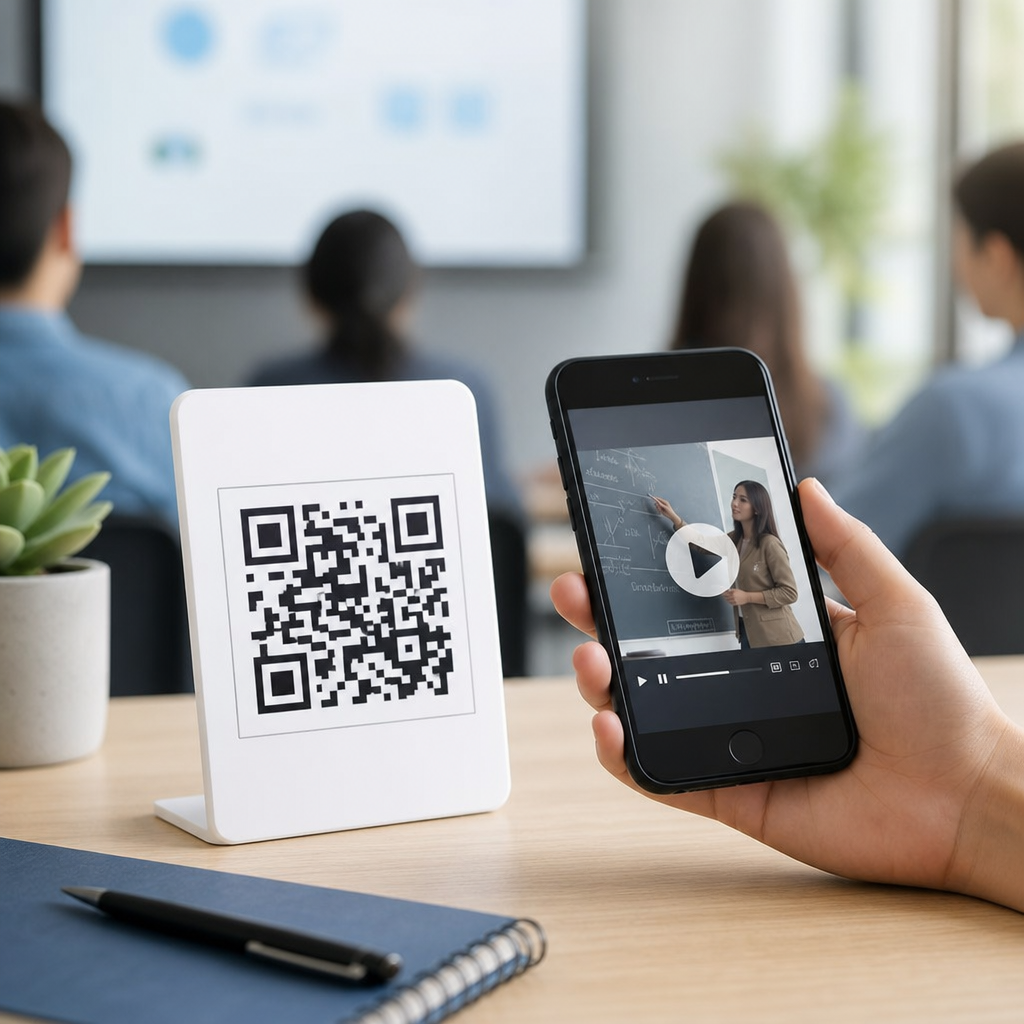
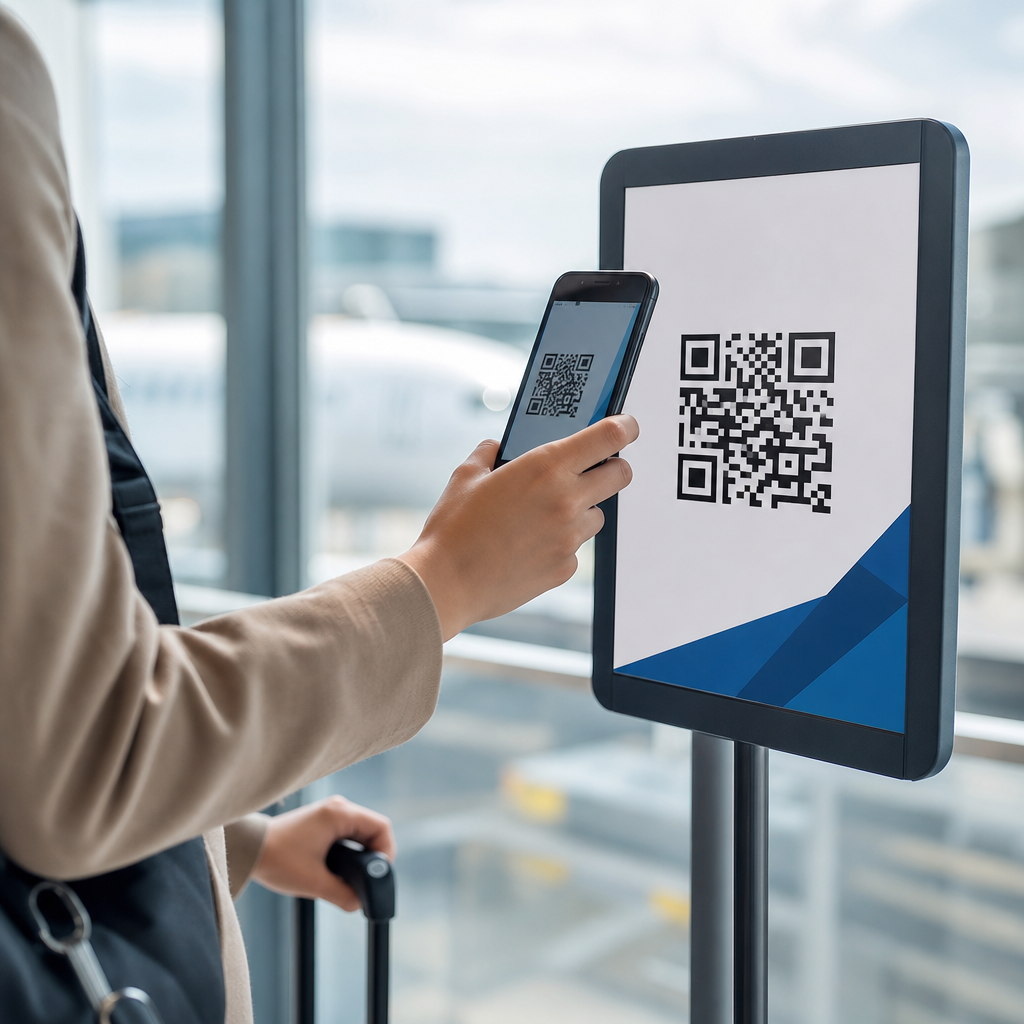
QR codes for travel safety information give airports, hotels, tour operators, cruise lines, and destination managers a fast way to deliver accurate guidance when travelers need it most. In travel and tourism, safety information includes emergency contacts, evacuation routes, weather alerts, health advisories, transportation updates, local laws, and multilingual instructions. A QR code links a physical touchpoint such as a boarding pass, room key wallet, trail sign, museum ticket, or vehicle decal to a digital resource that can be updated without reprinting materials. I have implemented these systems for visitor-facing operations, and the value is straightforward: travelers scan once and get current instructions in their own language on the device already in their hand.
This matters because travel is dynamic, fragmented, and often stressful. A guest may move from airport to shuttle, hotel, excursion, and public venue within hours, crossing language barriers and unfamiliar regulations along the way. Printed safety cards and static signage still matter, but they age quickly and cannot adapt to storms, strikes, road closures, wildfire smoke, marine conditions, or public health changes. QR codes bridge that gap by connecting offline environments to live content, while also letting operators measure scans, identify weak points in the visitor journey, and improve response times. For travel and tourism brands building a scalable safety program, QR-enabled information is no longer a novelty; it is practical infrastructure.
What Travel Safety QR Codes Should Include
The most effective travel safety QR codes answer immediate traveler questions in seconds. What is the emergency number here? Where is the nearest clinic? What should I do if I miss the last ferry? Is this trail closed? Where is the muster station? A strong landing page starts with critical actions at the top: emergency call buttons, exact location details, a map pin, and concise step-by-step guidance. It then expands into destination-specific content such as local emergency numbers, embassy information, severe weather instructions, water safety rules, scam awareness, and transport disruption procedures. For accommodations, include fire exit maps, after-hours contacts, and building-specific assembly points.
Multilingual delivery is essential. International travelers often recognize icons faster than dense text, so pair plain-language instructions with standardized symbols for medical aid, police, fire, exits, and defibrillators. I recommend short mobile-first pages rather than PDF uploads because PDFs are slower to load, harder to navigate, and less usable on weak connections. Accessibility also matters: high-contrast layouts, readable font sizes, alt text on images, and compatibility with screen readers improve safety for all users. Where regulations apply, align content with recognized guidance such as ISO 7010 safety symbols, local fire code requirements, and public health advisories from official agencies rather than crowd-sourced summaries.
Where QR Codes Work Best Across Travel and Tourism
Travel and tourism is not one environment; it is a chain of handoffs. QR codes are most effective when placed at decision points where a traveler may need reassurance or urgent instructions. In airports, that means check-in counters, gate areas, baggage claim, rental car desks, and shuttle pickup zones. In hotels and resorts, common placements include reception, elevators, guest rooms, pool gates, spas, conference areas, and staff-guided activity boards. For attractions, use entrances, queue rails, exhibit halls, trailheads, rental equipment, and transport hubs. Cruise and ferry operators should place them near cabin doors, muster maps, gangways, and excursion desks.
Outdoor tourism benefits especially from QR deployment because conditions change quickly. A national park can place codes at trailheads for closures, wildlife alerts, water refill points, and rescue guidance. Adventure operators can add codes to helmets, life jackets, waiver confirmations, and transport vehicles linking to equipment checks, risk briefings, and weather-based cancellation rules. City tourism boards can place codes on visitor maps, public kiosks, and event signage for neighborhood alerts, transit changes, heat guidance, and scam reporting channels. The common rule is simple: put the code where uncertainty occurs, and tie it to the exact context of that location instead of sending every traveler to a generic homepage.
Use Cases by Travel Segment
Each travel segment has distinct safety demands, so the content behind a QR code should reflect the operating reality. The table below shows how major travel and tourism sectors can use QR codes for travel safety information in practical, measurable ways.
| Travel segment | Typical QR placement | Safety information delivered | Example outcome |
|---|---|---|---|
| Hotels and resorts | Room directory, key sleeve, elevator | Fire exits, emergency contacts, severe weather protocol | Guests access current evacuation instructions without reprinting binders |
| Airports and airlines | Gate signage, boarding pass, baggage claim | Disruption updates, terminal emergency points, transport alternatives | Passengers find rebooking and shelter guidance during delays |
| Cruise and ferry | Cabin door, muster card, excursion desk | Muster procedures, port health rules, shore safety alerts | Operators update excursion risks when sea conditions change |
| Tours and attractions | Tickets, queue rails, vehicle decals | Meeting points, emergency contacts, hazard briefings | Late arrivals and incidents are handled with consistent instructions |
| Parks and adventure travel | Trailhead, equipment tag, shuttle stop | Closures, wildlife notices, hydration advice, rescue steps | Visitors make safer route choices before entering remote areas |
These examples are effective because they match information to risk. In a hotel, the most important question at 2 a.m. is not destination marketing; it is how to exit the building safely. On a hiking trail, the priority is whether the route is open, how much water is needed, and what to do if weather turns. On a cruise excursion, guests need both onboard emergency contacts and port-specific advice. When teams map safety content to traveler context, scan rates rise and support calls drop because people can self-serve answers immediately.
How to Implement a Reliable Program
A reliable QR safety program starts with governance, not design. Assign content ownership for each location, define approval workflows, and set update triggers for weather events, incidents, route changes, or regulatory changes. In practice, I build a content matrix listing every code, physical placement, linked page, owner, language set, review date, and fallback contact. Dynamic QR platforms such as Bitly, QR Code Generator PRO, Scanova, or Beaconstac allow destination changes without replacing printed assets, and they provide scan analytics by time, device, and geography. Use unique codes by location so teams can see which touchpoints are actually helping travelers.
The landing page itself should be fast, plain, and resilient. Host it on a secure domain, compress images, avoid heavy scripts, and test on slow mobile networks. Include click-to-call actions, offline-friendly essentials, and a visible timestamp showing when the page was last updated. If a property serves multiple nationalities, auto-detect language when possible but always allow manual switching. For physical production, maintain strong contrast, quiet zones, and adequate size; codes placed in dim corridors or behind reflective glass routinely underperform. Before launch, test every code in real settings, including older phones, poor lighting, and weak connectivity, because a code that works only in office conditions is not operationally ready.
Risk Management, Compliance, and Traveler Trust
QR codes support safety, but they also introduce responsibility. Travelers must trust that a code is official, safe to scan, and relevant to their situation. Use branded landing pages, short recognizable URLs, and clear labels such as “Official hotel emergency information” or “Trail safety updates from park management.” This reduces hesitation and helps prevent phishing concerns. In high-traffic destinations, tamper-resistant stickers and routine inspections are necessary because malicious overlays do occur. Staff should know how to verify official codes and remove unauthorized ones quickly. For printed materials, place the human-readable URL beneath the code so travelers can still reach the information if scanning fails.
Privacy and legal compliance also matter. If you collect analytics or incident reports through QR-linked forms, disclose what data is captured and keep collection proportional to the purpose. For many safety pages, simple scan counts are enough; there is no need to gather excessive personal data. Medical disclaimers should be precise, and emergency instructions must not replace local authorities. Where accessibility laws or hospitality regulations apply, make sure QR delivery supplements rather than replaces required physical signage. The strongest programs treat QR codes as part of a layered communication system that includes printed instructions, staff training, PA announcements, SMS alerts, and direct coordination with emergency services.
Measuring Performance and Connecting the Hub
Travel and tourism teams should evaluate QR codes for travel safety information using operational metrics, not vanity numbers. Scan volume alone is incomplete. Track scan-to-action rates such as calls placed, maps opened, language switched, forms submitted, and repeat scans during disruptions. Compare scan patterns by location to identify where signage is unclear or where guests need more support. In one resort deployment, scans clustered at pool gates and shuttle stops, showing that guests wanted concise rules and transport updates more than long in-room guides. That insight led to shorter pages, larger codes at transit points, and better staff scripts during storms.
As the hub page for Travel and Tourism within industry-specific applications, this article should connect to deeper resources on hotels, airports, attractions, cruise operations, outdoor recreation, event venues, and destination management organizations. Each subtopic can expand on content design, placement strategy, accessibility, multilingual workflows, crisis communication, and analytics benchmarks for that setting. The central principle stays constant: travelers make safer decisions when accurate instructions are available at the exact moment and place they are needed. Audit your current traveler journey, identify the highest-risk touchpoints, and deploy official QR codes that deliver clear, current safety information in seconds.
Frequently Asked Questions
What are QR codes for travel safety information, and how do they help travelers in real time?
QR codes for travel safety information are scannable links placed on physical travel materials and on-site signage that connect travelers directly to current safety guidance on their phones. In practical terms, a QR code can appear on a boarding pass, hotel room key wallet, cruise cabin card, tour voucher, shuttle decal, trail marker, museum ticket, or attraction entrance sign. When scanned, it can open a mobile-friendly page with emergency phone numbers, evacuation maps, severe weather instructions, health advisories, transportation changes, local rules, and multilingual directions. The main advantage is speed: travelers do not need to search websites, download the right file, or ask staff during a stressful moment. They simply scan and get the exact information tied to their location, provider, or itinerary.
This is especially valuable in travel because conditions can change quickly. A printed brochure may be outdated the moment a storm alters ferry schedules or a destination issues a new public health advisory. A QR code, however, can continue pointing to updated content without needing to be reprinted. That gives airports, hotels, tour operators, cruise lines, and destination managers a reliable way to publish corrections and urgent guidance fast. It also improves consistency, since all travelers scanning the same code receive the same official information rather than relying on word of mouth. For travelers, that means clearer instructions, quicker decisions, and greater confidence during delays, emergencies, or unfamiliar situations.
What types of safety information should a travel business include behind a QR code?
The most effective QR-code-based safety resources focus on information travelers may need urgently or may struggle to find on their own in an unfamiliar place. Core content usually includes emergency contact details such as local police, ambulance, fire services, property security, guest services, embassy or consulate information, and after-hours support numbers. It should also cover evacuation procedures, shelter locations, muster points, exit routes, and step-by-step instructions for events like fire alarms, severe weather, earthquakes, or transportation disruptions. For outdoor, marine, and adventure tourism, the content may also include terrain warnings, tide schedules, wildlife precautions, altitude guidance, hydration reminders, and what to do if a guest becomes lost or injured.
Beyond emergencies, strong safety pages also include practical updates that prevent confusion before a situation escalates. Examples include weather alerts, air quality notices, road closures, rail or ferry interruptions, airport terminal changes, border or entry advisories, swimming condition flags, and local law reminders that travelers may not know, such as restricted zones, identification requirements, alcohol rules, or drone regulations. Multilingual instructions are also important, especially in international destinations where a traveler may not read local signage confidently. The best approach is to organize the information clearly, keep it mobile friendly, and prioritize the most urgent actions first. Rather than overwhelming travelers with every possible detail, the page should answer the immediate questions: who to contact, where to go, what to avoid, and what to do next.
Where should QR codes be placed so travelers can actually use them when they need help?
Placement matters as much as the information itself. A QR code is most useful when it appears exactly where a traveler is likely to pause, notice it, and need guidance. In aviation and ground transportation, that may include boarding passes, gate-area signs, seatback cards, baggage claim posters, rental car paperwork, shuttle windows, and transit kiosks. In hotels and resorts, strong placements include room key wallets, in-room safety cards, elevator areas, lobby desks, welcome booklets, pool gates, spa entrances, and parking areas. For tours, attractions, and destination sites, QR codes work well on trailheads, vehicle decals, boat entry points, helmet tags, ticket confirmations, museum placards, and maps at major decision points.
The goal is to match the physical touchpoint to the likely safety need. For example, a QR code on a hiking trail sign might link to route alerts, weather changes, emergency coordinates, and rescue instructions, while a code in a hotel room might prioritize fire exits, local emergency numbers, medical assistance, and severe weather shelter information. Visibility is essential: the code should be large enough to scan easily, clearly labeled with what the traveler will get, and positioned where lighting and foot traffic support quick use. Businesses should also consider redundancy by placing codes in multiple locations rather than relying on one sign or document. When a traveler is stressed, tired, or facing a language barrier, convenient placement can make the difference between information being available in theory and actually useful in practice.
Are QR codes reliable during emergencies, and what should organizations do if internet access is limited?
QR codes can be highly reliable during emergencies, but only if they are planned as part of a broader safety communication system rather than treated as a standalone solution. Their biggest strength is that they can route travelers to live, updateable information, which is invaluable when conditions are changing rapidly. However, a traveler still needs a functioning smartphone camera and enough connectivity to open the linked content. That means airports, hotels, tour operators, and destinations should design QR safety programs with resilience in mind. Pages should load quickly on mobile devices, avoid heavy files, support multiple languages, and present the most important instructions at the top. If possible, content should be hosted on stable, secure infrastructure capable of handling spikes in traffic during disruptions.
Because connectivity can be inconsistent, organizations should also provide backup layers. Critical instructions such as emergency exits, room evacuation maps, muster points, and immediate response steps should still exist in printed form or on permanent signage. A QR code should enhance access to current information, not replace essential visible safety basics. Some businesses also create lightweight landing pages that function well on weak signals, include downloadable maps, or offer SMS and phone-call alternatives for guests who cannot load a website. Staff training is equally important, since travelers may still turn to employees for confirmation during a crisis. In short, QR codes are extremely effective for distributing timely safety updates, but the best practice is to combine them with clear offline signage, human support, and redundant communication channels.
How can travel brands make QR-code safety information more accessible, trustworthy, and useful for international travelers?
To make QR-code safety information truly effective, travel brands need to think beyond simply posting a code and linking to a generic webpage. Trust starts with clarity. Travelers should see a short label near the code explaining exactly what it provides, such as “Scan for emergency contacts, evacuation routes, and live travel alerts.” That reduces hesitation and signals that the code is an official resource. The linked page should use recognizable branding, plain language, current timestamps for updates, and clearly organized sections so travelers can quickly confirm they are viewing legitimate, up-to-date guidance. Including local emergency numbers, property contacts, maps, and direct action buttons such as “Call Front Desk” or “Open Nearest Clinic Directions” can make the experience much more practical.
Accessibility is equally important, especially in international tourism where language, disability, and device differences can affect usability. Safety pages should be mobile optimized, translated into the primary languages of the audience, and written in simple, direct wording that is easy to understand under stress. Large headings, strong contrast, tap-friendly buttons, and concise instructions improve usability for everyone. Brands should also consider the needs of travelers with limited vision, older devices, or low digital confidence. In some settings, pairing the QR code with a short URL, a phone number, or an icon-based instruction system can broaden access. Regular testing is the final piece: scan the code from real-world locations, verify that links remain active, review whether information is still current, and update content whenever regulations or conditions change. When done well, QR-based safety information becomes more than a convenience feature; it becomes a credible, scalable communication tool that supports traveler confidence and responsible operations.