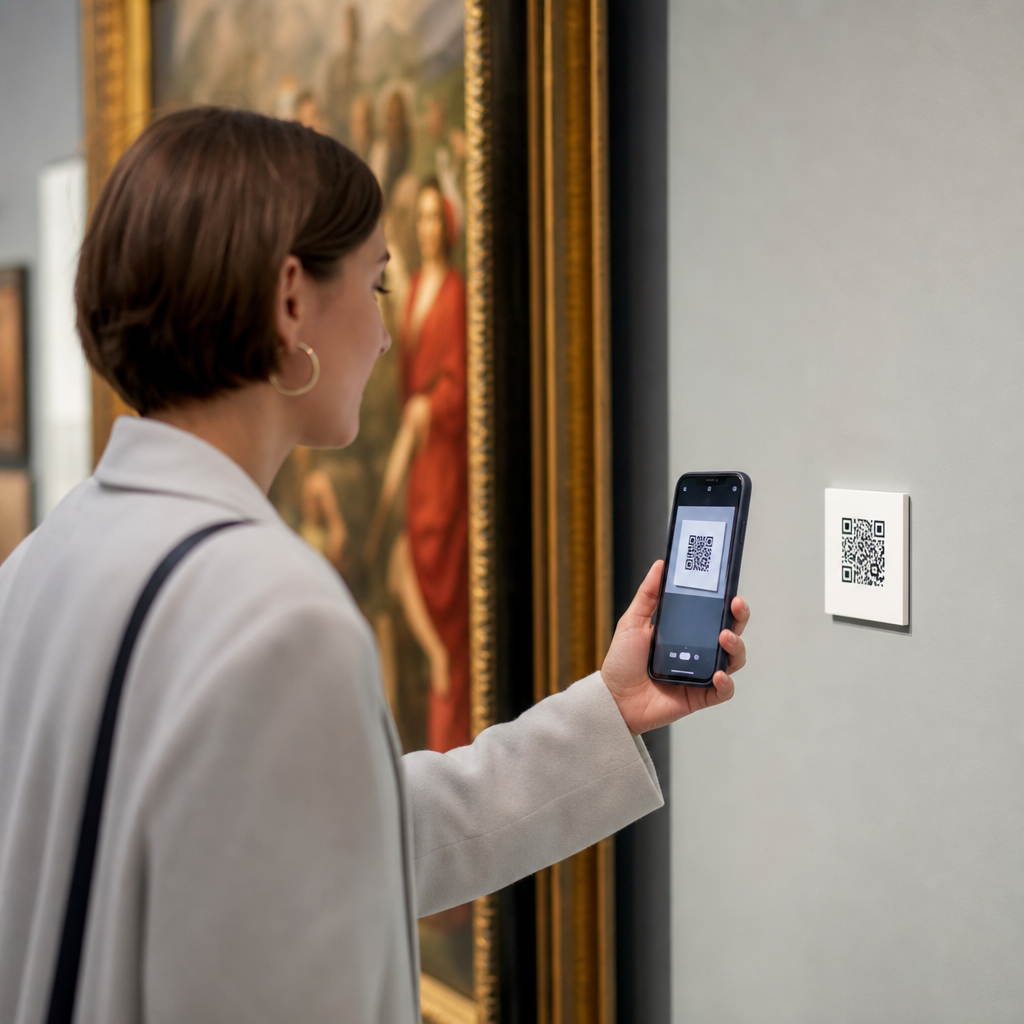
QR codes for museum tours and exhibits have moved from novelty to core visitor infrastructure, giving museums a practical way to connect physical galleries with digital interpretation, multilingual access, and measurable audience behavior. In museum settings, a QR code is a scannable matrix barcode that opens a webpage, audio guide, video, map, ticketing flow, donation form, or object record on a visitor’s phone. For travel and tourism organizations, that matters because museums are no longer isolated venues; they are anchors in broader destination journeys that include city passes, walking routes, heritage districts, transportation apps, and hotel concierge recommendations. I have helped deploy QR-based visitor journeys in cultural sites, and the lesson is consistent: when codes are planned as part of the interpretation strategy rather than added at the end, they improve access, reduce printing costs, and create cleaner handoffs between exhibits, tours, and local tourism experiences.
The strongest museum QR code programs solve three problems at once. First, they answer practical visitor questions immediately: What is this object, where do I go next, and is content available in my language? Second, they extend interpretation beyond the label by linking to curator commentary, conservation stories, oral histories, and archival media that would never fit on a wall panel. Third, they generate operational insight through scan analytics, helping teams see which exhibits attract interest, which languages are used, and where visitors drop off. In a travel and tourism context, QR codes also support itinerary planning, timed-entry management, and partnerships with nearby attractions. That makes this topic an ideal hub within industry-specific applications: museums can use one small code to improve wayfinding, accessibility, education, merchandising, and destination marketing without asking visitors to download a dedicated app.
To work well, however, museum QR codes need more than decent graphic design. They require durable signage, fast mobile pages, accessible content, clear calls to action, privacy-conscious analytics, and governance over links that may remain in galleries for years. Dynamic QR codes are usually the better choice because the destination URL can be updated without replacing printed material. Static codes can work for permanent object records, but they create maintenance risk if content moves. Museums also need to think about audience diversity: school groups, international tourists, older visitors, and families all interact differently with their phones in galleries. A successful system respects those realities and treats the QR code as part of a complete visitor service model, not a technology gimmick.
How museums use QR codes across tours, exhibits, and destination experiences
Museums typically start with exhibit labels, but the most effective QR code museum tours map the entire visitor journey from pre-arrival to post-visit. Before arrival, codes in tourism brochures, airport kiosks, hotel lobbies, and attraction passes can send travelers to hours, ticketing, transit directions, and current exhibitions. On site, a code at the entrance can open a mobile landing page with a floor map, recommended routes by time available, accessibility information, and language selection. Within galleries, individual object codes can provide layered interpretation: a 70-word basic summary, a two-minute audio stop, a curator essay, and high-resolution images. After the visit, exit-area codes can prompt donations, membership signups, retail offers, or links to nearby heritage sites, extending the travel experience beyond one institution.
This layered model is especially valuable in travel and tourism because museum visitors often have limited time and uneven prior knowledge. A family visiting for ninety minutes wants a highlights route. A cultural tourist may want provenance details or conservation notes. An international group may need translations and simple navigation. QR codes allow one physical gallery to support all three without cluttering walls with too much text. The Louvre, the Smithsonian network, and many municipal museums have all expanded mobile interpretation in ways that reflect this principle, even when implementation details differ. The core idea is consistent: use the phone as a flexible interpretation layer while keeping the gallery visually calm.
Examples are easy to imagine because they are already common. A natural history museum can place a code beside a dinosaur skeleton that opens an augmented reconstruction, fossil excavation footage, and a child-friendly explanation. An art museum can let visitors scan for artist biographies, provenance timelines, and related works in other rooms. A maritime museum can use codes on dockside signage to trigger audio from former crew members and maps of historic trade routes. For destination managers, these same codes can connect the museum to a wider cultural trail, encouraging visitors to continue to nearby landmarks, restaurants, or partner attractions after they leave.
Best practices for design, accessibility, and content structure
The best museum QR code signage is unambiguous. Visitors should know exactly what they will get before they scan: “Hear a 90-second audio stop,” “Read this label in Spanish,” or “See how this artifact was restored.” Generic prompts such as “Scan me” underperform because they hide the value. I recommend placing the instruction line at eye level, keeping a quiet zone around the code, and printing at a size that works from normal viewing distance. In galleries with low light, matte materials and high contrast matter more than decorative styling. ISO/IEC 18004 sets the technical foundation for QR code encoding, but museum success depends just as much on environmental factors like glare, crowding, and weak cellular reception.
Accessibility is not optional. Linked pages should meet WCAG guidance, offer alt text, readable type, transcripts for audio and video, and simple language options where appropriate. Audio tours should include captions. Maps should not rely on color alone. If a museum serves international tourists, the language selector should appear before long-form content loads. Older visitors may prefer larger tap targets and shorter paragraphs. School groups need quick-loading pages that work on shared devices. When I audit implementations, the most common failure is building beautiful code plaques that lead to slow, cluttered pages. The scan is only the start; the landing experience determines whether the QR code helps or frustrates.
| Use Case | Recommended QR Destination | Why It Works |
|---|---|---|
| Entrance signage | Mobile welcome page with map, hours, languages, and route options | Reduces confusion and answers first-visit questions immediately |
| Object label | Short interpretation page with audio, images, and related objects | Adds depth without overcrowding the case or wall text |
| Temporary exhibition | Dynamic campaign page with timed tickets and event schedule | Allows updates without reprinting every sign |
| Family trail | Interactive quiz or scavenger hunt stop | Improves engagement for children and group visits |
| Exit area | Donation, membership, or nearby attractions page | Extends value after the visit and supports destination cross-promotion |
Implementation, analytics, and operational governance
Launching QR codes for exhibits is usually straightforward; maintaining them is the real discipline. Museums should assign ownership across curatorial, digital, visitor services, and marketing teams before the first sign is printed. Create a naming convention for every code, record the physical location, destination URL, language versions, and installation date, and track who approves content changes. Dynamic QR platforms such as Bitly, QR Code Generator, Flowcode, or enterprise campaign tools make updates easier, but they do not replace governance. Broken links in a gallery damage trust quickly, especially for paying tourists who expect polished service.
Analytics should be designed around decisions, not vanity metrics. Total scans matter less than patterns: which floor has the highest engagement, which objects trigger repeat scans, which language pages convert to audio plays, and whether entrance-map scans reduce front-desk questions. UTM parameters in Google Analytics 4, Adobe Analytics, or Matomo can separate scans by location and campaign. Heatmaps of popular objects can inform future interpretation, staffing, and retail placement. If a code beside a star artifact attracts thousands of scans but the average engagement time is eight seconds, the content may be too slow, too dense, or misaligned with visitor intent. These are actionable findings, not just reports.
Privacy and connectivity need equal attention. Museums should avoid collecting unnecessary personal data, provide transparent consent where required, and comply with regulations such as GDPR when serving international audiences. Public Wi-Fi, cellular dead zones, and thick historic walls can all disrupt scanning journeys, so test in real conditions, not just in the office. It is also wise to provide fallback options: short URLs beneath codes, device loaners for accessibility programs, and a small number of printed maps or labels for visitors who cannot or do not want to use smartphones. QR codes are highly useful, but they should expand access rather than create a new barrier.
Connecting museum QR strategies to the wider travel and tourism ecosystem
As a hub within travel and tourism, museum QR codes should be planned beyond the gallery. Museums sit inside visitor economies shaped by destination marketing organizations, transit systems, tour operators, hotels, cruise arrivals, and city attraction passes. A code on a museum banner can feed directly into a neighborhood itinerary. A tourism board can place codes at visitor centers that route travelers to museum clusters by interest, such as art, science, or local history. Heritage districts can use standardized code signage across institutions so visitors move from one site to the next without relearning the experience. This consistency increases dwell time in the area and supports small businesses nearby.
Partnership opportunities are substantial. Museums can coordinate with walking tour companies, archaeological sites, performing arts venues, and local restaurants to create themed trails. For example, a city history museum might link an exhibit on immigration to a district map featuring related landmarks and family-run eateries. A railway museum can connect to active station tours and regional transit information. During festivals or major exhibitions, dynamic codes can route visitors to crowd-management updates, off-peak recommendations, and bundled ticket offers. In practice, this turns the museum from a standalone stop into a high-value node in the destination experience.
For organizations building a content cluster under travel and tourism, this page naturally connects to deeper topics: QR codes for city tours, heritage trails, visitor centers, attraction ticketing, wayfinding, multilingual travel content, and hotel concierge experiences. Museums are a strong hub because they combine education, leisure, and place-based storytelling in one environment. When QR codes are implemented with clear content, accessible design, robust analytics, and destination partnerships, they improve the visitor experience while giving institutions better data and more flexible interpretation. Start with one high-traffic gallery, measure scan behavior and visitor feedback, refine the content, and then expand the model across tours, exhibits, and partner attractions.
Frequently Asked Questions
How are QR codes used in museum tours and exhibits?
QR codes in museums act as a bridge between the physical exhibit and a much richer digital layer of interpretation. When a visitor scans a code with their phone, it can open exhibit labels, curator notes, artist biographies, archival photos, audio narration, multilingual translations, interactive maps, educational videos, accessibility tools, or links to related objects in the collection. This allows museums to present more context than would ever fit on a wall label while keeping galleries visually clean and uncluttered.
They are also useful across the full visitor journey, not just beside objects. Museums can place QR codes on entrance signage, printed guides, tickets, membership materials, event posters, and wayfinding displays to support self-guided tours, timed-entry check-in, donations, surveys, and exhibition-specific content. For tourism and destination organizations, this matters because museums increasingly serve visitors who expect mobile-first, on-demand information. QR codes make it easier to deliver that information instantly, without requiring app downloads or heavy printed materials.
What are the main benefits of QR codes for museums and cultural attractions?
The biggest benefit is flexibility. A single QR code can connect visitors to dynamic content that museums can update without replacing signage. If an exhibit description changes, a translation is added, an audio file is improved, or a special program launches, the destination can often be updated behind the same code. That makes QR codes a practical long-term infrastructure choice rather than a one-time novelty.
They also improve interpretation, accessibility, and operational efficiency. Museums can provide multiple language options, audio support for visitors who prefer listening over reading, captioned video, large-format text, and links to accessibility resources. At the same time, QR codes reduce dependence on printed brochures and can support more personalized, self-paced exploration. From an institutional perspective, they generate measurable data such as scan volume, time of day, location performance, device language patterns, and engagement trends. That insight helps museums understand which exhibits attract attention, where visitors want more context, and how digital interpretation influences the visitor experience.
Do visitors need to download an app to use museum QR codes?
In most cases, no. The strongest museum QR code experiences are usually browser-based, meaning visitors simply scan the code with their phone’s built-in camera and open the content in a mobile web page. That removes a major barrier to use. Many visitors, especially tourists, are reluctant to download a dedicated app for a short visit, so a no-download experience typically leads to higher engagement and less friction.
That said, the quality of the mobile destination matters just as much as the code itself. The landing page should load quickly, be easy to read on a small screen, and immediately deliver value. If visitors scan a code and encounter a confusing menu, slow media, or content that is not optimized for mobile, the experience will feel frustrating. Museums should also consider Wi-Fi availability, clear signage with simple scan instructions, and backup options for visitors who have limited battery life, older devices, or lower digital confidence. The goal is to make access feel effortless and inclusive.
How can museums make QR code experiences more accessible and useful for international visitors?
QR codes are especially effective for multilingual and accessibility-focused interpretation because they can route different audiences to content tailored to their needs. A museum can use them to provide translations, audio descriptions, transcripts, sign language video, simplified reading versions, or deeper scholarly material without overcrowding physical labels. For international visitors, that means the experience becomes more welcoming, understandable, and memorable even when staff support is limited or the museum receives guests from many different countries.
To make this work well, museums should design content intentionally rather than treating the QR code as an afterthought. Language selection should be clear and immediate. Pages should avoid jargon when possible, use readable typography, and include captions and transcripts for media. Accessibility should extend beyond compliance to usability: strong contrast, keyboard-friendly pages where relevant, descriptive headings, alt text for images, and concise navigation all matter. For travel-facing institutions, this level of digital interpretation can significantly improve satisfaction among visitors who arrive with different language backgrounds, learning preferences, and accessibility needs.
What are the best practices for implementing QR codes in museum exhibits successfully?
Successful implementation starts with purpose. Each QR code should answer a specific visitor need, such as “learn more,” “hear the story,” “see related works,” “navigate to the next stop,” or “support the museum.” Randomly placing codes throughout a gallery without clear value tends to reduce scan rates. Museums should place codes where lighting is good, scanning distance is comfortable, and the call to action is obvious. Visitors are far more likely to engage when the sign tells them exactly what they will get, such as an audio guide, short video, object history, or family activity.
Technical and content planning are equally important. Museums should use mobile-optimized landing pages, short load times, and reliable URLs, ideally through dynamic QR codes that allow updates and tracking over time. Staff should test codes on different phones, browsers, and connection speeds before launch. It is also wise to monitor analytics regularly to see which exhibits perform well and which need clearer messaging or stronger content. Finally, QR codes should complement the gallery experience rather than replace it. The most effective museum programs use them to deepen interpretation, extend storytelling, and support visitor choice while preserving the emotional and visual impact of the physical exhibition itself.