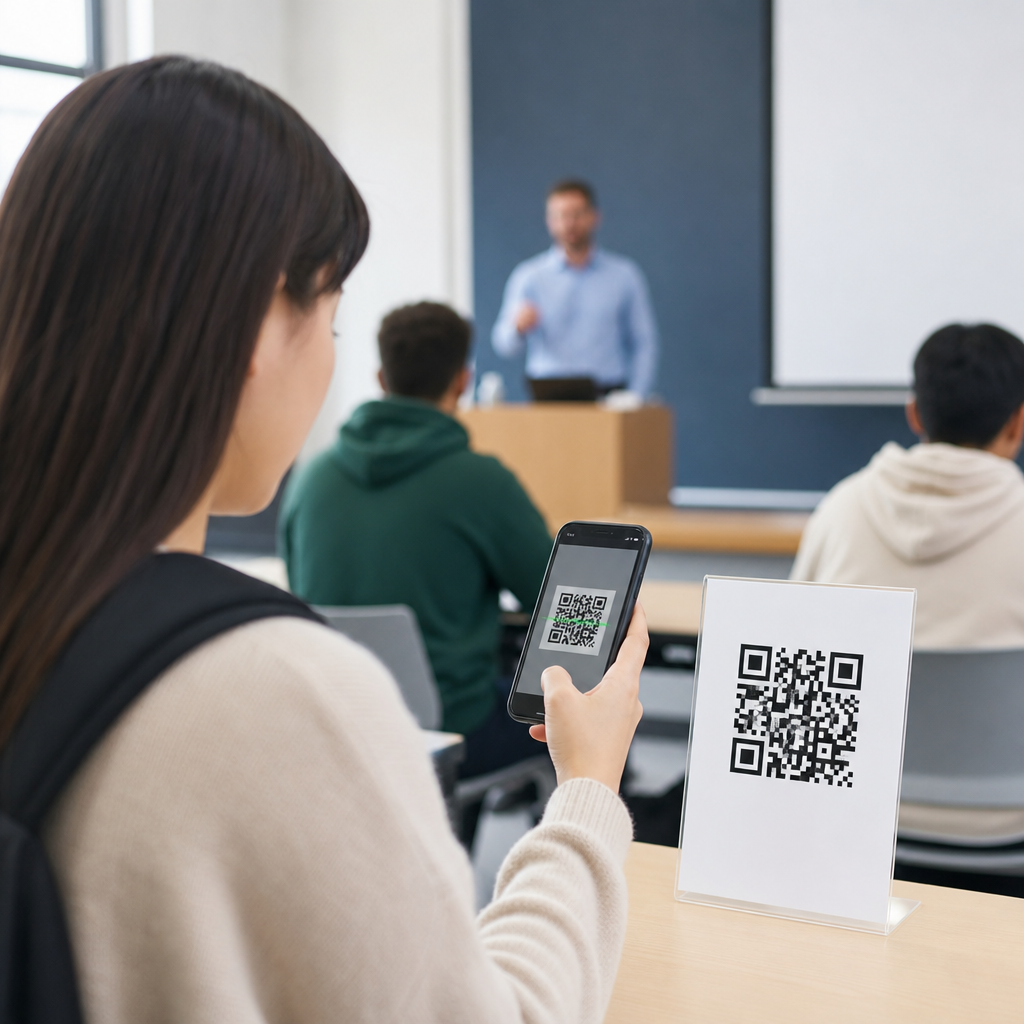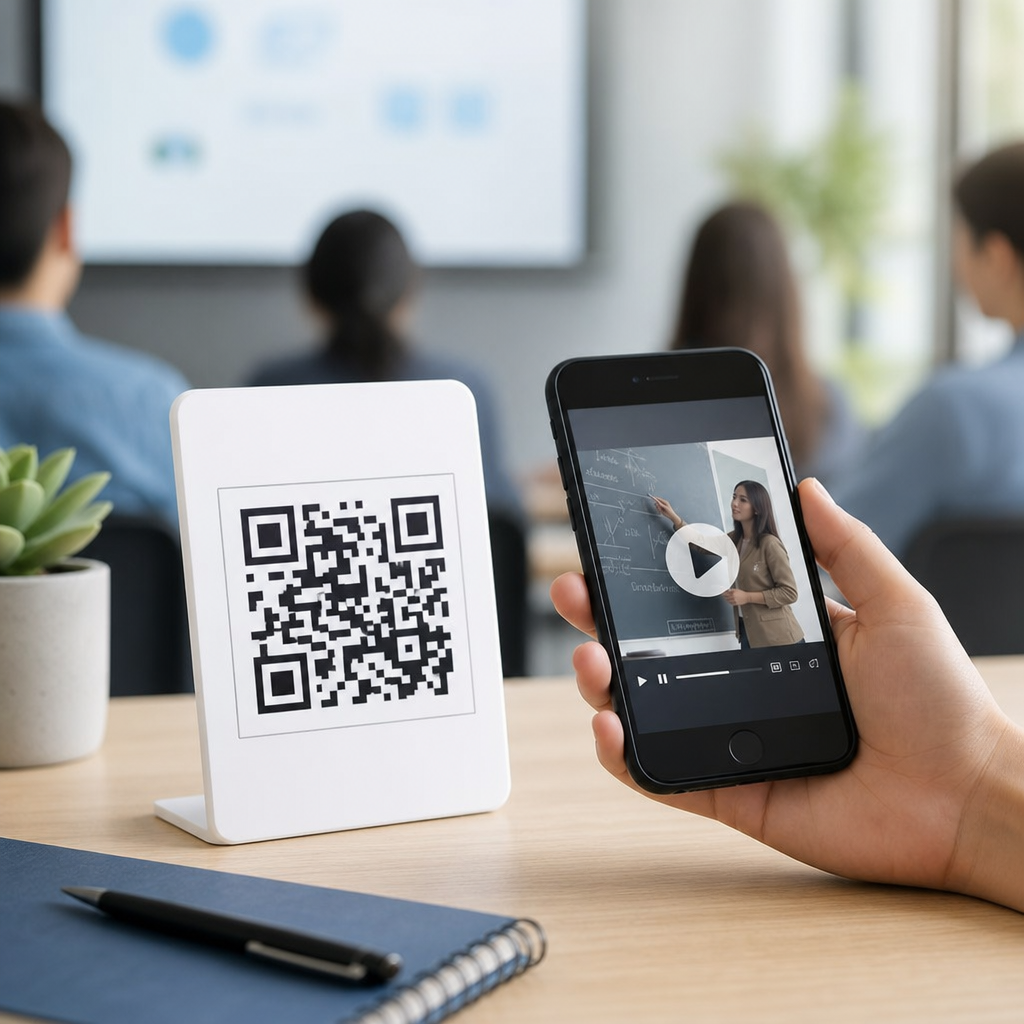
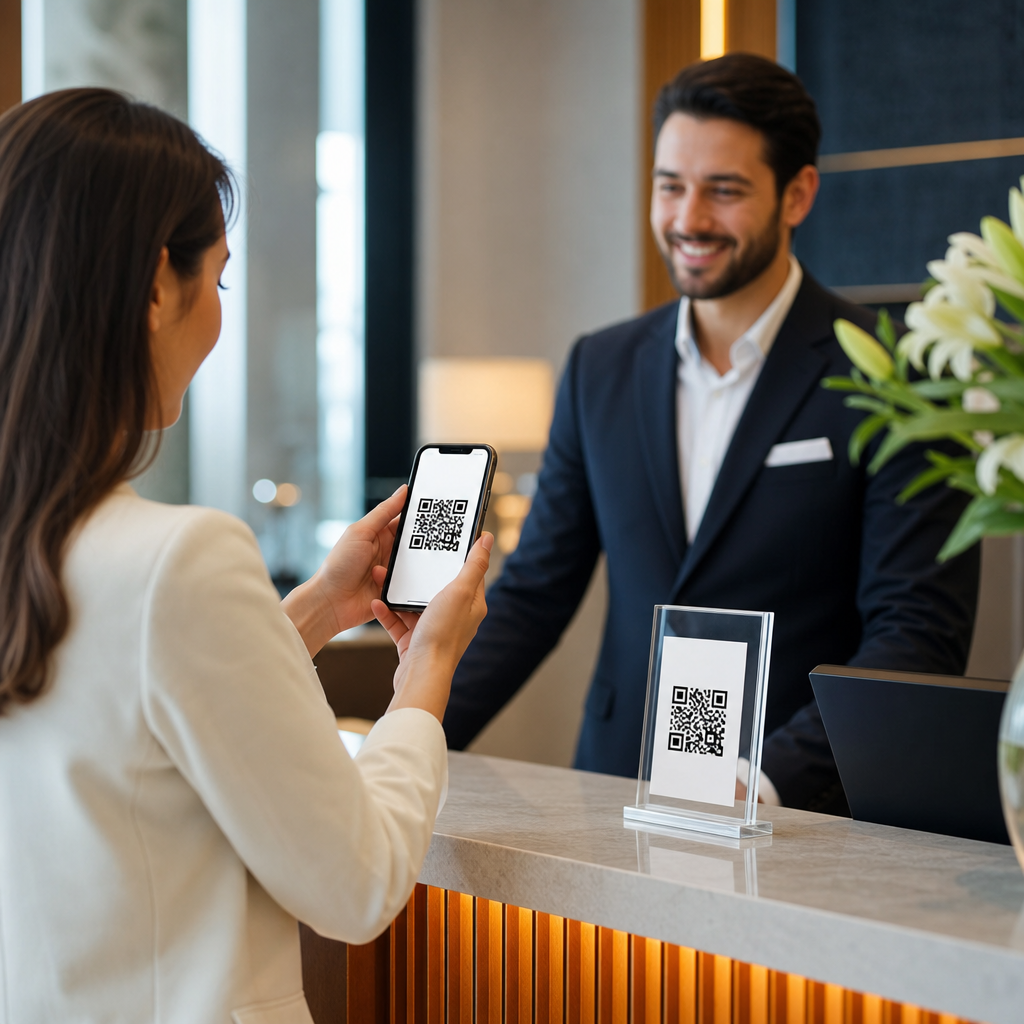
QR codes for guest engagement in hospitality have moved from novelty to core operating tool, giving restaurants, hotels, bars, cafés, resorts, and event venues a fast way to connect physical spaces with digital service. In practical terms, a QR code is a scannable matrix barcode that opens a web page, app link, menu, payment flow, form, loyalty page, or messaging experience when a guest points a smartphone camera at it. Guest engagement in hospitality means every interaction that shapes the customer journey, from discovering the brand and placing an order to requesting housekeeping, joining a loyalty program, leaving a review, and returning for a second stay or visit. I have helped operators deploy these systems across dining rooms and front desks, and the pattern is consistent: when the code leads to a useful, mobile-friendly destination, adoption rises quickly. This matters because hospitality runs on speed, clarity, and convenience. Staff shortages, rising labor costs, and higher guest expectations have forced operators to redesign service touchpoints without adding friction. A well-planned QR code strategy improves access to information, reduces wait times, supports multilingual service, captures first-party data, and creates measurable links between offline experiences and online revenue.
Where QR codes fit across restaurants and hospitality
In restaurants, QR codes most often support digital menus, table ordering, waitlists, mobile payment, allergy details, and review requests. In hotels and resorts, they extend to mobile check-in, property maps, amenity booking, spa reservations, room service ordering, Wi-Fi access, local guides, and service recovery forms. Bars use them for tabs, cocktail lists, and event calendars. Cafés use them for loyalty sign-up and order-ahead. Venues and food halls use them to route guests toward stall menus, ticket upgrades, or branded experiences. The common thread is operational compression: fewer verbal explanations, less paper, and faster access to the next action.
As a hub topic for restaurants and hospitality, QR code deployment should be viewed as a journey map rather than a single campaign. The strongest programs place codes at decision points: entrance, host stand, table, room, elevator, key card sleeve, receipt, takeout packaging, pool chair, minibar, conference signage, and post-stay emails. Each scan should answer an immediate question. What is on the menu? How do I request extra towels? Can I split the bill? What time is breakfast? How do I book a late checkout? If the destination page resolves those questions in seconds, the code becomes service infrastructure, not decoration.
Best use cases that improve the guest experience
The best QR code use cases solve a specific guest problem and a specific business problem at the same time. A digital menu reduces reprint costs and updates instantly, while guests see current pricing, photos, dietary labels, and upsell prompts. A table-ordering flow reduces queue pressure at quick-service counters and can increase average order value through modifiers and add-ons. In hotels, a room QR card that links to a digital guest directory replaces outdated binders and lets operations update checkout times, restaurant hours, and transportation options without reprinting collateral.
Another high-performing use case is service request routing. Instead of calling the front desk, a guest scans a room code to request linens, maintenance, or housekeeping. The form can feed directly into a property management system or ticketing tool, creating timestamps and accountability. For restaurants, codes on receipts and tabletop displays can route guests to a review landing page, a feedback form, or a loyalty program. That sequence matters. If a guest had a poor experience, the code should capture private feedback before sending them to a public review platform. This simple decision can protect ratings while still surfacing operational issues quickly.
| Hospitality setting | High-value QR use case | Primary guest benefit | Operational benefit |
|---|---|---|---|
| Full-service restaurant | Menu, ordering, payment | Faster decisions and checkout | Higher table turns, fewer payment delays |
| Hotel | Digital directory and service requests | Instant access to property information | Lower call volume at front desk |
| Resort or spa | Amenity booking and schedule access | Easy reservations from anywhere onsite | Better utilization of paid amenities |
| Bar or brewery | Tabs, event calendar, loyalty sign-up | Less waiting at peak times | More repeat visits and customer data |
| Café or bakery | Order-ahead and rewards enrollment | Shorter lines and easier reordering | More off-peak sales and retention |
How to design QR code journeys that guests actually use
The success of a QR code is rarely determined by the code itself. It depends on placement, labeling, landing page quality, and the speed of the experience after the scan. In my projects, the biggest mistake has been generic calls to action such as “Scan me.” High-performing signage is explicit: “Scan to view tonight’s menu,” “Scan to request late checkout,” or “Scan to pay and split the bill.” Clarity raises scan intent because guests know the reward before they act.
Landing pages must be mobile-first, compressed for speed, and accessible on standard cellular connections. Google’s Core Web Vitals are relevant here because a lagging menu or booking page kills adoption. The destination should also be brand-consistent and short on steps. If a guest scans a table code and then has to pinch-zoom a PDF, create an account, and reselect their table number, the journey fails. Use dynamic QR codes when possible so destinations can be updated without replacing printed materials. This is especially important for seasonal menus, changing event schedules, and room-specific flows.
Design also includes physical considerations. Restaurant tabletop codes should sit flat enough to avoid glare but upright enough to be noticed. Hotel room codes should be placed where guests naturally pause, such as near the desk, television, or entry console. Contrast matters: dark code on light background performs best, and quiet zones around the code are necessary for reliable scanning. For accessibility, never make the QR code the only path. Include a short URL and, when appropriate, near-field alternatives such as staffed assistance or printed essentials.
Measurement, integrations, and operational controls
Hospitality leaders should treat QR codes as measurable conversion points. Dynamic QR platforms, Google Analytics 4, tag managers, POS systems, reservation engines, and customer relationship platforms make it possible to track scans, sessions, orders, bookings, form completions, and repeat behavior by location and asset. A restaurant can compare scans by table zone, lunch versus dinner, or weekday versus weekend. A hotel can track which room categories generate more amenity bookings or service requests. These insights inform staffing, merchandising, and placement decisions.
Integration depth determines whether QR codes merely inform or genuinely streamline operations. For restaurants, linking codes to Toast, Square, Clover, or similar POS environments can connect menus, modifiers, payment, and loyalty. In lodging, linking codes to property management systems, ticketing tools, and guest messaging platforms turns a scan into a trackable service event. UTM parameters help attribute campaigns, while a customer data platform can unify onsite behavior with email and paid media audiences. This matters for retargeting and retention. If guests repeatedly scan for happy hour or spa specials, those preferences can shape future offers.
Governance is equally important. Create naming conventions, maintain a destination inventory, assign owners, and schedule periodic testing. Broken links in hospitality are more damaging than in many industries because they fail guests at the point of need. Security also matters. Use HTTPS destinations, avoid unnecessary personal data collection, and train staff to explain where official codes are placed so counterfeit stickers are quickly spotted. For payments, use PCI-compliant processors and trusted checkout flows. Confidence is part of the guest experience.
Common mistakes, compliance issues, and what good execution looks like
The most common mistake is deploying QR codes because competitors have them, without defining the service task. A code that opens a homepage instead of the exact menu, booking form, or request page forces extra navigation and reduces completion rates. Another mistake is overusing PDFs. Searchable HTML pages are faster, easier to update, more accessible to screen readers, and more likely to support discoverability. Hospitality brands also underestimate the importance of multilingual content. In tourist-heavy markets, offering key pages in major languages can materially improve conversion and reduce confusion.
Compliance and usability should be built in from the start. ADA-minded accessibility practices, clear privacy notices, cookie consent where applicable, and straightforward opt-in language for SMS or email are basic requirements. If alcohol ordering is involved, age-verification controls may apply. If a hotel gathers passport details, payment information, or loyalty identifiers, data handling standards become stricter. Good execution balances efficiency with choice. Some guests love mobile ordering; others prefer human interaction. The strongest operators use QR codes to remove low-value friction while freeing staff to deliver the personal touches that define hospitality.
For restaurants and hospitality brands building a scalable guest engagement program, QR codes are not a gimmick. They are a flexible interface layer between physical service and digital action. Start with the moments where guests most often wait, wonder, or repeat questions. Build fast mobile destinations, connect them to your core systems, measure real outcomes, and refine based on scan behavior and staff feedback. Done well, QR codes increase convenience for guests, improve operational visibility for managers, and create a stronger foundation for repeat business. Audit your current guest journey, identify three high-friction touchpoints, and launch QR experiences that solve them cleanly.
Frequently Asked Questions
1. How are QR codes used to improve guest engagement in hospitality?
QR codes improve guest engagement by making it easier for guests to move from a physical touchpoint to a useful digital experience in seconds. In hospitality, that can mean scanning a code at a restaurant table to view a live menu, placing a room-service order from a hotel room, joining a loyalty program at check-in, opening a spa booking page at a resort, or accessing event schedules and maps at a venue. The biggest advantage is convenience. Guests do not need to download a special app or ask staff for basic information when a simple smartphone scan can provide it instantly.
From an operational perspective, QR codes also help businesses create more responsive and personalized service. A single code can route guests to pages tailored to a location, room type, event, language, or time of day. For example, a hotel lobby QR code might direct arriving guests to mobile check-in, dining recommendations, and concierge messaging, while a poolside code could open food-and-beverage ordering and activity reservations. These touchpoints increase engagement because they meet the guest exactly where they are in the journey.
QR codes also support ongoing communication without being intrusive. They can connect guests to feedback forms, WhatsApp or SMS service channels, social media campaigns, promotional offers, and post-visit review requests. That means engagement does not stop at the point of sale or the front desk. Instead, businesses can create a smoother, more connected experience before, during, and after the stay or visit. When implemented well, QR codes reduce friction, speed up service, and give guests more control, which is a major driver of satisfaction in hospitality.
2. What are the main benefits of using QR codes for hotels, restaurants, bars, and event venues?
The benefits are both guest-facing and operational. For guests, QR codes offer speed, accessibility, and convenience. They provide immediate access to menus, reservation pages, digital directories, amenity details, payment options, entertainment schedules, loyalty enrollment, and support channels. This reduces wait times and removes unnecessary steps from the customer experience. In a restaurant or bar, that may mean faster ordering and payment. In a hotel, it may mean easier access to check-in instructions, local recommendations, or housekeeping requests. At an event venue, it may mean instant wayfinding, digital tickets, and sponsor activations.
For operators, QR codes are a flexible and cost-effective tool. Printed materials become easier to manage because a dynamic QR code can continue to point to updated digital content even if pricing, schedules, offers, or policies change. This is especially valuable in hospitality environments where information changes frequently. Businesses can also use QR codes to reduce routine staff workload by answering common guest questions digitally, while freeing team members to focus on higher-value service interactions that require a human touch.
Another major benefit is data and performance visibility. Depending on the platform used, businesses can track scan volume, time of day, device type, and campaign performance. That insight helps teams understand which touchpoints are working and where guests are most engaged. For example, if a café sees high scans from window signage but low conversions on a loyalty signup page, it may improve the landing experience. If a resort sees strong engagement with QR-based activity booking, it can promote those services more aggressively across the property. In short, QR codes are useful not just because they connect offline and online experiences, but because they help hospitality brands improve those experiences over time.
3. What should a hospitality business link to when creating QR codes for guests?
The best destination depends on the guest’s context and intent. A QR code should always link to something immediately relevant to where the guest is and what they are trying to do. In restaurants and cafés, common destinations include digital menus, allergen information, ordering pages, payment flows, review requests, and loyalty sign-up forms. In hotels and resorts, useful links include mobile check-in, room service ordering, digital concierge pages, Wi-Fi instructions, spa appointments, housekeeping requests, local attraction guides, and check-out options. At bars and event venues, QR codes may point to drink menus, VIP booking forms, event calendars, tickets, artist information, or mobile tipping pages.
It is important to think beyond simply linking to a homepage. A generic homepage often creates extra steps and lowers conversion. A table QR code in a restaurant should not force guests to navigate through several pages just to find the menu. A code in a guest room should not send someone to a broad hotel website when they really need a service directory or in-room dining options. The destination should be optimized for mobile, load quickly, and present a clear next action such as order now, book now, message us, join rewards, or leave feedback.
Businesses can also use QR codes strategically across the guest journey. Before arrival, QR codes on confirmation emails or printed materials can link to pre-arrival planning tools. During the visit, codes can support service, sales, and convenience. After departure, they can direct guests to review platforms, rebooking offers, or loyalty engagement pages. When the QR destination matches guest intent and removes friction, scan rates and conversion rates are significantly stronger.
4. Are QR codes still effective, and what makes a hospitality QR code campaign successful?
Yes, QR codes are still highly effective, but their success depends on execution. Guests are now very familiar with scanning codes using smartphone cameras, which means the barrier to adoption is low. However, familiarity alone does not guarantee results. A hospitality QR code campaign works when the code is easy to notice, easy to scan, and linked to a high-value mobile experience. If the code is poorly placed, too small, visually unclear, or connected to a slow, confusing page, engagement will suffer.
Successful campaigns start with clear purpose. Each QR code should solve a specific guest need or support a measurable business goal. For example, a hotel may want to reduce front desk congestion through mobile check-in, a restaurant may want to increase average order value through digital upsells, and an event venue may want to improve sponsor engagement through interactive activations. Once the purpose is defined, the call to action matters. Guests should know exactly what they will get by scanning. Phrases such as “View Menu,” “Order Poolside,” “Book Your Spa Treatment,” or “Message Concierge” perform much better than a code with no explanation.
Design and placement are equally important. Codes should appear at moments of natural guest intent: on tables, in elevators, at check-in desks, inside guest rooms, near amenity areas, on receipts, or within printed event collateral. Dynamic QR codes are especially useful because they allow operators to update the destination without replacing printed signage. Finally, businesses should measure performance and refine continuously. Tracking scans, conversions, and guest behavior helps identify what is working and what needs improvement. In hospitality, the most effective QR code campaigns are not gimmicks. They are practical service tools built around convenience, speed, and relevance.
5. What are the best practices for implementing QR codes in a hospitality setting?
Best practices begin with the guest experience. Every QR code should have a clear purpose, a visible call to action, and a destination that is fast, mobile-friendly, and simple to use. Avoid linking to cluttered pages or asking guests to complete unnecessary steps. If the code is meant for ordering, the ordering interface should be intuitive. If it is meant for guest support, the contact or messaging option should be immediate. The faster a guest gets value from the scan, the more likely they are to use QR codes again throughout the property or venue.
Physical execution matters more than many businesses expect. QR codes should be sized appropriately, placed in good lighting, printed with strong contrast, and tested across different phone types and camera apps. They should be easy to reach from a natural scanning distance. For example, a tabletop menu code should scan quickly while seated, and a lobby sign should remain readable from standing height. It is also wise to include a short URL below the code as a fallback option for guests who prefer manual entry or encounter scanning issues.
Hospitality operators should also think about branding, trust, and accessibility. Codes should look professional and align with the brand environment, whether upscale, casual, or event-driven. Guests are more likely to scan when the code appears official and when the benefit is clearly stated. Multilingual support can be especially valuable for hotels, resorts, and international venues. In addition, businesses should make sure digital destinations follow accessibility best practices, including readable text, clear navigation, and compatibility with mobile assistive technologies.
Finally, implementation should include maintenance and measurement. QR links should be checked regularly to prevent broken destinations, outdated information, or inconsistent offers. Dynamic code platforms can make updates easier and provide analytics that show where engagement is strongest. Over time, these insights help teams improve service design, optimize promotions, and identify guest needs more accurately. In hospitality, the most effective QR code strategy is not simply about adding more codes. It is about placing the right digital experiences at the right moments to make service feel smoother, smarter, and more guest-centered.