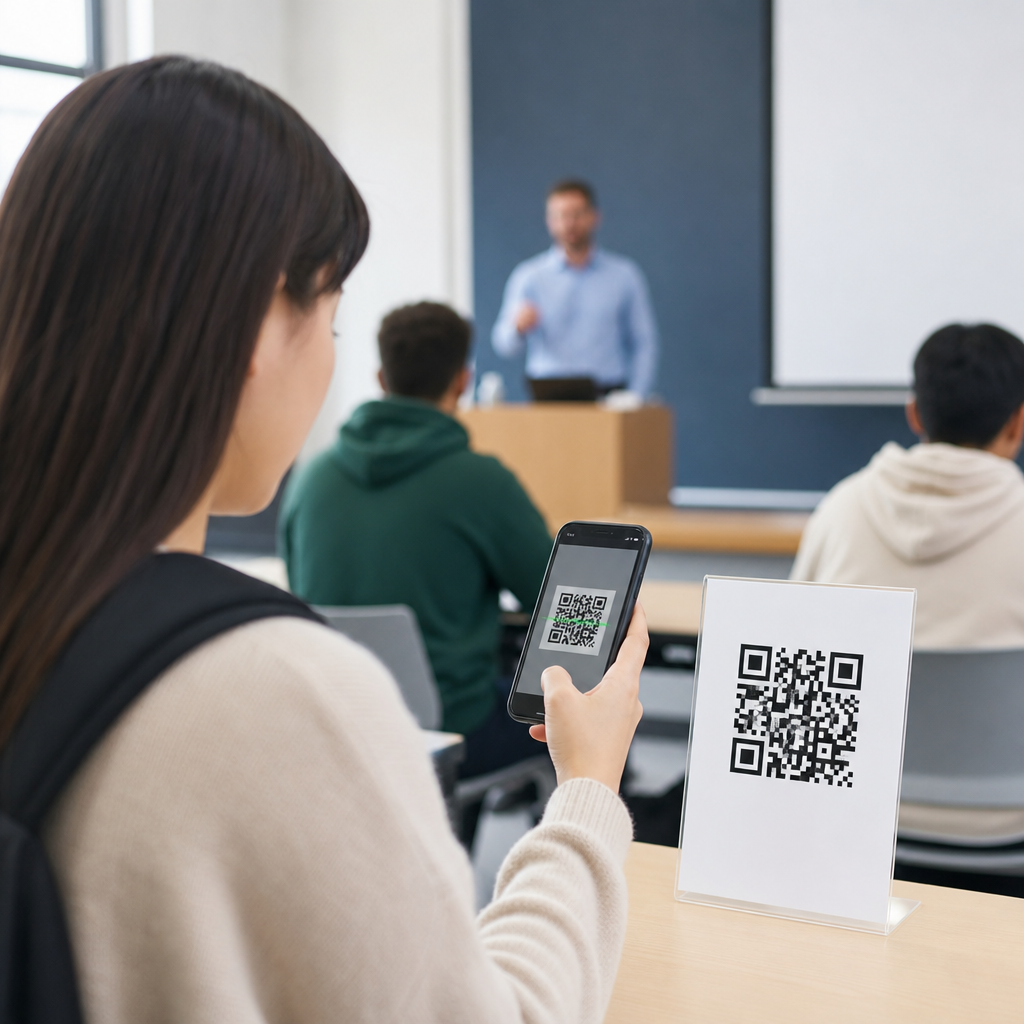
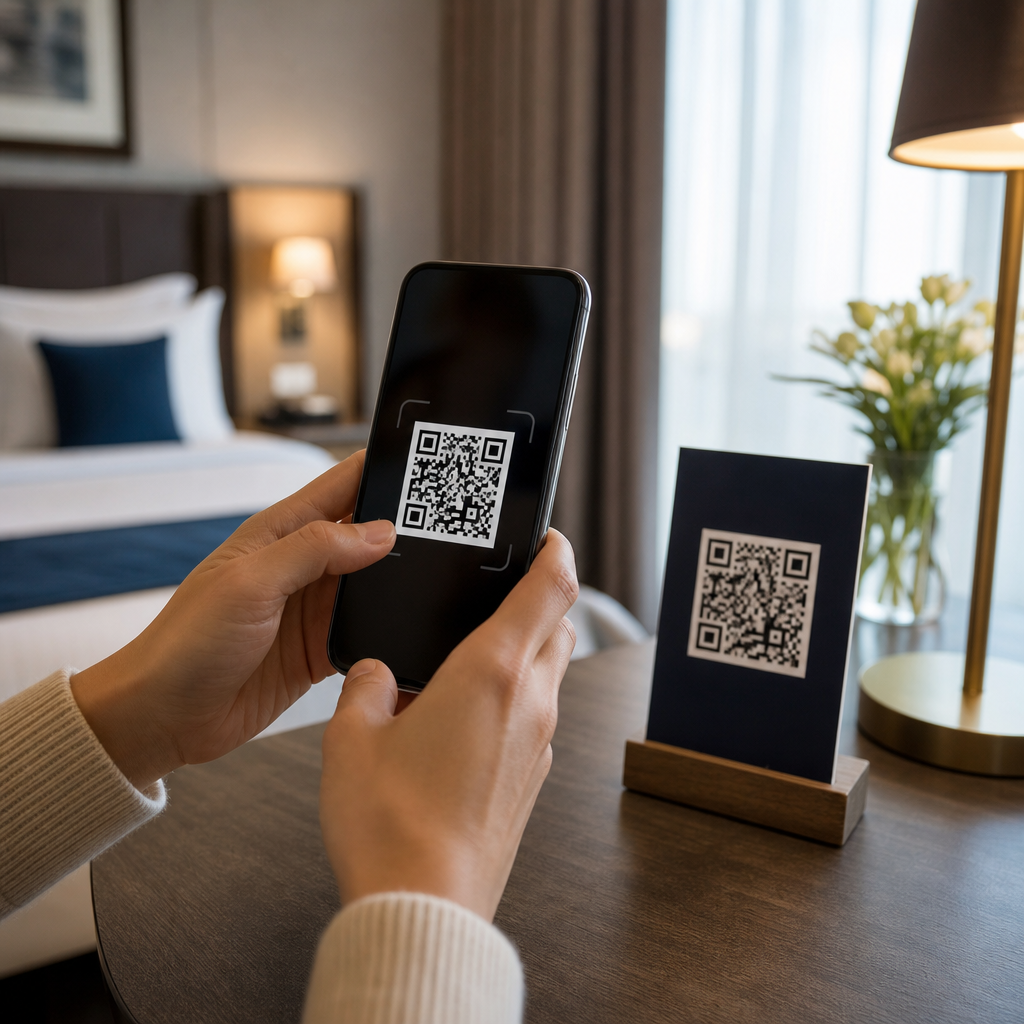
Hotels use QR codes to streamline guest services, reduce friction at every touchpoint, and connect physical spaces with digital convenience. In hospitality, a QR code is a scannable two-dimensional barcode that opens a webpage, menu, payment screen, app download, chat, or digital form when a guest points a smartphone camera at it. I have helped hospitality teams deploy these programs across boutique hotels, resorts, and select-service properties, and the pattern is consistent: when QR codes are planned around the guest journey, they improve speed, accuracy, and satisfaction without removing the human touch.
This matters because hotels operate hundreds of repetitive service interactions every day. Guests need Wi-Fi details, check-in instructions, room service menus, spa bookings, housekeeping requests, local recommendations, and checkout support. Staff need a reliable way to answer those needs quickly, in multiple languages, and with fewer bottlenecks at the front desk. QR codes solve a practical operations problem while also supporting modern expectations for contactless service, mobile-first booking behavior, and real-time updates. During periods of staffing pressure, they help teams handle higher volumes without sacrificing service standards.
As a hub within Restaurants & Hospitality, this article covers the full hotel use case and points toward adjacent applications in restaurants, bars, cafés, food halls, and event venues. The same underlying principles apply across the sector: clear calls to action, mobile-optimized landing pages, secure payment flows, and measurable conversion events. For hotels specifically, the best QR code programs are not one isolated sign in the lobby. They are an interconnected system spanning pre-arrival communication, on-property service, dining, amenities, loyalty enrollment, and post-stay feedback. That system is what turns a simple scan into a measurable guest service channel.
Where hotels place QR codes across the guest journey
Hotels use QR codes before arrival, during the stay, and after departure. Pre-arrival emails and SMS messages often include a code linking to mobile check-in, parking instructions, digital registration cards, or upsell offers for breakfast, airport transfer, or room upgrades. On property, codes appear at reception desks, elevator banks, in-room welcome cards, minibars, pool gates, gym entrances, conference foyers, and restaurant tables. After checkout, hotels place codes on receipts, key card sleeves, or thank-you emails to collect reviews, issue invoices, or invite repeat bookings.
The most effective placements match a clear guest intent. A lobby poster that says “Scan for local recommendations” works because arriving travelers need orientation. An in-room bedside card linking to “request extra towels” works because it solves a common need at the exact moment it arises. By contrast, generic codes with no stated benefit perform poorly. In audits I have run, properties that label the outcome directly, such as “Scan to order room service in under two minutes,” consistently outperform decorative but vague signage.
Placement strategy also varies by property type. Resorts often emphasize activity booking, spa reservations, and poolside food orders. Airport hotels prioritize express check-in, wake-up requests, and shuttle schedules. Limited-service brands use QR codes heavily for self-service information, while luxury hotels use them to complement concierges, not replace them. That distinction matters: QR codes should reduce waiting and repetition, but high-value service moments still benefit from staff involvement.
Guest services hotels commonly deliver with QR codes
The broadest hotel use of QR codes is service access. A scan can open a digital concierge page with buttons for housekeeping, maintenance, room service, restaurant reservations, spa appointments, late checkout requests, and local transport guidance. Many properties connect these pages to guest messaging platforms such as Canary Technologies, Duve, Akia, Whistle, or Revinate. Others route requests into the property management system or service optimization tools used by housekeeping and engineering teams.
Menus are one of the most familiar hospitality applications. Hotels place QR codes in guestrooms, pool areas, rooftop bars, and banquet spaces so guests can browse food and beverage options, see allergens, and order without handling printed menus. This is especially useful when outlets have changing inventory, seasonal cocktails, or time-based offerings. A digital menu can be updated instantly, which avoids the cost and inconsistency of reprinting collateral across multiple venues.
Hotels also use QR codes for information delivery that would otherwise require repeated calls to the front desk. Common examples include Wi-Fi login instructions, TV channel guides, emergency procedures, operating hours, pillow menus, pet policies, parking validation, and meeting room directories. In multilingual destinations, one code can route guests to language-specific versions of the same page. That reduces confusion and improves accessibility, especially for international travelers who may not want to call reception for simple questions.
| Hotel area | Typical QR code use | Guest benefit | Operational benefit |
|---|---|---|---|
| Front desk | Mobile check-in, ID forms, FAQs | Faster arrival | Shorter queues |
| Guestroom | Room service, housekeeping, Wi-Fi help | Instant support | Fewer inbound calls |
| Restaurant and bar | Menus, ordering, payment, loyalty sign-up | Quicker ordering | Higher table turnover |
| Spa and amenities | Treatment menus, bookings, waivers | Easy reservations | More ancillary revenue |
| Checkout | Digital invoice, feedback, rebooking offer | Smoother departure | More reviews and direct bookings |
Operational benefits for hotels and restaurants within hospitality
QR codes create measurable efficiency because they move routine interactions into a digital workflow. When a guest scans a code to request housekeeping, the request can be logged, time-stamped, assigned, and closed inside a task management system. That is more reliable than a handwritten note or a verbal relay over the phone. In full-service hotels, this visibility helps managers track response times by department and shift. In select-service properties, it helps lean teams handle demand without adding headcount.
Restaurants inside hotels benefit in parallel ways. QR menus reduce print costs, support dynamic pricing for special events, and make upselling easier through images, modifiers, and featured pairings. If the ordering page is integrated with the point-of-sale system, the kitchen receives cleaner tickets and fewer transcription errors. For poolside and beach service, a code on a lounger can tie the order to a location, reducing delays and staff searching time. Properties using Oracle MICROS, Toast, Square, or Lightspeed often build these experiences through approved integrations or branded web ordering layers.
Data collection is another major advantage. Dynamic QR codes let hotels track scans by location, time, device type, and campaign. That makes it possible to answer practical questions: Are more guests requesting towels via the bedside code or the TV welcome screen? Does the pool menu convert better at noon or 3 p.m.? Are conference attendees scanning booth signage but abandoning the booking form? This kind of granular reporting turns guest service into an optimization discipline rather than a guessing game.
Best practices for design, technology, and measurement
A hotel QR code program succeeds when the technology around the code is strong. The destination page must load quickly, render cleanly on mobile, and require as few taps as possible. If a guest scans to order breakfast and lands on a slow desktop-style PDF, adoption will collapse. In my experience, the strongest implementations use short mobile web flows, prominent buttons, saved preferences for returning guests, and a fallback contact method for anyone who prefers calling or speaking with staff.
Code quality and signage language matter more than many teams expect. Use high-contrast printing, quiet zones around the code, and testing across iPhone and Android cameras. Place codes where lighting is good and the user can scan comfortably without bending or glare. Most importantly, tell the guest exactly what happens next: “Scan to book a spa treatment,” “Scan for allergen-friendly dining options,” or “Scan to chat with the front desk.” A code without context is just visual noise.
Security and governance are essential in hospitality environments. Hotels should use HTTPS landing pages, control redirects centrally, and monitor for tampering on public-facing signs. Dynamic codes are usually better than static ones because URLs can be updated without reprinting assets, and analytics are built in. Teams should establish naming conventions, ownership by department, and quarterly audits to remove broken links. For measurement, track completion metrics, not just scans: check-in completions, room service orders, spa bookings, review submissions, and direct rebooking revenue are the numbers that show business value.
Challenges, limitations, and what great implementation looks like
QR codes are useful, but they are not a cure-all. Some guests do not want to scan, may have accessibility needs, or may be roaming internationally with limited data. Others simply prefer personal interaction, especially in luxury hospitality. Hotels should always offer an alternative path, whether that is a front desk agent, printed material on request, in-room phone support, or staff carrying tablets. Good service design adds options; it does not force behavior.
Another limitation is fragmented systems. If the QR code opens one vendor, the booking engine lives in another, and payment happens somewhere else, the guest experience can feel stitched together. The strongest programs reduce those handoffs. For example, a resort might use one branded mobile hub for dining, spa, activities, chat, and checkout. A city hotel might connect mobile check-in, digital keys, and service requests through its app while still using QR codes as fast entry points around the property. The principle is consistency.
For hotels building a hub strategy across Restaurants & Hospitality, the lesson is clear. Start with the highest-frequency guest needs, connect each QR code to a mobile-first action, and measure outcomes by department. Then expand into restaurant ordering, event services, loyalty enrollment, and post-stay retention. When done well, QR codes help hotels serve guests faster, sell more effectively, and operate with better visibility. Audit your current guest journey, identify the top five moments where people wait or ask repetitive questions, and deploy QR codes where they remove friction immediately.
Frequently Asked Questions
1. How do hotels use QR codes to improve guest services?
Hotels use QR codes to remove unnecessary steps from the guest journey and make common services faster to access. A guest can scan a code in the lobby, guest room, restaurant, pool area, or elevator and instantly open the exact digital experience they need, whether that is a room service menu, spa booking page, Wi-Fi instructions, local guide, digital compendium, mobile check-in form, housekeeping request, or chat with the front desk. Instead of asking guests to download an app, wait on hold, or flip through printed materials, the hotel creates a direct bridge between the physical environment and a useful mobile action.
In practice, this improves service in several ways. It reduces front desk congestion by shifting routine questions and transactions to self-service options. It helps guests place requests at the moment they think of them, which increases convenience and often improves response times. It also supports contactless service for guests who prefer minimal face-to-face interaction. From an operations standpoint, QR codes can lower printing costs, keep information current, and provide measurable data on what guests actually use. When implemented well, QR codes do not replace hospitality; they support it by removing friction so staff can focus on higher-value interactions.
2. What hotel services work best with QR codes?
The best hotel QR code use cases are the ones that solve a real guest need quickly and clearly. Room service and restaurant menus are among the most effective because guests already expect a simple mobile experience for browsing options and placing orders. Guest directories and digital compendiums also work well because they replace printed materials that become outdated and often go unread. Codes for housekeeping requests, maintenance reporting, valet requests, spa reservations, late checkout inquiries, and concierge recommendations are strong fits because they turn a static sign or in-room card into an immediate service channel.
Payment-related experiences are another high-value category. Hotels can use QR codes to guide guests to secure payment screens for dining, incidentals, event registrations, or amenity upgrades. Property information is also a natural use case, including Wi-Fi access instructions, check-in and check-out details, parking guidance, event schedules, and local attraction recommendations. The most successful deployments are focused and context-specific. A QR code by the pool should lead to pool-related actions, such as food ordering or towel requests. A code in the room should support room-related needs, such as service requests, TV guides, or property information. Relevance matters more than volume. Hotels get better results when each code has a clear purpose, a clear label, and a clear benefit for the guest.
3. Do guests actually scan QR codes at hotels?
Yes, guests do scan QR codes at hotels, especially when the value is obvious and the experience is simple. Adoption is strongest when the code helps guests complete a task faster than other methods. If a guest can scan a code to view the breakfast menu, request extra towels, message the front desk, or access Wi-Fi instructions in seconds, usage tends to be strong. If the code leads to a generic homepage, asks the guest to hunt for information, or creates extra steps, scan rates drop quickly. The lesson is not that guests dislike QR codes. It is that guests like convenience and ignore unnecessary friction.
Hotels that see consistent usage usually follow a few practical rules. First, they place codes where the intent already exists, such as in guest rooms, on dining tables, at the front desk, near elevators, or inside welcome materials. Second, they tell guests exactly what happens after the scan with language like “Scan to order room service” or “Scan to request late checkout.” Third, they ensure the landing page is mobile-friendly, fast, and useful without requiring an app download. Guest trust also matters. Codes should appear professionally branded and be positioned in ways that feel official and secure. When those elements are in place, QR codes become a normal part of the hotel experience rather than a novelty.
4. Are QR codes secure for hotel guest interactions and payments?
QR codes can be secure for hotel guest interactions and payments, but security depends on how the program is designed and managed. A QR code itself is simply a gateway to a digital destination. The real security question is whether the destination is trusted, encrypted, and controlled by the hotel or its approved technology partners. For payment flows, hotels should send guests only to secure HTTPS payment pages powered by reputable processors. For forms and service requests, hotels should avoid collecting more guest data than necessary and should use systems with strong access controls and privacy safeguards.
Hotels should also think about physical and operational security. Printed QR codes should be monitored so they are not tampered with or replaced. Branded design helps guests recognize official codes. Staff should be trained to explain where codes lead and how guests can verify legitimacy. Dynamic QR code platforms are often preferable because they allow hotels to update destinations without reprinting materials, and they can also support better oversight and analytics. The best approach is to treat QR code programs like any other guest-facing digital channel: use trusted vendors, test regularly, maintain current links, secure all landing pages, and communicate clearly with guests. Done correctly, QR codes are not inherently risky; they are simply another access point to digital hospitality services.
5. What are the best practices for implementing QR codes in a hotel?
The most important best practice is to start with the guest journey rather than the technology. Hotels should identify where guests experience delay, confusion, or repetitive service needs, then place QR codes where they can remove those pain points. Good examples include pre-arrival messages, lobby signage, key packet inserts, bedside cards, in-room desks, restaurant tables, pool loungers, and meeting spaces. Every code should have a single clear job. Avoid sending guests to a cluttered page with too many options when a more direct experience would work better.
Design and usability matter just as much as placement. Each QR code should include a short instruction that explains the benefit of scanning. The linked page should load quickly, display well on mobile devices, match hotel branding, and minimize form fields. If guests are ordering, requesting service, or paying, the workflow should feel intuitive and require as few taps as possible. Hotels should also test codes across different phone types, lighting conditions, and user scenarios. Operational alignment is equally important. If a guest submits a housekeeping request through a QR code, the request must reach the right team and be handled promptly. A great digital front end paired with poor follow-through creates frustration instead of convenience.
Finally, hotels should measure performance and improve over time. Track scan volume, conversion rates, service request completion, payment usage, and common guest paths. Those insights help teams refine placement, wording, and destination pages. In my experience across boutique hotels, resorts, and select-service properties, the strongest results come from focused implementations that solve real guest tasks cleanly. QR codes work best when they feel like a helpful shortcut, not a forced detour. When the execution is thoughtful, they become a practical, scalable tool for delivering faster, more modern guest service.