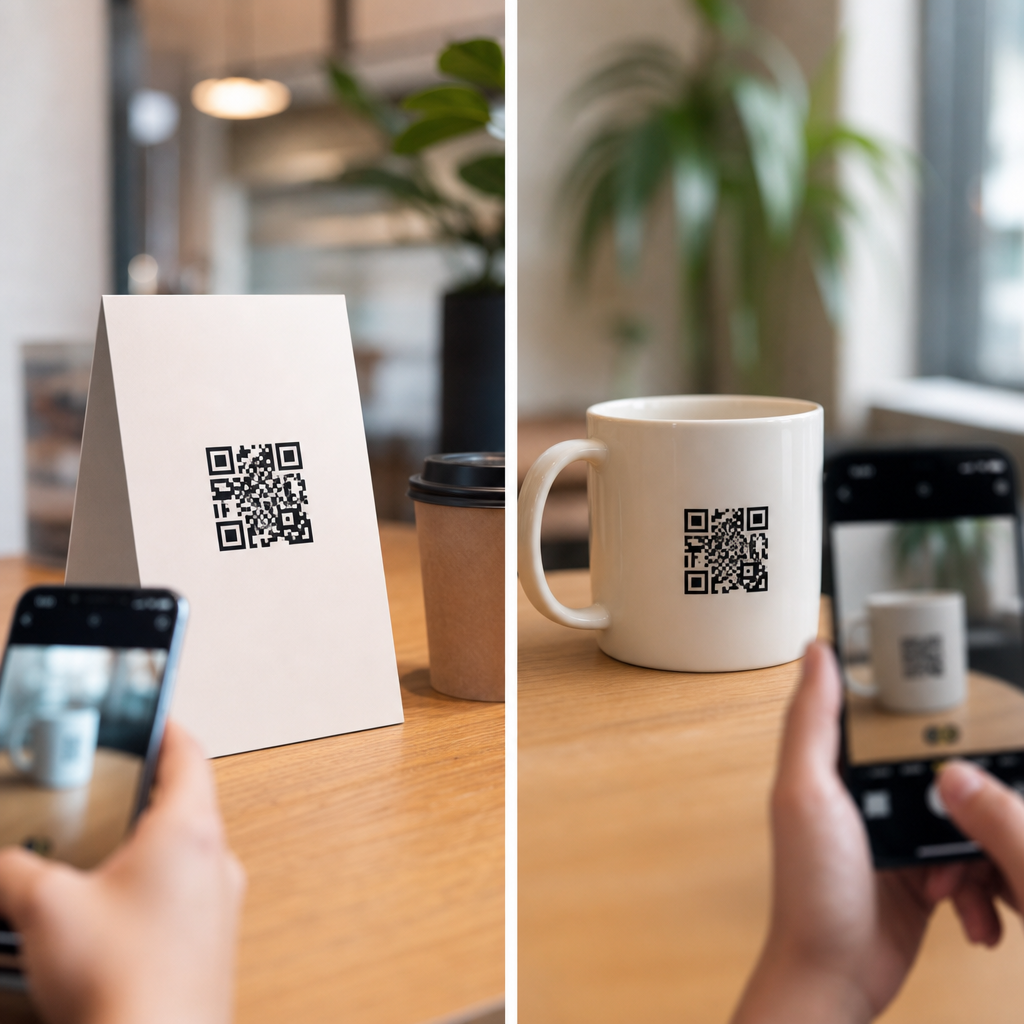
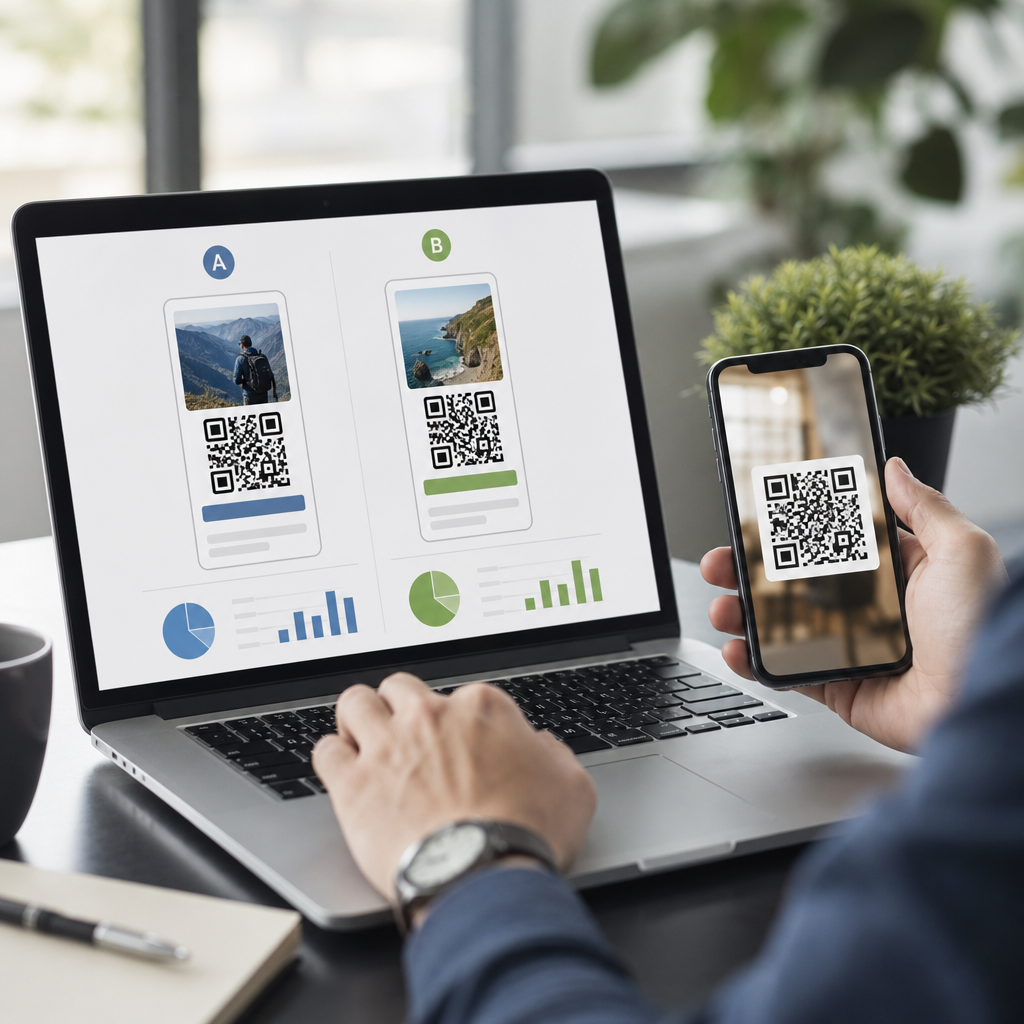
Dynamic QR code campaigns promise flexibility, measurable engagement, and fast updates, but they also fail in predictable ways when teams treat the code itself as the strategy. A dynamic QR code is a scannable code that points to a short redirect URL rather than a fixed destination, which means the final landing page, tracking parameters, and routing logic can be changed after printing. That single capability makes dynamic QR code campaigns useful for retail packaging, event signage, direct mail, menus, product manuals, and multichannel attribution. It also raises the stakes: one weak redirect rule, one unreadable print treatment, or one poorly matched landing page can break performance across thousands of scans.
I have worked on dynamic QR code strategies for packaging, in-store displays, field sales collateral, and franchise systems, and the pattern is consistent. Teams focus on generating codes, then realize too late that redirect governance, analytics hygiene, mobile page speed, and print testing matter more than the artwork. As the hub for advanced dynamic QR code strategies, this article explains the most common mistakes with dynamic QR code campaigns, why they happen, and how to avoid them. It also provides the practical framework needed to plan related content on tracking, personalization, security, offline-to-online attribution, and campaign optimization.
The reason this topic matters is simple: dynamic codes sit at the intersection of physical media and digital experience. They influence conversion rates, first-party data collection, customer support volume, and even brand trust. A restaurant menu QR code that opens a slow PDF costs orders. A product label code that routes all markets to the same page creates compliance problems. A direct mail QR code without campaign naming conventions creates unusable analytics. If you want dynamic QR code campaigns to scale, you need disciplined strategy, not just a generator and a destination URL.
Choosing Dynamic Codes Without a Measurement Plan
The first mistake is adopting dynamic QR codes for flexibility but never defining what should be measured. Because dynamic codes can capture scan time, device type, approximate location, and destination changes, marketers assume reporting will take care of itself. It will not. Scan counts alone are not business outcomes. Before launch, decide which events matter: unique scans, repeat scans, landing page sessions, add-to-cart actions, lead submissions, coupon redemptions, app installs, or support deflection. Then align those events with your analytics stack, usually Google Analytics 4, Adobe Analytics, a CRM, and a QR platform with exportable logs.
In practice, I recommend a naming convention that encodes channel, placement, asset version, market, and campaign date. For example, a code on shelf talkers for a spring launch should not share the same identifier as a code on packaging or paid print. Distinct identifiers let you compare placements accurately and create internal linking signals to related reporting pages, playbooks, and market-specific content. Without this structure, dynamic QR code strategies become anecdotal instead of accountable.
Printing Scannable Codes That Are Technically Hard to Scan
One of the most common mistakes with dynamic QR code campaigns is visual styling that undermines scan reliability. Branded colors, embedded logos, unusual shapes, and inverse contrast can work, but only within tolerance. QR codes rely on contrast, quiet zone spacing, and error correction. If the quiet zone is cramped, the surface is glossy, or the module size is too small for viewing distance, scan failure rises quickly. ISO/IEC 18004 defines the symbology, but campaign teams often ignore practical production constraints.
For print, maintain high contrast, preserve the quiet zone, and test across current iPhone and Android camera apps in indoor and outdoor light. As a rule, larger is safer, especially on packaging curvature, window clings, and transit ads viewed from a distance. A code that scans perfectly in a design proof may fail once it is printed on textured stock or wrapped around a bottle. The fix is simple: test final production samples, not just digital mockups, and approve only after real-device validation.
Sending Scanners to Weak Mobile Experiences
A dynamic code campaign succeeds or fails after the scan. Yet many teams route users to generic homepages, desktop-first forms, or PDF files that are painful on mobile. If someone scans from packaging in a store aisle, they need a concise product page, price or availability context, and a clear next action. If they scan from direct mail, they need continuity with the offer they saw offline. Dynamic QR code strategies must therefore start with landing page intent, not just redirect logic.
Mobile performance is decisive here. Google’s Core Web Vitals are not the entire story, but they are directionally useful because slow pages destroy momentum. Compress images, avoid heavy scripts, keep forms short, and make buttons thumb-friendly. I have seen scan-through rates look healthy while conversion rates collapse because the destination page loaded in four to six seconds on cellular. Dynamic routing cannot rescue a poor destination. Every campaign should have a purpose-built mobile landing page with message match, fast load time, and one obvious conversion path.
Ignoring Redirect Governance, Security, and Link Longevity
Dynamic QR codes are powerful because you can change destinations after printing, but that same flexibility creates governance risk. Who can edit the redirect? Is there approval workflow? Are old campaign URLs retired or repurposed? If a vendor owns the QR platform and the contract ends, do your codes still resolve? These are not edge cases. I have seen organizations lose control of active printed codes because no one documented account ownership or export procedures.
Security matters as much as continuity. Use HTTPS everywhere, limit admin access, and document redirect change history. Avoid chains of redirects that increase latency and break attribution. If the QR platform supports custom domains, use one you control so the brand remains visible and the asset survives vendor changes. Dynamic QR code campaigns also need a retention policy: some codes should remain evergreen, while time-bound promotions should fail gracefully and redirect to a useful fallback page instead of a 404 error.
Using One Code for Too Many Audiences and Contexts
A single dynamic code can technically serve many audiences, but that does not mean it should. One code on every asset may simplify operations, yet it destroys insight and weakens relevance. The context of a scan matters. Someone scanning a code on product packaging has different intent from someone scanning a booth display, invoice insert, or training manual. Dynamic QR code strategies work best when routing logic reflects those contexts through unique identifiers, segmented landing pages, and controlled personalization.
Geo-routing, language detection, device-based app deep linking, and time-based rules can improve relevance, but they should be used carefully. Overly aggressive automation can create confusing experiences, especially for travelers, VPN users, or shared devices. A safer approach is to route by explicit campaign source first, then apply limited localization rules. The goal is not complexity for its own sake. The goal is to preserve attribution while reducing friction for the person who scanned.
Missing the Operational Details That Determine Results
Campaign performance usually comes down to a handful of operational decisions made before launch. The table below summarizes the mistakes I see most often and the correction that consistently improves dynamic QR code campaign results.
| Mistake | Why It Hurts | Better Approach |
|---|---|---|
| Using one code across all placements | Blurs attribution and audience intent | Create unique dynamic codes by channel, asset, and market |
| Routing to a homepage | Forces users to hunt for the promised content | Send scans to a dedicated mobile landing page |
| Skipping print testing | Real-world lighting and materials reduce scan reliability | Test final printed samples on multiple devices |
| No redirect governance | Creates security, compliance, and continuity risk | Use approval workflows, logs, and a controlled custom domain |
| Measuring scans only | Misses business impact after the scan | Track downstream conversions in analytics and CRM tools |
These fixes sound basic, but they are what separate a test from a scalable program. The most advanced dynamic QR code strategies are operationally boring in the right places: clean taxonomy, stable infrastructure, strict QA, and disciplined reporting. That is what allows creative targeting and post-print optimization later.
Failing to Connect Offline Scans to Real Business Outcomes
Another major mistake is stopping analysis at the QR platform dashboard. Dynamic campaign reporting becomes far more valuable when you connect scans to first-party outcomes such as lead quality, revenue, repeat purchase, support resolution, or store visit proxies. In B2B, that may mean passing a source parameter into a Marketo or HubSpot form and syncing it to Salesforce. In retail, it may mean tying a QR-exclusive coupon to point-of-sale redemption. In service environments, it may mean linking a printed equipment label code to a reduced call-center volume for troubleshooting content.
This is where dynamic QR code campaigns become strategic rather than tactical. The code is the bridge, not the endpoint. If you can show that a packaging QR destination increased warranty registration, or that a field-service manual code reduced truck rolls because technicians accessed the right video instantly, the campaign earns budget and organizational support. If you cannot connect scans to outcomes, the program is vulnerable to cuts because it looks like a vanity metric.
Overlooking Compliance, Accessibility, and User Trust
Dynamic QR code strategies also fail when teams ignore legal, accessibility, and trust considerations. In regulated categories such as food, supplements, healthcare, and financial services, routing users to updated content can be beneficial, but only if claims, disclosures, and regional requirements remain accurate. A dynamic redirect cannot be treated as a loophole around review procedures. Keep archived snapshots of destination pages and involve compliance stakeholders early.
Accessibility matters too. The code should be accompanied by a plain-language call to action that explains what the scan does, such as “Scan for setup video” or “Scan to view allergen information.” Provide an alternative short URL for people who cannot or do not want to scan. This increases trust and supports users on older devices or locked-down enterprise phones. Clear labeling also reduces suspicion, which is important because consumers are increasingly aware that QR codes can be used maliciously. Trust improves scan rates.
Dynamic QR code campaigns work when the physical code, redirect layer, analytics model, and mobile destination are planned as one system. The common mistakes are consistent: weak measurement design, poor print execution, generic landing pages, unmanaged redirects, overused shared codes, incomplete attribution, and neglected compliance. Fixing these issues does not require gimmicks. It requires operational discipline, careful testing, and campaign architecture that respects context.
For teams building an advanced QR program, the main benefit of getting dynamic QR code strategies right is longevity. You can update destinations without reprinting, personalize experiences by market or channel, measure offline-to-online performance with much greater confidence, and continuously improve after launch. Start by auditing your current codes, naming conventions, redirect ownership, mobile landing pages, and downstream conversion tracking. Then build the subtopics that support this hub: QR analytics, personalization rules, packaging use cases, security controls, and attribution models. That is how dynamic QR code campaigns become reliable growth assets instead of fragile experiments.
Frequently Asked Questions
What is the most common mistake teams make with dynamic QR code campaigns?
The most common mistake is assuming that using a dynamic QR code automatically makes a campaign strategic, measurable, and effective. In reality, the code is only the delivery mechanism. A dynamic QR code gives you the ability to change the destination URL, update tracking parameters, and reroute traffic after materials are printed, but that flexibility does not replace campaign planning. Many teams generate a code, place it on packaging, posters, mailers, or event signage, and stop there. They do not define the audience, the desired action, the landing experience, or the measurement framework. When that happens, scan volume may look interesting at first, but the campaign often underperforms because the user journey was never designed.
A strong dynamic QR code campaign starts with the same fundamentals as any other marketing initiative: a clear objective, a useful destination, a compelling reason to scan, and a process for evaluating results. If the goal is email signups, the landing page should focus on signup conversion rather than sending users to a generic homepage. If the goal is in-store redemption, the code should lead directly to an offer page with clear instructions and mobile-friendly formatting. Treating the QR code itself as the strategy leads to vague calls to action, irrelevant landing pages, and analytics that show activity without business impact. The best campaigns use dynamic QR codes as a flexible tool inside a larger, intentional system.
Why do so many dynamic QR code campaigns fail after printing, even though the destination can be changed later?
One of the biggest misconceptions about dynamic QR codes is that post-print flexibility can rescue weak campaign execution. It is true that you can change the destination later, which is extremely valuable for correcting broken links, updating seasonal promotions, swapping product pages, or refining attribution. However, several critical parts of campaign performance are locked in once the printed piece is live. The placement of the code, the size, the surrounding design, the scan context, the call to action, and the user expectation are all established in the physical environment. If the code is hard to notice, difficult to scan, poorly explained, or disconnected from the audience’s motivation, redirect flexibility will not fix the underlying problem.
For example, a QR code printed on retail packaging may technically work perfectly, but if there is no reason for a shopper to scan it in the first place, performance will be limited. The same is true for event signage or direct mail. A code that says only “Scan here” is far less effective than one that explains the value, such as “Scan for setup instructions,” “Scan to unlock today’s offer,” or “Scan to register in 30 seconds.” Dynamic routing helps optimize the destination over time, but it cannot compensate for poor physical execution or unclear messaging. Teams should think of dynamic QR codes as giving them a second chance on the backend, not permission to ignore the frontend experience.
How do poor landing pages undermine dynamic QR code campaign performance?
Poor landing pages are one of the fastest ways to waste scans. Because dynamic QR codes make it easy to route users anywhere, teams sometimes send traffic to a homepage, a desktop-oriented product page, or a cluttered campaign destination that was not built for mobile visitors arriving in the moment. That creates friction immediately. Most QR code scans happen on smartphones, often in fast-moving contexts like retail aisles, trade shows, transit spaces, or at home while looking through printed mail. If the page loads slowly, asks users to search for the relevant information, or does not match the promise made near the code, many visitors will drop off without completing the intended action.
The landing page should be tightly aligned with the scan context. Someone scanning from product packaging may want usage instructions, warranty registration, ingredients, support, or a special offer. Someone scanning from an event sign may want agenda details, speaker information, check-in access, or lead capture. Someone scanning from direct mail may expect a personalized offer or a streamlined response form. The page must load quickly, display cleanly on mobile, and present a single obvious next step. It should also preserve campaign attribution, so UTMs or equivalent tracking data remain intact through redirects and conversion events. Dynamic QR code campaigns succeed when the landing page feels like a seamless continuation of the printed message rather than a disconnected digital detour.
What analytics and tracking mistakes are most common with dynamic QR code campaigns?
A frequent mistake is treating scan counts as the primary success metric. Scan data is useful, but it only tells part of the story. Teams often celebrate high scan volume without understanding whether users stayed, converted, purchased, registered, or returned later. A dynamic QR code platform may report scans by time, location, device type, or operating system, but those metrics are not enough on their own. Without a broader measurement setup, it becomes difficult to distinguish curiosity from meaningful engagement. This is especially problematic in campaigns tied to retail packaging, event materials, or direct mail, where the business objective may be lead generation, product education, coupon redemption, account creation, or repeat purchase.
Another common issue is broken attribution. Redirects are only helpful if tracking parameters are correctly configured and preserved through the full journey. Teams may forget to apply campaign naming conventions, fail to connect QR traffic to analytics platforms, or overlook conversion tracking on the landing page itself. In some cases, they change the destination URL mid-campaign but do not document the timing, making later performance analysis confusing. Best practice is to define a measurement framework before launch: what counts as success, which events matter, how campaigns are named, how redirects are tested, and how scan data will be reconciled with web analytics and CRM outcomes. Dynamic QR codes provide rich optimization opportunities, but only if the tracking infrastructure is disciplined enough to turn raw scan activity into actionable insight.
How can businesses avoid the biggest mistakes when planning a dynamic QR code campaign?
The best way to avoid mistakes is to build the campaign around the user experience, not around the novelty of the code. Start by identifying the exact purpose of the scan. Is it to educate, capture leads, drive purchases, activate offers, support onboarding, or connect offline materials to digital content? Then map the context in which the code will be scanned. Packaging, event signage, counter displays, posters, and mail pieces all create different expectations and constraints. Once that is clear, craft a strong call to action, design for scanability, and create a landing page specifically for mobile visitors in that moment. Testing should cover not only whether the code scans, but whether the entire experience feels fast, relevant, and easy to complete.
Operational discipline matters as much as creative execution. Use a reliable dynamic QR code platform, organize naming conventions, document redirect logic, and establish governance around who can change destinations and when. Make sure codes are not tied to pages that may later be removed without notice. Build analytics intentionally, including UTMs, event tracking, and conversion reporting. Finally, review performance over time and use the flexibility of dynamic routing wisely. If a destination underperforms, improve it. If one audience segment responds differently, adjust the experience. If seasonal or regional messaging changes, update the routing while keeping the physical code in market. When businesses combine thoughtful planning, clear messaging, mobile-first landing pages, and disciplined measurement, dynamic QR code campaigns become much more than scannable graphics—they become adaptable, high-value bridges between offline attention and digital action.