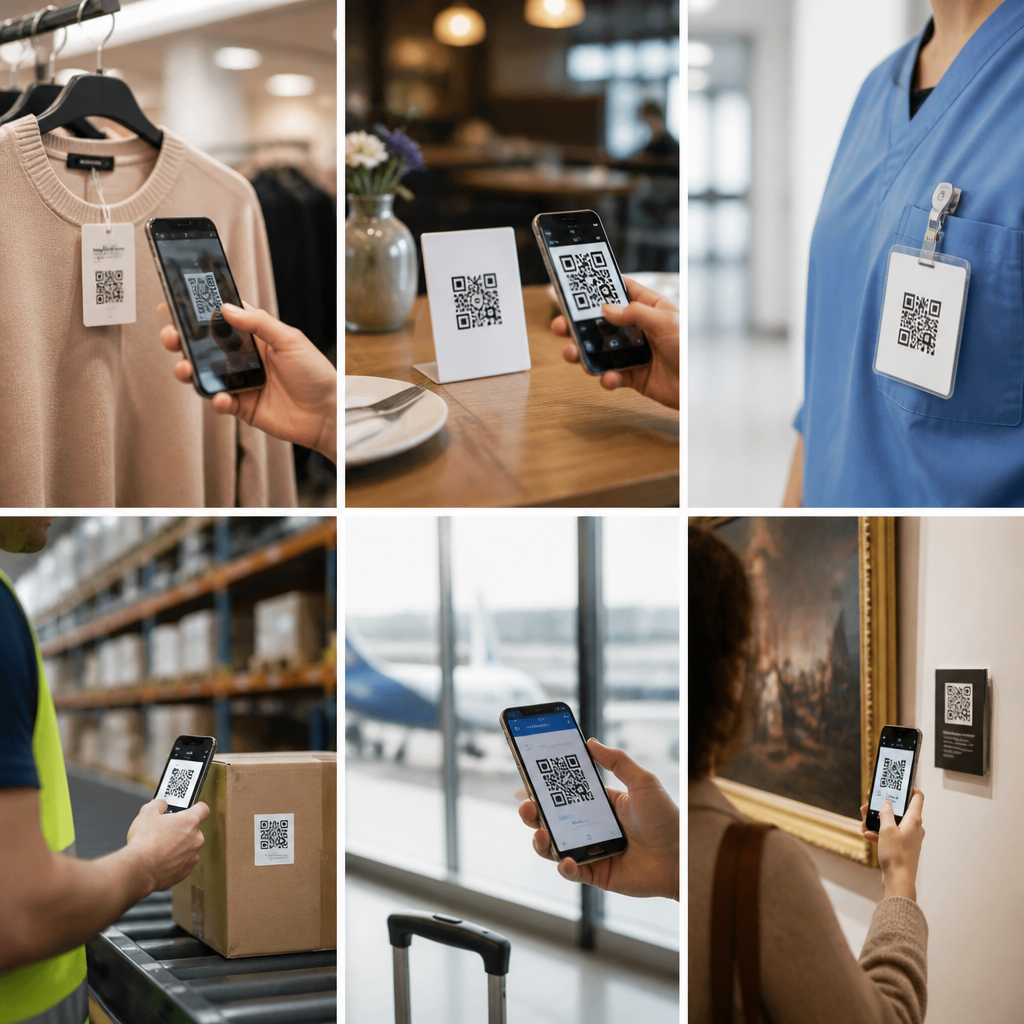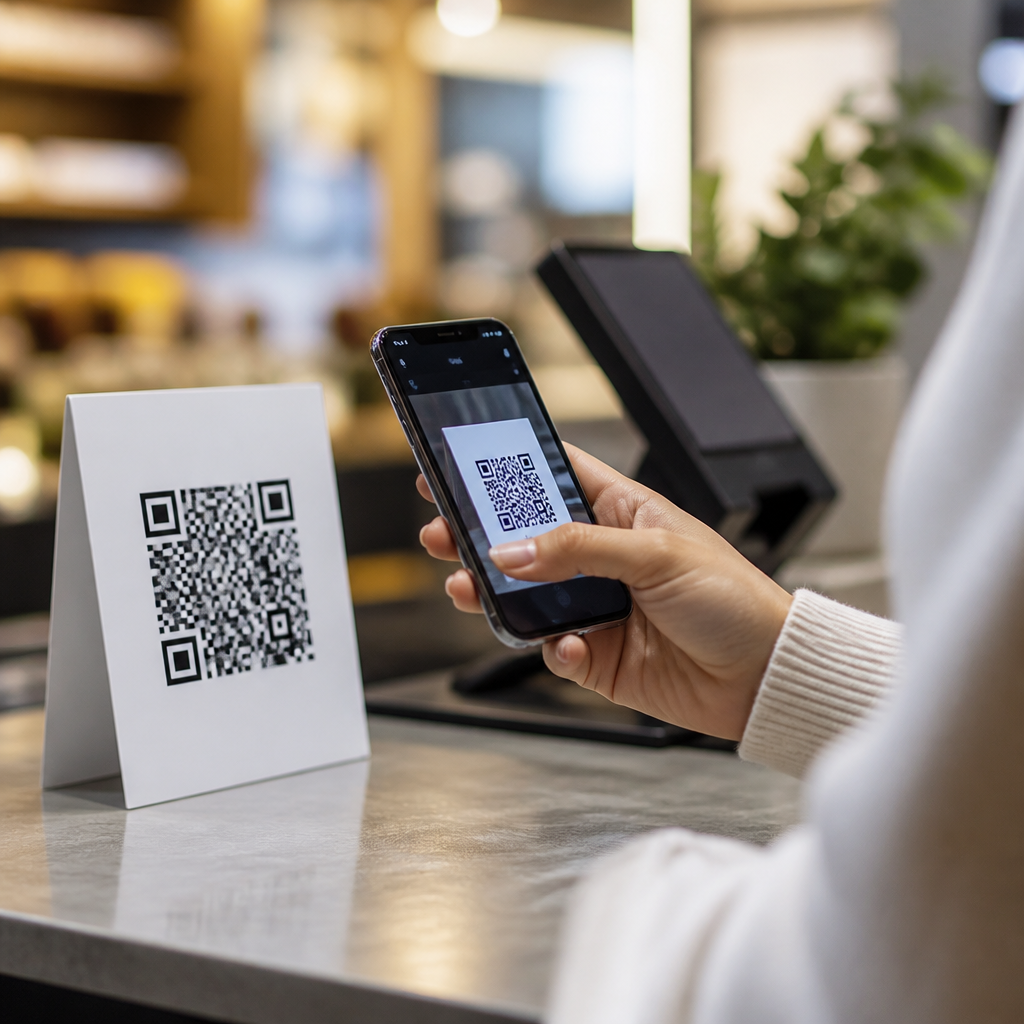
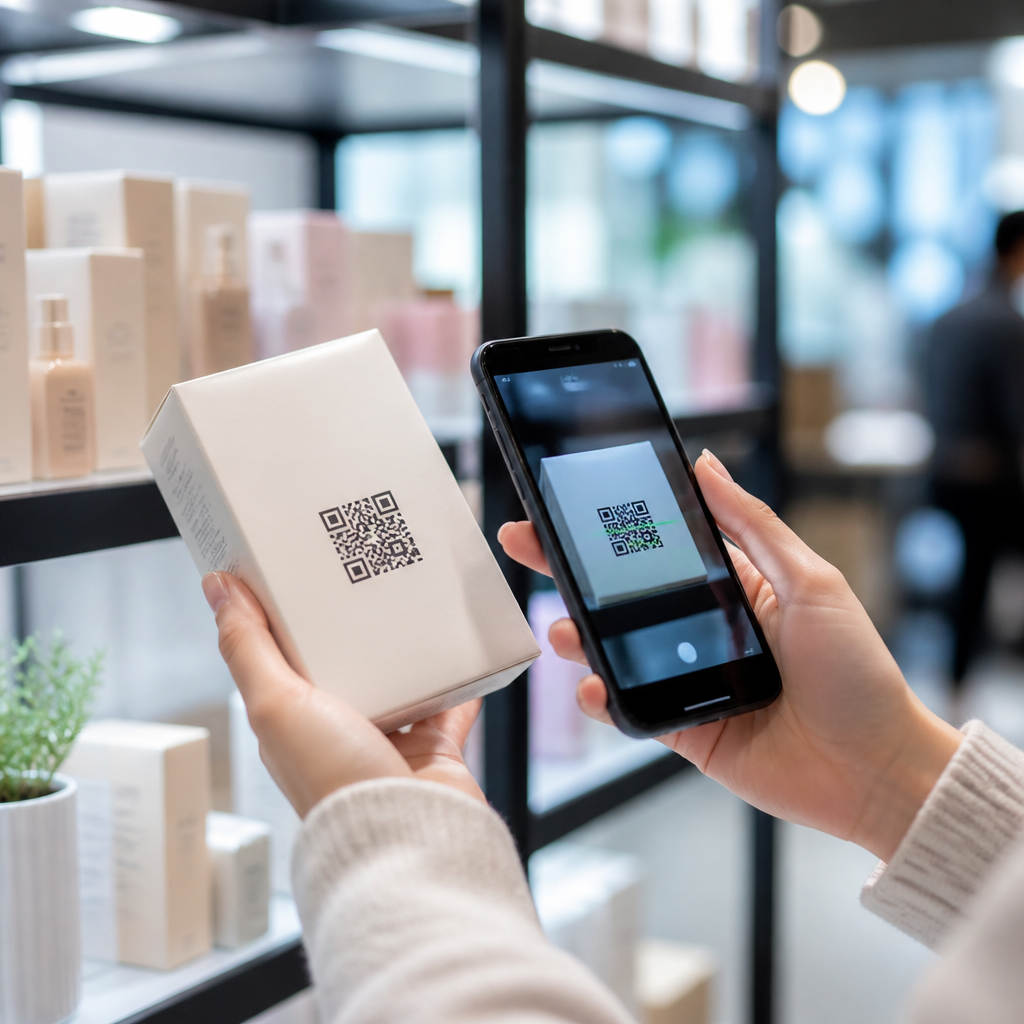
Smart packaging and QR codes are reshaping retail by turning every package into a digital touchpoint that informs, authenticates, and sells long after a product leaves the shelf. Smart packaging refers to packaging enhanced with data, sensors, connectivity, or scannable elements that extend its function beyond containment and branding. In retail, the most scalable version of smart packaging is the QR code because it works with the smartphone already in a shopper’s hand. The future of mobile QR codes sits at the center of this shift: customers scan for ingredients, how-to videos, loyalty rewards, recycling guidance, product origin, and personalized offers, while brands gain measurable first-party engagement data. I have worked with retailers launching packaging-linked campaigns, and the biggest lesson is simple: when the scan delivers real utility, adoption rises quickly. This matters because retail is moving toward transparent supply chains, omnichannel buying, and privacy-conscious marketing. Packaging can no longer be static. It must identify products uniquely, connect physical shelves to digital experiences, and support post-purchase service. As mobile operating systems now include native QR scanning in camera apps, friction has fallen dramatically. That change transformed QR codes from occasional novelty into mainstream infrastructure for retail engagement, compliance, and customer experience.
Why mobile QR codes are becoming core retail infrastructure
Mobile QR codes have become core retail infrastructure because they solve several retail problems at once with low implementation cost. A printed code can bridge shelf to screen, package to loyalty account, and product to service documentation without requiring a new app, expensive hardware, or a behavior that consumers must learn from scratch. Retailers use dynamic QR codes to change destination URLs after packaging is printed, which protects campaigns from becoming outdated and allows regional targeting by language, store, or season. On the operations side, QR-enabled packaging supports traceability, recall communication, and anti-counterfeit workflows. On the customer side, it supports immediate answers: Is this authentic? Where was it made? How do I assemble it? Can I reorder it? What should I do with the packaging after use?
The strongest growth driver is mobile convenience. Apple’s Camera app and Google Lens normalized scanning, and payment systems in many markets taught shoppers that a square code can unlock value in seconds. In stores, I have seen scan rates improve when codes are paired with a direct promise such as “See sourcing details” or “Claim refill discount” instead of generic language like “Scan me.” Utility beats curiosity. QR codes also fit the economics of retail better than NFC for many categories because they can be printed on almost any substrate at scale. NFC remains useful for premium authentication and tap interactions, but QR codes win on cost, flexibility, and deployment speed across mass-market packaging.
How smart packaging improves transparency, trust, and compliance
Transparency is one of the clearest reasons smart packaging is expanding. Consumers increasingly expect ingredient disclosure, sustainability detail, and product origin information that cannot fit neatly on a label. A QR code extends the label into a mobile microsite where brands can present lot-specific data, certificates, allergen guidance, and usage instructions in multiple languages. This is particularly valuable in food, cosmetics, supplements, and regulated consumer goods, where disclosure requirements vary across markets and product updates happen often. Instead of overloading the pack with tiny text, brands can keep the essential on-pack information and publish the expanded record digitally.
Smart packaging also strengthens trust through authentication. Counterfeit goods remain a major retail problem in beauty, electronics accessories, luxury, and health products. A serialized QR code can verify a product instance rather than just a product type. When paired with a secure backend, the code can confirm whether the item was previously scanned, whether it belongs in that geography, and whether the packaging sequence matches factory records. GS1 Digital Link standards are especially important here because they help structure product identifiers in a way that supports interoperability across supply chains, retailer systems, and consumer experiences. In practice, standardization matters: it reduces fragmentation and makes packaging data usable across scanning apps, warehouse systems, and point-of-sale environments.
What the future of mobile QR codes looks like in retail
The future of mobile QR codes is not a single trend but a convergence of personalization, serialization, and persistent digital product identity. Static codes that send every user to the same homepage are fading. The next phase uses dynamic routing, context awareness, and product-level IDs to create experiences tailored by location, language, campaign source, or customer lifecycle stage. A beverage brand, for example, can show first-time scanners a brand story, repeat scanners a loyalty offer, and existing subscribers a replenishment option. A furniture retailer can route one code to assembly video, spare parts ordering, warranty registration, and augmented reality room placement depending on what the user selects.
Another major shift is the move from campaign thinking to lifecycle thinking. Historically, brands treated packaging QR codes as temporary promotions. Forward-looking retailers now treat them as long-lived service channels. That means the same code supports pre-purchase research, post-purchase onboarding, care instructions, cross-sell, returns help, and recycling guidance. This lifecycle model improves customer experience and increases the value of each printed package. It also aligns with the broader industry move toward connected products, where every item can carry a digital identity that persists after the sale. As regulations around digital labeling and sustainability disclosure evolve, mobile QR codes will increasingly function as the default interface between product and customer.
High-impact retail use cases by category
Retail value varies by category, but the winning use cases are easy to identify because they remove friction. In grocery, QR codes support farm-to-shelf traceability, freshness campaigns, recipe content, and nutritional detail. In beauty, they drive shade matching videos, authenticity checks, ingredient explanations, and refill program enrollment. In apparel, they connect to care instructions, material sourcing, resale verification, and styling content. In home improvement, they reduce returns by linking to installation videos and compatibility guides before mistakes happen. In consumer electronics, they simplify setup, warranty activation, and firmware support.
Real-world execution matters more than novelty. One apparel client I advised improved post-purchase engagement by replacing a generic brand URL on hangtags with product-specific QR destinations that included fit tips and care guidance. Returns fell on selected lines because customers understood washing requirements and sizing nuances better. In another project, a packaged food brand used dynamic codes to adapt recipes by season and market, which outperformed static recipe pages because the content stayed relevant. These examples illustrate a broader principle: smart packaging works best when it answers a specific shopper question in the moment they are most likely to ask it.
Best practices for design, data, and measurement
Effective smart packaging depends on execution details that are often overlooked in strategy decks. The code must be large enough to scan under store lighting, printed with sufficient contrast, and placed where packaging folds, glare, or curved surfaces will not interfere. The call-to-action must state the benefit clearly. The landing experience must load fast, match the promise on-pack, and be mobile-first. If the page asks users to pinch, zoom, or hunt for information, the package experience fails.
| Area | Best practice | Why it matters |
|---|---|---|
| Code type | Use dynamic, trackable QR codes | Allows destination updates, A/B tests, and scan analytics |
| Identity | Add serialization when authenticity or traceability matters | Enables item-level verification and supply-chain insight |
| Standards | Structure identifiers with GS1 Digital Link where possible | Improves interoperability across retail and logistics systems |
| UX | Design mobile landing pages for one-task completion | Raises conversion on loyalty, support, and reorder journeys |
| Measurement | Track scans, unique users, dwell time, and downstream actions | Shows commercial impact beyond vanity traffic metrics |
Measurement should connect scans to business outcomes, not just traffic. Useful metrics include unique scans by SKU, scan-to-registration rate, scan-to-purchase rate, coupon redemption, repeat scans, and support deflection. Retailers using CDPs, GA4, Adobe Analytics, or CRM platforms can tie packaging interactions to retention and lifetime value. Privacy still matters. Brands should be transparent about data collection, minimize unnecessary personal data, and comply with GDPR, CCPA, and sector-specific rules where applicable.
Limits, risks, and what brands must solve next
Smart packaging is powerful, but it is not automatic. Poor connectivity in-store can hurt adoption. Low-value destinations teach customers that scanning is not worth the effort. Long URL chains, intrusive pop-ups, and forced app downloads reduce conversion. Serialized systems also add operational complexity because product, packaging, IT, legal, and retail teams must coordinate around data quality and exception handling. If a customer scans a code and gets a generic homepage or an error, trust drops immediately.
The next challenge is integration. For mobile QR codes to reach full retail potential, packaging data must connect cleanly with PIM systems, inventory records, loyalty platforms, and customer support knowledge bases. Brands also need governance for content freshness so care instructions, certifications, manuals, and offers remain accurate over time. The retailers that win will treat packaging as part of digital product infrastructure, not as a one-off creative placement. Start with a high-intent use case, implement dynamic codes, define measurable outcomes, and build a scalable framework from there. Smart packaging and QR codes are the future of retail because they make every product interactive, measurable, and serviceable through the device customers already trust. Audit your packaging journey now, identify the moments where shoppers need answers, and turn those moments into scans that create value.
Frequently Asked Questions
What is smart packaging, and why are QR codes such an important part of it in retail?
Smart packaging is packaging that does more than simply protect and display a product. It adds a digital, interactive, or data-driven layer that extends the package’s role across the full customer journey. That can include authentication features, freshness indicators, connected sensors, serialized IDs, NFC tags, and scannable QR codes. In retail, the most practical and scalable version of smart packaging is often the QR code because it is inexpensive to print, easy to deploy across product lines, and instantly usable with the smartphone a shopper already carries.
QR codes matter because they turn a physical package into a live digital touchpoint. Instead of being a static label, the package can link customers to product details, usage instructions, care information, ingredients, sourcing stories, promotions, loyalty programs, warranty registration, and post-purchase support. For retailers and brands, that means packaging can continue to inform and influence even after the customer has left the store. It creates a bridge between shelf presence and digital engagement without requiring special hardware or a separate app in many cases.
From a retail strategy perspective, QR codes also support agility. A brand can update the destination content behind a code without redesigning the package itself, making it easier to react to seasonality, inventory changes, regional requirements, or campaign goals. That flexibility is a major reason QR-enabled smart packaging is becoming central to modern retail: it improves customer experience, supports transparency, and opens measurable channels for engagement long after the point of sale.
How do QR codes improve the customer experience before, during, and after a purchase?
Before purchase, QR codes help shoppers make faster, more confident decisions. On the shelf, customers can scan to access deeper product information than would ever fit on a label. That might include material sourcing, certifications, allergen details, how-to videos, comparison guides, sustainability claims, or customer reviews. In categories where trust and education matter—such as food, beauty, supplements, apparel, and electronics—this extra context reduces uncertainty and helps the product stand out in a crowded retail environment.
During the purchase journey, QR codes can support convenience and conversion. A scan may unlock bundle offers, personalized discounts, size guides, compatibility information, or store-specific promotions. In omnichannel retail, QR codes also connect physical products to digital inventory and commerce tools. Shoppers may scan an item in-store to see expanded color options, check stock availability, save the item to a wishlist, or buy online if their preferred variation is not on the shelf. This reduces friction and helps retailers capture sales that might otherwise be lost.
After purchase, the value becomes even more powerful. Packaging can guide setup, product care, replenishment, warranty activation, troubleshooting, and loyalty enrollment. For consumables, a code can drive reorders or subscriptions. For durable goods, it can connect users to manuals, video tutorials, replacement parts, or customer support. This extended interaction transforms packaging into an ongoing service tool rather than a disposable wrapper. As a result, brands improve satisfaction and retention, while customers get a more useful and connected ownership experience.
Can smart packaging and QR codes help with product authentication, traceability, and trust?
Yes, and this is one of the most important reasons smart packaging is gaining momentum. Counterfeit prevention, supply chain transparency, and product verification have become major priorities across retail sectors. QR codes can support authentication by linking each product, batch, or serialized unit to a secure digital record. When implemented correctly, a consumer, retailer, or distributor can scan the code to confirm whether the product is genuine and view relevant provenance or manufacturing information.
Traceability is especially valuable in industries where safety, compliance, or ethical sourcing matter. A QR code can provide lot numbers, origin data, production dates, shipping milestones, and recall-related information in a way that is accessible and easy to update. For food and beverage brands, this can reinforce transparency around ingredients and farm-to-shelf journeys. For fashion and consumer goods, it can support claims related to sustainability, labor standards, or material authenticity. In regulated categories, it may also simplify compliance communication without overcrowding the physical label.
Just as important, visible access to trustworthy information improves customer confidence. Modern shoppers increasingly expect proof, not just marketing language. When a package can verify authenticity and explain where a product came from or how it was made, the brand appears more credible. That trust can directly influence purchase decisions and long-term loyalty. In this way, QR-powered smart packaging is not just a technology upgrade—it is a practical tool for strengthening transparency and protecting brand reputation.
What business benefits do retailers and brands gain from using QR-enabled smart packaging?
QR-enabled smart packaging gives retailers and brands several meaningful advantages, starting with data and measurability. Traditional packaging is difficult to track once it leaves the shelf, but a QR scan creates a measurable digital interaction. Brands can learn when, where, and how often customers engage, which content performs best, and what actions follow a scan, such as sign-ups, reorders, or support requests. This insight helps teams refine packaging strategy, improve merchandising, and make more informed marketing decisions.
Another major benefit is stronger customer retention. Because packaging remains with the product after purchase, it becomes a direct owned-media channel. Instead of relying only on paid advertising or email capture before checkout, a brand can use the package itself to encourage repeat engagement. That might mean onboarding a customer into a loyalty program, inviting them to register a product, offering replenishment reminders, or presenting complementary products. This creates more opportunities for repeat revenue and deeper customer relationships.
Operationally, QR codes also reduce pressure on the physical package. Rather than trying to fit every detail, instruction, or legal explanation onto limited label space, brands can direct customers to dynamic digital content. That supports localization, updates, and campaign changes without reprinting entirely new packaging each time. Retailers benefit as well because QR codes can connect in-store products to digital catalogs, fulfillment options, and service resources. Altogether, the business case is strong: lower friction, richer engagement, improved trust, better data, and greater post-purchase value from every unit sold.
What does the future of smart packaging and mobile QR code use in retail look like?
The future points toward packaging becoming a persistent digital layer in retail, with QR codes leading because of their accessibility and compatibility with everyday smartphones. As consumers grow more comfortable scanning codes in stores and at home, QR interactions are likely to become more seamless, more personalized, and more integrated with broader commerce systems. Instead of linking only to a generic landing page, future QR experiences will increasingly adapt based on product type, location, time of scan, language, purchase stage, and even customer history where privacy and consent standards allow.
Retailers and brands are also expected to use packaging as a more active part of omnichannel strategy. A single scan could connect a shopper to product education, social proof, inventory availability, loyalty rewards, customer service, and one-click repurchase flows. In many cases, the package will function like a mini storefront after the sale, continuing to market, support, and sell from the consumer’s home. This ongoing role is a major shift: packaging is no longer just the end of manufacturing and the start of retail display; it becomes a living touchpoint across the full lifecycle of the product.
Looking ahead, smart packaging will likely expand beyond basic scannability into richer connected experiences, including deeper serialization, sustainability reporting, circular economy programs, and integration with digital product passports. Even as more advanced technologies emerge, QR codes will remain foundational because they offer the best mix of cost-efficiency, scale, usability, and flexibility. For retail, that makes them more than a temporary trend. They are a practical gateway to a future where every package can inform, authenticate, engage, and drive revenue long after it leaves the shelf.