
QR codes moved from niche inventory labels to everyday payment, ticketing, and marketing tools, and that convenience has created a fast-growing target for fraud. In security work, I have seen the same pattern repeat across industries: when a technology removes friction for legitimate users, it also removes friction for criminals. Real examples of QR code fraud matter because they show how simple a scam can look, how expensive the damage becomes, and why prevention requires more than telling people to “be careful.” Understanding preventing QR code fraud starts with a clear definition. QR code fraud is any scheme that uses a malicious, altered, or deceptive quick response code to steal money, credentials, personal data, or device access. The most common tactic is replacing or circulating a code that sends victims to a fake destination. The results range from card theft and account takeover to malware downloads and invoice redirection, making QR code security, privacy, and compliance a practical business issue, not just a technical one.
How QR code fraud works in the real world
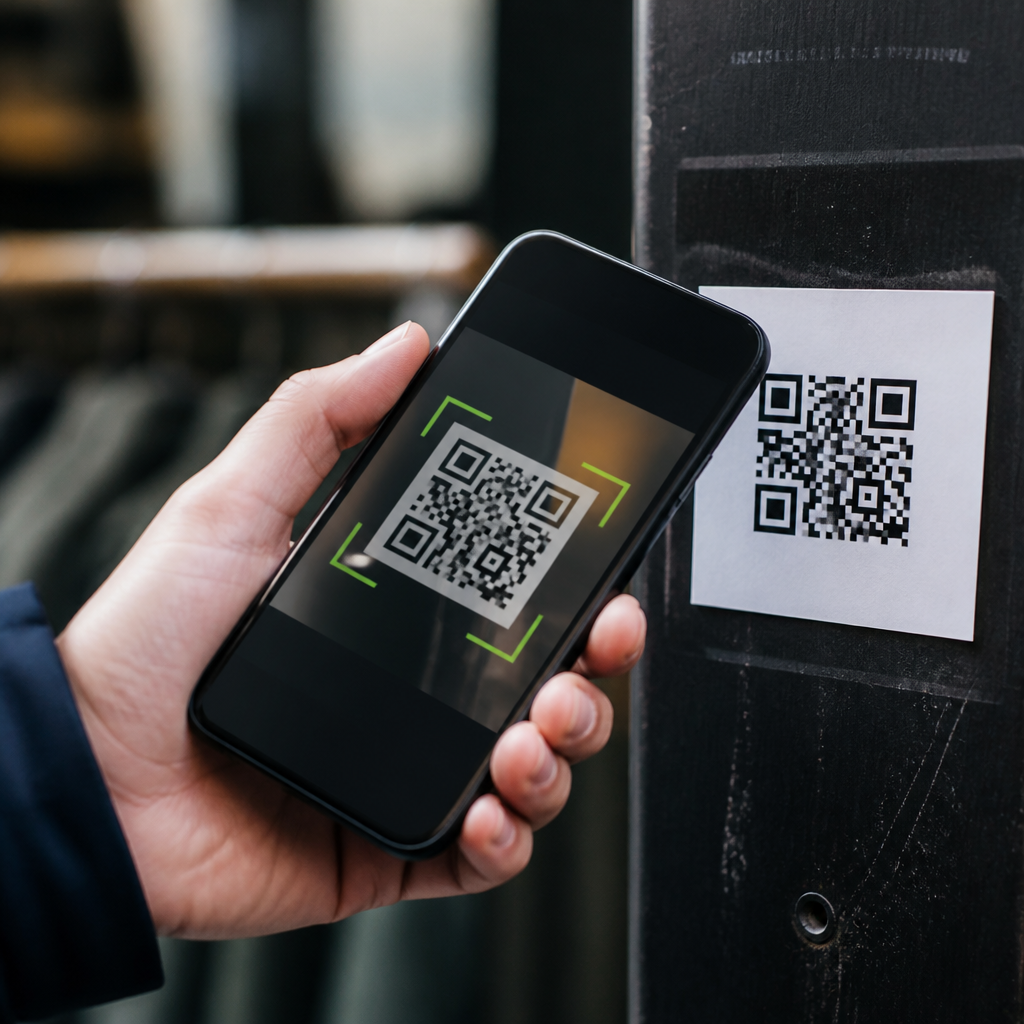
Most QR code fraud succeeds because users cannot visually verify a code’s destination before scanning. A shortened link hidden inside a square pattern gives criminals an ideal delivery mechanism. In one common real-world scenario, fraudsters place adhesive QR code stickers over legitimate codes on parking meters or restaurant tables. Victims scan, land on a payment page that closely copies a trusted brand, enter card details, and unknowingly send funds or credentials to criminals. Several U.S. cities, including Austin and San Antonio, publicly warned drivers after tampered parking meter QR codes directed users to fake payment sites. The lesson is straightforward: physical code replacement remains effective because people assume printed signs are trustworthy.
Email-driven attacks are equally common. Attackers send invoices, document-share requests, or multifactor authentication prompts containing QR codes that lead to credential harvesting pages. Microsoft and other enterprise security teams have documented a rise in “quishing,” or QR phishing, because codes can bypass some traditional email filters more easily than obvious malicious links. I have investigated incidents where finance staff scanned a code in what looked like a supplier statement, logged into a spoofed Microsoft 365 page, and exposed email accounts that were later used for business email compromise. The QR code was only the first step; the real loss came from mailbox access, payment diversion, and fraudulent approval chains.
Real examples of QR code fraud by attack type
Preventing QR code fraud gets easier when teams understand the specific patterns criminals use. The cases below reflect the most common attack categories seen in consumer and business environments.
| Attack type | Real example | Primary risk | Best prevention control |
|---|---|---|---|
| Physical code replacement | Fake stickers placed on parking meters in U.S. cities | Card theft and fake payments | Tamper checks, app-based payment, destination verification |
| Phishing by email | QR codes in invoices or login notices leading to cloned Microsoft 365 pages | Credential theft and account takeover | Email filtering, conditional access, phishing-resistant MFA |
| Package and delivery scams | Codes on missed-delivery notices requesting redelivery fees | Payment fraud and personal data capture | Use carrier apps, verify through official websites |
| Crypto and investment lures | Codes on posters or social posts linking to fake wallet connections | Wallet draining and token theft | Direct URL entry, wallet warnings, approval review |
Package scams deserve special attention because they exploit urgency. Victims receive a printed note or text about a failed delivery with a QR code for “rescheduling.” The landing page asks for a small fee, then captures card and identity details. I have seen consumers dismiss the charge as minor while the real cost emerged later through unauthorized transactions. In crypto fraud, the code often points to a convincing clone of a legitimate platform or to a smart-contract approval page. Once a user connects a wallet and signs, assets can be drained without a traditional bank reversal process.
Why preventing QR code fraud is harder than standard phishing
QR code scams exploit a blind spot between the physical and digital worlds. Traditional phishing often gives users clues: misspelled links, suspicious sender names, or odd formatting. With QR codes, the destination is obscured until after the scan, and many mobile users move quickly, especially during payment or login tasks. Attackers also benefit from device switching. A user may receive an email on a laptop, then scan the code with a personal phone that lacks corporate web filtering, endpoint logging, or browser isolation controls. That breaks the visibility many security teams rely on.
Another challenge is trust transfer. If a QR code appears on a storefront, utility bill, conference badge, or medical form, users assume the surrounding object validates the code. Criminals know this and imitate familiar contexts. From a compliance perspective, that matters because organizations handling payments or personal data may still be accountable for weak controls around posted codes, third-party print materials, and payment redirection. For any business in this area, preventing QR code fraud is part of broader fraud management, data protection, and brand risk reduction.
Preventing QR code fraud in consumer and workplace settings
The most effective protection is a layered control model. For consumers, the safest habit is to pause before scanning and verify the source. If a code appears on a parking meter, utility notice, or payment poster, check for signs of tampering such as stickers, uneven placement, damaged laminate, or mismatched branding. Prefer official mobile apps over ad hoc web pages whenever possible. Many legitimate payment providers publish app-based workflows precisely because static public codes can be altered. After scanning, inspect the previewed URL carefully before opening it. A trusted brand followed by an unusual domain, extra words, or a country-code variation is a strong warning sign.
For organizations, policy and technical controls must work together. Email gateways should detect image-based phishing where possible, but that alone is not enough. Train employees that QR codes in invoices, password reset prompts, shared documents, and voicemail notifications require the same skepticism as embedded links. I recommend phishing-resistant multifactor authentication such as FIDO2 security keys or passkeys for critical systems because stolen passwords are far less useful when the second factor cannot be proxied easily. Conditional access rules, mobile threat defense, safe browsing, DNS filtering, and secure web gateways also reduce impact when a malicious code is scanned. Finance teams should verify supplier banking changes out of band and never rely on QR-based payment instructions alone.
Secure QR code practices for publishers, marketers, and operations teams
Organizations that generate QR codes have responsibilities beyond design and conversion tracking. Use dynamic QR code platforms from established vendors so destinations can be updated, monitored, and disabled quickly if abuse is detected. Maintain an inventory of where codes are deployed, including posters, packaging, kiosks, badges, menus, and invoices. In audits, missing inventory is a recurring weakness because teams forget old campaign assets that remain in public circulation long after ownership changed.
Destination transparency helps users make safer decisions. Where practical, place the plain-language domain near the code so people know the expected site before scanning. Use HTTPS, a consistent branded subdomain, and short paths rather than opaque redirect chains. For high-risk uses such as payments, healthcare forms, or account access, add contextual verification, including transaction IDs, location-specific branding, and server-side fraud checks. Operations teams should inspect public signage regularly for overlays or replacement stickers and document those inspections. If a fraudulent code is found, treat it as a security incident: preserve evidence, disable the destination if controlled internally, notify affected users, and coordinate with payment processors, law enforcement, or relevant regulators when required.
What to do if a malicious QR code is scanned
Response speed determines whether a small mistake becomes a major breach. If someone scans a suspicious QR code but enters no information, close the page, clear the session, and run a device security check if an app or file downloaded. If credentials were entered, reset the password immediately, revoke active sessions, review MFA settings, and check inbox rules or forwarding changes for email accounts. If payment details were submitted, contact the card issuer or bank at once, freeze or replace the card, and monitor statements closely. For cryptocurrency wallets, revoke token approvals using trusted tools and move remaining assets to a clean wallet if compromise is likely.
The long-term fix is disciplined verification. Build scanning habits, publish trusted payment methods, and review every place your organization displays or accepts QR codes. That approach is the core of preventing QR code fraud. It reduces financial loss, protects customer trust, and supports compliance obligations around payments and personal data. Start with an inventory, strengthen authentication, and teach users to verify before they scan.
Frequently Asked Questions
What are some real-world examples of QR code fraud?
Real examples of QR code fraud usually follow a simple pattern: a criminal places a fraudulent QR code in front of a legitimate one or sends a convincing code through a trusted-looking channel. One common example involves parking meters, where scammers place sticker QR codes over the official payment code. A driver scans the fake code, enters card details on a lookalike website, and either pays the scammer directly or has their payment information stolen. Another frequent example appears in restaurants and public venues, where table QR codes meant for menus or ordering are replaced with malicious versions that send users to phishing pages asking for payment details, logins, or app downloads.
Ticketing and event fraud is another major category. Criminals have shared fake QR codes for concert entry, airline check-in, or train boarding, often through resale marketplaces or social media. Victims think they are buying a valid digital pass, only to discover that the code is invalid, duplicated, or already used. In payments, fraudsters have also used QR codes to redirect invoice payments to their own bank accounts or wallets. A business receives what looks like a normal invoice, scans the code for convenience, and sends funds to the wrong destination. These cases are important because they show that QR fraud is rarely technical in a complicated sense. It succeeds because the code hides the destination, the user is in a hurry, and the request appears normal.
Why are QR codes such an attractive tool for scammers?
QR codes are attractive to scammers because they compress trust into a quick action. Most people do not inspect a QR code itself, and many do not carefully verify the web address that opens after scanning. That makes the code an ideal delivery mechanism for phishing, payment diversion, malware distribution, and identity theft. In practical terms, a QR code removes the small pause that often happens when someone types a URL manually. That pause matters. It is often the moment when a person notices a misspelled domain, an unusual request, or a brand mismatch. With a scan, the destination appears instantly, and the user is already halfway through the transaction before suspicion catches up.
Scammers also benefit from how easy QR codes are to print, share, and replace in physical environments. A fake code can be created in minutes, printed as a sticker, and placed over a legitimate one at a parking kiosk, poster, meter, or restaurant table. In digital settings, the same deception works in emails, text messages, and social posts that claim to offer account verification, package tracking, or urgent payment instructions. Because QR codes are now associated with convenience and legitimacy, users often lower their guard. That combination of speed, familiarity, and hidden destination is exactly what fraudsters look for.
How does QR code payment fraud usually work in practice?
In practice, QR code payment fraud usually works by quietly changing where the money goes or where the user enters sensitive information. In a consumer scenario, someone scans a code to pay for parking, a utility bill, a product, or a charitable donation. The code opens a page that looks official, the person completes the payment, and the funds are routed to the scammer instead of the intended recipient. In a more damaging version, the payment page is fake and designed to harvest card numbers, billing information, passwords, or one-time codes. The victim may not realize anything is wrong until unauthorized charges appear or the legitimate provider claims no payment was received.
In business settings, the risk can be even greater. Some invoices now include QR codes to speed up payment. If a criminal alters the invoice PDF, compromises the sender’s email, or substitutes the code during printing or distribution, the payer may send a large transfer to a fraudulent account without noticing. This is one reason QR fraud overlaps with business email compromise and invoice fraud. The QR code is not the entire scam; it is the frictionless final step that pushes the victim to act. The lesson from real incidents is that payment convenience should never replace verification. If the payment is important, the recipient details must still be confirmed through a trusted channel.
What warning signs can help people spot a fraudulent QR code before it causes damage?
There are several warning signs, and most of them involve context rather than the code itself. A physical QR code deserves suspicion if it appears as a sticker placed over another code, looks recently added, is poorly aligned, or is posted in a location where tampering would be easy. Users should also be cautious if scanning the code leads to a domain that does not clearly match the brand, contains strange spellings, extra words, random characters, or unusual country-code endings. Another common red flag is a page that immediately asks for sensitive information that the situation does not justify, such as a password for a simple menu, a full login for a parking payment, or banking credentials to claim a delivery update.
Urgency is another major warning sign. Scammers often use messages like “pay now,” “verify immediately,” “last chance,” or “account suspended” to prevent careful review. If a QR code arrives through an unsolicited email, text, flyer, or social media post and pressures the user to act quickly, that alone should trigger extra verification. Secure scanning also means paying attention to what the phone previews before opening the destination. Many devices display the URL first, and that small moment of review can prevent a large loss. The general rule is simple: if the code appears in an unusual place, asks for too much, or leads somewhere that feels slightly off, stop and verify before proceeding.
What are the most effective ways businesses and consumers can prevent QR code fraud?
The most effective prevention starts with accepting that QR codes are not automatically trustworthy just because they are easy to use. For consumers, the basics are straightforward but powerful: inspect physical codes for tampering, preview the destination URL before opening it, avoid entering credentials or payment data on unfamiliar pages, and use the official website or app when possible instead of scanning a code from an email, poster, or sticker. It also helps to monitor payment confirmations closely. If a parking app, utility provider, or ticketing platform normally sends a receipt and none arrives, that may be an early sign the payment went elsewhere. Using credit cards with fraud protections, rather than debit cards or direct transfers, can also reduce the impact of a scam.
For businesses, prevention has to go beyond user awareness. Organizations should control where QR codes are displayed, routinely inspect physical locations for code replacement, and use tamper-evident labels where appropriate. Digital QR codes used for payments, invoices, and customer interactions should be managed through a formal process with approval, version control, and verification of destination links. Staff training is essential, especially for accounts payable, frontline employees, and anyone handling printed materials. Businesses should also provide customers with clear guidance on how official QR interactions work, including which domains, apps, or payment methods are legitimate. The broader lesson from real examples of QR code fraud is that education alone is not enough. Good security comes from layered controls: trusted distribution, regular inspection, payment verification, and fast reporting when something looks wrong.





