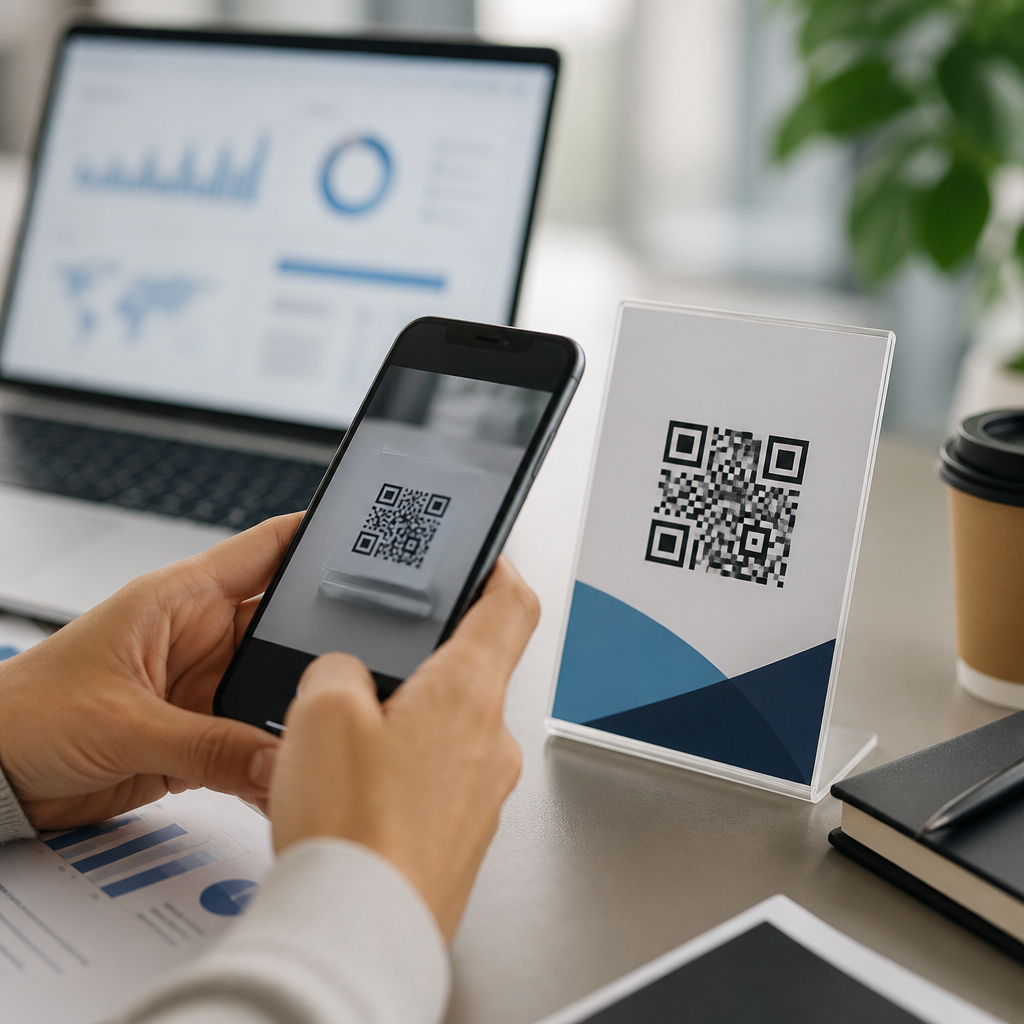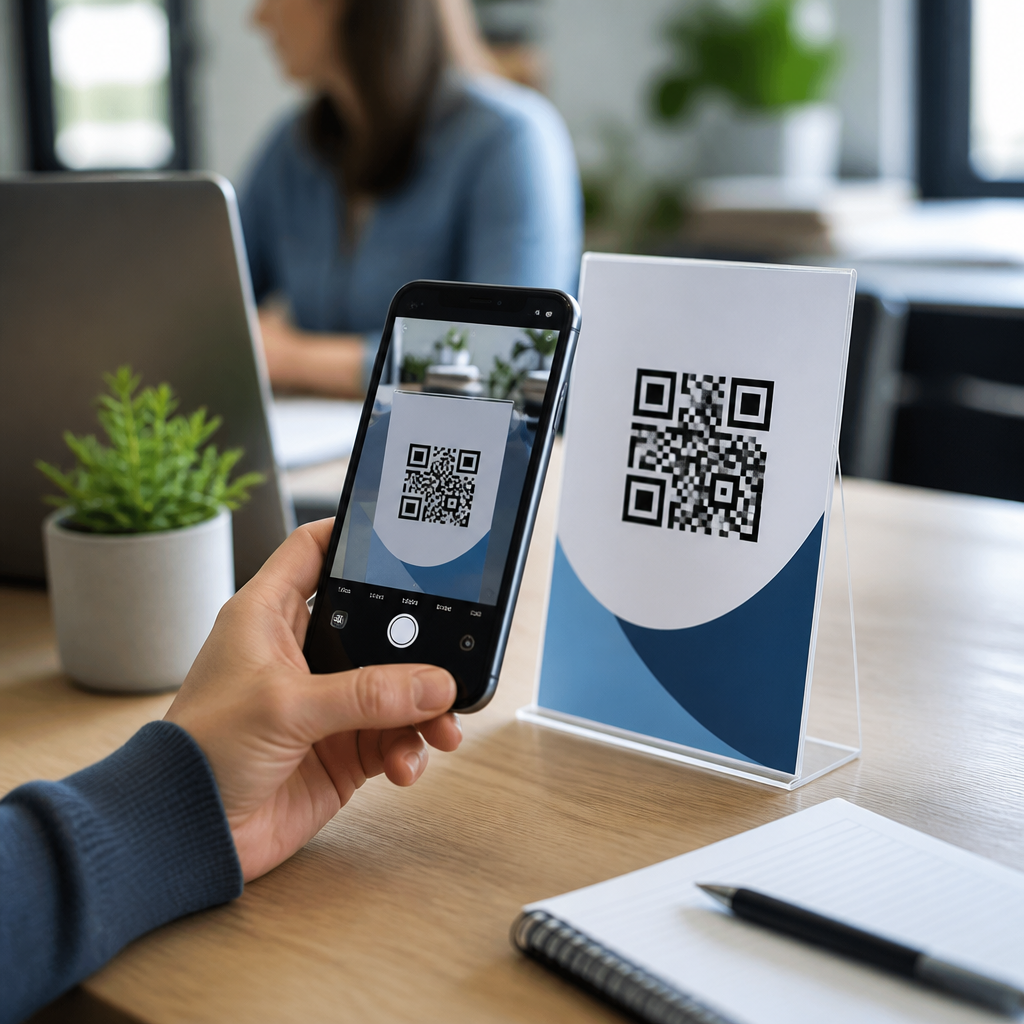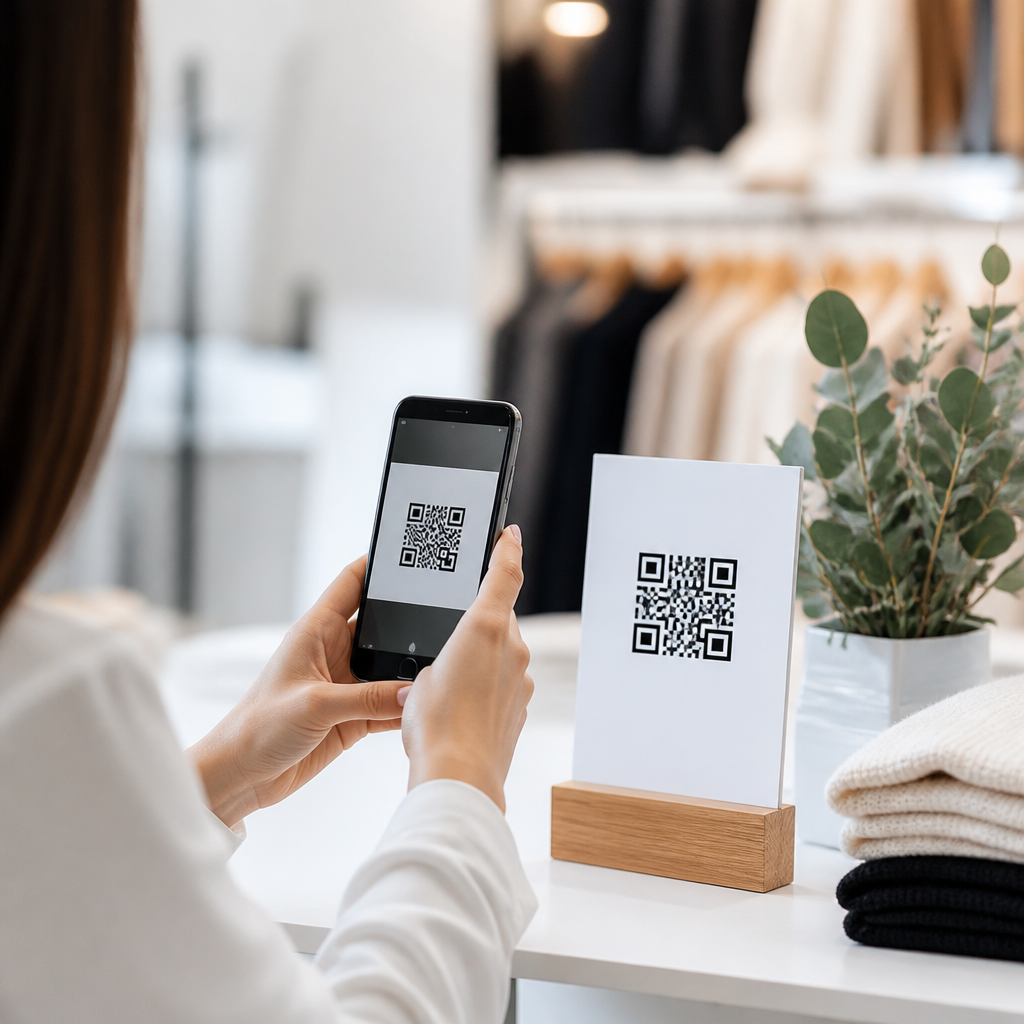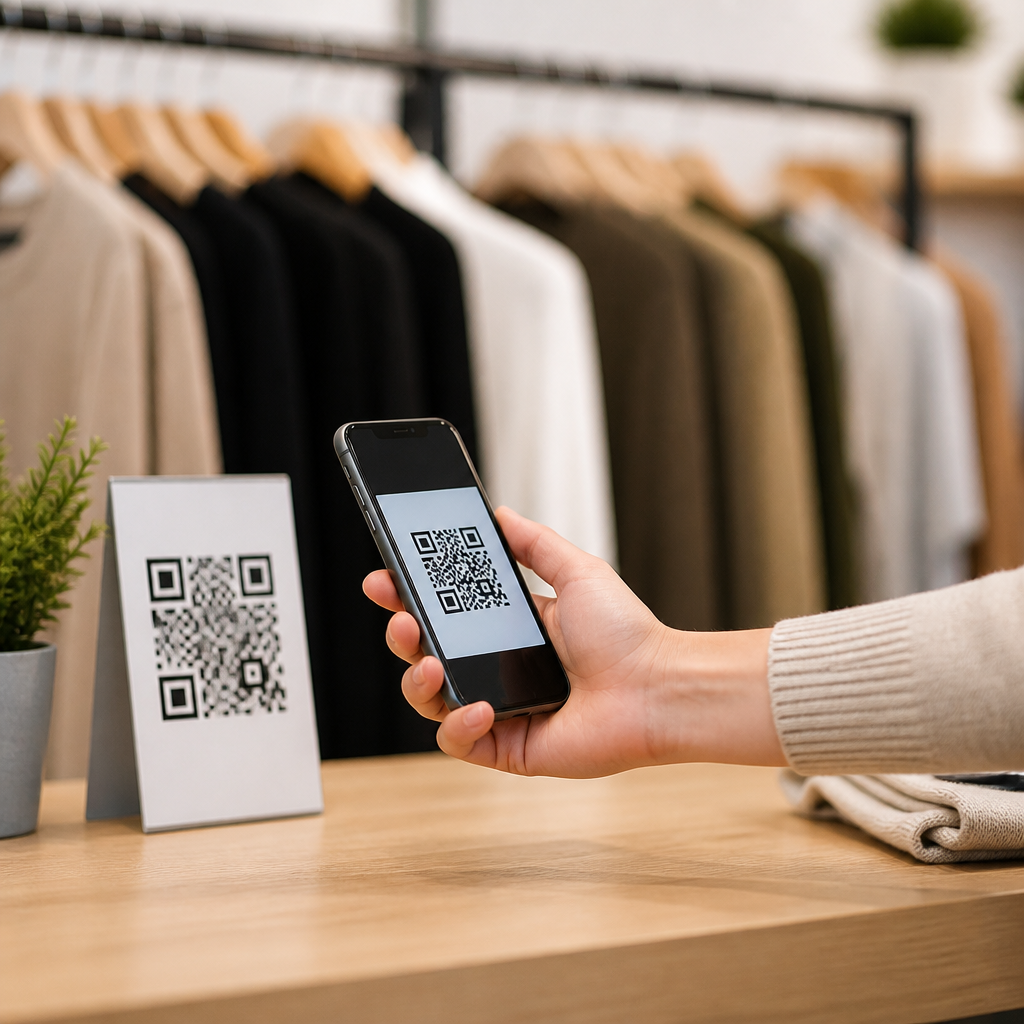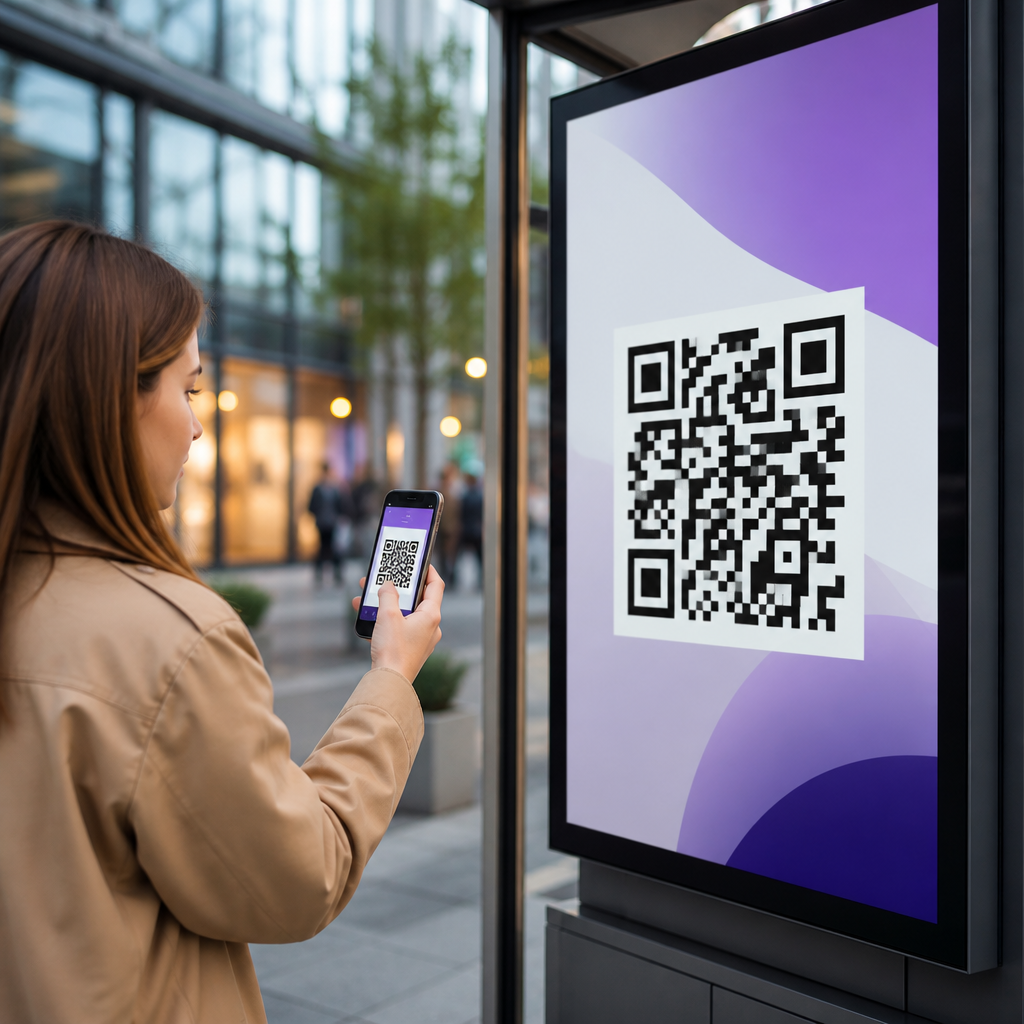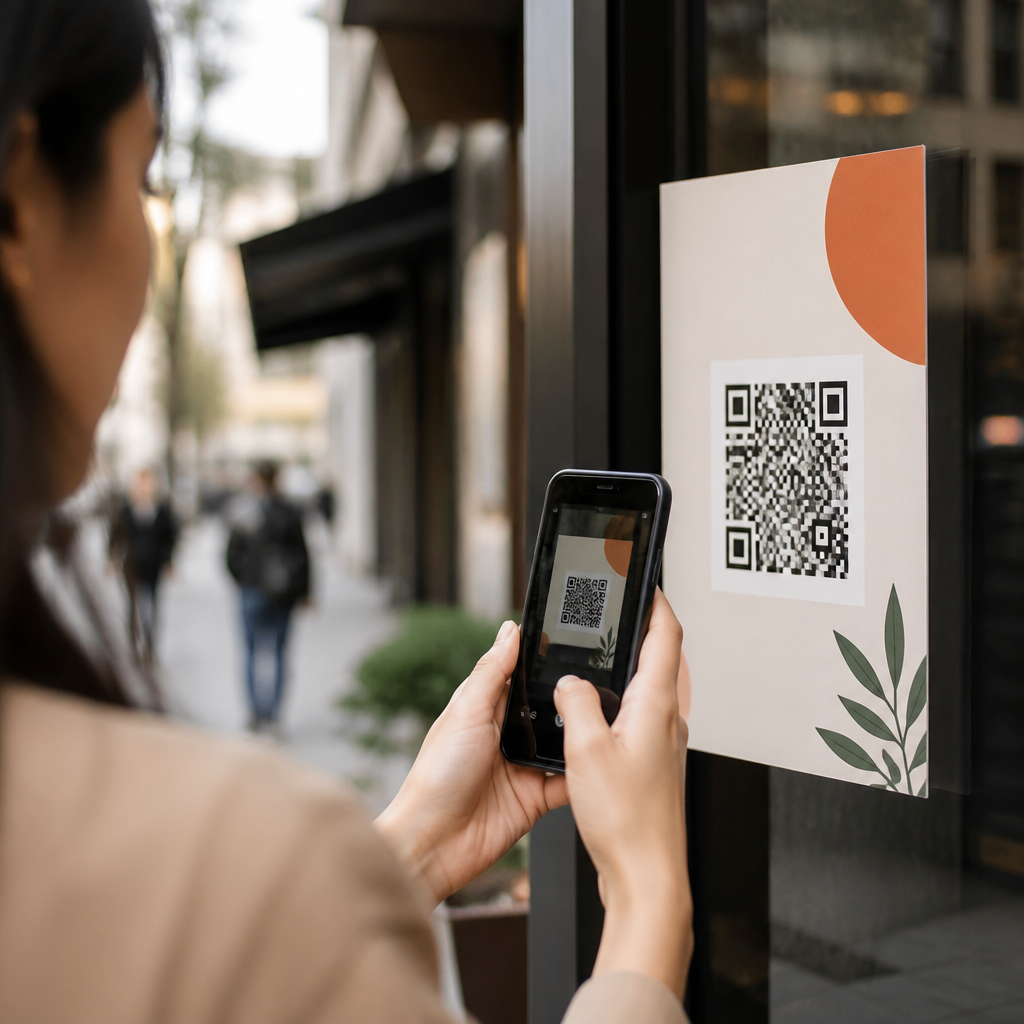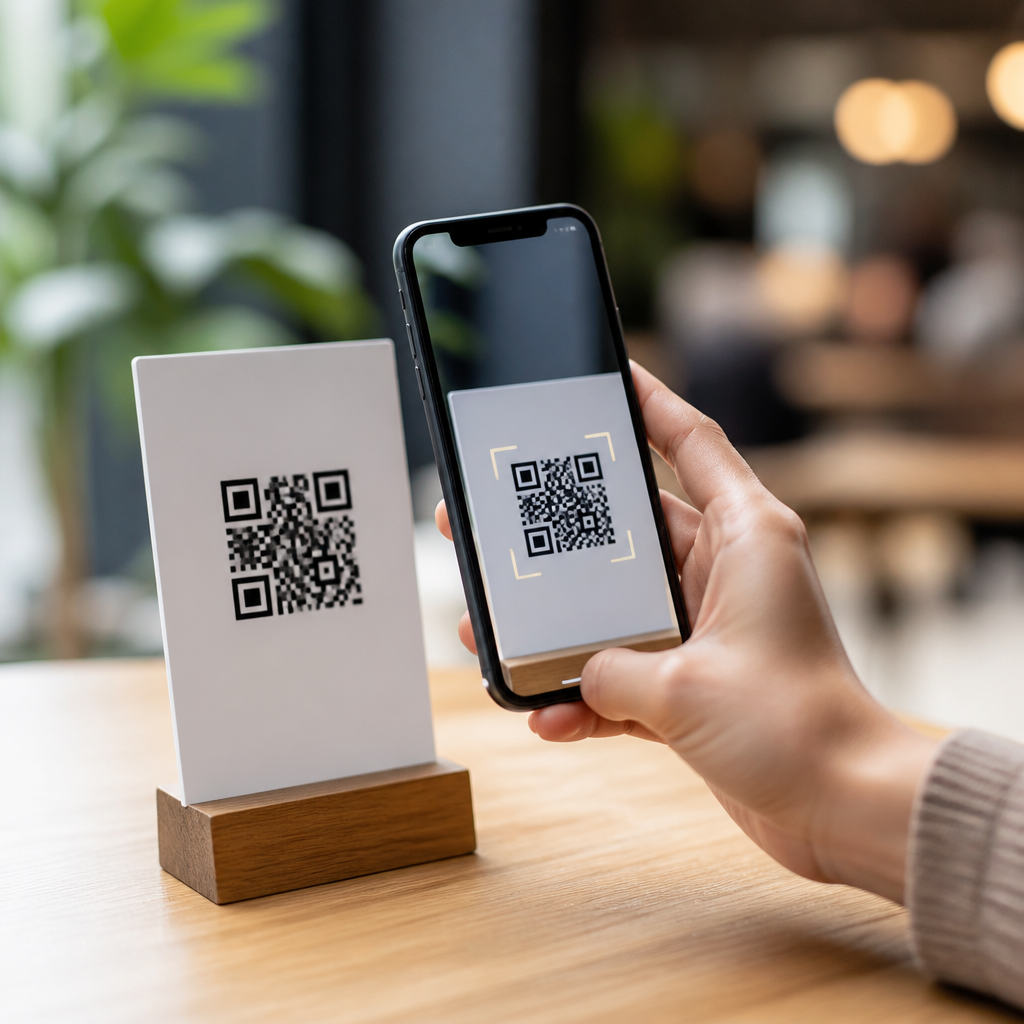
QR codes have become one of the most efficient bridges between offline attention and online action, especially when the goal is to grow social media followers. A QR code is a scannable matrix barcode that opens a destination on a smartphone, usually without requiring a dedicated app. In marketing, that destination can be an Instagram profile, a TikTok account, a LinkedIn company page, or a landing page that lets people choose where to follow. When used correctly, QR codes for social media remove friction, shorten the path from interest to follow, and turn physical touchpoints into measurable growth channels.
I have used QR campaigns across retail counters, trade show booths, restaurant tables, packaging inserts, and direct mail, and the pattern is consistent: follower growth improves when the scan experience is fast, relevant, and clearly explained. People do not scan codes because the code exists; they scan because the value is obvious. A customer standing in a store might follow for product drops. An event attendee may follow for slides, speaker clips, or networking updates. A diner may follow for weekly specials or user-generated content. The code is simply the trigger that converts that motivation into action.
This matters because social platforms increasingly reward brands that build direct, repeatable audience access. Organic reach can fluctuate, paid acquisition costs can rise, and platform algorithms can change without warning. Followers are not owned media in the strict sense, but they are still a durable audience asset compared with one-off impressions. QR codes help capture that asset at moments when attention is already high: after a purchase, during an in-person experience, or while someone is holding printed material in hand. For any business investing in mobile QR codes for marketing, social growth is one of the most practical use cases because the interaction is simple, immediate, and easy to measure.
Why QR Codes Work for Social Media Growth
The core advantage of QR codes for social media is friction reduction. Typing a handle correctly, searching within an app, and identifying the right account can create drop-off, particularly when brand names are common or spelled unusually. A QR code removes those steps by sending users straight to the intended destination. That destination can be a native profile URL, a mobile-optimized landing page, or a social hub page with multiple platforms. In every case, the objective is the same: eliminate unnecessary decisions between interest and follow.
Context also drives performance. A poster in a gym should not send users to the same destination as a package insert inside an ecommerce order. In campaigns I have run, scan rates increase when the platform matches the moment. TikTok and Instagram work well for lifestyle brands in physical spaces where visual inspiration matters. LinkedIn performs better at conferences, recruiting events, and B2B presentations. YouTube is effective when the value proposition is education, tutorials, or product setup guidance. The best QR code strategy for social media starts with audience intent, not with the code design.
Another reason QR codes work is mobile readiness. Nearly all scans happen on smartphones, and social apps are already part of users’ daily behavior. That means the gap between scanning and following is smaller than the gap between scanning and completing a more complex action such as filling out a long form. This is one reason QR-based social campaigns often outperform broader awareness tactics on engagement efficiency. They ask for a lightweight commitment at a time when the user already has the right device in hand.
Choosing the Right Destination for the Scan
The destination behind the code determines whether a campaign drives followers or wastes attention. The simplest option is a direct link to one social profile. This works best when a brand has one primary platform and a clear reason to follow there. A cosmetics label focused on tutorials may prioritize TikTok. A design consultancy may send users to LinkedIn. A creator selling long-form education may route scans to YouTube. Direct links reduce cognitive load and usually convert well when the audience intent is predictable.
A multi-link landing page is more flexible and often better for hub content. Instead of forcing every user to one network, it presents a branded page with buttons for Instagram, TikTok, Facebook, YouTube, X, LinkedIn, or Pinterest. This model suits businesses serving multiple audience segments. A restaurant, for example, may use Instagram for food photography, TikTok for behind-the-scenes clips, and Facebook for local community updates. The tradeoff is one extra step before the follow. To offset that friction, keep the page minimal, mobile-fast, and visually clear.
Dynamic QR codes are the preferred setup for most campaigns because the destination can be changed without reprinting the code. If a platform strategy shifts, the same printed asset can point somewhere new. Dynamic codes also provide analytics such as scan volume, time, device type, and location, depending on the platform used. Tools commonly used for this include Bitly, QR Code Generator Pro, Beaconstac, Flowcode, and Uniqode. Static codes have a place for simple, permanent uses, but they offer no editability and little measurement. For ongoing social campaigns, dynamic almost always wins.
Where to Place QR Codes to Get More Followers
Placement determines visibility, and visibility determines scan volume. The highest-performing placements are usually points where a customer pauses naturally. Retail checkout counters, table tents, product packaging, event badges, window decals, receipts, brochures, and shipping inserts all work because they catch attention during a waiting moment. At trade shows, booth signage with a follow incentive often produces better results than generic brand walls because the visitor already expects to interact. In hospitality, room materials and menu boards can work well if the call to action relates to guest value rather than self-promotion.
Size, contrast, and distance matter more than many teams realize. A code on a storefront must be large enough to scan from outside the entrance. A code printed on a business card can be smaller, but it still needs a quiet zone, strong contrast, and enough space around it to avoid visual clutter. I recommend testing every code under real lighting conditions before launch. Glossy materials, window glare, curved packaging, and dark brand palettes can all reduce scan success. If people need to retry, follower conversion drops quickly.
| Placement | Best platform focus | Why it works |
|---|---|---|
| Product packaging | Instagram or TikTok | Reaches buyers after purchase when brand affinity is highest |
| Trade show booth | LinkedIn or YouTube | Captures professional interest during demos and conversations |
| Restaurant table tent | Encourages follows for specials, events, and customer photos | |
| Direct mail piece | Multi-link social page | Lets recipients choose the platform they use most |
What to Say Next to the QR Code
Most underperforming QR codes fail because the surrounding copy is weak. “Scan me” is not a strategy. People need a direct reason to care, stated in plain language. Strong calls to action answer three questions immediately: what happens after the scan, why the follow is worth it, and which platform is involved. “Scan to follow us on Instagram for weekly before-and-after projects” is better than “Follow us.” “Scan to get TikTok-only product drops” is stronger because it promises exclusive value.
In my experience, incentives work best when they reinforce the content relationship instead of bribing the user. A giveaway can spike scans, but it often attracts low-intent followers who do not engage later. Better incentives include early access, educational tips, community updates, customer spotlights, event recaps, or loyalty reminders. The message should also match the placement. On packaging, “Scan for styling videos” fits. At a conference, “Scan to follow our LinkedIn for research and event clips” feels natural. Relevance raises both scan rate and follower quality.
Design should support, not overpower, the action. Use a short headline, one explanatory line, and enough whitespace for the code to stand out. If you use logos inside the code, verify that error correction remains high enough for dependable scanning. Keep branded colors accessible; dark code on a light background remains the safest option. If the destination is a social hub page, preview recognizable platform icons so users know what to expect before they scan.
How to Measure and Improve QR Follower Campaigns
Measurement starts with the right metrics. Scan count is useful, but it is only the top of the funnel. The real indicators are unique scans, destination click-through, profile visits, follows, and downstream engagement from those followers. Use UTM parameters when routing users through a landing page so analytics platforms can attribute visits accurately. Combine QR platform analytics with native social metrics and web analytics in Google Analytics 4. If the goal is local growth, compare performance by venue, store, event, or print asset rather than looking only at aggregate totals.
Testing is where results compound. Try one variable at a time: destination, call to action, incentive, size, or placement. In one retail campaign, moving a code from the entrance to the checkout counter reduced impressions but increased total follows because scan intent was stronger at payment. In another, replacing a general “follow us” message with “scan for weekly repair tips on Instagram” lifted follows because the audience understood the benefit immediately. These are ordinary improvements, not rare wins. QR campaigns respond well to practical iteration.
There are limits to acknowledge. A QR code cannot fix weak content, an inconsistent posting schedule, or a confusing profile. Before scaling distribution, make sure the destination account is credible, active, and worth following. Profile bios should state the value clearly, highlights or pinned posts should orient new visitors, and landing pages should load quickly on mobile networks. If you want to drive followers using QR codes, the print asset and the social presence must work as one system. Audit both, test consistently, and give people a concrete reason to connect today.
Frequently Asked Questions
How do QR codes help drive more social media followers?
QR codes help turn offline interest into immediate online action. Instead of asking someone to manually search for your brand on Instagram, TikTok, LinkedIn, or another platform, a QR code takes them directly to the exact destination you want them to visit. That removes one of the biggest barriers to getting new followers: friction. When people have to type a username, search through similar accounts, or remember your handle later, many of them drop off before they ever follow. A QR code shortens that process to a quick scan and tap.
This is especially valuable in real-world settings where attention is limited. On product packaging, event signage, restaurant tables, business cards, flyers, trade show booths, storefront windows, and printed ads, you often have only a few seconds to capture interest. A well-placed social media QR code lets you convert that moment into measurable follower growth right away. It also works well because most smartphone cameras can scan QR codes without requiring a separate app, making the process easy for users.
QR codes also support better campaign structure. Instead of linking only to one profile, you can direct people to a landing page that offers multiple follow options, such as Instagram, YouTube, TikTok, Facebook, or LinkedIn. That gives users a choice and increases the likelihood that they will connect with you on the platform they already use most. In short, QR codes work because they eliminate unnecessary steps, capture attention at the right moment, and make following your brand feel simple and instant.
Where should I place QR codes if my goal is to increase followers?
The best placement depends on where your audience interacts with your brand in the physical world. High-visibility, high-dwell-time locations typically perform best because people have enough time to notice the code, understand the value, and scan it. Strong examples include product packaging, point-of-sale displays, menus, receipts, brochures, posters, shipping inserts, conference materials, retail counters, window decals, event badges, classroom materials, and direct mail. If someone is already engaged with your business in that moment, they are much more likely to follow you.
Context matters just as much as visibility. A QR code placed on a poster should clearly explain why someone should scan it, such as “Follow us for weekly tips,” “Scan for behind-the-scenes content,” or “Join our Instagram for exclusive offers.” Without that kind of prompt, many people will ignore the code because the benefit is unclear. Placement should also make scanning physically convenient. Avoid putting QR codes too high, too low, on curved surfaces, in dark areas, or where glare makes them difficult to scan. The easier the experience, the better your results.
It is also smart to match code placement to audience intent. For example, if you want professional followers, a LinkedIn QR code may work best on business cards, trade show signage, and presentation decks. If you want casual consumer engagement, Instagram or TikTok codes often perform better on packaging, in-store signage, and promotional prints. The most effective strategy is to test multiple placements, track scans, and identify which real-world touchpoints generate the strongest follow-through rate.
Should a social media QR code link directly to one profile or to a landing page with multiple options?
Both approaches can work, and the better choice depends on your campaign goal. Linking directly to one social media profile is usually best when you want the fewest possible steps between scan and follow. If your main priority is to grow a single platform, such as Instagram or TikTok, a direct link keeps the user journey simple and focused. This can improve conversions because there is no decision-making involved. The person scans, lands on the profile, and can follow immediately.
A landing page with multiple social media options is often the stronger choice when your audience may prefer different platforms or when your business has a broader content strategy. For example, one visitor may want short-form video on TikTok, while another may prefer business updates on LinkedIn or long-form education on YouTube. Giving people a choice can increase overall connection rates across your social ecosystem. It can also create a more branded experience, especially if the landing page includes your logo, a short value proposition, and clear buttons to follow each account.
That said, adding options can also add friction if the page is cluttered or confusing. The key is to be intentional. If the QR code appears in a context where one platform clearly matches user expectations, direct linking is often best. If the setting is broader and your audience is diverse, a simple mobile-optimized landing page can perform better. In either case, the destination should load quickly, look clean on a smartphone, and make the next step obvious. The most important principle is alignment between audience, context, and desired action.
What makes a QR code campaign effective for gaining followers instead of just getting scans?
An effective QR code campaign does more than attract attention; it motivates the right action after the scan. The first element is a clear call to action. People need to know exactly what they will get by following you. Generic prompts like “Scan me” are much less persuasive than benefit-driven messages such as “Follow for daily style inspiration,” “Scan to join our TikTok community,” or “Get exclusive updates and giveaways on Instagram.” A good QR code campaign connects the scan to a real value exchange.
The second element is destination quality. If the code leads to a broken link, a poorly designed landing page, a slow-loading profile, or an account with weak branding and little content, people may scan but not follow. Your profile should be ready before the campaign launches. That means having a recognizable profile image, clear bio, recent posts, consistent visual identity, and content that immediately shows why your account is worth following. The QR code can open the door, but your social presence has to close the conversion.
Design and tracking also matter. The QR code should be large enough to scan easily, high contrast, and tested across multiple devices. If you customize the code with brand colors or a logo, make sure it remains readable. Using dynamic QR codes can be especially helpful because they allow you to update the destination later and monitor scan performance. By reviewing analytics such as scan volume, time, location, and follow-through behavior, you can improve your campaign over time. The strongest campaigns combine clear messaging, smooth user experience, compelling social content, and ongoing optimization.
What are the most common mistakes to avoid when using QR codes to grow followers?
One of the biggest mistakes is giving people no reason to scan. A QR code by itself is not a strategy. If you do not explain the benefit, many users will ignore it. The message around the code should answer the question, “Why should I follow you?” Whether the incentive is exclusive content, special offers, tutorials, community access, event updates, or behind-the-scenes footage, the value should be immediate and obvious. Another common mistake is sending users to a generic homepage rather than to a focused social destination that supports the campaign goal.
Poor usability is another major issue. QR codes that are too small, low contrast, distorted, placed on reflective materials, or positioned where people cannot comfortably scan them will underperform. It is also a mistake to assume every scan leads to a follow. If the destination page is not mobile-friendly, loads slowly, or presents too many choices, users may abandon the process. Testing matters. Before publishing any campaign, scan the code on different phone models, in different lighting conditions, and from realistic distances.
Brands also often fail to track and refine performance. Without analytics, it is difficult to know which placements, offers, or platforms are actually growing followers. Another mistake is treating all audiences the same. The platform you promote and the wording you use should reflect the environment and audience intent. A code at a professional conference should not necessarily use the same message or destination as a code on consumer packaging. The most successful QR code strategies avoid guesswork by combining strong positioning, clean execution, mobile-first design, and measurable performance review.