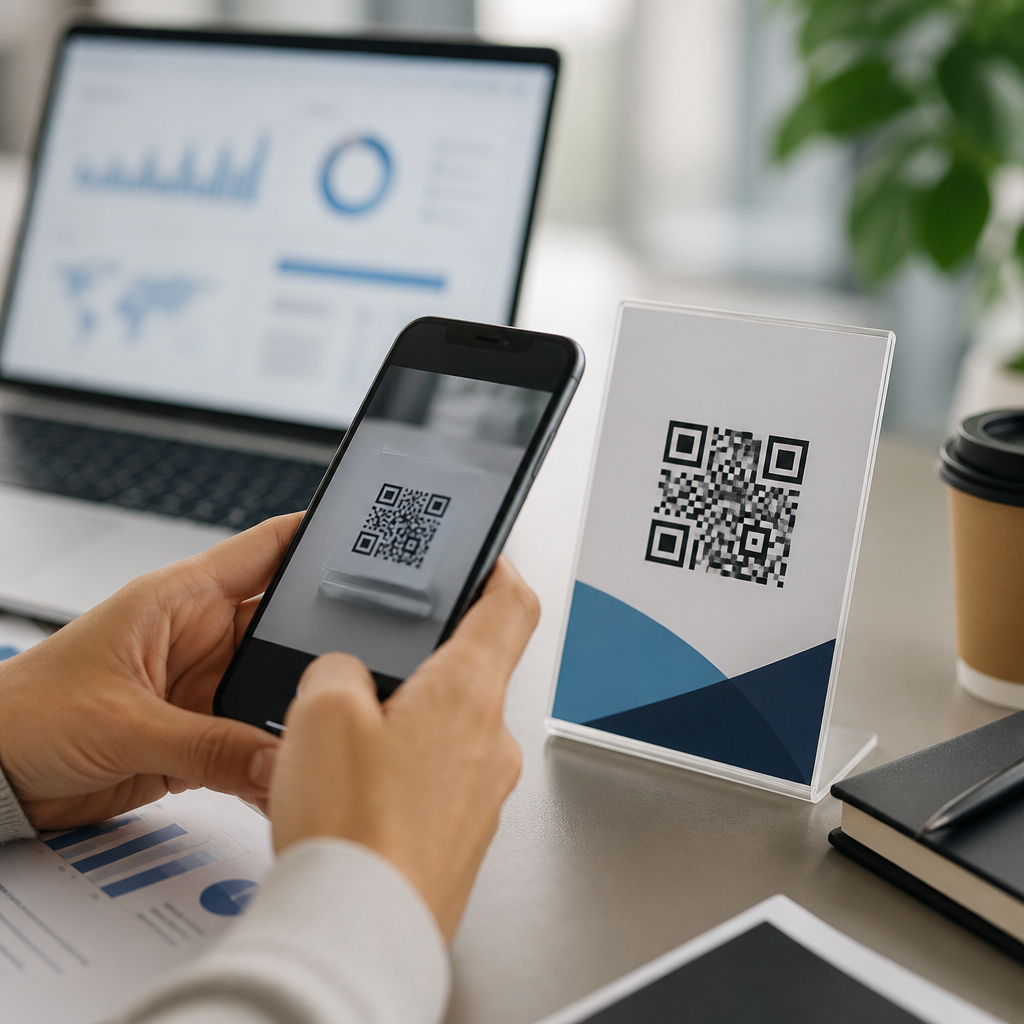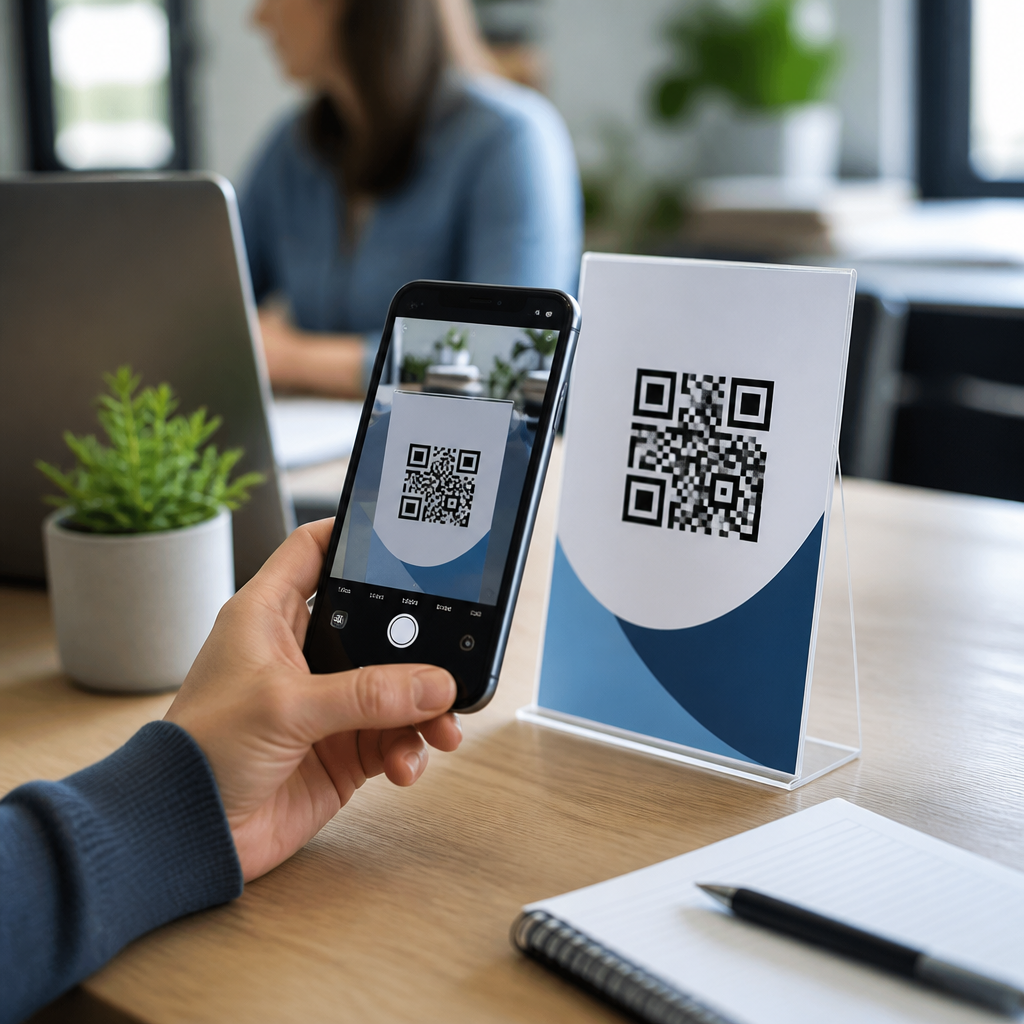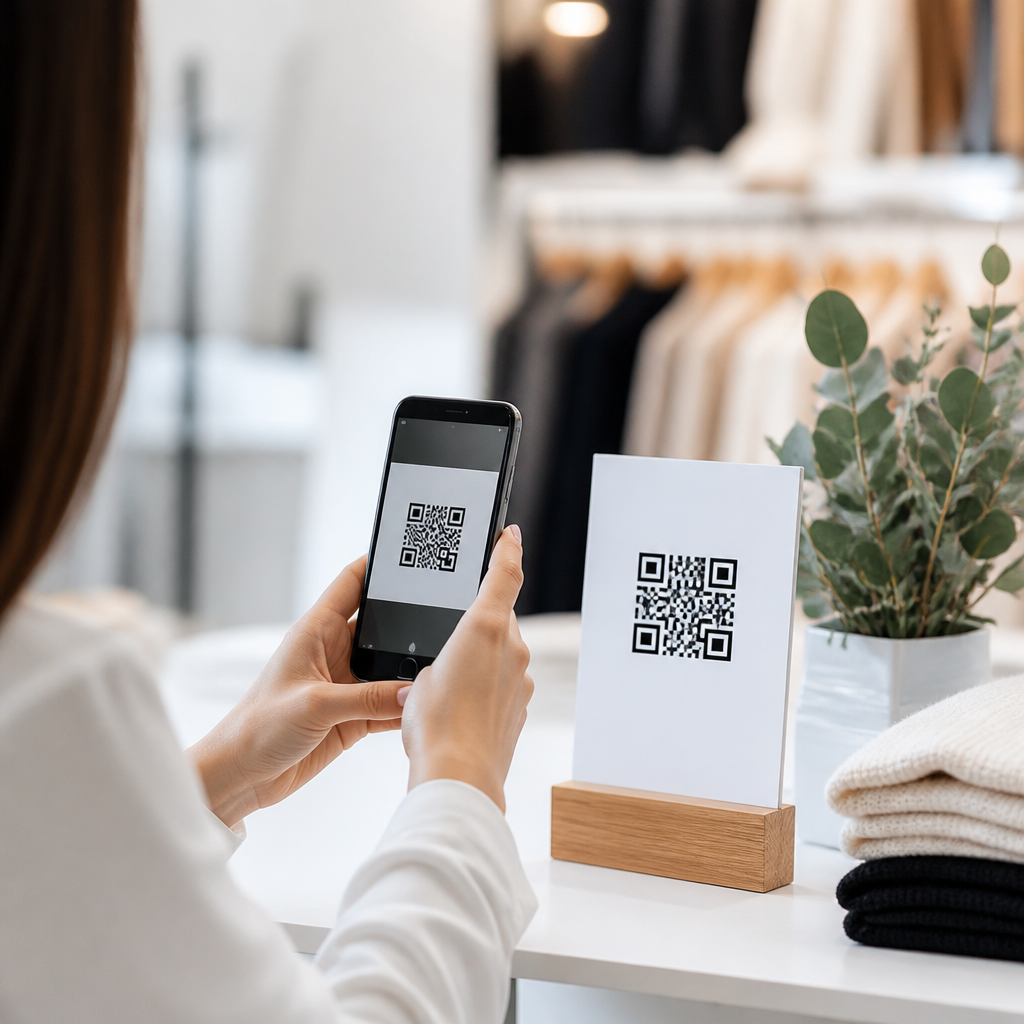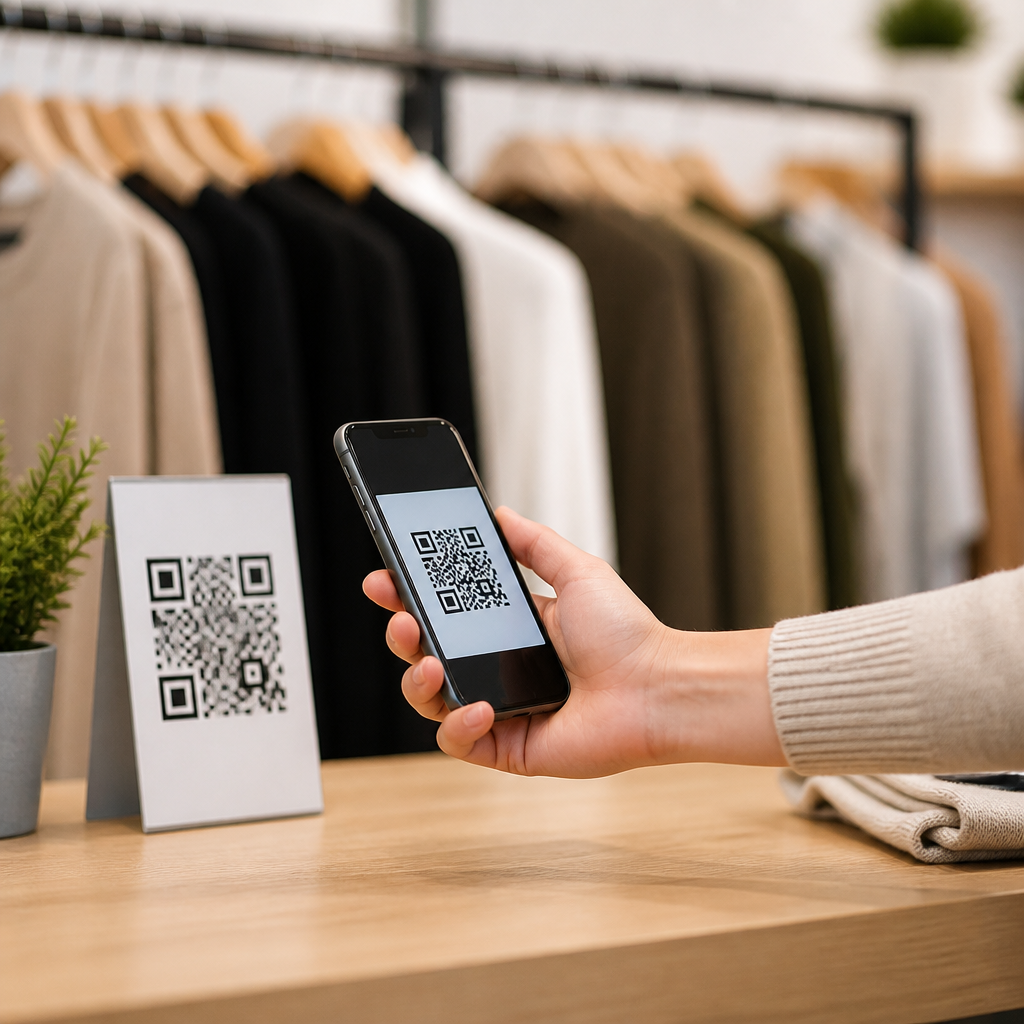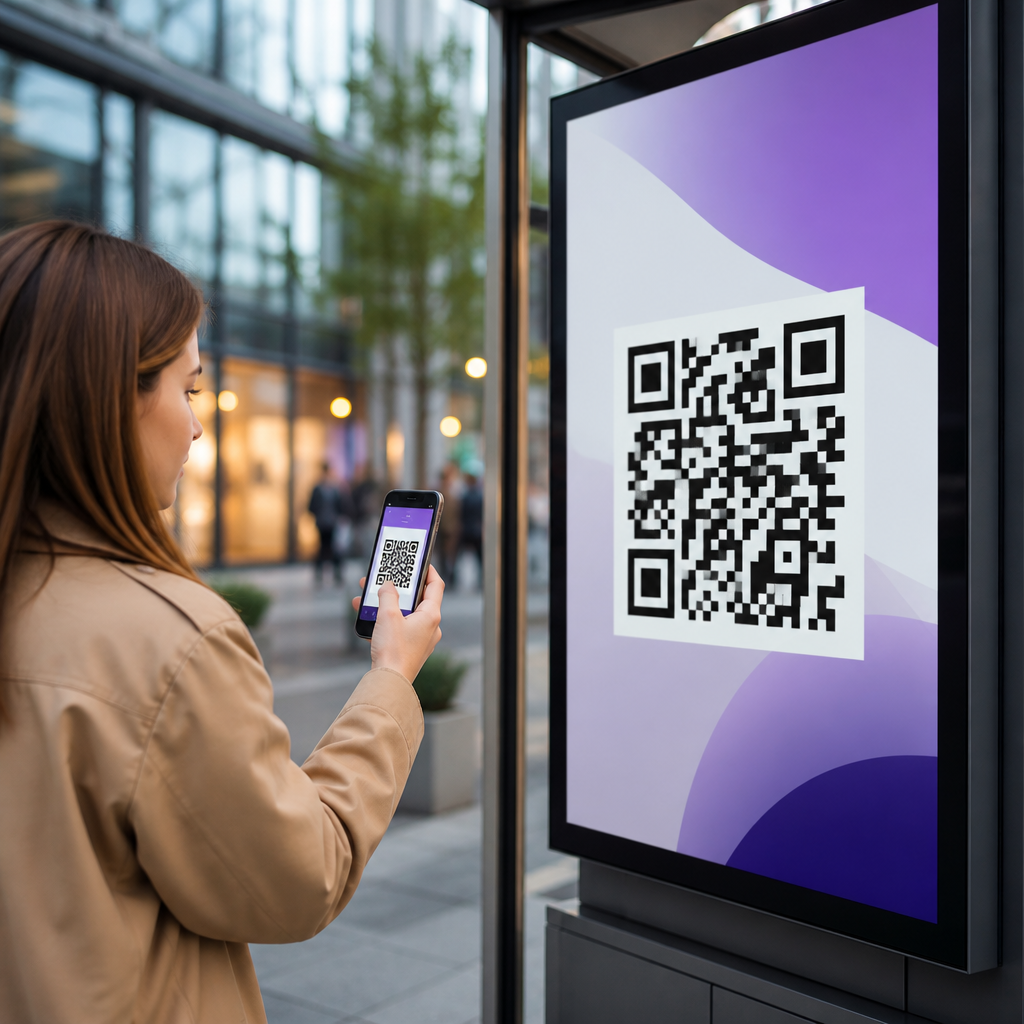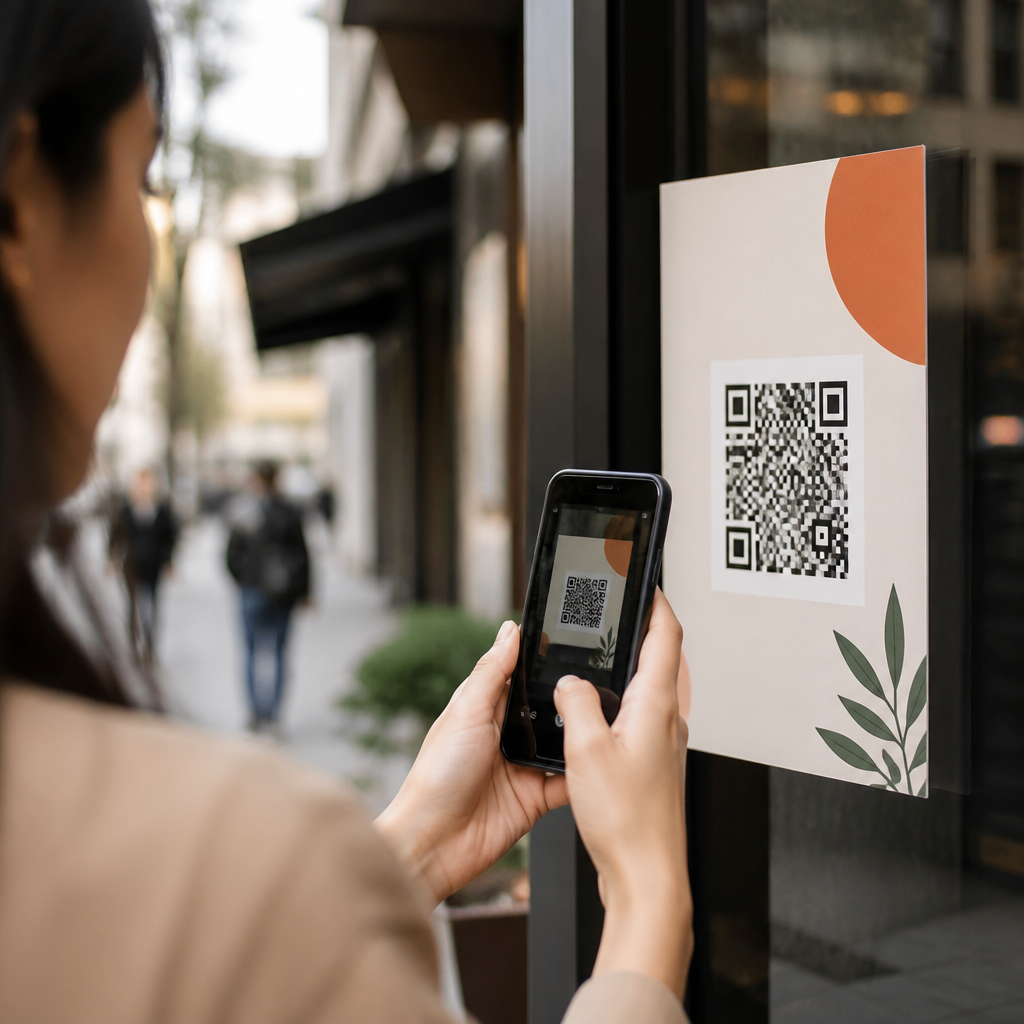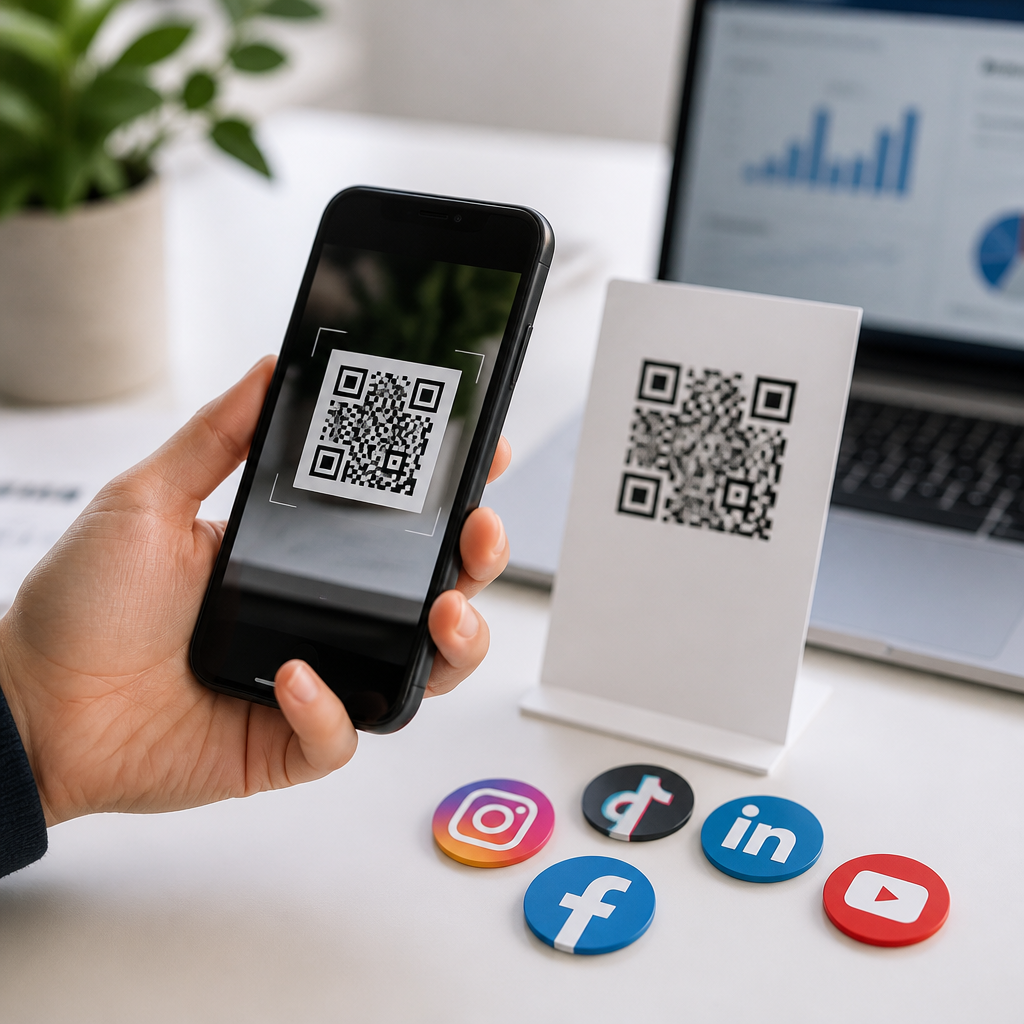
QR codes have become one of the most practical tools for social media growth because they connect offline attention to online action in a single scan. A QR code, short for Quick Response code, is a two-dimensional barcode that opens a digital destination such as an Instagram profile, TikTok video, Facebook page, LinkedIn company page, YouTube channel, or a mobile landing page. When marketers talk about QR codes for social media, they usually mean scannable codes placed on packaging, signage, print ads, menus, event booths, direct mail, or in-store displays that move people directly into a social platform without forcing them to type a username or search manually.
I have used QR codes in retail promotions, conferences, restaurant campaigns, and B2B events, and the pattern is consistent: when the code leads to a clear social action, scan rates and follower conversion improve. The reason is simple. Social discovery is often interrupted by friction. People forget handles, misspell names, or get distracted before they complete a search. A good QR code removes those drop-off points. It takes a prospect from physical contact to digital engagement in seconds, which is exactly what modern mobile behavior demands.
This matters because social media growth is no longer just about publishing more content. It is about reducing the distance between interest and interaction. Brands spend heavily to earn impressions in stores, on packaging, at trade shows, and through local partnerships, yet many still fail to capture that attention into measurable followers, video views, saves, messages, and user-generated content. QR codes solve that conversion gap when they are planned properly. The best programs combine dynamic QR codes, campaign tracking, destination optimization, and a specific call to action so every scan supports a growth objective rather than becoming an isolated vanity tactic.
Why QR codes work for social media growth
QR codes work because they fit naturally into smartphone behavior. Most users already carry a camera-enabled device, and both iPhone and Android cameras read codes natively. That low barrier matters. In practice, the strongest social QR campaigns do not ask for a generic follow. They ask for one next step: follow for offers, watch a tutorial, tag your visit, join a giveaway, review a product, or unlock exclusive content. Specificity increases response because users understand the value before they scan.
There is also a strong attribution advantage. A dynamic QR code can be edited after printing and can include UTM parameters for analytics. That means a restaurant can place one code on table tents for Instagram, another on takeout bags for TikTok, and a third on receipts for Google Business Profile or Facebook, then compare results in analytics dashboards. Unlike a printed social handle alone, a QR code creates measurable intent. You can track scans by location, time, device, and destination, then refine creative and placement based on evidence.
Offline-to-online behavior especially benefits local businesses and event-based brands. At a trade show, for example, attendees often hesitate to talk at length, but they will scan a code on a booth banner to connect on LinkedIn or watch a short demo on YouTube. In hospitality, codes on menus can encourage diners to share photos on Instagram in exchange for a dessert upgrade. In product marketing, packaging codes can lead buyers to TikTok tutorials or creator communities. Each use case turns a physical moment into an owned social touchpoint.
Best types of QR codes for social campaigns
Not every QR code setup is equally useful. For social media growth, dynamic QR codes are usually the best choice because the destination can be updated without reprinting materials. If a campaign begins by promoting an Instagram profile and later shifts to a giveaway landing page or a Link-in-bio hub, the printed code can remain the same. Static QR codes have a place for permanent destinations, but they are less flexible and harder to optimize over time.
A social landing page QR code often performs better than linking directly to one platform. Instead of sending users only to Instagram, the code can open a mobile page with buttons for Instagram, TikTok, YouTube, Pinterest, and email signup. This is useful when audiences differ by channel or when one physical asset serves multiple customer intents. The landing page should still prioritize one primary action. Too many equal choices reduce conversion. I usually recommend one featured platform supported by two or three secondary options.
Platform-specific codes are ideal when the context is narrow. A beauty brand on retail packaging might send shoppers directly to TikTok tutorials. A speaker at a conference may use a LinkedIn QR code on slides because the audience wants professional follow-up, not entertainment content. A café could use an Instagram code near a photo wall and a review-focused code near the register. Context should determine destination, not internal preference.
| Use case | Best QR destination | Why it works |
|---|---|---|
| Product packaging | TikTok tutorial or creator page | Shows product use immediately after purchase |
| Event booth | LinkedIn profile or lead page | Supports professional networking and follow-up |
| Restaurant table | Instagram profile or UGC landing page | Encourages sharing during the visit |
| Store signage | Multi-link social landing page | Captures varied shopper intent |
| Print mailer | Campaign-specific giveaway page | Adds incentive and measurable attribution |
How to design QR codes that get scanned
A QR code must be easy to notice, trust, and scan. The first rule is contrast. Dark code on a light background remains the most reliable option. Stylized colors can work, but low contrast causes failed scans, especially in dim retail environments. The second rule is size. As a practical baseline, I use at least 2 x 2 centimeters for close-range print and much larger formats for posters, windows, and booths. Distance matters; people cannot scan a tiny code from across a room.
Quiet zone is another nonnegotiable. That is the white space around the code, and without it many phones struggle to detect the pattern. Logos can be added in the center, but error correction should be configured appropriately and the code tested across multiple devices before launch. I also advise pairing every code with a plain-language call to action. “Scan to follow us” is acceptable, but “Scan to watch 30-second recipes on TikTok” or “Scan to tag your photo for a free upgrade” performs better because it defines the reward.
Placement affects results as much as design. Put the code where the social action makes sense in the customer journey. At checkout, people may be ready for loyalty or reviews. While waiting for an order, they may engage with Instagram or YouTube. After unboxing, they may want setup help or community inspiration. Good placement respects attention, lighting, dwell time, and the likely mindset of the user.
Tracking performance and improving results
To use QR codes for social media growth seriously, you need measurement beyond follower counts. Start with campaign naming conventions and UTM parameters. Use Google Analytics, native social analytics, and the reporting built into QR platforms such as Bitly, QR Code Generator Pro, Beaconstac, Flowcode, or Uniqode. Track scans, unique scans, conversion to profile visits, follows, link clicks, messages, coupon redemptions, and user-generated posts. The right metric depends on the campaign goal.
A/B testing is especially valuable. Change one variable at a time: the call to action, visual placement, incentive, or destination page. In one retail campaign I ran, replacing “Follow us on Instagram” with “Scan for weekly style drops” increased scans noticeably because the message emphasized recurring value rather than the brand’s request. In another event campaign, a LinkedIn QR code on badge backs outperformed a booth sign because attendees had more time to scan during breaks than while walking crowded aisles.
There are limitations. A scan does not guarantee a follow, and social platforms do not always provide perfect downstream attribution from every mobile action. Privacy settings, app switching, and platform reporting differences create some blind spots. Still, QR codes provide a stronger bridge between physical media and social behavior than most print tactics, and they improve when paired with clear incentives, fast mobile destinations, and consistent testing. If you are building a broader mobile marketing program, this social hub should connect with deeper guides on QR code design, dynamic QR code tracking, restaurant QR campaigns, packaging QR strategy, and event QR lead capture.
Common mistakes to avoid
The most common mistake is sending every audience to the same generic homepage or profile regardless of context. Someone scanning from packaging after purchase needs different content than someone at a networking event. Another frequent error is printing a code without explanation. People scan more when the benefit is explicit, immediate, and relevant. Weak internet access, poor lighting, reflective surfaces, and low placement can also suppress performance, even when the offer is strong.
Brands also underestimate maintenance. Social campaigns change quickly. If you use static codes everywhere, outdated destinations accumulate across packaging and print stock. Dynamic codes reduce that risk. Finally, avoid treating QR codes as a decorative add-on. They are conversion tools. Like any conversion element, they need strategy, testing, and reporting.
QR codes for social media growth work best when they remove friction, match user intent, and lead to a specific value-driven action. Use dynamic codes whenever flexibility matters, tailor destinations to the moment, design for effortless scanning, and measure performance with campaign-level tracking. Done well, a QR code can turn packaging, signage, tables, mailers, and events into reliable social acquisition channels instead of passive brand impressions.
The central benefit is simple: you capture real-world attention at the exact moment it exists and move it directly into an owned social relationship. That makes QR codes especially valuable for local businesses, consumer brands, creators, restaurants, retailers, and B2B teams that meet prospects offline before they ever click an ad. The tactic is inexpensive, fast to deploy, and highly adaptable when the underlying strategy is sound.
Start with one platform, one audience, and one clear offer. Create a mobile-friendly destination, add tracking, place the code where intent is strongest, and test the call to action. Then expand into a complete mobile QR marketing system that supports every stage of social media growth.
Frequently Asked Questions
1. How do QR codes help grow social media accounts?
QR codes help grow social media accounts by removing friction between discovery and action. Instead of asking someone to manually search for your Instagram profile, TikTok page, LinkedIn company account, or YouTube channel, a QR code takes them directly to the exact destination you want them to visit. That convenience matters because every extra step in the user journey creates an opportunity for people to lose interest. A quick scan turns offline attention into immediate online engagement, which is why QR codes are so effective for social media growth.
They are especially useful in places where your audience already interacts with your brand in the real world, such as product packaging, retail displays, event booths, menus, flyers, brochures, business cards, posters, and storefront signage. For example, a restaurant can place a QR code on table tents that leads diners to its Instagram page, a retail brand can add a code to packaging that opens a TikTok campaign, and a B2B company can place a code on trade show materials that directs visitors to its LinkedIn page. In each case, the QR code creates a fast path from physical presence to social engagement.
QR codes also support stronger campaign tracking and optimization. If you use a dynamic QR code or a platform with analytics, you can measure scans, identify high-performing placements, compare locations, and better understand when and where people are engaging. That data makes it easier to refine your social media strategy over time. Instead of guessing which offline assets are driving followers, clicks, or views, you can see which materials actually motivate people to scan and connect.
2. Where should businesses place QR codes for the best social media results?
The best placement for a QR code depends on where your audience is most likely to notice your brand and have enough time to scan. High-performing placements are usually locations where people are already engaged, curious, or waiting. Common examples include product packaging, point-of-sale displays, receipts, event signage, brochures, direct mail pieces, conference badges, restaurant menus, shopping bags, window decals, posters, and business cards. These placements work well because they meet people in a moment when a next step feels natural.
Context is important. A QR code should appear where the social media destination adds value to the user experience. If your Instagram account showcases tutorials, style inspiration, behind-the-scenes content, or customer stories, then placing a code on packaging or in-store materials makes sense. If your TikTok account features product demonstrations or trends, then a code on a display near the product can drive relevant traffic. If your LinkedIn page helps build credibility for partnerships, recruiting, or B2B services, then a QR code on presentations, proposals, and event materials can be very effective.
Visibility and usability also matter. Make sure the code is large enough to scan easily, placed in good lighting when possible, and printed with enough contrast to remain readable. Avoid putting QR codes where people are moving too quickly to scan or where mobile service is poor unless the destination can still load reliably. Most importantly, include a clear call to action beside the code, such as “Follow us on Instagram for weekly tips,” “Scan to watch on YouTube,” or “Join our TikTok community.” People are much more likely to scan when they understand exactly what they will get.
3. Should I link a QR code directly to one social platform or use a landing page?
Both approaches can work, and the right choice depends on your campaign goal. If you want the highest possible conversion for one specific action, linking directly to a single social profile or post is often the best option. For example, if your goal is to increase Instagram followers, sending users straight to your Instagram profile eliminates distractions. The same logic applies if you want people to watch a YouTube video, follow a TikTok account, or connect with your company on LinkedIn. Direct links are simple, clear, and efficient.
A landing page is usually the better option when you want to give people multiple choices or support several platforms at once. A mobile-friendly landing page can include buttons for Instagram, TikTok, Facebook, LinkedIn, YouTube, and your website, allowing users to choose the channel they prefer. This is especially useful for brands with diverse audiences or businesses that want to promote multiple content types from one scan. It also lets you update messaging, featured links, and campaigns without changing the printed QR code if you use a dynamic code.
In many cases, marketers use both strategies in different contexts. A direct-to-platform QR code may work best on a focused campaign poster, while a multi-link landing page may be ideal on packaging, business cards, or trade show materials. The key is matching the destination to user intent. If the person scanning is likely to want one clear next step, go direct. If they may want options, use a landing page. Either way, the destination should load quickly, look good on mobile, and make the next action obvious.
4. What makes a social media QR code effective and worth scanning?
An effective social media QR code combines technical reliability, strong design, and a compelling reason to act. First, the code itself must scan easily. That means using adequate size, maintaining high contrast between the code and background, leaving enough white space around it, and avoiding design choices that interfere with readability. While branded QR codes can look more polished and recognizable, they should never sacrifice function. A visually appealing code is useful only if it works consistently across different devices and lighting conditions.
Just as important is the message around the code. People need to know what the scan will do and why it benefits them. A generic code with no explanation often gets ignored, but a clear call to action can significantly improve response. Instead of simply displaying a QR code, tell users what they gain: “Scan to follow us for exclusive offers,” “Watch our latest how-to videos,” “See customer transformations on Instagram,” or “Join our LinkedIn community for industry insights.” Specificity builds trust and creates motivation.
Timing and relevance also play a major role. A QR code performs best when it appears at a moment of interest, such as right after a purchase, during an event, while someone is evaluating a product, or when they are actively engaging with your brand in person. To improve performance even further, test different placements, calls to action, and destinations. Review scan data when available and refine your approach. The most successful QR code campaigns are rarely accidental; they are designed with the user journey in mind and improved through measurement.
5. Can I track the performance of QR codes used for social media marketing?
Yes, and tracking is one of the biggest advantages of using QR codes for social media marketing. With the right QR code platform, especially one that supports dynamic codes, you can monitor important metrics such as total scans, scan time, device type, and sometimes location-based insights. This helps you understand which printed materials, retail placements, event assets, or promotional campaigns are actually driving traffic to your social channels. Instead of treating offline marketing as unmeasurable, QR codes give you a clearer view of how physical touchpoints contribute to digital growth.
To get deeper insights, many businesses pair QR codes with analytics tools and campaign parameters. For example, adding UTM parameters to the destination URL can help you see QR-driven traffic inside analytics platforms. If the QR code leads to a landing page, you can measure click-through behavior from that page to each social channel. If it links directly to a social platform, performance can still be evaluated by looking at scan counts alongside increases in followers, views, clicks, or engagement during the campaign period. This creates a more complete picture of what is working.
Tracking also helps you make smarter strategic decisions. You can compare whether packaging outperforms in-store signage, whether one event generated more scans than another, or whether one call to action drove stronger conversion. Over time, these insights can improve both your offline marketing and your social media growth tactics. The goal is not just to generate scans, but to generate meaningful actions after the scan. When you monitor the full journey from scan to social engagement, QR codes become a measurable, optimizable part of your broader marketing system.