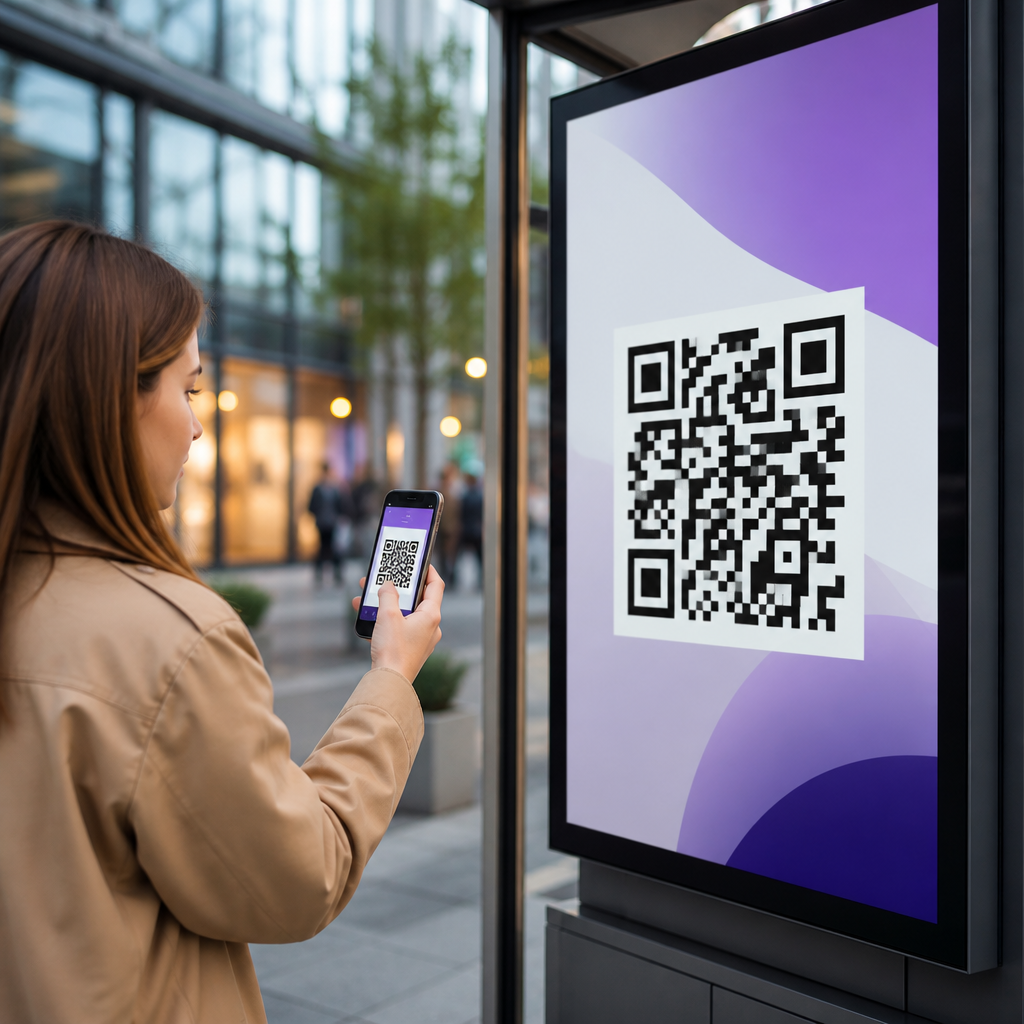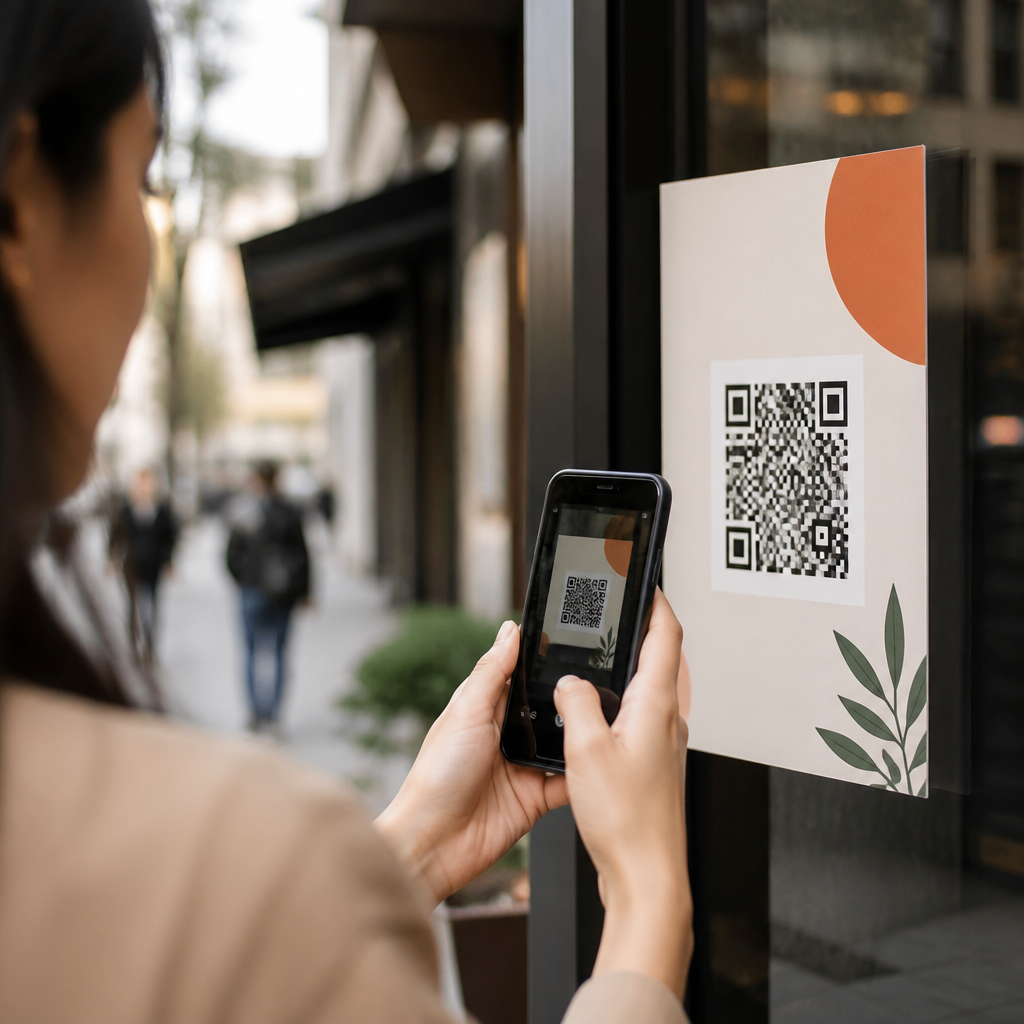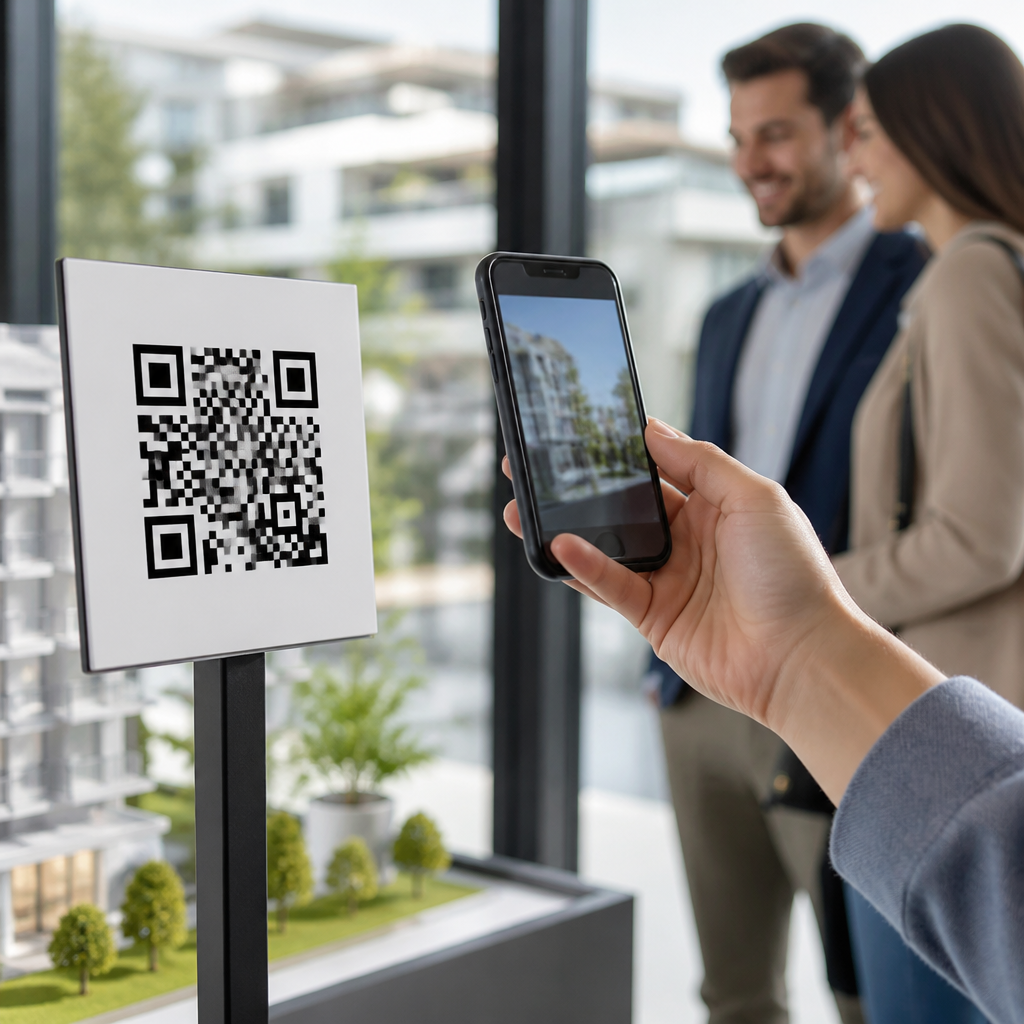
QR codes for real estate lead generation turn offline attention into measurable digital action, which is exactly what agents, brokers, and property marketers need in a market where buyers scan first and call later. A QR code is a scannable matrix barcode that opens a webpage, form, map, video, contact card, or app prompt on a smartphone. In real estate, that simple bridge matters because the sales journey begins everywhere: yard signs, flyers, postcards, open houses, window displays, listing presentations, direct mail, and neighborhood events. I have used QR campaigns on sign riders, brochure boxes, and open house check-ins, and the pattern is consistent: when the destination is relevant and fast, scans become leads. When the destination is generic, slow, or confusing, the code gets ignored.
Real estate lead generation means capturing contact information and intent from prospects who may buy, sell, invest, or refer. The best leads are not just names in a database; they arrive with context such as the property viewed, neighborhood searched, financing stage, or request type. QR codes improve that context because each placement can point to a different landing page and carry unique tracking parameters. A code on a luxury condo sign can open a mobile listing page with a tour video, while a code on a farming postcard can open a home valuation form. That makes attribution cleaner than relying on vanity phone numbers alone.
This topic matters because real estate marketing still spends heavily on physical media, yet many teams struggle to connect offline exposure to online conversion. According to the National Association of Realtors, most homebuyers use mobile devices during their search, and listing photos, property details, and maps strongly influence next actions. QR codes fit that behavior. They reduce friction by replacing manual typing with a scan, and they support faster follow-up through CRM integrations. Used correctly, they shorten the path from curiosity to inquiry, improve lead source reporting, and help agents deliver more useful experiences instead of pushing every prospect to the same homepage.
How QR codes generate real estate leads across the buyer and seller journey
QR codes work because they match high-intent moments with immediate next steps. A buyer standing outside a home wants photos, price, room count, school information, and showing availability right now, not after searching an address later. A seller receiving a postcard wants an estimated value, recent nearby sales, and proof the agent understands the neighborhood. By linking each code to a purpose-built destination, you capture demand while attention is fresh. In practice, the strongest lead generation flow is simple: scan, view value, submit minimal information, and receive a useful follow-up such as a tour link, CMA request, or saved search setup.
On listings, the most effective destinations are mobile-first property pages with large photos, concise highlights, financing context, and a clear call to schedule a showing. On open house materials, I have seen check-in pages outperform paper sign-in sheets because they reduce illegible handwriting, route leads instantly into the CRM, and trigger automated follow-up. On seller campaigns, QR-linked home valuation pages can work well if the form asks for only essential data first, then enriches records later through conversation. The common rule is that the landing page must answer the question implied by the scan source, otherwise conversion drops sharply.
Lead quality improves when codes are segmented by audience and placement. A code on a just-listed postcard should not send visitors to the same experience as a code on an investor meetup banner. Each should map to a different intent. This segmentation also helps teams score leads more accurately. A prospect who scans a code for mortgage affordability near a starter-home community behaves differently from a prospect who scans a relocation guide at a downtown high-rise. Real estate CRM platforms such as Follow Up Boss, kvCORE, BoomTown, and HubSpot can store those source details, trigger workflows, and notify agents in real time.
Best places to use QR codes in real estate marketing
Placement determines performance. The highest-yield real estate QR codes usually appear where people already pause, wait, or evaluate: yard signs, brochure boxes, open house signs, print flyers, postcards, office windows, new construction displays, event booths, and property feature sheets. Sign riders are especially effective because they catch drive-by interest at the exact property. Printed brochures work when the code offers richer content than the paper can hold, such as 3D tours, drone footage, floor plans, and disclosures. In multifamily leasing or commercial real estate, window graphics and monument signage can drive prospects to availability pages after office hours.
Direct mail is another strong use case. A neighborhood seller letter with a QR code to a valuation page or recent-sales report often outperforms generic awareness pieces because it gives homeowners a practical reason to scan. At community events, a QR code on a banner can promote a local market report, school guide, or moving checklist in exchange for contact details. Inside the brokerage office, QR codes on listing presentations can direct prospects to case studies, testimonials, or a digital pre-listing packet. The goal is always the same: make the scan deliver something useful enough that submitting information feels like a fair exchange.
| Placement | Best destination | Primary lead type | Key success factor |
|---|---|---|---|
| Yard sign | Mobile listing page or showing request | Active buyer | Fast load speed and clear photos |
| Open house sign-in | Check-in form with property details | Warm buyer | Minimal fields and instant follow-up |
| Seller postcard | Home valuation landing page | Potential seller | Neighborhood-specific message |
| Brochure box flyer | Virtual tour or floor plan page | Property-specific buyer | Content not available on paper |
| Event banner | Market report or relocation guide | Top-of-funnel prospect | Relevant local resource |
What makes a QR code campaign convert
A high-converting QR code campaign is less about the code itself and more about the experience behind it. Start with the destination. It should be mobile optimized, secure over HTTPS, and built to load quickly on cellular data. Google’s Core Web Vitals are relevant here because slow landing pages create abandonment before the form even appears. Next, align the message on the printed asset with the first screen after the scan. If the sign says “See price, photos, and tour times,” the landing page should show those items immediately. Message match is one of the biggest drivers of trust and conversion.
Form design is equally important. Ask for the minimum viable information. For a showing request, first name, email or mobile number, and preferred time are often enough. For a seller lead magnet, property address plus one contact field may be sufficient. Long forms can filter low intent, but in real estate they often suppress volume without improving quality. I also recommend progressive profiling: collect the first conversion with short fields, then gather more detail through follow-up, retargeting, or live conversation. This approach improves submission rates while still building complete records over time.
Design choices on the code matter, but not as much as readability. Use high contrast, proper quiet zones, and a size appropriate for scanning distance. For yard signs viewed from a car, larger is better, but the code still needs a nearby call to action such as “Scan for price and photos” or “Book a private tour.” Dynamic QR codes are usually the right choice because they let you change destinations without reprinting materials and give you scan analytics by time, device, and location. Platforms such as Bitly, QR Code Generator Pro, Beaconstac, and Flowcode support dynamic links and campaign tracking.
Tracking, attribution, and compliance for real estate QR leads
If you cannot measure scans and downstream conversions, you are not running a lead generation system; you are printing decoration. Every QR placement should have its own trackable destination, usually with UTM parameters and a dedicated landing page. In analytics tools such as Google Analytics 4, you can monitor sessions, engagement, and form submissions by source. In the CRM, create source fields that distinguish “yard sign QR,” “open house QR,” “seller postcard QR,” and similar categories. This level of attribution helps teams compare cost per lead, appointment rate, and closed transactions by channel rather than guessing what worked.
Call tracking can complement QR campaigns, especially when the landing page offers click-to-call for immediate conversations. Some teams route scans into marketing automation first, then assign leads based on geography, price point, or response speed rules. That is useful because speed-to-lead remains critical in real estate; the first agent to respond often wins the conversation. Automated text confirmation, calendar booking, and email delivery of the promised asset can happen within seconds. The result is a smoother handoff from marketing to sales and a more professional experience for the prospect.
Compliance matters. Real estate advertising is regulated, and QR destinations are still advertising. Include brokerage identification, required disclosures, fair housing compliant language, and privacy notices where applicable. If the destination collects personal data, the form should explain how information will be used. For text follow-up, follow consent requirements and applicable TCPA rules. Accessibility also deserves attention: landing pages should have readable text, tappable buttons, and usable contrast. Trust increases when the experience feels legitimate, branded, and transparent, which directly supports conversion in categories where consumers share sensitive financial and personal information.
Common mistakes and how to avoid them
The most common mistake is sending every scan to the homepage. Homepages force users to navigate, and many leave before finding the promised information. Another mistake is using QR codes without a value proposition. People do not scan abstract technology; they scan for a clear benefit. “Scan for floor plan and price history” works better than “Scan me.” Poor print quality, tiny codes, glossy glare, weak cellular coverage, and expired landing pages also waste opportunities. Before launch, test every code on multiple devices, at real viewing distances, and under real lighting conditions.
Another frequent problem is ignoring follow-up strategy. Even well-designed QR campaigns underperform when lead routing is slow or generic. Set service level agreements for response times, create property-specific automations, and review performance weekly. Start with one listing, one seller campaign, and one open house workflow, then expand based on data. QR codes are not a gimmick in real estate; they are a practical tool for connecting physical marketing to digital conversion. Build each scan path around user intent, track every source carefully, and give prospects immediate value. If you do that consistently, your QR code lead generation program will produce better attribution, stronger engagement, and more qualified conversations. Audit your current print assets and add one high-intent QR journey this month.
Frequently Asked Questions
How do QR codes help with real estate lead generation?
QR codes help real estate professionals capture interest at the exact moment a buyer or seller is paying attention. Instead of asking someone to remember a phone number, type in a long URL, or search for a listing later, a QR code lets them move from a physical touchpoint directly to a digital action in seconds. That could mean opening a property landing page, booking a showing, downloading a brochure, viewing a virtual tour, saving an agent’s contact card, or submitting a lead form.
This is especially valuable in real estate because interest often starts offline. A prospect may notice a yard sign while driving through a neighborhood, pick up a flyer at a coffee shop, walk past a brokerage window display, or attend an open house. In each case, the QR code acts as the bridge between curiosity and conversion. It shortens the path to engagement, which increases the chances that a casual observer becomes a measurable lead.
QR codes also improve attribution. When each sign, postcard, open house, or listing flyer has its own code, agents and marketers can see which placements generate scans, visits, and form completions. That makes it easier to understand what marketing channels are performing, where leads are coming from, and how to optimize campaigns over time. In practical terms, QR codes turn traditional real estate marketing from something that feels hard to measure into something that produces useful data.
Where should real estate agents and brokers place QR codes for the best results?
The best QR code placement depends on where prospects first encounter the property or brand, but the strongest strategy usually includes multiple offline touchpoints. Yard signs are one of the most effective placements because they capture local, high-intent traffic. Someone scanning a code from a sign is often already interested in the neighborhood, price range, or property type. Flyers and brochures are also excellent because they give buyers something physical to take with them while still offering instant access to more complete listing details online.
Open houses are another strong use case. A QR code at the entry can link to a sign-in form, property fact sheet, financing information, or disclosure documents. That creates a smoother experience for visitors and makes lead collection more organized. Window displays at brokerages, printed postcards, direct mail pieces, event signage, property feature sheets, and even business cards can all benefit from QR codes when the destination is relevant and useful.
The key is to match the QR code with the user’s intent in that environment. On a yard sign, the best destination might be the live listing page or a quick tour video. On a postcard, it could be a neighborhood market report or home valuation form. At an open house, it may be a registration page or feedback form. Placement matters, but relevance matters even more. A well-placed QR code with a clear value proposition will outperform a generic one every time.
What should a real estate QR code link to in order to generate more leads?
A real estate QR code should link to a destination that is fast, mobile-friendly, and aligned with the prospect’s next likely step. In many cases, the best option is a dedicated landing page for a specific property or campaign rather than a generic homepage. A property landing page can include photos, pricing, features, availability, neighborhood information, mortgage estimates, and a simple inquiry form. That gives prospects enough context to stay engaged while making lead capture easy.
Other high-performing destinations include virtual tours, appointment scheduling pages, digital brochures, map directions, open house registration forms, home valuation tools, and agent contact cards. For example, a QR code on a “For Sale” sign might link to a listing page with a “Schedule a Tour” button. A QR code on a farming postcard might lead to a seller-focused landing page offering a free market analysis. A code at a new development site might open a gallery, floor plans, and a waitlist form.
What matters most is reducing friction. If the scan opens a page that is slow, cluttered, or requires too many steps, conversion rates will suffer. The destination should load quickly, look great on a phone, and present one clear action. It is also smart to customize the page for the source of the scan. When the landing experience matches what the prospect expected to see, trust rises and lead generation becomes much more effective.
How can you track and measure the performance of QR codes in real estate marketing?
Tracking QR code performance starts with using unique, campaign-specific codes. Instead of placing the same code everywhere, create separate QR codes for yard signs, postcards, open house materials, listing sheets, window displays, and any other major distribution channel. This lets you compare scan activity by source and identify which offline materials are actually driving engagement. Dynamic QR codes are especially useful because they allow you to update the destination without reprinting materials and often include built-in analytics.
At a minimum, real estate marketers should monitor scans, landing page visits, time on page, form submissions, scheduled showings, and contact saves. If the QR code leads to a property page, you can also measure actions such as viewing media galleries, requesting disclosures, or clicking to call. When connected to analytics platforms, CRM systems, and marketing automation tools, QR code data becomes even more valuable. It can reveal not just who scanned, but what they did next and whether they eventually converted into a serious buyer or seller lead.
To improve measurement quality, use campaign URLs with tracking parameters, dedicated landing pages, and forms that capture source information. This creates a clean attribution path from offline exposure to online action. Over time, that data helps answer important business questions: Which neighborhoods produce the most scans? Do postcards outperform brochures? Are luxury listings generating more video views than form fills? Strong measurement turns QR codes from a novelty into a reliable lead generation and optimization tool.
What are the best practices for creating effective QR codes for real estate listings and campaigns?
The most effective real estate QR codes are easy to scan, visually clear, and paired with a compelling reason to act. Start with the basics: use a high-quality code, maintain strong contrast, and make sure it is large enough to scan comfortably from the expected distance. A yard sign code needs to be more visible than a code printed on a flyer. Testing is essential, especially across different phone types, lighting conditions, and print sizes. If a code is difficult to scan in real-world conditions, lead generation will drop immediately.
Just as important is the call to action surrounding the code. Never assume people will scan simply because the code is there. Tell them what they will get. Phrases like “Scan for price and photos,” “Scan to book a private showing,” “Scan for virtual tour,” or “Scan for instant home value” set expectations and increase response rates. The value should be immediate and relevant to the context. In real estate, buyers and sellers respond best when the next step feels helpful, not promotional.
It is also wise to keep branding consistent and the landing experience polished. The page should feel like a natural continuation of the sign, flyer, postcard, or display that prompted the scan. Include clear contact details, a concise form, and one primary conversion goal. Avoid sending traffic to a cluttered homepage where visitors have to hunt for information. Finally, review performance regularly and refine based on data. Effective QR code campaigns are not just about printing a scannable image; they are about designing a seamless path from offline attention to online action and, ultimately, to qualified real estate leads.