
QR codes have become one of the most practical bridges between physical marketing and digital action, and nowhere is that more useful than in direct mail campaigns. A QR code, or quick response code, is a scannable two-dimensional barcode that opens a landing page, video, coupon, form, payment screen, app download, or other mobile experience when a recipient points a smartphone camera at it. In direct mail, that simple scan removes friction. Instead of typing a web address from a postcard or remembering an offer from a catalog, the recipient moves instantly from print to measurable online engagement.
I have used QR codes in direct mail campaigns for retail promotions, event invitations, B2B lead generation, and nonprofit fundraising, and the pattern is consistent: campaigns perform better when the scan experience is tightly matched to the mailer’s promise. This matters because direct mail still holds attention in ways crowded inboxes often do not, while mobile marketing provides the speed, personalization, and analytics modern teams need. Together, they turn a static mail piece into an interactive channel. For marketers building a broader mobile QR codes for marketing program, direct mail is one of the clearest use cases because it connects offline reach with digital marketing data, attribution, and conversion optimization.
To use QR codes in direct mail effectively, marketers need to understand more than placement. They need the right code type, a mobile-first destination, reliable tracking, clear creative, and compliance with privacy expectations. They also need to answer practical questions buyers and stakeholders ask: what should the code link to, how large should it be, how do you measure scans, and what mistakes reduce response rates? This hub article covers those core decisions and shows how QR codes in digital marketing support acquisition, remarketing, loyalty, and customer experience across channels.
Why QR codes work in direct mail campaigns
QR codes work in direct mail because they reduce action steps at the exact moment interest is highest. Traditional direct mail often asks people to visit a website later, call a number, or bring a coupon in store. Each extra step lowers response. A QR code compresses that path into one scan and one tap. In practice, that means a postcard can drive appointment booking, a brochure can launch a product demo, and a donation letter can open a prefilled giving form without requiring manual typing.
The broader digital marketing value is attribution. When I build a direct mail program with dynamic QR codes, I can track scans by campaign, audience segment, geography, device, and time of day. If the destination uses UTM parameters with analytics platforms such as Google Analytics 4, HubSpot, or Adobe Analytics, I can also see downstream behavior like form submissions, purchases, and assisted conversions. That closes one of direct mail’s historic gaps: proving what happened after delivery. It also allows testing. Marketers can compare offers, headlines, formats, and landing pages with much more confidence than static vanity URLs alone provide.
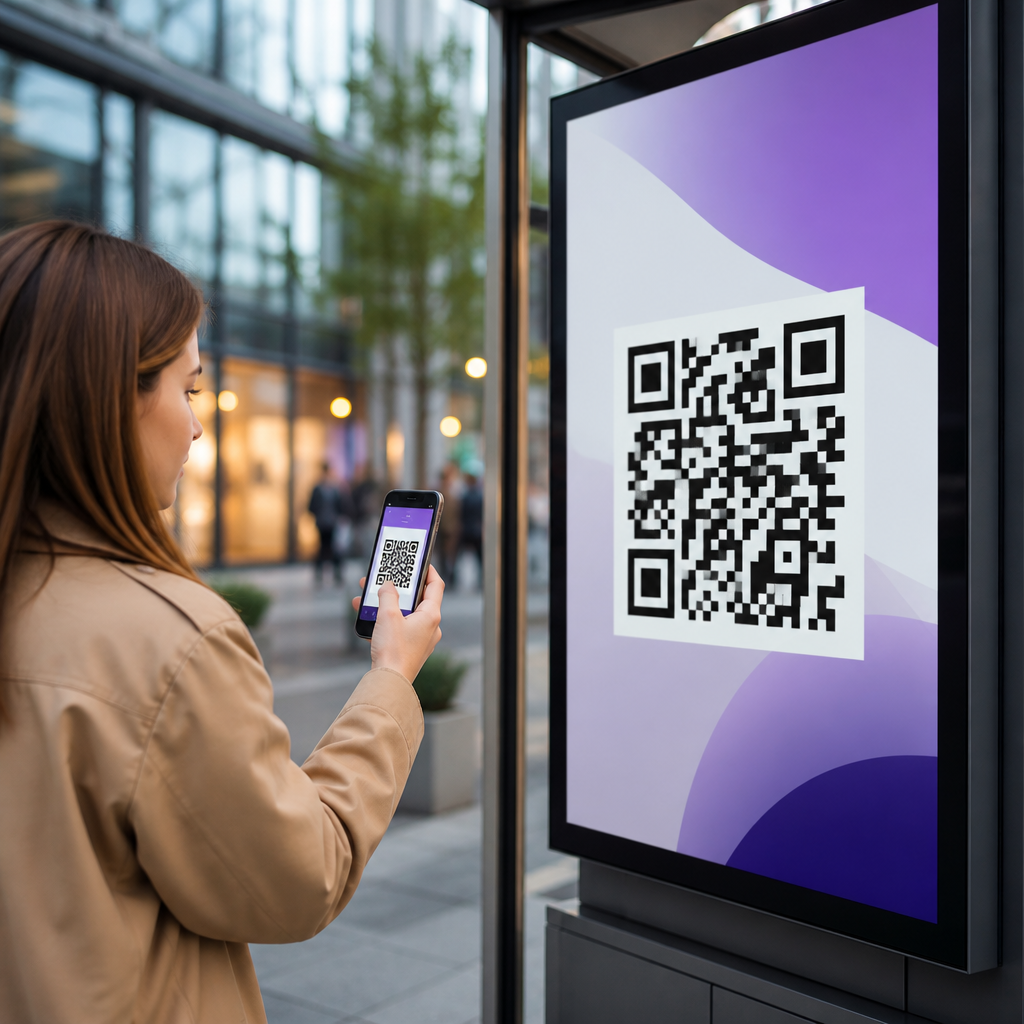
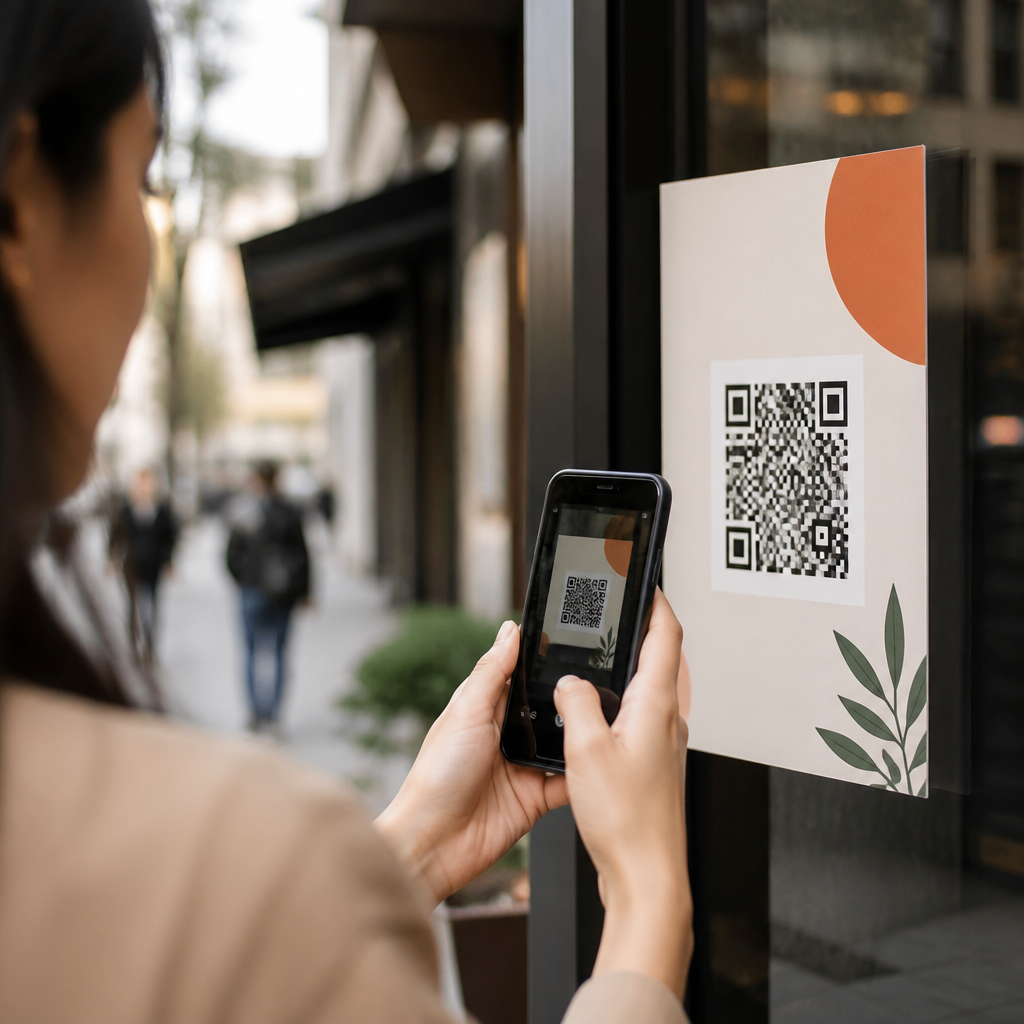
There is also a consumer behavior reason QR codes perform well now. Most modern smartphones scan codes natively through the camera app, so no separate app is required. Pandemic-era contactless habits accelerated familiarity, but the more durable shift is convenience. People now expect print, packaging, signage, and mail to connect instantly to mobile content. When the experience is relevant and trustworthy, scanning feels natural rather than novel.
Choosing the right QR code strategy and destination
The best QR code for direct mail is usually a dynamic code rather than a static one. Static codes permanently encode a single destination. Dynamic codes use a short redirect URL managed through a QR platform, which lets marketers change the final landing page after printing, correct errors, add tracking, and view scan analytics. That flexibility matters in campaigns with long lead times, regional variations, or inventory changes. Reputable platforms include Bitly, QR Code Generator Pro, Beaconstac, Uniqode, and Flowcode.
Your destination should match the intent created by the mailer. If the envelope promises “Book your free consultation,” the code should open a mobile scheduling page, not a homepage. If a catalog highlights a discount, the code should land on a pre-applied offer page. If the goal is lead capture, keep the form short and use progressive profiling later. For local campaigns, a store locator with map integration often outperforms a generic brand page. For B2B, a case study hub may work better than an immediate demo request when awareness is still low.
Good direct mail QR strategy also considers the full customer journey. A first-touch acquisition piece may use educational content or an introductory offer, while a loyalty mailer can deep link to an account page, rewards wallet, or personalized reorder flow. In omnichannel campaigns, I often align the QR destination with paid social retargeting and email nurture so the message feels consistent after the scan. That continuity improves conversion rates because the user does not experience a disconnect between print creative and digital follow-up.
Design and placement best practices that improve scans
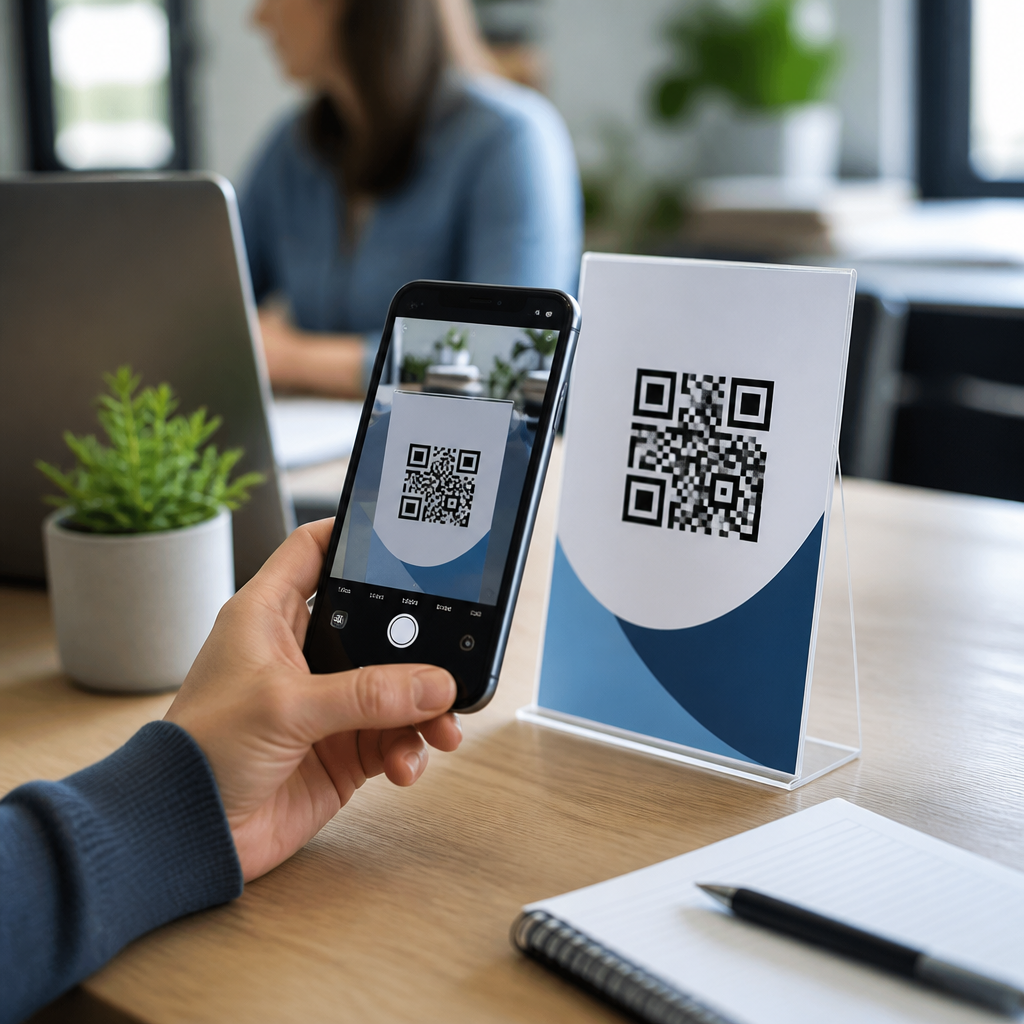
Recipients scan when the code is easy to notice, easy to trust, and clearly worth scanning. Size matters. A common rule is at least 0.8 by 0.8 inches for close-range direct mail, though larger is safer for older audiences or lower-contrast designs. Maintain strong contrast, ideally dark code on a light background, and preserve the quiet zone around the code. Avoid placing the code over images, patterns, or folds. Always test printed proofs on multiple devices before production, because glossy coatings, tiny modules, or poor color choices can reduce readability.
Placement should support natural reading flow. On postcards, I usually place the QR code near the main call to action on the address side or under the primary offer on the design side. In letters, the code often performs well near the signature block or in a highlighted response box. Catalogs benefit from multiple codes tied to specific product sections, but each one should have a distinct purpose. A code without context underperforms. Label it with a direct instruction such as “Scan to claim 20% off,” “Scan to watch a 45-second demo,” or “Scan to schedule your estimate.”
Branding helps, but readability comes first. You can add a logo in the center, use brand colors within safe contrast limits, and frame the code with supporting copy. Just do not overdesign it. I have seen response drop when marketers stylize codes so heavily that camera recognition becomes inconsistent. Trust cues matter too. Include the brand name, explain what happens after scanning, and make the value exchange explicit. People scan more readily when they know whether they will receive a coupon, open a registration page, or access product details.
Tracking, personalization, and testing for better results
Measurement is what makes QR codes in digital marketing so valuable. At minimum, append UTM parameters for source, medium, campaign, content, and audience segment. Connect scans to analytics dashboards and customer relationship management records where possible. If your platform supports first-party data capture, tie the destination page to forms, call tracking, or ecommerce events so the campaign can be evaluated on revenue, not scans alone. A high scan rate with weak conversion usually indicates a mismatch between the mail offer and the landing experience.
Personalization can materially improve response when used responsibly. Variable data printing allows different households to receive customized offers, while unique QR codes can route each segment to a relevant landing page. A university can send prospective students separate codes for campus tours, financial aid information, and program-specific content. A healthcare provider can mail patients reminders that link directly to the correct appointment scheduling flow. An auto dealer can segment by past purchase date and direct owners to service offers for the appropriate maintenance interval.
| Campaign goal | Best QR destination | Key metric |
|---|---|---|
| Lead generation | Short mobile form or calendar booking page | Qualified submissions |
| Retail promotion | Offer page with coupon applied | Revenue per recipient |
| Event marketing | Registration landing page with agenda | Registrations completed |
| Customer retention | Loyalty account, reorder page, or support hub | Repeat purchase rate |
Testing should be structured, not random. Start with one variable at a time: offer, CTA, landing page length, or placement. In one home services campaign I ran, changing the CTA from “Learn more” to “Scan for an instant quote” increased scans and doubled completed forms because the next step became specific and valuable. Another test replaced a generic homepage with a location-aware landing page and improved booked appointments substantially. The lesson is simple: optimization happens after the scan, not just before it.
Common mistakes and how to avoid them
The most common mistake is sending traffic to a homepage. Homepages are built for many audiences and intents, while direct mail succeeds when it delivers on one promise. Another frequent problem is poor mobile experience. If the page loads slowly, uses intrusive pop-ups, or asks for too much information, the advantage of the QR code disappears. Google’s mobile usability standards and Core Web Vitals are relevant here because scan traffic is overwhelmingly mobile.
Other failures are operational. Teams forget to test the final printed piece, let campaign pages expire, or use static codes for time-sensitive promotions. Some mailers omit a fallback URL or phone number for people who prefer not to scan. Others fail to disclose what the scan does, which can lower trust. Privacy matters as well. If the landing page collects personal data, state the value and link to your policy clearly. For regulated industries such as healthcare and financial services, review QR-linked experiences with compliance teams before launch.
Finally, do not evaluate direct mail QR performance in isolation. The strongest programs connect mail with email, paid search, social retargeting, and sales follow-up. QR codes are not a gimmick; they are a response mechanism. Their real value appears when the destination, data, and downstream marketing workflow are all aligned.
QR codes in direct mail campaigns work because they turn attention into immediate action and make offline marketing measurable. When you choose dynamic codes, send recipients to a mobile-first page, place the code clearly, and track outcomes beyond scans, direct mail becomes part of a high-performing digital marketing system rather than a standalone tactic. The best results come from relevance: the offer on the mailer, the landing page experience, and the follow-up sequence must feel like one continuous journey.
As a hub within mobile QR codes for marketing, this topic connects to landing page optimization, campaign attribution, local marketing, ecommerce promotions, lead generation, loyalty programs, and omnichannel measurement. The core principle stays the same across every use case: reduce friction, match intent, and measure what matters. Marketers who apply that discipline consistently see better response rates and clearer return on ad spend.
If you are planning a direct mail campaign, start with one focused offer and one dedicated QR landing page, then test, measure, and refine. That simple approach will show you quickly how QR codes can improve both response and marketing insight.
Frequently Asked Questions
1. Why should I use QR codes in a direct mail campaign?
QR codes make direct mail far more interactive by connecting a printed piece to an immediate digital action. Instead of asking recipients to type a long URL, search for your business, or manually enter a promo code, a QR code lets them scan and go directly to the next step. That convenience matters because every extra step reduces response rates. When someone is holding a postcard, brochure, catalog, or letter, a QR code gives them a fast way to visit a landing page, watch a product demo, claim an offer, schedule an appointment, complete a form, or even make a purchase right from their phone.
They also improve measurability. Traditional direct mail has often been harder to track than digital campaigns, but QR codes help close that gap. You can assign a unique QR code to a specific audience segment, mailing list, offer, or geographic area and then measure scans, visits, conversions, and downstream actions. This makes it easier to understand what message, design, and call to action are actually working. In short, QR codes turn direct mail from a static format into a trackable, conversion-focused channel that bridges offline attention and online engagement.
2. What should a QR code in direct mail link to?
The best destination depends on the goal of the campaign, but it should always lead to a focused mobile-friendly experience. In most cases, that means a dedicated landing page rather than a general homepage. A landing page keeps the user aligned with the message they saw in the mailer and reduces distraction. For example, if the mail piece promotes a limited-time discount, the QR code should open a page where the recipient can immediately redeem that offer. If the campaign is designed to generate leads, the code might point to a short form, consultation booking page, or downloadable resource. If the goal is education, it may link to a product video or a personalized message.
What matters most is relevance and continuity. The offer, headline, imagery, and call to action on the destination page should match the printed piece so the recipient feels confident they landed in the right place. The page should also load quickly, display well on a smartphone, and make the next step obvious. If someone scans a QR code and lands on a cluttered page, a desktop-only site, or a page that does not reflect the promise in the mailer, response rates will suffer. A strong QR code experience is not just about the scan itself; it is about what happens immediately after the scan.
3. How do I make sure people actually scan the QR code?
Getting scans starts with clear presentation and a compelling reason to act. Many businesses place a QR code on direct mail simply because they can, but without context, recipients may ignore it. The code should be paired with a direct call to action that explains exactly what the person will get by scanning. Phrases such as “Scan to claim your 20% discount,” “Scan to book your free estimate,” or “Scan to watch a 30-second demo” perform much better than a QR code standing alone. People are more likely to scan when the value is immediate, specific, and easy to understand.
Placement and design matter too. The code should be large enough to scan easily, printed with strong contrast, and positioned where it is easy to notice without overwhelming the overall layout. Avoid placing it too close to folds, edges, glossy reflections, or busy backgrounds that can interfere with readability. It is also smart to include a short backup URL for anyone who prefers not to scan. Finally, test the entire experience before mailing. Scan the code on multiple devices, under different lighting conditions, and from a typical viewing distance. A QR code that is technically correct but difficult to notice or tied to a weak offer will not perform well. A visible code, clear CTA, and relevant destination page are what drive real usage.
4. How can I track the performance of QR codes in a direct mail campaign?
Tracking begins with using a unique QR code tied to a specific campaign or audience segment. Rather than sending every recipient to the same generic link, create destination URLs that identify the mail drop, offer, list segment, product category, or region. This allows you to compare performance across different versions of the campaign. You can monitor metrics such as total scans, unique scans, landing page visits, time on page, form submissions, purchases, coupon redemptions, and appointment bookings. If you use web analytics, CRM integrations, call tracking, or marketing automation platforms, you can connect scans to deeper conversion data and revenue outcomes.
It is important to evaluate more than just scan volume. A high number of scans is useful, but conversions tell the real story. For example, one QR code design may generate fewer scans but more qualified leads because the message is more targeted. You should also look at timing data to see when responses occur after delivery, device behavior to confirm the mobile experience is working well, and abandonment points on the landing page. When possible, run A/B tests with different calls to action, offers, or page designs. QR code tracking gives direct mail marketers a much clearer picture of performance, making it easier to optimize future mailings based on evidence rather than assumptions.
5. What are the most common mistakes to avoid when using QR codes in direct mail?
One of the biggest mistakes is sending people to a homepage instead of a campaign-specific destination. A homepage often forces visitors to search for the offer or information they expected, which creates friction and lowers conversions. Another common issue is failing to optimize for mobile. Because QR codes are usually scanned with smartphones, the destination must load quickly, look clean on small screens, and make completion of the next step simple. Long forms, tiny text, slow pages, or confusing navigation can waste the attention your mailer earned.
Other mistakes include using a QR code without explaining why someone should scan it, printing the code too small, placing it on a low-contrast or distorted background, and skipping quality assurance testing before launch. It is also a mistake to ignore trust. Some recipients may hesitate to scan if the mailer looks generic or does not clearly identify the brand. Make sure your branding is consistent and your call to action feels credible. Finally, do not overlook measurement. If the QR code is not set up for proper tracking, you lose much of its strategic value. The most successful campaigns treat the QR code as part of a complete response system: a strong offer, a clear CTA, an easy scan, a seamless mobile experience, and reliable performance tracking.