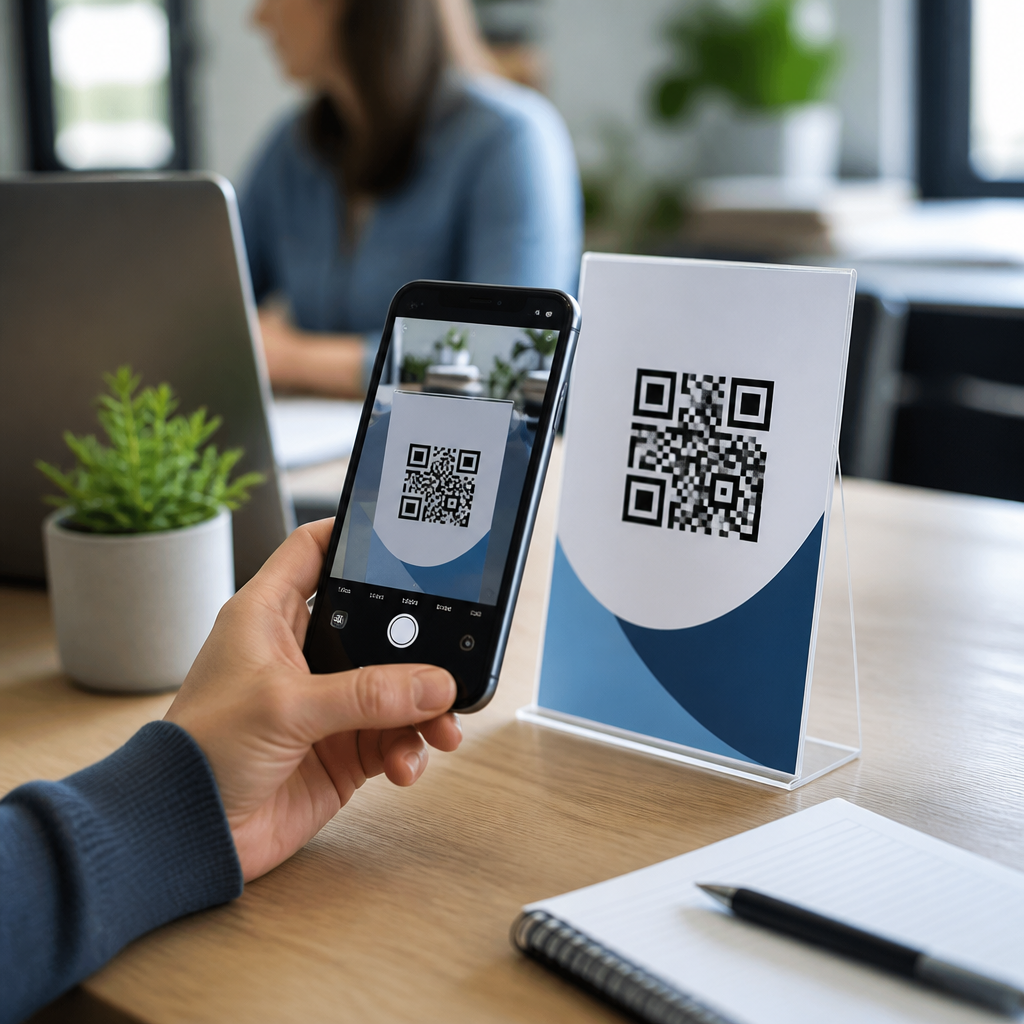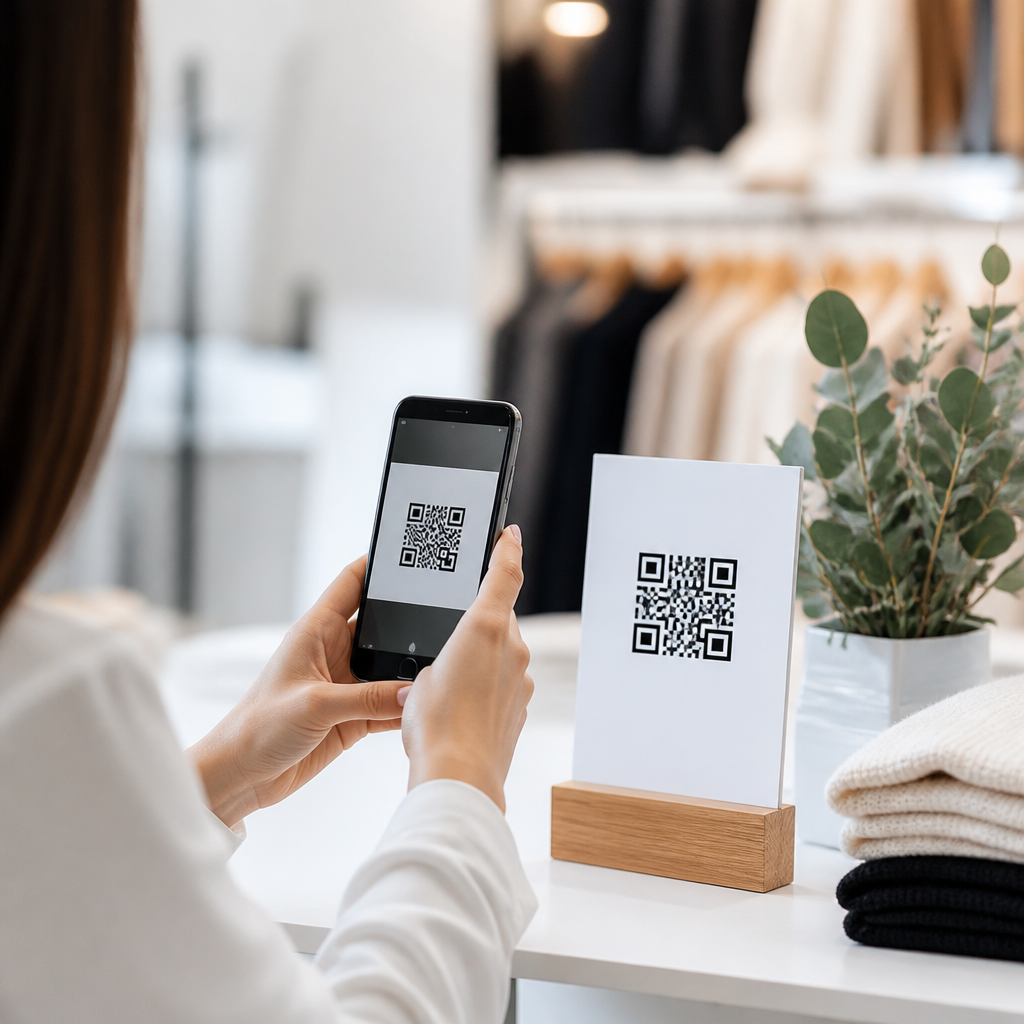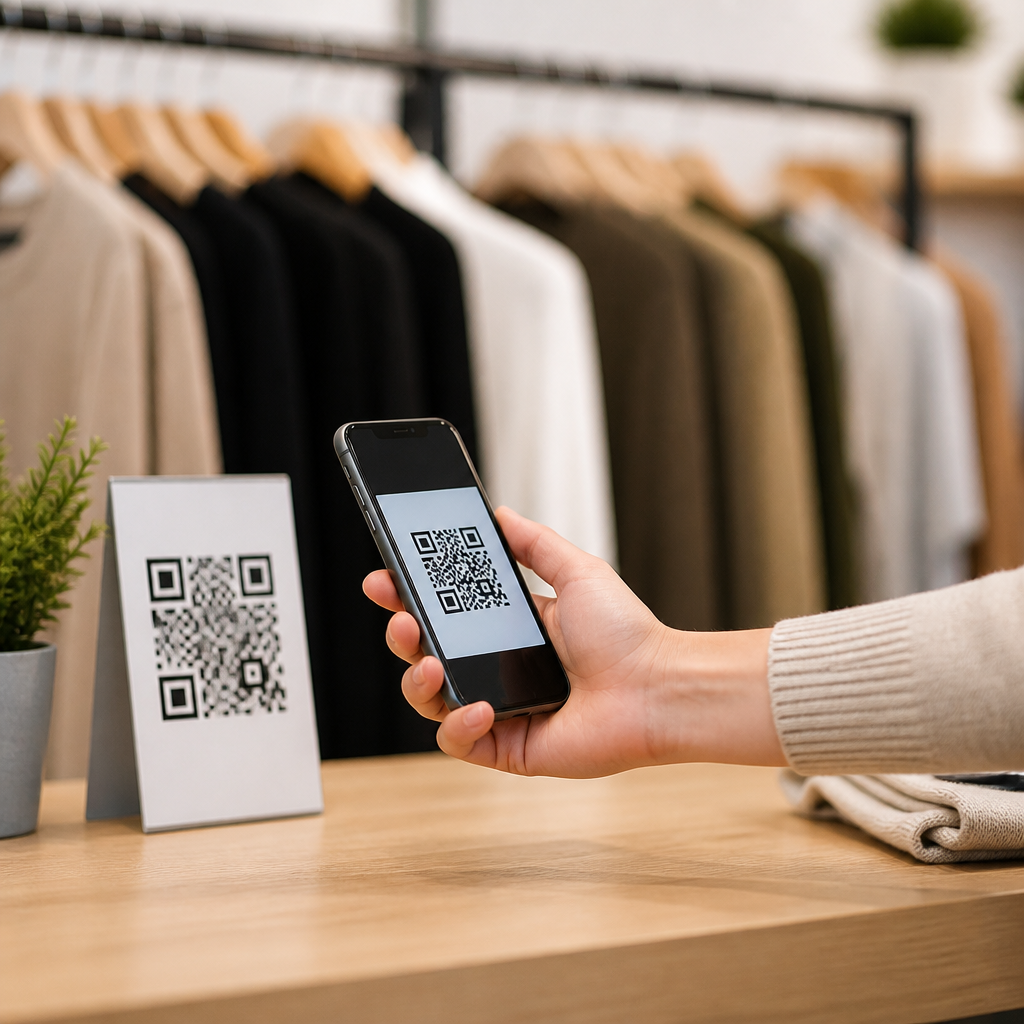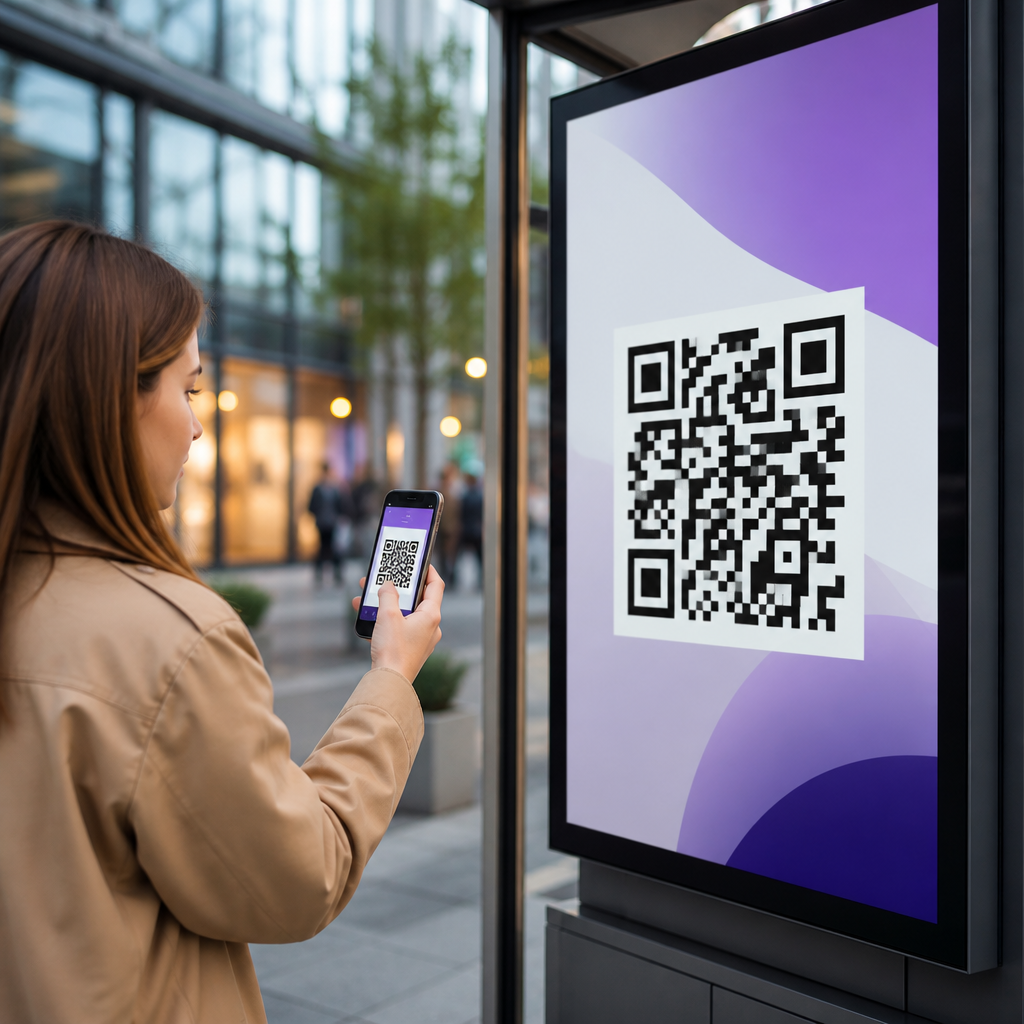
QR codes in retail marketing campaigns have moved from novelty to infrastructure because they connect physical shopping moments to measurable digital actions in seconds. A QR code, short for Quick Response code, is a two-dimensional barcode that stores a URL, product file, coupon, payment link, app deep link, or other machine-readable data that a smartphone camera can open instantly. In retail, that simple scan bridges shelf signage, packaging, displays, receipts, storefront windows, direct mail, and digital channels such as landing pages, loyalty programs, and social campaigns. I have used QR codes across in-store promotions, packaging redesigns, and omnichannel launches, and the difference between a generic code and a well-planned campaign is dramatic: one creates curiosity, while the other creates attributable revenue.
For marketers building a mobile-first strategy, QR codes matter because they reduce friction at the exact moment of intent. Instead of asking a shopper to remember a URL, search for a product, or download an app later, the brand offers an immediate path to action. That action might be viewing product specifications, redeeming a limited-time offer, joining SMS, watching a demonstration video, leaving a review, or buying online when inventory is unavailable in store. Retailers also gain data. With dynamic QR codes, teams can update the destination without reprinting assets, track scans by date and location, attach UTM parameters for analytics, and test different calls to action. As a hub within mobile QR codes for marketing, this guide explains how QR codes fit into digital marketing, where they deliver the most value in retail, how to measure results, and what execution standards separate high-performing campaigns from wasted print space.
How QR Codes Support Digital Marketing Across the Retail Journey
QR codes support digital marketing by making offline media clickable. In retail, that matters because many high-intent interactions still happen away from a keyboard: a shopper stands in an aisle comparing skincare ingredients, browses a window display after store hours, or notices a seasonal endcap while rushing through a supermarket. A QR code turns each of those moments into a trackable entry point to digital content. Brands commonly use them to route shoppers to product detail pages, comparison guides, ratings and reviews, email sign-up forms, store locators, mobile wallets, and social proof. This is why QR codes in digital marketing are best understood not as a tactic in isolation, but as a conversion layer that links real-world attention to digital journeys.
The strongest campaigns align the destination with the customer’s immediate question. If the shopper is looking at a premium coffee bag, the code should answer origin, roast profile, brewing method, and subscription options. If the shopper scans a cosmetics display, the destination should provide shade matching, tutorials, and stock availability by store. During curbside pickup and buy online, pick up in store programs, QR codes can direct customers to order status pages, pickup instructions, or post-purchase review flows. Retail marketers should think in terms of intent mapping: what does the shopper need at this exact touchpoint, and what mobile page resolves that need with the fewest taps?
High-Value Retail Use Cases That Consistently Perform
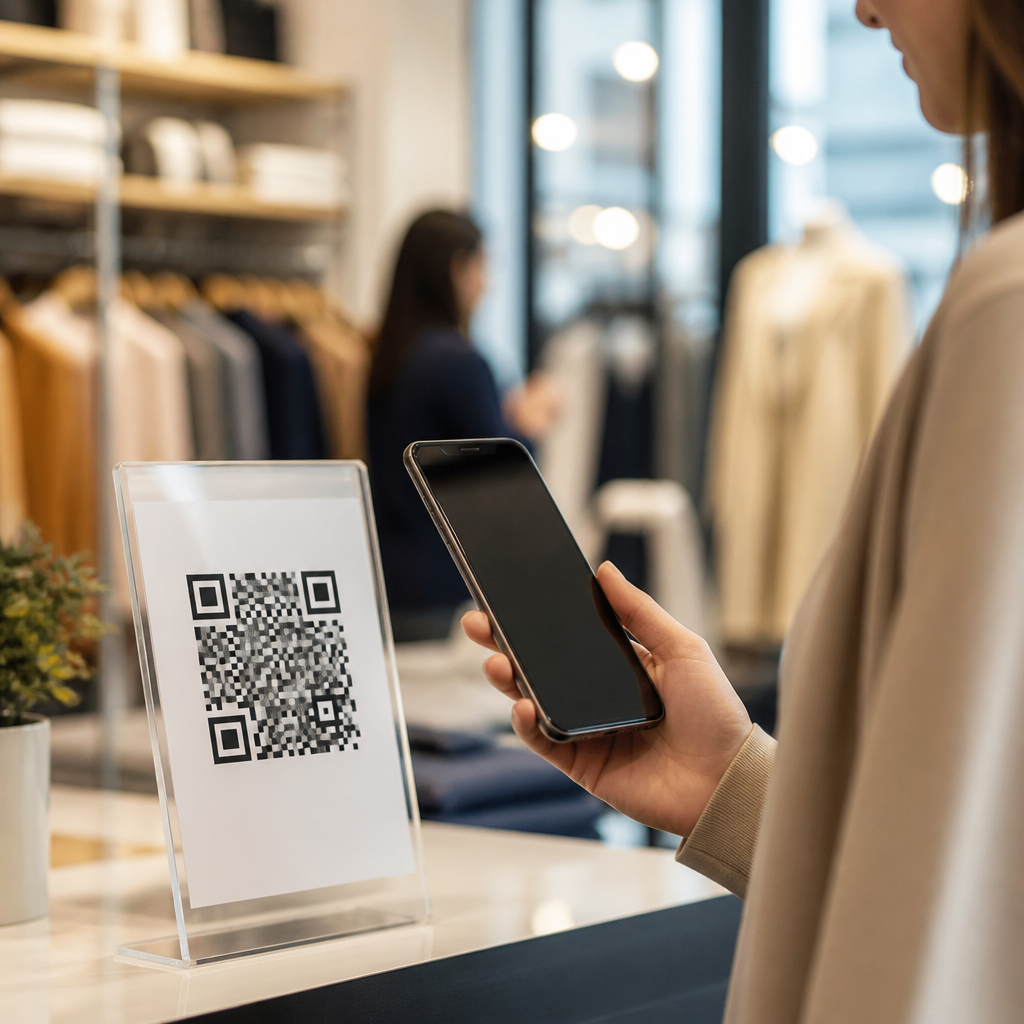
Some QR code use cases produce stronger results because they solve practical shopping problems. Product packaging is one of the most durable placements. A food brand can place a code on-pack to link to recipes, sourcing information, nutritional transparency, or replenishment. Apparel retailers use hangtag codes to show fit videos, care instructions, and alternate colors unavailable on the rack. Electronics brands use codes for setup tutorials, warranty registration, and accessory bundles. In-store signage is equally effective when the message is concrete. “Scan for 15% off today,” “See customer reviews,” and “Check sizes available online” outperform vague invitations such as “Learn more.”
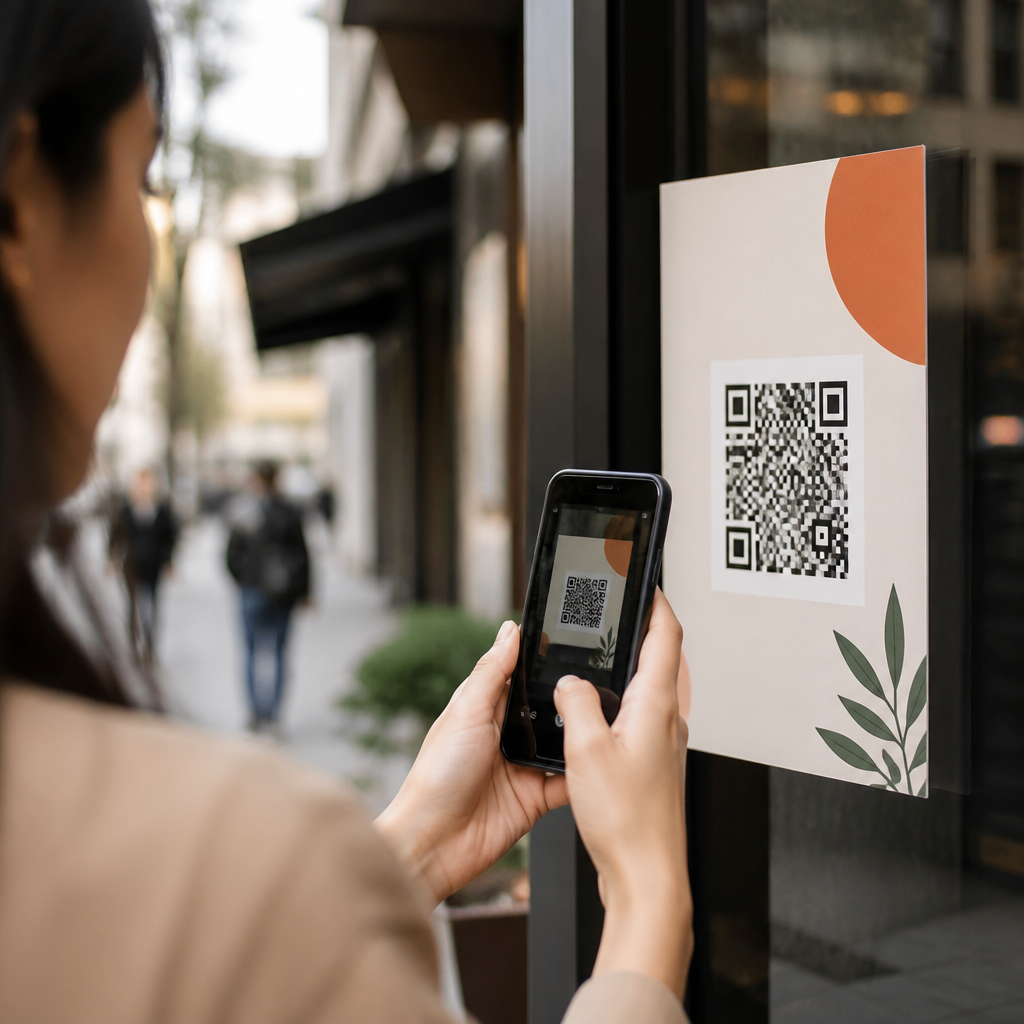
Window displays and out-of-home retail ads extend store traffic beyond operating hours. A passerby who scans a mannequin display can be sent to a curated collection page with click-and-collect options. Receipts and post-purchase inserts work well for loyalty sign-ups, referral rewards, and review generation because they target confirmed buyers. Event activations, pop-up shops, and brand collaborations also benefit from QR codes by replacing paper forms and shortening the path to contest entries, product education, and social sharing. The practical rule is simple: the code should unlock value the shopper cannot get just by looking at the shelf or sign.
| Retail placement | Best destination | Main marketing goal |
|---|---|---|
| Packaging | How-to content, ingredients, reorder page | Education and repeat purchase |
| Shelf talker | Reviews, specs, comparison page | Conversion at point of sale |
| Window display | Collection page, store locator, click-and-collect | After-hours traffic capture |
| Receipt | Loyalty enrollment, review form, referral offer | Retention and advocacy |
| Direct mail | Personalized landing page, coupon, appointment booking | Response tracking |
Campaign Design: Dynamic Codes, Landing Pages, and Calls to Action
Effective QR codes in retail marketing campaigns depend more on destination quality than on the code itself. Use dynamic QR codes whenever possible. A dynamic code points to a short redirect URL that can be edited later, allowing the marketing team to change promotions, pause broken pages, localize content, and preserve scan history. Static codes have a place for permanent information, such as Wi-Fi credentials or immutable URLs, but they are usually too rigid for campaigns. Platforms such as Bitly, QR Code Generator Pro, Uniqode, and Flowcode give retailers control over redirects, campaign tagging, and scan analytics, while Google Analytics 4 captures downstream behavior once the visitor lands.
The landing page must be mobile-first, fast, and singular in purpose. I have seen campaigns fail because a beautiful in-store display sent shoppers to a slow homepage rather than a relevant page with one obvious next step. A good QR landing page loads quickly on cellular connections, mirrors the message printed beside the code, and minimizes form fields. If the code promises a discount, the discount should be visible immediately. If it promises product details, those details should appear above the fold. Clear calls to action matter. “Scan to compare models,” “Scan for ingredients,” and “Scan to join rewards” outperform generic language because they set a precise expectation and pre-qualify intent.
Measurement, Attribution, and Optimization in QR Code Campaigns
Retailers should evaluate QR performance using both scan metrics and business outcomes. Scan volume alone can be misleading, especially in high-footfall environments where curiosity is common. The core measurement stack starts with unique campaign URLs tagged with UTM parameters for source, medium, campaign, content, and if useful, store or fixture identifiers. In analytics, marketers can then separate scans by placement and connect them to sessions, engaged visits, purchases, sign-ups, coupon redemptions, or assisted conversions. A code on a window display may generate fewer scans than one on a receipt, but if its average order value is higher, it may be the stronger growth channel.
Optimization should follow a disciplined testing plan. Compare calls to action, incentive types, page layouts, and destination formats such as video versus product grid. Test placement height, surrounding whitespace, and contextual copy. On packaging, even a small wording change from “Scan here” to “Scan for recipes and savings” can materially improve response because it clarifies the reward. For store chains, segment results by location type, demographic profile, and traffic pattern. Urban flagship stores often produce different scan behavior than suburban big-box formats. Tie campaign reports back to merchandising, creative, and ecommerce teams so that learnings shape the next rollout instead of staying trapped in a dashboard.
Operational Best Practices and Common Mistakes to Avoid
Good execution starts with scannability. Codes need sufficient contrast, quiet zone spacing, and a size appropriate to scanning distance. As a practical guideline, a code meant to be scanned from close range on packaging can be small, but codes on posters or windows must scale up significantly. Avoid glossy placements that create glare, warped surfaces that distort the modules, and overdesigned colors that reduce contrast. Branded QR codes can work well when the center logo does not compromise error correction or readability. Test on multiple devices, camera apps, and lighting conditions before printing at scale.
Privacy and trust also influence performance. Shoppers are more willing to scan when the brand is recognizable, the value exchange is obvious, and the destination domain is credible. Retailers collecting personal data should disclose what happens next and avoid forms that feel excessive for the promised reward. Another frequent mistake is linking every code to the same homepage. That wastes intent and weakens attribution. Finally, plan for continuity. Printed assets can stay in circulation for months, so expired offers, broken redirects, and out-of-stock landing pages damage trust quickly. QR campaigns succeed when operations, analytics, design, and merchandising are coordinated from the start.
QR codes in retail marketing campaigns work best when they are treated as a strategic bridge between physical shopping and digital marketing, not as decoration. They help retailers answer customer questions in the moment, reduce friction to purchase, and create measurable paths from shelf, signage, packaging, and receipts into mobile experiences. The most effective programs use dynamic codes, relevant landing pages, explicit calls to action, and analytics that connect scans to revenue, loyalty growth, and repeat purchase behavior.
For a broader mobile QR code strategy, use this hub as the starting point for packaging, in-store signage, direct mail, loyalty, ecommerce, and post-purchase content planning. Build each campaign around shopper intent, test the value proposition at every placement, and maintain rigorous tracking so offline attention becomes digital insight. If you are launching or improving QR codes in digital marketing, audit one retail touchpoint this week, map the customer question at that moment, and create a mobile destination that answers it clearly.
Frequently Asked Questions
How are QR codes used in retail marketing campaigns?
QR codes are used in retail marketing campaigns to connect in-store and printed experiences with digital actions that can be tracked, optimized, and personalized. Retailers place them on shelf tags, product packaging, endcap displays, receipts, window signage, shopping bags, direct mail, and event materials so shoppers can instantly access product information, reviews, how-to videos, loyalty sign-ups, coupons, mobile payments, store locators, and limited-time promotions. This makes the shopping journey faster and more interactive because customers can move from seeing a product to learning more or completing an action in a matter of seconds.
From a marketing perspective, QR codes are especially valuable because they create a measurable bridge between offline touchpoints and online behavior. A retailer can learn which display generated scans, which promotion drove traffic, what time scans occurred, and whether users redeemed an offer, downloaded an app, or purchased a product. That insight helps marketing teams refine campaign placement, creative, timing, and messaging. In practical terms, QR codes turn physical retail media into performance media, which is why they have become a core tool rather than just a novelty.
What are the main benefits of using QR codes in retail marketing?
The biggest benefit is convenience. Customers can scan a code with their phone and immediately reach the exact content or action the retailer wants them to see, without typing a URL or searching manually. That removes friction at critical moments, whether a shopper wants to compare product details, claim a discount, join a rewards program, check inventory, or pay quickly. In retail, where attention is limited and decisions happen fast, reducing even small barriers can improve engagement and conversion rates.
QR codes also support better measurement and agility. Unlike many traditional in-store tactics, QR-enabled campaigns can be monitored in near real time. Retailers can track scan volume, location, device behavior, and downstream actions, then update the destination content without reprinting the code if they use dynamic QR technology. This flexibility is useful for seasonal promotions, flash sales, product launches, and omnichannel campaigns. On top of that, QR codes are relatively low-cost to deploy, easy to scale across multiple stores and formats, and effective for linking physical assets to loyalty, ecommerce, and customer data systems.
What makes a retail QR code campaign successful?
A successful retail QR code campaign starts with a clear purpose. The code should lead to a specific customer action, such as unlocking a coupon, viewing product specifications, watching a demonstration, entering a giveaway, or completing a purchase. If the destination is vague, slow, or not clearly beneficial, scan rates will suffer. Strong campaigns make the value obvious with a direct call to action like “Scan for 20% off,” “Scan to see sizes in stock,” or “Scan to watch setup instructions.” Shoppers need an immediate reason to engage, especially in busy store environments.
Execution matters just as much as strategy. The code must be easy to find, large enough to scan, placed at a comfortable height, and printed with enough contrast to work under real-world retail lighting. The landing experience should be mobile-friendly, fast-loading, and relevant to the exact context where the scan happens. For example, a code on packaging should open content tied to that product, not a generic homepage. Retailers also improve results by using dynamic codes, tagging scans for analytics, testing different placements and offers, and training store teams so they can explain the value to customers. In short, success comes from pairing strong customer intent with smooth technical delivery and measurable follow-through.
Are QR codes effective for driving sales and customer engagement in stores?
Yes, QR codes can be very effective for both sales and engagement when they are tied to useful, timely experiences. In stores, they help answer questions at the point of decision, which can increase buyer confidence and reduce abandonment. A shopper considering a product might scan to compare features, read reviews, check whether another color is available, or access a limited-time discount. That extra layer of information can move someone from browsing to buying, especially for products that benefit from explanation or visual demonstration.
They also support deeper engagement beyond the immediate purchase. Retailers can use QR codes to encourage app downloads, email sign-ups, loyalty enrollment, product registration, social participation, referrals, or post-purchase care. This extends the relationship after the initial transaction and gives the brand more opportunities to communicate with the customer later. Effectiveness depends on relevance: the best campaigns align the scan opportunity with a real shopper need in that moment. When used thoughtfully, QR codes do more than create interaction; they help retailers influence behavior, collect insight, and build a stronger omnichannel customer journey.
What are the best practices and common mistakes to avoid with retail QR codes?
Best practices begin with usefulness and trust. Retailers should send customers to secure, mobile-optimized destinations that load quickly and match the promise made beside the code. The campaign should include a clear explanation of what happens after scanning, and ideally offer a visible benefit such as savings, exclusive content, easier checkout, or faster access to information. Dynamic QR codes are often the better choice because they allow updates to links, support analytics, and make long-term asset management easier. It is also smart to use unique codes for different placements so performance can be measured accurately by store, fixture, region, or campaign type.
Common mistakes include sending users to a homepage instead of a relevant landing page, making the code too small or hard to scan, failing to test it on multiple devices, or placing it where internet connectivity is weak. Another major issue is asking too much from the user after the scan, such as requiring unnecessary form fields or several extra clicks before they can redeem an offer. Retailers should also avoid treating QR codes as a gimmick. If the code does not solve a problem, save time, or provide value, customers will quickly ignore it. The most effective retail QR implementations are simple, purposeful, context-aware, and designed with the shopper’s real environment in mind.