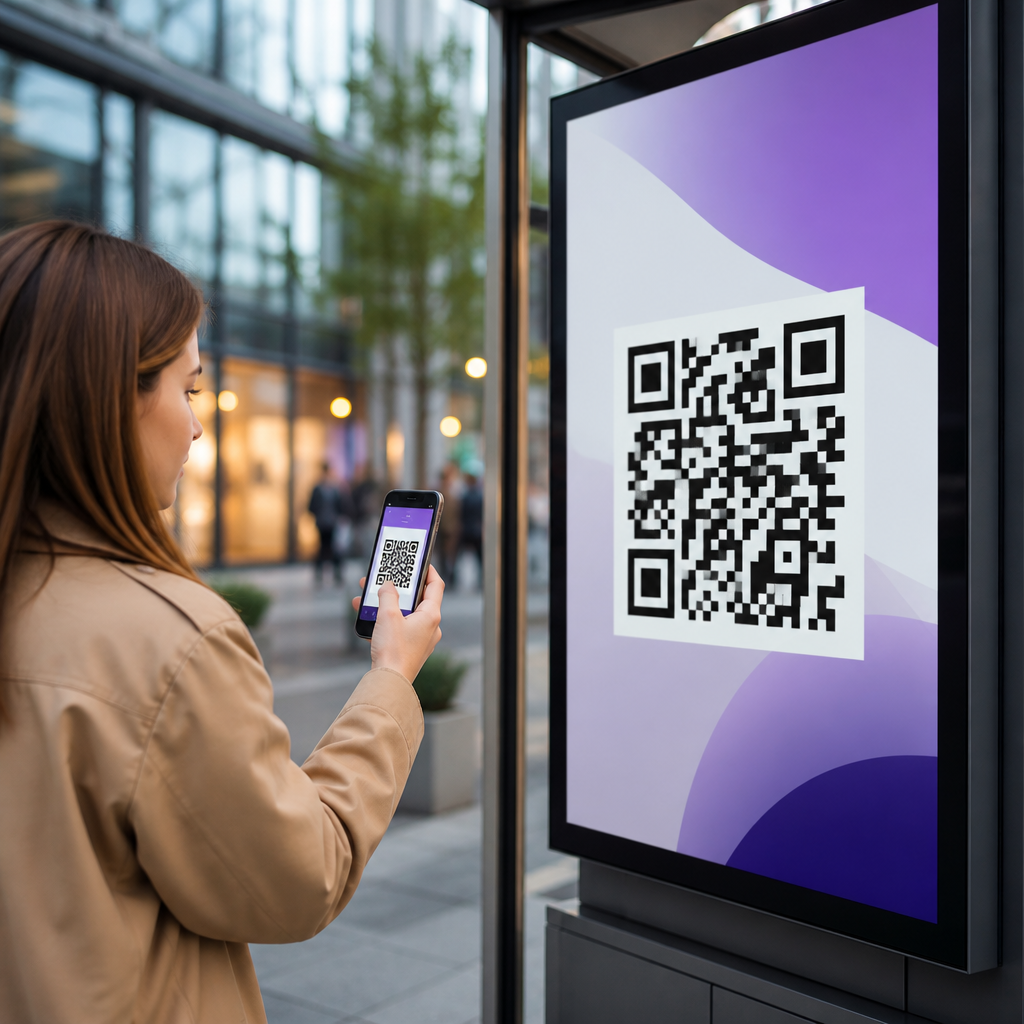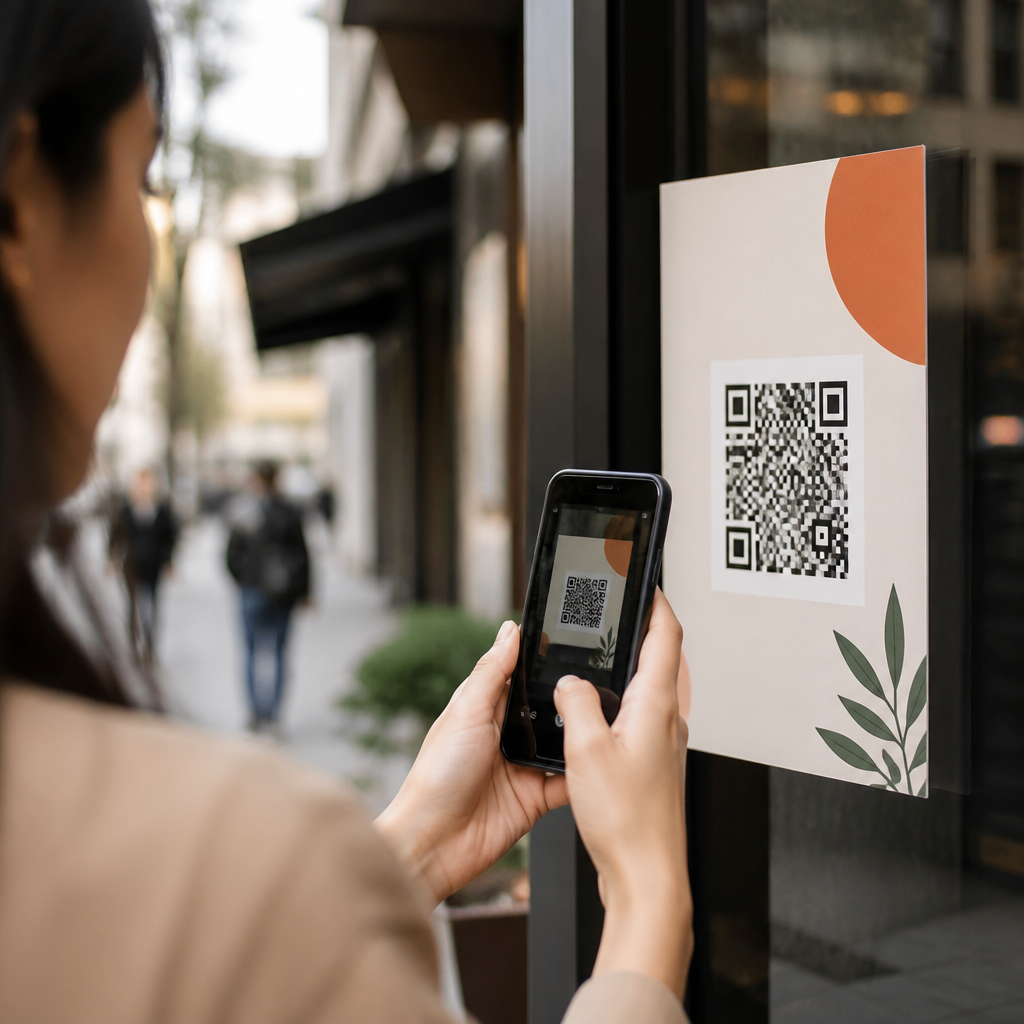

QR codes for customer engagement campaigns have moved from novelty to core marketing infrastructure because they connect physical touchpoints, mobile devices, and measurable digital actions in one scan. A QR code, or quick response code, is a two-dimensional barcode that stores a destination such as a URL, app link, video, coupon, form, payment page, or downloadable file. In digital marketing, the value is not the square itself but the friction it removes. Instead of asking a customer to type a long address, search for a product, or remember an offer, a marketer can place a scannable code on packaging, signage, direct mail, receipts, event badges, menus, in-store displays, or connected TV screens and move the user instantly into a campaign flow.
I have used QR codes across retail launches, restaurant promotions, trade show lead capture, and post-purchase onboarding, and the pattern is consistent: campaigns work when the scan leads to a fast, relevant mobile experience. That is why this topic matters. Smartphone camera adoption made scanning ordinary, while privacy changes reduced the reliability of some third-party targeting methods. QR codes give brands a consent-based bridge to first-party data, owned content, loyalty enrollment, and offline-to-online attribution. They are inexpensive to deploy, easy to test, and flexible enough for awareness, conversion, retention, and service. As a hub topic within mobile QR codes for marketing, this guide explains how QR codes in digital marketing work, where they fit in customer engagement campaigns, which formats and tools perform best, and how to measure results without guessing.
How QR Codes Support the Full Marketing Funnel
QR codes are effective because they can serve every stage of the funnel when the landing experience matches intent. At the awareness stage, a code on out-of-home media can open a short brand video, campaign microsite, or augmented reality activation. A cosmetics brand, for example, can place a code on a subway poster that launches a mobile skin quiz tied to product recommendations. At consideration, a code on packaging or shelf talkers can deliver comparison charts, ingredient details, reviews, or use cases that help a shopper decide in the aisle. At conversion, codes can open limited-time offers, mobile checkout pages, wallet passes, or store locator results. After purchase, they can trigger setup guides, how-to videos, warranty registration, feedback forms, or loyalty rewards.
The strongest campaigns answer one question immediately: why should the customer scan right now? “Scan to learn more” is weak because it does not define value. “Scan for 15% off today,” “Scan to see the menu,” and “Scan to join the giveaway before 6 p.m.” are stronger because the benefit is specific. This is where QR codes outperform generic URLs in physical environments. They shorten the path from curiosity to action. In one in-store program I managed, replacing a printed product brochure with a QR-linked comparison page increased interactions because the page loaded current prices, FAQs, and stock status, none of which a static handout could provide. The code became the doorway to live information, not just a convenience feature.
Campaign Types That Benefit Most from QR Codes
Some campaign formats are especially well suited to QR code engagement. Product packaging is one of the best because it reaches customers at the moment of ownership. A food brand can use packaging codes for recipes, sourcing information, and loyalty sign-up. A consumer electronics company can route buyers to setup instructions and accessory recommendations, reducing support costs while increasing cross-sell revenue. Direct mail also performs well because the recipient already has the piece in hand; a personalized postcard with a QR code leading to a tailored landing page can lift response rates when paired with a strong offer and clean mobile design.
Events are another high-value use case. Trade shows, conferences, and pop-up activations need low-friction lead capture. A booth code can open a demo booking form prefilled with campaign parameters, while badge or table codes can distribute PDFs, case studies, or follow-up offers without printing stacks of collateral. Restaurants and hospitality brands continue to use QR codes for menus, ordering, feedback, and review generation, but the better operators go further by segmenting destinations by table, location, or daypart. That makes it possible to compare brunch scans with dinner scans, or airport travelers with downtown diners, and adjust promotions accordingly. For digital marketing teams, that level of granularity turns a simple code into a practical channel for campaign optimization.
Static vs Dynamic QR Codes and When to Use Each
Not all QR codes are equal. Static QR codes encode a fixed destination directly in the pattern. They are appropriate when the destination will never change, such as a permanent Wi-Fi login, vCard, or stable informational page. Dynamic QR codes point first to a redirect managed by a platform, which then sends users to the final destination. For marketing, dynamic is usually the right choice because it allows marketers to update the destination without reprinting the code. If a seasonal offer ends, the same packaging code can be redirected to a new campaign, preserving the physical asset while keeping the content current.
Dynamic codes also support scan analytics, UTM governance, and sometimes conditional routing by device, time, or geography. Those capabilities matter in serious customer engagement campaigns. If a code appears on 50,000 product inserts, you need the ability to fix a broken page, swap in a new creative, or redirect to a localized experience. Branded QR code generators such as Bitly, QR Code Generator PRO, Beaconstac, Flowcode, and Uniqode are commonly used because they support editable links, scan tracking, and campaign organization. Static codes still have a role, but for most QR codes in digital marketing, dynamic codes offer the control needed for optimization, governance, and long-term asset management.
Creative, Placement, and Mobile Experience Best Practices
A QR code campaign succeeds or fails on execution details. The first requirement is scanability. Use sufficient contrast, preserve the quiet zone around the code, and test across iPhone and Android camera apps before launch. Avoid shrinking codes too small for the viewing distance; a practical rule is that larger placements should be readable from the expected scan distance, especially on posters, shelf signs, and window decals. Add a clear call to action next to the code, because context increases scan rates. The second requirement is relevance. The landing page should match the promise on the asset exactly and load quickly on mobile. If the code offers a coupon, the coupon should appear immediately, not after a long homepage detour.
Designers often ask whether branded QR codes reduce performance. In my experience, moderate customization is useful when it reinforces trust, but excessive styling can break readability. A centered logo, on-brand color palette with strong contrast, and a short branded URL are usually enough. Placement also matters. Codes near checkout, on product displays, or at transition moments such as waiting areas and event queues tend to perform better because customers have both context and time. Most important, remove friction after the scan. Keep forms short, support autofill, avoid intrusive pop-ups, and optimize page speed using compressed images, modern caching, and lightweight scripts. A beautiful code cannot rescue a slow or confusing mobile journey.
Measurement, Attribution, and Key Performance Indicators
Marketers should treat QR codes as measurable campaign assets, not decorative add-ons. At minimum, track scans, unique visitors, sessions, bounce rate, conversion rate, revenue, and downstream actions such as email sign-ups or account creation. Use UTM parameters consistently so Google Analytics 4, Adobe Analytics, or your CRM can distinguish package scans from direct mail, in-store signage, or event traffic. When possible, connect the campaign to first-party identifiers through forms, coupon redemptions, wallet pass saves, or logged-in experiences. That is how offline impressions become attributable digital outcomes.
| Metric | What it shows | Why it matters |
|---|---|---|
| Scan rate | Scans divided by estimated views or distribution | Indicates whether placement and call to action are compelling |
| Landing page conversion rate | Completed desired actions per visitor | Reveals whether the post-scan experience delivers value |
| Time to load | Seconds before content becomes usable on mobile | Slow pages suppress engagement and increase abandonment |
| Redemption or lead rate | Offers claimed or forms submitted from scans | Ties campaign activity to business outcomes |
Attribution requires realism. A single scan may influence a later purchase that happens in store, through a sales rep, or on another device. That does not make QR codes unmeasurable; it means marketers should combine direct metrics with assisted-conversion analysis and controlled testing. For example, compare stores using QR-enabled shelf talkers with matched stores that do not, or run unique promo codes by channel. When teams review QR performance this way, they stop asking whether scans happened and start learning which creative, offer, placement, and audience mix drives profitable engagement.
Common Mistakes and How to Avoid Them
The most common QR code mistakes are simple and expensive. Sending users to a desktop page, a generic homepage, or expired content wastes intent. Printing static codes for campaigns that will change creates operational headaches. Using multiple code generators without naming conventions produces reporting chaos. I have also seen teams place codes where scanning is impractical, such as moving vehicles, small television corners, or reflective surfaces under poor lighting. Another frequent problem is missing compliance review when collecting personal data; if the destination includes forms, messaging opt-in, or payment, the flow must meet privacy, accessibility, and security requirements.
The fix is disciplined campaign planning. Define one primary goal per code, build a dedicated mobile destination, use dynamic links, tag analytics correctly, and test the complete journey in the real environment where customers will scan. Include fallback information such as a short URL for users who cannot scan. Follow accessibility basics by ensuring text instructions are readable and destination pages work with screen readers. Finally, maintain the codes after launch. Customer engagement campaigns are not set-and-forget assets. Review scan trends, broken links, and conversion data regularly, then refine the creative and destination. Brands that treat QR codes as living marketing infrastructure see stronger results.
QR codes for customer engagement campaigns work because they turn ordinary customer moments into measurable digital interactions. They help brands bridge offline media and mobile action, capture first-party data, support loyalty and service, and improve campaign attribution across packaging, retail, direct mail, events, and hospitality. The principles are straightforward: offer a clear reason to scan, use dynamic QR codes, send users to a fast mobile experience, and measure outcomes beyond the scan itself. When those elements align, QR codes in digital marketing become a practical growth channel rather than a gimmick.
For teams building a broader mobile QR codes for marketing program, this hub should guide your next steps. Audit current touchpoints, identify where customers face friction, and map each code to a specific stage of the journey. Then standardize tools, analytics, naming, and creative rules so every campaign is easier to launch and improve. Start with one high-intent use case, test rigorously, and expand from proven wins.
Frequently Asked Questions
What makes QR codes so effective for customer engagement campaigns?
QR codes are effective because they remove friction at the exact moment a customer is ready to act. Instead of asking someone to remember a web address, search for a product, download an app later, or manually enter a promo code, a QR code turns interest into immediate action with a single scan. That speed matters in customer engagement campaigns because attention is limited and intent is often short-lived. When a person sees a product display, package, poster, receipt, event sign, or direct mail piece, the QR code creates a direct bridge from that physical touchpoint to a digital experience.
They are also powerful because they are flexible. A single scan can lead to a landing page, loyalty sign-up form, coupon, product demo video, feedback survey, social media campaign, booking page, menu, downloadable guide, or payment experience. That makes QR codes useful across the full customer journey, from awareness and consideration to conversion and retention. In practical terms, businesses use them to collect leads, drive repeat purchases, increase app downloads, encourage reviews, promote exclusive content, and personalize post-purchase engagement.
Another major advantage is measurability. Unlike many traditional offline tactics, QR code campaigns can be tracked. Marketers can see scans, time of activity, device type, location trends, conversion rates, and downstream behavior when proper analytics are in place. This gives teams clear evidence of what placements, messages, and offers are working. In short, QR codes are effective not because they are trendy, but because they connect offline attention to online action in a way that is fast, convenient, and measurable.
How can businesses use QR codes throughout a customer engagement campaign?
Businesses can use QR codes at nearly every stage of a campaign by matching the destination to the customer’s current level of intent. At the awareness stage, QR codes can appear on storefront signage, product packaging, print ads, event booths, and flyers to drive people to a campaign landing page, brand story video, or social contest. In these cases, the goal is usually to spark curiosity and encourage first interaction without requiring much effort from the customer.
During consideration, QR codes can help customers evaluate options more confidently. A code on a shelf tag or product label might open a comparison guide, testimonials, how-to video, FAQ page, or interactive product configurator. For service businesses, a code on a brochure or poster can lead to appointment scheduling, case studies, or a consultation form. This use is especially valuable in environments where space is limited and businesses need to provide rich information without overwhelming the physical design.
At the conversion stage, QR codes can deliver timely incentives that motivate action. Examples include limited-time coupons, checkout pages, event registrations, mobile ordering, subscription sign-ups, and digital wallets for loyalty redemption. After purchase, QR codes can continue the engagement by connecting customers to onboarding guides, care instructions, support resources, referral programs, review requests, reorder pages, or VIP communities. In that sense, the most successful campaigns do not treat the QR code as a one-time scanner tool. They treat it as a persistent engagement channel that links real-world interactions to relevant digital experiences before, during, and after the sale.
What are the best practices for creating a high-performing QR code campaign?
A high-performing QR code campaign starts with a clear goal. Before generating the code, define the desired action: collect emails, drive purchases, increase loyalty enrollments, gather reviews, boost event attendance, or encourage app downloads. The destination should align tightly with that objective and be optimized for mobile, since most scans happen on smartphones. A common mistake is sending users to a generic homepage instead of a focused landing page built for the specific campaign. The more direct and relevant the destination, the better the response.
Strong messaging is equally important. Customers need to know why they should scan and what they will get in return. Pair the code with a clear call to action such as “Scan to claim 15% off,” “Scan to watch the demo,” or “Scan to join our rewards program.” Context increases scan rates because people are more likely to engage when the value is obvious. Placement matters too. The code should be easy to spot, large enough to scan comfortably, and positioned where people have time and ability to use their phones. A code on moving signage, low-contrast surfaces, or cluttered packaging will underperform no matter how good the offer is.
Marketers should also use dynamic QR codes whenever possible. Dynamic codes allow the destination URL to be updated without reprinting the code, which is useful for testing offers, correcting errors, extending campaigns, or redirecting users based on timing and audience. Testing is essential before launch. Scan the code across different devices, lighting conditions, distances, and operating systems to make sure the experience works smoothly. Finally, connect the campaign to analytics tools so performance can be measured accurately. The best practice is not just to launch a scannable code, but to create a full scan-to-conversion experience that is intentional, useful, fast, and trackable.
How do you measure the success of a QR code customer engagement campaign?
Success should be measured beyond raw scan volume. While scans are a useful top-level indicator, they only show initial interest. The more meaningful metrics depend on campaign goals and should include engagement and conversion outcomes. For example, if the objective is lead generation, important metrics include form completions, cost per lead, and qualified lead rate. If the goal is sales, track conversions, revenue per scan, average order value, and coupon redemption. For loyalty or retention campaigns, marketers may focus on repeat purchases, account registrations, app activations, or referral participation.
Campaign measurement becomes stronger when QR codes are paired with dedicated landing pages, UTM parameters, CRM tracking, and analytics platforms. This setup helps marketers understand not only that a user scanned, but what happened next. Did they bounce immediately? Watch a video? Add items to cart? Complete a transaction? Return later? These insights allow businesses to evaluate campaign quality rather than just campaign traffic. It also becomes easier to compare performance across locations, formats, offers, audience segments, and creative variations.
Another important factor is context. A QR code on product packaging may have lower scan volume than one on a checkout counter, but it might generate higher-value engagement because customers scanning packaging are already closer to purchase or post-purchase support. Measuring success therefore requires looking at intent, placement, and customer journey stage. The best reporting framework combines scan metrics, destination behavior, business outcomes, and optimization learnings. That way, QR codes become part of a repeatable performance system rather than a disconnected marketing tactic.
What are the most common mistakes to avoid when using QR codes in engagement campaigns?
One of the biggest mistakes is giving customers no compelling reason to scan. A QR code by itself does not create engagement. People need a clear benefit, whether that is access to exclusive content, a discount, quicker checkout, product information, event registration, or a rewards offer. If the surrounding copy is vague or the destination is generic, response rates usually suffer. Another common issue is sending users to a poor mobile experience. Since the scan happens on a smartphone, the landing page must load quickly, display cleanly, and make the next step obvious. A slow, cluttered, or non-mobile-friendly page can waste the intent the QR code worked to capture.
Technical and design errors are also frequent. Codes that are too small, low contrast, distorted, or placed on reflective or curved surfaces can be hard to scan. Businesses also sometimes position them in inconvenient locations, such as where customers have poor lighting, no signal, or no time to stop and interact. In print, using static QR codes without future flexibility can create problems if links change or campaigns need updates. That is why dynamic QR codes are often the better long-term choice.
Another mistake is failing to measure results. Without proper tracking, marketers cannot tell whether the campaign drove meaningful engagement or simply generated curiosity clicks. Some teams also overlook trust signals. If users are uncertain where a scan will lead, they may hesitate. Clear branding, concise explanations, and secure destinations help reduce that hesitation. Ultimately, the biggest mistake is treating QR codes as decoration instead of infrastructure. When businesses focus on customer value, mobile usability, strategic placement, and analytics, QR codes become a reliable tool for engagement rather than an underperforming add-on.