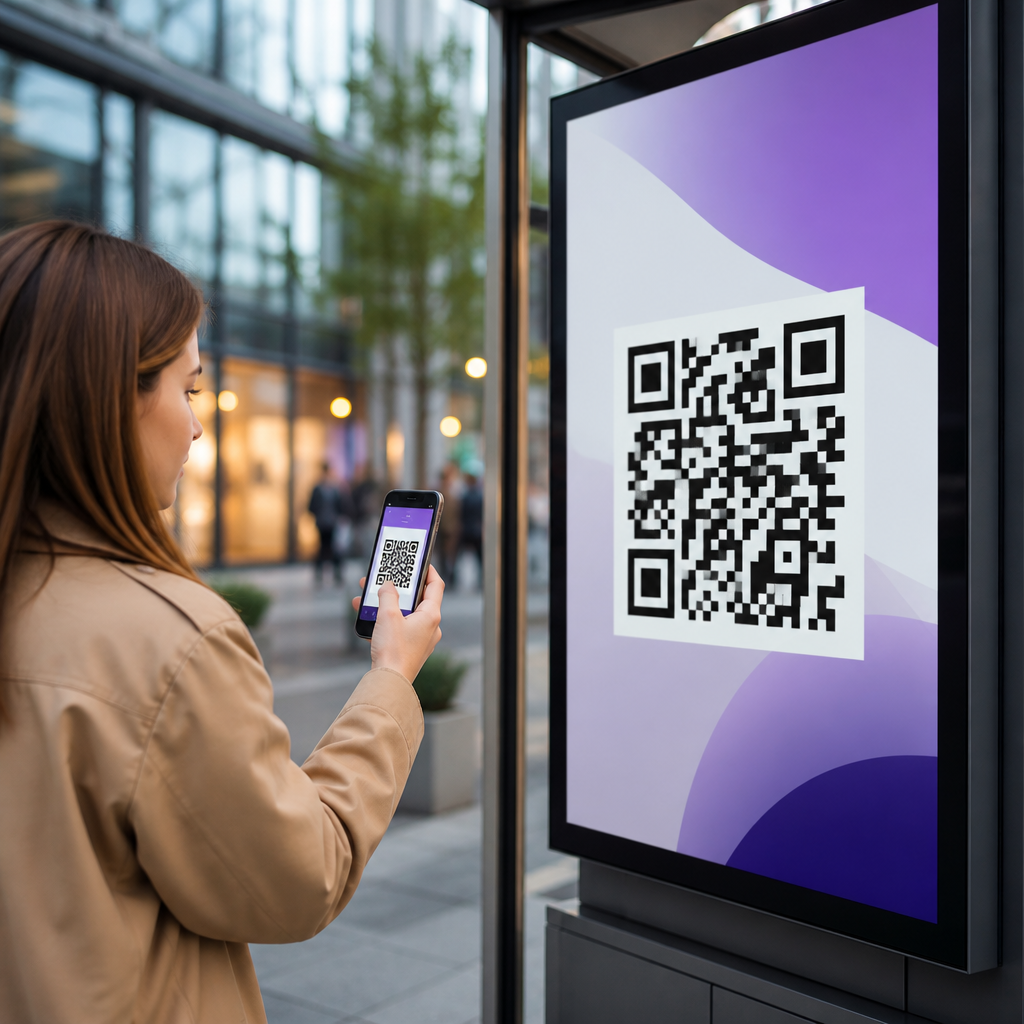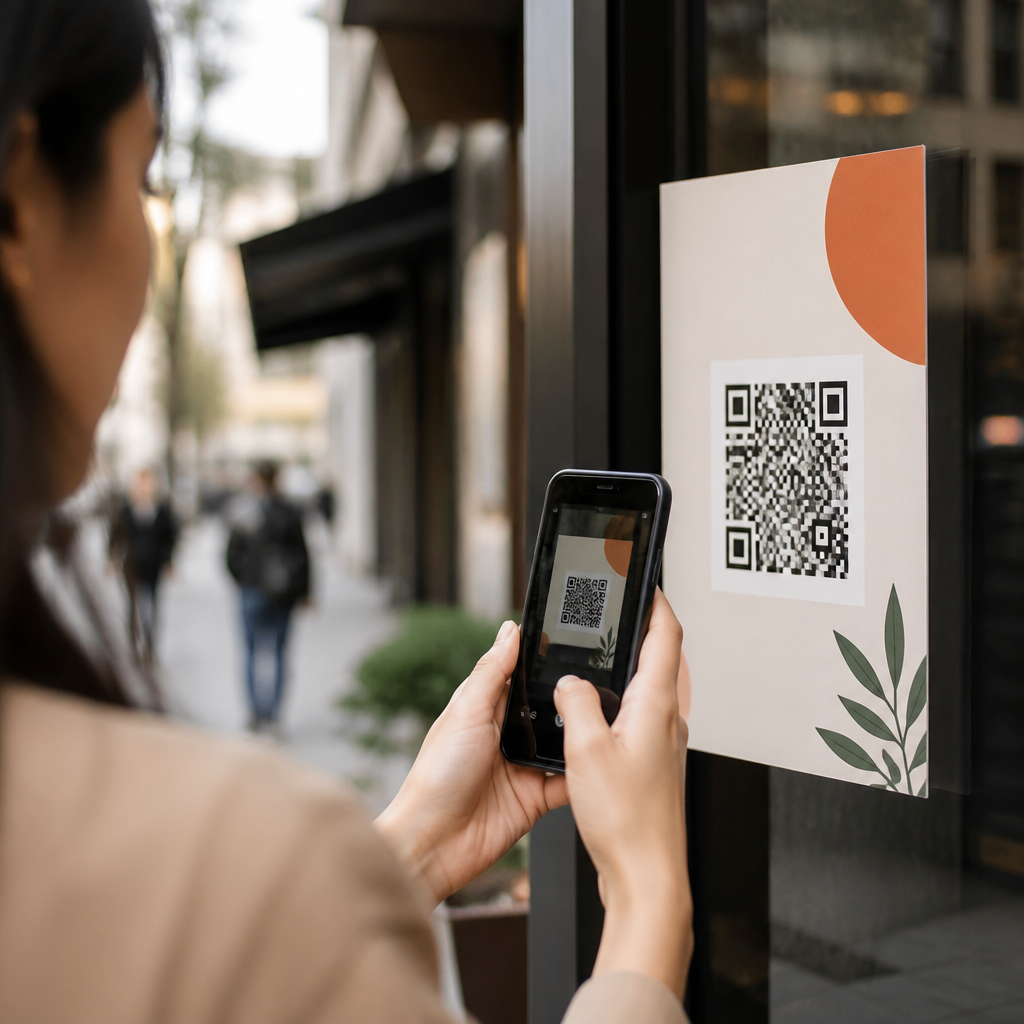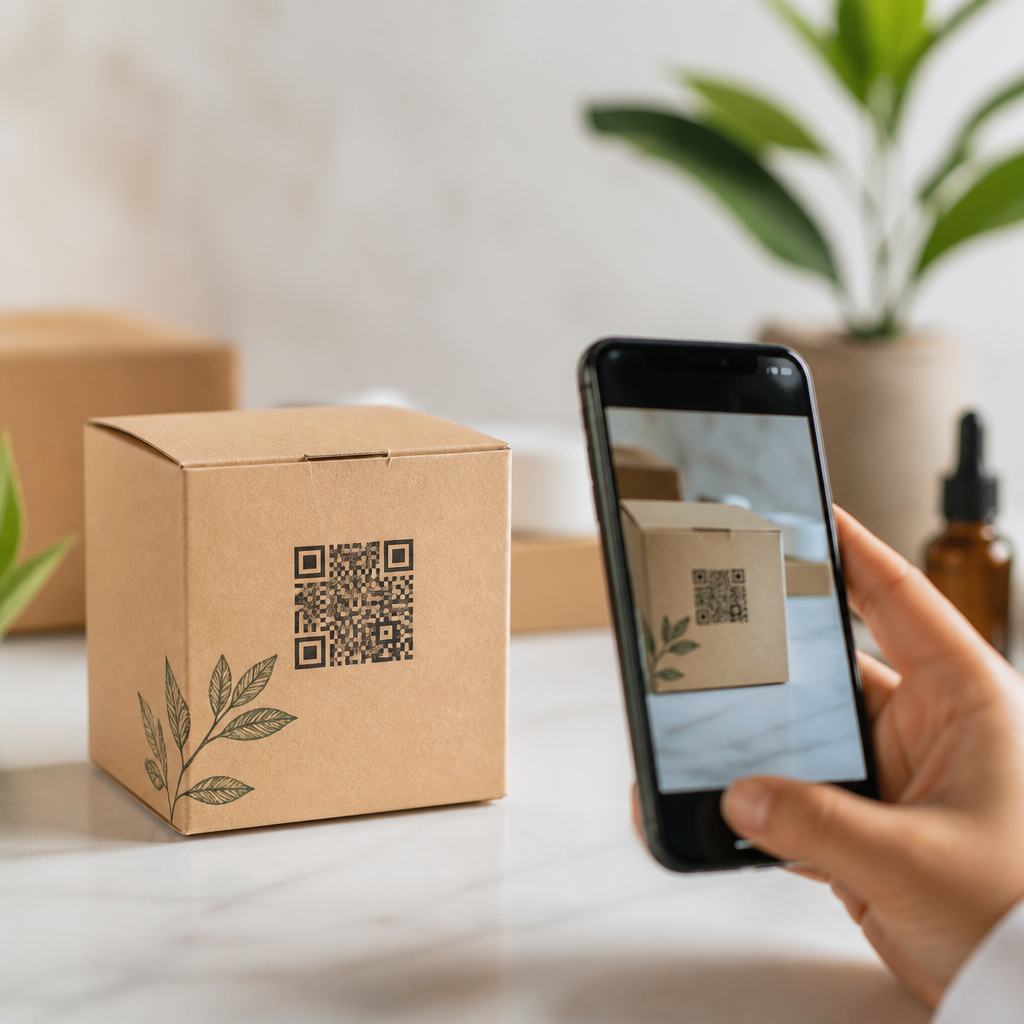
QR codes on product packaging turn a static box, bottle, pouch, or label into a measurable marketing touchpoint. A quick scan can send a shopper to a product video, loyalty offer, setup guide, review request, reorder page, or localized landing page, making packaging part of the customer journey instead of the end of it. In practical terms, a QR code is a two-dimensional barcode that stores a URL or other data, while product packaging includes the primary pack, outer carton, insert, hangtag, shrink sleeve, and shipping materials consumers physically handle. When these two elements are planned together, brands can connect offline attention to mobile action at the exact moment interest is highest.
This matters because packaging is one of the few owned media channels every buyer sees. Paid ads are skipped, emails go unopened, and social reach fluctuates, but a package is guaranteed exposure before purchase, during unboxing, and often again at replenishment. I have implemented packaging QR programs for launches, subscription brands, and retail products, and the pattern is consistent: scans rise when the code solves a specific customer need immediately. The strongest campaigns do not treat the code as decoration. They treat it as a call to action tied to information, convenience, or value. For brands building a broader mobile QR marketing strategy, packaging is the most reliable place to begin because it aligns customer intent, physical context, and measurable digital behavior.
To add QR codes to product packaging for marketing effectively, you need four things: a clear objective, a mobile destination built for the scan context, print-ready code specifications, and a way to measure performance. Objectives usually fall into acquisition, conversion, retention, support, or advocacy. A food brand may use packaging to collect first-party data through a recipe club. A cosmetics brand may link shades to tutorial videos. An electronics company may reduce support tickets by routing scans to setup instructions. A direct-to-consumer brand may drive repeat orders through a replenishment page. The technology is simple, but the strategy determines whether scans become revenue, lower service costs, or stronger customer relationships.
Start with the marketing goal and scan context
The first question is not “How do I generate a QR code?” It is “What should happen after someone scans this package?” Product packaging sits in different contexts: on the shelf before purchase, at home during unboxing, in the kitchen during use, or in a recycling bin when the buyer is considering a repurchase. Each moment supports different goals. Pre-purchase packaging works well for ingredients, provenance, sustainability claims, how-to demonstrations, and retailer promotions. Post-purchase packaging is better for onboarding, registration, referrals, community access, and review collection.
In my projects, scan rates improve when one package carries one primary action. If a coffee bag says “Scan for brew guide,” shoppers understand the value instantly. If the same bag asks them to join a club, watch a brand film, register for rewards, and enter a contest, response drops because the benefit is unclear. Match the CTA to the product and stage. For regulated categories such as supplements or alcohol, route scans to pages that support compliance reviews and local legal requirements. If the product sells internationally, use dynamic redirects so the same printed code sends each user to the correct language and market page.
Choose the right QR code type, landing page, and destination architecture
For packaging, dynamic QR codes are usually the correct choice because the printed symbol stays the same even if the destination changes. That matters when inventory is already printed or sitting in distribution. A dynamic code also supports analytics such as scan volume, time, device type, and geography, depending on the platform and privacy configuration. Static codes are acceptable for permanent destinations like a simple PDF manual, but they create operational risk because any URL change can break the experience for the life of the package.
The landing page must load fast, fit small screens, and deliver the promised outcome within seconds. Google’s mobile usability expectations still apply: readable text, tappable buttons, compressed assets, and minimal friction. If the scan promise is “watch setup in 60 seconds,” do not send users to a generic homepage. Send them directly to a page with the exact video, product name, and next step. Many teams use campaign builders in Bitly, Flowcode, Beaconstac, or QR Code Generator Pro for redirects and analytics, then connect pages to GA4, CRM workflows, and consent tools. For larger organizations, destination architecture should include UTM conventions, localization rules, fallback URLs, and ownership across packaging, ecommerce, and lifecycle marketing teams.
Design packaging QR codes for scan reliability and brand fit
A QR code that looks attractive but scans poorly fails its only job. Use high contrast, protect the quiet zone around the code, and test on multiple phones under typical lighting conditions. Dark code on a light background remains the safest standard. In print production, vector formats such as SVG or EPS are preferred because they scale cleanly. Minimum size depends on scan distance and substrate, but on consumer packaging a code around 0.8 to 1 inch square is a practical baseline, with larger sizes for corrugated boxes or in-store signage. Curved surfaces, metallic inks, glossy finishes, transparent labels, and crinkled flexible packaging all introduce risk.
Brand customization should never compromise readability. You can incorporate a logo in the center if error correction and testing support it, but excessive styling, inverted colors, or decorative frames often reduce performance. Placement matters as much as design. Put the code where hands and cameras can reach it easily and where surrounding copy clarifies the benefit. “Scan for setup” next to product assembly content performs better than a bare code hidden in legal text. Include a short URL as a backup for accessibility and failure recovery. If your audience includes older devices or low-connectivity environments, use lightweight pages and avoid app-download requirements unless the value clearly justifies the extra step.
Measure scans, attribution, and downstream business impact
Packaging QR code marketing should be judged beyond raw scan counts. The meaningful metrics depend on the objective: email signups, account registrations, tutorial completion, coupon redemptions, repeat orders, support deflection, product reviews, or retailer traffic. I recommend setting a measurement plan before artwork approval so every campaign has naming conventions, event tracking, and dashboard ownership. In GA4, define events for scan landing sessions, CTA clicks, form completions, and revenue actions. In CRM or marketing automation platforms, capture source parameters so packaging-origin leads can be segmented for follow-up and lifetime value analysis.
| Packaging use case | Best destination | Primary KPI |
|---|---|---|
| Product onboarding | Mobile setup guide or video | Activation rate |
| Retail conversion support | Ingredients, demo, or comparison page | Engaged sessions |
| Loyalty and retention | Rewards signup or reorder page | Repeat purchase rate |
| Customer feedback | Review or survey page | Review volume and sentiment |
Attribution has limits, so use a balanced approach. A shopper may scan in store and purchase later on another device, or one household member may scan while another completes the order. That does not make packaging QR data useless; it means you should combine platform analytics with coupon codes, post-purchase surveys, retailer sell-through trends, and cohort analysis. For support use cases, compare ticket categories before and after launch. For retention programs, measure repeat purchase lift among scanners versus non-scanners while controlling for product line and acquisition source. The clearest wins usually come from removing friction at key moments, not from expecting every scan to become an immediate sale.
Build the hub: how packaging connects to the wider QR marketing program
As a hub within QR codes in digital marketing, packaging should connect to the larger ecosystem rather than operate as a standalone tactic. The same governance used for print codes should extend to email, direct mail, out-of-home, event materials, menus, brochures, and in-store displays. Standardize CTA language, campaign taxonomy, destination templates, and privacy disclosures. This creates cleaner reporting and a more consistent customer experience across channels. Internal links from this hub should point teams toward deeper topics such as dynamic versus static QR codes, QR code tracking, QR code landing page design, retail packaging compliance, and QR code campaign examples by industry.
Common high-performing applications include authenticated product education for beauty and wellness brands, recipe and sourcing content for food packaging, warranty registration for electronics, assembly videos for home goods, care instructions for apparel, and refill or subscription prompts for consumables. There are tradeoffs. Too many codes across the same package family can confuse shoppers. Poor mobile pages waste scans. Privacy laws require careful handling of personal data, especially when scans trigger forms or SMS opt-ins. Still, when packaging QR codes are aligned with real customer needs, they consistently outperform generic “scan to learn more” implementations. Audit your packaging touchpoints, define one clear action per code, test production samples on real devices, and launch with analytics in place. That is how to add QR codes to product packaging for marketing in a way that improves customer experience and produces measurable business results.
Frequently Asked Questions
What are the main benefits of adding QR codes to product packaging for marketing?
Adding QR codes to product packaging helps turn a physical product into an interactive marketing channel. Instead of treating the box, bottle, pouch, label, insert, or hangtag as the final step in the sale, brands can use packaging to continue the customer journey after purchase or influence a shopper before purchase. A scan can take someone to a product demo, setup instructions, ingredient details, loyalty program, coupon, subscription signup, review request, reorder page, or a localized campaign landing page. This makes packaging more useful for customers and more measurable for marketers.
From a marketing standpoint, QR codes also improve attribution and engagement tracking. You can see how many people scanned, when they scanned, where they scanned from, which packaging variation performed best, and what actions they took after landing on the destination page. That data can help optimize messaging, product education, retention campaigns, and even packaging design. In many cases, QR codes also reduce friction by letting customers instantly access support content or purchase options without searching manually online. The result is a better customer experience, stronger post-purchase engagement, and more opportunities to drive repeat sales.
Where should a QR code be placed on product packaging for the best results?
The best placement depends on the packaging format and the customer action you want to encourage, but the general rule is simple: the QR code should be easy to find, easy to scan, and clearly connected to a benefit. On a retail product, common placements include the back panel, side panel, top flap, neck tag, outer carton, insert card, or product label. If the goal is pre-purchase education in a store, the code should be visible before opening. If the goal is onboarding, warranty registration, setup help, or review collection, the code can appear inside the packaging or on an insert where the customer will notice it during unboxing.
It is equally important to support the QR code with clear call-to-action text. A code by itself often underperforms because shoppers do not know what they will get by scanning it. Phrases like “Watch the 30-second demo,” “Scan for setup instructions,” “Claim your loyalty reward,” or “Reorder in seconds” give people a reason to act. Brands should also make sure the code has enough white space around it, is printed at a readable size, and is not placed on folds, seams, curved surfaces, reflective materials, or areas likely to be damaged. Testing scans under real-world conditions such as store lighting, shelf angles, and mobile camera quality is essential before full production.
What should a QR code on product packaging link to?
A QR code should link to content that is useful, relevant, and matched to the stage of the customer journey. For first-time buyers, that might be a quick-start guide, product video, FAQ page, or onboarding sequence. For shoppers comparing items in-store, it might lead to a feature comparison, customer testimonials, certification information, sustainability details, or a localized product page in their language. For existing customers, strong destinations include reorder pages, subscription enrollment, how-to content, referral programs, warranty registration, review requests, and loyalty offers.
The most effective destination is usually a mobile-optimized landing page rather than a generic homepage. Sending people to a homepage adds extra steps and increases the chance they leave without converting. A dedicated page keeps the experience focused and lets you tailor the content, offer, and tracking to that specific package, product line, market, or campaign. Dynamic QR codes are especially useful because they let you update the destination without reprinting packaging. That means one code can later redirect to a seasonal promotion, new video tutorial, support resource, or regional landing page while preserving scan analytics over time.
How can businesses track the performance of QR codes on product packaging?
Businesses typically track packaging QR code performance by using dynamic QR codes connected to analytics tools. Dynamic codes do not permanently embed a fixed destination the way static codes do. Instead, they route scans through a managed URL, allowing brands to measure scan volume, time of scan, approximate location, device type, and destination performance. From there, the traffic can be tagged with UTM parameters and analyzed in platforms such as Google Analytics or other marketing dashboards. This makes it possible to connect packaging scans to meaningful outcomes such as video views, email signups, coupon redemptions, review submissions, repeat purchases, or support article visits.
For deeper insights, brands can create different QR codes for different SKUs, packaging versions, retailers, regions, or campaign runs. That allows side-by-side comparison of messaging, placement, and conversion rates. For example, one version might say “Scan for recipes” while another says “Scan for 15% off your next order,” revealing which value proposition performs better. It is also smart to define success metrics in advance. Depending on the campaign, that could mean scan rate, engagement time, conversion rate, retention lift, or customer support deflection. Consistent tracking turns QR codes from a novelty into a measurable packaging marketing asset.
What are the most important best practices to follow when adding QR codes to product packaging?
The most important best practices combine technical reliability with strong marketing strategy. First, make the scanning experience effortless. Use a high-contrast code, leave sufficient quiet space around it, choose an appropriate print size, and avoid distorting the shape. Always test the code on multiple phone models and under realistic packaging conditions, including glossy finishes, curved containers, small labels, and low-light retail environments. Second, pair the QR code with a clear and specific call to action so customers understand exactly why scanning is worth their time. A benefit-driven prompt consistently performs better than placing a code with no explanation.
Third, send users to a mobile-friendly destination that loads quickly and matches the promise on the package. If the package says “Scan for assembly help,” the landing page should immediately provide assembly help, not force users to navigate through menus. Fourth, think about the full lifecycle of the product and packaging. A QR code can support discovery, onboarding, support, retention, and repurchase, so the destination should align with the intended stage. Finally, use dynamic codes whenever possible so you can update links, correct errors, run region-specific experiences, and maintain analytics without wasting printed inventory. When done well, QR codes add measurable utility to packaging and create a direct bridge between physical products and digital marketing.