QR codes have become one of the most practical tools for omnichannel marketing campaigns because they connect physical touchpoints to digital experiences with almost no friction. A QR code, or Quick Response code, is a scannable two-dimensional barcode that opens a URL, app, form, coupon, video, payment page, or other digital asset through a smartphone camera. In omnichannel marketing, the goal is continuity: a customer might see a package insert, a retail display, an email, a social ad, and a direct mail postcard, yet move through one connected journey. QR codes make that continuity measurable and immediate. I have used them in retail launches, event campaigns, restaurant promotions, and B2B field marketing, and the pattern is consistent: when the destination is relevant and the code is placed with clear intent, scan rates rise and attribution improves. As privacy changes reduce the reliability of third-party tracking, marketers need first-party engagement signals they can control. QR codes provide exactly that bridge between offline attention and online action.
What QR Codes Do in Digital Marketing
In digital marketing, QR codes function as response triggers that shorten the path from awareness to action. Instead of asking a customer to remember a URL, search for a product, or download an app later, the code lets them act at the moment of interest. That matters because most campaign loss happens between impression and action. A shopper notices a shelf talker but forgets the brand name. A conference attendee likes a demo but misplaces the brochure. A commuter sees a poster but never types the website. A QR code reduces those drop-off points.
They also solve a measurement problem. Marketers can generate unique codes by channel, creative version, geography, store location, sales rep, or audience segment. A code on packaging can lead to setup instructions; a different code on an endcap can lead to a coupon; a mailer code can open a personalized landing page. When each destination includes campaign parameters and analytics events, teams can attribute scans, sessions, conversions, and downstream revenue. Tools such as Google Analytics 4, Adobe Analytics, Bitly, HubSpot, and Salesforce make this connection operational. Dynamic QR codes are especially valuable because the destination can be updated after print without changing the graphic, allowing teams to correct errors, rotate promotions, and run tests across long-lived assets.
Why QR Codes Fit Omnichannel Campaign Strategy
Omnichannel marketing depends on consistency across touchpoints, but consistency does not mean sending everyone to the same generic homepage. It means carrying context from one interaction to the next. QR codes support that by linking a physical or semi-physical encounter to a purpose-built digital experience. For example, a beauty brand can place one code on an in-store display that opens shade-matching content, another in social creator mailers that unlocks tutorials, and another inside shipped orders that requests reviews and cross-sells refills. The message stays coherent, but the action reflects the channel.
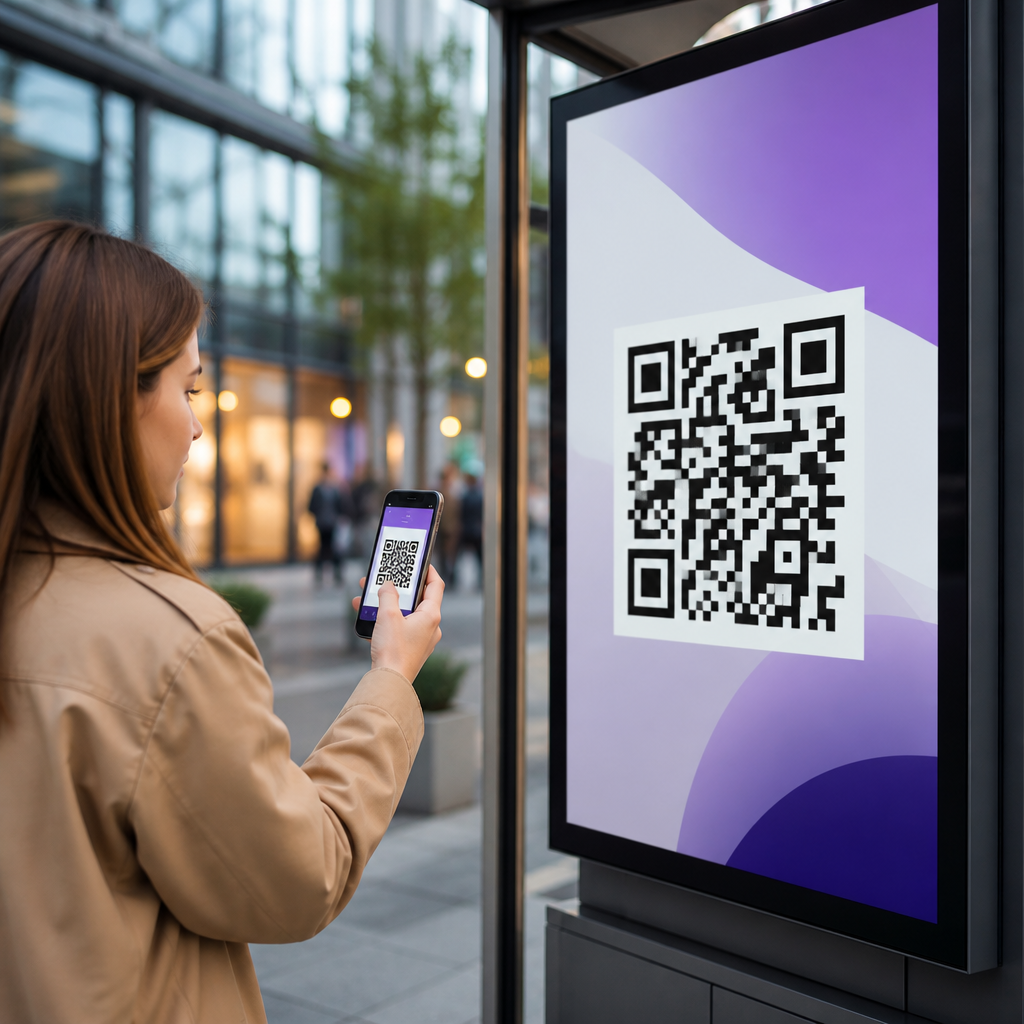
This approach improves both customer experience and media efficiency. In-store signage can send consumers to richer product education than shelf space allows. Out-of-home ads can capture intent immediately rather than relying on later recall. Print catalogs can turn passive browsing into trackable shopping sessions. Email can include a QR code to move a desktop reader into a mobile wallet pass or app download flow. Even television and connected TV can use short-lived QR overlays to prompt app installs, contest entries, or landing page visits. During the pandemic, restaurants, venues, and retailers trained mainstream audiences to scan codes for menus, check-ins, and contactless payments. That habit lowered adoption barriers, making QR interactions feel normal rather than novel.
High-Performing Use Cases Across Channels
The strongest QR campaigns are built around clear user intent. On product packaging, codes often support onboarding, ingredient transparency, warranty registration, loyalty enrollment, and replenishment. Consumer packaged goods brands use them to extend tiny labels into richer mobile content. A coffee roaster can link to brew guides and sourcing details; a supplement brand can connect to certificates of analysis; an electronics maker can route buyers to setup videos instead of thick printed manuals.
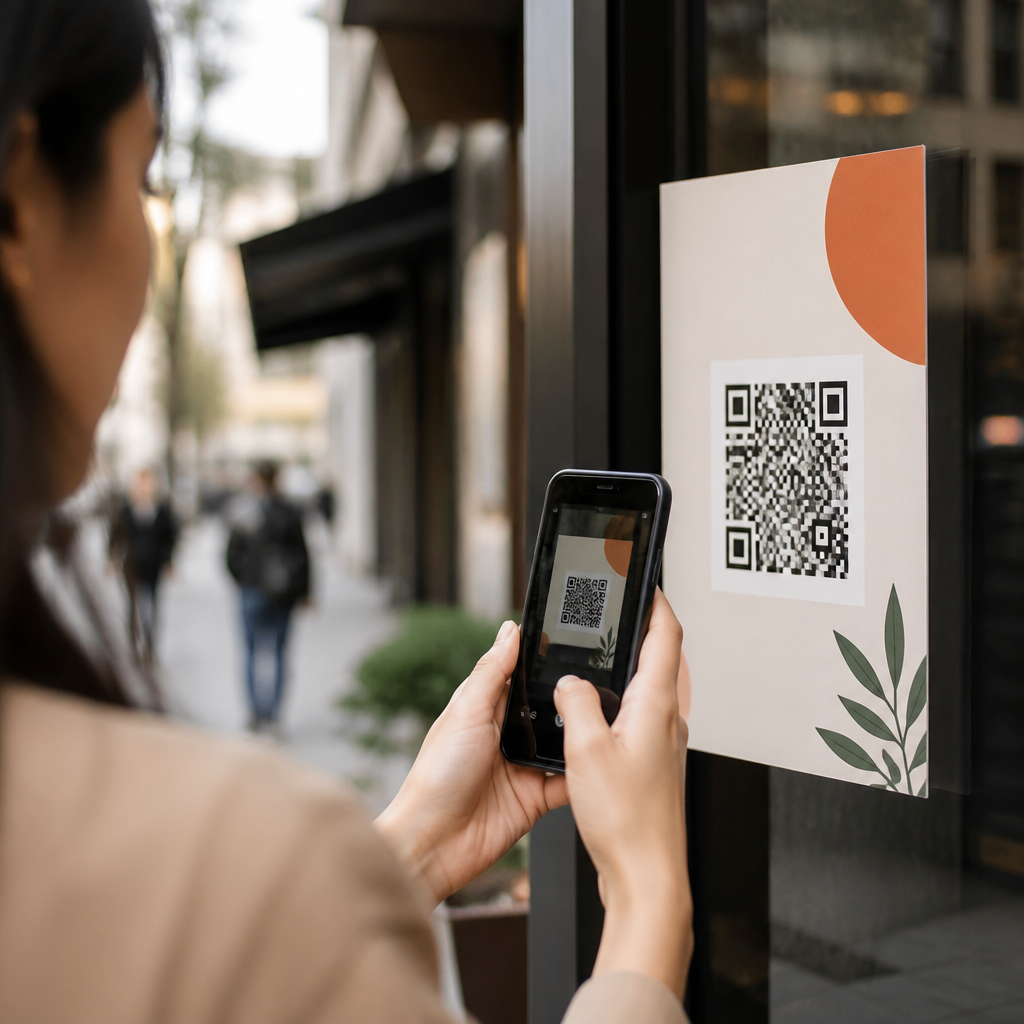
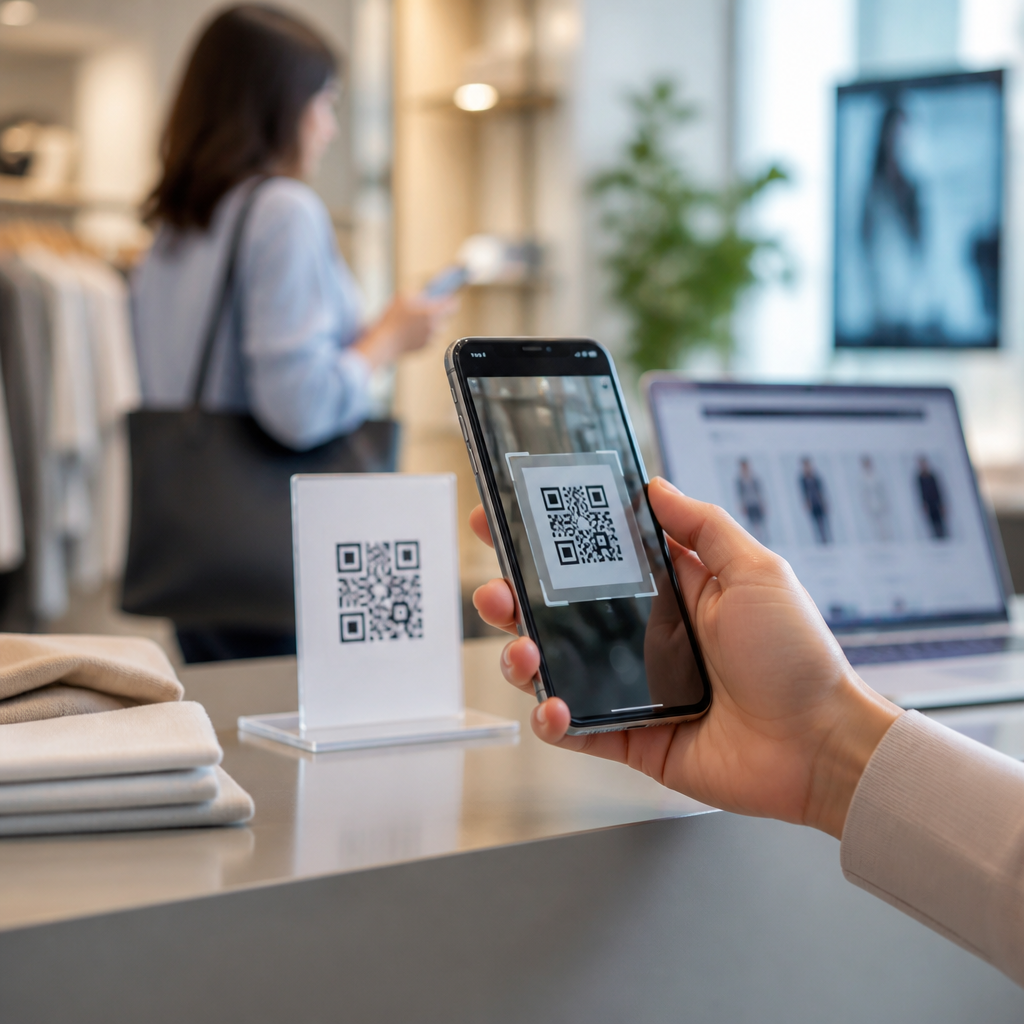
In retail environments, QR codes on shelf talkers, endcaps, fitting room signage, and window displays help shoppers compare models, check inventory, view reviews, or save items for later. For events, badges, booth graphics, table tents, and presentation slides can all drive to lead capture forms, calendar bookings, or gated assets. Real estate marketers use codes on yard signs and brochures to launch virtual tours. Restaurants use them not just for menus but for waitlists, feedback forms, loyalty sign-ups, and limited-time offers. Healthcare providers and insurers use codes in direct mail and waiting rooms to send patients to appointment scheduling, FAQs, or benefit explanations. In every case, the code works best when it answers the immediate question the audience already has.
Best Practices for Design, Placement, and Destination
Good QR code performance is rarely about the code alone. It depends on design, contrast, size, placement, and destination quality. The code must scan fast under normal conditions, which usually means strong contrast, quiet space around the symbol, and adequate print size for viewing distance. As a working rule, a code should be large enough that a person can scan it comfortably from the place where they first notice it; tiny codes on posters or codes placed behind reflective glass usually fail in the field.
Just as important is the call to action. “Scan me” is weak. “Scan to see price drops,” “Scan for ingredients,” or “Scan to book a demo” tells the user what they gain. The landing page must then deliver exactly that promise, load quickly on mobile, and avoid unnecessary friction. If a code on packaging opens a desktop homepage with multiple navigation choices, the campaign wastes intent. Better destinations include mobile-first landing pages, prefilled forms, app deep links, digital coupons, wallet passes, SMS sign-up pages, and localized store pages. Security also matters. Branded domains, visible URLs, and familiar design elements reassure users that the destination is legitimate.
How to Measure QR Code Marketing Effectiveness
Measurement starts before launch. Each QR code should map to a campaign objective, such as lead generation, coupon redemption, product education, app installs, repeat purchase, or customer support deflection. That objective determines the analytics setup. At minimum, use distinct URLs with campaign parameters, event tracking, and conversion definitions inside your analytics platform. For CRM-connected campaigns, pass source data into lead records so sales and lifecycle teams can report on pipeline and revenue, not just scans.
| Metric | What It Shows | Common Use |
|---|---|---|
| Scan rate | Interest relative to impressions or foot traffic | Comparing creative or placement |
| Landing page conversion rate | How well the destination turns visitors into actions | Optimizing forms, offers, and copy |
| Redemption rate | Whether an offer produced measurable uptake | Coupons, loyalty, and promotions |
| Assisted revenue | Downstream sales influenced by scans | Retail, B2B, and repeat purchase analysis |
Context is essential when interpreting results. A code on packaging reaches existing buyers, so conversion expectations differ from a transit poster aimed at cold audiences. Time-to-conversion also varies. Event scans may produce meetings within days; product education scans may influence repurchase weeks later. In practice, the best teams pair QR analytics with A/B testing. They test CTA language, destination formats, incentive levels, and placement height. They also review scan data by device, hour, geography, and location to identify operational issues, such as poor Wi-Fi at events or low lighting in store aisles.
Common Mistakes and How to Avoid Them
The most common QR code mistakes are preventable. First, marketers send traffic to generic pages with no continuity from the source. If a flyer promotes a financing offer, the code should open the financing page, not the homepage. Second, teams use static codes for campaigns that are likely to change. Static codes have valid uses, but dynamic codes are safer for paid media, packaging, and long-tail printed assets because destinations can be edited. Third, organizations skip testing in real conditions. A code that scans perfectly on a designer’s screen may fail when printed on textured stock, wrapped around curved packaging, or mounted under glare.
Another frequent issue is lack of trust. Users hesitate when they do not know where a code leads. Clear brand attribution, a short explanation, and secure destination design reduce that hesitation. There is also the compliance dimension. In regulated sectors such as finance, healthcare, and alcohol, the landing page content, disclosures, consent handling, and data collection rules must be reviewed carefully. Finally, do not force QR codes where they are unnecessary. If a customer is already in an app or on a mobile site, another direct tap is usually better than requiring a second-device scan.
Building a Scalable QR Code Program
To scale QR codes across omnichannel marketing campaigns, treat them as infrastructure rather than one-off graphics. Create naming conventions, governance rules, design templates, and analytics standards. Decide when to use static versus dynamic codes, how to label campaigns, which parameters are mandatory, and who owns redirects after launch. Maintain a central inventory so teams know what each code does, where it appears, and when it expires. This prevents orphaned codes on old packaging, broken redirects on posters, and duplicated naming in analytics.
The long-term benefit is a more connected customer journey. QR codes can turn stores into media, packaging into service channels, direct mail into measurable digital response, and events into structured lead capture. When the offer is relevant, the destination is fast, and the measurement is disciplined, QR codes become one of the most efficient tools in digital marketing. Audit your current touchpoints, identify moments where customers need one next step, and deploy QR codes where they remove friction and create trackable value.
Frequently Asked Questions
What makes QR codes so effective for omnichannel marketing campaigns?
QR codes are effective in omnichannel marketing because they create a fast, measurable bridge between offline and online customer interactions. Instead of asking someone to type a long web address, search for a product, or download an app manually, a QR code reduces the process to a quick scan with a smartphone camera. That simplicity matters because omnichannel marketing depends on continuity. Customers move between physical and digital environments constantly, and QR codes help brands maintain that momentum without adding friction.
They also work across a wide range of touchpoints. A brand can place QR codes on packaging, direct mail, in-store signage, event booths, receipts, print ads, product labels, and even out-of-home media, then connect each code to a landing page, loyalty offer, video, product tutorial, lead form, or purchase path. This creates a consistent customer journey where every physical interaction can lead to a digital next step. For marketers, that means better engagement, stronger attribution, and more opportunities to personalize messaging based on where and how the scan happened.
Another major advantage is flexibility. Dynamic QR codes can be updated without reprinting the code itself, which makes them especially useful for campaigns that evolve over time. A single code on packaging might first promote a launch offer, then later direct users to reviews, replenishment reminders, or loyalty enrollment. In an omnichannel strategy, that adaptability is valuable because the same audience may interact with the brand at different stages of the buying journey. QR codes help keep those experiences connected, relevant, and easy to act on.
Where should businesses use QR codes in an omnichannel campaign?
Businesses should use QR codes anywhere a customer encounters the brand in the physical world and may benefit from an immediate digital follow-up. Common placements include product packaging, shelf talkers, retail displays, window signage, menus, brochures, catalogs, direct mail pieces, event signage, business cards, and order inserts. The best locations are the ones where intent is already present. If a customer is holding a product, opening a shipment, or stopping at a display, they are often ready for more information, an incentive, or a convenient next action.
The key is to match the QR code destination to the context of the interaction. On packaging, a QR code might open setup instructions, care guides, warranty registration, or cross-sell recommendations. In-store, it could connect shoppers to product comparisons, reviews, inventory availability, or a special offer. In direct mail, it might lead to a personalized landing page or appointment scheduler. At events, it can capture leads, deliver downloadable resources, or support contactless check-in. When placement and purpose are aligned, QR codes feel helpful rather than gimmicky.
It is also smart to think beyond one-time use. Omnichannel marketing works best when each touchpoint contributes to a larger journey. A QR code on a package insert can bring a customer into email or SMS, a store display can drive app downloads, and a printed flyer can encourage account creation or retargeting engagement. Businesses should plan QR code placements based on customer journey stages, from awareness and consideration to purchase, onboarding, retention, and advocacy. That approach turns QR codes from isolated tactics into useful connectors across the entire marketing ecosystem.
What should a QR code lead to in order to improve conversions?
A QR code should lead to a destination that is highly relevant to the moment, easy to use on mobile, and designed around a single clear objective. The most successful QR destinations are not generic homepages. Instead, they are focused landing pages, product pages, discount offers, contact forms, app download prompts, payment pages, booking tools, video demos, or loyalty sign-up experiences that reflect why the customer scanned in the first place. Relevance is what drives conversion. If someone scans a code from a package insert, they should land on something directly tied to that product or post-purchase stage, not a broad website menu.
Mobile experience is equally important. Since most QR scans happen on smartphones, the destination should load quickly, display cleanly on smaller screens, and minimize unnecessary steps. Short forms, simple navigation, clear calls to action, and fast page performance all make a difference. If a page is slow, cluttered, or difficult to use, the convenience of the scan is immediately lost. Businesses should also make sure that any coupons, downloads, or forms are easy to redeem or complete without forcing users to start over.
To improve conversions further, marketers should tailor the destination by channel or audience segment whenever possible. A QR code in a store might emphasize immediate purchase support, while one in direct mail might focus on a limited-time offer. Dynamic QR codes, UTM tracking, and personalized landing pages can help make those experiences more targeted. The best practice is simple: every QR code should answer the question, “What does this customer most likely want right now?” When the answer is clear and the digital destination delivers on it, conversion rates tend to improve.
How can marketers track the performance of QR codes across channels?
Marketers can track QR code performance by using dynamic QR codes, unique URLs, and campaign-specific analytics. A dynamic QR code platform typically captures scan data such as total scans, time of scan, device type, and sometimes approximate location. When combined with UTM parameters and web analytics platforms like Google Analytics, that scan activity can be tied to broader campaign outcomes such as sessions, form submissions, purchases, app installs, or coupon redemptions. This is one of the biggest reasons QR codes are so valuable in omnichannel marketing: they make many offline touchpoints more measurable.
To get useful insights, each placement should have a clear tracking structure. For example, a QR code on retail signage should not use the exact same destination URL as one on packaging or direct mail if the goal is channel-level attribution. Separate codes or tagged links make it possible to compare performance by touchpoint, audience, geography, creative version, and campaign timing. That level of visibility helps marketers identify where engagement is strongest and where optimization is needed. It also supports more accurate reporting on how physical media contributes to digital results.
Performance evaluation should go beyond scan volume alone. A high number of scans is encouraging, but what matters most is what happens after the scan. Marketers should look at bounce rate, time on page, conversion rate, revenue, repeat engagement, and downstream actions such as email sign-ups or loyalty enrollments. It is also helpful to test variations in call-to-action language, placement, design, and destination page experience. In a mature omnichannel strategy, QR code tracking becomes part of a larger attribution model that connects physical engagement with digital behavior and business outcomes.
What are the most important best practices for using QR codes successfully?
The most important best practices are clarity, relevance, usability, and trust. First, always tell people what will happen when they scan. A short call to action such as “Scan to view demo,” “Scan for 15% off,” or “Scan to reorder” sets expectations and improves response rates. Without that context, many people will ignore the code. Second, make sure the destination is relevant to the environment and stage of the customer journey. A QR code should feel like a natural extension of the touchpoint, not a disconnected extra.
Design and technical execution also matter. The QR code should be large enough to scan easily, placed where lighting and distance make scanning practical, and printed with sufficient contrast. It should be tested on multiple devices before launch. The landing page should be mobile-friendly, secure, and fast. Businesses should avoid sending users to broken links, overly long forms, or pages that require too many clicks to reach the intended action. If the experience after the scan is weak, the campaign loses effectiveness quickly.
Finally, marketers should treat QR codes as strategic tools rather than decorative elements. That means assigning each code a specific goal, tracking performance, and refining based on results. It also means considering privacy and brand trust. Users are more likely to scan when the surrounding branding is recognizable and the value exchange is obvious. When businesses combine strong placement, clear messaging, mobile-first destinations, and ongoing measurement, QR codes can become one of the most efficient ways to connect physical and digital channels within a broader omnichannel marketing campaign.