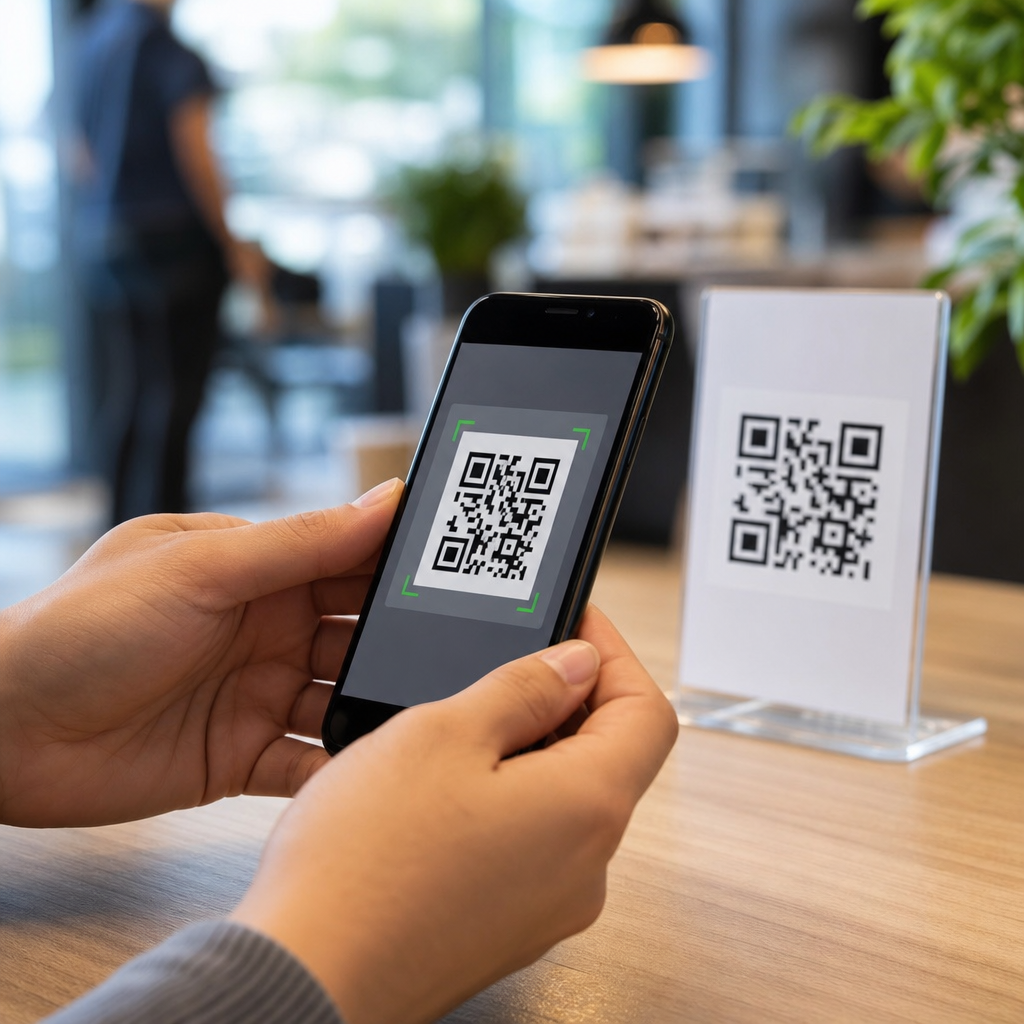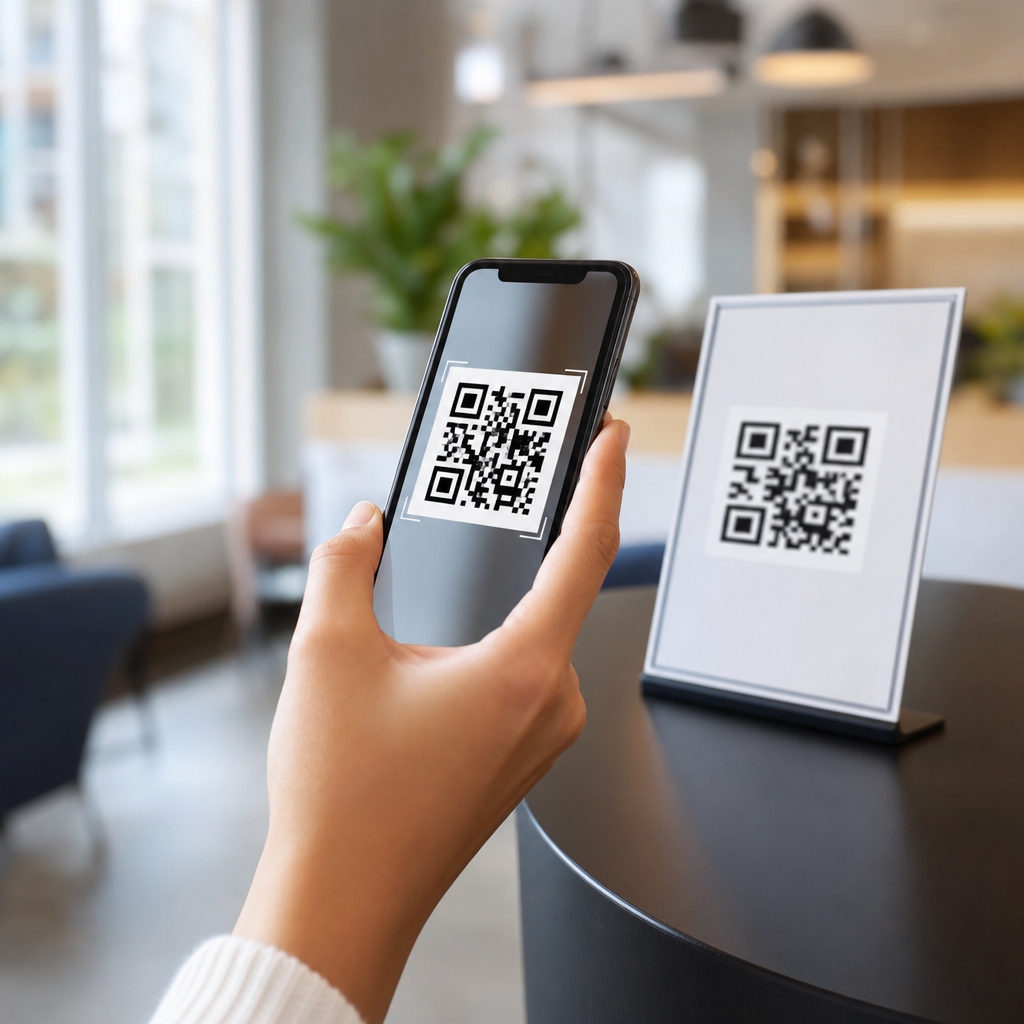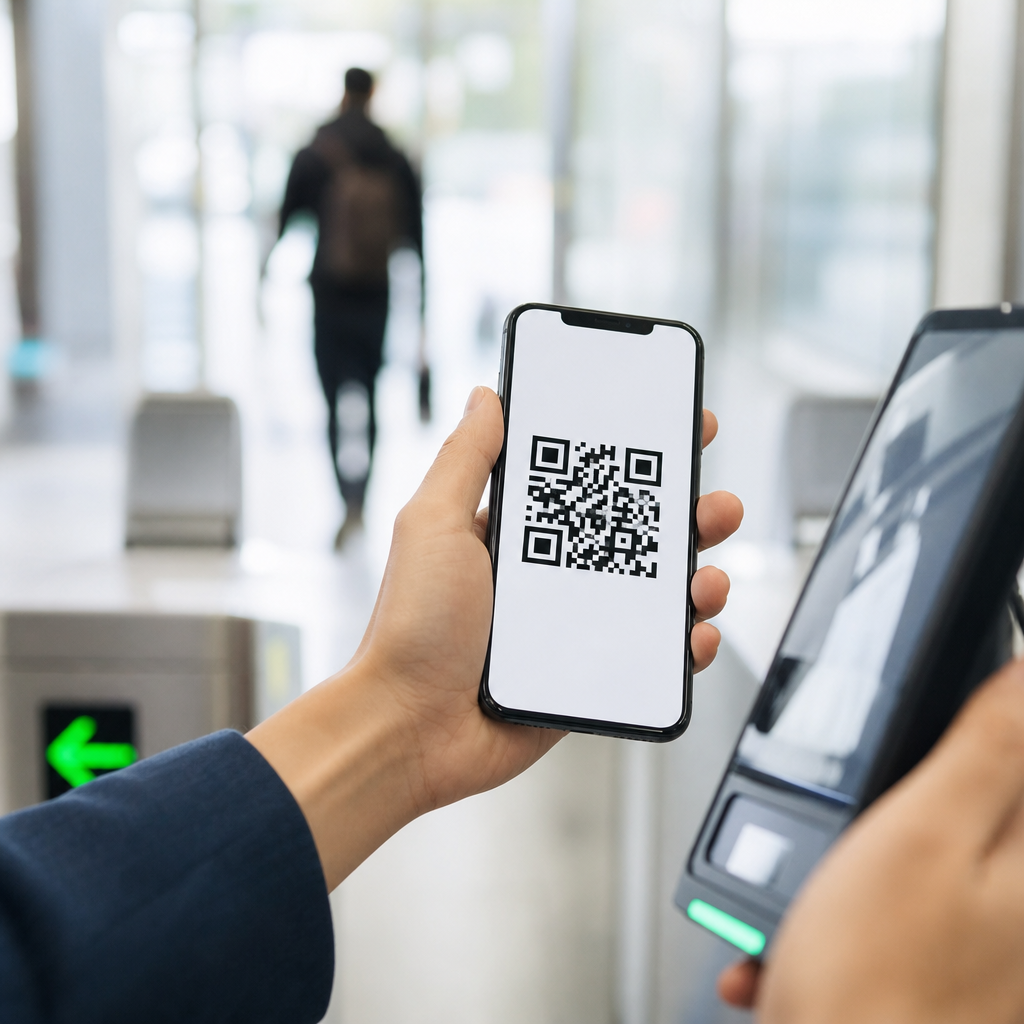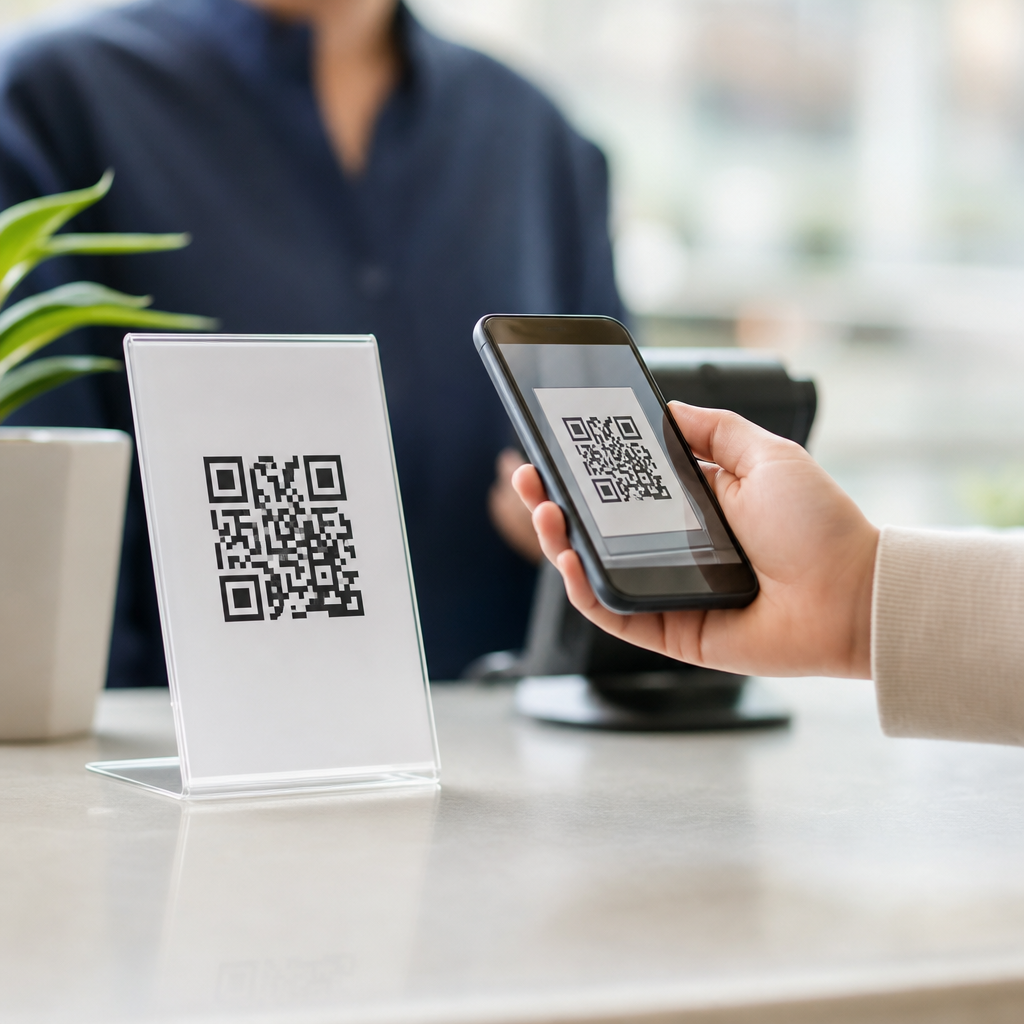
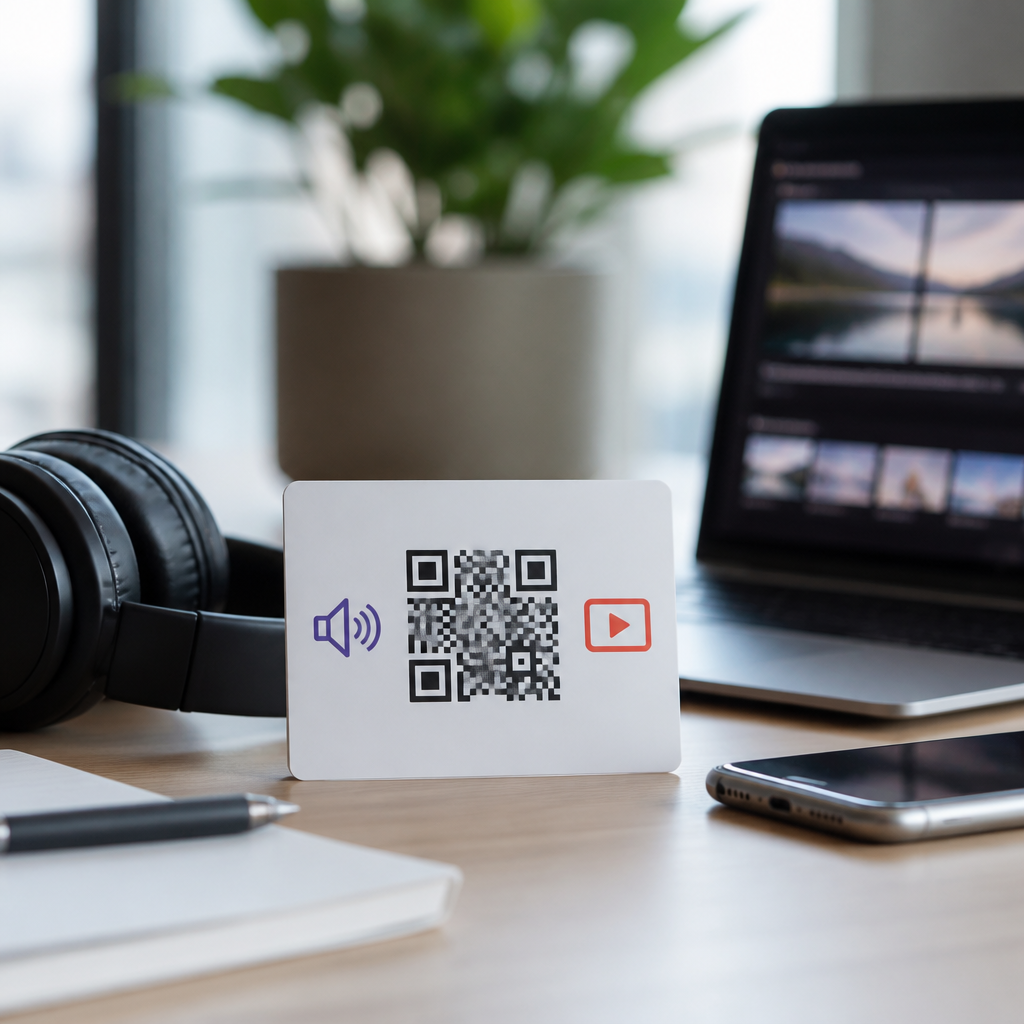
Audio and video QR codes turn a printed square into an instant media gateway, letting a phone open a song, spoken instruction, product demo, livestream, or downloadable file with one scan. Within mobile QR code basics, they sit inside the broader category of types of mobile QR codes, which also includes website, PDF, app, menu, vCard, map, payment, and social profile codes. What makes media codes different is bandwidth, device behavior, and user intent: people expect playback to start quickly, controls to work smoothly, and the destination to feel safe. I have implemented these codes for retail packaging, museum labels, training manuals, and event signage, and the same lesson repeats every time: the code itself is simple, but the media experience behind it determines whether scans become engagement. Understanding audio and video QR codes matters because mobile users increasingly consume information in sound and motion, not paragraphs. A packaging insert can explain assembly faster with a thirty-second clip than with six printed diagrams. A restaurant can tell its origin story through an audio welcome from the chef. A property developer can place a video tour on a hoarding where passersby have only a few seconds of attention. For marketers, educators, and operations teams, these codes bridge physical space and mobile content with very low friction. To use them well, you need to know the main formats, where the content should live, how static and dynamic codes differ, what scanning conditions affect performance, and which metrics actually show value.
What audio and video QR codes are and how they work
An audio QR code or video QR code usually does not store the media file directly inside the symbol. In most practical deployments, it stores a URL that points to a landing page, streaming file, hosted asset, or app action. When a user scans with an iPhone camera, Android camera, Google Lens, or a dedicated scanner, the device resolves that URL and opens the media destination. Direct file encoding is technically possible for tiny payloads, but real audio and video files are too large for normal QR capacity, so hosted delivery is the standard approach. That distinction is critical because success depends less on the black-and-white pattern and more on file compression, server speed, page layout, autoplay policy, and network conditions.
In plain terms, the code is the doorway, not the room. A video QR code might open a YouTube unlisted clip, a Vimeo showcase page, a self-hosted MP4 on a content delivery network, or a branded mobile page with an embedded player. An audio QR code might point to an MP3 pronunciation guide, a podcast episode, a voice note for onboarding, or a multilingual announcement. If the target is mobile optimized, users get immediate value. If the target is slow, cluttered, or blocked by cookie banners and pop-ups, scan rates can look healthy while completion rates collapse. That is why media QR strategy always includes both code generation and destination design.
Core types of mobile QR codes for media delivery
As a sub-pillar under types of mobile QR codes, this hub should place audio and video codes in context. The main media-related variations are video landing page QR codes, direct file QR codes, audio streaming QR codes, podcast QR codes, app-deep-link media QR codes, and gallery or playlist QR codes. A video landing page QR code sends users to a mobile page containing one featured clip and supporting text. This is the most reliable option for campaigns because it allows branding, captions, analytics, and fallback links. Direct file QR codes open an MP4, MOV, MP3, or WAV file immediately. They are simple, but browser handling varies by device and can feel abrupt if file sizes are large.
Audio streaming QR codes work well for background listening, guided tours, pronunciation support, and music sampling because streams adapt better to inconsistent mobile networks than large downloads. Podcast QR codes often link to a universal landing page with Apple Podcasts, Spotify, and RSS options rather than forcing one platform. App-deep-link media QR codes are useful when an organization already has an app and wants a scan to trigger in-app playback, such as gym classes, employee training, or loyalty content. Playlist and gallery QR codes are ideal for albums, course modules, or product libraries, where the scan should reveal several assets rather than one file. Each format answers a different user question: watch now, listen now, choose a platform, or explore a set of media.
| QR code type | Best use | Main advantage | Main limitation |
|---|---|---|---|
| Video landing page | Product demos, campaigns, signage | Branding, analytics, captions | Requires page design |
| Direct video file | Fast internal access, simple handouts | Minimal steps | Large files load slowly |
| Audio streaming | Tours, guides, announcements | Handles mobile bandwidth better | Needs reliable hosting |
| Podcast link | Shows, interviews, education | Supports multiple platforms | Extra choice can reduce immediacy |
| App deep link | Member or employee experiences | Personalized in-app playback | Fails if app is not installed |
| Playlist or gallery | Courses, catalogs, series | One code for many assets | Requires stronger navigation |
Static versus dynamic media QR codes
Static QR codes point to a fixed destination that cannot be changed after printing. Dynamic QR codes use a short redirect URL controlled through a platform, so the final destination can be updated later. For audio and video uses, dynamic codes are usually the better business choice. If you replace a product explainer, move hosts, fix a broken file path, localize by market, or rotate a seasonal campaign, you can keep the printed code in circulation. In practice, this protects packaging inventory and event materials from becoming obsolete. I recommend static codes only when permanence matters more than flexibility, such as archival exhibits or extremely simple internal use cases.
Dynamic codes also enable scan analytics, including total scans, unique scans, time of day, approximate location by IP, device type, and destination testing. Those metrics do not tell the whole story, but they do answer important operational questions. Did the poster in the station outperform the one in the mall? Are people scanning from Android devices more often than iPhones in a certain region? Does a shorter video improve play starts? Privacy still matters. Teams should avoid collecting unnecessary personal data, publish clear consent language where required, and follow applicable rules such as GDPR and CCPA. Good analytics improve the media journey without turning a simple scan into hidden surveillance.
Use cases across retail, education, events, and operations
Retail is the most visible setting for video QR codes because packaging space is limited and shoppers want proof quickly. A cosmetics brand can place a code beside ingredients to open a thirty-second application demo with subtitles. A furniture box can launch an assembly clip that reduces support calls by replacing confusing paper diagrams. Consumer electronics brands often use setup videos linked by QR to show cable placement, app pairing, and troubleshooting. In each case, the mobile QR code extends physical packaging with media that would be impossible to print economically.
Education and training benefit even more from audio QR codes. On factory floors, I have seen laminated machine cards use multilingual audio instructions so new workers can hear safety steps without navigating a portal. Museums and heritage sites commonly use numbered audio QR codes as a low-cost alternative to dedicated headsets, letting visitors bring their own phones and headphones. In classrooms, teachers can attach codes to reading corners for pronunciation practice, oral feedback, or chapter summaries. Events use both formats well: an exhibition booth can offer a founder interview, while a conference badge can trigger a welcome message, agenda overview, or sponsor reel. Operations teams also use media codes internally on warehouses, field service kits, and maintenance documentation, where a ten-second how-to clip saves far more time than a printed note.
Technical requirements that make scans succeed
Good scan performance starts with code design, but media delivery adds another layer. The QR symbol needs adequate contrast, a quiet zone around the edges, and enough physical size for the scanning distance. A common rule is roughly one inch of code width for every ten inches of scanning distance, though testing is better than relying on rules alone. Error correction can help when logos or wear affect readability, but over-stylizing codes often reduces reliability. For media pages, compress video with H.264 or H.265 where supported, provide MP4 for broad compatibility, and keep above-the-fold content focused so the play button is immediately visible.
Audio files should load quickly and display duration, language, and transcript availability. Captions are not optional decoration for video; they improve accessibility, comprehension in noisy environments, and silent autoplay contexts. Transcripts support search visibility and make audio useful for users with hearing impairments or low bandwidth. Hosting matters as much as file format. A CDN such as Cloudflare, Fastly, or Amazon CloudFront improves delivery speed, while YouTube and Vimeo can simplify adaptive streaming and device compatibility. Test on iPhone and Android, over Wi-Fi and mobile data, in bright light and low light, before printing thousands of units. Most failures come from skipped testing, not from QR technology itself.
Measurement, governance, and best practices for a hub strategy
Because this page acts as a hub within mobile QR code basics, it should guide readers toward the full landscape of types of mobile QR codes while establishing media-specific best practices. The right performance metrics are scan-to-play rate, completion rate, average watch or listen time, bounce rate on the landing page, and downstream actions such as purchases, sign-ups, or reduced support contacts. A code with ten thousand scans but weak play starts may signal curiosity without clarity. A code with fewer scans but high completion and strong conversion is usually the better asset. Use UTM parameters, event tracking in Google Analytics 4, and player metrics from YouTube, Vimeo, Wistia, Spotify, or your hosting stack to build a complete picture.
Governance keeps media QR programs from becoming messy. Name files consistently, document ownership, set review dates, and monitor for link rot. If a legal disclaimer, price, or safety instruction changes, update the destination immediately. For a content hub, create supporting pages for static versus dynamic QR codes, QR code sizing, QR code analytics, audio accessibility, video hosting options, and QR code security warnings. That structure helps readers move from basics to implementation without guessing the next step. Audio and video QR codes are powerful because they convert physical attention into mobile engagement with almost no friction. Use them with fast hosting, clear labeling, accessible media, and measurable goals, then test them in the real world before scaling. If you are building a mobile QR code program, start by mapping one user need to one media outcome and publish the simplest version first.
Frequently Asked Questions
What is an audio or video QR code, and how is it different from a standard website QR code?
An audio or video QR code is a scannable code that sends a user directly to media content such as a song, podcast clip, spoken guide, product demo, webinar replay, training video, or downloadable audio/video file. In simple terms, it turns a printed surface into an instant media access point. While it may technically function by opening a URL, its purpose is different from a general website QR code. A website code usually sends someone to a full webpage where they browse for information, while a media QR code is designed around immediate playback or fast access to a specific piece of content.
That distinction matters because user expectations are different. When someone scans a media code, they usually want a quick, low-friction experience: tap, open, play. They are not expecting to search through menus or hunt for the correct file. Audio and video QR codes also behave differently in practice because media files are larger, streaming can depend on connection speed, and phones may open the content in a browser, embedded player, native media app, or hosting platform interface. In the broader landscape of mobile QR code types, they sit alongside website, PDF, app, menu, vCard, map, payment, and social profile codes, but they are optimized for media consumption rather than general navigation.
How do audio and video QR codes work when someone scans them on a phone?
When a user scans an audio or video QR code with a smartphone camera or QR scanning app, the device reads the encoded destination and opens it. In most cases, that destination is a media URL hosted on a website, cloud storage service, streaming platform, landing page, or content delivery system. Once opened, the phone either begins playback automatically, shows a play button, or presents a page where the user can choose to stream or download the file. The exact behavior depends on how the content is hosted, the phone’s operating system, browser settings, autoplay permissions, and the file format being delivered.
For audio, the code might launch a browser-based player for an MP3, a podcast episode page, or a private training clip. For video, it might open a YouTube video, product demonstration page, hosted MP4 player, or livestream link. Because media involves bandwidth, performance is especially important. A slow-loading page, oversized video file, or poor mobile player can create a frustrating experience even if the QR code itself scans correctly. That is why good media QR campaigns focus not just on the code image, but on the entire destination workflow: mobile-friendly page design, compressed media files, clear playback controls, subtitles when needed, and fast hosting. The code is only the entry point; the user experience after the scan is what determines success.
What are the best use cases for audio and video QR codes?
Audio and video QR codes are especially valuable when printed materials need to deliver richer explanation, demonstration, or storytelling than text alone can provide. In retail, they can connect packaging to product demos, setup instructions, unboxing videos, or brand stories. In events, they can link posters, badges, or programs to welcome messages, speaker clips, session replays, or livestreams. In education and training, they are useful for pronunciation guides, micro-lessons, safety briefings, equipment walkthroughs, and how-to tutorials placed directly on manuals, signs, or machinery. In hospitality and tourism, a code can trigger an audio tour, local guide, multilingual welcome, or visual room-service explanation.
They are also effective in healthcare, museums, real estate, manufacturing, and internal communications. A clinic might place a code on printed instructions that opens a doctor-approved explainer video. A museum can attach an audio narration to an exhibit label. A real estate sign can launch a virtual property walkthrough. A manufacturer can place a code on equipment to provide maintenance videos or spoken operating guidance. The strongest use cases share one common trait: the user benefits from immediate media access at the exact moment they need context. If the content is timely, specific, and helpful in that real-world setting, an audio or video QR code can dramatically improve understanding and engagement.
Should audio and video QR codes link to streaming content or downloadable files?
In most cases, streaming is the better default because it is faster, easier, and more familiar for users. Streaming lets someone scan and start consuming content without committing phone storage space, searching downloads folders, or worrying about file compatibility. It also gives content owners more control over updates, analytics, and access. If you need to replace a video, improve an audio track, or redirect traffic to a newer version, a hosted streaming destination is much easier to manage than a file that users download once and keep permanently.
That said, downloadable files can make sense in specific situations. If users need offline access, permanent reference materials, or files for environments with weak connectivity, offering a download option can be valuable. Examples include training audio for field teams, emergency instruction videos, or educational materials for classrooms with limited internet access. A practical approach is to use a mobile landing page that gives users both options: watch or listen online first, then download if needed. This approach reduces friction while still supporting real-world use cases. Whichever route you choose, test file size, device compatibility, and mobile behavior carefully. A QR code that points to a huge unoptimized file may technically work, but it will underperform in the moments that matter most.
What makes an audio or video QR code effective from a user experience and SEO perspective?
An effective media QR code starts with a clear promise and a fast destination. On the print side, users should immediately understand what they will get when they scan. Labels such as “Watch the 30-second demo,” “Listen to setup instructions,” or “Scan for the audio guide” outperform vague prompts because they set expectations and encourage qualified scans. The destination should be mobile-first, load quickly, and make playback obvious. Keep the landing page simple, avoid clutter, and place the media front and center. If appropriate, include captions, transcripts, language options, and a short text summary so the content remains usable across environments and accessibility needs.
From an SEO and content strategy standpoint, the QR code itself is not what ranks in search engines; the destination page does. That means the page hosting the audio or video should include strong metadata, descriptive headings, relevant supporting text, structured context, and a clean URL. Transcripts are especially useful because they add indexable text and improve accessibility at the same time. Video schema, optimized titles, compressed media, and fast page performance also help. If the article or campaign is part of a broader guide to mobile QR code types, it helps to clearly position audio and video QR codes within that ecosystem while explaining their unique considerations: larger file delivery, varying device playback behavior, and intent-driven scanning. In short, the best-performing media QR code is not just easy to scan; it delivers the right content, quickly, on a page that is useful for both people and search engines.