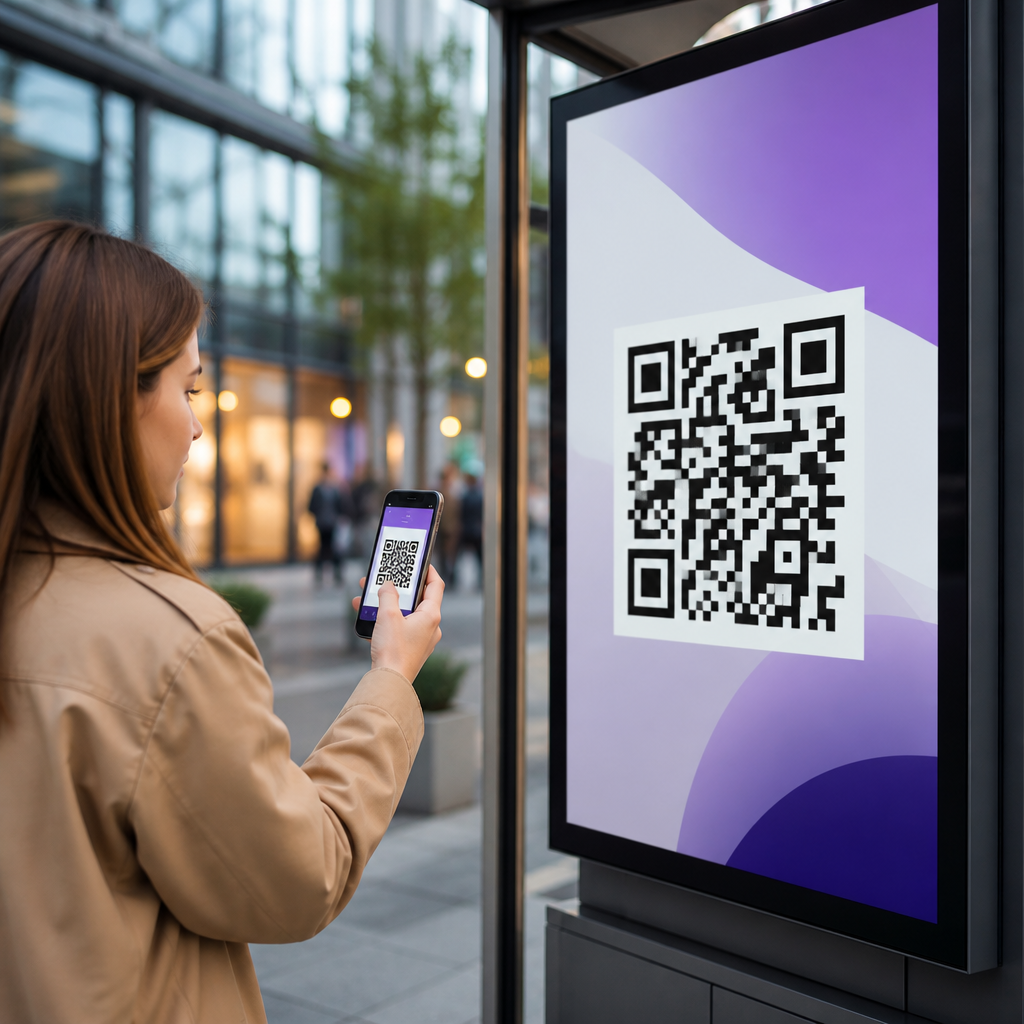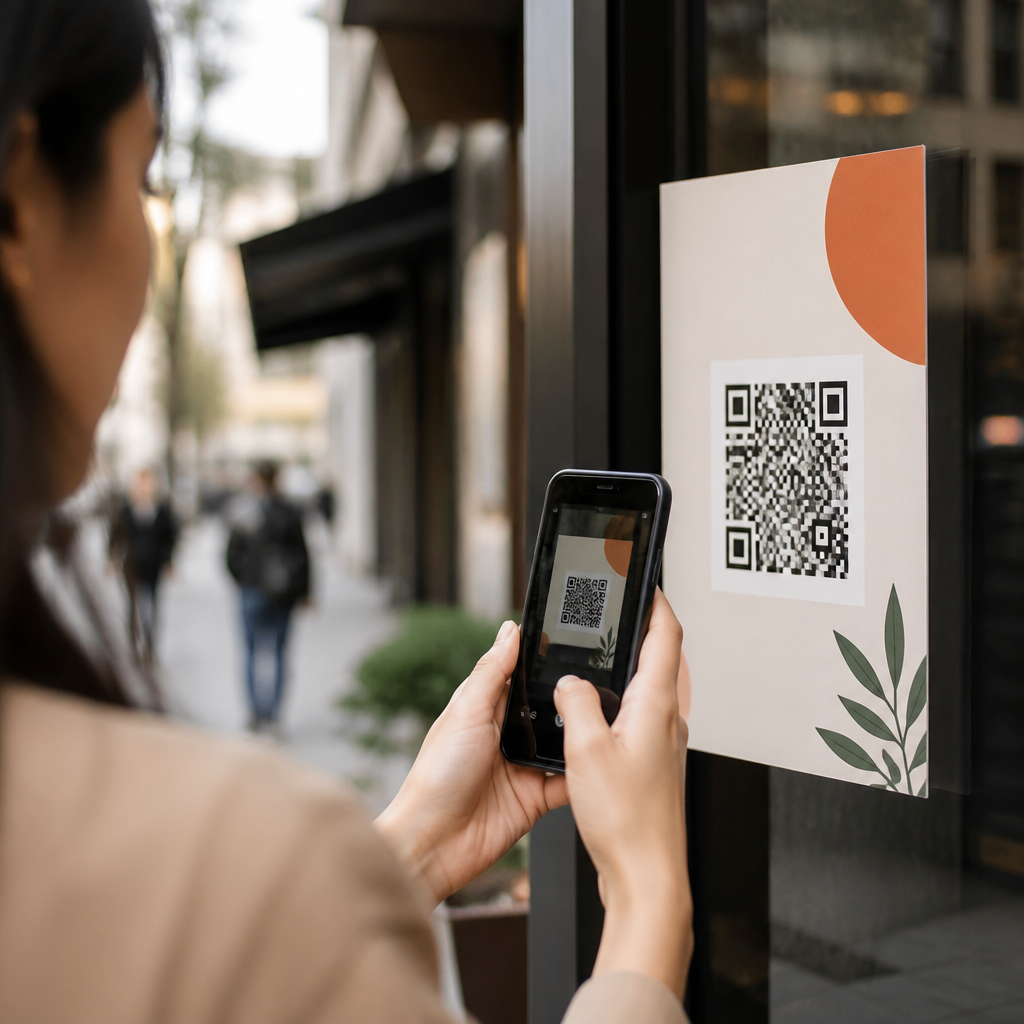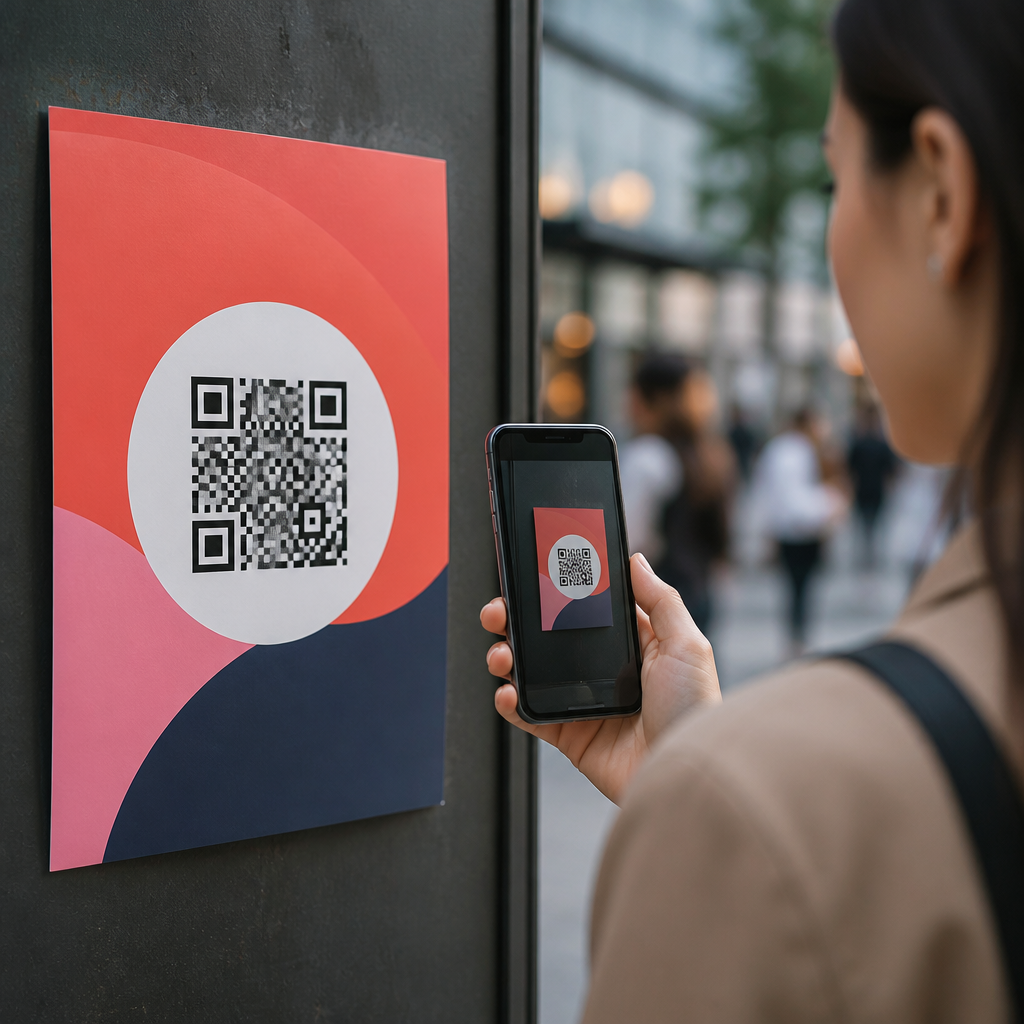
QR codes have become one of the most practical bridges between physical marketing and social media engagement, especially for brands that need measurable results from posters, packaging, events, direct mail, retail displays, and product inserts. In simple terms, a QR code is a scannable matrix barcode that opens a digital destination on a smartphone, while an offline-to-social campaign is any promotion that starts in a physical environment and moves the audience to a social platform such as Instagram, TikTok, Facebook, LinkedIn, YouTube, or X. When those two tools are planned together, they turn passive exposure into trackable action.
I have used QR codes in store signage, trade show booths, restaurant table tents, product labels, and out-of-home placements, and the pattern is consistent: campaigns perform best when the code leads to a clear social action instead of a generic homepage. A shopper scanning a shelf talker is far more likely to follow a brand, watch a product demo, enter a giveaway, or post user-generated content if the landing path is short and obvious. That matters because social growth is no longer just about reach. It supports customer service, community building, retargeting audiences, creator partnerships, and first-party data collection through connected landing pages.
For marketers working in the broader mobile QR codes for marketing space, QR codes for social media deserve dedicated attention because they solve a real attribution problem. Traditional print and in-person campaigns often create awareness without proving downstream impact. A properly built QR campaign adds UTM parameters, platform-specific links, dynamic redirects, and scan analytics so teams can compare locations, creatives, and offers. It also improves user experience. Most consumers already know how to scan a code with a native phone camera, so the barrier to action is low. The opportunity is not simply to place a code on something physical. The opportunity is to design a social journey that starts offline and feels native online.
What QR Codes for Social Media Actually Do
QR codes for social media connect a physical touchpoint to a social destination with minimal friction. The destination can be a specific profile, a post, a short-form video, a group, a live stream, a creator collaboration page, or a mobile landing page that offers several platform choices. In practice, I rarely send every scanner directly to a platform homepage. Deep links and purpose-built landing pages usually outperform generic links because they answer the immediate question the user has: What am I supposed to do next?
That next action should be singular. If the campaign goal is follower growth, the code should open the profile with a prompt to follow. If the goal is content engagement, send people to the exact reel, video, or challenge. If the goal is user-generated content, route them to a page with instructions, hashtags, examples, and platform buttons. Social QR codes work best when the physical message, the digital destination, and the call to action match. A concert flyer asking fans to “scan to watch backstage clips” should not lead to a general link hub with six unrelated options.
There is also a strategic distinction between static and dynamic QR codes. A static code contains a fixed destination and cannot be edited after printing. A dynamic code points to a redirect that can be updated without replacing the printed asset. For offline-to-social campaigns, dynamic codes are usually the right choice because social URLs, campaign priorities, and platform relevance change. They also allow analytics such as total scans, unique scans, device type, time of scan, and rough location by IP, which helps teams optimize distribution and creative decisions.
How to Build an Offline-to-Social Campaign That Converts
The most effective campaign builds start with context, not artwork. Ask where the scan happens, why someone would care in that moment, and what social action creates value for both user and brand. A package insert can invite buyers to share an unboxing video on TikTok for a chance to be featured. A retail display can send shoppers to Instagram reels showing how to use the product. A B2B trade show banner can connect visitors to LinkedIn thought leadership and a follow-up event recap. The same QR technology supports each use case, but the message, destination, and success metric are different.
Execution depends on four fundamentals: visibility, incentive, speed, and continuity. Visibility means the code is large enough, high contrast, and placed where a phone can scan comfortably. Incentive means there is a clear reason to scan, such as exclusive content, social proof, a contest, or a practical tutorial. Speed means the destination loads fast on mobile and does not make users hunt for the promised content. Continuity means the wording on the physical asset matches the landing experience exactly. When continuity breaks, scan rates and completion rates drop immediately.
| Offline placement | Best social destination | Primary call to action | Key metric |
|---|---|---|---|
| Product packaging | Instagram or TikTok tutorial content | Watch how to use it | Video views and follows |
| Event booth signage | LinkedIn company page or event recap | Follow for insights | Followers and lead assists |
| Restaurant table tent | Instagram profile with featured dishes | Post your meal | Tagged posts and reach |
| Direct mail postcard | YouTube explainer or creator testimonial | See it in action | View-through rate |
| In-store display | UGC landing page with hashtag guidance | Share to enter | Submissions and mentions |
Use campaign tracking from day one. Add UTM parameters to every destination, separate codes by channel or location, and name assets consistently in analytics platforms. Google Analytics 4, Bitly, and enterprise QR platforms such as QR Code Generator PRO or Scanova can all support structured measurement. If the campaign routes through a landing page, connect events for button clicks, outbound social visits, and completion actions. This setup lets you answer practical questions later: Did the mall kiosk drive more TikTok follows than the window decal? Did packaging inserts generate more tagged posts than receipt printouts? Without clean tracking, those answers stay anecdotal.
Best Practices by Platform and Placement
Each social platform rewards different behavior, so the QR destination should reflect platform norms. Instagram is strong for visual discovery, saved content, and direct messages, making it ideal for style inspiration, tutorials, and post-purchase sharing. TikTok works best when the ask is participation: join a challenge, react to a trend, or create a short video using a branded sound or hashtag. LinkedIn is effective for B2B conference campaigns, employer branding, and executive thought leadership. YouTube supports deeper product education, testimonials, and long-tail search visibility. Facebook still matters for local communities, events, and older demographics, while X can help with live event commentary and customer updates.
Placement changes user intent just as much as platform choice. On packaging, the customer already owns the product, so social prompts should extend the experience with setup help, creative inspiration, or community recognition. In retail, the shopper is still evaluating, so the code should reduce uncertainty with demonstrations, reviews, or side-by-side comparisons. At events, attendees want relevance fast, so the social destination should reinforce the current moment with speaker clips, recap content, or networking prompts. Outdoor advertising has the least attention and the highest scanning friction, so it requires short, memorable calls to action and very fast mobile pages.
Design matters more than many teams expect. Error correction, quiet zone spacing, print contrast, and material finish directly affect scan reliability. I avoid placing codes on reflective surfaces, curved package seams, or busy photographic backgrounds. A branded frame and logo can improve recognition, but excessive customization can reduce readability. As a rule, test every code on both iPhone and Android, in bright and dim conditions, from realistic scanning distances. ISO and GS1 standards are especially relevant when QR codes appear on packaging or in retail systems, because interoperability and print quality affect real-world performance.
Common Mistakes, Measurement, and Content Governance
The biggest mistake in QR codes for offline-to-social campaigns is asking for too much too soon. A print ad that says scan, choose a platform, create content, tag the brand, use a hashtag, and fill out a form creates unnecessary drop-off. Keep the initial step easy, then guide the user progressively. Another common error is linking directly to a mobile app when the app may not be installed. In many cases, a fast mobile landing page that then offers platform buttons performs better because it preserves context and provides fallback options.
Measurement should include more than scan count. Scans indicate interest, not business impact. Review scan-to-landing rate, click-through to social destinations, follower growth attributable to the campaign, engagement rate on promoted content, user-generated content volume, and assisted conversions where relevant. For ecommerce brands, compare scan cohorts against purchase behavior and repeat activity. For events, compare scans by booth zone, daypart, and staff shift. These operational details often reveal the true optimization opportunities, such as poor placement height, weak copy, or a mismatch between audience and platform.
Governance keeps campaigns useful after launch. Social URLs change, campaign offers expire, and creators rotate. Dynamic QR codes allow redirection updates, but teams still need a maintenance process. Build a simple inventory of live codes, owners, destinations, print locations, and review dates. Check broken links, outdated creative, and comment moderation paths regularly. Legal review may also be required for sweepstakes, user-generated content permissions, influencer disclosures, and privacy notices if the landing page collects data. The strongest programs treat QR codes as managed digital assets, not one-time artwork.
QR codes for offline-to-social campaigns work because they connect attention in the physical world to action in the social world without adding friction. When marketers define one clear goal, choose the right platform, use dynamic tracking, and match the message to the moment, QR codes become more than scannable graphics. They become reliable conversion points across packaging, retail, events, direct mail, and out-of-home media.
The key takeaways are straightforward. Send users to a destination built for the campaign, not a generic homepage. Design for the context of the scan. Track every asset with consistent analytics. Test print quality and mobile performance before launch. Maintain live codes over time so offline materials keep producing value after distribution. These practices are what separate a code that gets noticed from a code that actually drives follows, views, mentions, and measurable engagement.
As the hub page for QR codes for social media within a mobile QR codes for marketing strategy, this topic supports many deeper use cases: Instagram growth from packaging, TikTok contests from in-store signage, LinkedIn follow campaigns at trade shows, and YouTube education from direct mail. Start with one high-intent placement, build a focused social call to action, and measure the full path from scan to engagement. Then expand what works across your offline media mix.
Frequently Asked Questions
What are QR codes for offline-to-social campaigns, and why are they so effective?
QR codes for offline-to-social campaigns are scannable codes placed on physical marketing materials that send people directly to a social destination on their phones. That destination might be an Instagram profile, a TikTok challenge, a Facebook page, a YouTube channel, a social contest landing page, or a post designed to encourage follows, shares, user-generated content, or purchases. The reason they work so well is simple: they remove friction between offline attention and online action. Instead of asking someone to remember a brand name, search for a profile later, or manually type a long URL, the code creates an immediate path from curiosity to engagement.
They are especially effective because they connect high-intent physical moments with measurable digital behavior. A person scanning a code from a product package, event booth, direct mail piece, in-store sign, or flyer is already showing interest. That scan becomes a strong signal that the message, placement, and offer are relevant. For marketers, this creates a more accountable bridge between traditional media and social performance. Rather than treating posters, packaging, or retail displays as awareness-only channels, brands can use QR codes to generate direct social follows, track campaign response, and see which locations, materials, or calls to action produce the best results.
Another reason for their effectiveness is timing. People are often already holding their phones when they encounter a campaign in the real world. A well-placed QR code takes advantage of that behavior. When the reward is clear, such as exclusive content, a giveaway entry, behind-the-scenes access, a discount, or a chance to join a creator-led campaign, the code becomes a practical conversion tool instead of just a graphic element. In that sense, QR codes are not only convenient; they are one of the most efficient ways to turn physical impressions into social engagement that can be optimized and repeated.
Where should brands place QR codes in an offline-to-social campaign for the best results?
The best placement depends on where audience attention naturally pauses and where the motivation to scan is strongest. High-performing examples include product packaging, shelf talkers, point-of-sale displays, restaurant tables, event signage, trade show booths, direct mail pieces, brochures, window decals, receipts, product inserts, and outdoor posters. In each case, the ideal placement is one that gives the person enough time and enough reason to take out a phone and scan. A QR code seen while standing in line, waiting for service, opening a package, or browsing a display often performs better than one placed in a rushed or distracting environment.
Packaging is especially powerful because it reaches customers after purchase, when interest is already high. A beauty brand, for example, can place a QR code on the box that leads to Instagram tutorials, creator content, or a branded hashtag campaign. Retail signage can invite shoppers to follow a profile for styling ideas, product drops, or exclusive offers. Event materials can route attendees to live social coverage, speaker clips, or a contest that rewards posting and tagging. Direct mail can combine a physical offer with a social call to action, such as scanning to unlock a campaign challenge or enter a giveaway on a social platform.
Placement should also consider visibility and usability. The code needs to be easy to spot, large enough to scan, and positioned where smartphone access is realistic. It should not be buried in a cluttered layout or placed on curved, reflective, or hard-to-reach surfaces. Most importantly, the code should be paired with a clear instruction and benefit. People are far more likely to scan when they understand exactly what happens next. “Scan to follow us” is acceptable, but “Scan to watch the tutorial, join the giveaway, and get early access” is significantly stronger because it defines the value of the action. Strong placement is not just about where the code sits physically; it is about aligning context, convenience, and motivation.
What should a QR code link to in order to increase social engagement and conversions?
The destination should match the campaign goal and the audience’s level of intent. If the objective is to grow a social following, the code can link directly to a social profile. If the objective is deeper engagement, it may be smarter to send users to a mobile-friendly landing page that offers multiple actions, such as following a profile, watching a short video, joining a contest, posting with a branded hashtag, or claiming an offer. In many cases, a campaign-specific landing page performs better than a generic social homepage because it provides context, reinforces the offer, and gives the user a clear next step.
For example, a QR code on a retail display might direct shoppers to an Instagram Reel showing how to use the product, followed by a prompt to follow the brand for more tips. A code on event signage might lead to a social content hub featuring speaker highlights, live updates, and a branded hashtag feed. A code inside packaging could direct customers to a post-purchase experience where they are encouraged to share an unboxing video, leave a social review, or join a creator challenge. These destinations are more effective when they are tailored to the moment in which the user scans rather than relying on a one-size-fits-all social link.
It is also important to think beyond clicks and focus on post-scan behavior. A destination that loads quickly, looks good on mobile, and presents one obvious action will usually outperform a cluttered experience. If the campaign spans multiple social platforms, a lightweight landing page can help route users based on preference while still allowing the brand to track scans centrally. The best destination is not always the shortest path; it is the path that makes the user’s next action easiest. When brands connect the QR code to the right content, offer, and platform, they create a smoother journey from offline attention to measurable social engagement and conversion.
How can brands measure the success of a QR code offline-to-social campaign?
Success starts with defining what the campaign is supposed to achieve. Some brands prioritize follower growth, while others care more about engagement rate, user-generated content, giveaway entries, influencer participation, website visits from social traffic, or even direct sales tied to a social promotion. Once the goal is clear, the QR code can be connected to trackable destinations using campaign parameters, unique URLs, platform analytics, landing page analytics, and QR code scan reporting. This allows marketers to measure not only how many people scanned, but what they did after the scan.
Useful performance indicators often include total scans, unique scans, scan location, scan time, device type, bounce rate, click-through rate to social platforms, new followers, post interactions, hashtag usage, contest participation, redemptions, and conversion rate. If a brand uses multiple QR codes across posters, packaging, retail stores, events, or direct mail, each asset should have a distinct tracking setup. That level of granularity makes it possible to compare placements and messages. A package insert may drive more user-generated content, while an in-store display may generate more immediate follows. Those insights help optimize future campaigns and allocate budget more effectively.
Measurement should also include qualitative signals. Comments, shares, mentions, creator participation, and the quality of submitted content can reveal whether the campaign resonated beyond the raw numbers. If scans are high but engagement is low, the issue may be the destination experience rather than the code itself. If one call to action outperforms another, the wording or offer may be the deciding factor. The most successful brands treat QR code campaigns as testable systems. They monitor the full journey from physical exposure to social action, learn which environments and incentives produce the strongest response, and refine each element over time to improve both reach and return on investment.
What are the most important best practices for creating a high-performing QR code campaign that drives people from offline media to social platforms?
The first best practice is to give people a compelling reason to scan. A QR code alone is not a strategy; it needs a value proposition. Exclusive content, discounts, limited-time access, giveaway entries, tutorials, voting opportunities, behind-the-scenes footage, and community participation are all stronger motivators than a generic request to “follow us.” The second best practice is clarity. Every code should be supported by short, direct copy that tells users what they will get and what action to take. When expectations are clear, scan rates and post-scan engagement tend to improve.
Design and technical execution matter just as much. The code should be large enough to scan easily, tested across different smartphone models, and placed against a background with enough contrast. It should link to a fast, mobile-optimized destination, because any delay or confusion can cause users to abandon the experience immediately. Brands should also use dynamic QR codes when possible, since they allow destination updates and better tracking without reprinting materials. This is especially valuable for campaigns that evolve over time, such as seasonal promotions, event activations, or social contests that may need refreshed content after launch.
Another key best practice is alignment between context and destination. A person scanning at a live event may want immediate participation, while someone scanning from product packaging may be more interested in how-to content or community inspiration. Matching the destination to the environment makes the experience feel natural and intentional. Finally, brands should test and iterate. Small changes in offer wording, placement, destination format, or incentive can produce major differences in performance. The strongest offline-to-social QR campaigns are rarely accidental; they succeed because the