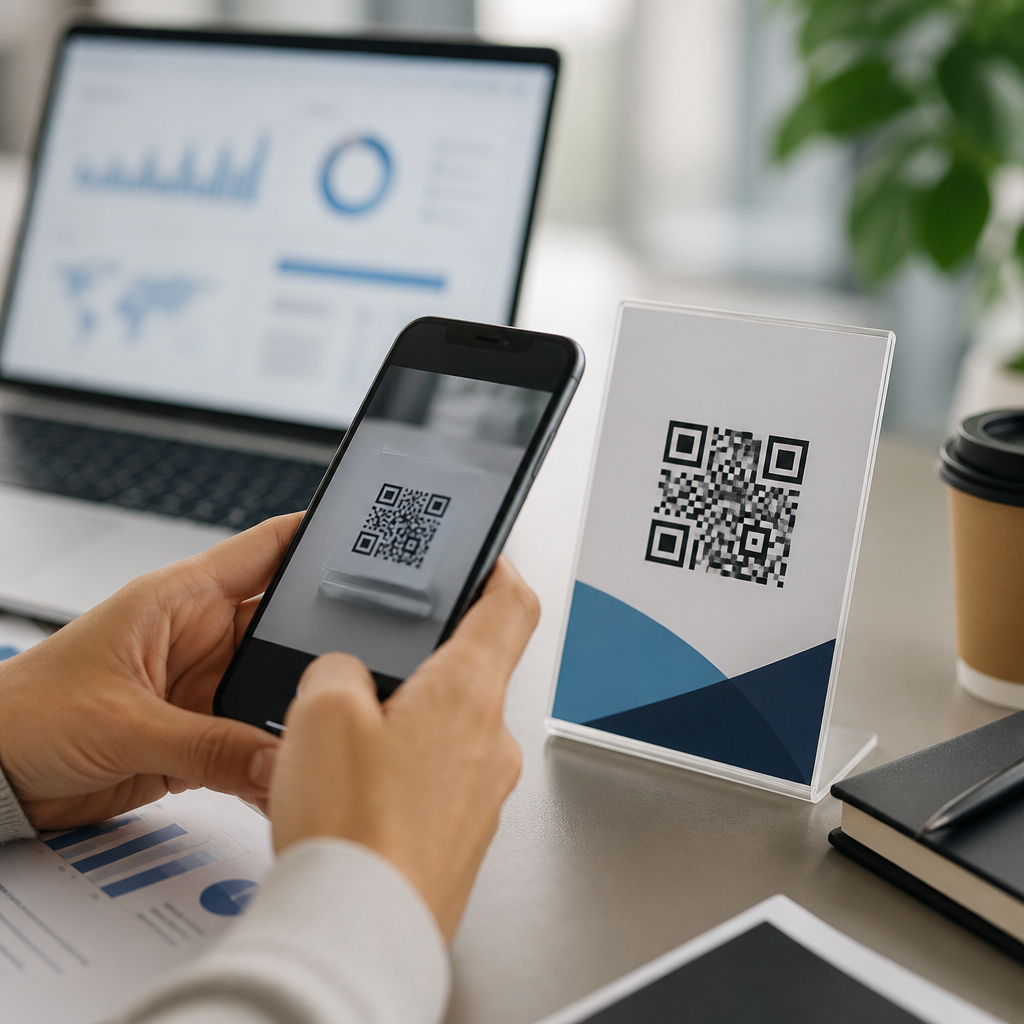
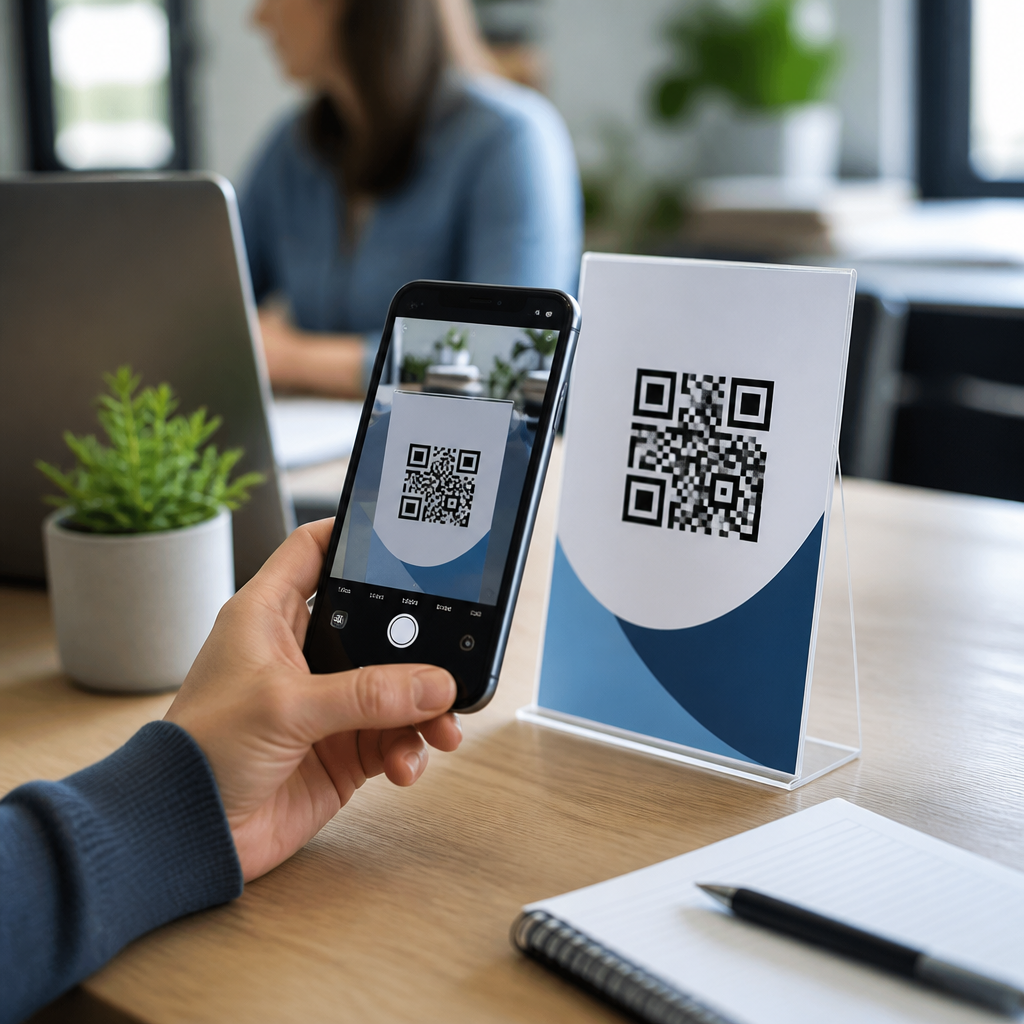
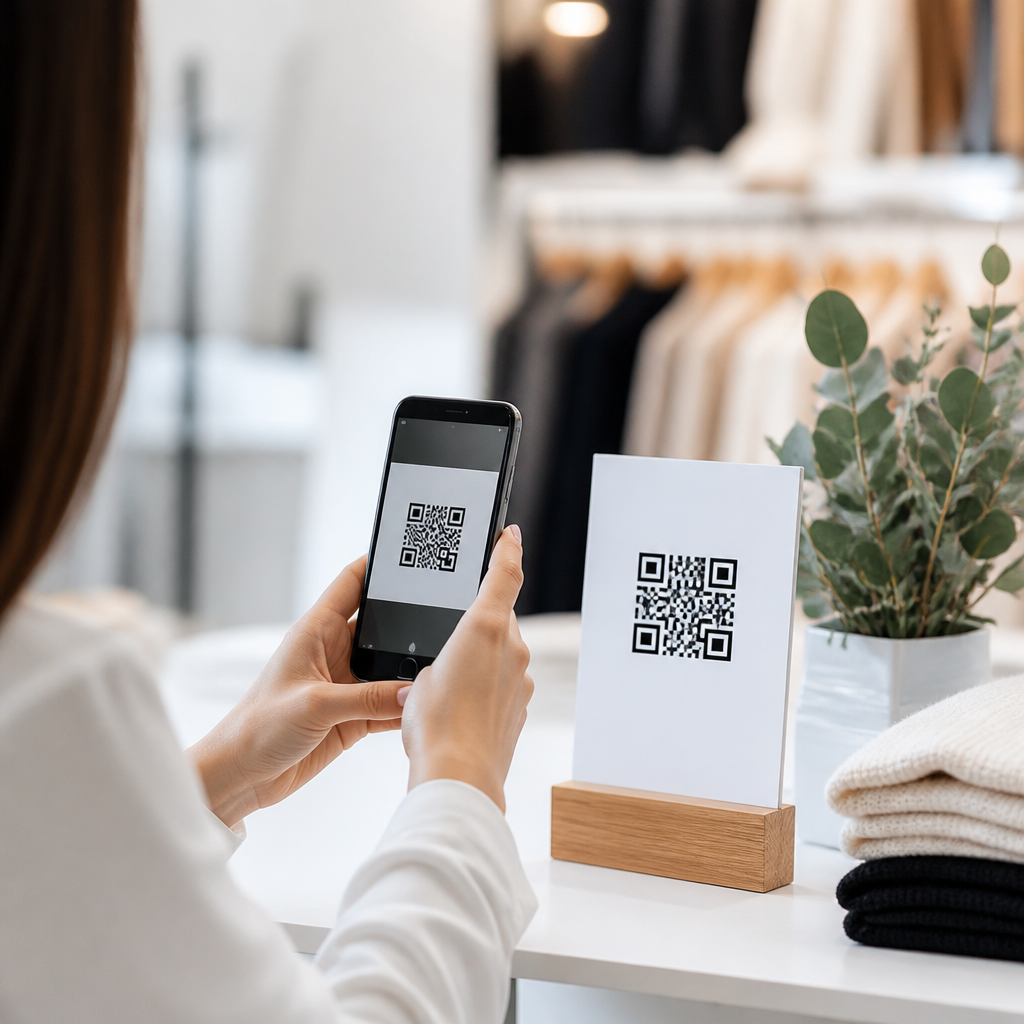
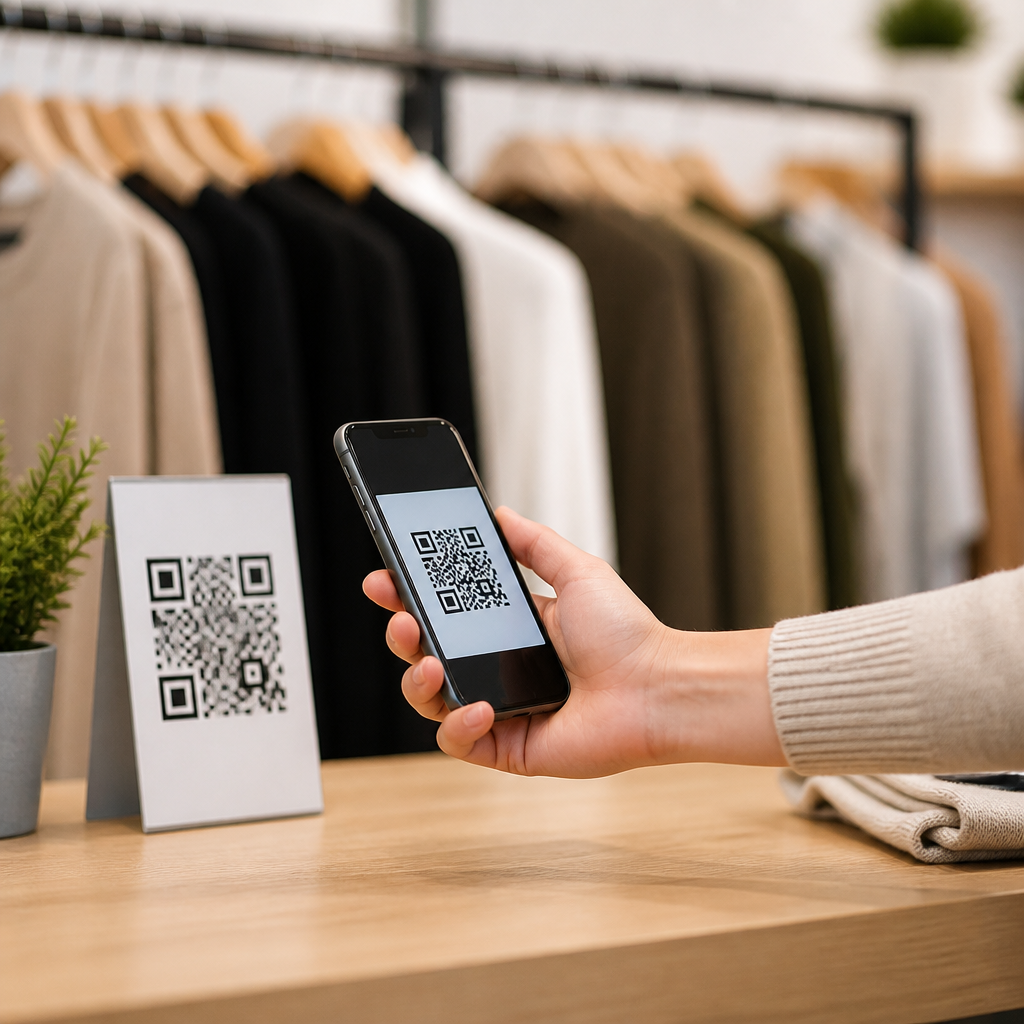
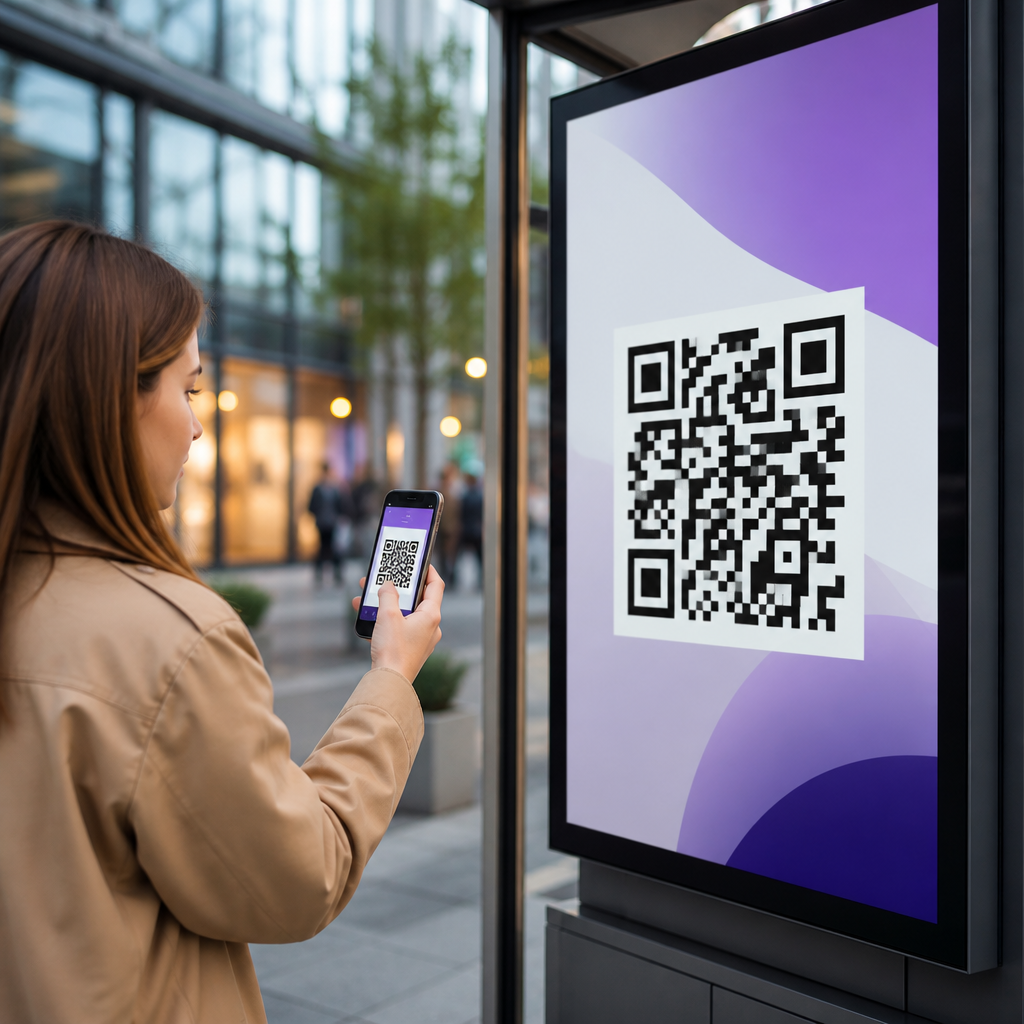
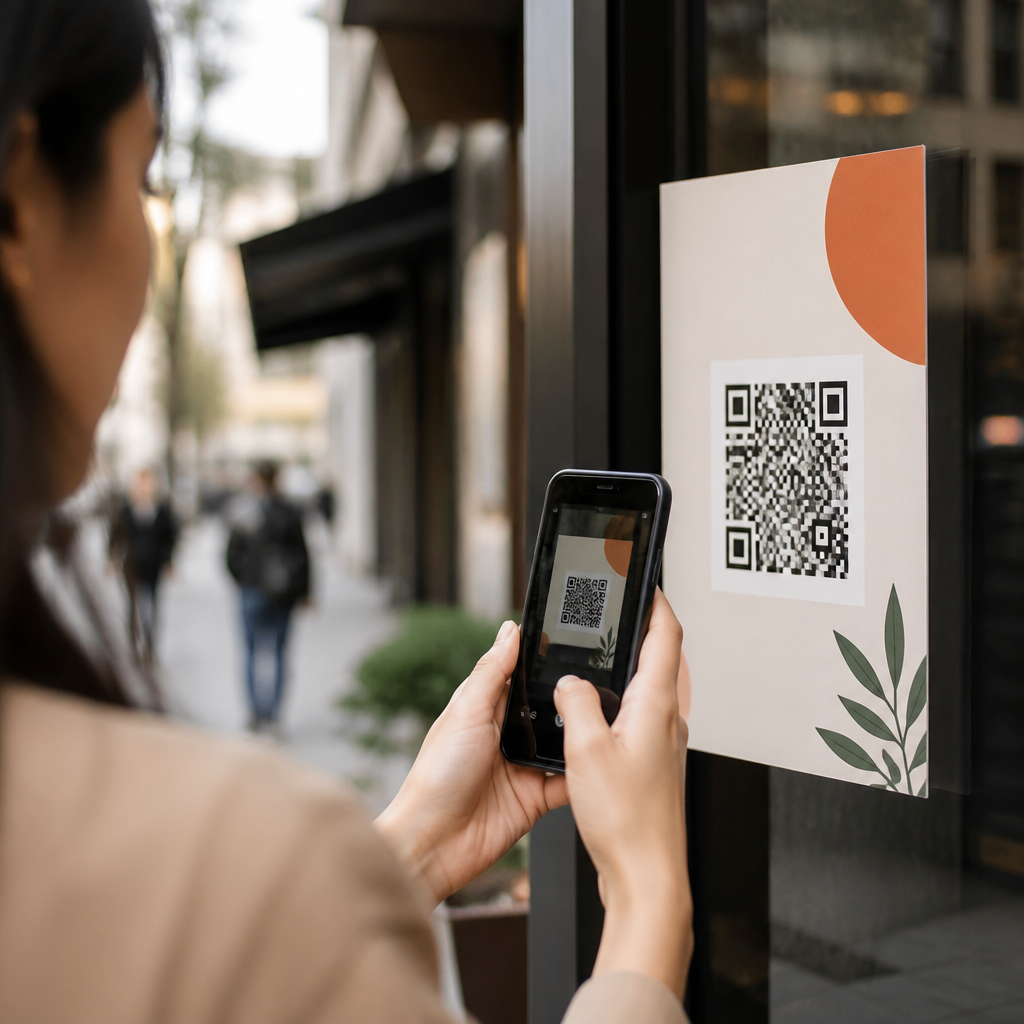
QR codes for event follow-up emails turn a brief in-person interaction into a measurable digital relationship. In practice, they connect the moment after a trade show conversation, conference session, retail activation, fundraiser, or networking breakfast with the email sequence that moves a prospect toward a sale, registration, donation, or repeat visit. I have used them in post-event campaigns for exhibitors and local brands, and the pattern is consistent: when the QR code experience is tightly matched to the follow-up email, response quality improves because recipients do not have to search, type, or guess what to do next.
In this context, a QR code is a scannable matrix barcode that opens a destination such as a landing page, digital business card, calendar link, survey, coupon, video, or prefilled form. Event follow-up emails are the messages sent after an event to continue the conversation while interest is still fresh. Bringing the two together matters because attention decays quickly. Industry benchmarks vary by list quality and event type, but the first twenty-four to seventy-two hours after an event usually produce the highest open, click, and conversion rates. A well-placed QR code in the email can reduce friction on mobile, support attribution, and create a clean bridge between offline engagement and online action.
This hub article explains how QR codes in email marketing work, where they fit in a broader mobile marketing strategy, and how to use them without hurting deliverability, accessibility, or measurement. It covers campaign structure, segmentation, design, tracking, compliance, and testing so teams can build event follow-up emails that are practical, measurable, and easy for recipients to use.
How QR Codes Fit Into Event Follow-Up Email Strategy
The simplest use case is also the most effective: send a follow-up email after an event and include a QR code that takes the reader directly to the next step. That next step should be singular. For a B2B expo, it may be a meeting booking page in Calendly or HubSpot Meetings. For a nonprofit gala, it may be a donation page with suggested amounts. For a fitness studio open house, it may be a class pass redemption page. For a university admissions fair, it may be a program information hub segmented by department.
QR codes work especially well when the recipient opens the email on one device and needs to act in another context. Someone may read the message on a laptop but want to open a registration page on a phone, or print the email brief for a sales team follow-up packet. They are also useful when the destination benefits from camera access, wallet passes, maps, or app deep linking. In campaigns I have audited, the strongest results came when marketers treated the QR code as one path among several, not the only clickable element. The email still needs a standard button and text link because many users will simply tap the link.
The strategic value is broader than convenience. QR codes can reinforce message continuity from booth signage, badges, presentation slides, direct mail, and post-event email. If attendees scanned a code at the event to enter a giveaway or download slides, the follow-up email can reuse the same visual language and destination logic. That continuity lowers cognitive load and increases trust because the recipient recognizes the brand interaction immediately.
Best Use Cases Across the Email Journey
Event follow-up does not mean one generic thank-you email. It usually means a sequence, and QR codes can play a different role at each stage. The first email should confirm the interaction and offer the most relevant next action. For example, after a software demo at a trade show, the first message can include a QR code to book a tailored follow-up call. The second email might include a QR code to a short product walkthrough video. The third could link to a case study library or ROI calculator. The code should always map to the recipient’s intent, not just to the homepage.
For sponsors and exhibitors, QR codes can support lead qualification. A prospect who scans a code to access pricing, implementation timelines, or integration documentation is signaling a deeper buying stage than someone who merely opens the email. For consumer events, the code may drive reviews, loyalty enrollment, location directions, referral offers, or mobile wallet coupons. Restaurants often use post-event codes to collect feedback and encourage the next visit with a limited-time offer. Real estate teams use them after open-house events to send floor plans, mortgage calculators, and virtual tours.
They also help centralize subtopics within a wider QR codes in email marketing program. A hub page like this one typically supports cluster content on QR code design, dynamic versus static codes, email deliverability, analytics, segmentation, compliance, and industry-specific playbooks. Internal links among those pages strengthen relevance, while the hub gives readers a complete framework for campaign planning.
Implementation: Design, Placement, Tracking, and Compliance
The most common mistake is treating the QR code as decoration. It is a functional element and should be built like any other call to action. Use a dynamic QR code when possible so the destination can be updated without changing the image. Dynamic codes also support scan analytics, campaign tagging, and easier troubleshooting. Add UTM parameters to the destination URL so scans can be distinguished in Google Analytics 4, Adobe Analytics, or your CRM. If the code points to a booking page, carry source, medium, campaign, and content values into the form or scheduling tool so sales attribution remains intact.
Size and contrast matter. In email, a QR code should usually render at least around 120 by 120 pixels, though larger is safer for older screens and desktop scanning. Maintain quiet space around the code, keep foreground and background contrast high, and avoid over-stylizing finder patterns. Brand customization is acceptable, but readability comes first. Always pair the image with alt text, a plain text URL nearby, and a conventional CTA button. Some email clients block images by default; others compress them. If the only path to conversion is an image-based code, performance will suffer.
From a deliverability standpoint, moderation is important. Image-heavy emails with little live text can resemble low-quality promotional mail. Balance the code with clear copy, a visible sender identity, and relevant text links. Follow CAN-SPAM, GDPR, and applicable consent rules. If the QR code opens a form that captures personal data, state what the recipient will receive and how data will be used. For healthcare, finance, education, and other regulated sectors, review landing pages as carefully as the email itself.
| Element | Best practice | Reason it matters |
|---|---|---|
| Destination | Send users to one high-intent action page | Reduces drop-off and improves conversion clarity |
| Code type | Use dynamic QR codes with UTM-tagged URLs | Supports editing, scan reporting, and attribution |
| Email layout | Include QR code, button, and text link | Preserves accessibility and client compatibility |
| Measurement | Map scans to CRM stages and revenue outcomes | Shows whether scans produce business value |
Measuring Performance and Optimizing Results
Success is not the scan rate alone. A QR code can attract scans and still fail if the landing experience is weak. The core metrics are opens, clicks, scans, landing page conversion rate, downstream pipeline or revenue, and time-to-action after the event. For B2B teams, I recommend comparing scan behavior by lead source, account tier, booth interaction type, and sales accepted lead rate. For consumer campaigns, compare by event location, offer type, mobile wallet saves, coupon redemptions, and repeat purchase windows.
Testing should be controlled and specific. Try QR code placement above versus below the fold, standard black-and-white versus lightly branded designs, and direct booking pages versus resource pages. Also test copy around the code. “Scan to book your post-event consult” is clearer than “Learn more.” If the audience is likely reading on mobile, the QR code may be less useful than a tappable button, so evaluate incremental value rather than assuming the code helps by default. In some campaigns, QR codes improved desktop-driven conversions but had little impact on mobile-heavy lists. That is still a useful finding because it sharpens channel design.
Finally, treat follow-up as a system, not a single send. Connect event badges, booth scans, CRM fields, marketing automation, and landing page analytics so the right email fires quickly with the right QR destination. Tools such as HubSpot, Marketo, Salesforce Account Engagement, Mailchimp, Klaviyo, Bitly, and dedicated QR management platforms can all support this workflow when naming conventions and attribution rules are set upfront. The payoff is simple: better continuity from event to inbox to action. Audit your current event follow-up emails, identify one next step per audience segment, and add QR codes where they remove friction and improve measurement.
Frequently Asked Questions
How do QR codes improve event follow-up emails?
QR codes improve event follow-up emails by creating a direct bridge between an in-person interaction and a trackable digital next step. At events, attention is limited and conversations are often short. A well-placed QR code lets attendees instantly move from a booth visit, presentation, retail activation, fundraiser, or networking conversation into an email signup, lead form, RSVP page, coupon claim, or content download without having to type a URL or remember to act later. That speed matters because the highest-conversion window usually happens right after the interaction, when interest is still fresh.
They also make follow-up more measurable. Instead of relying only on business cards or manual lead entry, marketers can tie scans to specific campaigns, landing pages, traffic sources, and email automations. This helps answer practical questions such as which event generated the most engaged subscribers, which booth messaging drove the most scans, and which audience segment moved from scan to open to click to conversion. In other words, QR codes do not just collect contact opportunities; they help build cleaner attribution across the event-to-email journey.
Just as important, QR codes improve the attendee experience when used correctly. If the scan leads to a mobile-friendly page with a clear benefit, such as getting slides, claiming an offer, joining a waitlist, or receiving a recap, the user feels like they are continuing the conversation rather than being pushed into a generic marketing funnel. That is why the strongest event follow-up systems treat the QR code as part of a guided journey, not just a shortcut to a signup form.
What should a QR code link to after an event interaction?
The best QR code destination depends on the goal of the event interaction, but it should always lead to a focused, mobile-optimized page with one clear next action. For lead generation, that may be a short email capture form tied to an automated follow-up sequence. For conferences, it could be a page offering presentation slides, session notes, or bonus resources in exchange for an email address. For retail activations, it might be a product page, loyalty signup, or limited-time offer. For fundraisers or nonprofit events, it could lead to a donation page, volunteer interest form, or impact update subscription page.
The key is relevance. If someone scans after talking to your team about one specific product or service, sending them to your homepage usually lowers conversion because it forces them to search for the information they just asked about. A better approach is to match the landing page to the context of the conversation. For example, exhibitors can create separate QR destinations for product demos, pricing info, case studies, appointment booking, or giveaways. That keeps the user journey aligned with intent and makes your later email follow-up more personalized.
It is also smart to include simple tracking and segmentation at the landing-page level. If your form captures which event, booth station, speaker session, or campaign variation drove the scan, you can tailor the follow-up emails accordingly. Someone who scanned for a discount should not receive the same first email as someone who scanned for a technical guide or consultation. The more tightly your destination page matches the scan context, the stronger your email engagement and downstream conversion rates will be.
What makes a QR code campaign effective for post-event email marketing?
An effective QR code campaign for post-event email marketing starts with a clear promise, a frictionless mobile experience, and a follow-up sequence that feels timely and relevant. The promise is what motivates the scan: access to slides, an exclusive offer, a giveaway entry, a helpful checklist, a booking link, or a recap of what was discussed in person. If the value is vague, scan rates drop. If the reward is immediate and useful, participation rises significantly.
The second factor is execution. The QR code should be easy to spot, easy to scan, and placed where people naturally make decisions, such as booth counters, signage, name badges, table tents, packaging inserts, receipts, or presentation slides. Once scanned, the landing page should load quickly, work cleanly on mobile, and ask for only the information you truly need. Long forms and cluttered layouts reduce completion rates, especially in event environments where attendees are moving fast.
The third factor is email sequencing. A strong campaign does not end with the scan. It triggers a thoughtful series of follow-up emails based on what the attendee requested or showed interest in. The first message should arrive quickly and deliver what was promised. The next messages can expand on the relationship with proof points, testimonials, educational content, product recommendations, event recap highlights, or a direct call to book a meeting, complete a registration, make a donation, or redeem an offer. The most effective campaigns maintain continuity from the live interaction to the inbox, so the attendee feels remembered rather than dumped into a broad email list.
Finally, optimization matters. Track scans, form completions, email opens, clicks, and conversions by audience segment and event source. That data reveals where the drop-off happens and what to improve. Sometimes the QR code gets attention but the landing page is weak. Sometimes the signup is strong but the email copy underperforms. The best results come from tightening each step until the handoff from offline engagement to digital nurture feels seamless.
How can you track and measure results from QR codes used in event follow-up emails?
Tracking starts by treating each QR code as a distinct campaign asset rather than using one generic code for every situation. Create separate codes for individual events, booth zones, printed materials, speaker sessions, product categories, or call-to-action variations. This gives you meaningful campaign-level data instead of a blended traffic number that tells you very little. When each code points to a unique URL or includes campaign parameters, you can identify exactly where interest came from and compare performance across placements.
From there, connect the scan destination to your analytics platform, CRM, and email marketing software. A good measurement framework usually includes scan volume, unique visitors, form completion rate, confirmed email subscriptions, email open rate, click-through rate, meeting bookings, purchases, registrations, donations, or repeat visits. If your business has a longer sales cycle, you should also track qualified lead creation and pipeline influence. This is where QR-driven campaigns become especially valuable: they help turn event engagement into trackable first-party data that can be tied to downstream outcomes.
It is also useful to measure timing and audience behavior. Did scans spike during a keynote, during booth demos, or after the event ended? Did one offer outperform another? Did attendees who scanned for educational content engage more deeply over time than attendees who scanned for a contest entry? These insights help refine both your event strategy and your email segmentation. In many cases, the scan itself is only the starting signal; the real value comes from understanding which scan paths lead to stronger long-term engagement.
To keep the data trustworthy, test all links before the event, use consistent naming conventions, and make sure your forms and automations pass source information into your CRM. Clean tracking discipline lets you answer the question executives and clients actually care about: not just whether people scanned, but whether those scans produced measurable business results after the event.
What are the most common mistakes to avoid when using QR codes for event follow-up emails?
The most common mistake is sending every scan to a generic homepage or a weak landing page with no clear payoff. If attendees scan because they expect something specific and land somewhere broad, slow, or confusing, conversion drops immediately. The next major mistake is asking for too much too soon. At an event, people are busy and distracted. A form that demands excessive details can easily kill momentum. In most cases, collecting an email address and one or two qualifying fields is enough for the initial handoff.
Another frequent problem is poor message match between the in-person conversation, the QR code call to action, and the follow-up email. If a visitor scans to get pricing, they should not receive a generic brand newsletter as the first message. If they scan after a fundraiser appeal, the follow-up should acknowledge that context directly. Relevance drives trust, and trust drives response. When marketers ignore context, they waste the strongest advantage QR codes offer, which is the ability to capture intent in the moment and continue that exact journey in email.
Technical and design issues also cause avoidable losses. Codes that are too small, placed in bad lighting, printed with low contrast, or shown too briefly on presentation slides often underperform. Landing pages that are not mobile-friendly are equally damaging. And from a compliance standpoint, businesses should be careful about permission-based email practices, clear opt-in language, and proper handling of contact data. A quick scan should never create a confusing or noncompliant subscription experience.
Lastly, many teams fail by stopping at collection instead of follow-up. A QR code can capture attention, but the email sequence is what turns that attention into revenue, registration, donation, or repeat business. If the promised asset arrives late, if the nurture emails are generic, or if there is no clear next step, the opportunity fades. The strongest programs avoid these mistakes by tightening every stage: clear offer, fast scan, focused page, smart segmentation, immediate delivery, and a follow-up sequence built around what the attendee actually cared about.