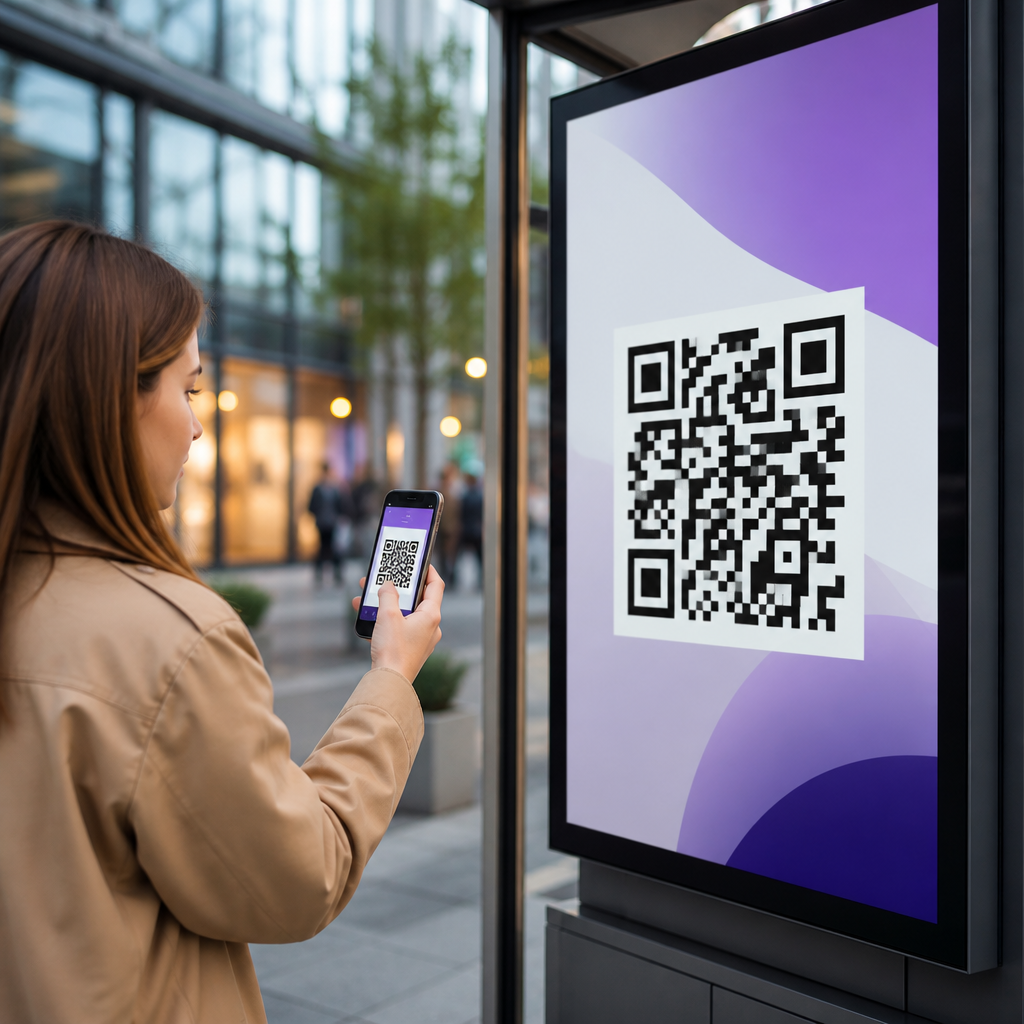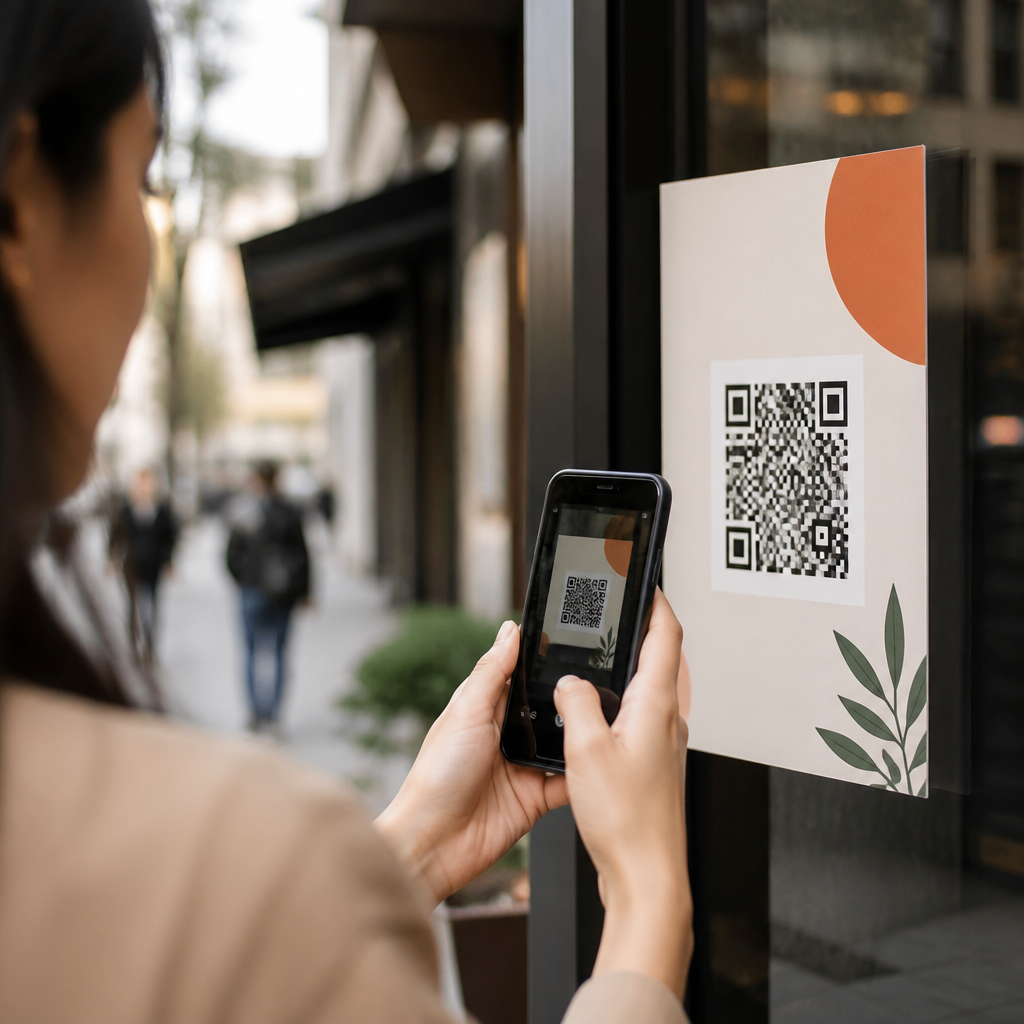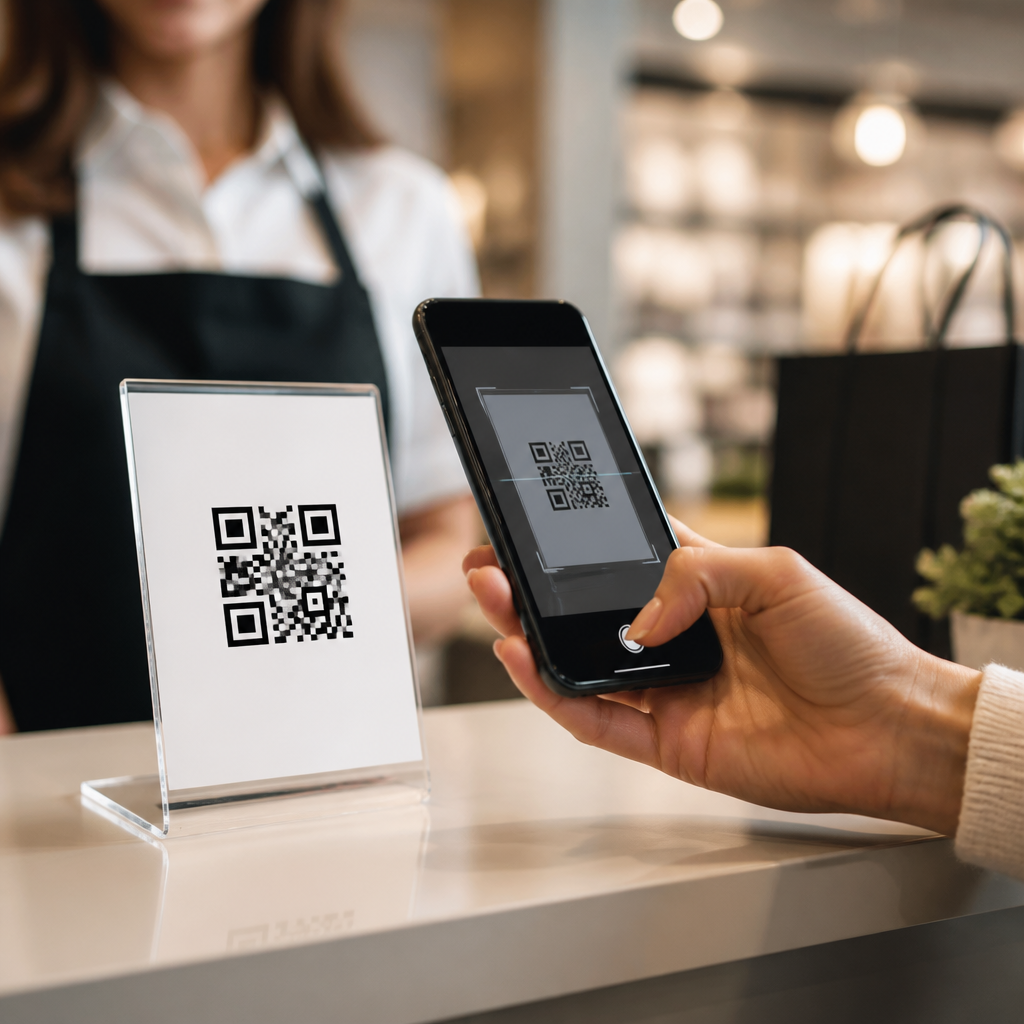
QR codes for lead generation have become one of the most practical tools in mobile marketing because they connect offline attention to online action in a single scan. In this sub-pillar hub, the focus is on how businesses use scannable codes to capture contact details, segment prospects, deliver incentives, and measure campaign performance without forcing customers to type long URLs or search manually. A QR code, or Quick Response code, is a two-dimensional barcode that stores information such as a web address, form link, coupon destination, or downloadable asset. When scanned with a smartphone camera, it sends the user directly to that asset. For marketers, that speed matters because every extra step reduces conversion rates.
I have used QR-based lead capture in retail, events, hospitality, and local service campaigns, and the pattern is consistent: when the offer is clear and the destination page is mobile-first, scan rates and lead quality improve. This topic matters because acquisition costs keep rising across paid search and social channels, while physical touchpoints still generate strong intent. Product packaging, direct mail, storefront signage, trade show booths, menus, flyers, and print ads can all become measurable lead sources with a properly managed QR workflow. The strongest campaigns are not built around the code itself. They are built around value exchange: scan for a quote, a demo, a discount, a guide, a contest entry, or an appointment.
Although this article sits under mobile QR codes for marketing, it also serves as the central hub for the broader topic of QR codes for lead generation. That means covering the strategy, mechanics, use cases, and measurement principles that support related articles on landing pages, forms, CRM integration, event capture, coupon tracking, and attribution. If you are deciding whether QR codes can reliably generate leads, the short answer is yes, provided the campaign aligns audience intent, placement context, and a frictionless mobile experience.
What QR Codes for Lead Generation Actually Do
QR codes for lead generation convert passive exposure into an identifiable prospect action. The scan itself is not the lead; the lead is created when the user submits information, starts a conversation, books time, downloads a gated asset, or opts into future communication. Good campaigns therefore connect the code to a conversion path, not just a homepage. In practice, that usually means a dedicated landing page with one primary call to action. For business-to-business campaigns, the action may be a consultation request or whitepaper download. For consumer brands, it may be a coupon claim, loyalty sign-up, giveaway entry, or SMS opt-in.
Dynamic QR codes are usually the right choice because the destination can be updated without reprinting the asset. They also support scan analytics such as time, location, device type, and total interactions through platforms like Bitly, QR Code Generator Pro, Beaconstac, Flowcode, and Uniqode. Static QR codes have their place when the destination will never change, but they offer less control once distributed. In lead generation, flexibility matters because offers expire, landing pages get revised, and tracking parameters need refinement. A dynamic setup also makes A/B testing possible by redirecting different placements to tailored experiences.
The essential mechanics are simple. A person notices an offer, scans the code, lands on a mobile page, understands the value quickly, and completes a low-friction action. The details determine success. The page should load fast, explain the benefit above the fold, ask only for necessary fields, and reassure users about privacy. If a local gym uses a poster that says “Scan for a free 7-day pass,” the page should not ask for ten fields and force account creation. Name, email, and preferred location may be enough to start the relationship.
Best Use Cases Across Marketing Channels
The strongest QR lead generation campaigns match the code to a high-intent moment. Trade shows are a classic example. Instead of collecting business cards that later need manual entry, exhibitors place QR codes on booth graphics, product demos, and badge handouts that send attendees to a form linked with a CRM. Sales teams can tag scans by product interest, booth zone, or speaking session. That is faster and cleaner than paper methods, and follow-up can begin immediately. In my experience, response rates improve when the scan unlocks something concrete, such as pricing, implementation checklists, or a meeting slot during the event.
Retail is another high-performing channel, especially when codes support coupon and discount campaigns. Shelf talkers, window decals, and receipt inserts can route shoppers to “scan for 15% off your first order” or “scan to join VIP offers.” This works because the consumer is already in a buying context. Restaurants often place QR codes on table tents or takeaway packaging for loyalty enrollment, birthday club offers, and feedback collection. Real estate agents use yard signs to offer neighborhood reports or property alerts. Healthcare and home service providers can add QR codes to mailers that offer consultations, screening checklists, or instant booking.
Print remains valuable when paired with mobile response. Direct mail with personalized QR codes lets marketers tie scans to households, ZIP codes, or audience segments. A university can send prospective students postcards that link to program-specific inquiry forms. A B2B software company can place codes in brochures that direct different industries to tailored case studies and demo requests. Even vehicles and uniforms can generate leads if the message is short and the destination is obvious, such as “Scan for a free estimate.”
| Channel | Typical Offer | Best Lead Action | Key Metric |
|---|---|---|---|
| Trade shows | Demo, pricing sheet, meeting slot | Form submission | Qualified leads per event |
| Retail signage | First-purchase discount | Email or SMS opt-in | Scan-to-redemption rate |
| Direct mail | Guide, consultation, local offer | Appointment request | Cost per lead |
| Packaging | Loyalty signup, reorder reminder | Account creation | Repeat customer rate |
| Real estate signs | Listing details, alerts | Inquiry form | Lead-to-showing rate |
How to Build a QR Lead Funnel That Converts
A high-performing QR lead funnel starts with the offer. People scan when the immediate value is obvious. “Learn more” is weak because it asks for curiosity without reward. “Scan for a same-day quote,” “Scan for 20% off,” or “Scan for the buyer’s checklist” gives a clear reason to act. The next step is message match. If the printed asset promises a coupon, the landing page must open with that coupon, not a generic brand message. Consistency reduces bounce rate and builds trust.
Form design is where many campaigns fail. Mobile forms should be short, thumb-friendly, and easy to complete in under a minute. Use autofill where possible. If qualification matters, progressive profiling is more effective than front-loading every question. Capture the core contact fields first, then enrich later through follow-up or CRM workflows. Tools such as HubSpot, Salesforce, Klaviyo, Mailchimp, and Zapier make it straightforward to push submissions into email sequences, sales pipelines, or SMS automations. For local businesses, integrating scans with booking systems like Calendly, Mindbody, or Toast can shorten the path from interest to appointment.
Tracking should be planned before launch. Every QR destination should include campaign parameters so analytics platforms can separate scans by channel, creative, location, and offer. Google Analytics 4 can report sessions and conversions, while CRM attribution can show lead source quality. Unique dynamic codes for each placement are worth the effort because they reveal what actually drives results. A restaurant group, for example, may discover that table-tent scans produce more loyalty sign-ups than window posters, while receipt-based codes generate higher coupon redemption. Those findings shape budget decisions.
Design and usability also influence performance. Codes need sufficient contrast, quiet space, and a size appropriate to viewing distance. A common rule is at least one inch square for close scanning, scaled up for signage seen farther away. The call to action should appear beside the code, not beneath dense copy. Add a short fallback URL for accessibility and trust. Testing matters too: scan under different lighting, on different phones, and with slower mobile connections before printing thousands of assets.
Common Mistakes, Compliance, and Long-Term Value
The most common mistake is sending all scans to the homepage. Homepages rarely answer the exact question implied by the physical context, so users leave. Another mistake is treating every scan as equal. Scan volume can look impressive while lead quality remains poor. That is why downstream metrics matter more than raw interactions. Evaluate conversion rate, qualified lead rate, booked meetings, redemptions, and revenue influenced. In several campaigns I have audited, reducing scans but tightening the offer and page relevance increased qualified leads substantially.
Privacy and compliance cannot be ignored. If you collect email addresses or phone numbers, disclose how the data will be used and obtain consent where required. SMS campaigns in particular must follow opt-in rules and include clear messaging terms. Regulated sectors such as healthcare and finance need extra review before linking printed materials to data collection forms. Accessibility matters as well. Not every user will scan comfortably, so include a short URL or alternate path.
Long term, QR codes are not just response tools; they are infrastructure for measurable offline-to-online marketing. They help unify print, physical spaces, packaging, and in-person interactions with digital analytics and automation. For brands running coupon and discount campaigns, they also create a bridge between acquisition and retention by linking first purchase incentives to loyalty programs and remarketing lists. The key takeaway is simple: QR codes generate leads when they offer immediate value, route users to a mobile-first destination, and connect to a tracked follow-up system. Start with one clear use case, assign a distinct code to each placement, measure lead quality beyond scans, and optimize from there. Done well, QR lead generation turns everyday physical touchpoints into reliable pipeline assets.
Frequently Asked Questions
How do QR codes improve coupon and discount campaigns?
QR codes make coupon and discount campaigns faster, easier to access, and far more measurable than traditional print-only promotions. Instead of asking customers to remember a promo code, type a long web address, or search for an offer later, a business can place a scannable code on flyers, packaging, posters, receipts, direct mail pieces, in-store displays, and event materials. With one scan, the customer can be taken directly to a coupon landing page, a limited-time offer, a sign-up form, or a mobile checkout experience. That reduction in friction is one of the biggest reasons QR codes perform so well in mobile marketing.
They also help bridge offline marketing and digital conversion. A customer might first see an offer in a physical environment, but the scan moves them into a trackable online journey where the business can collect lead data, deliver a discount instantly, and follow up later with email or SMS. This is especially valuable for lead generation because the incentive, such as 10% off, free shipping, or a first-purchase bonus, gives people a strong reason to share their contact details. On top of that, dynamic QR codes allow marketers to update the destination URL, adjust campaign messaging, and track scan data without reprinting the code itself. That combination of convenience, speed, and measurement makes QR codes a powerful tool for modern coupon campaigns.
What types of coupon and discount offers work best with QR codes?
QR codes work best with offers that are clear, immediate, and easy to redeem on a mobile device. Common examples include percentage discounts, fixed-amount savings, buy-one-get-one promotions, free trial offers, event-only deals, loyalty rewards, and exclusive sign-up incentives. The strongest campaigns usually pair the scan with a simple value proposition, such as “Scan for 15% off today,” “Scan to unlock your first-order coupon,” or “Scan to claim your in-store bonus.” When the customer knows exactly what they will get before scanning, response rates tend to increase.
Time-sensitive and segmented offers are especially effective. For example, a retailer can use one QR code in a window display for walk-by traffic, another on product packaging for existing buyers, and another in direct mail for high-intent prospects. Each code can lead to a tailored offer based on where the customer encountered it. Businesses can also use QR codes to distribute personalized coupons after a lead form is completed, making the discount feel exclusive rather than generic. In many cases, the best-performing campaigns combine a compelling offer with a focused landing page, a short form, and a clear redemption path. The key is to match the discount to the audience and keep the experience simple from scan to conversion.
Can QR codes be used for lead generation in coupon campaigns?
Yes, and this is one of the most effective uses of QR codes in marketing. A QR code can send users to a landing page where they enter their email address, phone number, or other basic details in exchange for a coupon or special discount. This turns a one-time promotional interaction into a lead capture opportunity. Rather than handing out a general public offer with no way to follow up, businesses can use the discount as an incentive to collect valuable first-party data, build their contact list, and continue the relationship after the initial scan.
QR code lead generation works particularly well when the form is short and the reward is immediate. For instance, scanning a code on a countertop display could open a mobile page that says, “Enter your email to receive 20% off today’s purchase.” Once the form is completed, the coupon can be displayed instantly, sent by text message, or delivered by email for future use. This also creates opportunities for audience segmentation. A business can tag leads based on scan location, campaign source, product interest, or offer type, then send more relevant follow-up messages later. Over time, this improves not only coupon redemptions but also customer targeting, remarketing, and campaign ROI.
How can businesses track the performance of QR code coupon campaigns?
QR code campaigns are highly trackable when set up correctly. Businesses can monitor metrics such as total scans, unique scans, scan location, device type, time of day, landing page visits, form completions, coupon downloads, and final redemptions. Dynamic QR codes are particularly useful because they often include built-in analytics and can be connected to UTM parameters, marketing automation tools, CRM platforms, and web analytics systems. This gives marketers a clearer picture of which placements and offers are driving actual results rather than just impressions.
For example, a brand running the same coupon promotion across posters, product inserts, and direct mail can assign a unique QR code to each channel. Even if the offer is identical, the business can compare which source produces the most scans, the best lead conversion rate, and the highest redemption value. That makes it easier to optimize future campaigns, shift budget toward top-performing channels, and test variations in design, messaging, or incentive level. To get the most accurate performance data, businesses should define what success looks like in advance, whether that means lead capture, sales, repeat visits, or average order value, and then connect QR interactions to those outcomes wherever possible.
What are the best practices for creating effective QR code coupon and discount campaigns?
The most effective QR code coupon campaigns start with a clear objective and a frictionless user experience. Businesses should decide whether the goal is to drive immediate purchases, generate leads, increase store traffic, grow an email list, or encourage repeat buying. Once that goal is defined, the QR code should lead to a mobile-optimized landing page with a direct message, a visible benefit, and a simple next step. Customers should not have to guess what happens after scanning. The call to action near the code should be specific, such as “Scan to get 10% off,” “Scan for your exclusive coupon,” or “Scan to join and save.”
Design and placement matter as much as the offer itself. The QR code should be large enough to scan easily, placed where customers naturally pause, and tested across different devices before launch. It is also important to provide enough context around the code so people trust it and understand its value. On the back end, using dynamic QR codes, dedicated landing pages, and unique tracking links helps with optimization and reporting. Businesses should also consider redemption logistics, including whether the coupon will be shown on-screen, emailed, saved to a wallet, or entered at checkout with an automatic promo code. Finally, ongoing testing is essential. Small changes to the offer, wording, placement, or form length can significantly affect scan rate and conversion rate. The strongest campaigns treat QR codes not as a static graphic, but as an active performance channel that can be refined over time.