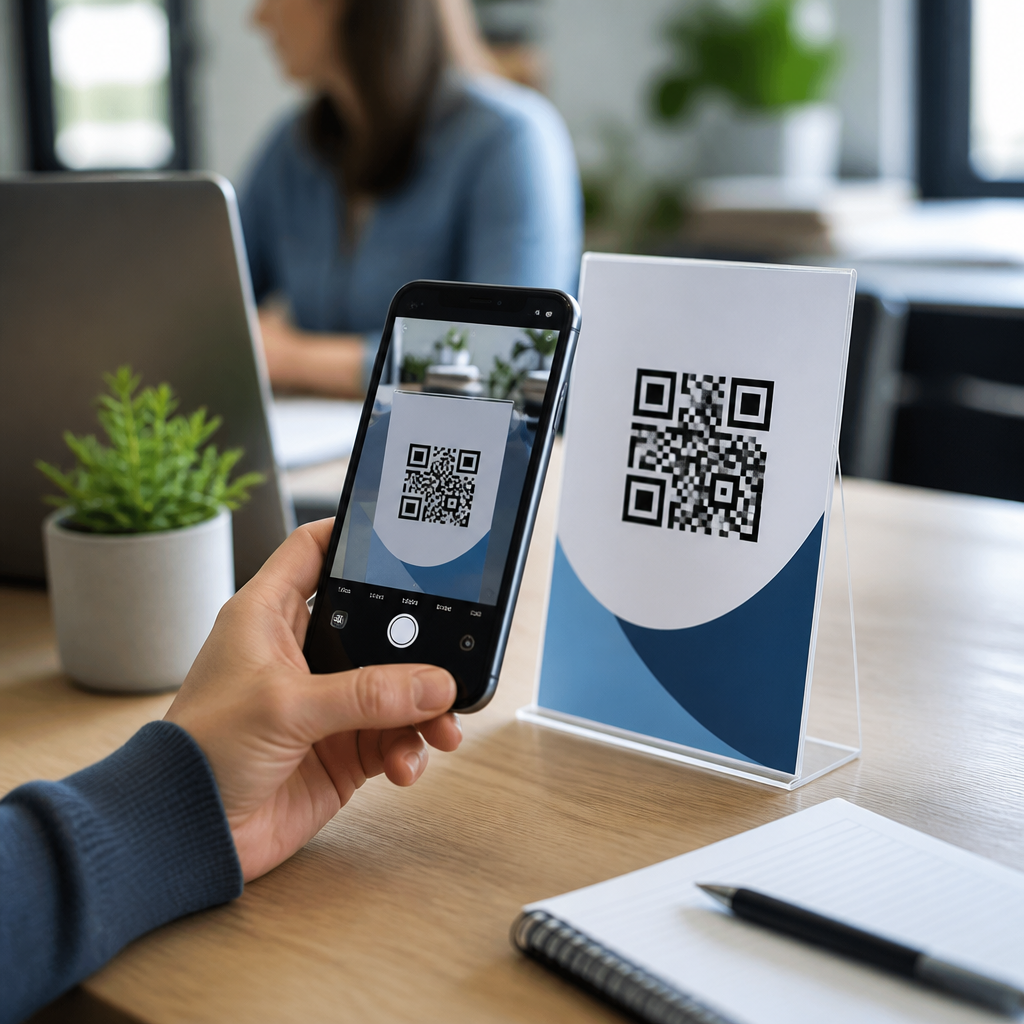

QR codes have become one of the simplest ways to connect offline attention with online action, and few use cases are more valuable than lead generation. In marketing terms, a lead is a person who has shown measurable interest in a product or service by taking an action such as submitting a form, booking a demo, joining a mailing list, requesting a quote, or downloading a resource. A QR code is a scannable image that opens a digital destination, usually a landing page, form, app, coupon, or contact card, when viewed through a smartphone camera. Put together, QR codes for lead generation create a fast path from physical touchpoint to captured contact information.
I have used QR codes in event booths, storefront signage, direct mail, packaging inserts, and sales collateral, and the pattern is consistent: response rates improve when friction drops. Typing a long URL on a phone creates friction. Searching for a brand later creates forgetfulness. A well-placed QR code removes both problems by letting someone act in the moment of interest. That matters because lead generation depends on timing, relevance, and convenience. If a prospect sees your ad on a train platform, your brochure at a conference, or your menu card in a lobby, the best chance to capture intent is immediately, not after they get back to a desk.
QR lead generation also matters because it is measurable. Dynamic QR platforms such as Bitly, QR Code Generator Pro, Beaconstac, Flowcode, and Uniqode track scans by date, device, and location. Pair that data with analytics tools such as Google Analytics 4, HubSpot, Salesforce, or Marketo, and marketers can tie an offline scan to form submissions, qualified leads, revenue, and campaign return. That measurability turns QR codes from a novelty into a practical acquisition channel. The strongest programs are not built around the code itself. They are built around offer quality, landing page clarity, tracking discipline, and follow-up speed.
What makes QR codes effective for lead generation
QR codes work for lead generation because they collapse the path between curiosity and conversion. The best campaigns answer one question instantly: what happens when I scan this? If the value is clear, scans rise. Common lead magnets include discount codes, sample requests, gated guides, consultations, warranty registration, loyalty enrollment, webinar signup, and contest entry. In business-to-business campaigns, I have seen demo bookings and white paper downloads perform especially well on booth signage and print leave-behinds. In consumer campaigns, coupons, giveaways, and SMS club enrollment often produce more volume.
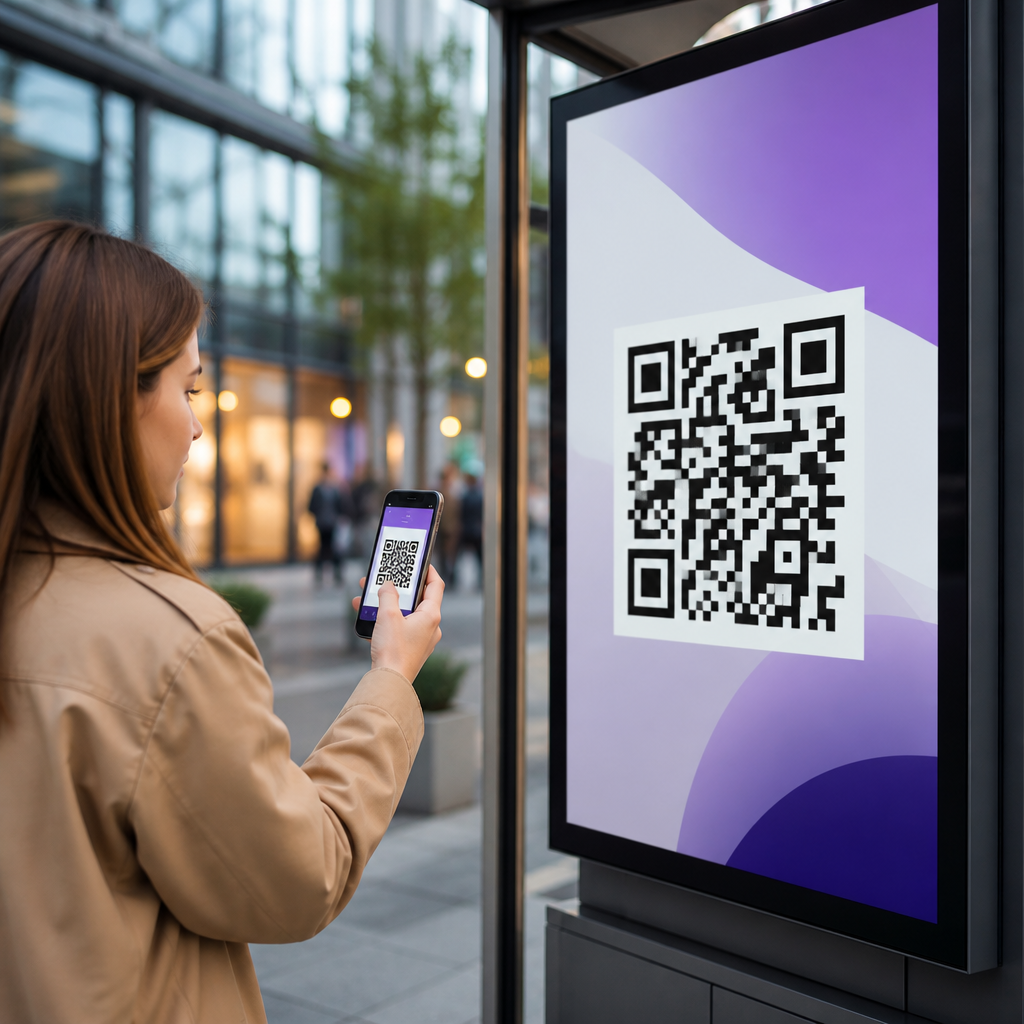
Another reason QR codes perform is placement flexibility. They can appear on posters, packaging, product displays, business cards, invoices, vehicle wraps, menus, window decals, trade show booths, and direct mail pieces. Each placement reaches a different intent level. Someone scanning from packaging already owns the product and may be ideal for cross-sell or review requests. Someone scanning from a bus shelter ad is earlier in the funnel and may respond better to a lightweight action such as entering a giveaway or downloading a buying guide. Matching the offer to the context is the difference between high scan counts and actual leads.
Dynamic codes are usually the right choice because they allow destination changes without reprinting assets. If a campaign landing page changes, the code stays live. Dynamic codes also support granular tracking and easier A/B testing. Static codes still have a place for permanent uses such as Wi-Fi access or simple contact sharing, but for lead generation they create unnecessary limits. If you want attribution, flexibility, and campaign optimization, use dynamic codes and connect them to tagged URLs with consistent naming conventions for source, medium, campaign, and placement.
How to build a QR lead generation funnel that converts
A QR code does not generate leads on its own; the funnel does. Start with a single purpose. Every QR code should lead to one primary action, not a cluttered homepage. Build a mobile-first landing page with a short headline, one clear benefit, trust signals, and a form that asks only for essential information. For top-of-funnel offers, name and email may be enough. For higher-intent offers such as quotes or demos, add company, phone, or use case fields. Keep forms brief because mobile abandonment rises sharply as field count increases.
The call to action beside the code must be explicit. “Scan to get 15% off,” “Scan to book a free site audit,” and “Scan to download the 2026 buyer’s guide” outperform generic text like “Learn more.” Explain the value, the audience, and the next step. If privacy is relevant, mention it. For example, “No spam, unsubscribe anytime” can improve form completion on email offers. If speed matters, say so: “Get your quote in under two minutes.” Good QR creative reduces uncertainty before the scan and good landing page copy reduces uncertainty after it.
Follow-up determines lead quality more than many teams expect. Once a scan becomes a submission, route the lead into your CRM, trigger confirmation messaging, and assign ownership. For sales-led offers, service-level agreements matter. A lead who requests a demo from a trade show banner should not wait three days for a response. For nurture-led offers, deliver the promised asset instantly, then continue with segmented email flows based on source and offer. When I audit underperforming QR campaigns, slow or generic follow-up is often the hidden cause.
| Placement | Best Offer Type | Why It Works |
|---|---|---|
| Trade show booth | Demo booking or prize draw | Visitors already show category interest and are ready for a next step |
| Direct mail postcard | Coupon, assessment, or appointment | Physical mail creates attention; the scan removes typing friction |
| Product packaging | Registration, upsell, or review request | Existing customers are engaged at the moment of product use |
| Store window or counter | Loyalty signup or SMS club | High foot traffic supports quick, low-commitment lead capture |
| Sales brochure | Case study or quote request | Prospects can move from printed information to tracked digital action |
Best practices for design, placement, and tracking
Use a code large enough to scan comfortably from the expected distance. A practical rule is about one inch of code for every ten inches of scanning distance, then test it on multiple phones. Maintain strong contrast, usually dark code on a light background, and preserve the quiet zone around the edges so camera software can detect it. Branded frames and logos can improve recognition, but overdesigned codes often fail in real conditions. Before launch, print samples, test under glare, test from angles, and test on older devices using both iPhone and Android cameras.
Placement should respect environment and intent. In a restaurant, table tents or receipts work better than a code hidden near the entrance because the diner has dwell time. At events, put codes where people naturally pause, not only on the back wall of a booth. For outdoor ads, think about safe scanning distance and mobile signal strength. If your audience may be in low-connectivity areas, keep landing pages lightweight and compress media. Accessibility matters too. Include a short fallback URL near the code for users who cannot scan, and avoid putting essential lead actions behind a code alone.
Tracking should be set up before you print anything. Add UTM parameters to each destination URL, keep naming conventions consistent, and define conversions in Google Analytics 4 and your CRM. Distinguish placements clearly, such as brochure versus booth banner, even when they share the same offer. That lets you compare scan rate, conversion rate, cost per lead, and qualified lead rate by asset. Heatmaps from tools such as Hotjar or Microsoft Clarity can reveal landing page friction after the scan. The goal is not just more scans; it is lower acquisition cost and better pipeline contribution.
Common mistakes and how to avoid them
The most common mistake is sending traffic to a homepage. Homepages ask users to navigate, and every extra decision lowers conversion. Use dedicated pages that match the promise next to the code. Another frequent problem is offering something weak. “Visit our website” is not a lead magnet. Give people a reason to share information, whether that is savings, access, convenience, education, or support. Weak offers create vanity metrics, while strong offers create attributable leads.
Marketers also underestimate operational details. Codes printed too small, placed on curved surfaces, or set against reflective materials can destroy scan rates. Campaigns without CRM integration create manual work and delayed follow-up. Some teams launch one code everywhere and lose placement-level insight. Others skip legal and privacy considerations when collecting personal data. If you serve regulated sectors or multiple regions, align forms and consent language with requirements such as GDPR or CAN-SPAM. Good QR lead generation is simple for the user because the back-end process is disciplined.
Testing prevents most failures. Compare headline variations, incentive types, form lengths, and page layouts. Measure both scan-to-visit rate and visit-to-lead rate because a creative element may increase scans but attract less qualified traffic. Review results by context. A discount may win in retail, while a consultation may win in B2B services. Over time, your hub strategy should connect this page to deeper resources on QR code landing pages, dynamic versus static codes, analytics setup, event marketing, packaging campaigns, and CRM workflows, creating a stronger knowledge base and clearer paths to implementation.
QR codes for lead generation work best when they are treated as a conversion system rather than a graphic add-on. The code attracts attention, but the real performance comes from the offer, the landing page, the tracking setup, and the speed of follow-up. When those pieces align, QR campaigns can capture intent at the exact moment it appears, whether that happens on a package, a poster, a postcard, or a trade show display.
The key takeaways are straightforward. Use dynamic QR codes, connect every code to a dedicated mobile-first page, make the value of scanning obvious, and track performance down to the placement level. Match the offer to the context: low-friction actions for casual audiences, higher-commitment actions for warmer prospects. Test design and scanning conditions in the real world, not just on a screen. Then route every lead into a defined sales or nurture process so the response is timely and relevant.
If you want better results from offline marketing, start with one campaign and build it properly. Choose a single audience, a clear incentive, a dedicated page, and a measurable follow-up path. Then expand what works across your broader mobile QR code marketing program.
Frequently Asked Questions
1. How do QR codes help with lead generation?
QR codes help with lead generation by creating a fast, low-friction bridge between offline marketing and online conversion points. Instead of asking someone to type in a long web address, search for your business, or remember an offer for later, a QR code lets them scan and instantly reach a landing page, lead form, booking page, downloadable resource, coupon, or product demo request. That speed matters because the easier it is for people to act in the moment, the more likely they are to become leads.
In practical terms, QR codes can turn print ads, product packaging, direct mail pieces, event signage, menus, business cards, storefront displays, and even vehicle wraps into interactive lead capture tools. When a person scans the code and submits their contact information, requests pricing, signs up for a newsletter, or downloads a guide, they move from anonymous attention to measurable interest. That is the core of lead generation.
QR codes are especially valuable because they are highly versatile and trackable. Marketers can use unique codes for different campaigns, locations, or audience segments to see which offline channels are producing the most leads. Combined with a well-designed landing page and a clear offer, a QR code becomes more than a convenience feature—it becomes a direct-response tool that helps businesses attract, capture, and qualify prospects more efficiently.
2. Where should you place QR codes to generate the most leads?
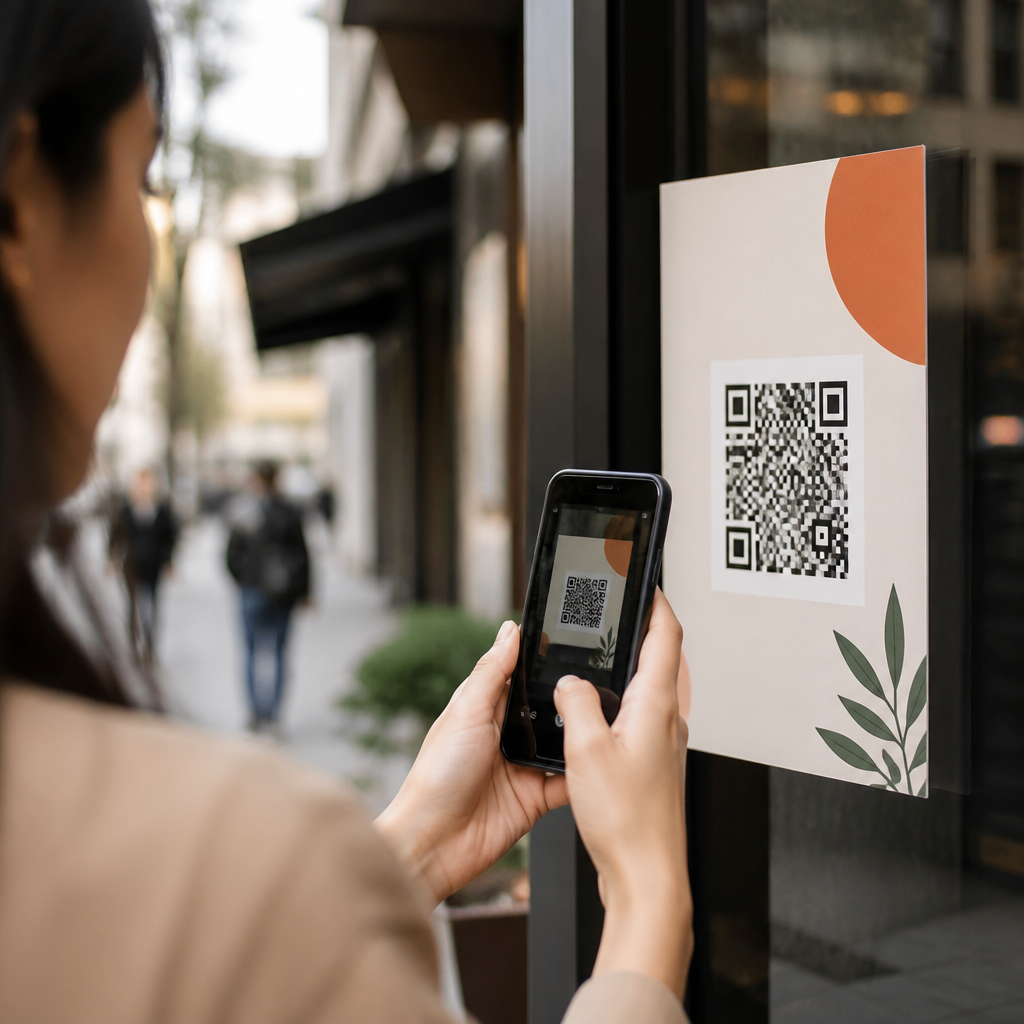
The best placement depends on where your audience is already paying attention and what action makes sense in that environment. High-performing placements are usually locations where people have a few seconds to engage and a clear reason to scan. Common examples include trade show booths, conference badges, posters, in-store signage, product packaging, direct mail postcards, brochures, flyers, restaurant table tents, window decals, receipts, catalogs, and print advertisements. These formats work well because they reach people in the physical world and offer an immediate next step.
For stronger lead generation results, match the placement to user intent. At an event, a QR code might link to a demo booking page or a giveaway entry form. On product packaging, it may lead to a registration form, discount offer, or product education guide. In a retail environment, it could connect shoppers to a loyalty signup page or special promotion. In direct mail, it may offer a quote request or free consultation. The key is relevance: people are more likely to scan when the offer feels useful in that moment.
It is also important to think about visibility and usability. The code should be large enough to scan easily, placed in good lighting when possible, and accompanied by a short call to action such as “Scan to get a free quote,” “Scan to book a demo,” or “Scan to download the guide.” Without that context, many people will ignore it. Strong placement is not just about exposure; it is about pairing the code with the right message, the right audience, and the right conversion opportunity.
3. What should a QR code lead generation landing page include?
A QR code landing page should be simple, mobile-friendly, and focused on one primary action. Since most scans happen on smartphones, the page must load quickly, display cleanly on small screens, and make it easy for users to complete the next step without pinching, zooming, or navigating through clutter. If someone scans a code and lands on a confusing or slow page, conversion rates will drop quickly.
The most effective landing pages include a clear headline, a concise explanation of the offer, a visible form or button, and a compelling reason to act. For example, if the QR code promises a free consultation, discount, downloadable guide, or demo, the landing page should immediately reinforce that promise. Avoid sending users to a generic homepage, because that creates friction and forces them to search for the intended information. A dedicated page aligned with the code’s call to action is almost always the better choice.
Your form should ask only for the information you genuinely need at that stage of the funnel. For top-of-funnel offers, collecting a first name and email may be enough. For quote requests or demo bookings, additional details like company name, phone number, or service interest may make sense. Trust signals also help, including short testimonials, privacy assurances, secure form indicators, or brief explanations of what happens after submission. A strong landing page keeps the promise made before the scan, reduces friction after the scan, and guides the visitor smoothly into becoming a lead.
4. How can you track and measure the success of QR code lead generation campaigns?
Tracking starts with using campaign-specific QR codes that point to dedicated URLs. This allows you to identify exactly where leads are coming from, whether the source is a flyer, event booth, poster, mailer, packaging insert, or in-store display. By assigning different codes to different channels, locations, or offers, you can compare performance and make smarter marketing decisions based on real data rather than assumptions.
To measure results more accurately, use analytics tools and UTM parameters to track scans, page visits, form completions, booking requests, and downstream conversions. Important metrics include scan rate, landing page conversion rate, cost per lead, lead quality, and eventual sales outcomes. A code that gets many scans but very few completed forms may signal a mismatch between the call to action and the landing page. On the other hand, a code with fewer scans but higher-quality leads may be far more valuable to the business.
It is also useful to connect QR code campaigns to your CRM or marketing automation platform. That way, leads generated from specific QR codes can be tagged, nurtured, scored, and followed through the sales pipeline. This gives you visibility beyond top-level engagement and helps you understand which campaigns generate qualified prospects, not just raw traffic. The strongest measurement approach looks at the full journey—from scan to submission to sale—so you can continually improve offers, placements, messaging, and lead capture forms.
5. What are the best practices for using QR codes effectively for lead generation?
The first best practice is to give people a clear and compelling reason to scan. A QR code by itself is not persuasive; the value behind it is what drives action. Strong incentives include free resources, exclusive discounts, instant quotes, event registration, product demos, limited-time offers, loyalty rewards, and useful educational content. The call to action should be specific and benefit-driven so users know exactly what they will get in return for engaging.
Second, make the experience frictionless from end to end. Use a high-quality, easy-to-scan code, place it in a visible location, and ensure the destination page is mobile-optimized and focused on a single goal. Avoid overloading users with too many choices, too many form fields, or unclear instructions. The smoother the path from scan to submission, the stronger the lead generation performance will be. Testing matters here—small adjustments to wording, placement, design, or form length can significantly affect results.
Third, align the QR code with audience context and brand trust. The offer should match where the user encounters the code and what they are likely to care about in that moment. A person scanning a code on packaging may want support, rewards, or product details, while someone at a trade show may be more interested in a demo or consultation. At the same time, branding, professional design, and privacy transparency all influence whether users feel comfortable sharing their information. When QR codes are strategically placed, tied to a relevant offer, and supported by a strong landing page, they can become one of the most practical and efficient tools for lead generation.