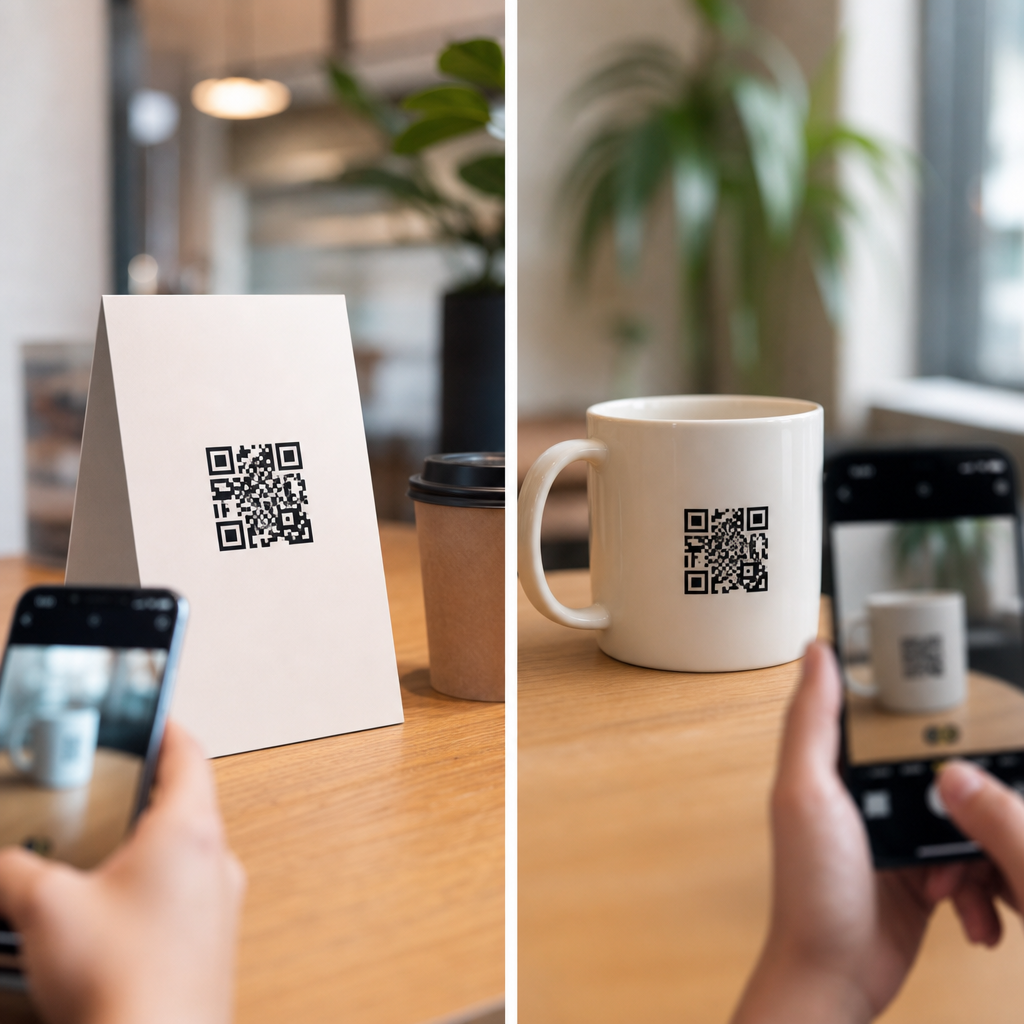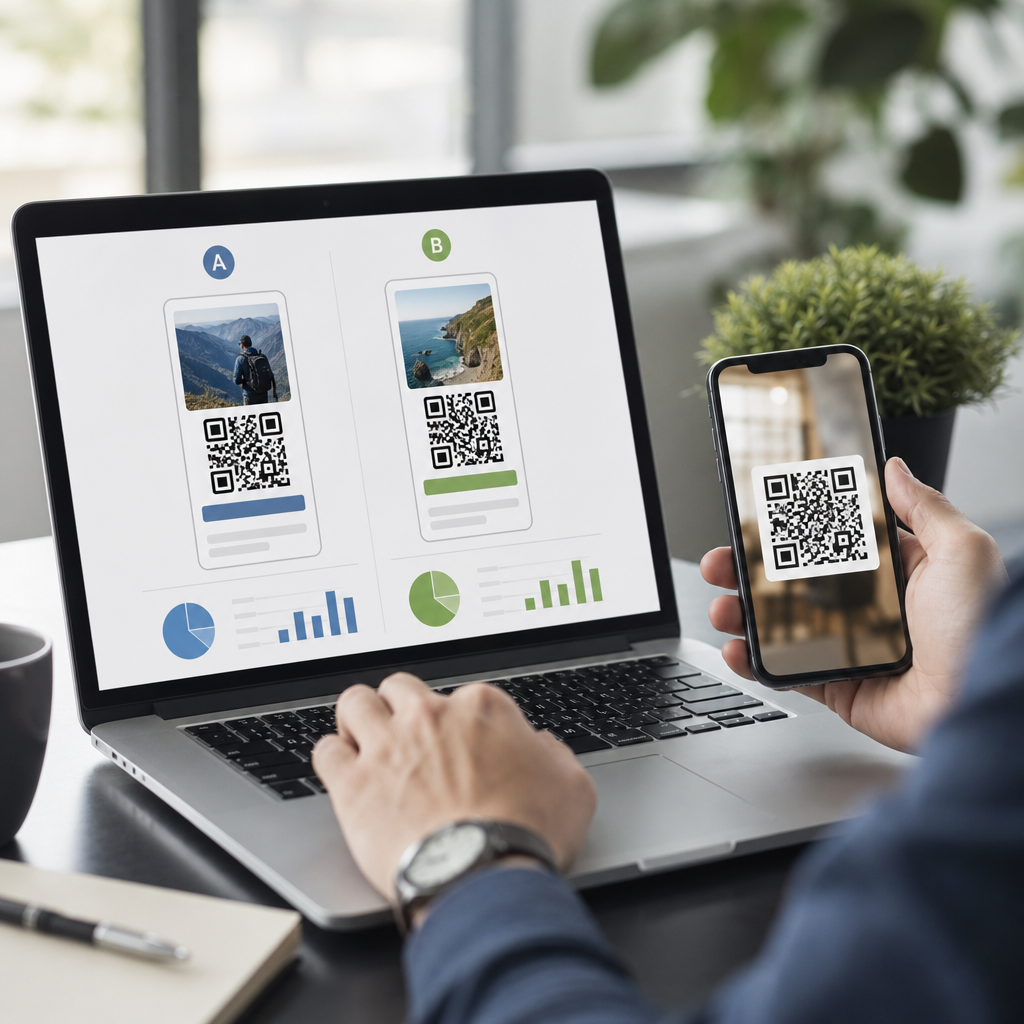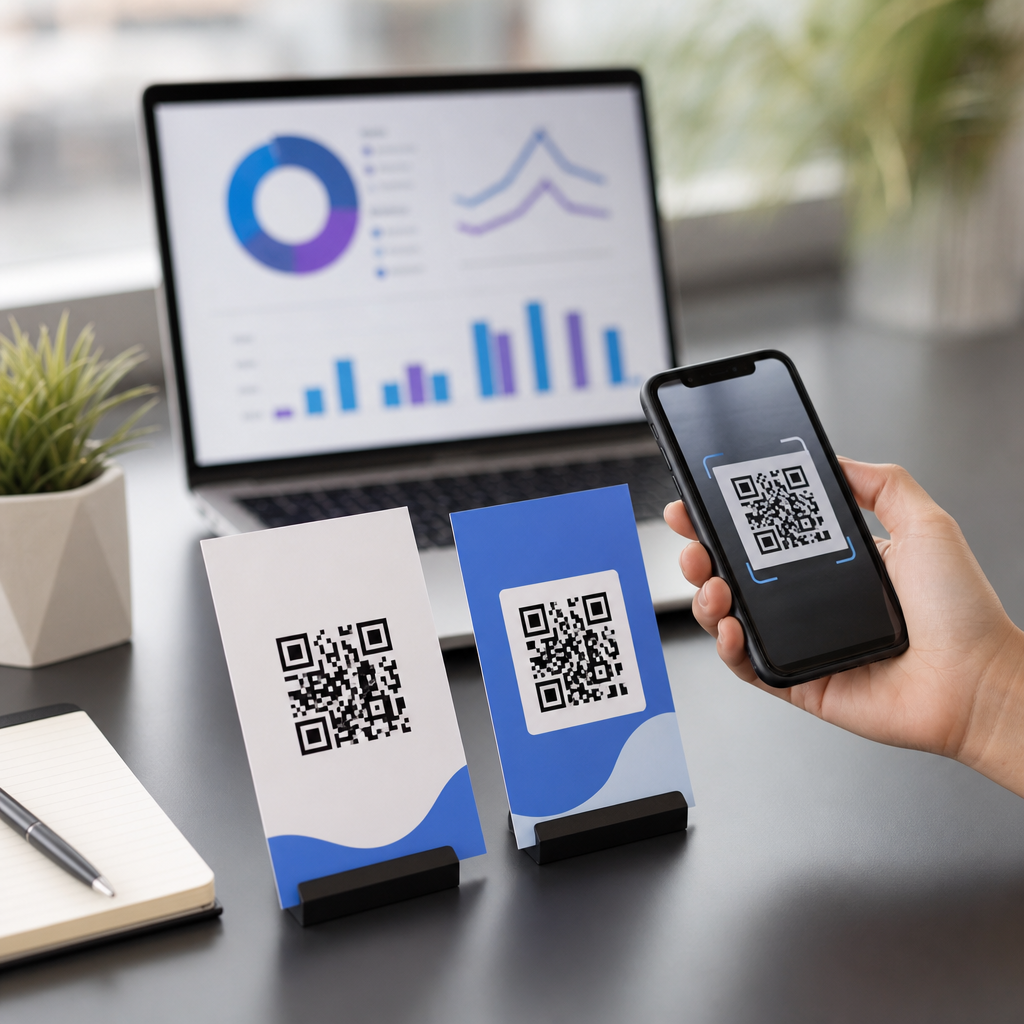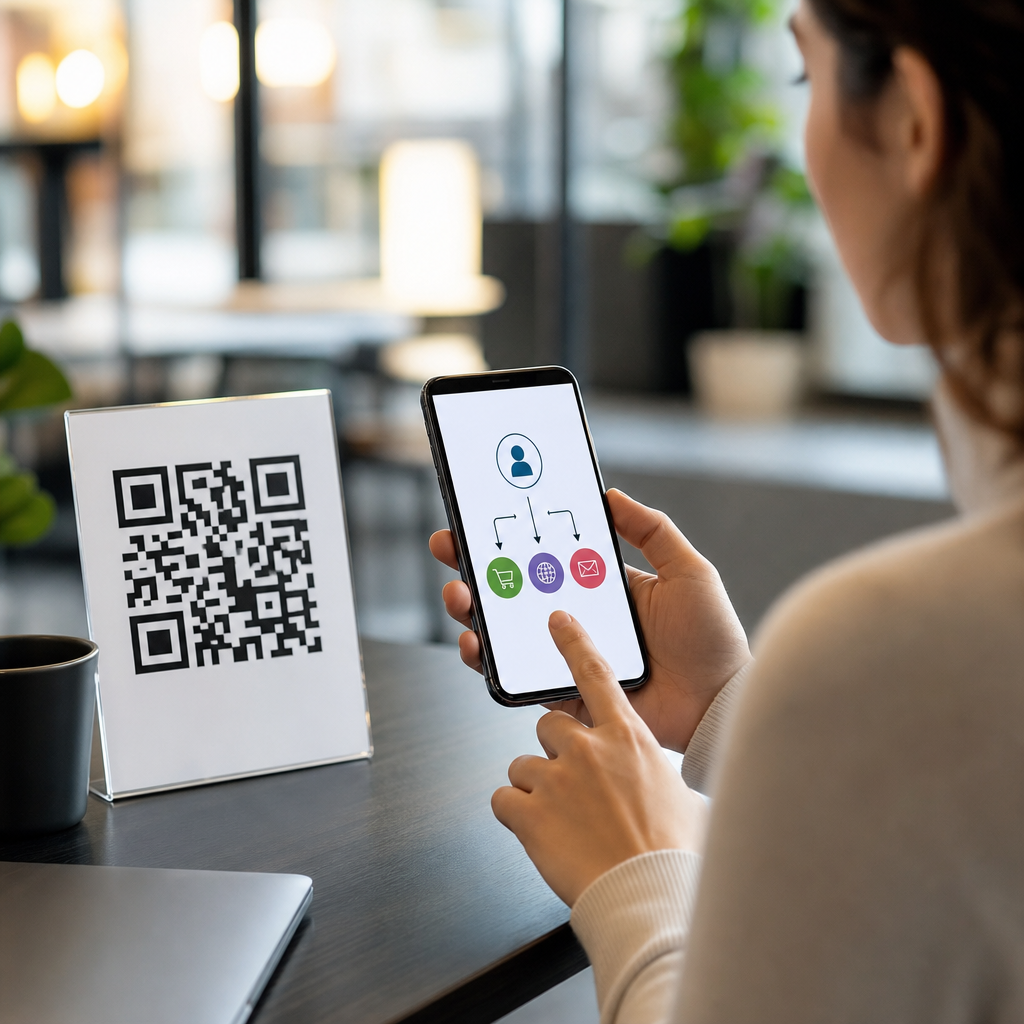
Redirecting QR codes based on user behavior turns a static scan into a responsive customer journey. Instead of sending every person to the same page, a dynamic QR code can route users according to context signals such as device type, scan history, location, time, language, or on-page actions taken after the first visit. In practical terms, this means one printed code on packaging, signage, direct mail, or product inserts can support many outcomes without reprinting anything.
When teams talk about dynamic QR code strategies, they usually mean a managed redirect system placed between the QR image and the final destination. The QR code points to a short tracking URL. That URL checks rules, logs the scan, and then forwards the user to the most relevant experience. I have implemented these systems for retail promotions, event operations, and post-purchase support flows, and the biggest lesson is simple: the redirect logic matters more than the code image itself.
This matters because user behavior is one of the strongest available signals for intent. A first-time scanner may need a landing page with education and trust elements. A repeat scanner may need fast access to account services, refill ordering, loyalty rewards, or troubleshooting. Someone who scanned but bounced can be retargeted to a shorter page with a clearer call to action. Someone who completed a purchase may deserve cross-sell content or onboarding instead of the same promotional page they already saw. Behavior-based redirection improves relevance, reduces friction, and increases conversion rates while preserving the convenience that makes QR codes effective in offline-to-online journeys.
What behavior-based QR code redirection means in practice
Behavior-based QR code redirection is the process of changing the destination after a scan according to what the user has done before or is doing now. The most common behaviors include first versus repeat scans, pages viewed, form completions, cart abandonment, coupon redemption, app installed status, and customer lifecycle stage pulled from a CRM or marketing automation platform. The redirect engine evaluates those signals in real time, then sends the person to the best next step.
For example, a restaurant can place one QR code on takeout packaging. New scanners land on a menu and loyalty signup page. Returning scanners who already joined loyalty go directly to a reorder page. Users who recently reported a support issue are routed to order status and service contact options. The printed code never changes, but the experience does. That is the core value of dynamic QR code strategies: flexibility without operational waste.
Technically, the setup usually relies on URL parameters, first-party cookies, session storage, mobile deep links, server-side redirect rules, and analytics events. Teams often manage rules through platforms such as Bitly, Branch, Adjust, QR Code Generator PRO, Beaconstac, Uniqode, or a custom redirect layer built on a CDN worker or application server. For privacy and reliability, first-party data is preferable. Third-party cookies are no longer a dependable foundation, especially in mobile browsing environments.
Which user signals should drive the redirect
The best redirect criteria are specific, observable, and tied to business outcomes. Start with scan-level signals: timestamp, device operating system, browser language, IP-derived geography, campaign source, and whether the scan is unique or repeated. Then add downstream behavior: scroll depth, product views, video plays, checkout starts, purchases, ticket downloads, support article reads, or account logins. Avoid building logic around vanity metrics that do not change what the user should see next.
In my experience, the highest-performing rules are based on a small number of strong signals rather than a long stack of weak ones. A consumer packaged goods brand may only need three branches: first scan to education, repeat scan after purchase to usage tips, and repeat scan after 30 days to refill offers. A B2B event code might branch by attendee type, session registration status, and whether the event app is installed. Clarity makes testing easier and prevents contradictory rule paths.
| Behavior signal | What it indicates | Best redirect destination |
|---|---|---|
| First-time scan | Low familiarity, high need for context | Landing page with overview, proof, and primary action |
| Repeat scan within 7 days | Active consideration or ongoing use | Fast-path page such as reorder, login, or saved offer |
| Form started but not completed | Interest with friction | Simplified page with shorter form and reassurance |
| Purchased already | Customer moved beyond acquisition | Onboarding, accessories, referral, or support content |
| App installed | Ready for deeper mobile engagement | Deep link to in-app page instead of mobile web |
How to build the redirect logic and measurement plan
Effective redirect systems begin with a decision tree. Define the default destination first, then map the exceptions. If the person is unknown, where should they go? If they are known and active, what is the shortest useful route? If a signal is missing, what fallback protects the user experience? I recommend documenting each branch with trigger conditions, destination URL, analytics events, and business owner. This prevents marketing, product, and engineering teams from making conflicting assumptions.
Measurement should connect scan behavior to downstream outcomes. Use event naming conventions that separate scan events from landing-page actions and final conversions. In Google Analytics 4, create events for qr_scan, redirect_variant, page_view, begin_checkout, purchase, or generate_lead. In a warehouse or BI tool, join those events to campaign metadata, customer IDs, and redemption data. A scan count alone is not enough. You need to know whether the redirect improved conversion rate, average order value, retention, or support resolution time.
Testing should be incremental. First compare static versus dynamic routing. Next test a simple first-scan versus repeat-scan split. Only after that should you add deeper branching. This sequence reduces false confidence. I have seen teams launch six-rule systems before validating a single redirect hypothesis, which makes analysis muddy and results hard to trust. Start with one meaningful branch, confirm lift, and scale from evidence.
Real-world use cases across retail, events, and support
Retail packaging is one of the strongest use cases. A skincare brand can print one QR code on every box. Before purchase, in-store scanners go to ingredient education and reviews. After purchase, repeat scanners from home are redirected to usage tutorials, replenishment reminders, and loyalty enrollment. If the customer has already enrolled and ordered twice, the same code can lead to a referral offer or subscription page. This keeps packaging useful long after the first scan.
Events benefit because attendee needs change by hour. A badge QR code scanned before arrival can route to registration details and venue maps. During the event, the same code can redirect to agenda updates, live polls, and networking tools. After a session ends, a repeat scan can send attendees straight to slides, feedback forms, or certification downloads. Time-based logic combined with attendee behavior reduces confusion and cuts support desk volume.
Customer support is another high-impact area. Product manuals often contain QR codes that default to a help center. If a user reads an installation guide and then scans again within 24 hours, the redirect can prioritize troubleshooting. If they complete troubleshooting and return later, it can offer maintenance instructions, warranty registration, or accessory recommendations. This approach shortens resolution time because the destination aligns with the user’s stage instead of forcing them through the same homepage repeatedly.
Privacy, reliability, and operational limits
Behavior-based redirection only works if it respects consent, data minimization, and platform constraints. If you use cookies or connect scan data to identifiable customer records, you need a lawful basis, clear disclosures, and retention policies that fit your jurisdiction. General Data Protection Regulation requirements in Europe and state privacy laws in the United States make transparency nonnegotiable. Keep the redirect logic explainable. If your team cannot clearly describe why a user saw a destination, the system is too opaque.
Reliability is equally important. QR scans often happen on weak mobile connections, inside retail stores, or in crowded venues. Redirect chains must be short, pages must load quickly, and destinations must be mobile optimized. A 302 or 307 redirect from a fast edge network is usually sufficient. Long chains involving multiple trackers create latency and increase failure risk. Use uptime monitoring, destination validation, and broken-link alerts. A dynamic QR code that fails in the field is worse than a static one because it undermines trust in every future campaign.
There are also strategic limits. Not every campaign needs behavior-based routing. If the audience is small, the offer is single-purpose, or you lack reliable first-party data, a simpler dynamic destination may outperform an elaborate logic tree. Complexity should earn its keep through measurable gains, not novelty.
Dynamic QR code strategies work best when the redirect reflects clear user intent, not marketing guesswork. A strong system starts with a managed short URL, uses a small set of reliable behavior signals, and sends each scanner to the next most useful destination. First-time users need context. Returning users need speed. Customers who have already converted need service, onboarding, or expansion paths. That is how one QR code becomes a durable journey tool instead of a disposable campaign asset.
As the hub for advanced dynamic QR code strategies, this topic connects naturally to deeper guidance on scan segmentation, QR code analytics, deep linking, CRM-triggered routing, post-purchase flows, and privacy-safe measurement. The common principle across all of those areas is relevance. When the destination adapts to behavior, the code keeps working across the full customer lifecycle instead of only at the moment of acquisition.
If you are planning your next QR initiative, audit every existing code and ask one question: should all scanners really see the same page? If the answer is no, start with a simple behavior-based redirect rule, measure the lift, and build from there.
Frequently Asked Questions
1. What does it mean to redirect a QR code based on user behavior?
Redirecting a QR code based on user behavior means the destination is not fixed for every scan. Instead of sending all users to the same URL, a dynamic QR code points to a rules-based redirect layer that evaluates signals about the person or session and then routes them to the most relevant experience. Those signals can include device type, operating system, language preference, time of day, location, previous scans, campaign source, or what the user did after an earlier visit.
In practice, this turns a static printed code into a flexible customer journey tool. A first-time scanner might be sent to a product introduction page, while a returning visitor could be routed to a comparison guide, loyalty offer, support content, or a purchase page. Someone scanning from an iPhone might see an App Store prompt, while Android users see Google Play. A user who previously viewed a product but did not convert could be redirected to a page with stronger proof points, FAQs, or a limited-time incentive.
The key distinction is that the printed QR code stays the same, but the destination logic changes over time. That gives marketers, ecommerce teams, and product owners the ability to adapt campaigns after materials are already in the field. It also improves relevance, which can increase engagement, reduce friction, and create a smoother path from scan to action.
2. What types of behavior and context signals can be used to trigger different QR code destinations?
There are several useful signal categories, and the best setups usually combine multiple ones rather than relying on just one. Common context signals include device type, browser, operating system, language settings, location, local time, and referral source. These are often available at the moment of scan and can support immediate routing decisions, such as sending users to region-specific pages, language-localized content, or device-appropriate app destinations.
Behavioral signals add another layer of sophistication. These can include whether the visitor is a first-time or repeat scanner, how many times they have scanned, which page they visited previously, whether they clicked through to a product, abandoned a form, watched a video, or completed a purchase. If your tracking and privacy setup supports it, you can also use campaign-level engagement data to tailor the next step. For example, users who scanned from packaging and later revisited from a product insert might be routed differently than users who scanned a retail shelf display for the first time.
Teams also use event-based triggers such as inventory status, active promotions, support milestones, subscription stage, or product lifecycle timing. A QR code on packaging could point new customers to onboarding content during the first week after purchase, then shift to usage tips, then later to replenishment or accessory recommendations. On signage, the same code could serve morning commuters one offer and evening visitors another. The goal is to match destination intent with the user’s likely need in that moment.
To do this well, businesses should define a clear hierarchy of rules so routing stays predictable. For example, language and country may take precedence over campaign messages, while repeat-scan behavior may override a generic landing page. Good governance matters because too many overlapping rules can create inconsistent experiences if they are not documented and tested carefully.
3. How do businesses implement behavior-based QR code redirects without changing printed materials?
The foundation is a dynamic QR code rather than a static one. A static QR code encodes the final destination directly, which means it cannot be changed once printed. A dynamic QR code, by contrast, points to a short redirect URL controlled through a QR management platform, link routing system, customer data setup, or custom middleware. That redirect endpoint becomes the place where rules are evaluated and the final destination is decided.
A typical implementation starts with one QR code placed on packaging, mailers, signage, inserts, or labels. When someone scans it, they land first on the redirect service. That service checks available signals such as geolocation, language, device type, scan history, or tagged campaign parameters. If the organization integrates analytics, CRM, CDP, ecommerce, or marketing automation tools, the system can also use prior engagement or audience membership to determine the next page. The platform then sends the user to the appropriate landing page, app store, support article, form, or offer.
To make this work smoothly, teams usually build a routing plan before launch. That includes defining audience segments, redirect rules, fallback destinations, measurement requirements, and testing procedures. It is also important to set up analytics so every scan and destination can be tracked. UTM parameters, event tracking, and conversion reporting help teams understand which redirect paths perform best and where users drop off.
Another best practice is to create strong default experiences. Not every scan will produce complete behavioral data, and some users will block certain signals. In those cases, the QR code should still route to a useful, mobile-friendly landing page. In other words, behavior-based routing should enhance the experience, not make it fragile. If data is incomplete, the fallback should still be relevant, fast, and easy to navigate.
Finally, because the printed code never changes, teams can optimize after launch without reprinting assets. They can update campaigns by season, switch destinations when inventory changes, localize content for new markets, or refine rules as data reveals better-performing pathways. That flexibility is one of the biggest business advantages of dynamic QR code infrastructure.
4. What are the biggest benefits of using behavior-based QR code redirects in marketing and customer experience?
The main benefit is relevance. When users scan a QR code, they are signaling intent, but that intent is not always identical across every person or moment. Behavior-based redirects help brands respond more intelligently by sending people to content that aligns with where they are in the journey. That can improve click-through quality, time on site, conversion rate, app installs, support completion, and repeat engagement because the destination feels tailored rather than generic.
Another major advantage is operational flexibility. Printed materials are costly to update, especially at scale. With a dynamic QR code and redirect logic, one code can support many use cases over time. A code on product packaging can begin as an onboarding tool, later promote accessories, and eventually drive replenishment or loyalty enrollment. A retail display can feature one printed code while the landing page changes based on geography, store campaign, promotional period, or audience response.
There is also a strong measurement advantage. Because scans pass through a managed redirect layer, teams can track when, where, and how engagement happens. They can compare first-time versus repeat scans, see which destinations convert best, identify underperforming segments, and adjust routing rules accordingly. This makes QR codes much more than a passive bridge between offline and online; they become a measurable optimization channel.
From a customer experience standpoint, behavior-based redirects reduce friction. Instead of forcing every user through the same generic landing page, the experience can adapt to the most likely next step. New customers may need setup help, returning users may want account access, and highly engaged users may respond better to offers or advanced content. When the path feels natural, the journey becomes faster and more helpful.
Ultimately, the value is strategic as well as tactical. Businesses can use one physical code to support personalization, lifecycle marketing, localization, testing, and optimization across channels. That makes QR codes more durable, more data-informed, and far more useful than simple one-link destinations.
5. Are there any privacy, compliance, or technical concerns to consider when redirecting QR codes based on behavior?
Yes, and they should be taken seriously from the beginning. Any system that uses behavioral or contextual data for routing needs a clear privacy framework. Businesses should understand exactly what data is collected at scan time, what is inferred, how long it is stored, and whether it is linked to identifiable users. Depending on the region and the type of data involved, laws such as GDPR, CCPA, and other privacy regulations may apply. Consent requirements, disclosure language, and user rights handling should all be reviewed with legal or compliance teams.
From a technical perspective, reliability is critical. A redirect experience must load quickly and work across devices, browsers, and network conditions. If the redirect service is slow, broken, or misconfigured, the customer experience fails immediately. Teams should use trusted infrastructure, monitor uptime, and test every routing rule thoroughly. They should also plan for edge cases such as VPN traffic, blocked location data, private browsing, and users whose prior behavior cannot be recognized.
Data quality is another common issue. Behavior-based routing is only as good as the inputs behind it. If scan history is inconsistent, attribution tags are missing, or audience membership updates are delayed, users may be routed incorrectly. That is why strong rule design matters. Businesses should keep routing logic understandable, prioritize the most dependable signals, and maintain sensible fallback destinations in case confidence is low or data is unavailable.
Security also matters. Redirect systems can be abused if they are not managed properly, so organizations should control who can edit destinations, use secure dashboards and permissions, and audit redirect changes regularly. If QR codes are used on high-visibility assets like packaging or public signage, governance becomes even more important because a single mistake can affect a large number of users quickly.
The best approach is to balance personalization with transparency and resilience. Use behavior-based redirects to improve relevance,